
BLOG
The Role of Symbolic Awards in Motivating Teams


Recognizing the hard work and achievements of teams has evolved into a crucial component of workplace culture, influencing not just productivity but long-term engagement. Among the various recognition methods available, symbolic awards stand out for their enduring impact on motivation and morale. Whether it’s a custom plaque or crystal trophies displayed in a break room, these tangible tokens act as powerful symbols that extend far beyond their material worth. In today’s competitive landscape, organizations are increasingly turning to symbolic awards to energize their teams and reinforce core values, resulting in stronger, more connected workplaces.
The actual impact of symbolic recognition lies in its ability to deliver meaningful appreciation, foster a sense of identity, and ignite lasting enthusiasm. Employees value public acknowledgment and personal touches—ingredients that make symbolic awards highly effective, regardless of industry or team size. As companies strive to boost retention and build loyalty, understanding the nuanced value of symbolic awards becomes essential to shaping a motivated, high-performing team.
Understanding Symbolic Awards
Symbolic awards are non-monetary tokens such as plaques, trophies, and custom-designed keepsakes that acknowledge individual or group success. Their power doesn’t stem from their material value but from the meaning organizations attach to them. For example, a CEO’s signed letter or a unique team artifact can become a badge of honor within a department. Symbolic awards like these do not substitute pay or bonuses but instead coexist as part of a broader recognition strategy—one that focuses on acknowledgment, appreciation, and the celebration of shared success.
Organizations are increasingly aware that while financial incentives matter, they often pale in comparison to the emotional significance of memorable experiences and personalized gestures. Symbolic awards help fill that gap, providing social proof of accomplishment and reinforcing an organization’s narrative. As highlighted by the Harvard Business Review, “employees want to feel valued and recognized in meaningful ways,” and symbolic awards offer an accessible avenue to achieve precisely that.
Psychological Impact on Teams
Symbolic awards have a significant influence on how team members perceive their work. According to the O.C. Tanner Institute, employees who receive symbolic recognition recall the experience long after the event, leading to higher engagement and effort. This boost in morale comes from the personal resonance of being noticed, fostering a deep-seated sense of belonging. Teams that feel valued become more resilient, adaptable, and creative—traits crucial for navigating today’s ever-changing business environment.
The simple act of presenting a symbolic award can ignite a mental spiral of positivity. It tells team members their contributions matter, leading to an intrinsic drive to maintain or exceed performance standards. Recognition is particularly powerful when it is specific, timely, and tied directly to behavior an organization wishes to reinforce, whether that’s collaboration, problem-solving, or outstanding customer service. Besides personal growth, this psychological boost can ripple through a team, encouraging shared accountability and pride in accomplishments.
Enhancing Team Cohesion
Symbolic awards not only motivate on a personal level but also foster a collective identity among team members. When recognition is presented to a group rather than an individual, it unites members around a common goal. Peer acceptance and unified celebration help break down silos and encourage open communication, setting the stage for stronger teamwork. The pride associated with group awards becomes woven into a team’s legacy, turning milestones into motivation for the next challenge.
Team-based symbolic recognition—such as “Team of the Month” awards or trophies commemorating special projects—has a reinforcing effect. These rituals remind the group of their shared journey, their strengths, and the unique culture they’ve built together. Coaches at all levels frequently utilize symbolic rewards to reinforce values such as grit, integrity, and hustle, demonstrating how these qualities can be applied across various sports, businesses, and other arenas.
Best Practices for Implementation
To fully realize the advantages of symbolic awards, organizations should design their recognition programs with intention and clarity. Effective implementation begins with aligning awards to core values, ensuring tokens have unique relevance within the company. Personalization is key—members should recognize themselves in the achievements celebrated, and the form of the award should have personal or team significance.
- Align Awards with Company Values: Choose or design awards that reflect what is most important to the organization’s mission.
- Personalize Recognition: Use concrete examples to connect the reward to specific team contributions or outcomes.
- Encourage Peer-to-Peer Recognition: Foster a culture where recognition can come from any level within the team, not solely from leadership.
- Be Consistent: Regularly scheduled recognition—monthly, quarterly, or tied to project milestones—maintains momentum and keeps motivation high.
Research published by Forbes underscores the importance of consistency and fairness in recognition to avoid perceptions of favoritism or neglect.
Potential Pitfalls and How to Avoid Them
Despite their effectiveness, symbolic awards are not without risks. If implemented poorly, they may provoke unhealthy competition or feelings of exclusion, leading to resentment rather than motivation. This is especially true in high-pressure environments, where recognition is often viewed as a zero-sum game. To counter these adverse effects, organizations should use transparent and inclusive criteria and recognize both collective and individual achievements. Promoting a culture of shared success minimizes rivalry and ensures symbolic awards serve to build trust rather than erode it.
Real-World Examples
Many leading companies utilize symbolic awards to foster a motivational team environment. Tech firms often award custom coins to teams who complete critical launches, while healthcare organizations recognize outstanding care with plaques or badges that become a point of pride. These tokens also create lasting emotional connections: employees in one global logistics firm receive engraved desk ornaments when they hit safety milestones, which serve as a frequent reminder of their team’s values and accomplishments.
Beyond the physical token, the ceremonies and stories surrounding these awards help to bind people together, adding depth and meaning to everyday work. As a result, organizations create rituals that elevate team achievements, foster pride, and set a tone of appreciation that endures even during challenging times.
Conclusion
Symbolic awards represent more than just recognition—they capture moments of excellence and keep them alive within a team’s story. When chosen thoughtfully and awarded authentically, they reinforce desired behaviors, elevate morale, and strengthen team cohesion. For organizations seeking to elevate engagement and unlock the full potential of their teams, investing in symbolic awards is a timeless strategy that pays dividends in loyalty, culture, and sustainable success.

When your cultured cells do not attach correctly, spread out, or leave the surface in a non-uniform manner, then your experiment may prove hard to interpret. The adhesion may be poor, and this may impact cell shape, growth, viability, as well as reproducibility.
The cause is not always obvious. You might require another culture medium or a more appropriate surface, or exert greater control over the environmental conditions on your cells.
To enhance your culture system, you can align each of its elements with the requirements of your cell model.
Culture media offer nutrients and other biochemical factors that help the cells remain healthy. Meanwhile, surfaces of culture provide adherent cells with a surface on which to grow. When the two are appropriate, it is possible to establish more stable and predictable cell behavior.
Here, you will learn what tissue culture means and how specialized media and surfaces support cell adhesion and healthy cell growth.
Defining Tissue Culture
Tissue culture refers to the culturing and sustenance of cells or tissues in an unnatural and experimental microclimate. Cell culture is one form of tissue culture that focuses on isolated cells. These systems are used to investigate the behavior of cells, the pathophysiology of diseases, as well as responses to drugs, toxicity, and many other biological processes.
When creating a culture, you have to replicate a few of the conditions that cells are getting within the body. These include nutrients, temperature, pH, osmolarity, gases, and suitable physical support. In addition, your culture system should also be devoid of microbial contamination.
The adherent cells also need another consideration, that is, adhesion to an appropriate surface. If the cells are not able to attach properly, they might either remain rounded, easily detach, or exhibit abnormal morphology. Therefore, selecting suitable products for your model is an important part of tissue culture work.
How Specialized Media Support Cells
Culture media provide the chemical environment your cells need to survive and function. Depending on the formulation, media can contain glucose, amino acids, vitamins, inorganic salts, minerals, and other essential nutrients. Some cultures also require serum, growth factors, hormones, or other supplements.
Media composition can influence cell adhesion as well as general cell health. Healthy cells are better able to maintain their cytoskeleton, produce cellular proteins, and respond to signals that support spreading and attachment. An unsuitable formulation can reduce viability or alter cell behavior, which may indirectly weaken adhesion.
You should select media according to your cell type and experimental purpose. Primary cells, immortalized cell lines, and specialized cell models can have different nutritional requirements. Serum-containing, serum-reduced, and serum-free formulations may also produce different responses. A suitable medium helps create a stable biological environment for your culture.
Why Surface Properties Matter
For adherent cells, the culture surface provides the physical foundation for attachment. Treated polystyrene is commonly used because surface modification improves the ability of proteins to adsorb to the plastic. Cells can then interact with those proteins through adhesion receptors.
Surface chemistry can influence how well cells attach and spread. Some cell types attach effectively to standard tissue culture-treated plastic. Others require an extracellular matrix coating. Collagen, fibronectin, and laminin are examples of matrix proteins that can support attachment for particular cell models.
You should choose the surface according to the biology of your cells. A coating that works well for one cell type may not provide the same results for another. Following an established coating protocol also matters. Concentration, incubation time, storage, and handling can all affect surface performance.
How Media and Surfaces Work Together
Cell adhesion does not depend on the culture surface alone. Your cells must also remain metabolically healthy enough to attach, spread, and maintain normal functions. Suitable media provide nutrients and biochemical signals, while the surface provides the physical and molecular interface required for attachment.
The interaction becomes especially important when cells depend on extracellular matrix proteins. Culture surfaces can bind matrix proteins from serum or added coatings. Cells then recognize those proteins through membrane receptors called integrins. Integrin signaling helps connect the extracellular environment with the cell cytoskeleton.
If either part of the system is unsuitable, adhesion can suffer. Poor media conditions can weaken cell health and spreading. An incompatible surface can prevent adequate attachment even when the medium is appropriate. Considering media and surfaces together gives you a more reliable way to troubleshoot adhesion problems.
Which Factors Affect Cell Adhesion
Your cell type plays a major role in how well cells attach. Some cells naturally form adherent monolayers, while others grow better in suspension. Even cell lines from the same tissue can have different attachment needs. Knowing your cell model helps you choose suitable cultureware and surface treatments.
Seeding density can also affect attachment and subsequent growth. Very low densities may reduce cell-cell interactions, while excessive densities can cause overcrowding and changes in cell morphology. Passage number and overall cell health matter as well. Healthy cells generally attach and spread more consistently after seeding.
Your culture conditions also influence adhesion. Temperature, pH, carbon dioxide levels, osmolarity, nutrient availability, and contamination control can all affect cell behavior. If cells suddenly show poor attachment, assess the entire culture system rather than blaming the medium or surface alone.
Conclusion
Successful tissue culture requires more than providing nutrients. Your cells need a suitable biological environment and, for adherent models, a surface that supports attachment and spreading. Specialized media help maintain cell health and provide signals that can influence adhesion, while treated or coated surfaces provide the physical and molecular conditions cells need to attach.
For your next culture experiment, evaluate the medium, surface, cell type, seeding density, and environmental conditions as one system. If adhesion is poor, change one variable at a time and monitor morphology and viability. This approach can help you identify the source of the problem and establish more consistent cell culture conditions.

Your home works hard through every season, facing changing temperatures, moisture, storms, and everyday wear. A seasonal maintenance routine helps you catch small issues before they become expensive repairs while keeping your living space comfortable and efficient. From inspecting the roof in spring to preparing pipes for winter, knowing what to check throughout the year makes homeownership more manageable and protects your investment.
Spring Maintenance: Repair Winter Damage and Refresh Your Home
Spring is an ideal time to inspect your home after months of cold temperatures, rain, and strong winds. Start outdoors by examining the roof for missing or damaged shingles, loose flashing, or areas where water may have entered. Clean gutters and downspouts, making sure water flows away from the foundation rather than collecting beside your home. Check exterior walls, windows, doors, and seals for cracks or gaps that could allow moisture or pests inside.
Inside the house, replace or clean HVAC filters and schedule routine air-conditioning maintenance before temperatures rise. Test smoke and carbon monoxide detectors, replace batteries if necessary, and check fire extinguishers for signs of damage or expiration. Spring is also a useful time to inspect plumbing fixtures for leaks, especially around sinks, toilets, and water heaters.
Give Your Outdoor Areas Attention
Walk around the property and look for winter-related damage to fences, decks, patios, walkways, and drainage areas. Trim branches that are touching the roof or siding, and inspect trees for dead or weakened limbs that could become hazardous during storms. If your home has a sprinkler system, turn it on gradually and check for broken heads, leaks, or uneven coverage.
Summer Maintenance: Focus on Cooling, Water, and Outdoor Wear
Summer heat can place additional stress on your cooling system and exterior materials. Replace HVAC filters regularly and make sure vents are unobstructed so conditioned air can circulate efficiently. If your air conditioner struggles to maintain a comfortable temperature, produces unusual sounds, or causes unexplained increases in energy use, have it inspected rather than waiting for a complete breakdown.
Summer is also a good season to inspect windows and doors for worn weatherstripping. Proper seals help keep hot outdoor air from entering and make it easier to maintain indoor comfort. Check attic ventilation as well, since excessive heat buildup can affect roofing materials and increase the workload on your cooling system.
Outdoor plumbing and drainage deserve attention, too. Look for dripping faucets, standing water, slow drains, or damp areas around the foundation. If your property relies on a septic system, monitor for unusual odors, unusually wet drain fields, or slow household drains. Depending on your household size, system design, and usage, professional septic tank pumping services in Spanish Fork may also be part of an appropriate long-term maintenance schedule.
Protect High-Traffic Exterior Features
Summer activities can increase wear on decks, fences, garages, patios, and outdoor equipment. Inspect wooden surfaces for soft spots, loose boards, peeling finishes, or signs of insects. Clean outdoor surfaces as needed and address minor damage before moisture can make the problem worse.
Fall Maintenance: Prepare for Cold Weather
Fall is the season to prepare your home for lower temperatures and winter weather. Begin by cleaning gutters and downspouts after leaves begin to fall. Clogged drainage can cause water to back up beneath roofing materials or collect near the foundation. Extend downspouts far enough from the house to direct water safely away from the structure.
Inspect the roof once more before winter arrives. Look for damaged shingles, deteriorated flashing, clogged vents, and areas where previous repairs may have failed. Examine exterior caulking around windows and doors and replace cracked or deteriorated material. Sealing small openings can help prevent drafts, moisture intrusion, and unwanted pests.
Inside, have your heating system inspected before you depend on it during cold weather. Replace filters, clean accessible vents, and make sure heating equipment has adequate clearance. Test smoke and carbon monoxide detectors again, particularly if your heating equipment burns fuel.
Check Plumbing Before Temperatures Drop
Frozen pipes can cause serious water damage, so identify vulnerable plumbing before freezing weather arrives. Insulate exposed pipes in unheated areas such as garages, crawl spaces, and exterior walls where appropriate. Disconnect and drain outdoor hoses, shut off exterior water supplies if your system allows it, and repair dripping faucets.
Take a few minutes to locate your home’s main water shutoff valve. Every household member who may need to respond to a plumbing emergency should know where it is and how to operate it. A quick response can significantly reduce damage if a pipe leaks or bursts.
Winter Maintenance: Monitor Your Home During Harsh Weather
Winter maintenance focuses on preventing weather-related damage and monitoring systems that work harder in cold conditions. During storms, check your roof and gutters when it is safe to do so, watching for ice buildup, blocked drainage, or visible damage. Keep pathways and exterior steps clear of snow and ice to reduce the risk of falls.
Inside the home, watch for drafts around windows, doors, and other openings. If rooms feel unusually cold or you notice condensation, investigate the source rather than simply turning up the heat. Check heating equipment regularly for unusual noises, odors, or performance changes, and keep vents and returns unobstructed.
Watch for Moisture and Winter Damage
Cold weather can make small leaks and ventilation problems more noticeable. Check ceilings, walls, cabinets, and floors periodically for discoloration, dampness, or musty odors. Pay particular attention to areas around plumbing fixtures and exterior walls.
If you leave home during an extended winter trip, take precautions appropriate to your climate and plumbing system. Keep necessary heat running, protect vulnerable pipes, and consider having someone check the property periodically. These simple steps can help identify problems before they become major emergencies.
Year-Round Maintenance: Stay Ahead of Small Problems
Some home maintenance tasks should not wait for a particular season. Check for plumbing leaks, unusual electrical behavior, pest activity, foundation changes, and water intrusion throughout the year. A small stain on a ceiling or a slowly dripping faucet may seem insignificant, but early attention can prevent more extensive structural or water damage.
Keep records of inspections, repairs, filter replacements, appliance servicing, and other maintenance tasks. A simple calendar or home-maintenance log makes it easier to remember recurring responsibilities and identify patterns. For example, repeated leaks or unusually high utility costs may indicate an underlying issue that deserves professional evaluation.
Build a Practical Maintenance Routine
Break larger projects into manageable tasks rather than trying to complete everything at once. At the start of each season, walk through your property with a short inspection routine. Look at the roof, gutters, exterior walls, windows, doors, plumbing, HVAC equipment, and drainage areas, then prioritize anything that needs attention.
Safety should remain a priority during every inspection. Avoid climbing onto roofs or handling electrical equipment if you are not properly equipped or trained. For complex plumbing, heating, electrical, structural, or septic issues, bringing in a qualified professional can help ensure the work is completed correctly and safely.
Conclusion
Seasonal home maintenance is less about completing a massive list of chores and more about building consistent habits. Spring repairs, summer system checks, fall preparation, and winter monitoring each help protect your home from preventable damage. By scheduling routine inspections and addressing small problems early, you can improve comfort, preserve efficiency, and reduce the likelihood of costly emergency repairs throughout the year.
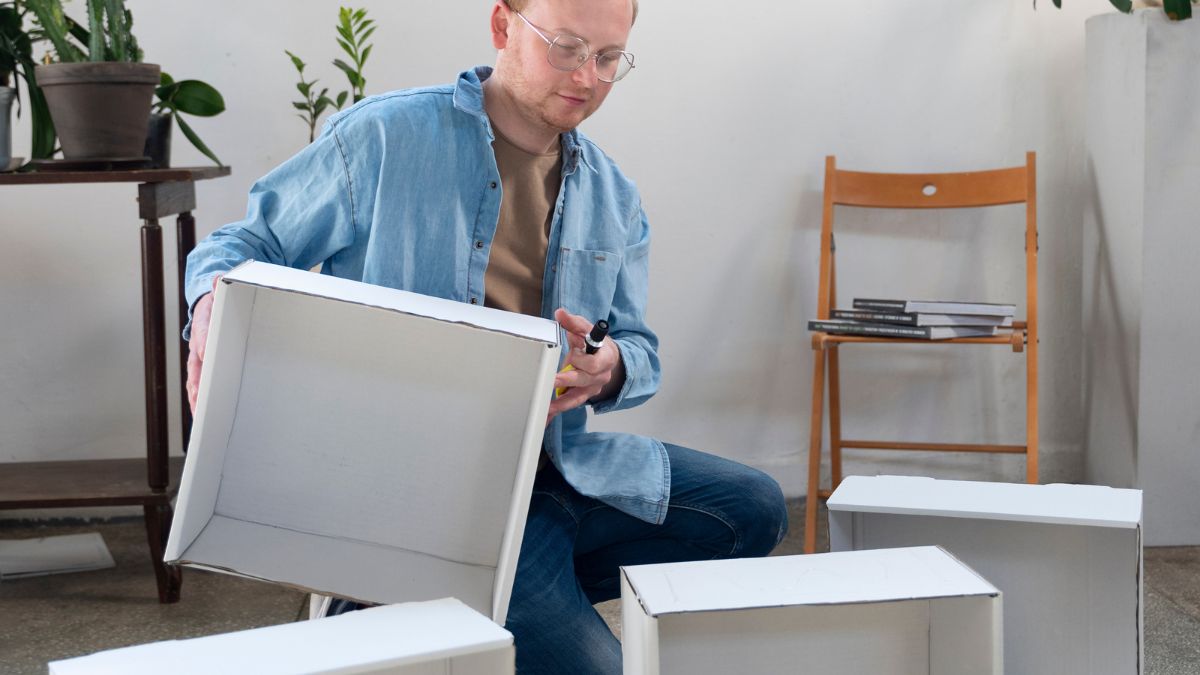
Feeling cramped in your home is a frustratingly common experience. As families grow, hobbies evolve, or work-from-home arrangements become permanent, square footage suddenly feels in short supply. However, with unpredictable real estate markets, high interest rates, and moving expenses climbing into thousands of dollars, buying a larger house isn’t always practical or desirable.
The good news? You likely have far more usable space than you realize.
Creating extra living and storage areas doesn’t require a moving truck or an overwhelming structural renovation. By optimizing your current footprint, rethinking room functionality, and looking beyond your exterior walls, you can unlock hidden square footage. Here is how to create extra space without moving.
1. Start with High-Impact Decluttering
Quick Answer: The fastest, most cost-effective way to create physical space is by removing items you no longer use, need, or love before buying new storage products.
Before spending money on organizers or remodeling projects, conduct a thorough audit of your possessions. Over time, closets, cabinets, and garages naturally become magnets for disused items.
Implement targeted decluttering strategies for small spaces by working through one room at a time. Categorize items into four piles: keep, donate, sell, and discard. Be honest about duplicate kitchen appliances, unworn clothing, and outdated electronics. Clearing out physical clutter instantly breathes new life into your rooms and reveals floor space you forgot existed.
2. Capitalize on Vertical and Forgotten Architectural Space
Quick Answer: Utilize wall height, doors, and underutilized architectural nooks to draw the eye upward and free up valuable floor real estate.
When horizontal floor space is limited, look up. Most homes feature several feet of unused vertical wall space that can be converted into functional storage.
- Floor-to-Ceiling Shelving:Install floating shelves or tall bookcases to store books, decor, or pantry goods without expanding a room’s footprint.
- Over-Door Racks:Mount organizers over pantry, closet, or bathroom doors for shoes, cleaning supplies, and toiletries.
- Staircase Cavities:Convert the empty cavity under your main staircase into a cozy reading nook, a pull-out shoe drawer, or a compact home office desk.
Lifting items off the floor creates cleaner sightlines, making small rooms feel noticeably larger.
3. Incorporate Multi-Functional Furniture
Quick Answer: Swap single-use furniture for pieces that offer built-in storage or transform based on your daily activities.
Furniture that serves only one purpose takes up precious real estate. Replacing rigid traditional pieces with flexible alternatives is a game-changer for compact layouts.
Explore dual-purpose furniture ideas such as storage ottomans that hide extra blankets, coffee tables with lift-top workspaces, or bench seating with hidden shoe compartments. In tight bedrooms or flex spaces, Murphy beds allow a room to function as a bright home office by day and a comfortable guest bedroom by night. Nesting tables and drop-leaf dining tables also allow you to expand surface area only when hosting.
4. Reclaim and Convert Underutilized Indoor Areas
Quick Answer: Finishing an unfinished basement, attic, or attached garage transforms neglected square footage into high-value living areas.
Instead of building an expensive room addition, look at the underutilized square footage already protected by your roof.
Unfinished areas hold immense potential for expansion. Reviewing popular attic and basement conversion tips can help you evaluate insulation needs, ceiling height requirements, and moisture control. A finished basement can serve as a family media room or home gym, while a dormered attic makes an ideal primary suite or quiet home office.
5. Expand Outward with Detached Backyard Structures
Quick Answer: When indoor space is maxed out, placing a detached shed or metal building in your yard creates dedicated space for vehicles, workshops, or heavy storage.
Sometimes, internal reorganization isn’t enough—especially if your home lacks a basement or spacious attic. When you need major storage or a dedicated workshop, looking out into your yard is the most effective solution.
Adding a detached structure keeps lawn equipment, seasonal gear, or bulky power tools out of your main living quarters. If you need heavy-duty, weather-resistant protection for vehicles, lawn tractors, or large DIY projects, exploring options like portable metal buildings for sale in Lafayette, LA provides a durable, low-maintenance footprint without the disruption of traditional construction. These structures assemble quickly and easily adapt into hobby workshops, specialized storage hubs, or outdoor utility spaces.
Indoor Conversion vs. Outdoor Detached Structures
| Feature | Indoor Room Conversion | Detached Backyard Building |
| Best For | Bedrooms, living rooms, home offices | Heavy storage, workshops, equipment, vehicles |
| Disruption | High (foot traffic inside the house) | Low (work stays isolated in the yard) |
| Permit Needs | Interior building, electrical, & plumbing | Local setback & zoning compliance |
| Cost Scale | Moderate to High (framing, drywall, HVAC) | Predictable, modular pricing |
6. Common Space-Creating Mistakes to Avoid
- Over-Furnishing:Choosing oversized couches or bulky entertainment centers that block natural walkways.
- Poor Lighting Choices:Relying on a single overhead fixture, which leaves corners dark and makes rooms feel cramped.
- Ignoring Local Building Codes:Starting a conversion or adding an outdoor building without checking local zoning laws, setback rules, or HOA covenants.
Frequently Asked Questions
What is the most affordable way to create extra space at home?
Radical decluttering and maximizing vertical wall space with floating shelves are the most budget-friendly methods, costing very little while immediately freeing up usable room.
How do I make a small room feel bigger instantly?
Use light paint colors, hang large mirrors to reflect natural light, choose furniture with raised legs to show floor space, and keep window treatments light and airy.
Unlocking Your Home’s Full Potential
Creating extra space in your home doesn’t require packing up boxes, negotiating real estate deals, or taking on a massive new mortgage. By decluttering thoroughly, utilizing vertical wall space, investing in multi-functional furniture, and leveraging detached outdoor buildings, you can significantly expand your usable square footage. Thoughtful organization and smart spatial planning allow your current home to evolve alongside your lifestyle.
-

 BLOG1 year ago
hanime1: The Ultimate Destination for Anime Lovers
-

 Technology1 year ago
GLAADVoice.com: How You Can Get Involved and Make a Difference
-

 ENTERTAINMENT1 year ago
Sflix: How It’s Changing the Way We Watch Movies and TV Shows
-

 BILLS1 year ago
Why Does My Instagram Reel Stop Getting Views After One Hour? How to Fix It?
-

 BLOG1 year ago
Imginn: The Ultimate Tool to View Instagram Content Anonymously
-

 BLOG1 year ago
NHentai.nef: Understanding the Popular Hentai Archive
-

 ENTERTAINMENT1 year ago
Crackstreams 2.0: The Future of Free Sports Streaming?
-

 BLOG1 year ago
ThisVid: What Makes It Stand Out in the World of Online Videos