
HEALTH & FITNESS
From Soreness to Strength: How Peptides Support the Repair Cycle

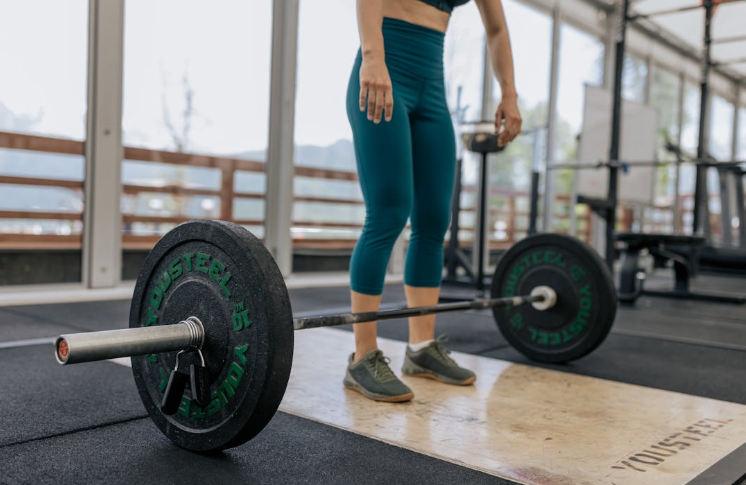
Ever finished a brutal workout and wondered why the soreness sticks around for days?
That dull, achy feeling is your body telling you it needs repair. Plus: how quickly you recover often determines how powerful you become.
The good news?
Peptides are definitely having a moment in the spotlight as of late. Promoting recovery is one of their many benefits.
Let’s get into it…
Here’s what’s covered:
- Why Soreness Happens In The First Place
- Where Peptides Fit Into Recovery
- The Repair Cycle Explained
- Popular Peptides For Repair Support
- Things To Keep In Mind Before You Start
Why Soreness Happens In The First Place
That post-workout ache has a name — delayed onset muscle soreness, or DOMS.
DOMS peaks between 24-72 hours after intense training, and can linger on longer than many realize. DOMS will typically dissipate in 7 days without direct intervention, but those seven days can be painful — particularly if you have scheduled workouts.
Here’s what’s actually happening inside your muscles:
When you exercise beyond your usual capacity you stress your muscle fibres. They develop microscopic tears. White blood cells swarm to repair the damage. Inflammation begins. Your body rebuilds the damaged tissue bigger and stronger than before.
This is the whole point of training. No damage, no growth.
But there’s a catch…
The longer you remain sore and inflamed, the longer it takes to return to optimal fitness. Damage to muscles can decrease performance over the course of days, impacting both workouts and games.
That’s where peptides start getting interesting.
Where Peptides Fit Into Recovery
Peptides are small strings of amino acids — proteins your body is made of. They signal particular cells to perform certain functions.
Some homeostatic meds signal your pituitary gland to release GH. Others signal damaged tissue to initiate healing. Either way you have direct access to your bodies repair mechanisms.
Prominent examples of recovery research subjects include growth hormone releasing peptides such as CJC-1295 and Ipamorelin that scientists rely on when conducting tissue growth, lean mass maintenance, and recovery period studies. Because peptides like these can be obtained in high purity grades for research from quality peptide suppliers, they are commonly used in labs to uncover more about the bodies signaling mechanism behind muscle recovery.
Why does this matter?
Since the right peptide signal can basically “kick-start” your body back into recovering like it used to when you were younger. It’s not magic — it’s signalling.
Think about it:
- Faster cleanup of damaged tissue = less time being sore
- Better signalling for protein synthesis = stronger rebuild
- More efficient hormone release = better overall recovery
Pretty cool, right?
The Repair Cycle Explained
Recovery isn’t just resting on the couch and waiting for the pain to fade.
Whenever you train intensely, your body undergoes a predictable series of events. Learn what they are and you’ll understand which recovery methods work…and which don’t.
The repair cycle looks something like this:
- Inflammation phase — Your body floods damaged tissue with white blood cells
- Cleanup phase — Damaged proteins and cells get broken down and removed
- Rebuilding phase — New muscle proteins are synthesised to replace the damaged ones
- Strengthening phase — The repaired tissue becomes denser and more resilient
Every phase requires proper signalling from your body in order to operate efficiently. Hormones, growth factors, and amino acids are all involved in this process. When one (or more) of those signals are low (or absent) the entire cycle suffers.
That’s why folks in their 40’s and 50’s feel like recovery lasts forever. This also why athletes are seeking out more intelligent forms of support for each phase.
Popular Peptides For Repair Support
Peptides aren’t all the same. They each serve a different aspect of recovery.
Here are some of the most talked-about options in research circles right now.
Growth Hormone-Releasing Peptides
They stimulate the pituitary gland to release additional natural growth hormone. Growth hormone is responsible for tissue growth and repair, lean muscle growth, and recovery from training.
The cool thing? They work with your body’s natural rhythms instead of overriding them.
That makes them a popular topic in research for studying age-related recovery decline.
BPC-157
BPC-157 has become one of the most discussed peptides in tissue repair research.
BPC-157 completely restored gastrocnemius crush injury muscle function and regeneration in rats. Published in Medical Science Monitor
It’s important to note though…
Most of this data comes from animal studies. Human clinical trials are still limited.
Collagen Peptides
These are your most “day to day” options. They have the most human research supporting them. A meta-analysis of 19 studies showed positive results in favor of collagen peptide supplementation and fat free mass.
Consumed with resistance exercise collagen peptides have delivered tangible results regarding body composition and recovery.
Things To Keep In Mind Before You Start
Peptides aren’t a shortcut. And they’re not for everyone.
Here are a few things worth understanding before getting too excited.
The research is still ongoing. While we have promising early data on many of these peptides, most of the ones used for recovery have not yet been studied very thoroughly in humans. Animal testing doesn’t always equate 1:1 to humans.
Quality is important — don’t skimp on it. You can find cheap junk everywhere, full of who-knows-what or sometimes lacking what it says on the label. If you are ordering peptides for research purposes, make sure you deal with reliable companies.
Legal status: depends. Some peptides are only sold for research use. Some peptides are banned substances in sport. Make sure you know which applies in your country.
They complement the fundamentals. If you sleep poorly, eat junk and over train… no peptide is going to bail you out. Peptides enhance what’s already there.
[The truth is:]{.underline}
When recoveries are fastest, it’s always because the foundations have been stacked first. Sleep. Protein. Smart programming. Then…only then, do recovery “enhancers” come into play.
Final Thoughts
Going from soreness to strength is what training is all about.
The human body is designed to recover from damage, but how quickly it repairs itself is influenced by many factors — age, stress, sleep, diet. Peptides are getting attention in the recovery space because they assist with the signalling aspect of the repair cycle.
To recap:
- DOMS is normal but slows progress when it lingers
- The repair cycle has multiple phases — each one matters
- Peptides act like messengers supporting natural recovery
- Quality, sourcing, and legality should always be checked first
- Nothing beats sleep, food, and smart training
Recovery is one of the most neglected aspects of becoming strong. Focus on it, and you will change how you train.

Struggling with addiction AND your mental health at the same time?
You are not alone. Not even close.
Dual Diagnosis occurs much more frequently than most people think. And if you treat only one… the other one will likely drag you right back down again.
That’s where dual diagnosis treatment enters the picture. Dual diagnosis treatment addresses both issues together, simultaneously with the same team of experts. This allows for:
- Fewer relapses
- Better long-term recovery
Here’s how it works…
Inside this guide:
- What Is Dual Diagnosis Treatment?
- Why Treating One Condition Isn’t Enough
- 4x Big Benefits Of Treating Both Together
- How To Pick The Right Dual Diagnosis Program
What Is Dual Diagnosis Treatment?
Dual diagnosis treatment involves treating patients who suffer from both a mental health issue and substance use disorder simultaneously. Sometimes referred to by doctors as “co-occurring disorders”.
Common pairings include depression and alcohol, anxiety and prescription pills, or PTSD and opioids.
It’s pretty simple. Rather than going to one place for your addiction and somewhere else for your mental health… both are treated together as one issue.
And that matters more than you might realize. In 2024, 21.2 million adults who suffered from mental illness also suffered from a substance use disorder. That means more than 1 in 3 people.
That’s a huge number of people who need both kinds of help.
If this resonates with you or a loved one, the initial step is seeking out dual diagnosis treatment with therapists and addiction experts collaborating on a unified recovery program. For example, you can visit website to see what integrated mental health and substance use treatment looks like in an actual facility and compare it to the other facilities on your list.
Why Treating One Condition Isn’t Enough
Here’s the problem…
Mental illness and substance abuse can reinforce each other. Someone who suffers from anxiety may drink to relax. When they wake up the next morning their anxiety is worse from drinking. They then drink again to cope.
It’s a loop. And it’s a tough one to break.
Whether it’s depression, trauma or even insomnia. People grab something to feel “normal” for a moment. But that high doesn’t last & the underlying issue just magnifies.
Treating only the addiction leaves the anxiety waiting in the wings. Treating only the anxiety allows the drinking to reverse all gains.
Deal with one problem and neglect the other and whatever you didn’t fix usually winds up bringing the person back.
Unfortunately, this fragmentation persists today. Of adults with co-occurring conditions, only 14.5% received services from both systems. That means most individuals only receive half the help they need (or none at all).
Think about it:
Would you fix a leaky roof by only mopping the floor?
Of course not. You fix the leak AND clean up the mess.
4x Big Benefits Of Treating Both Together
So why does integrated care work so well? Let’s take a closer look…
Fewer Relapses
Relapse is everyone’s worst nightmare in recovery. It very often starts with an untreated mental health issue.
Dual diagnosis programs can teach you how to recognize your triggers before they even happen. They help you understand what prompts cravings (stress, sadness, anxiety) and what to do about them instead of turning to a beer or a pill.
Fewer untreated triggers = Fewer relapses.
One Team, One Plan
With a split system your therapist and your addiction counsellor may never talk to one another. This can result in conflicting messages. Or worse, medications that interact poorly.
Integrated care solves this problem. One team follows one plan, so no details are missed.
Pretty simple, right?
Better Mental Health
Here’s something most people don’t expect…
When substance abuse is stabilized, psychiatric symptoms become more manageable. When psychiatric disorders are stabilized, the desire to self-medicate diminishes.
Each victory rolls the next victory closer. That is how momentum is built. That is the beauty of dual diagnosis treatment.
Even family members can see the improvements. Sleeping improves, mood evens out and everyday life seems doable again. These small victories begin to pile up quickly when both conditions are treated.
Stronger Long-Term Recovery
Recovery isn’t just about the first 30 days. It’s about the next 30 years.
That’s why quality programs combine therapy (such as CBT or DBT), medication management, coping skills training, and aftercare. Used together, they equip clients with the tools necessary to remain healthy well beyond their departure.
How To Pick The Right Dual Diagnosis Program
Not all rehabs are equipped to treat dual diagnoses. Some claim they are…. Only offering a brief mental health assessment upon intake.
Here’s what to look for:
- Licensed staff who work with both conditions: Teams should consist of mental health professionals AND addiction specialists who practice together.
- Comprehensive assessment upon admission: An effective program will conduct assessments for both mental health and substance abuse prior to admission.
- Personalised treatment plans: Your plan should fit your needs, not a one-size-fits-all template.
- Aftercare support: Recovery keeps going after discharge, so the support should too.
Don’t be afraid to ask questions. How does the program manage medications? How frequently do therapists/counsellors consult with each other about each patient? What is done after treatment has completed?
The answers will tell you a lot.
(There’s that “treat the whole person” idea in action again.)
The Bottom Line On Healing Both
Mental health and substance use are very closely connected. Addressing one and not the other is usually temporary at best.
Dual diagnosis treatment interrupts the cycle by treating the entire person. Dual diagnosis treatment reduces chance of relapse. It enhances psychological wellbeing and promotes recovery that sticks
To quickly recap:
- Learn the signs of co-occurring disorders
- Choose a program that treats both together
- Ask the right questions before you commit
- Stick with aftercare
Hope is real. Recovery exists. And when both issues are treated… chances improve dramatically.
Frequently Asked Questions
What does dual diagnosis mean?
Dual diagnosis refers to someone suffering from both a mental health disorder and a substance abuse problem simultaneously. Some examples are depression and alcoholism or anxiety and drug abuse.
Is dual diagnosis treatment better than regular rehab?
Yes, if someone has both. In regular rehab, they may only treat the addiction itself. Dual diagnosis will treat the mental health aspect as well, reducing risk of relapse.
How long does dual diagnosis treatment take?
Depends on the individual. Programs can range from 30-90 days with follow up outpatient care and support.

If you’ve been working on your wellness goals and still feel frustrated by changes in your midsection, you’re not alone. Many people in places like Fayetteville want to feel more comfortable in their clothes and more at home in their bodies after pregnancy, weight loss, or simply the passage of time. Sometimes healthy habits do a lot, and sometimes they don’t fix loose skin or stretched muscles. That’s where learning your options can feel helpful, not vain.
Why do people consider it
You might start looking into a tummy tuck in Fayetteville after realizing that exercise and healthy eating can only do so much for extra skin or weakened abdominal muscles. That can happen after having kids, losing a significant amount of weight, or going through natural body changes over time.
For many people, the goal isn’t perfection. It’s comfort. You may want clothes to fit better, movement to feel easier, or your reflection to match the effort you’ve been putting into your health. That’s a pretty human reason.
This choice is often less about chasing a trend and more about solving a specific issue that won’t budge. Think of it like finally fixing the drawer that never closes right. You can keep nudging it forever, or you can address the real problem.
A body procedure is personal, so your reasons don’t need to look like anyone else’s. If the concern affects your confidence or daily comfort, it’s worth learning more.
What it can address
A tummy tuck is usually considered when the issue is more than a little stubborn belly fluff. It may help address loose or hanging skin, stretched abdominal muscles, and a softer abdominal shape that doesn’t improve much with regular workouts.
That matters in everyday life more than people sometimes admit. You may notice certain pants digging in oddly, dresses not laying the way you want, or exercise clothes feeling less supportive than expected. It’s not just about appearance. It can also be about how your body feels as you move through the day.
For some people, the biggest benefit is seeing a smoother, firmer abdominal area. For others, it’s being able to button jeans without doing that tiny hallway hop. We’ve all negotiated with denim at some point.
Still, it helps to keep expectations realistic. This procedure is not a substitute for weight loss, and it won’t turn your life into a movie montage. What it may do is improve contour in a way that feels meaningful and lasting.
Questions worth asking
When you meet with a provider, go in ready to ask practical questions. You’re not being difficult. You’re being smart. A good consultation should help you understand whether the procedure fits your goals, health, and schedule.
Start with the basics:
- Am I a good candidate right now?
- What kind of result is realistic for my body?
- Where will scarring be, and how noticeable may it be?
- How long is the recovery?
- When can I return to work, workouts, and lifting kids?
You should also ask about timing. If you’ve got a packed season ahead, a procedure that needs recovery time may be better planned for later. Ask about support garments, follow-up visits, and what kind of help you’ll need at home.
Cost matters too, so don’t tiptoe around it. Ask what’s included and whether there are extra fees. The more clearly you understand the process, the calmer and more confident you’ll feel.
Planning your recovery
Recovery tends to go more smoothly when you prepare your space before surgery. Set up a comfortable area where you can rest, keep water nearby, and avoid reaching for things on high shelves. Your future self will be grateful, and probably a little less grumpy.
You’ll likely need help for the first part of recovery, especially with household chores, pets, or small children. This is not the week to prove you’re a superhero. Let people carry the laundry basket.
Gentle walking is often part of the plan, but heavy lifting and intense activity usually need to wait. That means you should think ahead about meals, rides, and basic routines. Loose clothing, extra pillows, and easy snacks can make a big difference.
A few simple prep ideas can help:
- Fill prescriptions in advance
- Prep a few easy meals
- Arrange childcare if needed
- Clear your calendar more than you think you need to
Healing takes patience. Progress may feel slow at first, but giving your body the time and support it needs is part of getting the best result.
Choosing with confidence
This decision deserves thought, not pressure. If you’re considering a tummy tuck, the best next step is to be honest about what you want and why. Maybe you want a flatter shape. Maybe you want to feel more comfortable after major body changes. Both are valid.
Try to separate outside noise from your actual goals. Social media can make every decision feel louder than it is. Your body is not a trend cycle. It’s your home.
It also helps to choose a provider with strong experience, clear communication, and a style that makes you feel respected. You want someone who will answer questions directly, explain risks plainly, and help you build realistic expectations from the start.
Confidence usually comes from clarity. When you understand the benefits, limits, timing, and recovery, you can make a choice that feels steady instead of rushed. And if the answer is yes, it should be a yes that supports your wellness, your comfort, and your life as it really looks right now.

Want to recover faster, train harder, and feel sharper through every single workout?
Peptide supplementation has evolved from a small corner of sports nutrition into one of the most hyped-up avenues across all of fitness. Why?
- People want faster recovery
- People want better performance
- People want to age well while still staying active
Here’s the thing:
Peptides come in all shapes and sizes. Not all brands have your back with their promises. There’s a reason why some peptides work and some don’t. It all comes down to quality, sourcing, and laboratory testing.
Learn everything an athlete needs to know about peptides before using them.
What’s inside this guide:
- What Peptides Actually Are
- Why Active People Are Turning To Them
- Top Benefits For An Active Lifestyle
- Why Certificate Of Analysis Peptides Matter
- How To Pick A Quality Source
What Peptides Actually Are
Peptides are short strings of amino acids that serve as messengers in the body. They signal cells to do this or that: Repair this. Build that. Release that hormone. Quell that inflammation.
Your body produces thousands of them on its own. Supplements just provide your body with slightly more of those specific peptides that may aid in recovery, muscle repair, joint health, and performance.
Pretty straightforward, right?
But here is where most beginners get confused…
There is a MASSIVE difference between cheap powders and lab tested, come with a certificate of analysis peptides from a reputable company. One is a guessing game. The other is a known, traceable product. That’s why smart athletes choose premium Canadian peptides that include full third party testing with detailed lab reports for each individual batch. Without that report, you have no idea what you are putting into your body.
Why Active People Are Turning To Them
The numbers are wild.
The worldwide peptide supplements market size was valued at $2.67 billion in 2024 and is expected to continue rising through 2032. This marks a tremendous change in how regular Joes think about training, recovery, and longevity.
A few reasons for the boom:
- Faster recovery between sessions
- Better sleep and energy
- Joint and tendon support
- Lean muscle gains without crash-and-burn supplements
Even research studies are beginning to back this up. Certain peptides have been shown to help reduce recovery time by 30-50% over traditional recovery practices alone. If you’re training 5-6 days per week like you should be, that’s a game changer.
Top Benefits For An Active Lifestyle
Now it gets exciting. Active individuals don’t just desire results…they desire results without tearing down the body.
Peptides offer a few unique advantages over standard supplements.
Faster Muscle Recovery
Increased performance. This is the number one reason that most athletes will try peptides.
Muscle fibres tear during exercise. Your body repairs them, making them bigger and stronger. Peptides can assist with that by stimulating protein synthesis and reducing inflammation. Decreased soreness allows for more frequent training. More frequent training equals greater gains over time.
It really is that simple.
Stronger Joints And Tendons
Active folks pound their joints. Running, lifting, climbing, cycling – it’s all tough on knees, shoulders and hips over time.
Collagen peptides are very popular for this reason in particular. Studies have found joint pain and joint health to be one of the categories where peptide supplementation has the most supportive research behind it so far.
That’s important because injuries are the biggest reason people get thrown off their game.
Better Sleep And Recovery Hormones
Some peptides enhance the body’s natural release of growth hormone. Most release of growth hormone occurs during deep sleep. Improved hormone balance equates to:
- Deeper, more restful sleep
- More steady energy during the day
- Improved body composition over time
It is the kind of stacked benefit that a simple multivitamin just doesn’t offer.
Lean Muscle Support
Peptides aren’t a magic bullet, but can aid in lean muscle growth when combined with proper training and nutrition. Muscle recovery has quickly become one of the fastest growing markets in all of supplementation, driven primarily by the everyday athlete and weekend warrior seeking any advantage they can get.
The secret? Match them with the fundamentals that actually build muscle – sufficient protein, quality sleep, and progressive overload. Peptides optimize what’s already there. They won’t FIX a broken program.
Why Certificate Of Analysis Peptides Matter
Here’s the part most people skip… and it is the part that matters most.
A certificate of analysis (COA) is a laboratory document that verifies what’s really in the bottle. It demonstrates purity. It ensures the peptide you’re getting is precisely what is listed on the label. It ensures there are no dangerous contaminants in the product.
Without a COA, there is no proof of anything.
This is important because the peptide market is expanding rapidly and standards are not uniform among suppliers. Cheaper online vendors sometimes sell low-purity material or misidentified products. Some skip testing altogether.
Certificate of analysis peptides eliminate this issue. They provide the purchaser with actual, traceable information on:
- Purity percentage
- Heavy metal levels
- Microbial testing
- Identity confirmation of the peptide
No COA from supplier = absolute dealbreaker. No second chances, no negotiations.
How To Pick A Quality Source
So how does an active person actually pick the right peptide source?
Look for a supplier that ticks all of these boxes:
- Provides a certificate of analysis for every batch
- Uses a reputable third-party lab
- Lists peptide purity (usually 98% or higher)
- Has clear sourcing and manufacturing standards
- Offers transparent customer support
Extra points if they are located in an area that has stringent quality requirements. Suppliers from North America rate highly in this category for testing.
Want to avoid wasting time and money?
Stick with brands that lead with their testing data instead of flashy marketing hype.
The Bottom Line
Peptides are not a magic pill. They never were and never will be.
If you’re already training hard, eating well and sleeping properly — compression gear can still provide a legitimate advantage for recovery, performance and long-term joint health. There’s still a lot of science to be done, but the early signs are encouraging.
To quickly recap:
- Peptides support recovery, performance, and joint health
- The market is exploding because the real-world benefits are showing up
- Quality is everything when shopping for them
- Always demand certificate of analysis peptides before buying
Use only trusted, 3rd party tested sources and peptides can be one of the most valuable additions to any active individual’s stack. It’s a noisy market out there but those who do their research on lab work always come out ahead.
-

 BLOG1 year ago
hanime1: The Ultimate Destination for Anime Lovers
-

 Technology1 year ago
GLAADVoice.com: How You Can Get Involved and Make a Difference
-

 BILLS1 year ago
Why Does My Instagram Reel Stop Getting Views After One Hour? How to Fix It?
-

 ENTERTAINMENT1 year ago
Crackstreams 2.0: The Future of Free Sports Streaming?
-

 ENTERTAINMENT1 year ago
Sflix: How It’s Changing the Way We Watch Movies and TV Shows
-

 BLOG1 year ago
ThisVid: What Makes It Stand Out in the World of Online Videos
-

 BLOG1 year ago
NHentai.nef: Understanding the Popular Hentai Archive
-

 BLOG1 year ago
Imginn: The Ultimate Tool to View Instagram Content Anonymously