
BLOG
The Cultural Significance of Dog Tags: More Than Military Identification


Dog tags have long stood as a symbol of military service, embodying history, honor, and personal identity. Over time, these metal identification tags have evolved, taking on new meanings and applications beyond their original purpose. Today, dog tags are embraced in mainstream culture for diverse reasons, ranging from fashion statements to tokens of remembrance. For those seeking unique keepsakes or ways to celebrate a legacy, custom dog tags allow anyone to create personalized emblems that reflect personal stories and connections.
Though their essence remains intertwined with the armed forces, dog tags have seamlessly integrated into civilian life. Their transformation has led to widespread use across popular culture, fashion, emergency medical care, and personal expression, demonstrating the versatile role they now play in society.
Historical Origins of Dog Tags
The origin of dog tags dates back to the American Civil War, when soldiers, seeking identification, would pin notes or carve their names into their belongings in case they did not make it home. It was not until World War I that official, standardized identification tags were formally introduced in the United States Army. Chaplain Charles C. Pierce played a pivotal role, advocating for an effective system to identify fallen soldiers, which led to the adoption and widespread issuance of dog tags. Since then, they have represented a powerful combination of utility and symbolism within the military.
Dog Tags in Popular Culture
Dog tags have become an instantly recognizable element in popular culture, frequently appearing in blockbuster movies, television shows, and video games. Characters equipped with dog tags are often marked by a sense of bravery or connection to the armed services, further engraving these tags as emblems of courage and identity. Their depiction outside military settings has further elevated them as cultural icons, familiar to people of all backgrounds.
Fashion and Personal Expression
Fashion designers have redefined dog tags, transforming them into highly sought-after accessories by using precious metals, gemstones, and intricate designs. No longer restricted to utilitarian use, dog tags are now coveted by celebrities and trendsetters who seek distinctive forms of self-expression. Diamond-studded or engraved dog tags have become part of personal style statements, emphasizing uniqueness and individuality. These pieces often serve as meaningful gifts, celebrating milestones or representing cherished memories. For more on this trend, visit Natural Diamonds.
Commemorative and Memorial Uses
Few objects hold as much emotional weight as dog tags given to grieving families after the loss of a loved one in military service. These tags are treasured as tangible connections, often incorporated into memorial displays, kept as sacred keepsakes, or worn as pendants. The act of carrying or displaying a loved one’s dog tag captures a profound sense of remembrance, allowing families and friends to honor their legacies. In public memorials, dog tags are sometimes used to symbolize collective sacrifice, reminding society of the price paid by service members.
Medical Identification and Safety
Inspired by military use, medical identification tags serve a vital civilian purpose by relaying crucial health information in emergencies. These medical tags, similar in shape and style to traditional dog tags, can quickly communicate allergies, medical conditions, and emergency contacts. For first responders, this immediate access to health details can make a life-saving difference, underscoring how dog tags have adapted from wartime necessity to modern safety solution.
Customization and Personalization
The broad appeal of dog tags lies largely in their ease of customization. Individuals frequently engrave their names, favorite quotes, or important dates onto these tags, making each one a distinctive piece of personal memorabilia. Custom dog tags are popular choices for gifts, team identification, pet tags, and even as promotional items for organizations. This adaptability ensures dog tags remain relevant and meaningful for people of all walks of life.
Ethical Considerations and Respect
As dog tags have transitioned from strictly military items to widely embraced personal accessories, it is important to remember and respect their origins. Wearing dog tags in fashion or as jewelry without an understanding of or connection to their military meaning can sometimes be seen as disrespectful or appropriative. To honor the history and sacrifices they represent, users should approach incorporating dog tags into civilian life thoughtfully, recognizing the stories and legacies tied to these small yet significant objects.
Conclusion
Dog tags have transcended their utilitarian military role to become versatile symbols of identity, memory, and style. Whether as fashion accessories, personalized keepsakes, medical identifiers, or heartfelt memorials, their enduring significance is clear. The ongoing evolution of dog tags highlights the importance of balancing creative innovation with a deep respect for the history and sacrifices they represent, ensuring these small but powerful tokens continue to inspire and connect people for generations to come.


The way people watch television has changed dramatically over the last decade. Instead of planning their schedules around fixed broadcast times, viewers now expect entertainment to be available whenever they want it. TVLIO fits into this changing landscape by representing the growing interest in online TV streaming, where viewers can explore digital entertainment through internet-connected devices.
Online streaming has become more than an alternative to traditional television. It has changed how audiences discover shows, follow live programming, and consume video content. Understanding how platforms like this fit into the wider streaming world can help viewers make more informed choices about their entertainment options.
What Is TVLIO?
TVLIO is associated with the broader concept of online television streaming, a format that allows viewers to access video content through an internet connection rather than relying entirely on conventional cable or satellite services.
The appeal of online TV is largely based on convenience. A viewer may want to watch something from a laptop in the afternoon, a smart television in the evening, or a mobile device while traveling. Internet-based services make this flexibility possible.
However, the exact content, features, availability, and viewing experience can vary between streaming services. For that reason, users should understand what a particular service actually provides before relying on it as their primary entertainment option.
Why TVLIO Represents a Changing TV Experience
Traditional television was built around scheduled programming. If a favorite program started at 8 p.m., viewers generally had to be available at that time. Streaming has gradually removed many of those restrictions.
TVLIO reflects the larger shift toward more flexible viewing habits. Modern audiences often prefer services that allow them to decide when, where, and how they watch.
This change has also influenced content creators and broadcasters. Programs can now reach audiences beyond traditional broadcast areas, while viewers have access to an increasingly diverse range of entertainment.
The result is a television environment that feels more personalized than the one many households experienced in the past.
How TVLIO and Online Streaming Work
At a basic level, internet television works by delivering video data through an internet connection. When a viewer selects a program, the service sends the necessary data to the chosen device.
The content is usually delivered in small segments rather than as one large file. This allows playback to begin while additional portions of the video continue loading.
Several factors can affect the experience, including:
- Internet connection speed
- Device performance
- Video resolution
- Server capacity
- Network congestion
- Browser or application compatibility
A stable connection can make streaming considerably smoother, while an unreliable connection may lead to buffering, reduced quality, or interruptions.
TVLIO on Different Devices
One of the biggest advantages of internet-based television is device flexibility. People are no longer limited to a television connected to a traditional broadcasting system.
Depending on the service, online television may be accessible through:
Smart TVs
Smart televisions provide a large-screen experience and are often the preferred option for movies, series, and live programming at home.
Computers and Laptops
A computer or laptop can be useful when viewers want to watch content while working, studying, or browsing the internet.
Smartphones and Tablets
Mobile devices make streaming especially convenient for people who are away from home. However, mobile viewing can consume significant amounts of data when high-resolution video is used.
Key Benefits of TVLIO
The growing popularity of streaming can be explained by several practical advantages. TVLIO represents many of the characteristics viewers now associate with internet-based television.
Flexible Viewing
Streaming allows people to watch according to their own schedules. This is particularly useful for viewers who have irregular work or study routines.
Multiple Device Options
The ability to move between devices adds another layer of convenience. Someone can begin watching on a television and potentially continue on another supported device.
Broad Content Choices
Online television can bring together different categories of content, including entertainment, news, documentaries, sports, and other programming.
Convenient Access
Unlike some traditional television arrangements, internet streaming does not necessarily require specialized broadcast equipment. A compatible device and suitable internet connection may be enough for certain services.
What to Consider Before Using TVLIO
Convenience should not be the only consideration when evaluating an online streaming service. Viewers should also examine several practical details.
First, check whether the service is legally available in your country or region. Content rights can differ from one location to another, so a service operating in one market may not offer the same programming elsewhere.
Users should also look at the platform’s privacy practices. Any service that requires an account or personal information should clearly explain how user data is collected and handled.
Another important consideration is reliability. A visually appealing streaming website does not necessarily guarantee consistent playback. Reviews, service information, and user feedback can provide useful context.
TVLIO and Internet Connection Requirements
A good streaming experience depends heavily on the quality of the internet connection. Higher-resolution video generally requires more bandwidth than standard-definition content.
Viewers experiencing repeated buffering can try several basic solutions:
- Check the internet connection.
- Restart the router when necessary.
- Close unnecessary applications using bandwidth.
- Reduce video quality if the connection is limited.
- Keep streaming software or browsers updated.
It is also worth remembering that internet performance can change throughout the day. A connection that works perfectly at one time may become slower during periods of heavy network usage.
Is TVLIO Suitable for Modern Viewers?
The answer depends on what an individual expects from an online television service. People who value flexibility and device compatibility may find internet streaming more convenient than traditional scheduled programming.
At the same time, viewers should not assume that every streaming platform offers the same experience. Content libraries, supported devices, subscription arrangements, geographic availability, and technical performance can differ considerably.
The most useful approach is to evaluate the specific service rather than relying only on the general popularity of streaming.
The Future of TVLIO and Online Television
The streaming industry continues to evolve as internet-connected devices become increasingly common. Viewers are becoming accustomed to choosing content instead of waiting for a scheduled broadcast.
Future developments may bring better video quality, improved recommendations, faster delivery, and more integration between television platforms and other digital services.
Artificial intelligence and personalization are also influencing how audiences discover content. Recommendation systems can analyze viewing behavior and suggest programs based on previous interests.
As these technologies develop, the distinction between traditional television and online streaming may become less noticeable.
Final Thoughts on TVLIO
TVLIO represents the broader transformation taking place in television consumption. Online streaming has given viewers greater flexibility, wider device choices, and new aways to discover entertainment.
However, convenience should always be balanced with practical considerations such as content availability, privacy, reliability, internet requirements, and legal access. A thoughtful approach can help viewers choose services that genuinely fit their viewing habits.
As entertainment continues moving toward digital platforms, online television is likely to remain an important part of how audiences watch and discover content. For viewers, the biggest change is simple: television is no longer limited to a particular place or schedule. It is increasingly something they can access on their own terms.

Nionenad is the kind of name that can make people stop for a second and wonder where it came from. It does not immediately point to a familiar person, company, place, or established concept. Instead, Nionenad feels unusual, distinctive, and open to interpretation. In a crowded online world, that kind of unfamiliar identity can become surprisingly searchable.
When people encounter an unfamiliar term, curiosity often becomes the reason they search for it. They may want to understand its meaning, discover who or what it represents, or simply determine whether it has a story behind it. This is one reason unusual names can develop an online presence even before their background becomes widely understood.
What Makes Nionenad Stand Out?
One of the most noticeable characteristics of Nionenad is its unfamiliarity. Most words people encounter online have an obvious context. They may describe a product, location, profession, personality, or popular subject. An uncommon term does not provide those immediate clues.
That uncertainty can work in its favor.
A distinctive name is easier to recognize when it appears repeatedly in search results, social profiles, websites, or other digital spaces. Unlike a generic word, an unusual identity has fewer competing interpretations. Over time, this can make searches for the term more focused.
Nionenad as a Distinctive Search Term
From an SEO perspective, unusual terms can behave differently from highly competitive keywords. A familiar word may have thousands of pages competing for attention, while a rare name can have a much narrower search landscape.
This does not automatically make an unfamiliar keyword valuable. Search volume, user intent, content quality, and relevance still matter. However, a distinctive term gives publishers an opportunity to create a clear information resource around a subject that people may be actively trying to understand.
Why Do People Search for Nionenad?
Search behavior is often driven by curiosity. Someone might see an unfamiliar name in a comment, social media post, website, video, or conversation and immediately search for it.
The search could be motivated by several questions:
- What does the name mean?
- Is it connected to a person?
- Is it a website or online identity?
- Where did the term originate?
- Is there a particular story behind it?
- Why is it appearing in search results?
These questions show how a simple unfamiliar term can become a topic of digital discovery.
Curiosity Creates Search Intent
Not every search begins with a clear commercial goal. Many searches are informational. Users simply want an explanation before deciding what to do next.
For an unusual identity, the first stage is usually recognition. People need enough information to understand what they are looking at. A useful article should therefore avoid making unsupported assumptions and instead provide clear context.
That approach also creates a better experience for readers. Rather than filling a page with repetitive mentions of the keyword, the content can answer the questions a curious visitor is most likely to have.
Nionenad and the Importance of Digital Identity
A name has a different role online than it does in everyday conversation. On the internet, an identity can become associated with usernames, domains, social accounts, articles, images, or other digital properties.
This makes distinctiveness particularly important.
When an unusual name is consistently used in one context, people can begin associating it with that digital presence. Over time, the name itself can become a recognizable search identifier.
Building Recognition Around Nionenad
Digital recognition rarely happens overnight. It usually develops through repeated exposure.
A person may first notice a name once. Later, they may see it in a search result or encounter it on another platform. If the same identity continues appearing alongside useful and consistent information, recognition can gradually increase.
This is one reason branding and search visibility often overlap. A distinctive name can serve as both an identity and a navigational search term.
The SEO Potential of Nionenad
From a content strategy perspective, an unfamiliar keyword presents an interesting opportunity. There may be less competition than there is for broad, established topics. At the same time, the challenge is understanding what searchers actually want to know.
Good SEO content should not simply repeat a keyword. Search engines increasingly evaluate whether a page genuinely addresses the subject behind a query.
For a term like this, useful content could include background information, possible context, frequently asked questions, related searches, and an explanation of why the term may be appearing online.
Creating Useful Content Around Nionenad
The strongest approach is to write for the person behind the search rather than for a keyword counter.
A reader who searches an unfamiliar name probably wants clarity quickly. The introduction should establish what is known about the term without exaggerating its importance. Headings should then organize the discussion into logical sections.
Natural language is equally important. Repeating the same keyword in every sentence can make an article feel artificial. Using related phrases such as unusual name, searchable identity, digital presence, online discovery, and distinctive term can make the writing more natural while still providing relevant context.
Nionenad in the Broader World of Online Discovery
The internet has changed how people encounter names and ideas. A person no longer needs to hear about something through a newspaper, television program, or personal recommendation. A name can appear in a search engine, social platform, forum, video description, or website and immediately become discoverable.
That creates an interesting cycle.
Someone encounters an unfamiliar identity. They search for it. A page provides information. The person may then search again using a slightly different phrase. Each additional interaction can reveal another part of the digital footprint.
From Unfamiliar Term to Recognizable Identity
Recognition depends on context. A name becomes easier to understand when users can connect it with consistent information.
For this reason, online identity is not simply about having a memorable name. It is also about maintaining clarity around what that name represents.
A distinctive identity can attract attention, but useful information gives that attention a reason to continue.
Frequently Asked Questions About Nionenad
What is Nionenad?
Nionenad is an uncommon searchable term that may attract attention because of its distinctive and unfamiliar nature. Its specific meaning or association depends on the context in which users encounter it.
Why might people search for Nionenad?
People may search for the term because they encountered it online and want to understand what it represents, where it came from, or whether it is associated with a particular digital identity.
Is Nionenad a common word?
No. It is not a commonly recognized everyday term, which is part of what makes searches for it potentially curiosity-driven.
Can an unusual name become searchable?
Yes. Any distinctive name can become searchable when people encounter it and begin looking for more information. Repeated online exposure can also increase recognition.
Why are unique names useful online?
Unique names can make an identity easier to distinguish from unrelated subjects. This can be useful for branding, websites, social profiles, and other forms of digital presence.
Conclusion
Nionenad demonstrates how an unfamiliar name can become a point of online curiosity. In today’s search-driven environment, people do not need to recognize a term before searching for it. Sometimes, unfamiliarity is exactly what encourages the search.
For publishers and digital creators, distinctive identities also highlight an important SEO lesson: useful content matters more than repetition. When an unusual term attracts attention, readers need clear, natural, and informative content that helps them understand what they have found.
As online discovery continues to shape how people encounter names, brands, and ideas, distinctive search terms can become meaningful digital identifiers. What begins as an unfamiliar name can gradually become something people recognize, search for, and associate with a specific online presence.
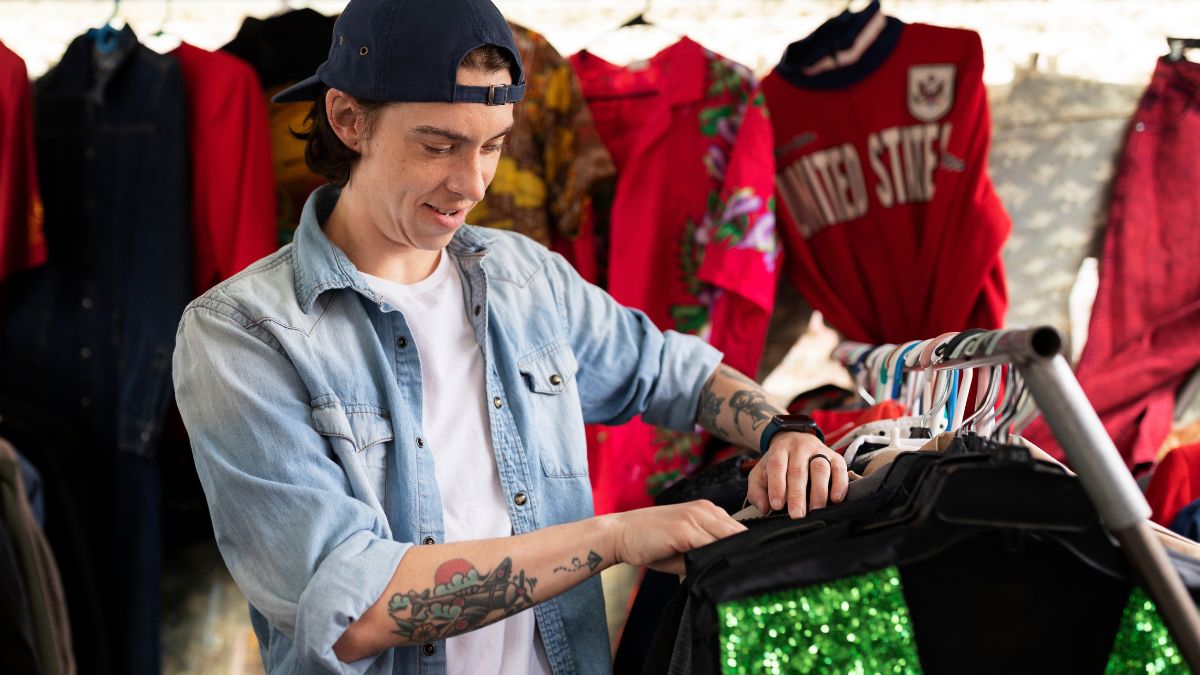
Streetwear has always been about more than putting together a good outfit. The right piece can connect music, art, skate culture, and personal taste in one look. That is why names such as brain dead clothing, MF DOOM merch, and Vale clothing continue to attract people who want something different from basic high-street fashion. Each name has its own visual language and audience, but they all fit into a wider streetwear culture built around graphics, limited releases, music, and creative communities.
For shoppers in the USA, UK, and Canada, choosing the right streetwear piece often comes down to more than appearance. Fabric, fit, authenticity, product details, and the source of the item all matter. A good streetwear purchase should also work with clothes already in your wardrobe. From an MF DOOM graphic T-shirt to a Brain Dead hoodie or a Vale streetwear layer, the strongest pieces can become regular parts of an everyday rotation.
Why Brain Dead Clothing Has a Strong Place in Streetwear
Brain Dead clothing takes a broad approach to modern streetwear. Its current official collection includes T-shirts, shirts, hoodies, jackets, denim, shorts, accessories, footwear, and other goods. The brand also works across collaborations, with current and recent collections connected to names such as adidas, Disney, A.P.C., Star Wars, and Ultraman.
That range makes Brain Dead useful for shoppers who do not want their wardrobe to follow one simple formula. A graphic T-shirt can work as the main part of an outfit, while a jacket or denim piece can add structure. Shorts and relaxed trousers give another option when the weather is warmer.
The key point is variety. Brain Dead clothing can fit into graphic-heavy outfits, simple everyday combinations, or layered streetwear looks. The current apparel range also shows that the brand covers both casual basics and more specialized pieces.
For buyers, it is worth checking the product page carefully before ordering. Look at the listed size range, material information, fit notes, and current stock. Streetwear sizing can vary between products, so relying only on your usual size is not always enough.
Choosing MF DOOM Merch With the Right Details
MF DOOM merch has a different connection to streetwear because the clothing is closely tied to music and the character behind the artist. The official MF DOOM Bandcamp merch page currently includes music releases alongside apparel such as the MF DOOM Mask T-Shirt and JJ DOOM shirts.
For fans, that makes a graphic shirt more than another printed tee. The artwork can represent an album, collaboration, character, or period of MF DOOM’s music career. This gives the clothing a strong connection to hip-hop culture and makes graphic details especially important.
When shopping for MF DOOM merch, check the product name and seller before buying. Official merchandise channels can provide useful information about the release, product format, and availability. Independent stores may also carry MF DOOM-inspired or fan-focused products, but buyers should not assume that every item using the MF DOOM name comes from an official source.
The same rule applies to an MF DOOM store search. Look beyond the product image and check the store information, policies, product details, and payment process. This simple step can help separate a genuine shopping experience from a site that provides very little information about what it sells.
How to Build a Streetwear Outfit Around Graphic Pieces
Graphic clothing works best when the rest of the outfit gives it room to stand out. You do not need several large graphics in the same look. One strong T-shirt or hoodie can provide the main visual focus.
An MF DOOM graphic tee, for example, can work with relaxed denim, cargo trousers, or simple shorts. Brain Dead clothing can be used in a similar way, especially when the piece has a large graphic or unusual artwork. Keeping the rest of the outfit simple makes the main piece easier to notice.
Layering also gives you more options. A T-shirt can sit under an open overshirt or jacket, while a hoodie can work under a heavier outer layer during colder months. In warmer areas, a graphic tee with loose shorts and simple sneakers can keep the outfit practical without making it feel overworked.
Color matters as well. Black, white, grey, washed blue, olive, and neutral shades can make graphic streetwear easier to combine. If the main item already has several colors, neutral trousers and footwear can help keep the outfit balanced.
Where Vale Clothing Fits Into Modern Streetwear
Vale clothing adds another direction to the streetwear conversation. Current Vale-focused stores present products including hoodies, T-shirts, shorts, sweatpants, jeans, and outerwear, with different stores describing the label through West Coast, skate, surf, and everyday streetwear influences.
The exact product range can differ between Vale websites, so buyers should check the specific store and product page before ordering. This is especially important when searching for Vale clothing online because several websites use similar Vale-related names.
Vale pieces can work well for people who prefer relaxed silhouettes and casual layers. A hoodie can become the base of an everyday outfit, while a graphic tee can be paired with denim or shorts. Sweatpants can also work with a simple tee and sneakers for a casual streetwear combination.
The important thing is to focus on the actual product rather than the name alone. Check sizing, material, shipping information, return terms, and the seller’s contact details. These details give you a much clearer idea of what you are buying.
What to Check Before Buying Streetwear Online
Buying streetwear online is easy, but making a good purchase requires some attention. Product photos can look different depending on lighting and editing, so read the written product information as well.
Start with the size chart. Compare the listed measurements with a garment you already own rather than choosing a size based only on the label. This is particularly useful for hoodies, oversized T-shirts, denim, and relaxed trousers.
Next, look at the product description. Check the fabric, fit, available sizes, color, and care instructions. If an item is part of a collaboration or limited release, make sure the product page clearly explains what you are buying.
Shipping and returns should also be easy to find. This matters even more when ordering internationally from the USA, UK, or Canada. Delivery times, taxes, duties, and return conditions can vary by destination.
Finally, use secure payment methods and check the store’s contact information. A professional shopping experience should provide clear policies instead of leaving important purchase details unanswered.
Authenticity Matters When Buying Merch and Streetwear
Authenticity is one of the biggest concerns in the streetwear market. Popular graphics and music-related merchandise can attract copies, unofficial products, and misleading listings. That makes basic research important before placing an order.
For MF DOOM merch, official music merchandise pages are useful references because they show products directly connected with the artist’s catalog. The MF DOOM Bandcamp page, for example, currently lists official merchandise alongside albums and other releases.
Brain Dead shoppers can also use the brand’s official website to compare current products, collections, and product names. Its current catalog includes a wide range of apparel and collaboration products.
If you are considering Vale clothing, take extra care to identify the exact retailer because several websites currently use Vale-related branding and product terms. Comparing the store’s policies, contact information, product details, and branding can help you make a more informed purchase.
Building a Streetwear Rotation That Lasts
A strong streetwear wardrobe does not need dozens of pieces. Start with a few items that work together. A graphic T-shirt, everyday hoodie, relaxed trousers, shorts, and versatile outer layer can create several combinations without making the wardrobe difficult to manage.
This is where brands such as Brain Dead and MF DOOM can work well alongside other streetwear labels. You can use a graphic item as the centerpiece and keep the supporting clothes simple. That approach also makes it easier to wear the same pieces across different seasons.
Think about how often you will actually wear an item. A limited graphic may have personal value, while a simple hoodie or pair of trousers may become a weekly staple. Both have a place in a wardrobe, but they serve different purposes.
The best streetwear purchases usually combine personal interest with practical use. If you like the artwork, music, culture, fit, and everyday function of a piece, it has a better chance of staying in your rotation instead of sitting unused.
FAQ About MF DOOM Merch, Brain Dead Clothing, and Vale Clothing
Where can I buy MF DOOM merch?
MF DOOM merchandise can be found through official music merchandise channels and other retailers. The official MF DOOM Bandcamp page currently lists apparel and music releases, including MF DOOM and JJ DOOM shirts.
What types of Brain Dead clothing are available?
The current Brain Dead apparel range includes T-shirts, shirts, hoodies, jackets, denim, shorts, and trousers. The brand also offers accessories, footwear, eyewear, and collaboration products.
How can I check whether MF DOOM merchandise is authentic?
Start by checking the seller and comparing the item with official merchandise sources. Look at the product name, artwork, description, seller information, and return policy before ordering.
What is Vale clothing known for?
Vale clothing is presented across current Vale-focused stores through relaxed streetwear categories such as hoodies, T-shirts, shorts, sweatpants, denim, and outerwear. Different Vale retailers describe the style with West Coast and casual streetwear influences.
What should I check before ordering streetwear online?
Check the size chart, product material, fit, shipping information, return policy, payment options, and seller contact details. If the item is branded merchandise, also verify whether the seller is an official or authorized source.
Conclusion
Streetwear gives shoppers plenty of ways to connect clothing with music, art, skate culture, and personal taste. Brain Dead clothing offers a broad apparel range with graphics, denim, outerwear, and collaborations. MF DOOM merch brings music and visual identity into everyday clothing, while Vale clothing provides another option for relaxed streetwear outfits.
The smartest approach is to look closely at the product and the store before buying. Check sizing, materials, authenticity, shipping, and return information rather than choosing an item from an image alone. Whether you are searching for an MF DOOM store, a Brain Dead graphic piece, or Vale streetwear, those simple checks can make the shopping process clearer and help you build a wardrobe around pieces you will actually wear.
-

 BLOG1 year ago
hanime1: The Ultimate Destination for Anime Lovers
-

 Technology1 year ago
GLAADVoice.com: How You Can Get Involved and Make a Difference
-

 BILLS1 year ago
Why Does My Instagram Reel Stop Getting Views After One Hour? How to Fix It?
-

 ENTERTAINMENT1 year ago
Crackstreams 2.0: The Future of Free Sports Streaming?
-

 ENTERTAINMENT1 year ago
Sflix: How It’s Changing the Way We Watch Movies and TV Shows
-

 BLOG1 year ago
NHentai.nef: Understanding the Popular Hentai Archive
-

 BLOG1 year ago
Imginn: The Ultimate Tool to View Instagram Content Anonymously
-

 BLOG1 year ago
ThisVid: What Makes It Stand Out in the World of Online Videos