
BLOG
Bjudlunch: Delicious Recipes and Tips for Your Next Event


Are you ready to elevate your next gathering with a touch of Swedish flair? Bjudlunch, which translates to “invite lunch,” is the perfect way to bring friends and family together for a delightful dining experience. Originating from Sweden’s rich culinary traditions, bjudlunch offers more than just food; it creates an atmosphere of warmth and connection. Whether it’s a casual get-together or a special celebration, this unique style of dining allows you to showcase delicious recipes while impressing your guests with effortless charm. Let’s explore how you can craft an unforgettable bjudlunch that everyone will rave about!
Traditional Swedish Cuisine for Your Event
Traditional Swedish cuisine brings a unique charm to any bjudlunch. It features hearty flavors and simple ingredients that resonate with guests.
Start with classic meatballs, juicy and savory, often served with creamy gravy. Pair them with lingonberry sauce for the perfect balance of sweet and tart.
Another staple is herring, prepared in various ways—pickled or marinated. Its distinctive taste adds an authentic touch to your spread.
Don’t forget about Jansson’s Temptation, a delicious potato dish baked with anchovies. It’s rich and comforting, sure to be a hit among attendees.
For something lighter, include crispbread topped with cheese or cured meats. This elegant presentation will impress while remaining easy to prepare.
Integrating these traditional dishes not only honors Swedish heritage but also provides a diverse tasting experience at your event.
Creative and Unique Menu Ideas
When planning a bjudlunch, think outside the box. Your menu can reflect both tradition and creativity.
Consider serving mini Swedish meatballs with a twist—try adding unique spices or incorporating flavors from other cuisines. Pair them with an array of dipping sauces for added flair.
Another idea is to feature open-faced sandwiches, known as smörgåsar. Use different breads like rye or sourdough topped with everything from herring to avocado and pickled vegetables. This allows guests to mix and match their favorites.
Don’t forget about desserts! A modern take on classic kanelbullar (cinnamon buns) could include fillings like cardamom cream cheese or chocolate ganache for a delightful surprise.
Offer fresh salads that highlight seasonal ingredients, such as root vegetables in winter or berries in summer. These add color and freshness while keeping your menu vibrant and exciting.
Tips for Hosting a Successful Bjudlunch Event
Planning a bjudlunch requires attention to detail. Start by choosing the right venue. Whether it’s your home or a rented space, ensure there’s enough room for guests to mingle comfortably.
Set the mood with thoughtful decorations. Incorporate Swedish elements like traditional table settings and floral arrangements that evoke a cozy atmosphere.
Timing is crucial. Aim for mid-morning to early afternoon, allowing guests to enjoy leisurely conversations over food without feeling rushed.
Consider dietary restrictions when crafting your menu. Offering vegetarian or gluten-free options shows thoughtfulness and inclusivity.
Engage your guests with interactive elements, such as DIY stations where they can assemble their own dishes or drinks. This encourages participation and makes the experience memorable.
Don’t forget about music! A carefully selected playlist can enhance the ambiance and keep spirits high throughout the event.
Easy and Time-saving Recipes for Large Crowds
When planning a bjudlunch for large crowds, simplicity is key. Choose recipes that can be prepped in advance. This saves time and reduces stress on the day of your event.
Consider hearty casseroles or trays of baked pasta. These dishes are filling and easy to serve. They also taste great as leftovers, making them perfect for any gathering.
For salads, opt for bulk ingredients like quinoa or roasted vegetables. Toss everything together just before serving to keep it fresh.
Don’t forget about sandwiches! A variety platter with different fillings allows guests to choose their favorites without much fuss.
Desserts like sheet cakes or trifle cups offer sweet options that don’t require elaborate plating. With these easy recipes, hosting a memorable bjudlunch becomes an enjoyable experience rather than a daunting task.
Catering Options for Bjudlunch Events
When planning a bjudlunch, catering can simplify your preparations. There are various options to consider that cater to different tastes and dietary needs.
Local Swedish restaurants often offer catering services featuring traditional dishes. This choice provides authenticity while supporting local businesses.
Buffet-style service is popular for larger gatherings. It allows guests to mingle and select their favorites from an array of tasty options.
For those looking for convenience, meal kits deliver pre-portioned ingredients with easy-to-follow recipes right to your door. This option combines the fun of cooking with time-saving efficiency.
Don’t forget about specialty caterers who focus on vegetarian or vegan menus, ensuring everyone feels included at the table.
Consider hiring a personal chef for an intimate setting. They can create customized dishes tailored specifically to your event’s theme and guest preferences.
Conclusion: Creating Memorable Dining Experiences with Bjudlunch
Hosting a bjudlunch offers an opportunity to immerse your guests in the rich flavors of Swedish cuisine while creating a warm and inviting atmosphere. The key is to balance tradition with creativity, allowing for both classic dishes and unique twists that reflect your style.
As you plan your event, focus on crafting a menu that resonates with your guests. Incorporate traditional favorites like meatballs or herring alongside innovative options such as open-faced sandwiches with unexpected toppings. This blend keeps everyone engaged and excited about the meal.
Logistics play a vital role too. Whether you’re cooking personally or considering catering services, have everything mapped out ahead of time. Your preparation will translate into smooth execution during the event.
Remember, it’s not only about the food but also about the experience you create around it. Set up communal tables where guests can mingle freely, share stories over delicious bites, and enjoy each other’s company.
A well-executed bjudlunch can leave lasting impressions on those who attend. With thoughtful planning and delectable recipes at hand, you’re sure to create memorable dining experiences that friends and family will cherish long after they’ve left the table.


The call to the exterminator is usually the most stressful part of discovering a pest problem, and it makes sense that people feel relief when the treatment is done and the pests are gone. What often gets less attention is what happens afterward, specifically the cleaning that needs to occur before a home is genuinely safe and sanitary rather than just pest-free in the immediate sense.
Pest infestations leave behind a range of residues and contaminants that the extermination process doesn’t address. Understanding what needs to be cleaned, why it matters, and how to approach it properly makes the difference between a home that’s been treated and one that’s been fully restored to a safe living condition.
CJS Cleaning Solutions handles post-infestation cleaning as a specific service because the scope of what needs attention after certain pest problems goes well beyond what a standard cleaning visit covers, and because the health implications of leaving some of these residues unaddressed are real enough to warrant taking the process seriously.
What Pest Infestations Leave Behind
Different pests create different contamination profiles, but most leave behind some combination of droppings, shed skin casings, nesting materials, deceased pest bodies, saliva, and in some cases urine, all in the areas where they’ve been active. The extermination process eliminates the living pests but doesn’t remove any of this biological material.
Rodent infestations are among the most significant from a post-treatment cleaning perspective. Mouse and rat droppings carry multiple pathogens, including hantavirus, which can be transmitted through disturbed dry droppings that become airborne during cleaning if the process isn’t handled correctly. The areas where rodents were active, including inside wall cavities accessible through gaps, under appliances, inside cabinets, and anywhere else they nested or traveled, all need thorough cleaning and disinfection.
Cockroach infestations leave shed exoskeletons, droppings, and saliva that are documented allergen sources, particularly for children, and that accumulate in the areas cockroaches frequented, including behind appliances, inside cabinet hinges and corners, and beneath sinks.
Why the Pesticide Itself Requires Attention
Pest control treatments involve chemicals applied throughout the affected areas of a home, and while these products are selected for human safety when used correctly, surfaces treated with pesticides aren’t necessarily food-safe or appropriate for direct contact until properly cleaned.
Kitchen surfaces, food preparation areas, and anywhere children or pets have direct contact deserve thorough cleaning after any pesticide treatment, following the specific guidance provided by the pest control company regarding timing and appropriate cleaning products for treated surfaces.
The Nesting Area Problem
Mice and rats in particular create nests that concentrate biological material in a small area: droppings, urine, shed fur, nesting debris, and deceased individuals. These concentrated areas carry the highest contamination levels in an infested home and need to be addressed with specific protective measures including respiratory protection and appropriate disposal methods.
For most homeowners, the recommendation to use gloves and respirator protection before disturbing rodent nesting material feels excessive until they understand what the actual health risk is. Dry rodent droppings that become airborne during cleaning carry pathogen risk that the cleanup process itself can create if it’s not approached correctly.
Secondary Areas That Get Missed
Pest travel routes often go through areas that aren’t obvious, including inside walls, through HVAC ductwork, and along pipe runs inside cabinet undersides. These areas accumulate contamination along routes that standard post-treatment cleaning doesn’t typically reach.
Cleaning the visible evidence of a pest infestation while leaving contamination in the travel routes and entry points these pests used creates a situation where the home still carries elevated biological contaminants even after visible evidence has been addressed.
Odor Removal After Infestation
Rodent infestations in particular create persistent odors from urine that soaked into flooring, walls, or insulation in affected areas. Surface cleaning removes the immediate source but odors embedded in porous materials like wood, drywall, and carpet require more targeted odor treatment than standard cleaning provides.
Enzyme-based odor treatment products that break down the organic compounds responsible for the smell rather than masking them are necessary for materials that absorbed significant contamination. These need sufficient dwell time to be effective, and the process is different from standard odor-masking approaches.
Setting Up Prevention as Part of the Process
Post-infestation cleaning creates an opportunity to address the conditions that attracted or enabled the infestation in the first place. Cleaning the areas where food debris accumulated, sealing entry points identified during the extermination process, and organizing storage areas that provided hiding or nesting opportunities all reduce the likelihood of recurrence in a way that cleaning alone doesn’t.
For CJS Cleaning Solutions clients recovering from pest issues, the post-infestation clean is approached with this prevention angle in mind, addressing not just the contamination left behind but the conditions that could allow the same problem to develop again if left unchanged.
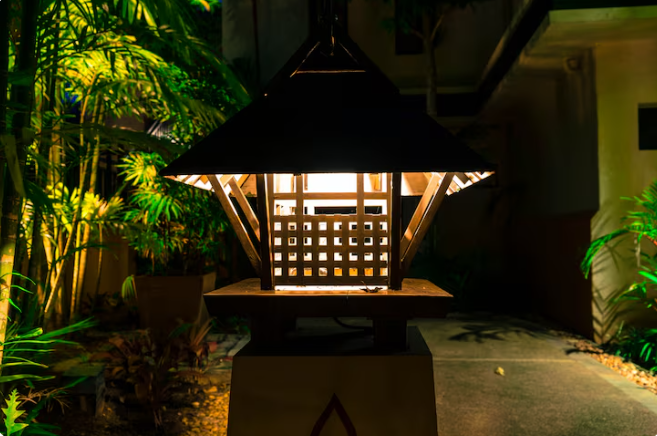
Most homeowners invest significantly in their property’s daytime appearance. Landscaping, exterior paint, architectural details, and hardscaping all contribute to how a home presents during daylight hours. Then the sun goes down and everything disappears. The mature trees, the carefully shaped garden beds, the stone pathway, and the architectural character of the home all become invisible until morning.
Landscape lighting changes this relationship between a property and its hours of darkness, transforming evening and nighttime into an opportunity for a completely different visual experience rather than a gap where everything that was invested in during the day simply ceases to exist visually.
Astoria Lighting Co designs and installs landscape lighting systems that reveal what properties actually contain after dark, and the transformation this produces is consistently one of the more dramatic visual changes homeowners experience without any physical change to the landscape itself.
What Landscape Lighting Actually Illuminates
The first thing to understand about professional landscape lighting is what it’s illuminating and why those choices matter. Effective landscape lighting isn’t about making everything visible after dark the way floodlights would. It’s about selective illumination that highlights specific features, creates depth and dimension, and guides the eye through a property in a way that feels intentional rather than accidental.
Trees with interesting structure or significant canopy are natural focal points for uplighting that creates dramatic visual impact visible from the street and from inside the home. Garden beds with varied texture and seasonal interest become visible features at night with carefully placed ground-level fixtures. Hardscaping like stone walls, raised planters, and water features all carry visual character after dark when lit appropriately.
The relationship between light and shadow in landscape lighting is as important as the illuminated elements themselves. Professional landscape lighting creates depth through contrast, using shadow deliberately rather than trying to eliminate it, which produces a more sophisticated and visually interesting result than flooding everything with uniform light.
The Curb Appeal Impact After Dark
Properties with professional landscape lighting create a distinct visual presence on streets where most homes simply go dark after sunset. This visual presence matters in practical ways beyond simple aesthetics. Real estate professionals consistently note that landscape lighting affects buyer perception, specifically the impression of care and investment that a well-lit property communicates during evening showings.
For neighborhoods where residents spend evening hours outdoors during warmer months, landscape lighting affects how a property is perceived by neighbors and visitors consistently throughout the year rather than only during daylight hours.
Functional Benefits Beyond Aesthetics
Landscape lighting serves practical purposes alongside its visual contribution. Pathway illumination guides foot traffic safely through a property without the harsh, utilitarian appearance of simple stake lights along a walkway. Lighting near steps and grade changes addresses genuine safety concerns that aren’t always obvious until someone navigates them in the dark.
Driveway and approach lighting helps residents and visitors navigate a property after dark with confidence, which matters most in properties with complex layouts, tight turning areas, or significant grade changes between the street and the home.
The Layering Principle in Landscape Design
Professional landscape lighting design uses multiple layers of illumination at different heights and with different purposes rather than a single type of fixture throughout. Uplighting at ground level creates dramatic effects on trees and vertical features. Path lights guide movement at knee height without creating glare. Downlighting from elevated positions creates pools of soft illumination that mimic natural moonlight.
This layering creates the depth and dimension that distinguishes professional landscape lighting from simple fixture placement. The result looks designed rather than functional, which is the visual difference between a property that looks cared for and one that simply has some outdoor lights installed.
LED Technology and What It Means for Landscape Systems
Modern landscape lighting relies on LED technology that delivers advantages in every dimension relevant to outdoor application: longer operational life, significantly lower energy consumption, resistance to temperature extremes, and color consistency that remains stable over years of operation.
The ability to choose specific color temperatures allows landscape lighting to match the warm or cool quality of light to the property’s architecture and plant material. Warm whites complement traditional architecture and create an inviting, amber quality. Cooler whites suit contemporary design and create a crisper, more dramatic effect on certain plant materials.
Planning a System That Grows With the Property
Landscape lighting systems benefit from being planned with the property’s long-term development in mind rather than only its current state. Trees that are modest in scale today will be significant landscape features in ten years, and a lighting system that accounts for this growth produces better long-term results than one planned only for current conditions.
Professional design includes infrastructure planning that allows the system to expand as new landscape elements are added without requiring complete reinstallation. Conduit placement, power supply capacity, and control system scalability all factor into a system designed for a property’s future rather than only its present.
Astoria Lighting Co approaches landscape lighting with this long-term perspective, ensuring that the system installed today can accommodate the property as it evolves rather than becoming limiting as the landscape matures and changes.

Many travelers join hotel loyalty programs because they expect exclusive benefits, preferred rates, and enhanced experiences. Unfortunately, my recent experience with The Biltmore Mayfair raised serious concerns about how those expectations are managed.
Before booking, I reviewed the official information showing that The Biltmore Mayfair was part of the Millennium membership program. The website promoted member advantages, which encouraged me to book through that channel rather than through alternative booking sites.
The decision came at a significant cost. I paid over £1,000 more than rates available elsewhere because I believed the membership benefits would justify the additional expense.
When I arrived at the hotel, I was informed that Millennium membership benefits were not recognized. This came as a complete surprise and directly contradicted the information available during the booking process.
Equally disappointing was the lack of support from the hotel team. Instead of investigating the issue or providing a clear explanation, there was little effort to address my concerns. The customer service experience simply did not reflect what many guests would expect from a luxury five-star property.
After my stay, I contacted the hotel several times hoping to find a resolution. The only offer presented was Afternoon Tea, which did not adequately address the financial impact of the booking discrepancy. Further communication attempts received no response.
A luxury hotel should deliver more than elegant surroundings—it should provide honesty, accountability, and exceptional customer service. Unfortunately, my experience at The Biltmore Mayfair failed to meet those expectations, and it is the reason I regret making this booking.
If you are considering booking through a loyalty or membership program, I strongly recommend verifying all benefits directly with the hotel before committing to a higher rate.
Loyalty programs should strengthen trust between hotels and guests. When advertised benefits are not honored, that trust can be damaged. My experience with The Biltmore Mayfair highlights the importance of transparency and accountability when promoting membership-based offers.
-

 BLOG11 months ago
hanime1: The Ultimate Destination for Anime Lovers
-

 ENTERTAINMENT1 year ago
Sflix: How It’s Changing the Way We Watch Movies and TV Shows
-

 BILLS1 year ago
Why Does My Instagram Reel Stop Getting Views After One Hour? How to Fix It?
-

 ENTERTAINMENT12 months ago
Crackstreams 2.0: The Future of Free Sports Streaming?
-

 BLOG11 months ago
Imginn: The Ultimate Tool to View Instagram Content Anonymously
-

 BLOG10 months ago
ThisVid: What Makes It Stand Out in the World of Online Videos
-

 Technology1 year ago
Simpcitt: The Rise of a Unique Online Community
-

 BLOG1 year ago
NHentai.nef: Understanding the Popular Hentai Archive