
BUSINESS
How Localized IP Access Improves Cross-Border Market Research for Growing Brands

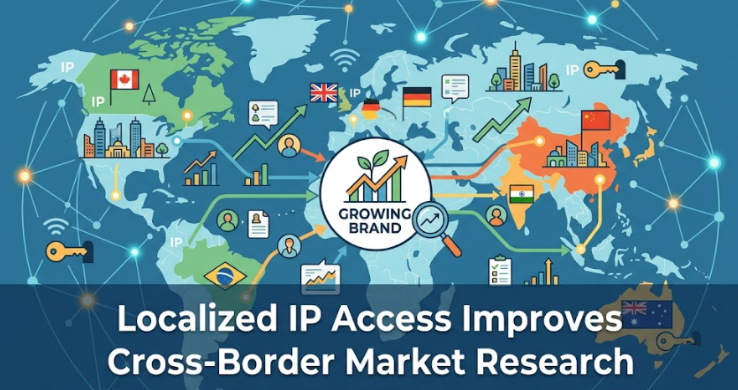
Cross-border expansion usually looks straightforward on paper. A brand picks a few promising markets, checks search demand, reviews competitors, studies marketplace pricing, and starts testing channels. In practice, the research often breaks down much earlier than teams expect. What a company sees from one location is not always what real users see in another. Search results change by country. Product availability shifts by city. Ad creatives, prices, reviews, and even landing pages can vary from region to region.
That is why localized IP access has become a practical research tool rather than a technical extra. When teams use region-specific connections, they can view markets in a way that is much closer to local customer reality. Providers such as Rola IP are part of that workflow because they give research, e-commerce, and growth teams access to residential IP coverage across a wide range of countries and regions, making it easier to validate what is actually live in-market.
For growing brands, this matters well before launch. Market research is not just about collecting more data. It is about collecting the right data from the right environment. If the source environment is wrong, the conclusions will be wrong too. A pricing team may think a competitor is discounting aggressively in Germany when the offer is actually meant for users in the UK. A paid media team may approve creatives based on what they see from headquarters, while local users are served something entirely different.
Why “local market visibility” is often missing
Many businesses still rely on a centralized research process. One team, often sitting in one office or one country, tries to evaluate multiple markets from a single network environment. That creates blind spots.
A few common examples:
- Google results differ by region and language.
- Marketplace rankings can shift based on local inventory and demand.
- Competitor pricing may change by country, city, or user segment.
- App or SaaS landing pages may display different offers based on geography.
- Ad verification becomes unreliable when the reviewer is not appearing as a local user.
This is where localized IP access changes the quality of research. Instead of making assumptions about how a market behaves, teams can inspect conditions closer to the way actual customers encounter them.
What localized IP access helps brands verify
Localized access is most useful when research needs to answer operational questions, not just broad market questions.
| Research area | What brands need to verify | Why localized IP access helps |
| Search visibility | Local rankings, SERP features, competitor presence | Search engines personalize by region and language |
| Pricing intelligence | Country-specific discounts, bundles, taxes, and shipping signals | Competitor pricing is often geo-dependent |
| Ad verification | Whether local users see the intended creative and placement | Ads can vary by market, device, and audience segment |
| Marketplace research | Product ranking, availability, seller competition | Listings and stock conditions differ across regions |
| Website localization | Currency, messaging, offers, and trust signals | Many sites adapt content based on user location |
| Expansion planning | Demand signals across target countries | Better local visibility reduces guesswork |
For a growth-stage company, this is not academic. These checks shape channel budgets, market-entry sequencing, pricing strategy, and even product positioning.
From broad research to decision-grade research
There is a big difference between “interesting research” and research a management team can use to make decisions. Decision-grade research has to be timely, repeatable, and geographically credible.
Say a DTC beauty brand is evaluating entry into Southeast Asia. It needs to know:
- Which competitors dominate organic search in Singapore versus Malaysia
- Whether top marketplace sellers are local or cross-border
- How prices compare after shipping and import signals
- Which promotional hooks are repeated in local paid ads
- Whether brands localize around ingredients, speed, prestige, or discounts
Without localized access, the team may still gather data, but it will be incomplete or distorted. With localized IP access, the brand can test each of those assumptions against what users in those markets are more likely to see.
That is one reason many operations teams now work with providers like Rola IP in the middle of their research stack. For brands that need practical market visibility, the value is not simply “having proxies.” The value is being able to run market checks across many countries, maintain stable access, rotate when needed, and support both manual validation and larger data collection workflows.
Where this becomes especially valuable
Localized IP access tends to deliver the strongest return in four business cases.
1. Competitive pricing and offer monitoring
Price is rarely static across borders. Competitors adjust for currency, demand, shipping expectations, promotions, and local purchasing power. A company entering a new market cannot assume a global price sheet reflects reality.
Localized access allows teams to review:
- Local list prices
- Promotional timing
- Discount depth
- Subscription bundles
- Shipping thresholds
- Region-specific coupons or first-order offers
This leads to cleaner pricing intelligence and fewer strategy mistakes.
2. Cross-border SEO and search research
For brands entering a new country, search behavior is one of the clearest signals of local demand and competition. But accurate SEO research depends on seeing local search results as locally as possible.
This helps teams evaluate:
- Which domains dominate category terms
- Whether aggregators or marketplaces control the SERP
- How local intent differs from translated keyword intent
- Which content formats win in a target region
- Whether branded competitors are over-investing in search
Rola IP’s website emphasizes residential IP coverage across 265+ countries and regions, which is useful in this context because SEO teams often need broad geographic reach rather than a single-country snapshot.
3. Ad verification for regional campaigns
When brands launch campaigns across multiple markets, they often trust screenshots from agencies, ad libraries, or internal teams. That is not always enough. Local ad delivery can differ by geography, timing, and audience conditions.
With localized access, teams can confirm whether:
- Campaigns are actually delivering in the intended region
- Creatives are localized correctly
- Offers match local landing pages
- Competitor ad pressure is increasing in a target market
For businesses spending seriously on paid acquisition, this reduces wasted budget and helps catch execution issues early.
4. Marketplace and channel expansion
Amazon, Walmart Marketplace, Lazada, Shopee, and regional marketplaces all create their own local dynamics. Availability, rankings, seller mix, and price positioning move constantly.
Localized market visibility helps brands answer hard questions faster:
- Is the category crowded with local sellers?
- Are imported products competitive after shipping?
- Which value proposition is winning?
- Are premium products rising, or is the market discount-driven?
Those answers are much more useful than generic “market potential” reports.
What to look for in a localized IP provider
Not every provider is a fit for business research. A brand doing serious cross-border work should focus on reliability and research usability, not just raw IP volume.
A useful checklist includes:
- Broad country and regional coverage
- Real residential IP options for more natural local access
- Stable uptime for repeated checks
- Geo-targeting at country or city level where needed
- Support for both rotating and sticky sessions
- Technical support when research workflows scale
Rola IP highlights several strengths that line up with these needs: 80M+ residential IPs, coverage across 265+ countries and regions, 99.9% uptime, and options spanning dynamic residential, static residential, datacenter, and scraping-oriented workflows. For teams moving from occasional market checks to recurring competitive intelligence, that flexibility matters.
The operational advantage most brands underestimate
The biggest gain is not just better visibility. It is faster alignment.
When pricing, SEO, paid media, and market-entry teams are all working from localized observations instead of assumptions, fewer internal debates are spent arguing over what is “really happening” in-market. Teams can compare like-for-like evidence, document findings by region, and move faster on launch decisions.
That is especially important for growing brands that do not have the luxury of learning through expensive trial and error in every country.
Cross-border market research becomes unreliable the moment a team assumes every market looks the same from one connection point. Local search results, pricing, ads, marketplaces, and on-site experiences all shift by geography. If a brand wants accurate expansion intelligence, it needs to see each market more like local users do.
Localized IP access helps close that gap. Used well, it supports more credible search research, cleaner pricing analysis, stronger ad verification, and smarter market-entry planning. For brands building an international growth playbook, that makes it a business tool, not just a technical one.
FAQs
What is localized IP access in market research?
Localized IP access means connecting through IPs tied to specific countries or regions so researchers can view websites, search results, ads, and marketplaces in a way that better reflects local user conditions.
Why is localized IP access important for cross-border brands?
Because pricing, search visibility, ad delivery, and content localization often differ by market. Without local visibility, brands may make decisions based on incomplete or misleading data.
No. Mid-sized e-commerce brands, SaaS companies, agencies, and marketplace sellers all benefit when they need more accurate regional insights before committing budget to expansion.
How does Rola IP fit into this workflow?
Rola IP provides residential and other proxy options designed for use cases such as market research, SEO monitoring, ad verification, and large-scale data collection. Its broad geographic coverage and session options make it suitable for teams that need repeated cross-border checks.
What should brands measure after adopting localized research workflows?
They should track research accuracy, speed of market validation, pricing response time, campaign QA quality, and the percentage of launch decisions backed by region-specific evidence rather than generalized assumptions.

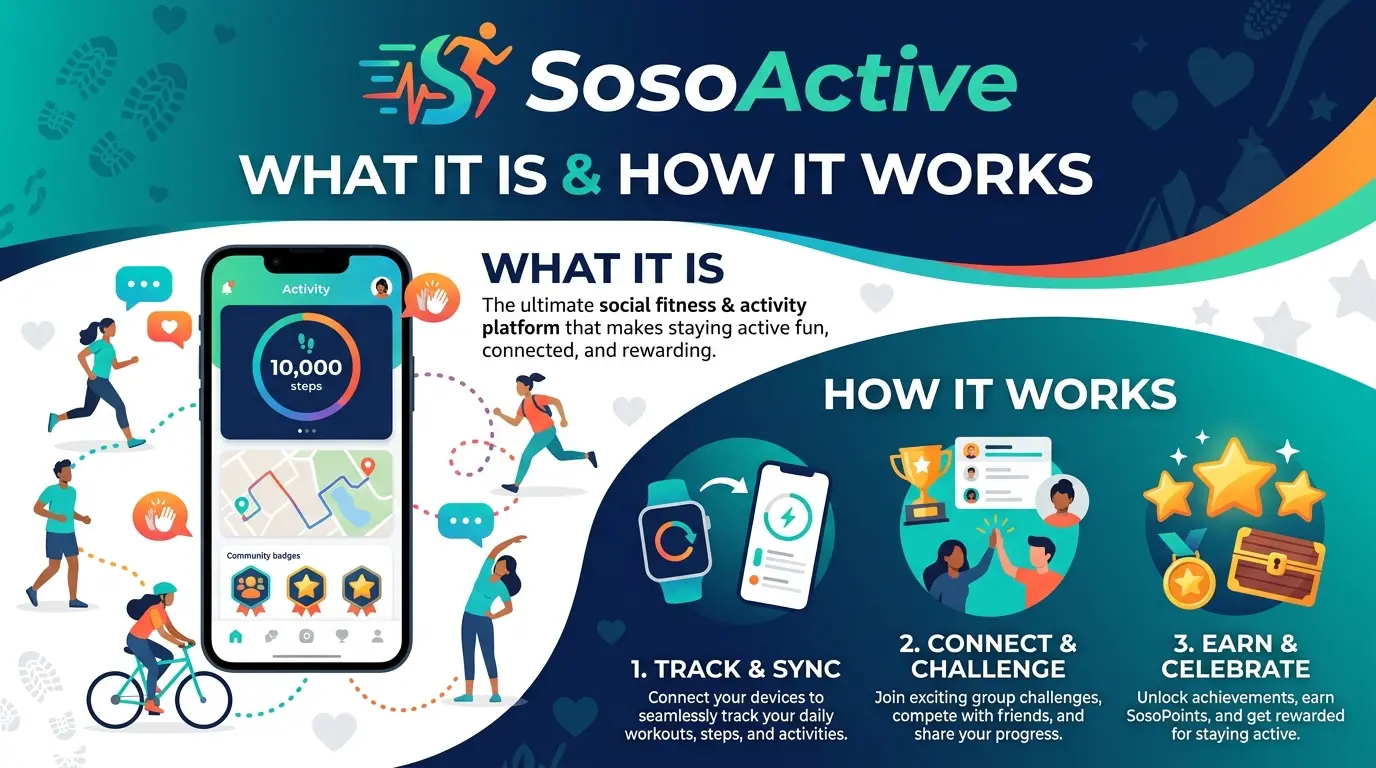
SosoActive is a name that can appear in searches related to digital media, online publishing, lifestyle content, and business-related websites. Because the name has been used across different online properties, it is important to look at the specific SosoActive website or platform being discussed rather than assuming they are all the same business.
For someone researching the term, understanding its online presence, content focus, and purpose is a useful starting point.
What Is SosoActive?
SosoActive is an online name associated with digital content and web publishing. Depending on the website or context, the term may refer to a publication, content platform, or website offering information across several categories.
This is why a search for SosoActive can produce different types of results. The exact domain matters when trying to determine what a particular SosoActive website does.
What Type of Content Can You Find?
SosoActive-related websites can cover a broad range of subjects rather than focusing on a single narrow topic.
Common areas associated with the name include:
- Lifestyle
- Business
- Technology
- Marketing
- Fashion
- Entertainment
- Online trends
- General informational content
The mix of categories can change over time as a website develops its editorial direction.
Why Does SosoActive Appear in Online Searches?
Names such as SosoActive can appear in search results for several reasons. A website may publish new articles regularly, target different informational topics, or build visibility through references from other websites.
Search visibility also depends on factors such as content quality, technical SEO, website structure, backlinks, and how closely individual pages match what people are searching for.
For this reason, simply finding a website in Google does not automatically indicate its overall authority or credibility.
SosoActive and Digital Publishing
The broader SosoActive name is particularly interesting from a digital publishing perspective because online publications can use multiple categories to attract readers with different interests.
A well-organized publishing website typically benefits from:
- Clear categories
- Useful original content
- Consistent publishing
- Descriptive page titles
- Easy navigation
- Strong internal linking
- A clear editorial purpose
These fundamentals can help a site build a stronger organic search presence over time.
Is SosoActive a Single Website?
Not necessarily.
One of the most important things to remember when researching SosoActive is that the name can be associated with different online properties. A domain such as SosoActive.com should not automatically be treated as identical to another website using the SosoActive name.
Checking the exact domain, current content, About page, authorship, and website history can help avoid confusion.
How to Research SosoActive
If you are evaluating a SosoActive website for business, publishing, or SEO purposes, start with the basics.
1. Check the Exact Domain
The domain is the first thing to verify. Similar names can belong to completely different websites.
2. Review Recent Content
Look at the latest articles and identify which topics the website is actually publishing.
3. Examine Website Categories
Categories can reveal whether the site has a focused editorial direction or covers many unrelated subjects.
4. Check Authors and About Information
Author pages and About sections can provide useful context about who operates the website and how it presents itself.
5. Look at Its Search Presence
Search the domain and individual article titles to see how consistently the website appears in search results.
Final Thoughts
SosoActive is an online name that can refer to different digital properties, making the exact website important when researching the term. Rather than judging the name alone, look at the domain, content, categories, authorship, and overall website activity.
For SEO or publishing research, this approach provides a more accurate picture than relying on the name or search ranking alone.
The internet has changed the way people discover websites, explore information, and interact with digital platforms. Every day, users come across new websites through search engines, social media, recommendations, and online communities.
In this environment, a website needs to offer more than a memorable domain name. It needs a clear purpose, useful content, and an experience that makes sense to the people visiting it.
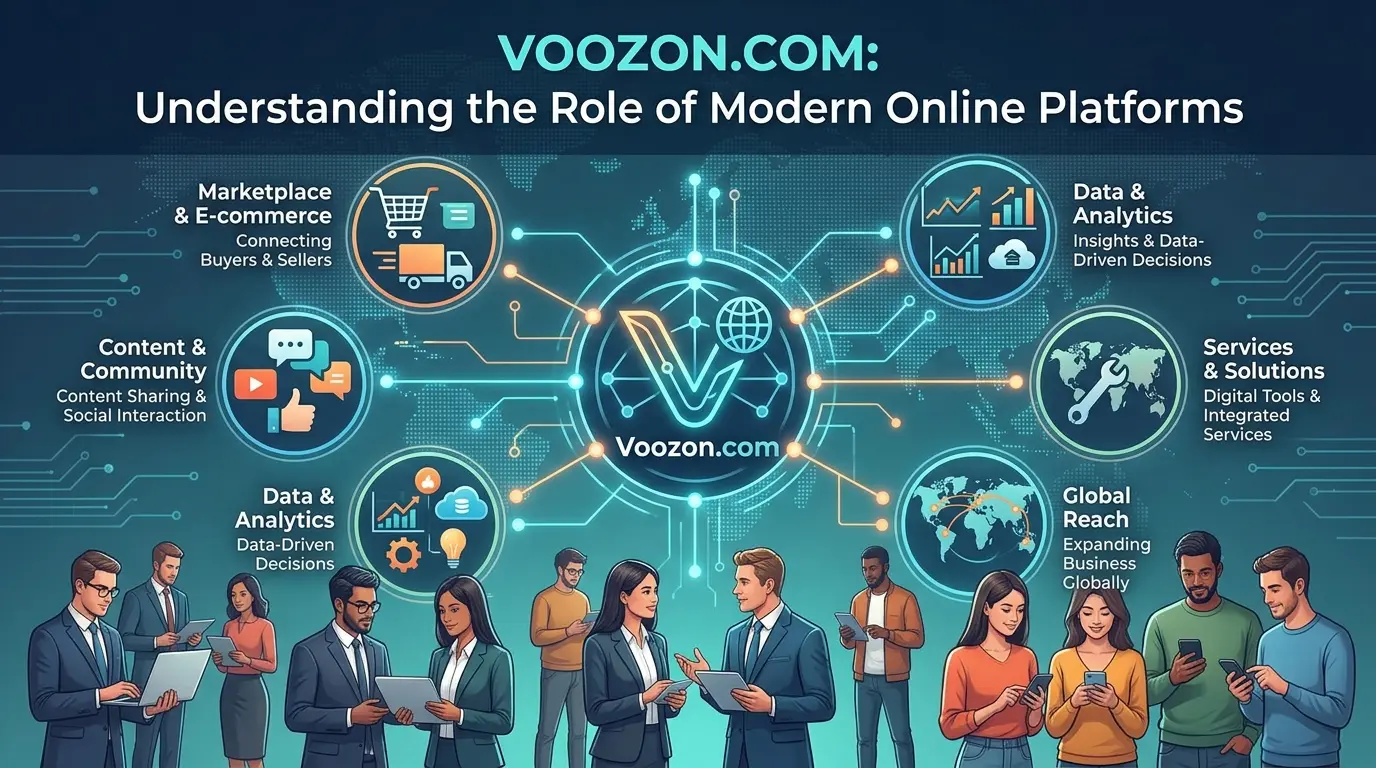
Voozon.com is one of the names that can attract attention in this growing digital landscape. Like many modern online platforms, its value depends not only on being discoverable but also on how effectively it serves visitors and communicates what it offers.
Why Website Discovery Matters
Finding a useful website is often the first step in a much longer online journey.
A person may discover a domain while searching for a specific topic, clicking a shared link, or browsing recommendations. If the website immediately communicates its purpose, visitors can decide whether the content is relevant to them.
This is why clarity matters so much in digital publishing.
A simple navigation structure, readable content, descriptive page titles, and a consistent design can make it easier for visitors to understand a website without having to search through multiple pages.
What Makes an Online Platform Useful?
A successful online platform usually solves a problem or provides something people want.
That could be information, entertainment, educational material, tools, community features, or access to a particular type of service. The exact purpose can vary, but the principle remains the same: visitors need a reason to stay.
For websites such as Voozon.com, building a clear digital identity is therefore important. A visitor should be able to understand the website’s purpose without unnecessary explanations.
The easier that process becomes, the more comfortable users are likely to feel while exploring the site.
The Importance of User Experience
User experience is sometimes treated as a design issue alone, but it affects almost every part of a website.
Consider a typical visitor. They may be using a phone, have limited time, and arrive from a search result without knowing anything about the website beforehand.
If the page is difficult to navigate, overloaded with distractions, or slow to communicate its main purpose, the visitor may simply leave.
A better experience usually starts with simple fundamentals:
- Clear navigation
- Readable typography
- Logical page structure
- Mobile-friendly layouts
- Useful and relevant content
- Fast access to important information
These elements do not need to be complicated. In many cases, simplicity makes a website easier to use.
How SEO Helps People Find Websites
Search engine optimization plays an important role in website discovery.
When someone searches for Voozon.com, the intent is different from a person searching for a general topic related to the website. A branded search often indicates that the user already knows the name and wants to find the correct destination.
This makes accurate branding particularly important.
For broader searches, however, a website needs content that answers specific questions and matches the reason behind the search. That means creating useful pages around real topics instead of producing articles simply to insert keywords.
Writing Content for Real People
One of the biggest mistakes in SEO writing is forgetting who will actually read the page.
Keywords are useful because they help describe a topic, but they should not control every sentence.
Natural writing usually performs better from a reader’s perspective. Instead of repeating Voozon.com unnecessarily, a well-written article can mention the name where it is genuinely relevant and then use natural variations when discussing the broader topic.
The result is easier to read and feels more like editorial content than an advertisement.
Why Content Quality Still Matters
A website can have excellent technical SEO and still struggle to keep visitors if the content provides little value.
Useful content should answer questions, explain concepts clearly, or help readers make sense of something they are interested in.
For publishers, this means avoiding unnecessary filler. A longer article is not automatically a better article. What matters is whether each section contributes something useful.
This approach also makes content easier to update because every section has a clear purpose.
Building Trust Online
Trust is another important part of the modern web.
Visitors are more comfortable with websites that clearly explain who they are, what they offer, and how their content should be understood.
Consistent branding, accurate information, transparent navigation, and professional presentation can all contribute to a more trustworthy experience.
For any growing platform, these details can matter just as much as attracting the initial visitor.
The Future of Online Platforms
The internet continues to become more crowded, but that does not mean there is no room for new websites.
What has changed is the standard visitors expect.
People have become accustomed to finding information quickly. They expect websites to work well on mobile devices, understand what a page is about almost immediately, and provide a straightforward path to useful information.
This creates an opportunity for platforms such as Voozon.com to establish a recognizable presence by focusing on clarity, usability, and relevant digital content.
Final Thoughts
A strong online presence is built over time. A memorable domain can help people recognize a platform, but useful content and a positive user experience give them a reason to return.
Voozon.com fits into a broader digital environment where discoverability, content quality, usability, and clear communication all play an important role.
For website owners and publishers, the lesson is straightforward: SEO should help people find useful content, not replace the need for it. When search visibility and genuine reader value work together, a website has a stronger foundation for long-term growth.

Moving into a first commercial property is a big change for any growing business. New owners often focus on the monthly rent and overlook expenses that come with operating a larger space. Businesses considering industrial properties from Industrial Realty Solutions should build a realistic budget before deciding how much space they can comfortably afford.
Rent Is Only the Starting Point
The advertised rental rate is usually the first number a business owner notices. However, the lease may require the tenant to pay other property expenses in addition to basic rent. Understanding those charges can prevent an affordable looking building from stretching the budget too far.
Owners should ask exactly what the quoted rent includes before comparing properties. Taxes, insurance, maintenance, and common area expenses may be handled differently from one lease to another. Looking at the estimated total monthly cost provides a much more useful comparison.
Utilities Can Be Surprisingly Expensive
A small home office does not prepare most owners for the utility costs of a commercial building. Warehouses, workshops, and other industrial spaces can require considerable electricity for lighting, equipment, ventilation, heating, or cooling. Water, internet, waste removal, and other services can further increase the monthly bill.
Utility costs can vary considerably depending on the building and type of operation. Owners can ask about previous usage, but remember another tenant may have operated very differently. Estimating expected consumption based on the company’s own activities gives the budget a more realistic starting point.
Improvements Can Eat Into the Moving Budget
A vacant property rarely fits a new tenant perfectly on the day the lease begins. The business might need shelving, additional electrical outlets, office partitions, security equipment, signage, or changes to loading areas. Even relatively simple improvements can add up quickly when several are needed at once.
Owners should decide which improvements are essential before signing a lease. They can also ask whether the landlord will complete certain work or provide an allowance toward approved improvements. The lease should clearly address any agreement about improvements rather than leaving it to an informal conversation.
Moving Costs Add Up Quickly
Moving a business involves much more than hiring a truck for a few hours. Equipment may need professional handling, inventory has to be transported, and employees can lose productive time while everything is being moved. You may also need new furniture, shelving, packaging supplies, and storage equipment.
Some businesses will experience slower operations during the transition. Orders can take longer to fill while products are being moved and new work areas are organized. Leaving room in the budget for these disruptions can make the move less financially stressful.
Deposits Require Cash Up Front
First time tenants sometimes concentrate so heavily on monthly costs that they overlook the amount needed before moving in. Security deposits, initial rent, utility deposits, insurance payments, and other charges may all be due around the same time. That can put significant pressure on the company’s available cash.
Owners comparing industrial leasing opportunities should calculate how much money they’ll need before the first normal month of operation begins. Spending nearly all available cash on the move can leave little room for payroll, inventory, or unexpected repairs. Keeping a reserve provides some breathing room during the transition.
Insurance Needs May Change
Moving a business out of the home can change the kind of insurance it needs. A commercial lease may require certain coverage before the business can even move into the building. The company may also need to think about protecting its equipment and inventory, along with risks involving employees, customers, and vehicles used for work.
It is worth talking to an insurance professional while working out the budget rather than waiting until the lease is ready to sign. Getting a few figures early makes it easier to see how much insurance will add to the monthly expenses. It also helps avoid a last minute surprise that could make the move more expensive than planned.
Maintenance Responsibilities Need Attention
When something breaks in a commercial building, the landlord isn’t always responsible for fixing it. The lease may put certain repairs on the landlord while making the tenant responsible for routine upkeep or specific parts of the property. Business owners who assume every repair is included in the rent could end up facing costs they never planned for.
That is why the maintenance section of the lease deserves a close look before anything is signed. Responsibilities for plumbing, heating, doors, landscaping, parking areas, and other parts of the building can vary from one property to another. Knowing what the business must maintain makes it much easier to set aside enough money for those expenses.
Final Thoughts
The monthly rent is only one part of what a business will spend when moving into its first commercial property. Deposits, utilities, insurance, repairs, improvements, and other expenses can add up quickly and put more pressure on the budget than expected. Before choosing industrial properties from Industrial Realty Solutions, owners should have a clear idea of what the entire move will cost and what they can comfortably afford each month.
-

 BLOG1 year ago
hanime1: The Ultimate Destination for Anime Lovers
-

 Technology1 year ago
GLAADVoice.com: How You Can Get Involved and Make a Difference
-

 BILLS1 year ago
Why Does My Instagram Reel Stop Getting Views After One Hour? How to Fix It?
-

 ENTERTAINMENT1 year ago
Crackstreams 2.0: The Future of Free Sports Streaming?
-

 ENTERTAINMENT1 year ago
Sflix: How It’s Changing the Way We Watch Movies and TV Shows
-

 BLOG1 year ago
ThisVid: What Makes It Stand Out in the World of Online Videos
-

 BLOG1 year ago
NHentai.nef: Understanding the Popular Hentai Archive
-

 BLOG1 year ago
Imginn: The Ultimate Tool to View Instagram Content Anonymously