
LIFESTYLE
From Compassion to Expertise: The Multifaceted Role of Nurses


When people think of healthcare, they often visualize doctors performing surgeries or diagnosing complex illnesses. While physicians play a crucial role, nurses are the constant presence that holds the healthcare system together. They are the first to arrive when a patient needs help and the last to leave after a long shift. Their work goes far beyond simple bedside manner. Nursing is a rigorous discipline that combines deep scientific knowledge with high-level technical skills and emotional intelligence.
This article explores the diverse responsibilities nurses hold today. We will look at how their role has evolved from basic caregiving to highly specialized expertise, examining the critical impact they have on patient outcomes and the healthcare system as a whole.
The Foundation of Clinical Excellence
Nursing is rooted in science. Before they ever step into a hospital, nurses undergo years of intense education. They study anatomy, physiology, pharmacology, and microbiology. This academic foundation allows them to understand not just what symptoms a patient has, but why they are occurring.
In a clinical setting, nurses act as the primary observers. They are trained to detect subtle changes in a patient’s condition that might signal a serious complication. A slight drop in blood pressure or a change in breathing rhythm might go unnoticed by an untrained eye, but a nurse knows these signs could indicate anything from an infection to internal bleeding. Their ability to assess data and make quick, accurate decisions saves lives every day.
Patient Advocacy and Education
One of the most vital roles a nurse plays is that of an advocate. The healthcare environment can be overwhelming for patients and their families. Medical jargon, complex treatment plans, and the stress of illness can make it difficult for patients to understand what is happening to them. Nurses bridge this gap.
They translate complex medical information into language that patients can understand. This ensures that individuals can make informed decisions about their own care. If a patient is uncomfortable or if a treatment plan does not seem right, the nurse is often the one to speak up to the medical team on their behalf.
Education is another key component. Nurses teach patients how to manage chronic conditions like diabetes or heart disease once they leave the hospital. They demonstrate how to administer medication, care for wounds, and recognize warning signs. This empowerment reduces hospital readmissions and improves long-term health outcomes.
Specialized Fields in Nursing
The image of a nurse working solely in a hospital ward is outdated. The field has expanded into numerous specialties, each requiring specific training and certification.
Critical Care and Emergency Nursing
Nurses in these high-pressure environments must think fast. In the emergency room or intensive care unit, seconds count. These professionals manage life support systems, administer potent medications, and perform advanced life-saving procedures. Their ability to remain calm under extreme pressure is a defining characteristic of the role.
Community and Public Health
Not all nursing happens within the walls of a clinic. Public health nurses work in schools, community centers, and government agencies. They focus on preventative care, running vaccination clinics, and educating populations about health risks. Their work is essential for controlling the spread of disease and promoting general wellness in society.
Transport and Travel Nursing
Healthcare sometimes needs to move with the patient. Specialized nurses accompany patients during transport to ensure they remain stable. This might involve a ground ambulance or an aircraft. For instance, a commercial flight nurse assists patients who need medical supervision while traveling on standard airlines, managing everything from oxygen supplies to medication administration at thirty thousand feet. This logistical and medical coordination ensures that distance does not prevent a patient from receiving necessary care.
The Emotional Intelligence of Care
Technical skills are useless without the human element. Nurses deal with people at their most vulnerable moments. They provide comfort to those in pain and support to grieving families. This emotional labor is just as taxing as the physical demands of the job.
Building trust is essential. When a patient trusts their nurse, they are more likely to be honest about their symptoms and adhere to treatment plans. This therapeutic relationship is a powerful tool in the healing process. Nurses learn to balance empathy with professional detachment, allowing them to care deeply without becoming overwhelmed by the suffering they witness.
The Future of the Profession
The role of the nurse continues to evolve. As medical technology advances, nurses are mastering new tools and digital health systems. They are taking on leadership roles, influencing healthcare policy, and conducting research to improve nursing practices. The demand for highly skilled nurses is growing, driven by an aging population and the increasing complexity of medical care.
Nursing is a profession of immense depth. It requires a unique blend of scientific mind and compassionate heart. It is not merely a support role but a central pillar of modern medicine.
Recognize the expertise behind the care. Whether you are a patient, a family member, or a policymaker, valuing the contribution of nurses is essential for a healthy society. Support initiatives that provide nurses with the resources, respect, and staffing levels they need to continue their life-saving work effectively.

Confused why Roofer A quotes you £150 and Roofer B quotes you £400 for the same roof job?
Roof Inspection Costs Aren’t Set in Stone. You are not alone. Roof inspection cost varies greatly from property to property and most homeowners wonder why. The reason being that several factors change the price you will pay. Once you learn these, you will:
- Avoid being overcharged
- Know what a fair quote actually looks like
- Plan your budget properly
And in this article, every single one of them is broken down…
What you’ll discover:
- Why Roof Inspections Matter More Than Ever
- The Main Factors That Change Your Roof Inspection Cost
- Inspection Methods And How They Affect Price
- Hidden Costs To Watch Out For
Why Roof Inspections Matter More Than Ever
Before we jump into pricing, let’s cover why this matters.
UK weather conditions have been nasty lately. The Association of British Insurers recently announced insurers have paid £6.1 billion in property claims year-to-date in 2025. That’s the largest annual total payout EVER. Say what you want… that sums up how stressed roofs are these days.
And here’s the kicker…
The average storm damage payout hit £2,450 – £750 higher than in 2024. With roof damage from storms becoming increasingly common, a roof inspection is the least expensive way to spot problems before they become a five-figure bill. Take a look at this full breakdown of roof inspection costs, but overall prices come in at around £250 on average across the UK. However, that price can vary depending on a few different factors.
Tip: If your roof has been badly maintained insurers may decline your claim. Regular roof inspections will safeguard your insurance cover.
The Main Factors That Change Your Roof Inspection Cost
Five factors determine your payment. Let’s discuss each individually.
Location
This is the biggest factor by a mile.
If you’re in London or the South East you WILL be paying more than someone based in Newcastle or Glasgow. Fair enough, facts of life. Rates are higher in London and other big cities because:
- Demand is higher
- Their own overheads are higher
- Parking and access fees add up
Expect to see variations of up to 20-30% between regions in the UK. There can also be additional cost added for working in rural locations due to travel and mileage rates if your roofer has to travel some distance.
Roof Size And Pitch
The bigger your roof, the longer it takes to inspect. Pretty obvious right?
But here’s something most homeowners miss…
Don’t forget that the pitch (steepness) of your roof is just as important as the size. The steeper the roof is the more difficult and dangerous it is to inspect. The roofer will need more safety equipment, take more time, and may even need a second person on site. All of this translates to more added on the final bill.
30 minutes may suffice to inspect a small flat roof. Inspecting a large pitched roof on a 3 storey townhouse may take 2-3 hours.
Property Type & Access
One of the biggest factors is the type of property you own. An inspection on a basic bungalow will run much cheaper than:
- A 4 storey Victorian townhouse
- A property with limited access
- A building with multiple chimneys
- A commercial building
Why? Access is key. If your roofer needs to hire a cherry picker, scaffolding or specialist ladders to access your roof they will charge you. Always mention access problems when asking for quotes.
Roof Condition
This one surprises a lot of people.
If your roof is very damaged – lots of moss, blocked gutters, missing tiles etc – then the inspection will take longer. Some roofers won’t walk on an obviously unsafe roof and will need to inspect it using other means (explained below). Both will increase the price.
Urgency
Need an inspection today? Get ready to pay extra.
Emergency inspections, after-hours visits and same-day callouts will cost extra. Booking during regular working hours will always keep your roof inspection cost lowest. This is particularly true after severe weather when all roofers in your area will be booked solid.
Inspection Methods And How They Affect Price
The way your roofer accesses your roof will dramatically effect the cost. Here are the 3 most common ways.
Visual Inspection From Ground Or Ladder
The roofer ascends a ladder and walks the roof (when possible) looking for visual defects. This is by far the least expensive and most frequently used method.
Best for: Standard homes with easy access.
Price impact: Lowest cost option.
Drone Inspection
Drone roof inspections have skyrocketed in popularity in recent years – and for obvious reasons. A drone can take high-definition photos and video of your entire roof in just 15-20 minutes.
The downside?
The cost will be higher for the technology itself, training the operator and the comprehensive report generated. However there are many cases where tall properties, delicate roofs and buildings which are difficult to access are safest and most accurate inspected by drone.
Thermal Imaging Inspection
This option is the most comprehensive (and pricey). Thermal imaging reveals heat loss, unseen moisture and insulation issues that would be invisible to the naked eye.
It’s the gold standard for:
- Detecting hidden leaks
- Spotting insulation issues
- Identifying damp before it spreads
You will pay a lot more for this type of inspection, however if you think something may be seriously wrong it is money well spent.
Hidden Costs To Watch Out For
This is where homeowners often get caught out.
Quotes usually include the inspection – but add-ons sneak in easily. Watch for these often unseen charges:
- Detailed written reports: Some roofers will charge extra to provide you with a written report you can use for insurance claims or when selling your home.
- Photo or video evidence: Drone footage and image bundles often cost more.
- Minor work performed on day of visit: Fixing cracked tiles or loose flashing on the spot typically will be charged to you.
- Gutter clearing: When gutters are clogged, the roofer may not always be able to see how they drain. If they need to clear the gutters, that will be an additional charge.
- Scaffolding: If your job requires scaffolding for larger areas/jobs that are dangerous you may be looking at £300+ more.
Friendly advice: Always request a written quote that details what will be provided before work begins. Avoid arguments later.
Final Thoughts
Roof inspection is one of the most intelligent and inexpensive investments you can do as a homeowner.
Yes. Roof inspection costs can range from £150 – upwards of £400 depending on the above factors – but when you compare that to the potential thousands of pounds you could end up paying to fix water damage; it’s an easy decision. As a reminder, your price will be determined almost entirely by:
- Your location in the UK
- The size and pitch of your roof
- The type of property you own
- The condition of your roof
- How urgently you need the inspection
- The inspection method used
Obtain 2-3 written estimates. Ask each specifically what is covered. DON’T CHOOSE THE LOWEST PRICE! Nine times out of ten you will get what you pay for when it comes to inspections. Skip a little here and you can loose THOUSANDS!
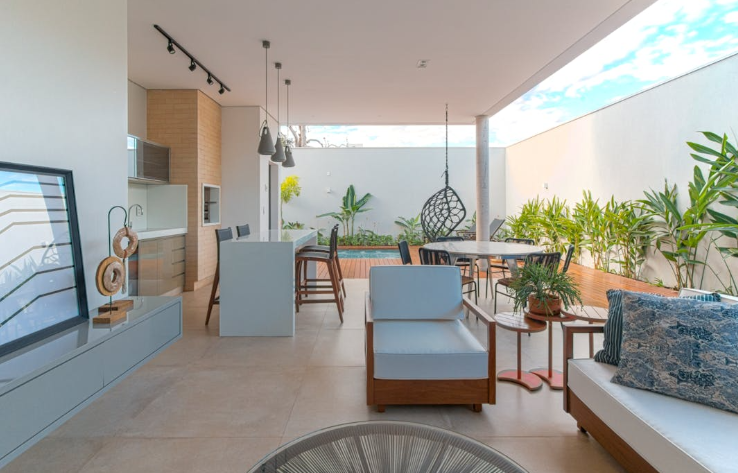
Families spend more time outside today than they did just a few years ago. This shift changes how we look at our yards and patios. Many homeowners want a space that feels like a quiet retreat from the busy world, note Real Property Management Services experts.
Investing in these spaces provides a spot for shared dinners and quiet mornings. It creates a place where friends can gather and talk for hours. This focus on comfort makes the property much more valuable for the future.
Custom Decking For Every Home
Choosing a good floor for the backyard is a big task for any project. It needs to handle the sun and the rain without breaking or rotting. A strong deck acts as the heart of the whole outdoor area. It provides a level surface for tables, chairs, and heavy grills to sit safely.
Finding the right team makes a huge difference in the final look of the project. Most composite and wood deck builders in Cincinnati or elsewhere offer a variety of styles that fit different budgets and maintenance needs. These experts help turn a simple sketch into a sturdy reality.
Quality materials make the deck last for several decades with minimal effort. Regular maintenance keeps the surface safe for kids and pets to run on without worry. A good build adds beauty to the entire property – it makes the house look finished and cared for.
Merging Interior And Exterior Styles
Modern homes are removing the hard line between the kitchen and the patio. This style makes the whole house feel much bigger than it really is. It creates a flow that feels natural and smart for a growing family.
Large glass doors are a great way to link these two separate zones. A design statistics site notes that 78% of industry experts see this smooth transition as a major trend today.
Matching the indoor floors with the outdoor pavers helps the eyes follow the space. It gives the home a unified feeling that is very modern and clean. This simple trick changes how people move through the house during a party.
Vertical Gardens In Tiny Spaces
Not every home has a massive yard for planting large trees or wide flower beds. People in urban areas need to find creative ways to bring nature home with them. They often turn to walls and fences for help with their gardening goals. This allows them to have a lush look without losing any floor space.
A recent trend report mentions that vertical gardens are a smart space-saving solution for small patios and balconies. These systems let flowers and leafy greens grow upward instead of taking up room on the ground.
These green walls act as a natural screen against the hot afternoon sun. They add a splash of life to a gray brick wall or an old wooden fence.
Efficient Nighttime Lighting Solutions
Staying safe after the sun goes down is a top priority for families with young children. Good lights make it easy to see steps and paths in the dark of night. It makes the yard feel warm and inviting during a late evening meal.
Solar fixtures are a popular pick for many homeowners who want to save on bills. A news update on lighting says that solar options reached a 50% usage rate among buyers recently.
These lights do not need any complicated wiring or expensive electrical plugs. They soak up the sun all day and turn on automatically when it finally gets dark.
Outdoor Kitchen Evolution
Cooking outside is no longer just about using a small metal grill on a wooden table. Full kitchens with sinks and fridges are appearing in many suburban backyards today. These zones make it easy to host a big party without leaving the guests alone. Having a dedicated spot for food prep makes summer meals much more fun for the cook.
- Stainless steel stoves and side burners
- Stone pizza ovens for fresh crusts
- Built-in cooling drawers for cold drinks
These items turn a patio into a place where someone can cook a whole feast from start to finish.
Private Backyard Sanctuaries
Noise from the street or the neighbors can ruin a quiet moment in the garden. People want to find a way to block out the rest of the world for a few hours.
Tall fences and thick shrubs are effective ways to stop others from seeing into the yard. They create a “secret” feel that is very peaceful for the homeowners.
A small water fountain helps mask the sound of traffic or barking dogs nearby. The gentle splash of water creates a calming mood for everyone in the area.

Modern trends help people create a yard that fits their specific needs and tastes. These ideas turn a simple patch of grass into a valuable living area for the whole family. Every choice made today helps build a better space for tomorrow.
Taking time to pick the right materials and lighting is the key to a great result. A well-designed outdoor space provides joy for many years to come. It becomes the favorite part of the home for everyone who lives there.

A living room rarely succeeds because of one dramatic design move. In most homes, comfort comes from smaller decisions that affect how people sit, move, store things, and reset the space at the end of the day. Retail category pages for living room furniture reflect this reality. They do not just feature sofas and chairs; they also include side tables, coffee tables, lighting, entertainment centers, and rugs because real comfort depends on how these pieces work together.
This is why the best living rooms are often built around function before appearance. A room may look polished in a photo, but daily life tests it differently. People need a place to set down a drink, charge a device, keep a reading lamp nearby, reach a book, or clear the room quickly before guests arrive. When these ordinary needs are ignored, the room starts collecting clutter, and even a well-decorated space feels harder to use. What looks like a style problem is often a routine problem.
Everyday ease starts with placement
Living rooms have become more flexible than they used to be. They are now used for streaming, reading, casual work, conversation, family downtime, and quiet breaks between tasks. That shift means layout matters more than ever. A room that forces everything toward one central surface usually creates friction. Remote controls pile up, chargers cross walking paths, and the most-used seat ends up without a nearby place for basic items.
The easiest rooms to live in spread utility across the space. Instead of asking one coffee table to do all the work, they rely on several support points. This creates better flow and makes each seat more functional. It also reduces the visual pressure that comes from placing every object in one spot. Smaller surfaces around the room make daily use feel lighter and more organized.
Comfort is built through access
People often think of comfort as softness, but access matters just as much. A comfortable seat becomes less useful when there is nowhere to place glasses, a mug, a book, or a phone. That is one reason furniture pages for living areas consistently group smaller tables with major seating pieces. These surfaces are not extra. They help convert a seating arrangement into a usable environment.
The same principle applies to lighting. A lamp only improves a room if it is positioned where people actually need light. Good reading corners, for example, usually depend on the relationship between a chair, a nearby surface, and the lamp that sits on it. When that connection is missing, the room may still look complete, but it does not perform well.
Storage affects mood more than people expect
Clutter is not only a visual issue. It also changes the emotional tone of the room. Spaces that lack practical storage often produce low-level stress because objects never fully leave the seating area. Cables, remotes, mail, notebooks, and everyday items remain visible, even when no one is actively using them.
This is where smaller furniture becomes surprisingly important. Shelves, drawers, and compact surfaces help absorb the spillover of daily life. In the middle of a room plan, living room end tables often do this quietly. They hold what people reach for often, while keeping those items from taking over the larger shared surfaces. That balance matters because a living room usually works best when it feels both active and easy to reset.
Smaller homes make smarter choices necessary
The pressure on living rooms is even greater in smaller homes, apartments, and open-plan layouts. In those spaces, furniture cannot afford to be decorative only. Each piece has to justify its footprint. The growing variety in living room categories, including narrow drink tables, shelf tables, console tables, and compact accent pieces, shows how much homeowners now value flexibility and space efficiency.
That change points to a larger lifestyle shift. People are paying closer attention to how their homes support routine, not just how they look online. A room that allows easy movement, accessible surfaces, and faster cleanup supports better habits. It becomes easier to read at night, easier to host someone without scrambling, and easier to keep the room ready for the next use.
A well-run room supports better routines
There is a business lesson in this. Systems matter more than isolated features. In the workplace, small process improvements often produce better outcomes than one expensive overhaul. Homes work in a similar way. When a room supports the small behaviors that happen every day, the entire environment becomes more efficient.
That does not require more furniture. It requires better alignment between habits and layout. A seat should have a nearby landing spot. Lighting should match how the room is used. Storage should exist where clutter actually forms. Traffic paths should stay open. When those conditions are met, the room starts working with the household instead of against it.
Why the little things matter most
The strongest living rooms are rarely built from headline pieces alone. They depend on supporting furniture, practical surfaces, and choices that make ordinary routines easier. That is why small furnishing decisions have an outsized effect on daily life. They shape whether a room feels calm or crowded, flexible or frustrating, complete or unfinished.
In the end, people do not remember the living room only by how it looked. They remember whether it felt easy to use. That standard is higher, and more useful than decoration alone. It asks a simple question, does the room make everyday life smoother? When the answer is yes, the design is doing its real job.
-

 BLOG10 months ago
hanime1: The Ultimate Destination for Anime Lovers
-

 ENTERTAINMENT1 year ago
Sflix: How It’s Changing the Way We Watch Movies and TV Shows
-

 ENTERTAINMENT11 months ago
Crackstreams 2.0: The Future of Free Sports Streaming?
-

 BILLS1 year ago
Why Does My Instagram Reel Stop Getting Views After One Hour? How to Fix It?
-

 BLOG11 months ago
Imginn: The Ultimate Tool to View Instagram Content Anonymously
-

 Technology1 year ago
Simpcitt: The Rise of a Unique Online Community
-

 BLOG1 year ago
NHentai.nef: Understanding the Popular Hentai Archive
-

 BLOG10 months ago
ThisVid: What Makes It Stand Out in the World of Online Videos