
HEALTH
How NPi® Trend-Tracking Can Predict Neuro Worsening Before Clinical Symptoms Appear

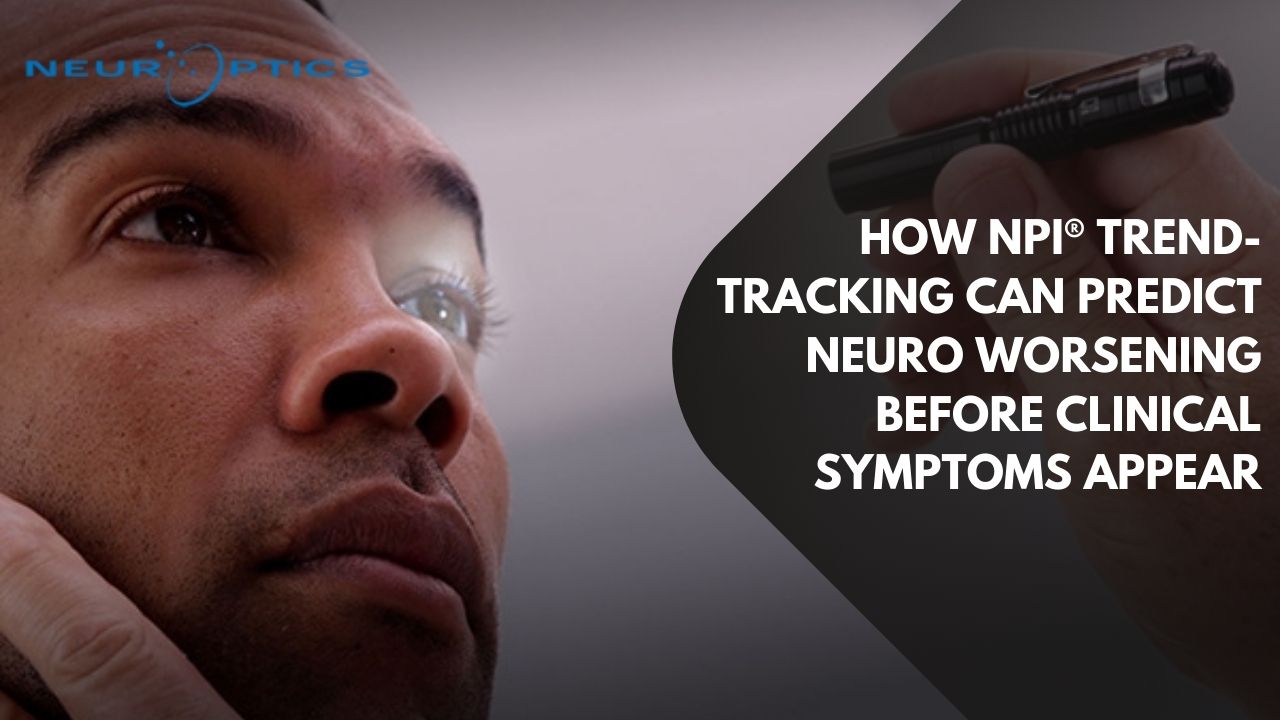
Early findings in the neurological department are one of the most powerful advantages. Finding out even the smallest change can help doctors finalise treatments. One of the easiest and reliable ways to find these changes is through NPi® tracking and consistent pupil evaluation. Unlike traditional methods, these observations rely on proper data. This blog will help you understand how pupillary evaluation, pupil diameter measurement and advanced neurological tools work together to find out any early brain changes.
Why the Pupils Are a Window Into the Brain
Pupils are directly connected to the brain. Any changes in the pupil reactivity directly tell about the brain health. A simple pupil test can reveal changes in the pupil diameter, changes in pupil reaction when exposed to light, and constriction or dilation speed. These changes can be very subtle, and manual traditional checks may miss them. This is where modern and digital tracking becomes crucial.
NPi®: A More Accurate Way to Evaluate Pupillary Function
NPi® is a standardised score calculated using neurological tools. It ranges from 0 to 5. If the value falls between 3 to 5, this means the neurological health is doing well. If it’s below 3, the patient requires urgent care. The score is based on several parameters like pupil diameter measurement, dilation and constriction velocity, percentage change, latency and symmetry between eyes.
Why Trend-Tracking Matters More Than Single Readings
1. Reveals subtle neurological decline
Small drops in NPi® score may occur long before the patient experiences it. Early symptoms can be headache, weakness, signs of abnormalities or confusion. These early signs are a warning of a bigger neurological problem.
2. Removes guesswork from the neuro exam
When checked, traditionally, the evaluation is based on subjective terms. NPi® removes the guesswork and relies on proper data.
3. Shows the direction of neurological health
When checked on a regular basis, the NPi® score clearly tells whether the patient is improving, stabilised, or the health is declining. On the basis of these results, the future treatment is decided.
How NPi® Trends Predict Worsening Before Symptoms
- Because the pupil’s reaction to light is directly linked with the brain, changes in reactivity appear early.
- If the pressure increases, the pupil’s ability to constrict slows down. Trend tracking picks up this decline, helping doctors to decide the treatment.
- One pupil may react more slowly than the other pupil. It is barely visible to the naked eye, and the NPi® score can detect it early.
- If certain brain areas receive less blood flow, pupils may react differently. Monitoring trends allows doctors to find this at an early stage.
- Post-operative patients require more neurological care. Continuous trend tracking helps to find out early changes.
Why Digital Neurological Tools Are Superior to Manual Checks
When compared to traditional methods, the digital tools offer objective repeatable measurements, instant analysis, reliable data, and documentation, and a proper trend graph, showing decline or improvement of patient health. These results make them a very important part of modern neuro care.
Where NPi® Trend-Tracking Is Most Valuable
NPi® score is very important during brain injury, stroke, post-surgery care, during cardiac arrest, for ICU patients, and for the emergency department. In all these situations, it is important to detect early decline for proper treatment.
Integrating Trend-Tracking Into Daily Neuro Care
Doctors have started incorporating NPi® tracking into daily neuro care. It is performed for ICU patients, post-surgery recovery, during ventilation, and throughout neurological treatment. This evaluation gives a complete picture of the neurological health of a patient.
Final Thoughts
NPi® tracking has made it easy to detect early neurological problems. Doctors combine pupil evaluation and proper pupil diameter measurement using advanced neurological tools to find even the smallest change. NPi® offers a powerful result that helps medical staff decide on patients’ treatment. During emergency and critical moments, these insights play a very major role in understanding the severity of the problem.

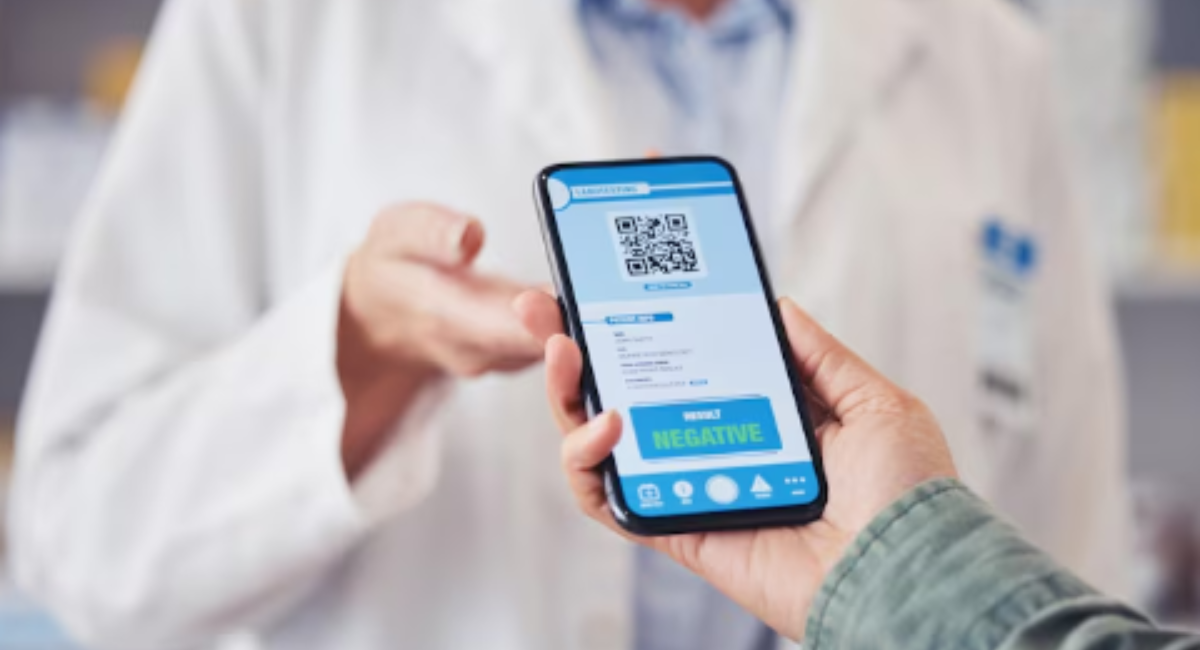
Healthcare systems continue to evolve as medical organizations look for better ways to improve patient experiences, streamline communication, and manage growing volumes of information. Digital transformation has become a major priority across hospitals, clinics, pharmacies, and healthcare networks, and one technology playing an increasingly important role is the qr code in healthcare.
QR technology allows healthcare providers to connect patients, staff, and medical systems quickly through simple smartphone scanning. From patient check-ins and appointment scheduling to medication instructions and digital health records, QR codes help simplify many administrative and communication processes that traditionally required manual handling.
The growing demand for contactless interactions has also accelerated adoption across the healthcare industry. Patients now expect easier access to information, faster communication, and more convenient digital experiences. QR systems support these expectations while helping healthcare providers improve operational efficiency and reduce unnecessary administrative workload.
As healthcare organizations continue modernizing their services, QR technology is becoming a practical and scalable solution for improving accessibility, transparency, and patient engagement.
Why QR Technology Is Becoming More Important in Healthcare
Healthcare environments involve constant communication between providers, patients, laboratories, pharmacies, and administrative teams. Managing these interactions efficiently is critical for both patient care and operational performance.
QR technology helps simplify many of these processes by providing direct access to digital resources through a quick scan. Instead of manually filling out forms, searching for information, or waiting for printed documents, patients can access important details instantly using mobile devices.
Healthcare organizations increasingly use QR systems for appointment registration, digital forms, medication guidance, patient education, and access to medical documentation. This reduces administrative delays while improving convenience for both patients and healthcare staff.
Another important advantage is flexibility. Dynamic QR codes allow healthcare providers to update linked information without replacing printed materials. This is especially useful when instructions, policies, contact details, or patient resources change frequently.
QR systems also help reduce physical paperwork and improve information accessibility. Hospitals and clinics can provide digital instructions, discharge summaries, treatment guidance, or educational resources without relying heavily on printed materials.
As healthcare systems continue adapting to digital-first communication, QR technology provides an efficient bridge between physical healthcare environments and digital information access.
How healthcare qr codes Improve Patient Experiences
Modern patients increasingly expect healthcare experiences to feel more efficient and accessible. Long wait times, repetitive paperwork, and complicated administrative processes often create frustration before treatment even begins. This is where healthcare qr codes offer significant value.
Many healthcare facilities now use QR systems for patient registration and contactless check-ins. Patients can scan a code upon arrival to complete forms, confirm appointments, or update personal information directly from their smartphones. This helps reduce waiting room congestion while improving workflow efficiency.
Healthcare QR systems also improve communication clarity. Patients can scan codes to access treatment instructions, medication information, post-procedure guidance, or educational resources related to their care plans. This makes important information easier to access at any time without relying solely on printed handouts.
Hospitals and clinics additionally use QR technology for navigation assistance. Large medical facilities can be difficult to navigate, especially for new visitors. QR-enabled wayfinding systems help patients locate departments, testing areas, or specialist offices more efficiently.
Another major advantage is multilingual accessibility. Healthcare providers can direct patients to digital resources available in different languages without needing to print large volumes of translated materials.
Healthcare staff also benefit from simplified workflows. Reduced paperwork, faster patient processing, and improved access to digital information help medical teams spend less time on administrative tasks and more time focusing on patient care.
As healthcare organizations prioritize patient-centered experiences, QR technology continues to support more accessible and efficient communication systems.
The Role of a qr code for medical information
Providing accurate and accessible medical information is essential in healthcare environments. A reliable qr code for medical information allows providers to deliver important resources directly to patients quickly and efficiently.
Healthcare providers often use QR systems to connect patients with digital educational materials, medication instructions, treatment plans, vaccination records, or discharge guidance. Instead of relying entirely on printed paperwork that may become lost or outdated, patients can access information digitally whenever needed.
This approach also improves information accuracy. Healthcare organizations can update linked content instantly if treatment recommendations, medical guidelines, or instructions change. Dynamic QR systems help ensure patients always access the most current information available.
Medication management is another important use case. Pharmacies and healthcare providers may include QR codes on packaging or documentation that link patients to dosage instructions, safety information, side effect guidance, or refill support resources.
QR-based medical information systems can also support emergency preparedness. Some healthcare providers use QR-enabled identification systems that allow authorized personnel to access critical medical details more efficiently when necessary.
Patient education benefits significantly as well. Medical concepts can often feel overwhelming or difficult to remember after appointments. QR-linked videos, diagrams, tutorials, or follow-up resources help patients better understand their treatment plans and healthcare instructions.
As digital communication becomes more central to healthcare delivery, QR-powered information access continues improving both convenience and patient understanding.
Choosing the Right qr code generator for healthcare
Selecting a secure and reliable qr code generator for healthcare is essential because healthcare organizations manage sensitive information and complex communication workflows. Not all QR platforms are designed to meet the operational and privacy expectations of medical environments.
One of the most important factors is security. Healthcare providers must ensure QR systems protect patient information and support compliance with privacy regulations. Platforms should offer secure hosting, access controls, and reliable data management practices.
Dynamic QR functionality is another important feature. Medical organizations frequently update resources, instructions, contact details, and operational information. Dynamic QR systems allow these updates without replacing physical materials throughout hospitals or clinics.
Customization capabilities also matter. Healthcare providers often want QR experiences to align with organizational branding and communication standards. Professionally designed QR codes help create a more trustworthy and user-friendly experience for patients.
Mobile optimization is especially important because most patients access healthcare QR systems through smartphones. Forms, instructions, and educational materials should function smoothly across different devices and operating systems.
Analytics features can additionally provide operational insights. Healthcare organizations may monitor usage patterns, patient engagement, or information access trends to improve communication strategies and identify areas where patients need additional support.
Scalability is another major consideration. Large healthcare systems often manage multiple departments, facilities, and communication channels simultaneously. Centralized QR management platforms help organizations maintain consistency while simplifying administration across locations.
Choosing the right QR solution helps healthcare providers improve efficiency while maintaining security, accessibility, and patient trust.
The Future of QR Technology in Healthcare
Healthcare systems worldwide continue investing in digital transformation strategies designed to improve patient outcomes and operational performance. QR technology is expected to become an increasingly important part of these efforts.
Future healthcare QR applications may include deeper integration with electronic health records, wearable health devices, telemedicine platforms, and AI-powered patient support systems. QR technology could also support more personalized healthcare experiences by connecting patients to customized educational resources or treatment guidance.
Contactless healthcare communication will likely remain a major focus as well. Patients increasingly expect digital convenience similar to what they experience in retail, banking, and travel industries. QR systems help healthcare providers meet these expectations while maintaining efficiency and accessibility.
Sustainability may also influence adoption. Reducing excessive printed paperwork and shifting toward digital communication supports both operational efficiency and environmental goals.
As healthcare continues becoming more connected and technology-driven, QR systems provide a flexible and scalable solution for improving communication between providers and patients.
Final Thoughts
The growing use of the qr code in healthcare reflects broader efforts to improve patient experiences, streamline operations, and modernize communication systems across medical environments.
Modern healthcare qr codes help organizations simplify registration, improve information access, and reduce administrative complexity while creating more convenient experiences for patients. At the same time, a reliable qr code for medical information supports better patient education, communication accuracy, and accessibility throughout the care process.
Choosing the right qr code generator for healthcare allows medical organizations to build secure, scalable, and flexible digital communication systems that support both operational efficiency and patient-centered care.
As healthcare continues evolving toward more connected and digital-first services, QR technology will remain an increasingly valuable tool for improving accessibility, communication, and overall healthcare experiences.

Food choices remain at the center of the entire weight loss plan because what you eat affects your body. New studies also place importance on monitoring daily eating habits for this reason. However, tracking your eating habits isn’t just about losing weight. The data collected over time helps you maintain a healthy lifestyle with a balanced diet. When you track your meals, you keep count of the calories that go into your body. Let’s see why tracking your food intake is considered important.
Multiple good reasons for tracking food intake
Among the various efforts that you put into your weight loss journey, eating habits often play a huge role in achieving success. When you consistently record what you eat in your weight loss tracker, you remember it better. Otherwise, you may forget about it and make unhealthy choices later. With a free printable weight loss tracker, you can easily check your consumption patterns and nutritional intake. Only looking at calories isn’t sufficient. A healthy body thrives on fats, proteins, and carbs. Food trackers give you a clear picture of whether your body is consuming them in appropriate amounts. There is another added advantage to tracking this. Essential nutrients come from fresh fruits and vegetables, proteins, healthy fats, and other sources. As a result, you can consciously start adding them to your daily diet.
Tracking your food habits makes you accountable for your choices. Whether you took a bite of a baby carrot or a piece of cake, everything should be correctly logged there. These records allow you to make more intentional choices. When you intend to lose weight, nothing helps more than sticking to a healthy meal plan. As you achieve your targets with consistent monitoring, you stay motivated because you can see your progress. You learn to eat in moderation. After all, too much of even a healthy item may not be healthy. More precisely, tracking your food intake improves your awareness of how your body responds to different diets and why some foods may be more beneficial for you. This additional insight comes from tracking your energy levels, mood, and overall health.
A few essential considerations
Reaching a weight loss goal becomes easier when you are consistent with your efforts. This also applies to tracking eating habits. With daily monitoring, you understand more about the connection between food and your body’s responses. If you don’t record your meals daily or accurately, it doesn’t help. The gaps prevent you from analyzing your choices properly. When you log all the details, you also revisit thoughts such as why you ate something. You evaluate whether you were hungry or if you ate out of boredom. If you overindulged, you should note that as well. It gives you insights into your weaknesses and vulnerabilities, helping you manage or avoid them. To be accurate in your records, list everything you put on your plate or in your bowl. You should mention the condiments and sauces included in your meals.
Tracking food is the best way to know what you eat day in and day out and whether your body is getting proper nourishment. At the same time, you can lose unwanted fat with careful planning, especially if your eating habits are the problem. The tracker provides useful data to help you improve your diet.

Managing chronic health conditions requires a blend of personalized care, evidence-based therapies, and continuous support. LivingWell Health Center is dedicated to providing individuals with the tools and resources needed to effectively manage chronic diseases and empower them to lead healthier, more fulfilling lives. The care provided is not just about symptom relief but focuses on root causes and long-term wellness.
As chronic diseases become increasingly prevalent, the need for accessible, tailor-made healthcare solutions grows. LivingWell Health Center addresses this need by offering a wide spectrum of services, from advanced diagnostic testing to individualized lifestyle counseling. Their commitment to preventive care and patient education ensures patients are supported in every stage of their health journey.
At LivingWell Health Center, chronic disease management is not a one-size-fits-all approach. Each patient receives a care plan tailored to their unique health needs, taking into account their medical history, lifestyle, and personal goals. This level of customized attention has been linked to better adherence to treatment protocols and improved overall wellness outcomes.
The center’s integrative methods combine standard medical practices with alternative therapies, such as nutritional guidance and advanced diagnostic panels. These comprehensive services help patients address complex chronic diseases, reduce symptom severity, and improve their quality of life. Innovative offerings like Hormone Replacement Therapy support hormonal balance, which is critical for managing conditions such as thyroid disorders and adrenal fatigue.
What Services Does LivingWell Health Center Offer for Chronic Disease Management?
LivingWell Health Center provides a broad range of services tailored to address the diverse needs of those living with chronic health conditions:
- Weight Loss Management: Customizable plans help patients achieve and maintain a healthier body weight, reducing the risks of diabetes, cardiovascular disease, and metabolic syndrome.
- Hormone Replacement Therapy: Hormonal imbalances can lead to fatigue, mood disorders, and other serious health concerns. Targeted therapies restore balance, enhance energy, and address underlying contributors to chronic disease.
- Functional Medicine Testing: Advanced diagnostics, including DUTCH hormone testing and GI-MAP stool analysis, uncover the root causes of persistent symptoms, guiding more effective treatment strategies.
How Does Personalized Care Improve Chronic Disease Outcomes?
Personalized medicine is revolutionizing the management of chronic diseases. By considering each patient’s genetic background, lifestyle factors, and health history, providers create highly specific care plans. Research shows that such tailored approaches improve patient adherence and achieve more successful disease control. This individualized attention results in improved treatment efficacy and higher patient satisfaction.
What Role Does Preventive Care Play in Managing Chronic Diseases?
Preventive care is foundational for reducing the risk and progression of chronic disease. Routine screenings, blood tests, and wellness visits enable providers to detect disease markers early, intervene promptly, and offer actionable lifestyle guidance. LivingWell Health Center encourages patients to remain proactive through regular check-ups, empowering them to take ownership of their health and prevent complications. Patient education about nutrition, activity, and wellness habits is also a key part of their preventive strategy.
How Does Patient Education Contribute to Chronic Disease Management?
Patient education is crucial for effective disease management. When individuals understand the root causes and progression of their conditions, they are better equipped to make lifestyle changes and adhere to treatments. LivingWell Health Center offers ongoing counseling, providing resources that help patients navigate their health challenges with confidence and clarity. By building health literacy, patients become active participants in their care, which is linked to improved long-term outcomes.
What Are the Benefits of Integrative Healthcare in Chronic Disease Management?
Integrative healthcare combines the best of conventional and alternative medicine, creating a holistic approach that addresses all aspects of a patient’s well-being. This model supports physical, emotional, and mental health, offering therapies that support nutrition, reduce stress, and target the specific drivers of chronic illness. The result is a more comprehensive and sustainable path to long-term wellness that can help patients thrive despite chronic conditions.
How Can Patients Access Services at LivingWell Health Center?
Accessing high-quality chronic disease management is simple through LivingWell Health Center. Patients can schedule appointments directly on their website or by phone. The center offers flexible scheduling and operates on a transparent membership model, eliminating the complexities found in traditional insurance-based care. This approach focuses on building long-term provider-patient relationships, ensuring every patient receives consistent, individualized attention.
Frequently Asked Questions
What chronic conditions does LivingWell Health Center treat?
LivingWell Health Center treats a wide range of chronic conditions, including diabetes, cardiovascular disease, thyroid dysfunction, hormone imbalances, and more.
Does LivingWell Health Center accept insurance?
The center is membership-based, with straightforward pricing that eliminates insurance-related delays or restrictions. This transparent model ensures patients understand their care costs up front.
How can I schedule an appointment?
Prospective patients can book appointments through the center’s website or by calling the office directly. New patient consultations and follow-up visits are available both in-person and virtually.
LivingWell Health Center sets the standard for managing chronic diseases through personalized care, comprehensive diagnostic tools, and an emphasis on prevention and education. With a focus on integrative therapies and holistic wellness, the center empowers patients to achieve better health and long-term disease management.
-

 BLOG10 months ago
hanime1: The Ultimate Destination for Anime Lovers
-

 ENTERTAINMENT1 year ago
Sflix: How It’s Changing the Way We Watch Movies and TV Shows
-

 BILLS1 year ago
Why Does My Instagram Reel Stop Getting Views After One Hour? How to Fix It?
-

 ENTERTAINMENT11 months ago
Crackstreams 2.0: The Future of Free Sports Streaming?
-

 BLOG11 months ago
Imginn: The Ultimate Tool to View Instagram Content Anonymously
-

 Technology1 year ago
Simpcitt: The Rise of a Unique Online Community
-

 BLOG1 year ago
NHentai.nef: Understanding the Popular Hentai Archive
-

 BLOG10 months ago
ThisVid: What Makes It Stand Out in the World of Online Videos