
BLOG
8 Best Recommendations for AI Avatar Generator Tools In 2026

Top Picks from My Experience
-
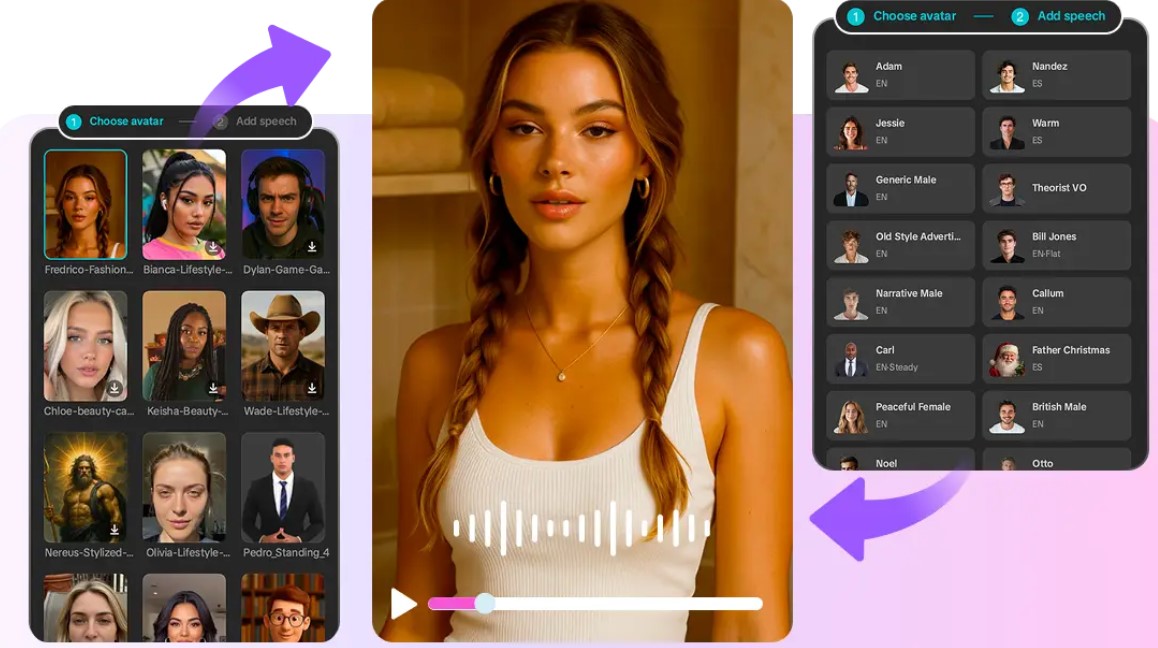
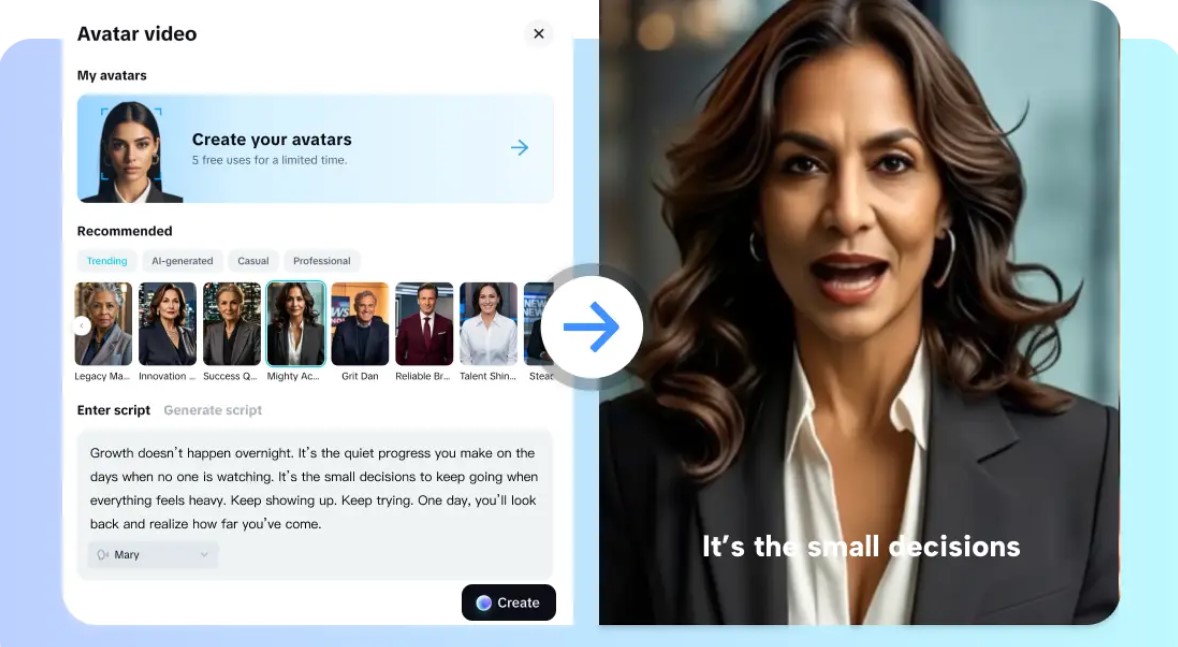
CapCut: CapCut is my go-to for fast, all-in-one avatar video production. Its AI-driven photo-to-avatar conversion, lip-sync, and expressive presets make creating polished avatars effortless. I also love that I can switch seamlessly between photo and video projects without leaving the platform.
-
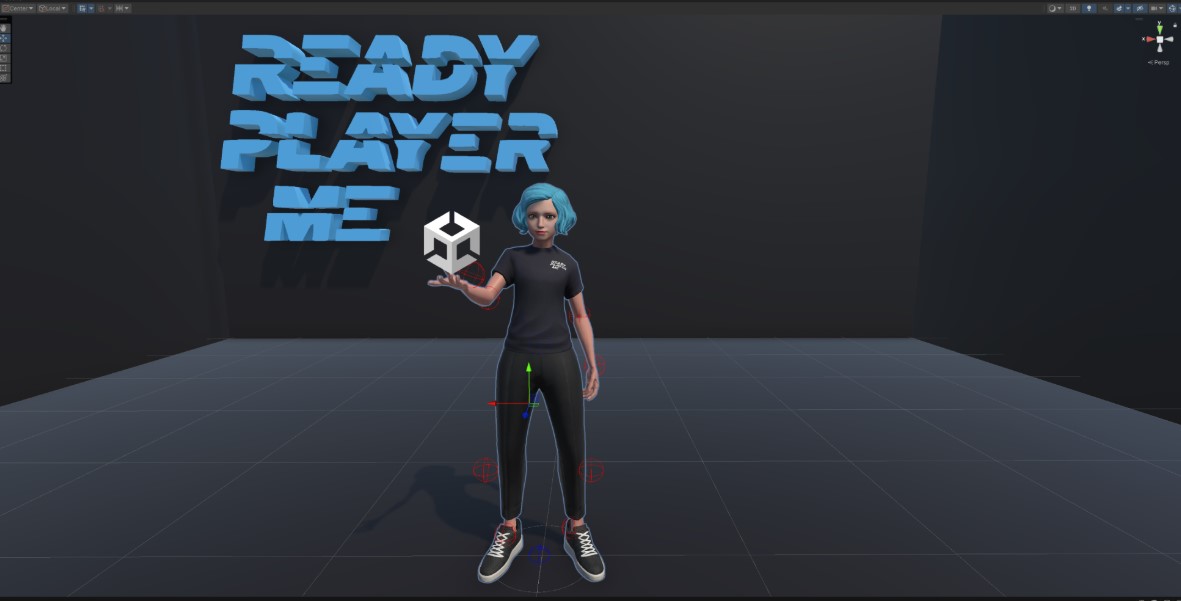
Ready Player Me: Ready Player Me excels at creating cross-platform 3D avatars that fit social identity and gaming ecosystems. It’s simple to use, supports VR/AR applications, and allows me to maintain a consistent avatar across multiple platforms.
-
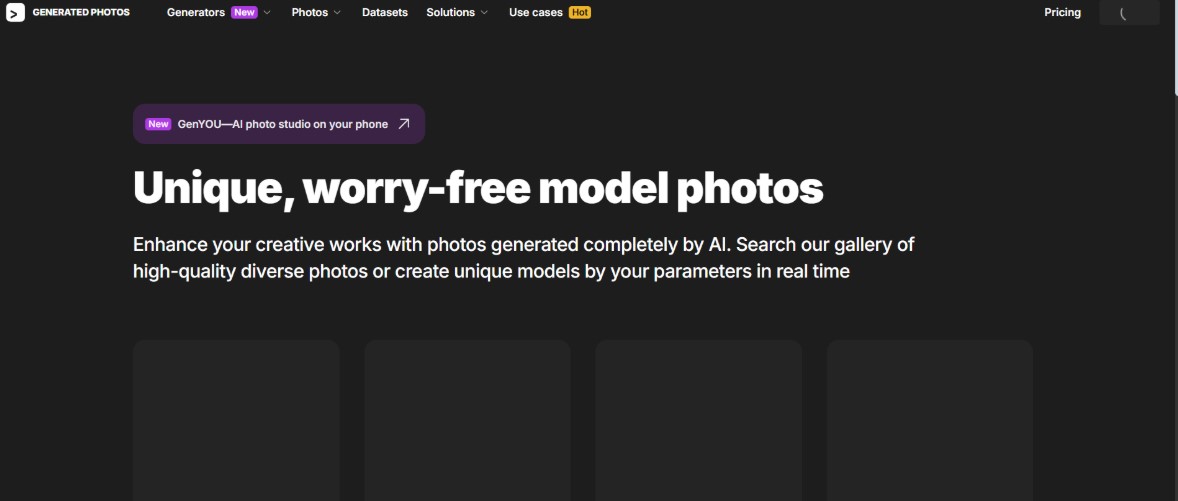
Generated Photos: I rely on Generated Photos when I need photorealistic synthetic faces or batch avatar outputs. Its AI delivers high-quality, diverse faces quickly, saving me time while maintaining realism for projects or presentations.
-
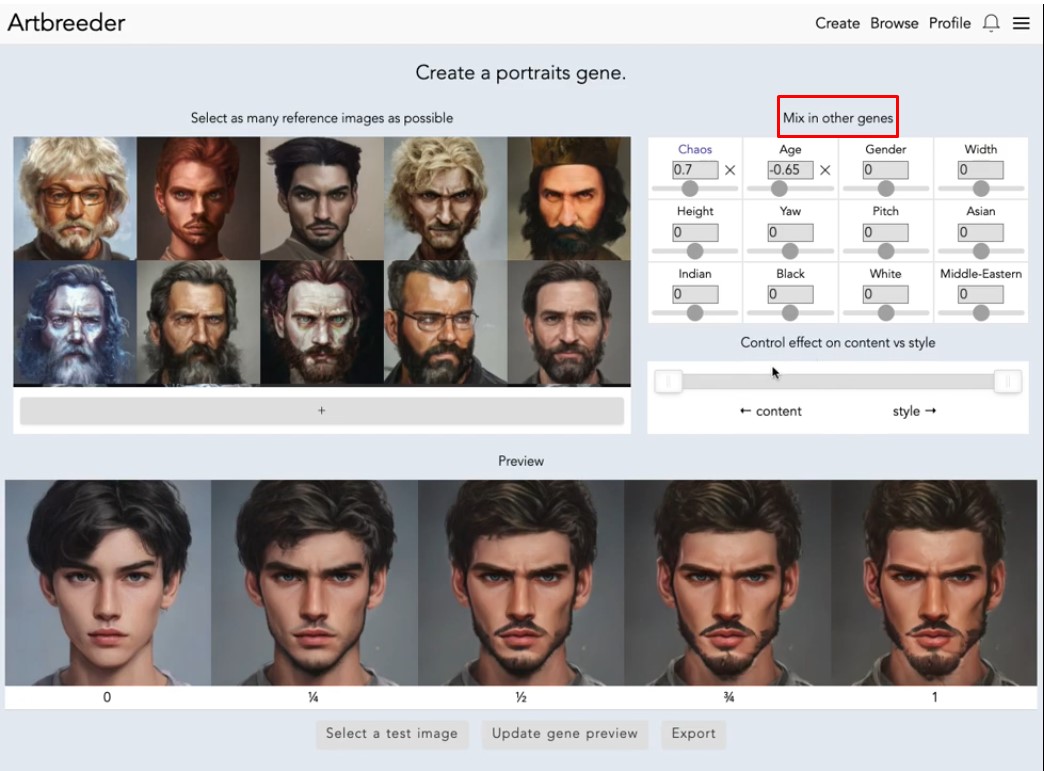
Artbreeder: Artbreeder is perfect for creative experimentation. I can blend images, morph features, and iteratively generate unique avatars. It encourages artistic exploration and lets me fine-tune results with surprising precision.
-
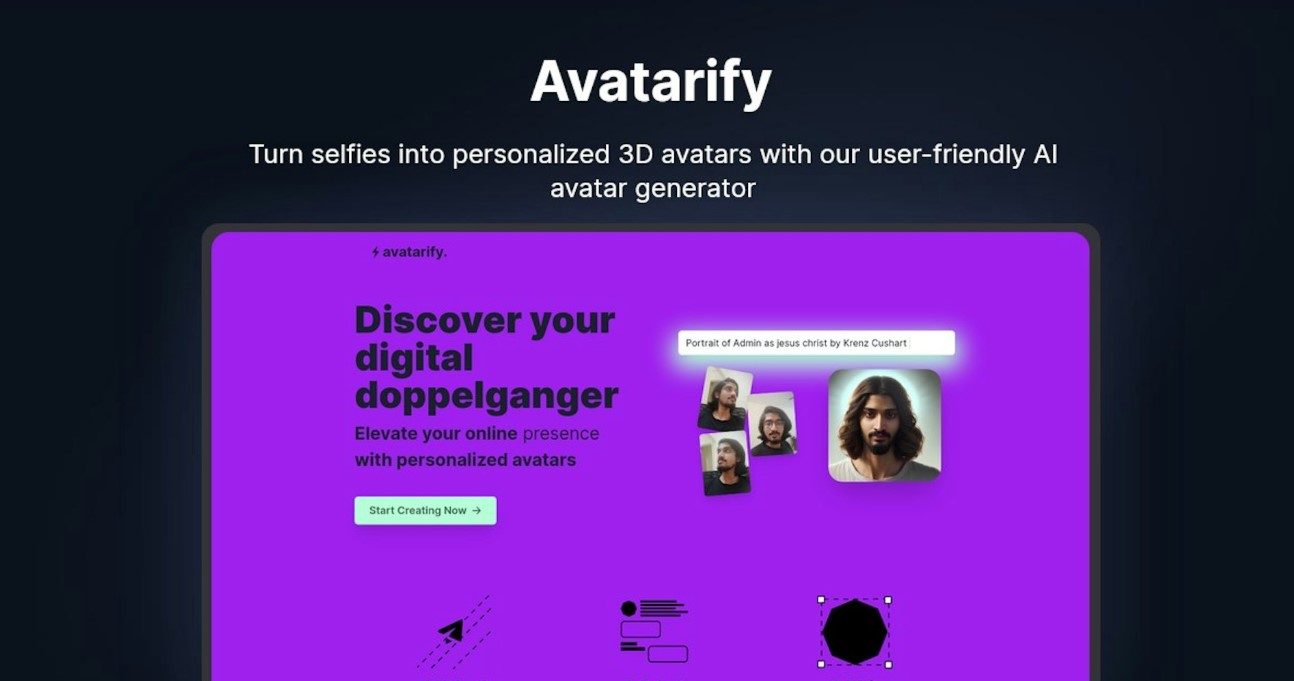
Avatarify: Avatarify shines for live webcam-based animation and streaming. I use it to bring avatars to life in real time, capturing expressions and gestures seamlessly for interactive content.
-
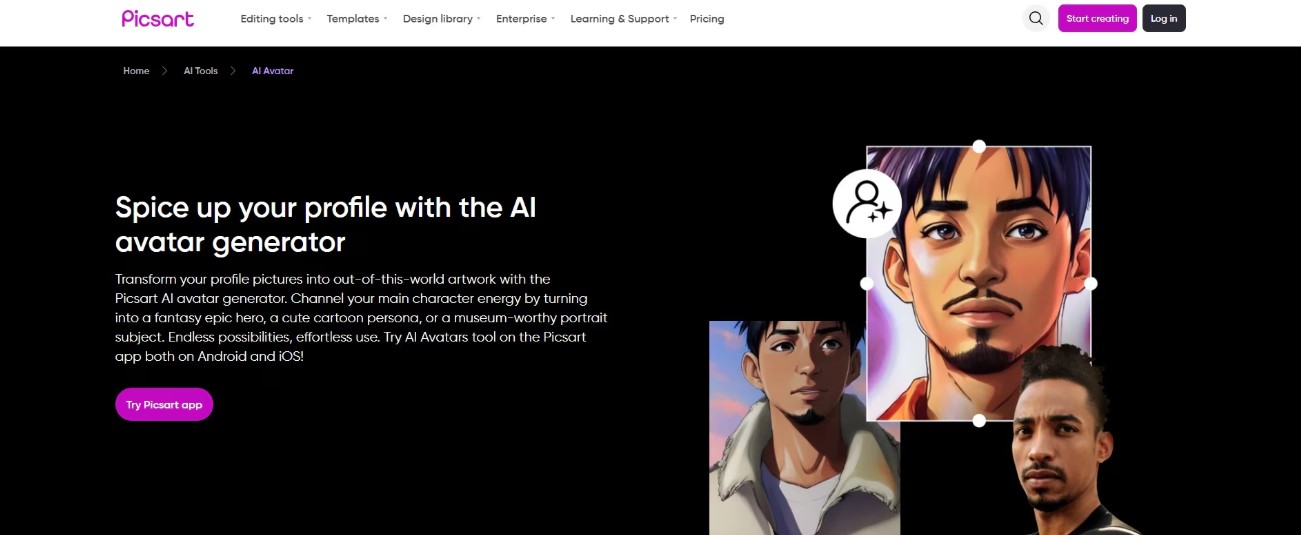
PicsArt AI Avatar Studio: PicsArt’s AI Avatar Studio is my pick for stylized portrait avatars. Quick edits, creative filters, and AI enhancements allow me to generate shareable avatars effortlessly, perfect for social media content.
-
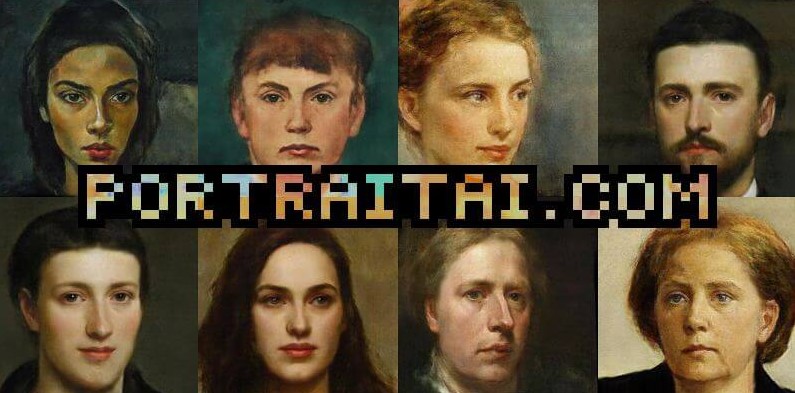
PortraitAI: I turn to PortraitAI when I want classic painted-style avatars. Its AI replicates traditional portrait techniques, giving avatars a timeless, artistic feel without manual painting.
-
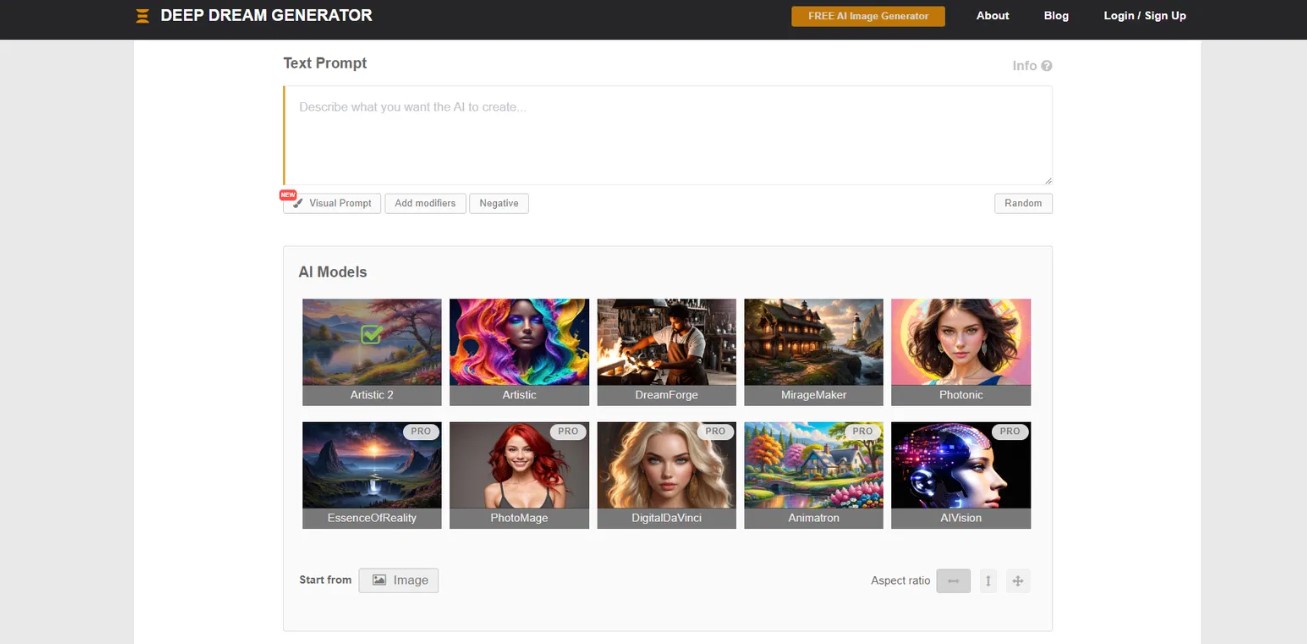
Deep Dream Generator: Deep Dream Generator is my tool for experimental and highly artistic avatars. I enjoy exploring surreal, imaginative styles that push creative boundaries beyond realism.
A Personal Test of the 7 Best Free Avatar Tools
-
Ease of use and approachability
-
Avoiding unnecessary complexity
-
Affordability or free accessibility
-
Sufficient features to grow your skills
-
CapCut

-
Wide Avatar Styles: Offers 1,000+ digital human categories for diverse projects.
-
Voice Library: 150+ AI voices with accents, tones, and languages.
-
Video-to-Avatar Conversion: Transform videos into talking avatars instantly.
-
Photo-to-Avatar Animation: Converts photos into speaking animated characters.
-
Integrated Editor: Built-in effects, auto-subtitles, custom covers, one-click sharing.
-
YouTube Shorts Integration: Quickly create short-form content without extra tools.
-
High-Quality Export: Maintains professional bitrate for studio-level output.
-
Batch Workflows: Supports multiple avatars in consistent style across projects.
-
Available On: Web, Windows, macOS, iOS, Android
-
Overall: 4.9/5
-
Beginner-Friendly Tools: 5/5
-
Price: Free; Pro starting at $19.99/month
-
Produces professional-looking avatar videos without juggling multiple tools.
-
Speeds up content workflows for marketing and social media creators.
-
Maintains consistent character appearance across multiple videos and campaigns.
-
Offers export presets compatible with streaming and native platforms.
-
Simplifies captioning with built-in subtitle automation and editing.
-
Some features require a pro account to access.
-
Ready Player Me
-
Creates exportable 3D avatars for engines and virtual spaces.
-
Strong customization for clothing, hair, and accessories.
-
Easy integration with many third-party platforms and engines.
-
Fast generation from a single headshot capture.
-
Focus on avatar portability across ecosystems.
-
Limited animation complexity compared to specialized animation suites.
-
Facial rigging may need extra work for advanced lip-sync tasks.
-
Higher-fidelity options reserved for paid tiers.
-
3D Avatar Export: Compatible with engines, metaverse platforms, and interactive apps.
-
Headshot-Based Generation: Quick avatar creation from a single selfie.
-
Outfit Customization: Change clothes, accessories, and hairstyles easily.
-
Skin Tone Variety: Supports diverse ethnic and visual representations.
-
Face Adjustments: Fine-tune facial features for accurate resemblance.
-
Cross-Platform Integration: Works with Unity, Unreal, and other 3D engines.
-
Avatar Portability: Use across multiple virtual platforms effortlessly.
-
Real-Time Preview: Check updates immediately during editing.
-
Available On: Web, Windows, macOS
-
Overall: 4.6/5
-
Beginner-Friendly Tools: 4.5/5
-
Price: Free; Enterprise plan available on request
-
Generated Photos
-
Extremely realistic face generation for photorealistic avatars.
-
Useful batch export for multiple character variants.
-
Fine attribute controls for targeted demographic needs.
-
Clean, high-resolution imagery suitable for profile use.
-
Works well as a source for downstream animation pipelines.
-
No native talking-avatar pipeline included in free tier.
-
Animation requires integration with other animation solutions.
-
Licensing can limit commercial usage in advanced cases.
-
Realistic Face Generation: AI creates lifelike portraits instantly.
-
Batch Export: Generate multiple faces at once for variety.
-
Customizable Attributes: Adjust age, ethnicity, and facial features.
-
High-Resolution Output: Suitable for profiles and professional projects.
-
Face Library Access: Wide selection for experimentation.
-
Downstream Editing Ready: Ideal for animation or composite work.
-
Consistent Appearance: Maintains uniform character style across batches.
-
Flexible Integration: Works with Photoshop or other editing tools.
-
Available On: Web
-
Overall: 4.5/5
-
Beginner-Friendly Tools: 4.5/5
-
Price: Free trial; Yearly subscription $199/year
-
Artbreeder
-
Powerful blending tools for hybrid and creative character concepts.
-
Intuitive sliders allow controlled mutation and style mixing.
-
Great for concepting before committing to final designs.
-
Exports support common image formats for further editing.
-
Supports community remixing and iterative improvements.
-
Generated images often lack animation-ready rigging.
-
Output resolution sometimes lags behind studio-grade needs.
-
Free tier limits high-resolution export capabilities.
-
Hybrid Character Generation: Combine multiple images to create unique avatars.
-
Sliders for Fine-Tuning: Control style, traits, and mutations easily.
-
Concept Experimentation: Ideal for fantasy, anime, or surreal avatars.
-
Community Remixing: Explore and modify others’ creations.
-
Export Options: Download images for further editing.
-
Iterative Editing: Adjust features repeatedly without losing quality.
-
Stylized Portraits: Supports artistic or non-realistic designs.
-
Fast Prototyping: Quickly create multiple concepts for comparison.
-
Available On: Web
-
Overall: 4.3/5
-
Beginner-Friendly Tools: 4/5
-
Price: Starter: 100 credits/year $8.99; Advanced: 275 credits/year $18.99
-
Avatarify
-
Real-time facial motion capture for engaging live streams.
-
Integrates with streaming software via virtual camera support.
-
Low-latency mapping on decent hardware and network setups.
-
Supports multiple avatar styles and image inputs.
-
Good for interactive performances and live demonstrations.
-
Webcam quality heavily affects final avatar appearance.
-
Setup can require technical knowledge for optimal results.
-
Not optimized for polished, pre-rendered video outputs.
-
Real-Time Facial Capture: Maps webcam expressions onto avatars live.
-
Virtual Camera Output: Integrates with streaming software easily.
-
Low Latency: Smooth performance with decent hardware.
-
Multiple Avatar Styles: Supports different characters or face inputs.
-
Interactive Use: Perfect for live streaming or virtual meetings.
-
Customizable Setup: Adjust tracking and webcam settings.
-
Performance Monitoring: Ensures smooth mapping without lag.
-
Flexible Inputs: Works with images or live video.
-
Available On: Windows, macOS
-
Overall: 4.2/5
-
Beginner-Friendly Tools: 4/5
-
Price: Weekly $2.49; Yearly $34.99
-
PicsArt AI Avatar Studio
-
Fast creation of stylized portrait avatars for social media.
-
Numerous artistic filters and quick background replacement.
-
Simplified controls tailored for non-technical users.
-
Exports suitable for avatars, profile images, and thumbnails.
-
Good balance between speed and visual quality.
-
Limited native animation and lip-sync options.
-
Stylized output may not suit photorealistic campaigns.
-
Some premium styles locked behind subscription.
-
Stylized Portraits: Convert photos into artistic avatars instantly.
-
Filters and Effects: Multiple aesthetic styles available.
-
Background Swap: Change or remove image backgrounds easily.
-
Quick Touch-Ups: Grooming and minor edits built-in.
-
Optimized Exports: Ready for web, social media, and thumbnails.
-
User-Friendly Controls: Designed for non-technical creators.
-
Fast Processing: Generates avatars within seconds.
-
Template Use: Apply popular stylized presets instantly.
-
Available On: Web, iOS, Android
-
Overall: 4.1/5
-
Beginner-Friendly Tools: 4.5/5
-
Price: PicsArt Plus ~$5/month; PicsArt Pro ~$7/month
-
PortraitAI
-
Distinctive painted-style results for branded avatar looks.
-
Quick generation with multiple historical or artistic styles.
-
Simple interface requiring minimal technical knowledge.
-
Outputs suitable for premium profile images and campaigns.
-
Produces memorable, artistic visual identity elements.
-
No built-in talking-avatar or lip-sync capabilities.
-
Output format sometimes requires manual image adjustments.
-
Style may not match modern, photorealistic branding needs.
-
Classic Painted Style: Converts photos into traditional portrait art.
-
Multiple Art Styles: Offers historical and artistic variations.
-
Quick Generation: Produces results in seconds.
-
Simple Interface: Minimal setup or learning required.
-
High-Resolution Output: Suitable for social profiles or campaigns.
-
Memorable Visual Identity: Perfect for branding purposes.
-
Custom Editing: Users can adjust generated portraits for frames.
-
Unique Art Effects: Provides aesthetically distinctive avatars.
-
Available On: Web, iOS
-
Overall: 4.0/5
-
Beginner-Friendly Tools: 4.5/5
-
Price: Free
-
Deep Dream Generator
-
Creates bold, artistic avatar images for highly creative projects.
-
Layered processing offers control over dreamlike transformations.
-
Useful for campaign visuals and experimental branding assets.
-
Supports multiple style transfer options for unique looks.
-
Outputs encourage standout, attention-grabbing imagery.
-
Not intended for talking-avatar production or lip-sync.
-
Results often require significant downstream polishing for production.
-
Less predictable than targeted generative solutions.
-
Dreamlike Transformations: Converts images into surreal, artistic avatars.
-
Layered Processing: Fine-tune multiple effects for creative results.
-
Style Transfer Options: Apply different artistic or abstract styles.
-
High-Resolution Export: Suitable for digital campaigns or portfolio work.
-
Creative Control: Adjust intensity of dream effects easily.
-
Unique Visual Identity: Makes bold, attention-grabbing images.
-
Batch Processing: Apply effects to multiple images efficiently.
-
Community Sharing: Explore styles and techniques from other users.
-
Available On: Web
-
Overall: 4.0/5
-
Beginner-Friendly Tools: 4/5
-
Price: Basic $9/month; Advanced $19/month
What My Experiments with Each Tool Revealed
-
Ease of Use: You want a tool that’s intuitive and straightforward. The best AI avatar generators let you jump straight into creating avatars without complex menus or confusing settings. This is especially important if you’re handling multiple projects or need quick turnaround.
-
Performance and Speed: Smooth performance is critical when working with high-resolution images or generating multiple avatars. You should look for software that doesn’t lag or crash, allowing you to produce avatars efficiently and maintain workflow momentum.
-
Customization Options: You need tools that let you adjust facial features, expressions, hairstyles, and clothing. The more control you have over avatar details, the easier it is to align avatars with brand identity or project needs.
-
Output Quality: The avatars you generate should be high-quality and versatile, suitable for social media, video, VR, or gaming environments. You want options that produce realistic, stylized, or artistic avatars depending on your creative requirements.
-
Integrated Features: You should consider platforms that combine avatar creation with additional editing capabilities, such as lip-sync, animation, or background customization. This reduces the need for multiple software tools and streamlines your production process.
-
Cross-Platform Compatibility: You want a solution that works across different devices or export formats. Whether you’re on desktop, mobile, or integrating with VR/3D engines, flexibility ensures that your avatars are ready wherever you need them.
-
Cost and Accessibility: Price matters, but free or low-cost tools can be surprisingly powerful. You want software that delivers professional-quality avatars without locking key features behind expensive tiers, especially if you’re producing content regularly.
Conclusion
FAQs


Your bedroom should be more than a place to sleep. It should feel comfortable, organized, and reflective of your personal style. Fortunately, creating a better bedroom does not always require an expensive or extensive remodel. Strategic updates to the layout, lighting, storage, flooring, walls, and furnishings can dramatically improve the space while making everyday routines easier and more enjoyable.
Rethink the Bedroom Layout
A successful bedroom renovation starts with the layout. Even beautiful furniture can make a room feel cramped when it is poorly positioned. Before buying anything new, consider how you move through the space each day and whether the existing arrangement makes those movements convenient.
Start by identifying the room’s most important elements, such as the bed, storage, windows, doors, and lighting. The bed will usually be the visual focal point, so position it where it feels balanced without blocking natural light or creating an awkward path between the entrance and other areas of the room.
Measure the room and your existing furniture before making changes. This can help you determine whether a larger bed, additional storage, or a reading chair is genuinely practical. Sometimes moving the bed or swapping the positions of two pieces can make the entire room feel more functional without requiring any structural work.
Prioritize Comfortable Movement
Leave enough space around frequently used furniture so you can move naturally. A clear path to the closet, bathroom, or bedroom door can make a surprisingly large difference in daily comfort.
If your room is small, avoid filling every available corner. An intentional amount of open space can make the bedroom feel larger and give the design a cleaner appearance.
Upgrade the Walls for an Instant Transformation
Changing the walls is one of the easiest ways to give a bedroom a completely different personality. Paint can set the room’s mood, while wallpaper, paneling, or textured finishes can add visual interest.
For a relaxing atmosphere, consider soft neutrals, muted greens, warm beige, or other understated shades. If you prefer a dramatic look, a darker accent wall behind the bed can create depth and provide a strong focal point without overwhelming every wall.
Don’t overlook the ceiling, either. A lighter ceiling can help create a sense of height, while subtle architectural details can add character to an otherwise plain room.
Create an Accent Wall
An accent wall can make a major visual impact without requiring a complete room makeover. The wall behind the bed is often an ideal location because it naturally draws attention and can serve as the backdrop for the rest of the design.
For example, a homeowner might use a deep blue paint color behind a neutral bed, while keeping the other walls warm white. Another option is vertical wall paneling painted in a soft neutral shade to introduce texture and emphasize the room’s height.
Improve Bedroom Storage
Storage is one of the most valuable areas to address during a bedroom renovation. A room can look unfinished or feel uncomfortable when clothing, accessories, books, and personal belongings have nowhere to go.
Instead of simply adding more freestanding furniture, consider how existing storage can be used more efficiently. Shelving, drawers, hanging areas, and compartments can be arranged around the way you actually use your belongings.
A custom closet in Salt Lake City can be especially useful when the existing storage does not make efficient use of the available space. Tailored compartments can accommodate different clothing lengths, accessories, shoes, linens, and other items while making awkward corners or unusual wall dimensions more practical.
Use Vertical Space
If floor space is limited, look upward. Tall cabinets and shelving can provide significant storage without taking up a large footprint.
You can also use wall-mounted shelves for books, framed photos, or decorative objects. Keeping frequently used items organized and off the floor makes the bedroom easier to maintain and can create a more open appearance.
Refresh the Lighting Design
Lighting can completely change the atmosphere of a bedroom. A single overhead fixture may provide enough illumination, but it rarely creates the warm and flexible environment most people want in a bedroom.
Instead, consider layering several types of lighting. Ambient lighting provides general illumination, task lighting makes activities such as reading easier, and accent lighting can highlight architectural details or decorative elements.
Bedside lighting is particularly important. Wall-mounted fixtures can save space on nightstands, while adjustable lamps can provide focused light without illuminating the entire room.
Make the Most of Natural Light
Natural light can make a bedroom feel brighter and more inviting. Keep windows as unobstructed as possible and choose window treatments that provide privacy without unnecessarily blocking daylight.
If your room receives limited sunlight, use lighter wall colors and reflective surfaces to help distribute the available light. A strategically positioned mirror can also make a window appear more prominent while adding depth to the space.
Replace or Refresh the Flooring
Flooring occupies a large visual area, so changing it can have a substantial effect on the finished bedroom. If the existing floor is damaged, outdated, or difficult to maintain, replacement may be worthwhile.
Wood, engineered materials, laminate, tile, and carpet can each create different moods. The best choice depends on your budget, climate, maintenance preferences, and the atmosphere you want to create.
If replacing the flooring is outside your renovation budget, you can still make an impact by using a large area rug. A properly sized rug can introduce color and texture while making the bed area feel more comfortable and cohesive.
Choose Flooring for Comfort
Since bedrooms are often used barefoot, comfort should be considered alongside appearance. Softer flooring or a plush rug can create a warmer feeling, particularly in spaces where you want a cozy and relaxing atmosphere.
Think about how the flooring will work with your furniture and wall colors as well. Neutral flooring can provide flexibility if you plan to change the bedroom’s décor later.
Upgrade the Bed and Surrounding Area
Because the bed is usually the centerpiece of the bedroom, updating it can make the entire space feel newly renovated. You do not necessarily need to replace the mattress or buy an entirely new bedroom set to achieve this effect.
A new headboard can create a strong focal point. Upholstered options can introduce softness, while wood or panel-style designs can provide a more architectural appearance. Even changing the bedding, pillows, and throw can give the bed a noticeably different look.
Consider the scale of the bed as well. Oversized furniture can dominate a smaller room, while a proportionate frame can leave more visual and physical space around it.
Create a Comfortable Bedside Setup
The area beside the bed should support your nighttime routine. A compact nightstand with drawers can hold essentials while keeping the surface organized. If floor space is limited, a floating shelf can serve as a simple alternative.
Keep only frequently used items within easy reach. A clutter-free bedside area contributes to a calmer atmosphere and makes the room feel more intentionally designed.
Add Built-In or Multifunctional Features
If you are planning a more substantial renovation, consider features that can improve the room’s functionality for years to come. Built-in storage, window seats, shelving, or a small desk can give the bedroom a more tailored feel.
Multifunctional furniture is particularly useful when the bedroom serves several purposes. A compact desk can provide a dedicated workspace, while a storage bench at the foot of the bed can offer seating and a place to keep extra blankets.
The key is to make sure these additions support the room rather than overcrowding it. Measure carefully and consider how much clearance you need around each feature before committing to construction.
Add a Small Seating Area
If the bedroom has sufficient space, a chair or bench can create a comfortable area for reading, getting dressed, or relaxing. Position it near a window when possible to take advantage of natural light.
In smaller rooms, choose furniture with a slim profile. A lightweight chair or compact bench can provide the same function without making the room feel crowded.
Pay Attention to the Ceiling and Architectural Details
Renovations often focus on walls and floors while overlooking the ceiling. However, the ceiling can contribute significantly to the character of a bedroom.
Simple improvements such as crown molding, beams, paneling, or a carefully chosen ceiling color can add architectural interest. Even changing the ceiling light fixture can alter the room’s proportions and overall style.
Doors and trim are also worth considering. Updating old trim, repainting doors, or replacing dated hardware can create a more polished appearance without requiring a major structural change.
Choose Décor That Supports the New Design
Once the major renovation work is complete, décor can tie everything together. Select artwork, mirrors, textiles, and accessories that complement the room’s colors and proportions rather than competing with them.
Avoid adding too many small decorative objects. A few carefully chosen pieces can have more impact than a crowded collection, particularly in a smaller bedroom.
Plants, textured fabrics, framed artwork, and decorative lighting can introduce warmth and personality. The goal is to create a space that feels personal without sacrificing comfort or organization.
Keep the Design Consistent
A cohesive bedroom usually feels more polished than one where every element follows a different style. Choose a general design direction and repeat a few colors, materials, or textures throughout the room.
For example, warm wood tones can be repeated in the bed frame, shelving, and small accessories. Soft neutral textiles can then balance the wood and create a comfortable, unified environment.
Plan Your Renovation Around Long-Term Use
The best bedroom renovations are not based solely on current trends. Think about how the room will function several years from now and choose improvements that support your lifestyle.
Consider your storage needs, preferred sleeping environment, lighting habits, and the amount of furniture you genuinely need. A renovation is an opportunity to solve recurring problems rather than simply make the room look different.
Set a realistic budget and prioritize improvements that provide the greatest practical value. If storage is always a problem, address it before spending heavily on decorative details. If the room feels dark, lighting may be a more worthwhile investment than replacing perfectly functional furniture.
A thoughtful renovation does not have to involve changing everything. Sometimes a new layout, better lighting, improved storage, refreshed walls, and a few carefully selected furnishings are enough to make the bedroom feel completely transformed.
Conclusion
A successful bedroom renovation combines style, comfort, and functionality rather than focusing on appearance alone. From reworking the layout and improving storage to refreshing walls, flooring, lighting, and furnishings, small strategic changes can have a significant impact. Start with the problems that affect your everyday routine, prioritize improvements that fit your space, and create a bedroom that feels comfortable, organized, and distinctly yours.

Trading a traditional office cubicle or suburban home desk for an ever-changing view out of an RV window is one of the most liberating remote work choices you can make. However, turning a recreational vehicle into a high-performing mobile office requires far more than packing a laptop and heading into the wilderness.
Successful remote work on the road relies on strategic planning around internet connectivity, off-grid power, physical ergonomics, safety, and daily routines. Understanding these core operational requirements before launching your mobile lifestyle ensures you maintain professional reliability while enjoying freedom on the open road.
1. Reliable Internet Requires Multi-Provider Redundancy
Quick Answer: Never rely on a single connectivity source while working on the road; build a multi-provider setup utilizing satellite internet alongside dual-carrier cellular hotspots.
Relying solely on campground Wi-Fi is one of the quickest ways to disrupt your workweek. Public RV park networks are notoriously slow, unencrypted, and easily overloaded when dozens of campers attempt to stream video at night.
To build a reliable rv remote work internet redundancy system, combine high-speed satellite internet with cellular data plans from at least two major networks (such as Verizon and AT&T). Utilizing a dual-SIM mobile router with an exterior roof-mounted antenna allows you to automatically failover to whichever network offers the strongest signal in remote areas.
2. Power Management Beyond Campground Hookups
Quick Answer: Calculate your total daily watt-hour consumption and invest in a lithium (LiFePO4) battery bank, pure sine wave inverter, and roof solar panels to keep work devices powered without shore power.
If you plan to boondock on public lands away from RV park electrical pedestals, managing your electrical grid becomes a daily priority. Laptops, external monitors, cellular routers, and satellite dishes draw a continuous stream of power throughout an eight-hour workday.
Thorough off-grid rv power system planning ensures your computer stays running even during overcast days. Pure sine wave inverters are essential because they supply clean, stable electricity that protects sensitive laptop transformers and monitor power supplies from voltage spikes.
3. Off-Grid Safety and Emergency Communication
Quick Answer: When traveling outside cellular coverage zones, carry dedicated satellite communication gear to maintain emergency contact and personal safety.
Working remotely often leads digital nomads into breathtaking, isolated locations like national forests and desert BLM land. While camping off the beaten path offers unmatched tranquility, it also means help can be hours away if you experience a vehicle breakdown, medical issue, or sudden severe weather event.
While satellite internet keeps your laptop connected at camp, stepping away for weekend trail exploration or driving through isolated mountain passes leaves you vulnerable. Carrying a reliable satellite handheld radio ensures you can broadcast two-way emergency communications and summon aid even when cell towers are hundreds of miles away.
4. Designing an Ergonomic Mobile Workspace
Quick Answer: Replace soft RV dinette cushions with supportive seating, use laptop stands, and adjust your workspace alignment to prevent neck and lower back strain.
Standard RV interiors are designed for weekend dining and lounging, not eight hours of focused laptop computer work. Hunching over a low dinette table or typing from a soft sofa quickly leads to chronic neck pain, wrist strain, and spinal fatigue.
Achieving a healthy mobile workspace ergonomic setup requires intentional modifications:
- Upgrade Seating: Replace unsupportive booth cushions with an ergonomic office chair secured during travel.
- Elevate Screens: Use an adjustable laptop stand paired with an external keyboard and mouse so your eyes rest at the top third of the monitor.
- Convert Space: Modify a rear bunkhouse, toy hauler garage, or removed dinette area into a dedicated, stationary desk nook.
5. Navigating Work-Life Balance and Travel Schedules
Quick Answer: Schedule travel days exclusively on weekends or non-work days, and establish strict boundaries between professional office hours and sightseeing.
One of the biggest pitfalls for new mobile workers is trying to travel too fast. Driving two hundred miles, setting up camp, troubleshooting internet signals, and jumping straight onto a Zoom meeting creates extreme burnout.
Adopt a slower travel pace, staying two to four weeks at each location. Plan all driving shifts for non-working days so unexpected highway delays or flat tires never cause you to miss a critical client presentation. Additionally, account for shifting time zones as you cross state lines to keep calendar invites accurate.
6. Managing Mail, Domicile, and Legal Logistics
Quick Answer: Select an official state of domicile (such as South Dakota, Florida, or Texas) and hire a professional mail-forwarding service to manage tax filings and physical mail.
Full-time RV living requires solving administrative challenges before leaving your permanent home. You need a physical address to maintain vehicle insurance, register voter records, hold a driver’s license, and file state income taxes.
Specialized mail-forwarding services scan physical mail envelopes, upload PDF previews online, and forward physical packages directly to local post offices (via General Delivery) along your travel route. Establishing your legal domicile early prevents compliance headaches down the road.
Myth vs. Fact: Working Full-Time From an RV
- Myth: You can travel to a new national park every single night while working full-time.
- Fact: Moving constantly creates operational exhaustion. Successful nomads travel slowly, balancing workweeks with weekend exploration.
- Myth: Any cell phone hotspot will provide enough bandwidth for video conference calls anywhere.
- Fact: Topography, tree canopy cover, and network congestion dramatically alter cellular speeds; directional antennas and signal boosters are frequently required.
Frequently Asked Questions
Can I run a laptop and secondary monitor on an RV battery overnight?
Yes. A modern 100Ah lithium battery holds roughly 1,200 watt-hours of power, which easily powers a laptop and LED monitor (drawing ~60-80 watts combined) for an entire workday with ample capacity remaining for lights and water pumps.
How do full-time RV workers receive packages on the road?
Most nomads use Amazon Lockers, FedEx Ship Center holding services, or postal General Delivery, which allows you to send packages directly to a local post office in the town you are visiting.
Working from an RV is a rewarding way to blend professional productivity with outdoor adventure. By establishing internet redundancy, engineering a robust off-grid power system, prioritizing ergonomic health, and keeping reliable satellite communications on hand, you eliminate common road friction. Thoughtful preparation allows you to log into work with total confidence, no matter where you park your home.

An electronic data destruction request is not simply a request to remove old equipment. It is a security and asset-disposition project that requires a clear plan for devices that may still contain confidential business information, customer records, credentials, financial information, or employee data.
Back Thru The Future helps organizations turn an electronic data destruction request into a managed process. That process can include identifying data-bearing assets, maintaining control over equipment, choosing a suitable sanitization or destruction method, and creating records documenting what happened to each item.
Deleting files, reformatting a drive, or completing a factory reset may not meet every organization’s security, contractual, or policy requirements. The appropriate approach depends on the type of media, the sensitivity of the information, the condition of the device, and whether the equipment is intended for reuse or physical destruction.
Retired technology can include far more than desktop computers. A complete request may involve laptops, servers, hard drives, solid-state drives, backup tapes, smartphones, tablets, scanners, network equipment, medical devices, and other electronics with embedded storage.
When an office closure, equipment refresh, or data-center project is already underway, organizations benefit from defining custody, inventory, and destruction requirements before devices begin moving between departments, sites, or service providers.
Why Electronic Data Destruction Matters
Data-bearing devices may continue to hold information long after their day-to-day use has ended. A retired hard drive can contain files, archived email, application data, passwords, or backups. Mobile devices and embedded-storage equipment can retain account information, device identifiers, configuration data, communications, and authentication details.
The goal is to make recovery of targeted data infeasible for the required level of effort. NIST media sanitization guidance describes a program-focused approach that helps organizations align disposal and reuse decisions with the sensitivity of the information involved. It also reinforces an important principle: an organization should select techniques and controls appropriate to its own risk, media, and disposition needs.
What To Do When You Receive A Data Destruction Request
- Identify the assets. Build a list of the devices and media included in the project. Include serial numbers or other available identifiers when accountability is important.
- Classify the information. Determine whether the assets may contain ordinary business data, confidential information, regulated records, or highly sensitive material.
- Secure the equipment. Establish where assets will be held, who can access them, and how they will be prepared for pickup, transport, or onsite processing.
- Select the destruction method. Match the method to the media type, device condition, reuse goals, and security requirements.
- Document completion. Retain asset records, service documentation, and certificates of destruction as appropriate for the project.
- Manage remaining materials responsibly. Route eligible non-data-bearing components and equipment through suitable reuse or electronics recycling channels.
Back Thru The Future can support these stages as part of a single coordinated service, rather than treating destruction as an isolated final step. This is especially useful when a project involves mixed media, multiple departments, large volumes of equipment, or several locations.
Choosing The Right Data Destruction Method
There is no single method that fits every device. Back Thru The Future can help evaluate the media and the desired outcome before recommending a path forward.
- Secure data wiping: May be appropriate for functioning devices that an organization intends to reuse or resell, provided the selected sanitization process fits the device and internal requirements.
- Degaussing: Can be considered for certain magnetic media, including some hard drives and tapes. It is not a solution for solid-state storage.
- Physical destruction: Hard drive shredding or other physical destruction methods may be appropriate for damaged, obsolete, highly sensitive, or non-reusable media.
- Mobile-device destruction: Phones, tablets, and other small devices may contain embedded flash storage that is not designed to be removed like a traditional hard drive.
Hard Drives And Solid-State Drives
Hard drives and solid-state drives store data differently, so they should not be handled the same way in disposal. Back Thru The Future can help determine whether documented wiping, physical destruction, or another approved approach is more appropriate. Asset tracking and defined chain-of-custody practices help maintain visibility from collection through final processing.
Backup Tapes
Backup tapes are often retained for years and can be overlooked during office moves, system migrations, or storage cleanouts. When tapes no longer serve a legal, operational, or retention purpose, shredding can provide a direct means of physical destruction. Tapes should not be placed into ordinary trash or recycling streams without considering the information they contain.
Phones, Tablets, And Embedded Devices
Employee upgrades, trade-ins, facility closures, and mobile device refreshes can leave organizations with large quantities of small, data-bearing electronics. Back Thru The Future offers secure destruction options for cell phones, tablets, and other embedded-storage devices, with attention to the separate handling needs created by batteries and electronic components.
Compliance Documentation And Operational Risk
A verbal assurance that equipment was destroyed is rarely enough for a well-managed program. Organizations may need asset inventories, barcode-based tracking, inventory validation, service records, and certificates of destruction to show that the requested work was completed. These records can help security teams, compliance personnel, auditors, and leadership understand the final disposition of retired assets.
Back Thru The Future provides onsite and facility-based options for hard drives, tapes, and other data media. On-site service may be useful when equipment cannot be removed from a facility before destruction, when leadership needs visibility into the process, or when a data center, healthcare site, financial office, legal practice, or retail location has a high-sensitivity project.
Combining Data Security With Electronics Recycling
Secure data destruction and responsible electronics recycling can work together, but data protection must come first. Data-bearing components should be identified and sanitized or destroyed before equipment moves into reuse, resale, recovery, or recycling channels. This separation helps organizations pursue sustainability objectives without compromising information security.
Questions To Ask Before Submitting A Request
- Which devices and media may contain sensitive information?
- Is the equipment intended for reuse, recycling, or physical destruction?
- Does the project require on-site service or secure transport?
- How will assets be inventoried, tracked, and verified?
- What documentation will be provided after completion?
- Are there retention, contractual, regulatory, or internal policy requirements?
- Is this a one-time project, a facility closure, or a recurring collection program?
Conclusion
An electronic data destruction request deserves a documented process, not a quick delete command or an ordinary recycling pickup. Back Thru The Future offers organizations a structured way to protect sensitive information, manage retired technology, verify asset disposition, and retire equipment with greater confidence.
-

 BLOG1 year ago
hanime1: The Ultimate Destination for Anime Lovers
-

 Technology1 year ago
GLAADVoice.com: How You Can Get Involved and Make a Difference
-

 BILLS1 year ago
Why Does My Instagram Reel Stop Getting Views After One Hour? How to Fix It?
-

 ENTERTAINMENT1 year ago
Sflix: How It’s Changing the Way We Watch Movies and TV Shows
-

 BLOG1 year ago
Imginn: The Ultimate Tool to View Instagram Content Anonymously
-

 BLOG1 year ago
NHentai.nef: Understanding the Popular Hentai Archive
-

 ENTERTAINMENT1 year ago
Crackstreams 2.0: The Future of Free Sports Streaming?
-

 BLOG1 year ago
ThisVid: What Makes It Stand Out in the World of Online Videos