
LAW
Why Understanding Traffic Laws Is Part of Being a Responsible Driver


Every time a driver gets behind the wheel, their decisions affect passengers, pedestrians, cyclists, and other motorists. Traffic laws are not arbitrary rules meant to complicate driving: they exist to promote safety, reduce preventable accidents, and create predictability on the road.
For drivers in Texas, where highways stretch for miles, and traffic conditions vary widely, they must know and respect traffic laws. See why traffic law knowledge matters, how it protects everyone on the road, and why legal guidance leads to serious legal consequences.
Traffic Laws Protect Lives
At their core, traffic laws exist to save lives. Speed limits, right-of-way rules, impaired driving laws, and seat belt requirements are all rooted in decades of research and real-world data. These rules set clear expectations for how drivers should behave in specific situations.
Speed limits reflect roadway design, traffic patterns, and accident history. Exceeding them reduces reaction time and increases the severity of crashes. Laws against distracted or impaired driving exist because divided attention and slowed reflexes are proven contributors to fatal accidents. When drivers understand the why behind these rules, compliance becomes less about fear of punishment and more about protecting lives.
When Legal Guidance Becomes Necessary
Drivers sometimes find themselves facing traffic charges or criminal accusations. In these situations, understanding the law can be quite complex. Legal procedures, evidentiary standards, and constitutional rights are not always intuitive.
Professional legal guidance can make sense of your rights. If you have a DWI charge, consult a specialized Texas DWI lawyer or one in your location to evaluate the strength of the case against you and navigate the legal system with informed confidence. Legal representation serves to guarantee fair treatment and due process under the law.
Predictability Keeps Roads Functioning Safely
When all drivers follow the same rules, everyone can anticipate what others will do. This shared understanding reduces confusion and prevents collisions. Don’t forget to look for intersections: stop signs, yield signs, and traffic signals only work when drivers understand and respect them.
If one driver ignores a red light or misinterprets a yield sign, the entire system breaks down. The same principle applies to lane usage, signaling, and merging behavior. In high-traffic areas and on highways, predictability can prevent major accidents from happening.
Legal Responsibility Comes With Driving Privileges
Driving is a privilege, not a right. When the state issues a driver’s license, it does so with the expectation that the driver will obey traffic laws. In Texas, those expectations are outlined in the Texas Transportation Code, which governs everything from vehicle equipment requirements to rules of the road.
Failing to understand these laws does not excuse violations. Courts generally operate under the principle that licensed drivers are responsible for knowing the rules that apply to them. This makes education and ongoing awareness parts of responsible driving.
How Understanding Traffic Laws Benefits You as a Driver
Having a strong grasp of traffic laws offers practical, everyday advantages. Drivers who understand the rules of the road are better equipped to make safe decisions, avoid unnecessary penalties, and protect their long-term driving record.
Key benefits include:
- Reduced risk of accidents: Knowing right-of-way rules, speed regulations, and safe following distances lowers the chance of collisions.
- Lower financial costs: Fewer violations mean reduced fines, court fees, and insurance premium increases.
- Greater confidence behind the wheel: Understanding what is legally expected helps drivers react calmly and correctly in stressful situations.
- Protection of driving privileges: Awareness of laws related to points, suspensions, and license revocation helps drivers avoid losing their ability to drive.
- Legal preparedness: When issues arise, informed drivers are better positioned to recognize when they may need guidance from legal professionals.
The Role of Education and Advocacy
Traffic safety is reinforced through education and advocacy. Organizations such as Mothers Against Drunk Driving have shaped impaired driving laws and public awareness campaigns. Their efforts highlight how education can change behavior and save lives.
Driver education courses, defensive driving programs, and public safety campaigns all contribute to a culture where traffic laws are understood and respected. Even experienced drivers benefit from refreshers that reinforce safe habits and clarify legal responsibilities.

Knowledge of traffic laws is an ongoing commitment that reflects respect for the law and consideration for others. Responsible drivers recognize that every rule exists because someone, somewhere, was hurt or killed when that rule was ignored.
Drivers who stay informed, drive attentively, and take traffic laws seriously contribute to safer roads and stronger communities. Responsibility behind the wheel is measured by knowledge, judgment, and respect for the rules that keep everyone safe.
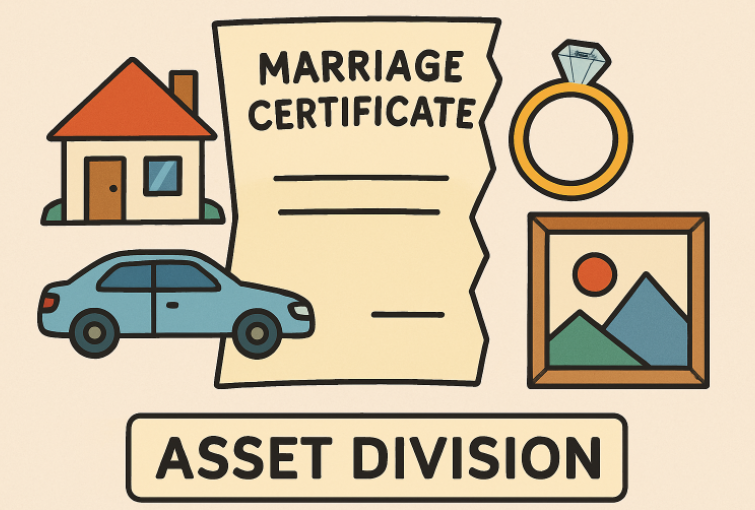
High-net-worth divorces are complex, particularly when luxury assets are involved. Whether you own a designer art collection, luxury vehicles, high-value real estate, or family jewels, navigating asset division in a divorce can be both legally and emotionally complicated. Working with the right professionals, such as a qualified divorce attorney near Encinitas, is essential for protecting your interests and ensuring a fair outcome.
The stakes are high in these situations. Emotions, finances, and prestige can all be tied to prized possessions. Understanding how the courts handle the division of luxury assets and what you can do to prepare can lay the groundwork for a smoother process. Each state has its own set of rules for asset division, making sound legal guidance indispensable.
Understanding Marital vs. Separate Property
The distinction between marital and separate property is foundational in determining who keeps what during a divorce. Marital property typically includes assets acquired during the marriage and is subject to division. Separate property, on the other hand, generally includes anything owned before the marriage or received as an individual gift or inheritance. However, commingling of assets or changes in ownership during the marriage can render even originally separate luxury assets subject to division.
Courts look at how and when luxury assets were acquired. If, for example, a luxury yacht was bought with funds from a jointly owned business, it would likely be considered marital property. Keeping clear records and establishing ownership documentation early can be critical in these situations.
How Are Luxury Assets Valued?
Valuing luxury assets is a complex process that should not be underestimated. Unlike traditional assets, high-net-worth items, such as rare artwork or vacation homes, require specialized appraisals conducted by industry experts. Professional appraisers consider various factors, including market trends, provenance, condition, and location, when determining value. Valuation errors can lead to significant financial losses or lengthy legal disputes.
Appraisal reports often hold weight in court and can be challenged, so it’s crucial to engage credible professionals. In contentious situations, each party may hire its own appraiser to provide an independent valuation.
Common Types of Luxury Assets in Divorce
Luxury assets come in many forms, each posing its own challenges during divorce proceedings. Some commonly disputed items include:
- Primary and vacation homes (often with significant equity, historical value, or unique features)
- Boats and private aircraft
- Luxury automobiles and collectible vehicles
- Fine art collections, antiques, and rare books
- Jewelry and precious metals
- Business interests, including private equity and closely held companies
Each of these assets may require not only valuation but also special considerations for transfer of ownership, tax consequences, and ongoing maintenance after the divorce is finalized.
The Role of Prenuptial and Postnuptial Agreements
Prenuptial and postnuptial agreements are powerful tools for clarifying ownership of luxury assets in the event of divorce. A well-drafted agreement that specifies who retains control of specific valuable items can streamline divorce proceedings and minimize conflict. Without such agreements, luxury items acquired during the marriage may be considered marital property and subject to division.
Even with agreements in place, disputes can arise over the interpretation or enforceability of certain provisions, especially if there’s evidence of coercion or incomplete disclosure at the time the agreement was signed. Legal expertise is usually needed to enforce, challenge, or clarify these contracts when substantial assets are at stake.
Strategies for Protecting Your Interests
If you are facing a divorce with significant luxury assets, preparation is crucial. Here are several strategies to help protect your interests:
- Maintain detailed records of asset acquisition, maintenance, and value changes over time
- Avoid commingling separate property with marital funds to limit future disputes
- Work with qualified appraisers to establish accurate, defensible valuations
- Consult experts in tax, real estate, and business if your holdings are diverse or international in nature
- Negotiate, if possible, rather than litigate, as court decisions may be less predictable with unique or hard-to-value items
When to Seek Expert Help
The more valuable and unique your assets, the more advisable it is to build a team of experienced professionals. In addition to your legal representation, you may need forensic accountants, tax advisors, business valuation experts, or real estate appraisers. Their input can be crucial for dividing complex holdings, uncovering hidden assets, or ensuring ongoing interests are preserved.
Final Thoughts on Luxury Assets and Divorce
Dividing luxury assets is rarely straightforward. It calls for detailed knowledge of law, finance, and the value of unique possessions. The sooner you involve knowledgeable professionals, the better positioned you will be to protect your interests and reach a resolution that reflects the true worth of what you’ve built. With planning and the right support, you can emerge from a high-net-worth divorce with your most important assets and your future intact

One second everything’s fine. The next second there are flashing lights in your rearview mirror and your whole life feels like it’s changed forever. Everyone talks about drunk driving prevention, but what happens if you actually get arrested?
Well…
The frustrating truth is that your next steps following an impaired driving arrest are critical. The criminal justice system doesn’t slow down, and neither should you. Failing to obtain proper representation can quickly lead to serious penalties including hefty fines, driver’s license suspension, jail time, and even a permanent criminal record.
…and things could still get much worse from there.
In This Article…
- The True Cost Of An Impaired Driving Arrest
- Why You Absolutely Need Legal Representation
- How Having A Lawyer Can Impact Your Case
- Factors To Consider When Choosing Your DUI Lawyer
The True Cost Of An Impaired Driving Arrest
The average person vastly underestimates just how expensive it can be to get arrested for DUI. Even if it’s your first offense, you could be looking at $10k or more in fines, fees, and legal costs. And if you factor in higher insurance rates not to mention DUI school and loss of employment… it’s really not pretty.
Keep in mind that the financial consequences are only the start…
An impaired driving conviction can impact every area of your life for years to come. Not only will finding a job be much more difficult when employers run your background check, but your professional license could be suspended and you may even have trouble traveling to other countries.
Drunk driving prevention is a serious matter and for good reason. The NHTSA reported that in 2023 alone, 12,429 people were killed by alcohol-impaired driving crashes. That’s about 34 deaths every day. Because of this, courts tend to treat DUI charges aggressively, and they expect you to do the same.
That’s why most DUI-related incidents could result in serious penalties if you decide to navigate the legal system by yourself. Don’t be that person.
Why You Absolutely Need Legal Representation
If you think DUI laws are complicated now, just wait until you start researching them on your own. DUI law changes constantly, and it varies from state-to-state. There are so many details that come into play like:
- Standardized field sobriety tests
- Calibration records for breathalyzers
- Procedures for blood testing
- Rules about who can handle your blood sample and how to document that handling
You would have to spend way too much time learning how each of these things work and affect your case.
Studies show that approximately 40% of DUI arrests are either dismissed or result in a lesser charge with proper legal representation. When you represent yourself, that chance of success decreases significantly.
Here’s another way to look at it…
When you stand before a judge you’re playing against someone with years of legal experience on the other side. Prosecutors don’t go easy on DUI defendants because they have law degrees and have seen it all before.
What you need is a DUI lawyer who knows the ins and outs of defending against these types of charges. A qualified attorney evens things out and knows how to protect your rights and freedom.
How Having A Lawyer Can Impact Your Case
Let’s dig a little deeper into how a DUI lawyer can make a difference in your case…
An experienced DUI attorney reviews every angle of your arrest to uncover any mistakes or wrongdoings on the part of the officer. While police are given some leniency in the field, they are not above the law. Your attorney will pay close attention to:
- The Traffic Stop – Did the officer have reasonable suspicion to pull you over in the first place? If not, your whole case could be dismissed on that alone.
- Field Sobriety Tests – Were the tests conducted appropriately? Were conditions ideal for you to physically complete the tests? Several conditions could make the tests unfair.
- Chemical Testing – Was the breathalyzer calibrated correctly? Was the blood sample stored properly?
- Arresting Officer – Did the officer act lawfully when detaining and arresting you?
Mistakes can happen in each of these areas. And when they do, your lawyer will use them to your advantage.
Did you know that the FBI estimates there were 804,926 DUI arrests in 2024?
With that many arrests each year, you better believe some of these slip through the cracks and don’t end in conviction. Especially when the defendant has legal representation on their side.
Remember…
Just because you were arrested doesn’t automatically mean you will be convicted. Having a lawyer fight for you is the best way to ensure you avoid a conviction.
Factors To Consider When Choosing Your DUI Lawyer
You know you need to hire a lawyer, but how do you know which lawyer to hire?
Truthfully, not all lawyers are created equal. Here are some things you should take into consideration when choosing who will represent you:
DUI defense experience is by far the most important factor. You want someone who knows DUI law inside and out and has decades of experience handling DUI cases. Your average general practice lawyer won’t know nearly as much.
Knowing the local courts also plays a huge role. DUI laws change from place to place, as do court procedures. A lawyer who frequently handles DUI cases in your area will have a leg up on your case.
Finally, make sure your lawyer can communicate with you. Your attorney should make you feel comfortable and at ease. They should be able to explain what is going on in your case clearly and manage your expectations.
Meet with your potential lawyer and ask them these questions. Take notes and compare your options. Most DUI lawyers offer free consultations, so take advantage of them.
- Do they specialise in DUI cases?
- How many DUI cases have they personally worked on?
- What percentage of their DUI cases end with reductions/dismissals?
- How familiar are they with the area DUI courts?
Pulling It All Together
This may sound alarming, but if you’ve been arrested for impaired driving you should be worried.
However, what you shouldn’t be worried about is fighting your DUI charge by yourself. Now more than ever it is important to have qualified legal representation on your side who can advise you of your options.
Remember…
- Costs for an impaired driving conviction are hefty and last longer than you think.
- DUI law is complex and constantly changing. Proper legal guidance is key.
- Police make mistakes during traffic stops and arrests. A good lawyer knows how to identify them.
- When you retain a lawyer make sure they specialise in DUI cases and are familiar with local courts.
Avoiding drunk driving is the best DUI prevention method. But if you find yourself in a situation where you need a DUI lawyer, remember these tips and you’ll be just fine.

Car accidents can be some of the most stressful events a person will ever experience.
While you’re in the crash everything is a blur. Your heart is racing. You are worried about everyone involved. In those first few minutes after the accident, it’s easy to forget simple steps that will help or harm your case down the road.
Here’s the issue.
After an accident most people don’t know what to do. They panic. Forget to gather proof. And accidentally destroy their chances at maximum recovery.
Fortunately, by following simple instructions you can protect your rights and set the foundation for a successful personal injury claim.
You’ll Learn:
- Why Acting Quickly Is Paramount
- Steps to Take After an Accident
- How to Gather Evidence to Support Your Claim
- How to Avoid Giving Up Your Legal Rights To The Insurance Company
Why Acting Quickly Is Paramount
Whether you are involved in a vehicle collision, rollover accident, or slip and fall accident at the scene… It’s the steps taken immediately after an accident that dictate how strong of a legal case you’ll have. Every Car Accident Lawyer in Denver will tell you that early preparation is by far the most important factor in preserving your claim.
Let’s take a look at why…
With each day that goes by after a vehicle accident, pieces of evidence disappear. Witnesses come and go. Car accident injuries flare up. Dangerous road conditions clear up. Skid marks fade. And insurance companies devise a narrative of how the accident happened that doesn’t include you.
The National Highway Traffic Safety Administration estimates that 39,345 people died in traffic accidents in 2024. Can you imagine being involved in any of those crashes? Hitting that hard bump in life changes your life forever.
Behind those fatal crashes are thousands of non-fatal accidents that cause serious injuries to passengers, drivers, and pedestrians. In these types of accidents, time is of the essence for a few key reasons…
First, injury symptoms may not surface until days after the accident. Seeking immediate medical attention connects the dots between your car accident and your injuries.
Second, the insurance claims process works quickly. From the minute an insurance company learns about an accident they are building a defense strategy. To protect yourself, you need to start building your case just as quickly.
As car accident attorneys in Denver know… Acting quickly isn’t optional. It’s necessary.
Steps to Take After an Accident
Take a look at the actions you should take immediately at the accident scene and in the hours following a collision.
Assess Injuries and Dial 911
Safety should always be your number one concern. Make sure everyone involved in the accident is safe and accounted for. This includes passengers, drivers, and pedestrians. Accidents can cause injuries that may not be noticeable right away. Things like whiplash injuries and traumatic brain injuries may have no immediate symptoms but reveal themselves days later.
Call 911. You want to have an official police accident report. Don’t rely on you or your lawyer to remember details of the accident.
Always err on the side of caution and get medical help asap. Waiting can hurt your car accident injury claim.
Move to Safety and Exchange Details
If all vehicles are driveable… move them off the road. Tripping and falling at the scene of an accident is far too common. Debris, glass, oil spills, and other fluids create dangerous slip and fall accidents.
Once in a safe location exchange the following information with every driver:
- Full Name
- Phone Number
- Insurance Details
- Driver’s License Number
- Vehicle Information
Don’t forget to ask any witnesses for their contact information.
Document Evidence at the Scene
Collecting evidence is huge! In personal injury cases it’s often your word against the insurance company’s word. So the more proof you have the better chance you have at winning your case.
Photographs and Video
Grab your phone and start snapping pictures. Document vehicle damage (all angles if possible), road conditions, weather, traffic signs, visible injuries like cuts and bruises, skid marks on the road, and how close vehicles collided. Essentially, take pictures of everything!
Capturing proof at the scene can make or break your claim. Whether we’re talking about car accidents or slip and fall accidents that occur at the scene, photographic evidence tells the story you and your attorney need to win.
Seek Medical Treatment Right Away
This point can’t be stressed enough. People often leave the scene of an accident thinking they are okay because they feel fine. Injured victims then throw away their rights to fair compensation by ignoring medical treatment.
Here’s the reality…
Insurance companies love arguing that their policyholders injuries were not caused by the accident. Let’s say you went to the doctor three days after your accident. Chances are that insurance company will use that gap in treatment against you. According to the Center for Disease Control and Prevention, falls alone account for more than 8 million emergency room visits per year. Wait weeks to see a doctor and the insurance company will argue your injury was caused by something else.
Seeing a doctor ASAP ties your injuries to the accident.
Start Keeping a Recovery Journal
Beyond your initial doctor’s visit, start writing down your injuries and how the accident affects your day-to-day life. Document pain levels, lost days of work, and mental trauma.
Your journal can be used as proof of damages when it comes time to negotiate a fair settlement.
How to Avoid Giving Up Your Legal Rights To The Insurance Company
Insurance companies only have one goal… To save money by paying you as little as possible. Once you understand that reality, you’ll start thinking differently about the steps you take after an accident occurs.
Refuse To Give A Recorded Statement
One of the most important things you can do following a vehicle accident is avoid recorded statements. Your insurance company as well as the other driver’s insurance company will want to record you telling your side of the story. While you think you’re just recounting what happened, you’ll likely be thrown questions on things you didn’t think were important or give them information that they can use against you later on.
It’s simply not worth the risk. If insurance companies push you to give a statement tell them you’ll have your attorney contact them directly.
Never Accept The First Settlement Offer
Insurance companies are competitive businesses. They want your business before the accident happens and they want to settle your claim as soon as possible after the accident. By offering a lowball settlement they are playing the odds that you’ll take the money and run.
Don’t fall for it.
Speak with a doctor to understand the full extent of your injuries before discussing settlement offers with insurance companies.
Talk To A Personal Injury Attorney
Whether you were involved in a car accident, slip and fall injury at the scene, or any other type of accident… Always consult with an attorney. Personal injury lawyers have relationships with police officers, doctors, insurance companies, and experts who can investigate your accident and recover every penny you deserve.
The best part? Personal injury lawyers work on what’s called a contingency fee basis. That means there’s no upfront cost.
Closing Thoughts
Knowing what to do after a vehicle accident is the difference between protecting your legal rights or accidentally throwing them away. Immediate action not only protects your rights, but it also sets the tone for recovery and fair compensation.
Remember:
- Immediately check to ensure everyone is uninjured and call the police to file an accident report.
- Document everything with photos, videos, and witness information.
- See a doctor right away.
- Don’t fall for tricks from the insurance companies and hire an attorney.
-

 Blog7 months ago
hanime1: The Ultimate Destination for Anime Lovers
-

 Entertainment10 months ago
Sflix: How It’s Changing the Way We Watch Movies and TV Shows
-

 Entertainment8 months ago
Crackstreams 2.0: The Future of Free Sports Streaming?
-

 Bills10 months ago
Why Does My Instagram Reel Stop Getting Views After One Hour? How to Fix It?
-

 Technology10 months ago
Simpcitt: The Rise of a Unique Online Community
-

 Blog8 months ago
Imginn: The Ultimate Tool to View Instagram Content Anonymously
-

 80s10 months ago
Favorite 100 Songs of the 80s: (#1) Michael Jackson – Billie Jean
-

 Blog10 months ago
Simpcitu: The New Age Trend Shaping Online Interactions