
Lifestyle
How to Prep Your Appliances for a Stress-Free Move


Moving house involves more than packing boxes and taping up containers. One of the most overlooked, yet essential, aspects of relocating is preparing large household appliances. Whether it’s the refrigerator, washer, dryer, or stove, these bulky items require time, care, and proper planning to ensure they arrive in one piece and in working condition.
Many homeowners assume these machines are simply unplug-and-go, but improper handling can lead to leaks, electrical damage, or costly repairs. Preparing your appliances before moving day not only protects your investment but also helps reduce stress and delays during the move itself.
In this guide, we break down the best practices for prepping your major appliances, offering practical steps and timing suggestions so nothing gets left until the last minute.
Start Early: The Key to Avoiding Last-Minute Issues
Appliances aren’t like your wardrobe or dishware—they can’t be packed at the last minute. Some need to be cleaned days in advance, while others may require drying time or disconnection by a licensed professional.
Start at least one to two weeks before your move to:
- Schedule utility disconnections (gas, water, electric, etc.)
- Purchase any special tools or cleaning supplies
- Arrange for professional help if needed
- Read the appliance manuals for moving-specific instructions
This preparation phase ensures you’re not scrambling to empty the fridge or drain the washer the night before your move.
How to Prep a Refrigerator for Moving
The refrigerator is one of the most sensitive appliances to move due to its mechanical components and risk of moisture buildup. Here’s how to handle it:
Step 1: Empty and Clean
- Use up or donate perishable food 2–3 days before moving.
- Unplug the fridge 24 hours before the move to allow it to defrost fully.
- Clean shelves, drawers, and interior walls with a mild cleaner.
- Wipe down moisture to prevent mold and mildew during transport.
Step 2: Secure Components
- Remove and wrap glass shelves or bins separately.
- Tape doors shut, or if required, keep them slightly ajar during storage to avoid odor buildup.
Step 3: Handle With Care
Some refrigerators need to be transported upright. If you must lay it down, allow it to sit upright again for several hours before plugging it in, allowing compressor oil to settle.
A reputable Houston moving company will know the safest way to transport this appliance—but prepping it ahead of time is your responsibility.
Washing Machine and Dryer Preparation
Washers and dryers are bulky, heavy, and expensive to repair. Here’s how to get them ready for the move:
Washer
- Run a cleaning cycle or use a washer cleaning tablet to remove buildup.
- Disconnect water supply hoses and drain any remaining water.
- Wipe down the drum and leave the lid open to allow air circulation.
- Secure the drum using shipping bolts if available—this prevents internal damage during movement.
Dryer
- Disconnect the power source (gas or electric).
- Clean the lint trap thoroughly.
- Disconnect the vent hose and inspect it for debris or buildup.
- Secure cords and doors with moving tape or rope.
Note: For gas dryers, it’s essential to contact a licensed technician to safely disconnect the gas line. A professional moving company can coordinate this with a trusted service provider if needed.
Dishwasher: Not Just Unplug and Go
It’s easy to forget the dishwasher, especially since it’s built-in. But leaving it until the last minute can cause mold, leaks, or water damage.
How to Prepare:
- Unplug and turn off the water supply.
- Remove and clean the filters.
- Let the unit air dry with the door open for at least 24 hours.
- Disconnect hoses and wrap them in towels or plastic bags to catch any residual water.
- Secure the racks and latch the door shut.
When using a team like Tera Moving Services, communicating that the dishwasher is part of the move helps ensure they arrive with the right tools to manage it.
Oven and Stove: Clean and Safe Transport
Cleaning your oven before a move isn’t just about courtesy—it prevents sticky spills and protects sensitive components.
Electric Ovens
- Disconnect from the power source.
- Remove racks and clean them separately.
- Wipe down the interior and exterior thoroughly.
Gas Ovens
- Arrange for professional gas disconnection.
- Ensure all gas valves are properly sealed.
- Clean all removable parts and secure knobs or doors.
If you’re bringing your range hood or built-in microwave, be sure to check for additional mounting brackets or electrical connections that may need professional handling.
Small Appliances: Don’t Overlook the Details
Coffee makers, toasters, air fryers, and microwaves are easy to forget in the rush. While they’re small, they benefit from careful prep too:
- Empty crumbs or water reservoirs.
- Wrap cords around the unit or secure them with zip ties.
- Use original packaging if available—or pack them in padded boxes with plenty of cushion.
- Label these boxes “Fragile” and “Kitchen” for easy unloading.
Label, Organize, and Coordinate
Once your appliances are ready, mark each one clearly and keep cords, screws, or accessories in labeled bags. Tape those bags to the appliance or pack them in a clearly marked “hardware” box.
When your moving company arrives, they should be able to load each item with minimal guidance and zero surprises.
Pro Tips from the Field
Professionals like Tera Moving Services often recommend the following bonus steps to help make moving appliances even smoother:
- Take photos of how cords and hoses are connected. This simplifies reinstallation.
- Don’t stack boxes on top of appliances during the move, even if they’re taped shut.
- Keep a basic tool kit handy on moving day for last-minute adjustments or disconnections.
By coordinating with your movers and prepping everything beforehand, you reduce risk, save time, and protect your appliances from unnecessary damage.
Final Thought: Prepared Appliances Make for a Peaceful Move
Appliances are among the most valuable and sensitive items you’ll move. Yet many homeowners leave them unprepared until it’s too late, leading to preventable issues.
When you plan, clean, disconnect, and secure your appliances properly, your moving team—like the crew at Tera Moving Services—can do their job efficiently and safely. That kind of preparation not only protects your appliances but also creates a smoother moving day experience overall.
So, while boxes and furniture often take center stage, don’t overlook the fridge, the stove, or the washer. With a little planning, these heavyweights can be some of the easiest items to move—if you do it right.

In today’s highly visual world, outdoor business signage is more important than ever. The right sign not only signals your presence but also invites potential customers. With busy streets and consumers constantly exposed to countless messages, standing out has become essential to any marketing strategy. Implementing well-designed, modern outdoor business signage can transform foot traffic and turn passing glances into paying customers.
Modern outdoor signs go beyond simply displaying a business name or logo. By blending contemporary design, purposeful placement, and the latest technology, signage plays a key role in attracting the attention you need. Whether you’re revitalizing a historic storefront or launching a new local brand, the style and structure of your sign can influence public perception and boost business visibility.
The Importance of Outdoor Signage
Outdoor signage is often considered a business’s most consistent and hardworking marketing tool. Unlike digital ads that require constant funding or online campaigns that rely on algorithms, a well-placed sign is always working to attract new customers. Research shows that illuminated outdoor signs can increase foot traffic by over 20 percent and strengthen brand recognition by as much as 50 percent. Many businesses even report up to a 15 percent growth in sales when effective signage is used to reach local customers. These statistics reveal that attractive, modern signage is not just a nice addition but an essential element for sustained growth and success.
Beyond visibility, outdoor signs communicate professionalism and credibility. Customers often make subconscious decisions based on how a business presents itself, and an old or unclear sign may send the wrong message about the quality of your goods or services. In competitive sectors, such as restaurants, retail, or boutique services, your sign can be the deciding factor for someone choosing your location over another.
Modern Design Trends in Outdoor Signage
Keeping up with design trends is key to ensuring your signage grabs attention for the right reasons. Minimalist aesthetics dominate current trends, utilizing crisp lines, clear fonts, and uncluttered layouts. These signs are easier to read at a glance and complement modern architecture, making them ideal for urban settings or upscale neighborhoods.
- Minimalist Designs: Clean and straightforward, these signs focus on clarity and leave a memorable impression by stripping away unnecessary details.
- 3D Signage: Three-dimensional elements add depth and can make signage more engaging to passersby, encouraging closer inspection and interaction.
- Interactive Elements: Incorporating features such as QR codes or touch-ready displays encourages customers to interact with your brand and access additional information instantly.
As branding shifts toward simplicity and user engagement, these trends help businesses create a welcoming and modern façade that feels relevant and accessible to today’s consumers.
Technological Advancements in Signage
Technology continues to reshape how signs attract and inform. Digital displays, for example, offer the flexibility to update messages in real time, schedule seasonal promotions, and highlight timely offers with vibrant animations or video. Not only are these displays more eye-catching, but they also allow business owners to experiment and find what works best for their unique market. LED lighting has transformed the nighttime visibility of signs while keeping energy costs manageable and environmental impact low. These advancements mean your message reaches customers around the clock, even in challenging lighting or weather conditions.
- Digital Displays: Real-time content updates, animated branding, and tailored campaign messages all become possible with digital technology.
- LED Lighting: Offers intense brightness and color versatility at a fraction of the energy cost of traditional lighting.
Strategic Placement for Maximum Impact
No matter how well-designed, a sign is only as effective as its placement. High-traffic areas, such as crosswalks, transit stops, and busy corners, grant your signage the greatest chance of catching eyes. Installing signs at eye level ensures pedestrians and drivers see your message clearly and quickly. It’s also important to consider the angles of visibility; signs that are readable from multiple directions have a wider reach and higher impact.
For business owners in urban centers or on major roadways, maximizing view corridors and considering nearby visual distractions is key. Signs should be placed to avoid obstruction from trees, utility poles, or neighboring architecture.
Sustainability in Signage
With consumers increasingly aware of their environmental footprint, sustainable signage options are gaining traction. Recycled and reclaimed materials, such as wood, metal, or plastics, allow businesses to reduce waste while crafting unique visual statements that reflect their corporate responsibility. Additionally, energy-efficient lighting, especially LED and solar-powered options, further lessens the environmental impact while lowering operational costs. Choosing eco-friendly signage not only helps the planet but also resonates with customers who value ethical business practices.
- Recycled Materials: Sourcing signage from reclaimed or recycled resources shows a commitment to sustainability and can become a talking point for your brand.
- Energy-Efficient Lighting: Reduces operational costs and environmental impact, supporting both business objectives and eco-conscious branding.
Conclusion
Modern outdoor business signage is more than a functional necessity. It is an active marketing asset that signals your brand’s presence, values, and relevance. By embracing current design trends, adopting new technologies, strategically placing signs, and making sustainable choices, businesses can turn outdoor signage into a powerful tool to increase foot traffic and grow their customer base. A well-thought-out sign draws customers in, tells your brand story at a glance, and ensures you remain visible in increasingly crowded markets.

As personalized living becomes not just a preference but an essential expectation for modern homeowners, custom home builders are leading a groundbreaking evolution in both design and construction. No longer satisfied with cookie-cutter floor plans or generic finishes, today’s homeowners want living spaces that reflect their unique lifestyles, habits, and aspirations. This has pushed innovative builders, including industry leaders such as Dallas home builders, to embrace and drive a range of new trends. They now deliver environments where function, luxury, and sustainability converge, crafting homes that are as individual as the people who live in them. Whether you’re planning to build from the ground up or simply exploring cutting-edge design inspiration, understanding these emerging developments is crucial for anyone seeking to make informed decisions about their home’s future in an ever-changing world.
Custom homes now blend eco-friendly features with advanced innovative technology, establishing new standards in comfort, efficiency, and style. Collaborating with skilled architects and builders, homeowners can bring their visions to life through homes equipped with amenities such as wellness suites and automated energy management systems, designed for longevity and adaptability to changing lifestyles. These trends emphasize not only the visual appeal of homes but also their emotional and functional experiences across different life stages.
Sustainable and Eco-Friendly Designs
Environmental stewardship is no longer optional—it’s built directly into the walls and foundations of modern custom homes. The demand for environmentally responsible living has spurred builders to incorporate features such as triple-pane energy-efficient windows, advanced insulation systems, drought-tolerant landscaping, water-saving fixtures, and solar power systems into nearly every new project. These features, once considered the domain of niche green homeowners, are now widely expected by eco-conscious buyers wanting to reduce both their environmental impact and utility costs. The use of sustainable materials, such as recycled wood, bamboo flooring, reclaimed stone, and composite materials, not only reduces the ecological footprint but also creates visually stunning, durable interiors and exteriors that age gracefully.
Opting for green certifications and sustainable building practices offers significant long-term benefits, including lower energy bills and reduced repair costs. Green homes also promote healthier living through improved indoor air quality and the use of non-toxic materials. Increasing consumer awareness, government incentives, and stricter building codes are driving the adoption of energy-efficient designs, with many homeowners viewing sustainability as a wise investment for adapting to future environmental changes.
Integration of Smart Home Technology
The connected home is no longer a futuristic concept—it’s the new standard. Today’s custom homes are designed to integrate cutting-edge innovative technologies at every level, from infrastructure to everyday appliances. Builders are equipping new homes with smart thermostats that learn your routines and adjust temperature automatically, voice-activated lighting solutions, advanced home security systems with real-time monitoring, and integrated audio-visual systems for immersive entertainment. Gone are the days of manually managing thermostats, locks, or blinds—everything can be controlled via smartphones or voice assistants, bringing unparalleled convenience and peace of mind to homeowners.
This evolving landscape means homes are becoming more energy-efficient, which reduces utility costs and supports sustainable lifestyles. Smart leak detectors, automated irrigation systems, and even AI-powered kitchen appliances are now available to streamline everyday chores and enhance home safety. Increasingly, builders are pre-wiring homes to be compatible with current—and future—generations of devices, ensuring seamless upgrades and integration as technology continues to evolve. The push for smarter homes is not only about convenience but also about enhancing resale value and creating living spaces that are adaptable to future innovations and lifestyles.
Flexible Living Spaces for Modern Life
Remote work, shifting family dynamics, and the expanding definition of home life have made flexibility a crucial pillar in custom home design. Modern layouts are being created with adaptability in mind—think convertible rooms that transition from home offices by day to guest retreats by night, expansive open-concept living areas designed for both learning and entertaining, and multi-purpose alcoves that can serve as creative studios or yoga corners. This approach maximizes usable square footage and makes every part of the home work harder, ensuring that residences remain functional and inviting through every phase of family life or career changes.
Designers are incorporating movable walls, sliding doors, and concealed storage to create uncluttered, versatile spaces that can easily adapt to the day’s needs. This flexible mindset makes homes more resilient and better able to accommodate multigenerational living, personal hobbies, or home-based businesses—responding to the diverse needs of modern homeowners. Such thoughtful approaches not only enhance everyday usability but also future-proof the investment by ensuring the home stays relevant as family needs and daily priorities shift over the years.
Designing for Health and Wellness
The growing awareness of health and well-being has influenced nearly every aspect of custom home design. Builders are focusing on features that support both physical and mental health, including state-of-the-art air purification systems to enhance indoor air quality, extensive natural lighting strategies with strategically placed windows and skylights, and the use of low-VOC or non-toxic paints for healthier indoor environments. Biophilic design elements, such as lush indoor gardens, green walls, integrated natural stone, and wood accents, foster a closer connection (and a sense of calm) with the natural world.
Dedicated wellness spaces are becoming increasingly popular, with many custom homes now offering purpose-built areas such as mini gyms, spa-inspired bathrooms complete with soaking tubs and steam showers, yoga studios, and meditation zones. These wellness-focused amenities provide homeowners convenient access to relaxation, fitness, and self-care—all without leaving the comfort and privacy of their own homes. This new emphasis on health-driven design enriches daily life and supports a holistic approach to wellness for everyone in the household.
Seamless Indoor-Outdoor Living
A hallmark of luxury custom homes today is the seamless integration of indoor and outdoor living spaces. Builders are creating expansive patios, outdoor kitchens, and multi-season areas that serve as extensions of the indoors. Features like sliding glass doors and panoramic windows enhance natural light, blurring the lines between interior and exterior and fostering a connection with nature. Outdoor areas are designed with grilling stations, fireplaces, and durable furnishings, allowing for versatile use throughout the year. This design approach maximizes living space and enhances lifestyle quality through increased outdoor engagement.
Key Design Elements for Blended Spaces
- Outdoor kitchens with built-in grills, refrigeration, and weatherproof cabinetry.
- Retractable walls and expansive glass areas enhance the sense of unity.
- Landscaped courtyards, fire pits, and shaded lounges as functional outdoor rooms.
- Easy-care flooring that transitions seamlessly from the inside out.
Conclusion
The custom home industry is advancing rapidly, constantly setting new standards for sustainability, comfort, and personalized design. With an unwavering focus on green living, advanced technology, adaptable spaces, and health-driven design, custom home builders are shaping environments that not only reflect the unique personalities of their inhabitants but also build enduring value. As these trends continue to evolve and gain momentum, partnering with experienced professionals ensures that every feature is expertly integrated, resulting in homes that genuinely meet the demands of today’s families—and the challenges of tomorrow. Embracing innovation now means creating a home that thrives for decades to come.
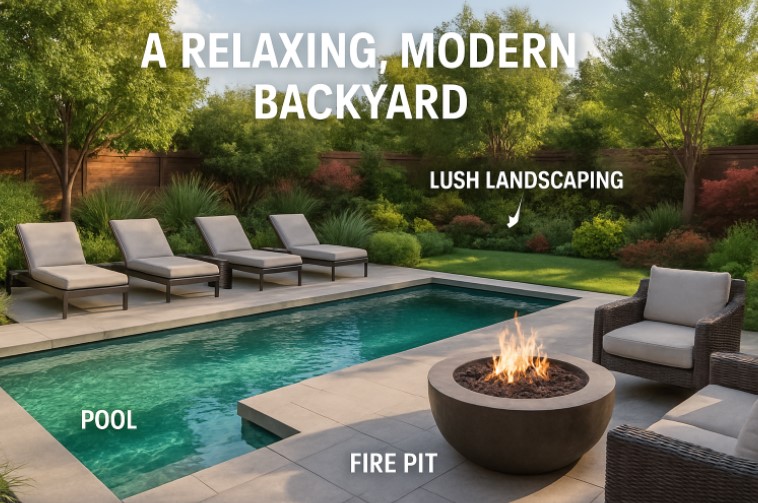
Today’s backyards are evolving into resort-style retreats, inviting homeowners to relax, entertain, and make memories in the comfort of their own outdoor spaces. New pool designs take center stage in this transformation, inspiring homeowners to rethink how to maximize their outdoor living spaces. If you are ready to turn your outdoor area into a stunning, functional oasis, exploring the innovative options available from pool builders like Integrity Pool provides a great starting point. More than just a place to swim, a modern pool is an inviting lifestyle centerpiece where style and everyday living meet.
As interest in chic and functional outdoor living surges, clever pool designs now focus on blending luxurious aesthetics with practicality. The seamless integration of smart features, sustainable materials, and creative landscaping is revolutionizing what it means to have a pool at home. Pools today offer inviting atmospheres for both relaxation and social gatherings, while also enhancing your property’s visual appeal and value.
These new trends are about much more than keeping cool in the summer. Thoughtful pool layouts, personalized finishes, and holistic outdoor living areas help create spaces tailored to every need, from a private sanctuary to a bustling hosting area. The best pool projects demonstrate that combining technology, design, and eco-consciousness can deliver backyard havens that suit every preference and lifestyle.
Smart Pool Technology
The rise of smart automation is transforming backyard pools into tech-savvy features. With intuitive apps, homeowners can now set the temperature, adjust lighting, and activate jets or automated covers with a single click. Robotic pool cleaners and chemical monitoring systems automate maintenance routines and keep pool water pristine, so you spend less time working and more time relaxing. These advances not only make pool upkeep simpler but also improve energy efficiency by enabling precise control over heating and circulation schedules, helping to lower utility bills and conserve resources.
Eco-Friendly Materials
Modern pool design increasingly emphasizes sustainability, with builders and homeowners turning to recycled glass, reclaimed woods, and natural stone for finishing touches. Eco-friendly options like saltwater chlorination and low-energy pumps reduce chemical use and utility consumption, making pools healthier for swimmers and friendlier to the environment. Additionally, natural purification systems that rely on aquatic plants offer a clear, chemical-free alternative to traditional chlorine or bromine systems. These methods not only preserve water quality but also support a more sustainable approach to building and maintaining a backyard retreat.
Integrated Outdoor Living Spaces
One of the most popular trends in pool design involves integrating the pool with the rest of your outdoor living environment. By adding elements like covered patios, outdoor kitchens, lounging areas, and even open-air showers, the pool becomes the heart of a unified entertainment and relaxation zone. Thoughtful landscape architecture blurs the boundaries between indoors and out, encouraging more frequent use year-round. The result is a space that seamlessly transitions from daytime swimming to nighttime gatherings under the stars, providing year-round enjoyment for family and friends.
Fire and Water Features
The pairing of fire and water has become one of the hottest ways to enhance backyard pools. Strategically placed fire bowls, outdoor fireplaces, and fire pits create a mesmerizing ambiance, complementing the reflective surface of the water nearby. Waterfalls, fountains, and jets add dynamic movement and soothing sound to the space. This combination of elements not only provides visual drama but also makes the pool area a natural gathering point long after the sun goes down.
Compact and Plunge Pools
Homeowners with limited outdoor space do not have to sacrifice luxury or enjoyment. Compact pools, plunge pools, and lap pools are gaining popularity because of their efficiency and adaptability. These smaller pools provide the perfect spot to cool off, exercise, or soak without demanding as much room, water, or upkeep. Many of these pools feature built-in jets for hydrotherapy, turning a small backyard into a personal spa retreat. Their manageable size often means lower installation and maintenance costs, making them an attractive option for urban and small-lot dwellers.
Naturalistic Designs
For an organic look, natural-style pools are designed to blend with the surrounding landscape using materials like flagstone, boulders, and lush greenery. Irregular, freeform shapes mimic the feel of lagoons or natural ponds, creating a relaxed atmosphere that invites both relaxation and wildlife. Incorporating gentle slopes, rock waterfalls, and native plants further softens the line between constructed pool areas and natural surrounds. This approach often results in backyard environments that exude tranquility and a sense of seamless harmony with the outdoors.
Celebrity Inspirations
Celebrity pool designs often spark broader trends among homeowners seeking unique and luxurious upgrades. Kris Jenner’s Mediterranean-style pool, designed by Jeff Andrews, features an expansive patio with mosaic tile, ambient night lighting, and lush landscaping, offering a perfect blend of sophistication and warmth. Ryan Seacrest’s Los Angeles home showcases a long, sleek pool with a dark interior finish that creates a reflective surface, extending visual lines to the hillside and enhancing privacy. These high-profile projects illustrate how personalized details, such as lighting, tile, and landscaping, can elevate any pool area into a statement piece.
Final Thoughts
The latest innovations in pool design are changing the way homeowners experience their outdoor spaces. By incorporating smart technology, sustainable solutions, tailored landscaping, and integrated living zones, these new pools create versatile, beautiful, and highly functional environments. Whether you are seeking inspiration for a grand transformation or small stylistic upgrades, exploring contemporary pool trends opens limitless possibilities for enjoying your backyard in refreshing new ways.
-

 Blog7 months ago
hanime1: The Ultimate Destination for Anime Lovers
-

 Entertainment9 months ago
Sflix: How It’s Changing the Way We Watch Movies and TV Shows
-

 Entertainment8 months ago
Crackstreams 2.0: The Future of Free Sports Streaming?
-

 Bills10 months ago
Why Does My Instagram Reel Stop Getting Views After One Hour? How to Fix It?
-

 Technology10 months ago
Simpcitt: The Rise of a Unique Online Community
-

 Blog8 months ago
Imginn: The Ultimate Tool to View Instagram Content Anonymously
-

 80s10 months ago
Favorite 100 Songs of the 80s: (#1) Michael Jackson – Billie Jean
-

 Blog10 months ago
Simpcitu: The New Age Trend Shaping Online Interactions