
HEALTH
How Smart Design Enhances Patient Trust Online

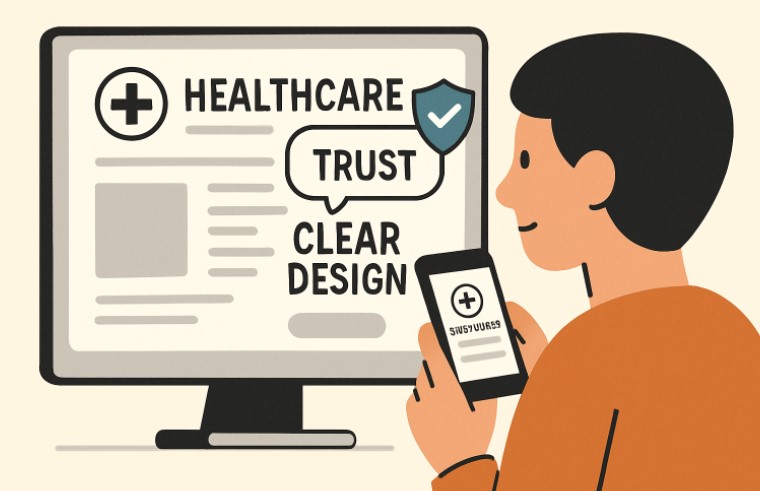
In today’s digital-driven world, a medical provider’s website is not just a digital brochure but often the main introduction patients have to a practice. A healthcare website’s design is pivotal; it shapes first impressions, guides visitors, and instills confidence in potential patients. More than ever, innovative web design signals professionalism, attention to patient needs, and a commitment to quality care.
Investing in platforms tailored to specific healthcare fields can boost credibility and set practices apart. For dental professionals, dental websites by My Social Practice offer a compelling example. My Social Practice is a leader in dental marketing, known for creating visually appealing, easy-to-navigate, secure, and patient-focused websites. Their expertise spans key healthcare markets across the United States, helping practices distinguish themselves online and provide patients with the information and assurance they seek. Their platform empowers dental practices to build trust from the very first click and effectively serve both new and existing patients.
At the heart of effective healthcare web design is a user-centric approach. This means every element, from site navigation to appointment booking forms, is developed with patient needs in mind. An intuitive interface lets visitors quickly find information about providers, locations, services, and billing options. When patients encounter clear and logical pathways on a site, it reduces frustration and eliminates doubts about professionalism or credibility.
User-centric design includes responsive layouts suitable for smartphones and tablets, recognizing that many patients browse and book appointments on the go. By reducing barriers on digital platforms, providers foster positive patient experiences that can carry over into in-person visits. A patient who finds it easy to locate directions or insurance policies will feel supported at every step.
Transparency and Clear Communication
The healthcare field is complex, and patients appreciate providers who are open and honest about services, costs, and qualifications. A website that clearly describes treatment options, offers bios for clinicians, and includes details such as accepted insurance plans creates a sense of transparency. This clarity breaks down anxiety and allows patients to approach their care with informed confidence.
Contact information, hours of operation, and emergency procedures should be easy to access and understand. Detailed FAQs, brief explainer videos, and step-by-step guides can further demystify processes. Websites that make it simple to ask questions or access live chat services show that a provider values communication and is dedicated to addressing patient concerns.
Incorporating Patient Testimonials
Authentic testimonials from real patients humanize a healthcare website, transforming statistics and services into relatable stories. Prospective patients are often reassured by reading or watching others describe their positive care experiences. Testimonials serve as social proof, demonstrating that a practice people trust provides the healthcare they need.
Featuring diverse voices also reinforces inclusivity and makes new patients feel seen and understood. When testimonials are paired with before-and-after case studies, photos, or video messages, they offer both emotion and evidence, deepening the trust patients place in their potential providers.
Ensuring Accessibility and Inclusivity
Accessibility is a legal and ethical obligation in healthcare. A website that is usable by everyone, regardless of physical ability or technology, reflects a genuine commitment to all patients. Features like screen reader compatibility, high-contrast design, easy-to-read fonts, and text alternatives for images give everyone equal access to vital information.
Inclusive design also means content is available in multiple languages, and that cultural considerations are reflected throughout the site. Practices that prioritize accessibility and inclusivity demonstrate that they care for the well-being of every patient, not just the majority.
Leveraging Professional Expertise
For many medical and dental practices, collaborating with web design professionals ensures a polished, effective, and compliant site. Industry experts are familiar with the latest security protocols, search engine strategies, and patient privacy laws. They adopt best practices in digital accessibility and user experience, allowing healthcare providers to focus on patient care rather than managing web technology.
Partnering with experienced healthcare marketing agencies establishes credibility and saves time, providing practices with a strategic advantage. End-to-end solutions, from content management to analytics, enable providers to measure their reach, refine messaging, and prove their value to a discerning audience.
Integrating Secure Patient Portals
Today, patients expect to interact with their healthcare providers securely online. Secure patient portals allow individuals to book appointments, communicate with physicians, access test results, and manage their health records, all in one place. Strong encryption and robust authentication systems are vital to protect sensitive information.
Providers who invest in secure, convenient self-service portals not only streamline the patient experience but also reinforce the message that privacy and security are taken seriously. This digital trust encourages more frequent use of online tools and greater patient participation in care management.
Providing Educational Content
Patients are empowered when they have access to accurate, professionally reviewed information about health conditions, treatments, and wellness. Educational articles, how-to guides, explainer videos, and interactive tools offer real value to visitors seeking to understand symptoms or learn about preventative care.
Regularly updated educational resources position practices as authorities in their field, encouraging patients to return for ongoing information and care. By becoming a trusted source, healthcare providers build relationships that last well beyond the first appointment, deepening loyalty and word-of-mouth referrals.
As digital health resources grow in importance, established media leaders such as Forbes continue to emphasize the connection between a strong web presence and patient trust. This underscores that strategic investment in content is not just beneficial but expected in the healthcare space.
Conclusion
Modern healthcare websites are as crucial to patient wellness as any exam room or consultation. By emphasizing user-centric design, accountability, security, and top-tier educational resources, providers build digital spaces that inspire trust, serve diverse needs, and support healthy, lasting patient relationships.

Tooth gems are small decorative pieces placed on the surface of a tooth to add a unique touch to a person’s smile. They have become increasingly popular among people looking for a temporary cosmetic option that feels personal and stylish.
Unlike permanent dental changes, tooth gems are designed as a smile accessory. Many beauty and dental clinics now offer this service because clients want simple ways to customize their appearance without altering their teeth.
What Are Tooth Gems?
Tooth gems are tiny crystals, jewels, or decorative pieces that are attached to the front surface of a tooth using dental-safe bonding materials. People usually choose them for their appearance rather than any functional purpose.
Common tooth gem styles include:
- Clear crystals for a subtle sparkle
- Colored gems for a bold look
- Small shapes or designs for a personalized style
- Gold or metal-style decorations for a different aesthetic
The application does not involve drilling or making permanent changes to the tooth. When applied correctly, the gem sits on the tooth surface and can be removed when desired.
How Are Tooth Gems Applied?
A professional tooth gem application is usually a simple process. The tooth surface is cleaned first to help the bonding material attach properly. The gem is then carefully positioned and secured.
A typical appointment may include:
- Cleaning and preparing the tooth
- Selecting the preferred gem style and placement
- Applying dental bonding material
- Attaching and securing the gem
- Checking the final placement
The process is generally quick, but proper technique and hygiene are important. Clinics that offer this service should use suitable materials and follow safe application practices.
Why Are Clinics Adding Tooth Gems?
Many dental and beauty clinics are expanding their cosmetic services to match changing client preferences. Tooth gems offer a creative service that appeals to people who want a noticeable but temporary smile enhancement.
Some reasons clinics are adding this service include:
- Growing interest in cosmetic smile accessories
- Demand for personalized beauty treatments
- A simple service that can complement other cosmetic offerings
- Interest from younger clients and fashion-focused customers
Offering services like tooth gems can also help clinics create a more varied experience for clients who enjoy aesthetic treatments.
What Should Clients Consider Before Getting Tooth Gems?
Before choosing tooth gems, clients should consider the provider’s experience and the materials used. Proper cleaning, safe bonding products, and careful placement can help reduce potential issues.
It is also important to maintain regular oral hygiene after application. Continue brushing and flossing as normal, while keeping the area around the gem clean.
For clinics and professionals interested in offering this service, reliable supplies and the right equipment are essential. A quality tooth gem kit can help providers maintain a consistent application process and deliver better results for clients.
How Long Do Tooth Gems Last?
The lifespan of a tooth gem can vary based on factors such as daily habits, oral care, and application quality. Some may stay in place for several months, while others may last longer with proper care.
Clients should avoid removing gems themselves, as improper removal can damage the tooth surface. A trained professional can safely remove the decoration when needed.
Tooth gems offer a flexible way to express style while keeping a natural smile unchanged. As interest in personalized cosmetic services continues to grow, more clinics are exploring this option as part of their treatment offerings.


Deciding whether to have children is no longer something you can make in a vacuum, separate from the rest of your life. When this discussion comes up, it needs to be scrutinised alongside your work, relationships, finances, housing, and practically every other decision that moulds adulthood. Plus, the modern urban lifestyle makes this process a little more complicated than it needs to be. Thankfully, though things may be complicated, they are still easy to sift through when you know what all to look at. So, with that in mind, let’s explore how different parts of our urban life affect our fertility-related decisions.
How does a busy urban lifestyle influence decisions about having children?
When you think about it, the reason why people living in urban areas would want to postpone having children is fairly obvious. The core of it all is that there is never enough time to even think about it. Your careers take most of your working week, and let’s be frank, you get very little time to yourself and to rest afterwards. This is also accompanied by a long commute that takes up even more time from your day. When you combine all of this, you don’t really get time for yourself on the weekends either, as you’d most likely want to spend it recovering from the days prior. Then add expensive housing, childbirth costs, childcare costs, the general cost of raising a family, and the responsibilities of parenthood. Suddenly, this whole thing can start to feel like it will take a lot more from you than you can ideally give right now.
As you can tell, all of this stems from career first. People generally like to spend their twenties or early thirties establishing themselves professionally, building qualifications, or just reaching a certain level of economic security before they can think about other things in life. Sometimes the issue with fidelity-related decisions is less about ambition and more about independence as well, as having a child can very easily change how you organize your life. That can be unacceptable for many people.
Living in urban areas isn’t all bad, of course. It has given people more choices than the previous generation, with greater access to education, better professional opportunities, and a stronger chance of financial independence. All of this lets you decide whether parenthood will ever fit into your life, or whether your timeline needs some adjustment. Some might decide to have children early, some later, and some may decide that they don’t want them at all. All of this has become much more possible thanks to modern life.
Can delaying parenthood affect fertility?
This is the one thing you might have to worry about a little, as age can directly affect fertility. For women, fertility naturally tends to take a hit as they grow older, with the decline becoming even more significant from mid-30s onwards. Male fertility follows a similar pattern, but it’s generally less predictable, and the overall decline is much slower.
At the same time, though, if you decide to delay parenthood, it does not mean that you are bound to run into fertility problems later down the line. Many people conceive naturally without any issues, and many more do the same with the help of modern medical technology. What changes is that your chances of conception may change a little as you move through adulthood.
If you do decide to delay parenthood, some influences will show their effects when you finally decide to have children – ovulation problems, certain medical conditions, previous infections, smoking, alcohol, weight, and any medications that you might be on – those sorts of things. You should track lifestyle changes, habits, and fertility from time to time through tests or by staying in touch with a fertility doctor.
When should people consider checking their fertility?
If you have decided to delay your parenthood, the first and arguably best option is to go down the path of egg preservation. This is a procedure that can help preserve your reproductive material in its healthiest state and allow you to revisit the prospect of parenthood when you are ready for it later in life. But if you have already crossed that delayed period and are trying to conceive, doctors generally recommend that you seek clinical help after a year of regular and productive sex without pregnancy. If you’re a woman and over the age of 35, that timeline shrinks down to six months. It will also be best to seek help as soon as possible if your partner has a known condition or previous treatment that may have some impact on fertility.
Now, when it comes to a fertility test, there is one true procedure that can tell you what’s going on or what you can do to start a family without much trouble. It’s a much more interesting process that covers reviewing your and your partner’s medical history, checking the female partner’s ovulation, assessing her ovarian reserve, examining the uterus and fallopian tubes, and assessing the male partner’s sperm health. Once a problem has indeed been determined, you’ll also have options ranging from simple to more comprehensive – from lifestyle changes to certain surgical procedures or relying on assisted reproductive techniques to improve the chances of conception.
How can people make careful fertility decisions while managing a busy lifestyle?
Look, the worst way that you can arguably approach fertility planning is by thinking of it as just an additional deadline sitting around the corner. Frankly, you probably already have enough going on in your life to cause stress and pressure. There’s very little point in turning parenthood into another race against your calendar. For now, the best thing that you can arguably do for yourself is to simply think, as honestly as you can, about what you want your future to look like. If having children is important to you, you should know that as soon as you comfortably can, plan the rest of your life around it, taking decisions for work, relationships, finances, and timing.
Even if the whole parent route thing isn’t on your mind right now, the bare minimum you can still do for yourself is the basics. That is: maintaining a healthy weight, eating reasonably well, staying active, not smoking, drinking alcohol in moderation, and getting enough sleep. At the end of the day, our urban lives can make family planning a little more complicated. Yes, but things are not as impossible as they might seem at first. All you need is a bit of awareness about your own life, information gathered on time, and the right bit of medical advice from a good fertility doctor to make decisions about parenthood with more confidence and a lot less guesswork.

Sleep as a Foundation of Cardiovascular Health:
Sleep has increasingly been recognized as an important component of cardiovascular health, rather than simply a period of inactivity between waking hours. During healthy sleep, the cardiovascular system undergoes changes that allow the heart and blood vessels to recover from the demands of daytime activity. Heart rate generally decreases, blood pressure falls, and the body shifts toward a state of reduced physiological stress. When sleep becomes consistently short, fragmented, or disrupted, these restorative processes can be interrupted.
Healthcare experts increasingly describe sleep as one element of a broader cardiovascular risk profile that includes diet, physical activity, smoking, weight, stress, blood pressure, cholesterol, and blood glucose. Public health guidance has identified inadequate sleep as a factor associated with increased cardiovascular risk, while research continues to examine the biological mechanisms linking sleep disruption with hypertension and cardiovascular disease.
The distinction between an occasional poor night and chronic sleep problems is important. Temporary sleep loss can occur because of travel, work demands, illness, stress or changes in routine. Most people recover when normal sleep resumes. Persistent sleep restriction or repeated nighttime disruption presents a different concern because the cardiovascular system may be exposed to physiological stress over an extended period.
Research has associated both insufficient and excessive sleep with cardiovascular outcomes, although the relationship is complex and does not establish that sleep duration alone causes heart disease. A large meta-analysis examining millions of participants found associations between sleep duration and cardiovascular disease, stroke, and other health outcomes, while also highlighting the importance of interpreting sleep patterns within a broader clinical context.
Why Sleep Loss Can Raise Blood Pressure:
Blood pressure normally follows a daily rhythm. For many people, blood pressure decreases during sleep as the body enters a period of reduced sympathetic nervous system activity. This nighttime decline is sometimes referred to as a dipping pattern. When sleep is shortened or repeatedly interrupted, this pattern can be disturbed.
One mechanism involves the sympathetic nervous system, which regulates the body’s response to stress and controls several cardiovascular functions. Healthy sleep generally reduces sympathetic activity. Sleep deprivation and repeated arousals can instead increase sympathetic activation, contributing to elevated heart rate and blood pressure.
“Research has also linked sleep restriction with hormonal and metabolic changes that may affect blood pressure regulation. Increased stress-hormone activity, inflammation, impaired glucose regulation, and changes in vascular function can interact with one another. These effects become more significant when sleep disruption occurs repeatedly rather than as an isolated event. The effect can also become self-reinforcing. Elevated blood pressure and cardiovascular discomfort may interfere with sleep, while persistent sleep disruption can make blood pressure management more difficult. This creates a relationship in which sleep and cardiovascular health influence one another rather than existing as separate health concerns”. Says Dr. Muhammad Qasim, Medical and Health Writer, Mysleepapneateam
For individuals already diagnosed with hypertension, sleep quality can therefore be an important part of the overall picture. Sleep improvements should not replace prescribed treatment or medical supervision, but addressing persistent sleep problems can form part of a broader approach to cardiovascular risk management.
Sleep Apnea and Repeated Cardiovascular Stress:
Sleep-related breathing disorders represent one of the clearest connections between disrupted sleep and cardiovascular stress. In obstructive sleep apnea, the upper airway repeatedly becomes blocked during sleep, reducing or temporarily stopping airflow. These events can occur many times throughout the night and may cause brief awakenings or shifts into lighter stages of sleep.
Each breathing interruption can produce a sequence of physiological responses. Blood oxygen levels may fall, carbon dioxide can rise, and the brain responds by activating mechanisms designed to restore normal breathing. Heart rate and blood pressure may temporarily increase as the person arouses enough to reopen the airway.
When this happens repeatedly throughout the night, the cardiovascular system may experience cycles of oxygen fluctuation and sympathetic activation. Over time, these repeated events can contribute to vascular stress and inflammation.
Research has established a strong association between obstructive sleep apnea and hypertension. A systematic review examining the relationship found evidence connecting obstructive sleep apnea with increased blood pressure and cardiovascular risk, while also describing several biological mechanisms that may explain the association.
The condition can remain difficult to recognize because the person experiencing it may not remember waking repeatedly. Loud snoring, witnessed breathing pauses, morning headaches, dry mouth and excessive daytime sleepiness can provide clues, although symptoms vary considerably.
This makes awareness particularly important for people with cardiovascular risk factors. Identifying and evaluating suspected sleep apnea can provide clinicians with additional information when assessing blood pressure and overall cardiovascular health.
The Connection Between Sleep and Heart Disease:
The relationship between sleep and heart disease extends beyond blood pressure. Chronic sleep disruption has been associated with several cardiovascular conditions, including coronary artery disease, heart failure, arrhythmias, and stroke.
One explanation involves the combined effects of sympathetic activation, inflammation, oxidative stress, metabolic changes, and impaired vascular function. These processes can contribute to endothelial dysfunction, a condition in which blood vessels do not function normally. Healthy blood-vessel function is essential for regulating circulation and maintaining appropriate blood pressure.
“Sleep disruption can also affect behaviors that influence cardiovascular health. People who are consistently tired may have less energy for physical activity and may be more likely to rely on convenient foods, irregular meals, or stimulants. Chronic fatigue can also affect stress management and emotional regulation. These behavioral pathways can reinforce the biological effects of inadequate sleep. The emerging understanding is that cardiovascular health depends not only on how long a person sleeps, but also on the quality, continuity and regularity of that sleep. A complete assessment of sleep patterns can therefore provide more useful information than focusing exclusively on a single nightly duration”. Says Martin Coulter, CEO, PatientsLikeMe
The Role of Stress, Hormones and Inflammation:
Sleep and stress operate through closely connected biological systems. During periods of psychological or physical stress, the body releases hormones and activates neural pathways that increase alertness. These responses are useful in the short term but can become problematic when they remain activated over extended periods.
Chronic sleep deprivation can itself act as a physiological stressor. Studies have found that inadequate sleep can influence cortisol regulation, sympathetic activity, and inflammatory processes. These changes may contribute to elevated blood pressure and metabolic dysfunction, both of which are important cardiovascular risk factors.
Inflammation is another area of interest. Persistent low-grade inflammation has been implicated in the development and progression of cardiovascular disease. Sleep disruption may influence inflammatory signaling, although the precise relationship varies according to the type and severity of sleep disturbance.
Stress can also create a cycle that makes sleep more difficult. People experiencing sustained workplace, financial, or personal stress may struggle to fall asleep or may wake repeatedly during the night. Poor sleep can then reduce emotional resilience and make the following day more difficult, potentially increasing stress further.
This broader perspective is particularly relevant to cardiovascular prevention. Blood pressure is influenced by numerous interconnected systems, and sleep represents one modifiable factor among many. Addressing it can complement established approaches involving physical activity, nutrition, medication adherence, and other evidence-based strategies.
Sleep Duration, Quality and Cardiovascular Risk:
The relationship between sleep and heart health cannot be reduced to a universal number of hours. Sleep requirements vary with age and individual circumstances, while the quality and continuity of sleep can substantially affect whether a person feels rested.
Short sleep has received significant attention because population studies consistently associate insufficient sleep with higher rates of hypertension, obesity, diabetes and cardiovascular disease. However, long sleep has also been associated with adverse outcomes in observational research. This does not necessarily mean that sleeping longer directly causes disease. Extended sleep can sometimes reflect underlying health problems, poor sleep quality or reduced daytime activity.
Sleep regularity is another emerging area of research. Studies have increasingly examined whether consistent bedtimes and wake times are associated with better cardiovascular outcomes. Irregular schedules may disrupt circadian alignment and create metabolic and cardiovascular consequences that are not captured by average sleep duration.
The evidence supports a more comprehensive approach in which clinicians and individuals consider duration, timing, continuity and symptoms together. This approach avoids placing excessive emphasis on a single sleep metric and provides a clearer understanding of potential health risks.
Improving Sleep as Part of Cardiovascular Prevention:
Improving sleep can form part of a broader cardiovascular health strategy. Consistent sleep and wake times, regular physical activity, appropriate nutrition and a comfortable sleep environment can support healthier sleep patterns. Limiting excessive caffeine late in the day and reducing stimulating activities before bedtime may also help some individuals.
This distinction is important because sleep health is sometimes presented with overly broad promises. Better sleep is associated with better health, but improving sleep does not eliminate established cardiovascular risk factors. Blood pressure, cholesterol, diabetes, smoking, obesity, physical inactivity and family history remain important components of cardiovascular assessment.
Instead, sleep should be viewed as one part of an integrated prevention strategy. A person who improves sleep while also maintaining healthy physical activity, following appropriate medical treatment and managing other risk factors may address several contributors to cardiovascular health simultaneously.
The growing emphasis on sleep also creates opportunities for earlier intervention. Recognizing persistent sleep problems before they become entrenched can help individuals and clinicians investigate potential causes and identify appropriate treatment. In this context, sleep monitoring can provide useful information, but persistent symptoms should be evaluated using clinically appropriate methods rather than relying solely on consumer-generated sleep scores.
The Growing Importance of Sleep in Heart Health:
The relationship between sleep and cardiovascular health is now supported by a substantial and expanding body of research. Chronic sleep deprivation, fragmented sleep and sleep-related breathing disorders have all been associated with hypertension and broader cardiovascular risk. Biological pathways involving sympathetic activation, inflammation, hormonal regulation, oxygen fluctuations and vascular function provide plausible explanations for many of these associations.
At the same time, researchers continue to distinguish between correlation and causation. Sleep problems often occur alongside obesity, diabetes, stress, mental health conditions and existing cardiovascular disease, making it difficult to isolate the effect of sleep alone. Long-term intervention studies are therefore essential for determining which improvements in sleep produce the greatest cardiovascular benefits.
The practical implications are nevertheless significant. Persistent poor sleep should not be dismissed as an unavoidable consequence of modern life or a minor inconvenience. When sleep disruption becomes frequent or is accompanied by symptoms such as loud snoring, breathing interruptions, daytime fatigue, or difficult-to-control blood pressure, it can warrant professional attention.
Conclusion:
Poor sleep can have consequences that extend well beyond daytime fatigue, with persistent disruption associated with elevated blood pressure, cardiovascular strain, metabolic changes, and broader heart-health risks. Although researchers continue to clarify the precise mechanisms and long-term effects, the evidence increasingly supports treating sleep as an important component of cardiovascular health. Recognizing persistent sleep problems, addressing contributing factors, and seeking appropriate professional evaluation can help individuals manage potential risks earlier. As preventive healthcare continues to take a broader view of wellbeing, healthy and restorative sleep remains an important part of protecting long-term heart health.
-

 BLOG1 year ago
hanime1: The Ultimate Destination for Anime Lovers
-

 Technology1 year ago
GLAADVoice.com: How You Can Get Involved and Make a Difference
-

 BILLS1 year ago
Why Does My Instagram Reel Stop Getting Views After One Hour? How to Fix It?
-

 ENTERTAINMENT1 year ago
Crackstreams 2.0: The Future of Free Sports Streaming?
-

 BLOG1 year ago
Imginn: The Ultimate Tool to View Instagram Content Anonymously
-

 BLOG1 year ago
ThisVid: What Makes It Stand Out in the World of Online Videos
-

 ENTERTAINMENT1 year ago
Sflix: How It’s Changing the Way We Watch Movies and TV Shows
-

 BLOG1 year ago
NHentai.nef: Understanding the Popular Hentai Archive