
BUSINESS
How Digital Payment Tools Are Streamlining Business Finances

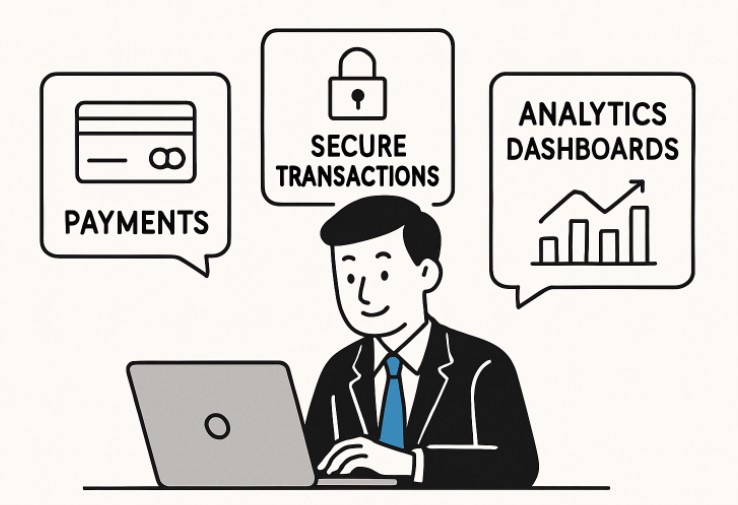
In today’s fast-paced economy, businesses are increasingly turning to digital payment tools to enhance their financial operations. Modern payment platforms can streamline everything from accounts payable to corporate spending, giving companies an advantage in efficiency and cash flow planning. With features that support faster processing and tighter controls, a startup credit card solution can further empower businesses to manage spending, increase transparency, and reduce the risk of errors.
As organizations respond to the demands of a global and digital-first economy, adopting integrated payment technologies has become more than a convenience. These solutions offer a competitive edge by minimizing the friction of bill payments, payroll, supplier management, and expense reporting. Digital payment tools marry automation, real-time insights, and higher security standards, transforming traditional business finance workflows.
The Shift Towards Digital Payment Solutions
Businesses of all sizes are rapidly moving away from manual payment processes and legacy systems toward digital-first approaches. Industry surveys show that around 88% of financial decision-makers struggle with outdated payment systems, which they view as a bottleneck to efficiency and accuracy. Slow, paper-based, or manual payment processes can lead to errors, lost invoices, delayed payments, and difficulties reconciling accounts at month-end. Digital payment platforms address these pain points by centralizing and automating the journey from invoice to payment completion.
These platforms often include cloud-based dashboards that provide real-time visibility into cash positions and transactions. This level of transparency is crucial for growing businesses that wish to maintain agility while controlling costs and managing an expanding base of vendors or customers.
Benefits of Automating Payment Processes
Time Savings
Automated digital payment solutions dramatically cut down the time spent on repetitive administrative tasks. Staff no longer need to manually enter data, track paper checks, or manage emails with vendors about payment status. Instead, automated workflows move transactions along with preset approvals, notifications, and records. This frees up team members to focus on more value-added initiatives, such as financial strategy or supplier relationship management.
Error Reduction
Digital payment tools significantly decrease the likelihood of common human errors, such as duplicate payments or lost invoices. Automated validation and reconciliation tools ensure that data is recorded accurately and consistently, making it easier to track expenses, analyze spending, and satisfy audit requirements. According to experts at CFO.com, error reduction and improved compliance are among the top reasons finance teams are embracing these fintech solutions.
Improved Cash Flow
By speeding up approvals and eliminating bottlenecks, digital payment systems allow companies to process transactions quickly and avoid costly late fees or disruptions. Businesses can optimize payments to vendors, manage payroll more effectively, and keep a real-time pulse on working capital. This proactive cash flow management is essential for both day-to-day operations and long-term planning.
Real-Time Payments: A Game Changer
Real-time payments are reshaping the future of business transactions by enabling immediate fund transfers twenty-four hours a day, seven days a week. Businesses benefit from instant access to cleared funds, which supports liquidity, emergency payments, and strong supplier relationships. According to a CFO.com report, more than half of companies have embraced instant payment systems, with many more planning to adopt them within the following year.
The efficiency of real-time payments also reduces reconciliation times and enhances data accuracy. By providing immediate confirmation of payment, companies can better forecast cash availability and make smarter financial decisions.
Integration with Accounting Software
Seamless integration between digital payment platforms and accounting software is vital in eliminating information silos and double-entry. With payments and invoices automatically synced, finance departments avoid manual updates and ensure accuracy across reporting, budgeting, and financial analytics. This synchronization provides business leaders with a consolidated, up-to-the-minute view of their organization’s economic health.
Many leading payment tools are built to connect easily with widely used accounting software, streamlining onboarding and daily use. As a result, teams can review transactions, manage approvals, and generate financial statements with far less effort and reduced risk of discrepancies.
Enhanced Security Measures
Security is a central concern in the adoption of digital payment platforms. The latest tools deploy measures like multi-factor authentication and robust encryption to protect sensitive business information from cyber threats and fraud. These features are designed not only to meet regulatory requirements but also to instill greater confidence among clients, vendors, and partners.
Continuous security updates, user permission management, and activity logs help businesses respond quickly to emerging risks. By employing these proactive strategies, companies safeguard their financial data and reduce the risk of financial losses or reputational damage.
Adapting to the Digital Payment Landscape
- Invest in modern, secure digital payment platforms that can scale with business needs.
- Promote ongoing training to help staff use new technologies confidently and correctly.
- Regularly review and update security protocols to stay ahead of emerging risks and regulatory changes.
Conclusion
Embracing digital payment tools is essential for businesses seeking to streamline financial operations and maintain a competitive edge. Automation, real-time transaction processing, seamless software integration, and robust security are propelling the finance function into a new era. As organizations continue to prioritize these technologies, they are well-positioned to boost efficiency, improve financial health, and capture new growth opportunities.

In an always-connected business world, uninterrupted IT performance is essential. Companies rely on stable networks, secure systems, and fast technical support to keep operations running smoothly. For businesses of all sizes, managed IT services with 24/7 support provide the expertise and reliability needed to maintain productivity and minimize downtime.
For organizations in Los Angeles, expert managed IT services offer a strategic advantage by ensuring systems are monitored, maintained, and optimized around the clock.
What Are Expert Managed IT Services?
Managed IT services involve outsourcing your IT operations to a team of professionals who handle everything from system monitoring to cybersecurity. With 24/7 support, businesses gain access to continuous assistance, ensuring that issues are resolved anytime they arise.
These services typically include:
- круглосуточный monitoring and maintenance
- Network management and optimization
- Cybersecurity solutions
- Helpdesk support
- Cloud services and infrastructure management
- Data backup and disaster recovery
This comprehensive approach ensures your IT environment remains secure, efficient, and reliable.
Importance of 24/7 IT Support
Downtime can happen at any time, and even a short disruption can impact productivity and revenue. That’s why 24/7 IT support is critical for modern businesses.
Expert IT network support helps organizations quickly resolve issues and maintain stable connectivity. This level of support allows teams to stay focused on their work without worrying about ongoing network disruptions.
With round-the-clock monitoring, potential problems are detected early and resolved before they escalate into major issues.
Key Features of Managed IT Services
Top managed IT service providers in Los Angeles offer a wide range of features designed to support business continuity:
Continuous Monitoring
Systems are monitored in real-time to detect and address issues proactively.
Rapid Response and Resolution
24/7 helpdesk support ensures that technical problems are handled quickly, reducing downtime.
Advanced Cybersecurity
From firewalls to threat detection systems, businesses are protected against evolving cyber threats.
Cloud Integration
Cloud solutions enable secure data access, remote work capabilities, and scalable infrastructure.
Data Protection
Regular backups and disaster recovery plans safeguard critical business data.
Benefits for Businesses
Investing in expert managed IT services provides numerous advantages:
- Minimized downtime:Immediate response to issues ensures uninterrupted operations
- Improved productivity:Employees can focus on their tasks without IT interruptions
- Enhanced security:Strong protection against cyber threats
- Cost efficiency:Access to a full IT team without the expense of hiring in-house staff
- Scalability:Easily adapt IT resources as your business grows
Why Choose Managed IT Services in Los Angeles?
Businesses in Los Angeles operate in a fast-paced and highly competitive environment. Reliable IT infrastructure is essential to keep up with market demands.
Managed IT service providers in the region understand local business needs and offer tailored solutions that align with industry standards and compliance requirements. Their expertise ensures that your systems remain efficient, secure, and scalable.
How to Select the Right Provider
Choosing the right managed IT service provider is key to maximizing your investment. Consider the following factors:
- Experience and technical expertise
- Availability of true 24/7 support
- Range of services offered
- Customization options
- Transparent pricing
A trusted provider will not only manage your IT but also help you plan for future growth.
Conclusion
Expert managed IT services with 24/7 support are essential for businesses that rely on consistent performance and security. By partnering with a reliable provider in Los Angeles, companies can ensure their systems are always operational, secure, and optimized for success.
With continuous monitoring, rapid support, and proactive maintenance, managed IT services empower businesses to stay productive, competitive, and ready for future challenges.

In today’s competitive digital environment, not all websites are created equal. While many businesses have an online presence, only a small percentage consistently generate traffic, leads, and revenue. These are high-performing websites—platforms that are strategically built, continuously optimized, and aligned with both user expectations and search engine requirements.
The difference between an average website and a high-performing one isn’t just design or content alone—it’s how everything works together. From technical structure to content strategy, these websites are built with growth in mind from day one. Businesses that invest in foundational strategies like local seo agency support are often better positioned to compete, especially in markets where visibility is everything.
Understanding what sets these websites apart can help businesses move beyond basic functionality and start building platforms that drive consistent, measurable growth.
What Defines a High-Performing Website in Today’s Market
A high-performing website is one that delivers results across multiple areas: traffic, engagement, and conversions. It doesn’t just attract visitors—it guides them through a seamless experience that encourages action.
One of the most important defining factors is speed and performance. Modern users expect websites to load quickly, and even a delay of a few seconds can result in lost traffic. High-performing websites are optimized for speed through image compression, efficient coding, and reliable hosting environments. These improvements not only enhance user experience but also positively impact search rankings.
Another key characteristic is strong site architecture. These websites are built with clear navigation and logical hierarchies that make it easy for users to find what they’re looking for. At the same time, search engines can efficiently crawl and index content, improving visibility.
Mobile optimization is no longer optional—it’s essential. High-performing websites are designed with mobile-first principles, ensuring that content displays correctly and functions smoothly on all devices. This includes responsive layouts, touch-friendly navigation, and fast load times on mobile networks.
Technical optimization also plays a major role. Elements such as clean URL structures, proper metadata, schema markup, and secure connections all contribute to better performance. Businesses often work with technical seo consultants to ensure that these behind-the-scenes factors are properly implemented and maintained.
User experience is another defining feature. High-performing websites are intuitive, easy to navigate, and visually appealing without sacrificing functionality. They guide users toward key actions—whether that’s making a purchase, filling out a form, or exploring additional content.
Consistency is equally important. From branding to messaging, these websites present a cohesive identity that builds trust with visitors. Every element, from color schemes to content tone, is aligned with the overall brand strategy.
Finally, high-performing websites are built to evolve. They are not static—they are regularly updated, tested, and improved based on performance data. This continuous optimization ensures that they remain competitive in changing markets.
They Create Content That Targets Real Search Intent
One of the most significant differences between average and high-performing websites is how they approach content. Instead of simply producing content for the sake of publishing, they focus on targeting real search intent—what users are actually looking for when they type a query into a search engine.
Search intent generally falls into categories such as informational, navigational, and transactional. High-performing websites identify these intents and create content that directly addresses them. This ensures that visitors not only find the site but also find value in what they see.
Keyword research is a critical part of this process, but it goes beyond simply identifying high-volume terms. It involves understanding the context behind those keywords—what problems users are trying to solve and what type of content will best meet their needs.
Content structure also plays a major role. High-performing websites use clear headings, organized sections, and easy-to-read formats to improve both user experience and SEO. This makes it easier for visitors to quickly find relevant information while helping search engines understand the content’s relevance.
Another important factor is content depth. Thin or generic content is unlikely to perform well in competitive markets. High-performing websites provide comprehensive, valuable information that answers user questions in detail. This not only improves rankings but also builds authority and trust.
Internal linking is another strategy these websites use effectively. By connecting related content, they guide users through a logical journey while also helping search engines understand the relationships between pages. This improves overall site performance and keeps users engaged for longer periods.
Conversion-focused content is also a key element. High-performing websites don’t just inform—they encourage action. This includes clear calls-to-action, strategically placed offers, and content that aligns with different stages of the customer journey.
Design and content work together seamlessly on these sites. Layouts are built to support content, not compete with it. This ensures that important information is highlighted and easy to access. Businesses that invest in shopify web design services often benefit from this alignment, especially in ecommerce environments where user experience directly impacts sales.
Finally, high-performing websites continuously analyze and refine their content strategies. They track performance metrics, identify what’s working, and make adjustments to improve results over time. This data-driven approach allows them to stay ahead of competitors and adapt to changing trends.
Conclusion
High-performing websites stand out because they take a comprehensive, strategic approach to every aspect of their development and maintenance. They prioritize speed, structure, user experience, and technical optimization while continuously evolving to meet new standards.
Perhaps most importantly, they create content that aligns with real search intent—ensuring that they not only attract visitors but also provide meaningful value. This combination of visibility and relevance is what drives consistent growth.
In competitive and crowded markets, success doesn’t come from simply having a website. It comes from having a website that is built to perform, adapt, and grow over time. By understanding and applying these principles, businesses can transform their online presence into a powerful engine for long-term success.

In today’s competitive business environment, small businesses must rely on efficient, secure, and scalable technology to thrive. Whether it’s managing daily operations, protecting sensitive data, or ensuring smooth communication, IT systems are at the core of modern success. This is why managed IT services have become a top choice for small businesses looking to stay ahead without the burden of handling complex technology internally.
For companies in Los Angeles, managed IT services offer a powerful combination of expertise, reliability, and cost-effectiveness.
What Are Managed IT Services?
Managed IT services involve outsourcing your company’s IT operations to a professional provider who handles everything from maintenance to security. Instead of reacting to problems, these providers take a proactive approach to ensure your systems run smoothly at all times.
Services typically include:
- Network monitoring and management
- Cybersecurity protection
- Cloud computing solutions
- Data backup and recovery
- Helpdesk support
- IT consulting and strategy
This approach allows small businesses to focus on growth while experts handle their IT infrastructure.
Why Small Businesses Choose Managed IT Services
Many organizations choose managed IT network services to make day-to-day operations well organized and reduce internal IT workload. With proactive monitoring and ongoing maintenance, businesses can prevent issues before they disrupt productivity or compromise security.
This proactive approach is especially valuable for small businesses that cannot afford downtime or data loss.
Key Features of Top Managed IT Services
When selecting a managed IT service provider in Los Angeles, it’s important to look for essential features that ensure reliability and performance.
Proactive Monitoring
Top providers continuously monitor your systems to detect and resolve issues before they escalate.
Cybersecurity Solutions
With increasing cyber threats, strong security measures like firewalls, antivirus software, and threat detection systems are critical.
Cloud Services
Cloud-based solutions allow businesses to store data securely, collaborate remotely, and scale operations as needed.
Helpdesk Support
Fast and reliable support ensures that employees can quickly resolve technical issues and maintain productivity.
Data Backup and Disaster Recovery
Regular backups and recovery plans protect your business from unexpected data loss or system failures.
Benefits of Managed IT Services for Small Businesses
Investing in managed IT services offers numerous advantages:
- Reduced downtime: Continuous monitoring minimizes disruptions
- Improved efficiency: Systems run smoothly, boosting productivity
- Cost savings: No need for a full in-house IT team
- Scalability: Easily adapt to business growth
- Enhanced security: Protection against cyber threats
How Managed IT Services Support Business Growth
Small businesses in Los Angeles often experience rapid growth, which requires flexible IT solutions. Managed service providers help businesses scale their technology infrastructure without major investments.
They also provide strategic IT consulting, ensuring your technology aligns with long-term business goals. This helps improve decision-making and supports sustainable growth.
Choosing the Right Managed IT Service Provider
Selecting the right provider is essential for maximizing the benefits of managed IT services. Consider the following:
- Experience and industry expertise
- Range of services offered
- Response time and availability
- Customization options
- Transparent pricing
A reliable provider will understand your business needs and deliver tailored solutions that enhance performance and security.
Conclusion
Managed IT services have become a necessity for small businesses looking to stay competitive in a digital-first world. By partnering with a trusted provider in Los Angeles, businesses can ensure their IT systems are secure, efficient, and ready to support growth.
With proactive monitoring, expert support, and scalable solutions, managed IT services empower small businesses to focus on what matters most—building success and serving their customers.
-

 BLOG8 months ago
hanime1: The Ultimate Destination for Anime Lovers
-

 ENTERTAINMENT10 months ago
Sflix: How It’s Changing the Way We Watch Movies and TV Shows
-

 ENTERTAINMENT9 months ago
Crackstreams 2.0: The Future of Free Sports Streaming?
-

 BILLS10 months ago
Why Does My Instagram Reel Stop Getting Views After One Hour? How to Fix It?
-

 BLOG8 months ago
Imginn: The Ultimate Tool to View Instagram Content Anonymously
-

 Technology11 months ago
Simpcitt: The Rise of a Unique Online Community
-

 80s11 months ago
Favorite 100 Songs of the 80s: (#1) Michael Jackson – Billie Jean
-

 BLOG10 months ago
NHentai.nef: Understanding the Popular Hentai Archive