
BUSINESS
How to Make Your Marketing Budget Actually Generate Results


Spending money on marketing is easy, but seeing real results can feel frustratingly difficult. Many businesses push ads, post content, or hire agencies, only to end the quarter wondering where the returns went. Every dollar is tracked, every conversion analyzed, yet somehow the effort does not match the outcomes.
Behind every marketing win is usually a clear structure, realistic goals, and alignment between the message and the audience. Whether it is social media, paid search, or content marketing, results only appear when time and money are used strategically, not reactively. That is what separates campaigns that actually convert from those that simply look active.
For brands that work with an agency for Google Ads, experts often say that success is not just about how much is spent on ads. It is about having clear goals, knowing the audience, and being willing to adjust strategies. Here is how businesses can make their marketing budget work effectively.
Make Every Dollar Accountable
Marketing should not just feel like an expense. Each dollar is an investment that can lead to measurable growth when used wisely. Without accountability, a marketing budget can vanish into scattered ideas, vague objectives, and constant tweaks that do not support the overall strategy.
Define Specific and Realistic Goals
The first step to controlling a marketing budget is clarity. Broad objectives like “get more leads” are too vague. Instead, set specific targets such as “increase qualified leads by fifteen percent in three months.” Measurable goals create focus and make decisions easier. They guide where time and money go, ensuring that each expense is intentional rather than experimental.
When teams run campaigns with clear objectives, they can compare results over time. This ongoing comparison allows them to refine ads, content, and offers. Gradually, this process builds stability and stability leads to real, tangible growth.
Connect Strategy with Actual Data
Marketing teams that rely on guesswork often make emotional decisions. That is where data becomes a reliable anchor. Tracking campaign metrics like click through rates, cost per acquisition, and return on ad spend is not just for reporting; it is for insight. Data tells the story behind performance, but only when it is read and interpreted correctly.
When numbers drop, it does not always mean stopping. It may simply indicate a need to adjust targeting, creative content, or timing. Teams that review data regularly spot patterns sooner and waste less budget guessing what went wrong.
Build a Flexible Framework
A good marketing strategy is like clay because it holds shape while adjusting easily when needed. Many teams struggle because they plan rigidly, expecting conditions to stay consistent. In reality, audience behavior shifts, platforms evolve, and competition responds. Keeping a portion of the budget for quick optimization helps maintain momentum without having to start over repeatedly.
This flexibility is not just about money. It is also about mindset. Teams that treat challenges as opportunities discover better approaches faster. Being adaptable turns marketing from a shot in the dark into a guided process that continuously learns and improves.
Align Effort with Audience
A marketing budget only works if the brand connects with the right people in a meaningful way. Even the most sophisticated campaign fails if it misunderstands what the audience values. Success happens when spending matches human insight, not assumptions.
Understand Audience Depth, Not Just Demographics
Knowing the audience goes beyond age, gender, or location. What matters more is understanding their motivations, fears, and the types of messages that prompt action. When marketers explore audience behavior deeply, campaigns become more precise. This precision saves money by cutting wasted impressions and irrelevant engagement.
It also allows for better creative direction. Visuals, tone, and messaging all start resonating more effectively, creating a bridge between brand intent and consumer emotion. The truth is, people buy not just because of what they see, but because they feel understood.
Combine Channels with Purpose
Modern marketing uses many channels, but just being everywhere at once usually does not work. Each platform should have a clear purpose, helping tell a consistent story that supports business goals. When a marketing team coordinates content, advertising, and email communication around the same goal, messages start to reinforce each other instead of competing.
It is also smart to focus on the channels where the audience is most active instead of just those that look impressive. Some brands get better results by concentrating on one strong channel instead of spreading resources too thin. Being strategic with fewer and stronger campaigns can make a marketing budget go further than expected.
Keep Testing and Listening
The core of modern marketing is testing and learning from feedback. Even the best plan needs regular review. Simple actions like testing different ads, updating email subject lines, or trying new formats keep campaigns active and relevant. The audience’s reactions give important clues about what is working.
Paying attention to audience feedback through comments, reviews, or direct messages also helps brands stay authentic. Instead of rushing to post new ads, they can make changes based on what people actually want, saving both time and money. Continuous learning makes marketing smarter without needing a bigger budget.
Turn Insight into Real Results
The main goal of marketing spending is not just being seen, but getting measurable results. Campaigns that grow through clear goals, careful adjustments, and matching what the audience wants are the ones that succeed over the long term. A thoughtful approach turns every dollar into useful data, insights, and progress.
When businesses treat their marketing budget as a flexible tool instead of a fixed plan, results begin to appear naturally. They stop chasing clicks and start gaining conversions that match their business goals. If managed well, even a small budget can deliver impressive results over time.
For companies wanting to improve their marketing approach, working with experienced Google Ads agency professionals can make a big difference. The benefit comes from combining creativity with data and making sure spending consistently leads to growth. Marketing budgets are not just about money spent they are about what is learned improved and built over time.

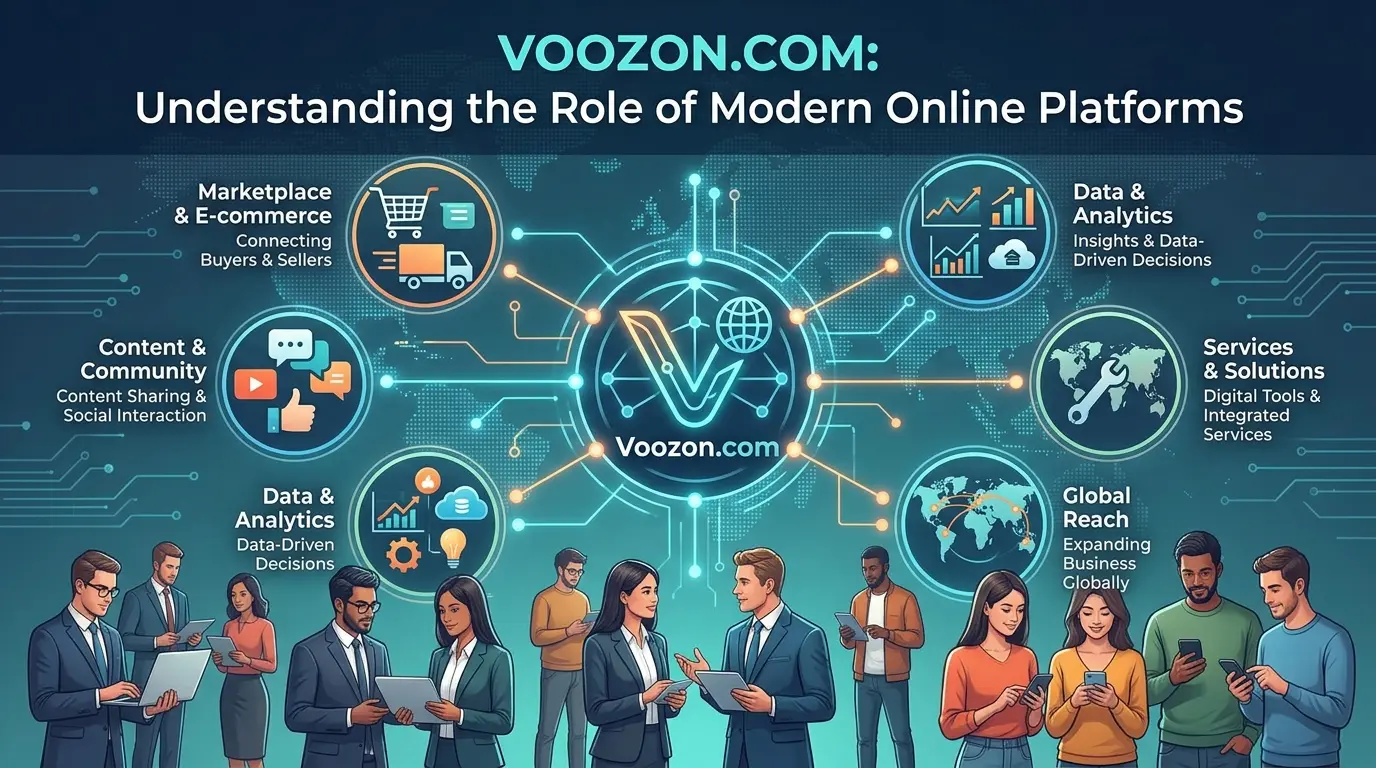
The internet has changed the way people discover websites, explore information, and interact with digital platforms. Every day, users come across new websites through search engines, social media, recommendations, and online communities.
In this environment, a website needs to offer more than a memorable domain name. It needs a clear purpose, useful content, and an experience that makes sense to the people visiting it.
Voozon.com is one of the names that can attract attention in this growing digital landscape. Like many modern online platforms, its value depends not only on being discoverable but also on how effectively it serves visitors and communicates what it offers.
Why Website Discovery Matters
Finding a useful website is often the first step in a much longer online journey.
A person may discover a domain while searching for a specific topic, clicking a shared link, or browsing recommendations. If the website immediately communicates its purpose, visitors can decide whether the content is relevant to them.
This is why clarity matters so much in digital publishing.
A simple navigation structure, readable content, descriptive page titles, and a consistent design can make it easier for visitors to understand a website without having to search through multiple pages.
What Makes an Online Platform Useful?
A successful online platform usually solves a problem or provides something people want.
That could be information, entertainment, educational material, tools, community features, or access to a particular type of service. The exact purpose can vary, but the principle remains the same: visitors need a reason to stay.
For websites such as Voozon.com, building a clear digital identity is therefore important. A visitor should be able to understand the website’s purpose without unnecessary explanations.
The easier that process becomes, the more comfortable users are likely to feel while exploring the site.
The Importance of User Experience
User experience is sometimes treated as a design issue alone, but it affects almost every part of a website.
Consider a typical visitor. They may be using a phone, have limited time, and arrive from a search result without knowing anything about the website beforehand.
If the page is difficult to navigate, overloaded with distractions, or slow to communicate its main purpose, the visitor may simply leave.
A better experience usually starts with simple fundamentals:
- Clear navigation
- Readable typography
- Logical page structure
- Mobile-friendly layouts
- Useful and relevant content
- Fast access to important information
These elements do not need to be complicated. In many cases, simplicity makes a website easier to use.
How SEO Helps People Find Websites
Search engine optimization plays an important role in website discovery.
When someone searches for Voozon.com, the intent is different from a person searching for a general topic related to the website. A branded search often indicates that the user already knows the name and wants to find the correct destination.
This makes accurate branding particularly important.
For broader searches, however, a website needs content that answers specific questions and matches the reason behind the search. That means creating useful pages around real topics instead of producing articles simply to insert keywords.
Writing Content for Real People
One of the biggest mistakes in SEO writing is forgetting who will actually read the page.
Keywords are useful because they help describe a topic, but they should not control every sentence.
Natural writing usually performs better from a reader’s perspective. Instead of repeating Voozon.com unnecessarily, a well-written article can mention the name where it is genuinely relevant and then use natural variations when discussing the broader topic.
The result is easier to read and feels more like editorial content than an advertisement.
Why Content Quality Still Matters
A website can have excellent technical SEO and still struggle to keep visitors if the content provides little value.
Useful content should answer questions, explain concepts clearly, or help readers make sense of something they are interested in.
For publishers, this means avoiding unnecessary filler. A longer article is not automatically a better article. What matters is whether each section contributes something useful.
This approach also makes content easier to update because every section has a clear purpose.
Building Trust Online
Trust is another important part of the modern web.
Visitors are more comfortable with websites that clearly explain who they are, what they offer, and how their content should be understood.
Consistent branding, accurate information, transparent navigation, and professional presentation can all contribute to a more trustworthy experience.
For any growing platform, these details can matter just as much as attracting the initial visitor.
The Future of Online Platforms
The internet continues to become more crowded, but that does not mean there is no room for new websites.
What has changed is the standard visitors expect.
People have become accustomed to finding information quickly. They expect websites to work well on mobile devices, understand what a page is about almost immediately, and provide a straightforward path to useful information.
This creates an opportunity for platforms such as Voozon.com to establish a recognizable presence by focusing on clarity, usability, and relevant digital content.
Final Thoughts
A strong online presence is built over time. A memorable domain can help people recognize a platform, but useful content and a positive user experience give them a reason to return.
Voozon.com fits into a broader digital environment where discoverability, content quality, usability, and clear communication all play an important role.
For website owners and publishers, the lesson is straightforward: SEO should help people find useful content, not replace the need for it. When search visibility and genuine reader value work together, a website has a stronger foundation for long-term growth.

Moving into a first commercial property is a big change for any growing business. New owners often focus on the monthly rent and overlook expenses that come with operating a larger space. Businesses considering industrial properties from Industrial Realty Solutions should build a realistic budget before deciding how much space they can comfortably afford.
Rent Is Only the Starting Point
The advertised rental rate is usually the first number a business owner notices. However, the lease may require the tenant to pay other property expenses in addition to basic rent. Understanding those charges can prevent an affordable looking building from stretching the budget too far.
Owners should ask exactly what the quoted rent includes before comparing properties. Taxes, insurance, maintenance, and common area expenses may be handled differently from one lease to another. Looking at the estimated total monthly cost provides a much more useful comparison.
Utilities Can Be Surprisingly Expensive
A small home office does not prepare most owners for the utility costs of a commercial building. Warehouses, workshops, and other industrial spaces can require considerable electricity for lighting, equipment, ventilation, heating, or cooling. Water, internet, waste removal, and other services can further increase the monthly bill.
Utility costs can vary considerably depending on the building and type of operation. Owners can ask about previous usage, but remember another tenant may have operated very differently. Estimating expected consumption based on the company’s own activities gives the budget a more realistic starting point.
Improvements Can Eat Into the Moving Budget
A vacant property rarely fits a new tenant perfectly on the day the lease begins. The business might need shelving, additional electrical outlets, office partitions, security equipment, signage, or changes to loading areas. Even relatively simple improvements can add up quickly when several are needed at once.
Owners should decide which improvements are essential before signing a lease. They can also ask whether the landlord will complete certain work or provide an allowance toward approved improvements. The lease should clearly address any agreement about improvements rather than leaving it to an informal conversation.
Moving Costs Add Up Quickly
Moving a business involves much more than hiring a truck for a few hours. Equipment may need professional handling, inventory has to be transported, and employees can lose productive time while everything is being moved. You may also need new furniture, shelving, packaging supplies, and storage equipment.
Some businesses will experience slower operations during the transition. Orders can take longer to fill while products are being moved and new work areas are organized. Leaving room in the budget for these disruptions can make the move less financially stressful.
Deposits Require Cash Up Front
First time tenants sometimes concentrate so heavily on monthly costs that they overlook the amount needed before moving in. Security deposits, initial rent, utility deposits, insurance payments, and other charges may all be due around the same time. That can put significant pressure on the company’s available cash.
Owners comparing industrial leasing opportunities should calculate how much money they’ll need before the first normal month of operation begins. Spending nearly all available cash on the move can leave little room for payroll, inventory, or unexpected repairs. Keeping a reserve provides some breathing room during the transition.
Insurance Needs May Change
Moving a business out of the home can change the kind of insurance it needs. A commercial lease may require certain coverage before the business can even move into the building. The company may also need to think about protecting its equipment and inventory, along with risks involving employees, customers, and vehicles used for work.
It is worth talking to an insurance professional while working out the budget rather than waiting until the lease is ready to sign. Getting a few figures early makes it easier to see how much insurance will add to the monthly expenses. It also helps avoid a last minute surprise that could make the move more expensive than planned.
Maintenance Responsibilities Need Attention
When something breaks in a commercial building, the landlord isn’t always responsible for fixing it. The lease may put certain repairs on the landlord while making the tenant responsible for routine upkeep or specific parts of the property. Business owners who assume every repair is included in the rent could end up facing costs they never planned for.
That is why the maintenance section of the lease deserves a close look before anything is signed. Responsibilities for plumbing, heating, doors, landscaping, parking areas, and other parts of the building can vary from one property to another. Knowing what the business must maintain makes it much easier to set aside enough money for those expenses.
Final Thoughts
The monthly rent is only one part of what a business will spend when moving into its first commercial property. Deposits, utilities, insurance, repairs, improvements, and other expenses can add up quickly and put more pressure on the budget than expected. Before choosing industrial properties from Industrial Realty Solutions, owners should have a clear idea of what the entire move will cost and what they can comfortably afford each month.

Not all packaging artworks are the best; sometimes the best element of the design is a cutout that allows the customer to have a glimpse of what they are purchasing. A strategically positioned window accomplishes something that cannot be achieved by art; it eliminates uncertainty just when one is making a decision to take a product off the shelf. This is the way of thinking around Mylar Bags with Window as a practical design solution, rather than a make-up solution.
Understand Why the Product, Not the Window, Comes First
The product must dictate the terms before settling on the size of windows or their location. Weight, texture, sensitivity to moisture, and appearance of the product when it is fresh and a week old all count – a window can only be considered an advantage when what is inside does not start to look bad after some time in transport and on a shelf. The items that visibly change in appearance (not necessarily losing quality) are not typically good items to place in a big window, although Custom Mylar Bags with Window work well with products that photograph well the day they are in the window until the day of sale.
Match the Film Structure to What the Window Needs to Do
The window material must yet perform the same barrier task as the rest of the bag, to block oxygen, moisture and light, and to be sufficiently clear to the eye to allow you to see the product. This is a more stringent engineering requirement than a fully opaque or metallized pouch, as window films are usually less protective of UV than foil laminates. The balance between the thickness and clarity will make or break the window, as to whether it will continue to appear crisp after weeks in a warehouse.
Design the Window Placement for Shelf Performance
The same base gusset stability, panel visibility, and footprint also apply to windowed pouches, but the addition of window placement is a variable. A window that is too low may be blocked by shelf lips or other products; a window that is too wide may affect the structural rigidity, particularly with stand-up formats. The aim is to make the window visible at the standard shelf eye-level and not to compromise the standing upright capability of the bag when full.
Choose a Closure That Doesn’t Interfere With the Window
The location of the window must be taken into consideration in the selection of closure. A zipper that is too near a seam of the window may act as a weak spot, and a heat seal running along the edge of the window may cause visible lines of seals, undercutting the appearance that the window was intended to give. Printed Mylar bags with windows usually use a design that integrates the closure and the window as a single concept more than as an addition.
Plan the Bag for Transit, Not Just the Photo
An amazing window on a product photo has to make it through shipping. Flex cracking, stress on seals and abrasion during transportation may all become more evident on a windowed pouch than an opaque one, as any damage by the window is immediately apparent to the final customer. Thicker seals and a bit heavier film gauges around the window are frequently worth the incremental cost to products traveling long distances.
Sample and Test Before Committing to a Full Run
It is even more important with windowed pouches as window transparency and seal integrity are more difficult to determine from a spec sheet than a filled example. Using the actual product, not a dummy, will reveal how well the window will remain clear after sealing and how the product will settle to make the window still attractive.
Evaluate the Manufacturer’s Windowing Capability Specifically
Not all packaging suppliers treat windowed pouches equally and the distinction can be seen in the quality of seals and clarity of the windows in the long term. Worth considering before entering into a supplier:
- Film and window-sealing skills in-house – outsourced windowing operations have the effect of increasing the variability within batches.
- Registration around the window – graphics that are not registered correctly around a window cutout are one of the most frequent quality complaints.
- Sampling before bulk orders – particularly relevant to windowed formats, where there isn’t always a clear indication of a problem until a complete batch is opened.
- Consistency in production at scale. One supplier who has nailed a small sample run should be able to reproduce the same on a large order.
U.S. Packaging Suppliers Differ on Windowed Pouches
The custom packaging firms are likely to specialize in various types of packaging, some being constructed out of rigid boxes, others out of flexible film wrappings such as windowed mylar pouches. The following is a comparison of three suppliers in this space.
Kwick Packaging
Kwick Packaging produces Mylar Bags with Window and film structures, window positioning and closures that are chosen to ensure the product is visible and safe, but the sourcing of the material to print and seal the bag is a single operation, and not divided between vendors. Brands that have collaborated with the team mention responsiveness throughout design and sampling:
“The boxes that we received from Kwick Packaging were excellent. We received outstanding design support, order status updates, and a faster than expected delivery even during this COVID-19 situation. We are very pleased with Melvin and Kwick Packaging and will use them for our box needs going forward. They are highly recommended.” DoPura LLC
“Remarkable service, superior quality, excellent pricing, amazing attention to detail. Highly recommended to anyone looking for top-quality, fast, well-priced printing services of any type.” Gene Rosov
Print247
Print247 is placed in the domain of low-turnaround custom printed packages; its catalogue is more inclined towards boxes and printed inserts than flexible film pouches. Quick box reorders rather than pouch-and-window engineering will be more characteristic of the strength of brands that are particularly interested in windowed mylar formats.
TheSpeedyPack
TheSpeedyPack specializes in fast-turnaround custom boxes and mailers, designed to be fast on regular formats instead of the more special work of film and window-sealing that windowed mylar pouches need.
Common Mistakes Brands Make With Windowed Packaging
Some of these problems recur: how big to make a window without considering where the product will be after filling, where to place a window where a label or cautionary text must be, not running a sample and finding out too late there were clarity issues and the window used was incorrect, or using a window film that was not designed to fit the barrier requirements of the rest of the bag.
Conclusion
Mylar Bags with Window have been designed to work when the window is designed as part and parcel of the pouch – matched film, carefully positioned, and a closure that will not interfere with the window – not fitted on afterwards as an afterthought. Having that combination correct, and having a manufacturer capable of maintaining consistency in reorders, is what makes Mylar Bags do on the shelf as they do in the mockup.
FAQs
- Does a window sell the product?
Studies of food packaging have also determined that transparent windows can enhance the perceived freshness and intentions to buy in comparison to packaging that merely displays product images, although the effects depend on product type.
- Are windowed mylar bags as effective in protecting the product as completely opaque ones?
In most cases, the window parts provide less UV and light protection than the metallized or foil parts of the same bag; hence, windowed pouches are best used on products that are not very light-sensitive, or on the window being sized to prevent as much light infiltration as possible.
- Is it possible to add a window to a child-resistant or heat-sealed pouch?
Yes, but the window has to be designed to accommodate the closure and not to be tacked on afterwards. Window seams that are too near to a zipper or heat seal can be weak spots unless designed in tandem at the outset.
-

 BLOG1 year ago
hanime1: The Ultimate Destination for Anime Lovers
-

 Technology1 year ago
GLAADVoice.com: How You Can Get Involved and Make a Difference
-

 BILLS1 year ago
Why Does My Instagram Reel Stop Getting Views After One Hour? How to Fix It?
-

 ENTERTAINMENT1 year ago
Crackstreams 2.0: The Future of Free Sports Streaming?
-

 ENTERTAINMENT1 year ago
Sflix: How It’s Changing the Way We Watch Movies and TV Shows
-

 BLOG1 year ago
NHentai.nef: Understanding the Popular Hentai Archive
-

 BLOG1 year ago
ThisVid: What Makes It Stand Out in the World of Online Videos
-

 BLOG1 year ago
Imginn: The Ultimate Tool to View Instagram Content Anonymously