
Finance
Average AC Repair Cost in San Marcos and How to Slash It?


When an air conditioner breaks down in the middle of a Texas summer, repair costs aren’t just an inconvenience—they become an urgent household priority. For residents searching for air conditioning service San Marcos TX, the question is often the same: How much will this repair set me back, and is there a smarter way to keep costs down?
Let’s break down the real numbers, the factors that influence them, and the strategies local homeowners can use to save money without cutting corners on comfort.
The Average Cost of AC Repair in San Marcos
Industry data and local HVAC service rates show that the average AC repair bill in San Marcos typically ranges from $150 to $650, depending on the type of problem. Minor issues such as clogged drains or thermostat glitches usually fall on the lower end, while larger repairs like compressor or refrigerant system issues can push costs far higher.
Basic diagnostic visits often cost between $75 and $150, while a refrigerant recharge may run anywhere from $200 to $500, especially if the system still relies on older R-22 refrigerant. Capacitor replacements usually cost between $150 and $300, whereas repairing or replacing a fan motor can land closer to $250–$600. At the more serious end of the spectrum, a compressor repair or replacement can run into the thousands, often $1,200 to $2,500, which is why many homeowners choose to replace the entire unit instead. Smaller tasks such as thermostat replacements or drain cleanings hover between $100 and $250, making them relatively straightforward compared to major component work.
Why AC Repair Costs Vary
It’s not just about the part that breaks—it’s about the age of the system, the complexity of the unit, and the circumstances surrounding the service call. A small issue like a capacitor failure can be resolved quickly, but when major parts like compressors or motors fail, repairs demand more labor, specialized tools, and higher costs.
Older units are particularly expensive to maintain because they break down more often and their replacement parts can be harder to find. Certain brands also use proprietary parts that drive up repair bills, while smart-enabled systems require advanced diagnostics that may come with higher service charges. Timing plays a role too. A repair scheduled during normal business hours will be far less expensive than one performed during an emergency weekend call, which often adds $100–$200 in fees. Finally, the local climate cannot be ignored—San Marcos summers push AC systems to their limits, causing more frequent breakdowns compared to cooler regions.
How Homeowners Can Slash Repair Costs
While breakdowns are inevitable, the overall repair bill doesn’t have to be as painful. Preventative maintenance is the single most effective way to save money over time. Annual tune-ups, which usually cost just over $100, help prevent expensive emergencies by keeping the system clean and efficient. During these visits, technicians inspect refrigerant levels, clear drains, tighten electrical connections, and clean coils, all of which extend the life of the unit and prevent costly failures.
Replacing small, inexpensive parts before they fail is another way to avoid bigger expenses. For example, a worn capacitor or contactor may cost only a couple hundred dollars to replace, but if neglected, it can stress the compressor—a repair that runs into the thousands. Energy efficiency improvements, such as sealing ducts, improving insulation, or using smart thermostats, also reduce AC runtime, lowering the chance of premature component failure.
Sometimes, the smartest cost-saving move is knowing when to stop repairing altogether. As a general rule, if the repair estimate is more than half the cost of a new system and the unit is over ten years old, replacement becomes the more economical choice. A high-efficiency unit not only cuts down on repair bills but also pays for itself in lower monthly energy costs.
Common AC Problems in San Marcos
San Marcos homeowners frequently report a handful of recurring issues. Refrigerant leaks are among the most common, caused by the high pressure cycles that come with relentless summer heat. Frozen evaporator coils are another problem, usually the result of dirty filters or restricted airflow. Electrical failures are also widespread, as the constant cycling of the system causes wiring and capacitors to wear out quickly.
Clogged condensate drains are especially common in humid climates like San Marcos, where excess moisture can lead to water damage if not addressed promptly. Fan and blower motor problems round out the list, often appearing in mid-summer when systems are running nearly non-stop.
The Role of Warranties and Insurance
One of the most overlooked ways to reduce AC repair costs is by taking advantage of warranty coverage. Manufacturer warranties generally last around ten years on parts, though they rarely include labor. Extended home warranties or HVAC service contracts, however, may cover both, which can dramatically cut the cost of repairs.
Homeowners are encouraged to review whether their system is still under manufacturer warranty, whether their home insurance includes AC protection, or whether their service provider offers affordable maintenance agreements. Each of these can provide a valuable financial safety net against costly breakdowns.
DIY Fixes vs. Professional Service
Some problems are simple enough for homeowners to handle on their own. Changing an air filter, resetting a breaker, or adjusting a thermostat requires little skill and can prevent unnecessary service calls. But once issues extend into refrigerant systems, electrical wiring, or motor components, professional intervention is the only safe option.
Attempting a do-it-yourself refrigerant recharge or electrical repair can not only cause further damage but also void existing warranties. For residents searching for reliable air conditioning service in San Marcos TX, hiring a licensed and insured contractor ensures both safety and long-lasting results.
Choosing the Right AC Service in San Marcos
When selecting a repair company, homeowners should prioritize transparency and credentials. A reputable contractor will provide clear, upfront estimates before any work begins and will employ licensed, NATE-certified technicians who understand the demands of Texas summers. Experience with local systems is essential, as is the availability of 24/7 emergency services during heatwaves.
Many top companies also offer financing plans or preventative maintenance agreements that allow customers to spread costs out over time. By carefully evaluating service providers, homeowners can avoid unexpected fees and gain peace of mind that the job will be done right the first time.
Preparing for Refrigerant Phase-Out
One factor unique to aging air conditioners is the ongoing refrigerant phase-out. Systems running on R-22 refrigerant are becoming more and more expensive to maintain, as supplies dwindle and costs climb. Many homeowners in San Marcos find themselves facing sky-high bills for simple recharges. At that point, upgrading to a system that uses R-410A or the newer R-32 refrigerant becomes more cost-effective than continuing to pour money into outdated equipment.
By planning ahead for this industry change, homeowners can avoid unnecessary expenses and invest in equipment that will remain serviceable for years to come.
Conclusion: Keeping Costs in Check
The average AC repair bill in San Marcos can vary widely, but homeowners are not powerless when it comes to controlling costs. Preventative maintenance, timely part replacements, and careful energy management all help reduce the likelihood of major breakdowns. Choosing a qualified, local contractor ensures that repairs are handled efficiently and with long-term reliability in mind.
For those searching for trusted air conditioning service in San Marcos TX, partnering with a company that combines expertise, honesty, and community experience is the best way forward. That’s why many residents turn to Woods Comfort Systems, a local provider known for dependable service, preventative maintenance, and straightforward guidance that helps homeowners keep their cool without overspending.
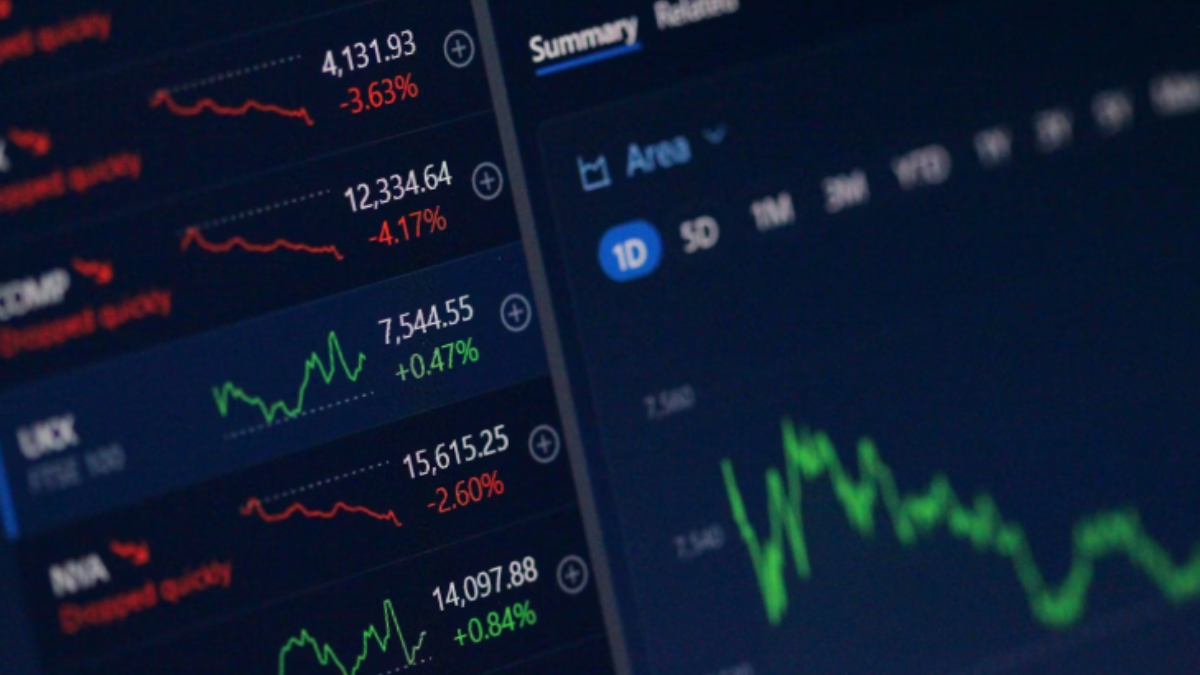
Investing feels like a huge step for many people. It is not just about picking a stock and hoping for the best. You need a map to reach your destination. If you start without a goal, you might end up in the wrong place. Many investors lose money as they do not have a clear plan. Setting your sights on a specific outcome makes every decision easier. This guide helps you find the right path for your money.
Define Your Financial Destination
Every journey starts with a target. You might want to buy a house in 5 years or retire in 30 years. One investment firm noted that turning these dreams into a plan is the first step to success. A short-term goal needs a different strategy than a long-term one. If you need cash soon, you cannot risk a market drop. Long-term goals let you ride out the bumps.
Consider these common targets for your money:
- Saving for a first-home deposit.
- Building a fund for your children’s school.
- Creating a steady income for retirement.
- Planning a major overseas trip.
Balancing Risk and Growth
Risk is a natural part of growing your wealth. Many investors rely on Opes Partners investment advice to help guide their financial decisions and build a portfolio that matches their goals. This choice dictates where your money goes. Some people prefer steady bonds – others like the fast pace of stocks. Your age and income play a big role in this choice. You should feel comfortable with the swings in your account value. If you lose sleep over a small drop, you may need a safer mix.
Building Your Safety Net
You cannot build a house on a shaky foundation. It is wise to have some cash set aside for unexpected costs. A recent guide suggests keeping a buffer of 5 to 10% of your income for emergencies. This includes things like car repairs or medical bills. This cash keeps you from selling your investments at a loss.
Debt is another factor to watch. High interest rates on credit cards can wipe out your gains. Data from a financial group shows that credit card interest rates now average 24.2%. Paying off debt is often the best first investment you can make. It gives you a guaranteed return by saving you from those high fees.
Planning for Every Life Stage
Your needs change as you get older. A young worker can afford to be aggressive. Someone nearing retirement needs to protect what they have. A retirement study mentions that 45-year-olds should have 3 times their salary saved. This metric helps you track if you are on the right path.
Mid-Life Adjustments
Every decade requires a new look at your strategy. If you are behind, you may need to save more or work longer. Life events like marriage or a new baby change your focus. You should check your progress at least once a year.
Understanding Market Value
The price you pay for an asset matters. Markets go through cycles of being cheap and expensive. A global strategy report found that the price-to-earnings ratio for global stocks recently hit a post-pandemic high of 18.3. This means stocks are currently pricier than they have been in years.
You should look at these numbers before putting all your cash into the market. Buying when prices are high can lead to lower returns later. Patience is often a winning strategy. It is better to wait for a fair price than to rush into a peak.
Managing Your Wealth and Taxes

Growing your money is only half the battle. You must keep it, too. Taxes can take a big bite out of your profits if you are not careful. A private bank suggests using tax-efficient ways to give money to family. For example, the annual gift limit is currently $19,000 per person.
This helps move wealth without losing it to the government. You should look at how different accounts are taxed. Choosing the right bucket for your money saves thousands over time. Small changes in how you hold assets make a huge difference in the long run.
Trends in Business and Interest Rates
Business activity tells us a lot about the future. Companies invest when they expect growth. A recent survey found that 86% of firms in Europe still plan to spend on new projects in 2025. This shows a level of confidence in the economy. It suggests that businesses see value in the years ahead.
Interest rates are moving in different directions around the world. A bank report indicates that yields on government bills are falling from 3% down to about 1.35%. Lower rates mean you might get less from your bank account. You may need to look at other options to get the return you want. Keep an eye on these trends to stay ahead of the curve.
Choosing the right path for your money takes time and thought. It is a process of learning what works for your life. You do not need to be a genius to see results. Just stay consistent and keep your eyes on the goal. Small steps lead to big changes over many years. Start today by looking at your current habits. Your future self will be glad you took the time to plan.

Money plays a significant role in everyday life, yet many people struggle to feel fully aware of their finances. Spending, saving, and borrowing can happen quickly and automatically, making it difficult to step back and see the whole picture. When financial activity feels unclear, it’s easy to feel uncertain or overwhelmed.
Personal finance apps are changing this experience by providing clearer insight into daily money habits. They help users track spending, monitor savings goals, and make informed decisions, turning what once felt like a blur of transactions into a more understandable and manageable picture. By keeping financial activity visible and organized, these tools make it easier for people to stay engaged with their money and approach financial decisions with confidence.
Teaching Money Skills Without a Classroom
Personal finance apps help people learn about money by connecting information to everyday activities. Instead of reading long explanations, users learn as they track their spending, saving, and borrowing. Seeing everything in one place makes money feel easier to understand.
Loans are one area where this kind of learning really shows up. For example, when people want to understand what is a cash loan, seeing how borrowed money appears alongside their other finances helps put the concept into perspective. This everyday exposure makes borrowing feel less abstract and supports more thoughtful money decisions.
Making Invisible Spending Visible
Many spending habits happen quietly and are easy to overlook. By analyzing income and spending patterns, financial tools can estimate future cash flow and flag potential issues before they happen. This helps people catch shortfalls or overspending in advance.
Personal finance apps make these details visible by organizing transactions in one place. When spending is clearly listed and grouped, patterns begin to stand out. This clarity helps people recognize habits they may not have noticed before. Once spending becomes visible, it becomes easier to make intentional choices. People can decide what feels necessary and what might need adjustment. This gives users greater control.
Turning Money Into a Daily Conversation
Personal finance apps have made it easier for people to stay on top of their finances regularly. Instead of waiting until a bill is due or a balance feels low, users can see updates as part of their daily routine. This frequent interaction helps money feel less intimidating and more familiar.
When money becomes part of everyday life, awareness naturally increases. People start noticing patterns in how they spend, save, and borrow without needing to sit down for long planning sessions. Small, consistent check-ins can be more effective than occasional deep dives.
Over time, this daily awareness changes how people think about their finances. Money shifts from something to avoid into something to understand. Users feel more informed and confident as financial activity becomes an everyday conversation.
Encouraging Goal-Driven Financial Decisions
Personal finance apps help people think about money with a purpose in mind. Instead of focusing only on day-to-day transactions, users are encouraged to look ahead and consider what they want their money to support. This shift helps turn financial decisions into meaningful steps.
When goals are visible, choices become clearer. Seeing progress toward saving, paying down balances, or planning makes it easier to stay focused. Even small advances can feel motivating when they are connected to a clear objective.
This goal-driven approach changes how people relate to money. Decisions are guided by intention rather than impulse. Over time, this mindset fosters greater financial awareness and more confident financial habits.
Reducing Money Anxiety Through Predictability
Uncertainty is one of the most significant sources of money stress. Uncertainty about upcoming expenses or available funds can create constant stress. Personal finance apps ease this worry by making financial information more transparent and easier to manage.
These tools organize financial activity to help people see what’s coming next. Viewing upcoming payments and recent trends helps users feel more prepared. Predictability creates a sense of stability, even when finances are tight.
With greater clarity, financial decisions feel less overwhelming. People can plan rather than react at the last minute. This shift from uncertainty to predictability plays a key role in improving overall money awareness and peace of mind.
Redefining What Financial Success Looks Like
Personal finance apps are helping shift how people define financial success. Instead of focusing only on perfect budgets or specific numbers, success is increasingly seen as understanding and control. Being aware of where money goes and why decisions are made has become just as important as the outcomes themselves.
This new perspective encourages progress over perfection. Minor improvements, consistency, and clarity now play a larger role in how people measure financial well-being. Personal finance apps support this mindset by promoting awareness and helping users make more intentional choices about their money.
The Impact of Greater Money Awareness
Greater awareness of personal finances can change how people feel about money. When financial information is clearer, everyday decisions feel more manageable and less stressful.
Personal finance apps play a role in this shift by helping people stay informed and engaged with their money. Over time, this awareness supports better habits and more thoughtful choices. A clearer understanding of money makes it easier to move forward with confidence.

When we think about planning for the future, our minds almost automatically drift toward numbers. We think about salary figures, savings goals, investment returns, and retirement nest eggs. The prevailing wisdom suggests that if you can just secure a high enough income, everything else will fall into place. Money, after all, provides options.
The Pitfalls of Chasing Income Without Clarity
Society often treats income as a scorecard. We are taught to climb the ladder, negotiate for more, and side-hustle our way to a higher tax bracket. While increasing your earning potential is a valid and often necessary goal, chasing it without a defined purpose can lead to a phenomenon known as “lifestyle creep.”
When income rises without a clear plan for those extra dollars, expenses tend to rise to meet them. You get a raise, so you buy a slightly nicer car. You get a bonus, so you book a slightly more expensive vacation. Before long, you are earning significantly more than you were five years ago, but your savings rate hasn’t budged. You are running on a faster treadmill, but you haven’t actually moved forward.
Furthermore, the pursuit of high income often comes with high costs—stress, long hours, and time away from family. If you don’t have clarity on why you are making those sacrifices, resentment builds. You might wake up twenty years from now with a healthy bank balance but a life that feels empty because you spent decades funding a lifestyle you didn’t actually value.
How Clarity Leads to Better Financial Decisions
Clarity acts as a filter. When you know exactly what you want your life to look like—in five years, ten years, or during retirement—spending and saving decisions become significantly easier.
Imagine two people:
- Person Awants to retire early at 50 to travel the world in a van.
- Person Bloves their career and wants to work until 70, but wants to buy a large farmhouse for their extended family to visit.
These two distinct visions require completely different financial strategies.
- Person A needs to prioritize an aggressive savings rate now, perhaps sacrificing luxury housing and new cars to build a freedom fund.
- Person B might be comfortable saving less aggressively now, but needs to focus on real estate investments and long-term career stability.
When you have this level of clarity, you stop spending money on things that don’t align with your goals. You stop trying to keep up with the Joneses because you realize the Joneses are playing a different game than you are. Clarity transforms budgeting from a restrictive chore into a strategic tool for getting what you actually want. It turns “I can’t afford that” into “I choose not to spend on that because I prefer this.”
Practical Steps to Gain Clarity in Your Life
Finding clarity isn’t always a lightning-bolt moment; it’s usually a process of excavation. You have to dig through societal expectations and other people’s opinions to find your own values. Here are a few ways to start:
1. The “Perfect Day” Exercise
Close your eyes and visualize your perfect average Tuesday five years from now. Where do you wake up? Who is with you? What work are you doing? How do you spend your evening? Be specific. This visualization often reveals what you value most—whether it’s autonomy, community, creativity, or stability.
2. Audit Your Spending vs. Your Values
Look at your last three months of bank statements. Highlight the top three categories where your money went (excluding fixed costs like rent/mortgage). Do those categories align with what you say is important to you? If you say you value travel but spend 20% of your income on dining out locally, there is a misalignment.
3. Seek Professional Guidance
Sometimes, we are too close to our own lives to see the patterns. This is where professional help shines. Consulting a finance planning and wealth management advisor in St. George isn’t just about picking stocks or minimizing taxes. A good advisor acts as a mirror, reflecting your values to you and showing you how your current financial behavior aids or hinders your true goals. They can ask the hard questions that force you to define what “enough” looks like for you.
Conclusion
It is easy to measure income. It fits neatly into spreadsheets and graphs. Clarity is harder to quantify, which is why it is often overlooked. But ultimately, money is just a tool. A hammer is useful if you are building a house, but it’s useless if you don’t have a blueprint.
-

 Blog7 months ago
hanime1: The Ultimate Destination for Anime Lovers
-

 Entertainment9 months ago
Sflix: How It’s Changing the Way We Watch Movies and TV Shows
-

 Entertainment8 months ago
Crackstreams 2.0: The Future of Free Sports Streaming?
-

 Bills10 months ago
Why Does My Instagram Reel Stop Getting Views After One Hour? How to Fix It?
-

 Technology10 months ago
Simpcitt: The Rise of a Unique Online Community
-

 Blog8 months ago
Imginn: The Ultimate Tool to View Instagram Content Anonymously
-

 80s10 months ago
Favorite 100 Songs of the 80s: (#1) Michael Jackson – Billie Jean
-

 Blog10 months ago
Simpcitu: The New Age Trend Shaping Online Interactions