
BUSINESS
PRESS PR Agency Malaysia: Data-Driven Strategies for Business Growth


Introduction – Why Data is the Backbone of Effective PR
In Malaysia’s fast-evolving digital economy, businesses can no longer rely on intuition alone. From startups in Kuala Lumpur to SMEs in Penang and Johor Bahru, achieving measurable growth requires precision, insights, and a strategic approach to communication. Data is no longer optional; it’s the backbone of effective public relations.
Understanding what resonates with audiences, predicting engagement trends, and optimizing campaigns in real-time are critical to achieving visibility, credibility, and ROI. This is where PRESS PR Agency steps in. By combining traditional PR expertise with advanced analytics, PRESS empowers Malaysian brands to make informed decisions that drive growth. Their data-driven approach ensures campaigns are not only creative but also measurable, targeted, and scalable.
PRESS Digital PR’s Analytical Approach to Brand Performance
PRESS Digital PR Service integrates analytics into every stage of a PR campaign. The process begins with a thorough audit of the brand’s current online footprint:
- Media Coverage Analysis: Evaluating how the brand is represented across local and national media.
- Social Listening: Monitoring conversations around the brand, competitors, and industry trends in Malaysia.
- Content Performance: Measuring engagement, reach, and conversions for each content type.
By leveraging these insights, PRESS develops actionable strategies tailored for Malaysian businesses. Brands can identify which messages resonate, which platforms drive engagement, and how to allocate resources efficiently for maximum impact.
Understanding Audience Behavior Through Data Insights
Data reveals not only who the audience is but also what they value, prefer, and respond to. PRESS analyzes:
- Demographics: Age, location (e.g., Kuala Lumpur, Selangor, Penang), and interests to segment audiences effectively.
- Behavior Patterns: Understanding peak engagement times, preferred content formats, and browsing habits.
- Sentiment Analysis: Gauging public perception to refine messaging and tone.
For Malaysian businesses, this ensures campaigns are culturally relevant, emotionally resonant, and highly targeted, creating stronger connections with local consumers.
Case Example – Malaysian Brand Optimizing Campaigns via Analytics
Consider a Kuala Lumpur-based e-commerce startup aiming to increase product visibility. By partnering with PRESS:
- Analytics highlighted top-performing content and media channels.
- SEO-driven press releases were optimized using data on high-traffic keywords like digital marketing Malaysia and online marketing tips Malaysia.
- Social media campaigns were refined based on engagement metrics.
As a result, the brand saw a 60% increase in web traffic, higher social shares, and measurable sales growth within a few months, demonstrating the power of a data-informed PR strategy.
How SEO Data Strengthens PR Decisions and Content Direction
PR and SEO are increasingly intertwined. PRESS leverages SEO insights to:
- Identify high-impact keywords relevant to Malaysian markets, such as SEO services Kuala Lumpur and social media marketing Malaysia.
- Optimize press releases, articles, and media content for discoverability.
- Align PR narratives with search intent, ensuring visibility in both local and global search results.
This integration ensures that PR efforts are not only seen by journalists and influencers but also discoverable by potential customers actively searching online.
The Relationship Between PR Visibility and Conversion Metrics
Visibility is valuable only if it drives meaningful outcomes. PRESS tracks key conversion metrics:
- Website traffic generated from PR coverage.
- Lead inquiries or app downloads resulting from press mentions.
- Engagement ratios on social media and online publications.
By analyzing these data points, Malaysian businesses can understand the ROI of their PR campaigns, adjusting strategies to optimize conversions and revenue growth.
Using Data to Forecast Brand Trends and Engagement Opportunities
Predictive analytics is a cornerstone of PRESS’s strategy. Using historical campaign data and industry insights, the agency helps Malaysian businesses:
- Anticipate audience trends and emerging interests.
- Schedule content releases for optimal engagement periods.
- Identify untapped media and influencer opportunities for expansion.
This foresight allows brands to stay ahead of competitors, ensuring campaigns are timely and impactful.
How PRESS Builds Adaptive PR Models Based on Insights
Data-driven PR is dynamic. PRESS develops adaptive models that respond to real-time feedback:
- Continuous monitoring allows for rapid optimization of messaging and channels.
- Campaign performance dashboards provide transparent insights to clients.
- Adjustments in content, timing, and outreach ensure that PR efforts remain effective across Malaysia’s diverse markets.
Adaptive PR ensures brands remain relevant and influential, even in fluctuating digital landscapes.
Benefits of Data-Driven Decision-Making for Malaysian SMEs
For Malaysian SMEs, data-driven PR provides:
- Efficiency: Focused campaigns reduce wasted effort and budget.
- Relevance: Messages tailored to audience preferences increase engagement.
- Scalability: Insights inform campaigns for expansion into new regions or markets.
- Accountability: Measurable results justify investment and support long-term growth.
These benefits empower Malaysian businesses to compete effectively in both local and international markets.
Tools and Analytics PRESS Uses to Refine Strategies
PRESS employs a combination of proprietary and industry-standard tools to extract actionable insights:
- Media Monitoring Platforms: Track coverage and sentiment across publications.
- SEO Analytics Tools: Identify trending keywords and monitor search performance.
- Social Media Insights: Analyze engagement, audience demographics, and content virality.
- Dashboard Reporting: Centralized visualization of campaign performance metrics.
Together, these tools allow Malaysian brands to make data-backed decisions that maximize PR impact.
FAQs – How Data Can Transform PR Success in Malaysia
Q1: How does data improve PR campaign effectiveness?
A: Data identifies what works, enabling targeted strategies that drive engagement and conversions.
Q2: Can small businesses afford data-driven PR?
A: Yes. PRESS offers scalable solutions suitable for startups and SMEs.
Q3: How long before analytics show tangible results?
A: Initial insights can be gathered within weeks, with measurable outcomes typically visible within 3–6 months.
Q4: Does data replace creativity in PR?
A: No. Data informs creativity, ensuring campaigns are both engaging and relevant.
Q5: Which metrics are most important for Malaysian businesses?
A: Website traffic, media mentions, social engagement, lead generation, and conversions.
Q6: Can analytics predict consumer trends?
A: Yes. Predictive models help brands anticipate interests and engagement opportunities.
Conclusion – Precision, Performance, and Measurable PR Success
In Malaysia’s competitive digital market, data-driven PR is no longer a luxury, it’s a necessity. PRESS PR Agency combines analytical precision with creative storytelling to deliver measurable growth for businesses across Kuala Lumpur, Penang, Johor, and beyond. By understanding audience behavior, optimizing campaigns through insights, and integrating SEO strategies, PRESS ensures Malaysian brands achieve visibility, credibility, and sustainable success.
For SMEs, startups, and established enterprises seeking performance-oriented PR, PRESS Digital PR Service provides the framework, tools, and expertise to turn data into actionable strategies, empowering businesses to grow smarter and faster.

Businesses need to find effective ways to stand out and remain recognizable to potential customers. While digital marketing is valuable, physical branding can also create meaningful exposure in local communities. Custom signs, vehicle wraps, banners, and business graphics can help companies communicate their identity wherever customers encounter them.
Here are six practical ways to use custom signs and wraps to promote your business.
1. Turn to SpeedPro Canada for Custom Signs and Wraps
Working with an experienced signage provider can make it easier to develop visual materials that represent your brand professionally. Businesses looking for Business Graphics | Signs & Wraps | – SpeedPro Canada can explore options designed around their branding, marketing goals, and physical spaces.
Vehicle graphics and wraps can turn company cars, trucks, vans, and other vehicles into mobile promotional tools. Including your business name, logo, website, phone number, and a concise message can help people recognize your company while vehicles travel between appointments and job sites.
2. Create Eye-Catching Storefront Signs
Your storefront is often one of the first things potential customers notice. A clear, professionally designed sign can help people identify your business and understand what you offer.
Consider factors such as sign size, placement, typography, imagery, and viewing distance. The design should be easy to read without overwhelming viewers with excessive information. A recognizable storefront can also reinforce your brand identity for returning customers.
3. Use Signs to Promote Special Offers and Services
Custom signage can provide an effective way to communicate promotions, seasonal offers, new services, and important announcements. Temporary signs can be updated as campaigns change, while permanent signs can communicate core services.
Keep promotional messaging concise and include a clear call to action when appropriate. Signs placed near entrances, windows, reception areas, or other relevant locations can help communicate offers to people already near your business.
4. Strengthen Branding Across Multiple Locations
Consistent branding can make your company easier to recognize across different marketing channels. Using similar logos, typography, imagery, and messaging across vehicle wraps, storefront signs, banners, and business graphics can create a cohesive visual identity.
When customers encounter consistent branding in different locations, they may more easily connect those experiences with your company. Before producing multiple signage products, establish visual guidelines that can be applied consistently.
5. Use Directional and Event Signage
Not every sign needs to focus directly on advertising. Directional signage can help customers find entrances, parking areas, offices, meeting spaces, and event locations while still reinforcing your brand.
Businesses can also use branded displays at trade shows, community events, pop-ups, and sponsorship activities. Combining useful information with professional branding can improve the customer experience while increasing visibility.
6. Promote Your Business in High-Traffic Areas
Strategic placement can help your signage reach more people. Depending on local regulations and property requirements, signs can be positioned where pedestrians, drivers, and nearby customers are likely to notice them.
Consider visibility, lighting, viewing angles, surrounding distractions, and the amount of time people have to see your message. Simple designs with strong branding can communicate your business quickly, particularly in busy environments.
Making Custom Signs and Wraps Work for Your Business
Custom signs and wraps can support a broader marketing strategy by giving businesses additional opportunities to build visibility and recognition. From mobile vehicle advertising and storefront signs to promotional displays and event graphics, each application can serve a different purpose.
The most effective designs typically combine clear messaging, consistent branding, professional presentation, and strategic placement. By choosing signage that aligns with your business goals and target audience, you can create physical marketing materials that help keep your brand visible in the places where your customers spend time.

Vehicle wraps offer businesses a practical way to promote their brand while their vehicles are already on the road. Instead of relying only on traditional advertising, companies can use branded cars, trucks, and vans to create visibility throughout the communities they serve. With the right design and strategy, vehicle wraps can become a valuable part of a local marketing campaign.
Here are five ways businesses can use vehicle wraps to expand their local reach.
1. Turn Everyday Driving Into Mobile Advertising With SpeedPro
A professionally designed vehicle wrap can transform an ordinary company vehicle into a moving advertisement. Businesses considering this type of marketing can explore SpeedPro’s vehicle graphics and wrap services and visit their site to learn more about available options.
A strong wrap should feature the business name, recognizable branding, website, phone number, and a short description of its services. Since people may only see a wrapped vehicle for a few seconds, the message should be simple, readable, and easy to remember.
2. Target High-Traffic Local Areas
One advantage of vehicle wraps is the ability to reach different audiences as vehicles travel throughout the community. Businesses can gain exposure in commercial districts, residential neighborhoods, business centers, and other high-traffic areas.
Service businesses have an additional advantage because their vehicles naturally travel to customer locations. Plumbers, contractors, landscapers, cleaners, and other mobile professionals can promote their services while completing their regular work.
Businesses can also consider routes that align with their target audience and operating areas. Strategic driving can help increase opportunities for local consumers to see and remember the brand.
3. Build Consistent Local Brand Recognition
Repeated exposure can help strengthen brand recognition. Using the same logo, typography, imagery, and messaging across vehicle wraps and other marketing materials creates a consistent visual identity.
Businesses should consider matching their vehicle graphics with their website, storefront signage, social media profiles, business cards, and other promotional materials. When customers encounter similar branding across different channels, it becomes easier to associate the visual identity with the company.
Consistency is especially useful for businesses trying to establish themselves in competitive local markets.
4. Promote Services and Contact Information
A vehicle wrap should communicate what a business does without overwhelming viewers with too much information. Highlighting one or two primary services can make the message easier to understand.
Including a memorable website or phone number also gives interested customers a way to take the next step. A clear call to action can encourage people who see the vehicle to search for the business later.
The goal is not to put every detail on the vehicle. Instead, the wrap should generate awareness and make it easy for potential customers to identify and contact the company.
5. Use Multiple Wrapped Vehicles to Expand Coverage
Businesses with several company vehicles can create a broader mobile marketing presence by applying consistent branding across their entire fleet. Cars, trucks, vans, and service vehicles can all contribute to brand exposure.
Multiple wrapped vehicles traveling throughout different neighborhoods can increase the number of opportunities for potential customers to encounter the business. Maintaining consistent design quality across the fleet also helps create a professional and recognizable appearance.
Maximizing the Local Marketing Value of Vehicle Wraps
Vehicle wraps can support local marketing by turning everyday transportation into an opportunity for brand exposure. Strategic routes, consistent branding, clear messaging, and multiple wrapped vehicles can help businesses reach more potential customers.
When combined with digital marketing, social media, local SEO, and other promotional strategies, vehicle wraps can provide another effective way to keep a business visible within its target community.
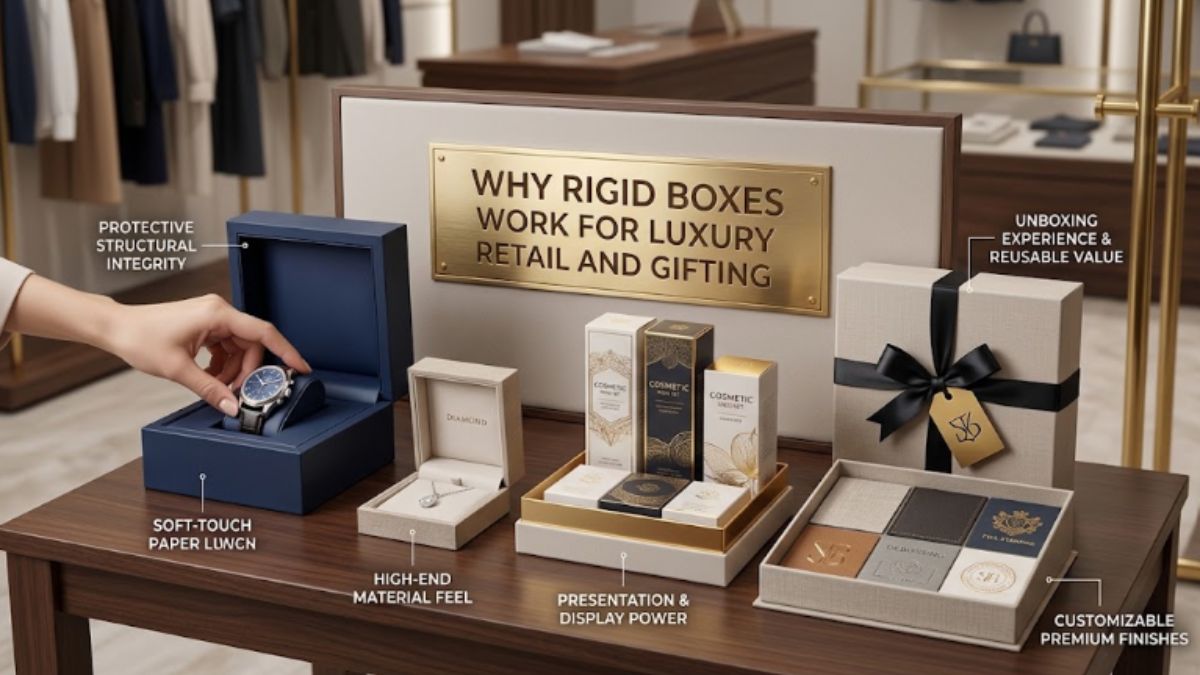
Walk into a premium retail store and packaging quickly becomes part of the shopping environment.
Some boxes disappear into the background. Others invite customers to pick them up.
That difference usually comes from a combination of structure, proportion, material, and restraint. A rigid box has an inherent advantage here because its firm construction creates a more substantial physical presence than lightweight folding packaging.
For luxury retail and gifting, that quality can matter before the product is even opened.
The Box Can Shape the Perceived Value
Customers do not evaluate products through specifications alone.
They also respond to physical cues.
Weight, surface texture, crisp edges, and the way a lid opens can influence whether an item feels ordinary or considered. This is particularly relevant when the purchase involves gifting, celebration, or a premium price.
A rigid package can support that positioning because the structure feels intentional.
However, simply making a box thicker does not create luxury. Poor proportions, weak finishing, or excessive graphics can undermine the effect.
The details have to work together.
Different Opening Styles Create Different Experiences
The opening mechanism deserves more attention than it usually receives.
A simple lift-off lid offers a clean, familiar presentation. A magnetic closure can create a satisfying opening motion and keep the package securely closed between uses. A drawer-style design slows the reveal and can make the product feel more like an object being presented.
Sleeve constructions introduce another visual layer.
This means brands can choose a structure based on the emotional pace they want.
A corporate gift may benefit from simplicity. A jewelry item may call for a more ceremonial reveal. A subscription product may need a structure that survives repeated opening.
The construction should follow the use case.
Rigid Boxes Are Also Practical
Luxury does not have to mean impractical.
Rigid structures can provide strong protection for products that need support during storage and handling. The firm walls help maintain shape and can create a stable platform for custom inserts.
For delicate items, stability becomes particularly useful.
A fitted insert can keep a product from moving inside the package while also creating a deliberate presentation when the lid opens.
This is where Custom Rigid Boxes can outperform generic formats. The dimensions and interior layout can be developed around the actual product instead of forcing the product into a predetermined structure.
A Strong Design Starts on the Inside
Many packaging projects focus heavily on the exterior.
The interior receives less attention even though it may be the first thing the customer sees after opening.
Interior color, printed messages, lining, inserts, and the position of the product can all contribute to the experience.
For example, a restrained exterior can reveal a bold interior when the lid is lifted. Alternatively, a premium brand might carry the same neutral visual language from outside to inside.
The important point is consistency.
The inside should feel like part of the same brand rather than an afterthought.
Printed Branding Needs Restraint
A logo is useful, but more branding does not automatically create more recognition.
Printed rigid boxes with logo can establish ownership of the package and reinforce a visual identity. The challenge is deciding where that mark belongs.
A logo centered on a lid creates a different impression from a small mark positioned near an edge. Metallic foil produces another effect compared with a simple printed mark.
Consider the product category.
A jewelry brand may benefit from subtle foil. A skincare company might prefer a clean embossed logo. A gift company could use a more expressive printed pattern.
The finish should support the brand personality.
Choose Finishes Based on How the Box Will Be Handled
Packaging is touched.
That means surface selection should consider fingerprints, abrasion, lighting, and repeated handling.
A high-gloss surface can create strong visual impact but may reveal marks more readily. A soft-touch finish provides a different tactile experience. Foil can create a sharp focal point, while embossing adds dimension without relying on color.
When reviewing samples, do not inspect them only under studio lighting.
Handle them.
Open the box. Touch the surface. View it from different angles. Place it under normal retail lighting if possible.
The customer’s environment matters more than a computer rendering.
Wholesale Projects Need a Different Mindset
Ordering packaging at volume changes the risk profile.
A small design flaw may be manageable when testing 50 units. It becomes expensive when thousands of boxes have already been produced.
That is why businesses should work with a supplier that treats sampling and approval seriously.
When comparing rigid packaging boxes, request information about board construction, dimensions, finishes, inserts, production timing, and quality control.
Ask for physical samples when the product warrants them.
The goal is to catch problems before mass production, not after delivery.
Storage and Freight Deserve Attention
Traditional rigid boxes arrive assembled, which can consume significant warehouse space.
For businesses with limited storage or long-distance freight requirements, collapsible constructions may offer an alternative. They retain the structured appearance of rigid packaging while arriving in a more space-efficient form.
That can make a meaningful difference for growing brands.
The decision should include more than manufacturing price. Calculate storage volume, shipping dimensions, handling time, and the space required at fulfillment locations.
A package that looks efficient on a unit-price spreadsheet may be expensive once logistics enter the picture.
Selecting the Right Supplier
A good rigid box packaging supplier should be comfortable discussing both aesthetics and manufacturing constraints.
That includes:
- Board thickness and construction
- Internal dimensions
- Closure style
- Insert requirements
- Printing method
- Surface treatments
- Sampling
- Production lead times
- Packaging for shipment
- Quality checks
Communication matters because rigid packaging involves several connected decisions. Changing one part can affect another.
For example, a thicker insert may reduce available internal space. A different finish may alter the production schedule. A magnetic closure can affect the construction of the lid.
A supplier that explains these relationships helps the buyer make better decisions.
When the Investment Makes Sense
Rigid packaging is not automatically justified by the word “luxury.”
It makes the most sense when the package itself contributes to the value proposition.
That could mean a premium gift, a jewelry collection, a high-end cosmetic set, an electronics product, or a product intended to remain in the customer’s home after purchase.
The box may also have a second life.
Customers often reuse sturdy packaging for storage, keepsakes, or organization. That extends the physical presence of the brand beyond the initial purchase.
The Practical Conclusion
Luxury packaging succeeds when it feels deliberate rather than excessive.
A strong rigid structure gives the product presence. A thoughtful insert keeps it secure. A suitable finish adds character. Well-placed branding reinforces recognition. Efficient dimensions keep the economics under control.
That combination is what makes Custom Rigid Boxes useful for premium retail and gifting.
The objective is not to make the largest or most expensive package possible. It is to create a package that feels right for the product, the customer, and the way the item will actually be sold and used.
-

 BLOG1 year ago
hanime1: The Ultimate Destination for Anime Lovers
-

 Technology1 year ago
GLAADVoice.com: How You Can Get Involved and Make a Difference
-

 ENTERTAINMENT1 year ago
Sflix: How It’s Changing the Way We Watch Movies and TV Shows
-

 BILLS1 year ago
Why Does My Instagram Reel Stop Getting Views After One Hour? How to Fix It?
-

 BLOG1 year ago
Imginn: The Ultimate Tool to View Instagram Content Anonymously
-

 BLOG1 year ago
NHentai.nef: Understanding the Popular Hentai Archive
-

 ENTERTAINMENT1 year ago
Crackstreams 2.0: The Future of Free Sports Streaming?
-

 BLOG1 year ago
ThisVid: What Makes It Stand Out in the World of Online Videos