
BILLS
5 Signs It’s Time to Visit an Exhaust Repair Shop


Your car’s exhaust system is often out of sight and out of mind, but it plays several crucial roles in your vehicle’s operation, safety, and environmental impact. Far from just piping out fumes, a properly functioning exhaust system minimizes noise, directs harmful gases away from the cabin, improves engine performance and fuel efficiency, and reduces harmful emissions. When something goes wrong with this vital system, it can lead to a cascade of problems that affect everything from your driving experience to your wallet.
Ignoring early warning signs of exhaust trouble can turn a relatively simple fix into a much more complex and expensive repair. More importantly, a compromised exhaust system can pose serious safety risks, including the potential for dangerous carbon monoxide leaks into your vehicle’s interior. Recognizing these signs early allows you to address issues proactively, ensuring your vehicle remains safe, efficient, and compliant with environmental standards.
For drivers in Atlanta, where vehicle reliability is key for navigating daily commutes, understanding these indicators is essential. This guide will outline five common signs that suggest it’s time to visit a professional for an exhaust system inspection. Paying attention to these clues can save you money, improve your car’s performance, and most importantly, keep you and your passengers safe.
1. Loud Noises Coming From Under Your Car
This is perhaps the most obvious and common sign of an exhaust system problem. A healthy exhaust system is designed to muffle the sound of your engine, making your ride quiet and comfortable. If you suddenly notice that your car is much louder than usual, it’s a strong indicator that something is amiss.
Roaring or Hissing Sounds
A loud roaring sound, especially upon acceleration, often points to a hole or crack in the muffler or exhaust pipes. If the sound is more like a hissing or blowing noise, it could indicate a smaller crack, a loose connection, or a failing gasket. These noises mean that exhaust gases are escaping before they reach the muffler, where they are typically quieted. The louder the noise, the larger the breach in the system.
Rattling or Clunking
If you hear a rattling sound coming from underneath your vehicle, particularly when driving over bumps or during acceleration, it could be caused by several issues within the exhaust system. This might be a loose exhaust pipe, a broken hanger, or a detached heat shield. These components are designed to keep the exhaust system securely in place and protect surrounding parts from heat. If they become loose or damaged, they can bang against the undercarriage, creating an annoying and potentially damaging noise. Over time, constant rattling can lead to further damage to the pipes or muffler.
2. A Drop in Fuel Efficiency
While many factors can influence your car’s fuel economy, a sudden and unexplained drop can sometimes be attributed to an exhaust system issue, particularly problems related to the oxygen sensors or catalytic converter.
Failing Oxygen Sensors
Your car’s exhaust system includes oxygen sensors (O2 sensors) that monitor the amount of oxygen in the exhaust gases. This information is crucial for the engine’s computer to maintain the optimal air-to-fuel ratio. If an O2 sensor fails or becomes sluggish, it can send inaccurate readings to the engine control unit (ECU). This might cause the engine to inject too much fuel, leading to a “rich” fuel mixture that results in wasted fuel and reduced MPG. Because O2 sensors are directly exposed to exhaust gases, they can wear out or become contaminated over time.
Catalytic Converter Issues
The catalytic converter is responsible for converting harmful pollutants into less toxic gases. If it becomes clogged or damaged, it restricts exhaust flow. The engine has to work harder to push exhaust gases through the blockage, which directly impacts fuel efficiency. This can be a more serious and costly repair, but noticing an unusual increase in fuel consumption can be an early warning.
3. Strange Smells
Any unusual smell coming from your car warrants investigation, and certain odors specifically point to exhaust system problems.
Exhaust Fumes in the Cabin
This is perhaps the most dangerous sign. If you smell exhaust fumes inside your car’s cabin, especially when stationary or in slow-moving traffic, it means poisonous gases like carbon monoxide are leaking into the passenger compartment. Carbon monoxide is odorless, colorless, and highly toxic, and even small amounts can be extremely dangerous, causing dizziness, headaches, nausea, and in severe cases, unconsciousness or death. If you detect any exhaust smell, roll down your windows immediately and seek professional help without delay. This usually indicates a significant leak in the exhaust manifold, exhaust pipe, or a damaged muffler.
Rotten Egg Smell
A strong smell of rotten eggs (sulfur) usually indicates a problem with the catalytic converter. This smell occurs when the catalytic converter is failing to convert hydrogen sulfide in the exhaust gases into sulfur dioxide. The issue could be due to an internal malfunction of the converter, or it could be a symptom of an underlying engine problem causing an overly rich fuel mixture, which overwhelms the converter’s ability to process the gases effectively.
4. Visible Rust or Damage
A quick visual inspection of your car’s underside can often reveal problems with the exhaust system before they become critical. Because the exhaust system is exposed to the elements, road salt, moisture, and debris, it’s particularly susceptible to rust and physical damage.
Rust and Corrosion
Rust is the number one enemy of exhaust systems. Over time, moisture and road salt can cause exhaust pipes, hangers, and mufflers to corrode. Look for reddish-brown patches, especially around welds and joints. If rust appears to be flaking or eating through the metal, it’s a sign that a hole is likely to form soon, or already has. Rust can weaken the structural integrity of the entire system, leading to pipes breaking off or mufflers falling loose.
Sagging or Dragging Exhaust Components
While performing your visual check, also look to see if any parts of the exhaust system are visibly sagging or hanging lower than they should. This usually means a hanger has broken, or a rubber mount has deteriorated. If a part is dragging on the ground, it’s not only creating noise but is also susceptible to further damage and can be a significant safety hazard, potentially snagging on road debris or causing sparks.
5. Check Engine Light Illumination
The “Check Engine” light on your dashboard is a general warning, but exhaust system issues are among the common culprits that trigger it.
Oxygen Sensor Failures
As mentioned earlier, faulty oxygen sensors directly impact the engine’s ability to manage its air-fuel mixture. When an O2 sensor malfunctions or provides implausible readings, the car’s computer will detect this anomaly and illuminate the check engine light. A diagnostic scan tool can confirm if an O2 sensor fault code (e.g., P0135, P0171) is present.
Catalytic Converter Efficiency Codes
The check engine light can also come on if the catalytic converter is not operating efficiently. There are usually two oxygen sensors associated with the catalytic converter: one before it and one after. By comparing the readings from these two sensors, the engine’s computer can determine if the converter is performing its job effectively. If the post-catalytic converter sensor reads similarly to the pre-converter sensor, it indicates the converter isn’t cleaning the exhaust gases, triggering a diagnostic trouble code (DTC) such as P0420 (“Catalyst System Efficiency Below Threshold”). This often means the catalytic converter is failing.
Don’t Delay: Seek Professional Exhaust Repair
Recognizing these signs early is your best defense against more extensive and costly repairs, and more importantly, against potential safety hazards. Issues with your exhaust system will not simply disappear on their own; they will almost certainly worsen over time. Delaying an inspection can turn a minor leak into a major system failure, putting undue stress on other engine components and significantly impacting your vehicle’s performance and emissions.
For reliable diagnostics and expert repair, it’s crucial to visit an exhaust repair shop that understands the complexities of modern exhaust systems. The skilled technicians at Blue Ridge Automotive are equipped with the tools and expertise to accurately identify the source of your exhaust issues, whether it’s a simple hanger replacement, a muffler repair, an O2 sensor replacement, or a more involved catalytic converter service. We provide thorough inspections and clear explanations, ensuring you understand the necessary repairs to get your vehicle running safely, quietly, and efficiently again.
Frequently Asked Questions
Q: Can I drive with a loud exhaust? A: While you can drive with a loud exhaust, it’s not recommended. Besides being annoying and potentially illegal due to noise ordinances, a loud exhaust often indicates a leak that could allow dangerous carbon monoxide fumes into the cabin. It also means your engine is not running as efficiently as it should be.
Q: How long does an exhaust system typically last? A: The lifespan of an exhaust system varies greatly depending on driving conditions, climate (road salt is a major factor), and the quality of the original components. Generally, modern exhaust systems can last anywhere from 5 to 10 years or even longer. Regular inspections can help identify rust or damage before it becomes critical.
Q: Is exhaust repair expensive? A: The cost of exhaust repair varies widely depending on the component that needs replacement. A simple hanger or a small pipe patch might be inexpensive, while a new muffler can be moderately priced. Replacing a catalytic converter, however, is often one of the more expensive exhaust system repairs due to the precious metals contained within the converter. Getting a professional diagnosis is the best way to get an accurate estimate.
About Blue Ridge Automotive
As Atlanta’s trusted auto repair center, Blue Ridge Automotive offers expert exhaust system service. Our ASE-certified technicians accurately diagnose and repair everything from rattling pipes and noisy mufflers to complex catalytic converter and oxygen sensor issues, ensuring your vehicle runs safely, quietly, and efficiently. If you’ve noticed any of the warning signs discussed, contact our team today to schedule a thorough and honest inspection.
Business Name: Blue Ridge Automotive
Address: 3190 Roswell Rd NW Atlanta, GA 30305
Phone number: 404-266-1699
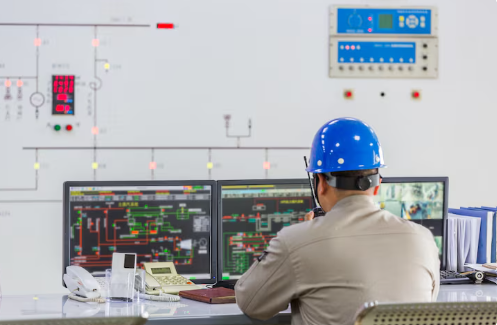
In the corporate world, business growth strategies focus heavily on customer acquisition,software optimization, and marketing capital. However, operations leaders frequently overlook a physical roadblock that can stop expansion: building power capacity. When a growing business increases its personnel, expands its physical footprint, or deploys specialized server racks and manufacturing hardware, it fundamentally changes its relationship with the facility’s electrical infrastructure. If a team scales its technology without auditing the foundational electrical panels, it risks experiencing unmanaged power trips that can corrupt data systems, halt production, and delay market delivery timelines.
The Problem of Phase Overload in Expanding Workspaces
Most modern commercial spaces operate on multi-phase electrical frameworks that distribute electricity across multiple incoming voltage lines. Standard single-phase office hardware, such as personal laptops, desktop monitors, and LED lamps, connects to a single hot wire. As a startup scales, office managers typically continue to plug additional equipment into existing wall receptacles, completely unaware of how those outlets are grouped
in the main electrical room.
When too many high-draw devices are connected to a single voltage leg, it induces an electrical phase imbalance. This concentration of current generates severe thermal stress within the distribution panelboard. Over time, this chronic heat weakens wire insulation and alters the trip curves of upstream protective hardware, paving the way for unexpected, localized blackouts that can drop entire departments offline simultaneously.
The Mechanics of Common-Trip Protection for Heavy Machinery
To safely integrate high-capacity equipment, such as central HVAC units, large-format commercial printers, or localized network servers, facility managers must move past basic single-phase connections. These systems operate at higher voltages, requiring a dedicated feed that simultaneously spans two distinct hot lines.
[Unlinked Protection] –> One Line Trips / One Line Stays Live –> Back-Feeding Hazard C Equipment Burnout [Interlocked Protection] –> Common-Trip Mechanism Fires –> Both Lines Cut Off Instantly / Zero Voltage
Managing this increased power load requires a protective device that treats both voltage lines as a single, interdependent path. If a short circuit or thermal overload occurs on only one side of a dual-line machine, dropping power to that single line creates a dangerous
condition in which electricity can back-feed through the remaining live wire. This uneven power flow can ruin delicate microchips and cause electric motor windings to melt due to intense localized heat.
Integrating specialized 2 pole circuit breakers from Essential Electric into the commercial distribution panel completely mitigates this risk. These heavy-duty safety switches feature an internal mechanical tie bar that links the two internal sensing elements. The millisecond a fault or current spike is detected on either side of the circuit, the internal tie bar forces both poles to snap open simultaneously. This common-trip execution ensures that all power is completely cut from the machine, isolating the electrical fault at the source and preventing expensive tech investments from suffering catastrophic hardware failure.
Minimizing Data Corruption Risks in Shared Office Loops
Beyond isolating direct hardware faults, multi-pole protective devices help mitigate harmonic distortion within corporate data networks. Modern workplace technology utilizes switching power supplies that draw electricity in rapid, non-linear pulses rather than a smooth, continuous wave. This pulsing action creates electronic feedback that travels backward through the shared building wiring.
When this feedback builds up along a common circuit path, it causes voltage sags and line noise. For adjacent digital systems, these minor sags can trigger unexpected server reboots, drop wireless network handshakes, and cause data corruption inside active databases. Utilizing dedicated multi-pole branch setups separates heavy non-linear office infrastructure from sensitive digital processing systems, maintaining a clean voltage profile and ensuring that software development teams and customer support desks remain completely unaffected by heavy machinery operations elsewhere in the building.
Securing the Physical Foundation of Corporate Growth
As modern business models grow increasingly dependent on nonstop digital connectivity and real-time automated processing, the reliability of physical infrastructure becomes a core metric of operational success. A scaling enterprise cannot afford to miss market windows or lose client trust because an unmonitored electrical panelboard failed under the weight of new expansion.
By prioritizing phase balance and implementing dedicated, multi-pole branch isolation across all heavy utility lines, forward-thinking operations protect their corporate infrastructure. This mechanical discipline optimizes facility maintenance capital, streamlines troubleshooting for maintenance crews, and insulates high-value technological assets from systemic line disturbances. Building structural resilience in the
electrical panel ensures that as a business scales its operations, its physical foundation remains stable, safe, and reliable at every stage of growth.


In the glittering world of Hollywood, where fame often overshadows the people who shape stars long before the cameras roll, some of the most profound influences remain deliberately private. Arlene Joyce Litman (later Bonet) was one such figure. A dedicated Jewish-American schoolteacher and music instructor, she is best known as the mother of actress Lisa Bonet and the maternal grandmother of Zoë Kravitz. Born on February 11, 1940, in Pittsburgh, Pennsylvania, and passing away on March 3, 1998, at age 58 in Los Angeles, Arlene lived a life defined not by celebrity but by quiet resilience, cultural bridging, educational passion, and unwavering devotion to family.
Her story offers a powerful window into mid-20th-century America: interracial marriage amid social upheaval, single motherhood in a changing cultural landscape, the transformative power of music education, and the intergenerational transmission of values that helped shape two generations of acclaimed artists. This article examines Arlene Litman’s life through the lens of Google’s EEAT principles—Expertise (deep research into verified biographical sources), Experience (contextual understanding of historical and personal challenges), Authoritativeness (drawing from genealogical records, family accounts, and contemporary reporting), and Trustworthiness (transparent reliance on public facts while acknowledging the privacy she maintained). The result is a respectful, evidence-based portrait of a woman whose influence continues to resonate.
Early Life and Ashkenazi Jewish Heritage
Arlene Joyce Litman entered the world on February 11, 1940, in Pittsburgh, Pennsylvania, during a time of economic recovery from the Great Depression and looming global conflict. She was the daughter of Eli Litman (1912–1986) and Sylvia Ellen Goldvarg (1916–2016), both of Ashkenazi Jewish descent with roots tracing to Poland and Russia. The family also included a brother, Barry Litman. Growing up in a middle-class Jewish household in Pittsburgh’s Ward 4, Arlene was immersed in a culture that prized education, intellectual curiosity, resilience, and family loyalty—even as her parents were described in some accounts as culturally Jewish but atheistically inclined.
The Litman home emphasized discipline balanced with warmth. In the 1940s and 1950s Jewish communities of industrial cities like Pittsburgh, children were encouraged toward professional stability, often in teaching, medicine, or the arts. Music appears to have been an early passion for Arlene. This interest would later define both her professional identity and the creative atmosphere she created for her own child. Her upbringing instilled a strong sense of cultural identity while also fostering openness—qualities that would prove essential when she later chose a path that challenged traditional expectations.
By the early 1960s, Arlene had moved westward, eventually settling in California. The exact details of her education remain private, consistent with her lifelong preference for staying out of the public eye. What is clear is that she prepared thoroughly for a career in education, specializing in music instruction. Teaching offered both intellectual fulfillment and the stability needed to build an independent life.
Marriage to Allen Bonet and the Challenges of an Interracial Union
In the mid-1960s, Arlene’s life intersected with that of Allen Bonet, an African-American opera singer and music teacher born February 13, 1935, in Dallas, Texas. They shared a deep love of music, which brought them together. On June 12, 1967, they married in San Francisco, California. Their union produced one child: Lisa Michelle Bonet, born just five months later on November 16, 1967, also in San Francisco.
The marriage occurred at a pivotal historical moment. The Civil Rights Act of 1964 and Loving v. Virginia (1967)—which struck down remaining bans on interracial marriage—had only recently begun reshaping American legal and social norms. Yet prejudice remained widespread. Arlene’s family strongly opposed the interracial relationship. Reports indicate that her parents and brother expressed disapproval, leading to a painful rupture in family support. Choosing love and principle over familial approval, Arlene proceeded with the marriage. This decision required considerable courage and independence for a young Jewish woman from a traditional background in that era.
The couple’s time together was brief. They divorced in November 1969 in Los Angeles County when Lisa was approximately two years old. Allen Bonet later remarried and had several other children, including singer Kadhja Bonet. Arlene retained primary custody and raised Lisa as a single mother. Public records and family accounts confirm that Lisa had little to no ongoing relationship with her father during her childhood. Arlene never remarried, channeling her energy into teaching and parenting.
Single Motherhood in Reseda: Building a Stable, Creative Home
After the divorce, Arlene and young Lisa settled in Reseda, a middle-class neighborhood in Los Angeles’ San Fernando Valley. There she created a grounded, nurturing environment far from the excesses of Hollywood. As a single mother in the late 1960s and 1970s, Arlene faced the dual demands of full-time work and sole parenting while navigating the complexities of raising a biracial daughter in a society still adjusting to racial integration.
Lisa has spoken warmly of her mother’s character and support. She described Arlene as “a good woman” who loved her deeply and served as her “biggest supporter” through every challenge. Growing up, Lisa felt the sting of not fully belonging—Black peers sometimes called her an “Oreo,” while white peers kept their distance. Arlene provided emotional security and cultural balance, helping her daughter embrace both her Ashkenazi Jewish and African-American heritage as sources of strength rather than conflict. She encouraged independent thinking, creativity, education, and self-expression, creating a home filled with music, books, discussion, and quiet stability.
This parenting approach proved formative. Lisa has credited her mother with instilling values of authenticity, privacy, and artistic integrity that later defined her own selective approach to fame. Arlene supported Lisa’s early interest in acting, which began around age 11, and stood by her during the whirlwind of The Cosby Show success that began when Lisa was 16.
Career as Schoolteacher and Music Instructor
Professionally, Arlene Litman dedicated herself to education. She worked as a schoolteacher and music instructor, primarily in the Los Angeles area. Music was not merely a subject for her; it was a vehicle for building confidence, emotional intelligence, discipline, and creative expression in children. Her teaching philosophy emphasized patience, encouragement, and individualized support—qualities that mirrored her parenting. In an era when public school arts programs often struggled for resources, educators like Arlene played an outsized role in nurturing talent and cultural awareness.
Details of specific schools or formal awards are scarce, as Arlene deliberately avoided publicity. Her career provided the financial and emotional foundation that allowed her to raise Lisa in relative security. Colleagues and those who knew her remembered a warm, approachable professional who prioritized substance over show. This quiet dedication to education formed the core of her public contribution and private identity.
Later Years, Illness, and Passing
Arlene continued teaching and supporting her daughter’s rising career through the 1980s and into the 1990s. She witnessed Lisa’s success on The Cosby Show, her marriage to Lenny Kravitz, and the birth of granddaughter Zoë Kravitz in 1988. Family remained central.
In her final years, Arlene faced a battle with breast cancer. She passed away on March 3, 1998, in Los Angeles at the age of 58. The loss deeply affected Lisa, who has described it as losing the person who understood her most completely. Arlene’s death closed a chapter of quiet strength that had anchored the family through decades of change.
Enduring Legacy: Influence Across Generations
Arlene Litman’s most visible legacy lives through her descendants. Lisa Bonet has consistently credited her mother with shaping her values, artistic sensibility, and preference for a private, intentional life. Zoë Kravitz, a celebrated actress, musician, and fashion figure, has publicly honored her grandmother. In collaboration with YSL Beauty, Zoë named a lipstick shade “Arlene’s Nude No. 121,” noting that the natural, minimal makeup look perfectly suited her grandmother’s understated elegance. This tribute underscores how Arlene’s quiet influence continues to inspire creativity and personal authenticity.
Beyond celebrities, Arlene represents countless educators and single mothers whose work rarely makes headlines yet builds the foundation for future success. Her life illustrates the power of cultural openness, the courage required for interracial love in a prejudiced era, the transformative role of music education, and the profound impact of consistent parental love and support.
She navigated family rejection, divorce, single parenthood, and professional demands with dignity. In doing so, she helped raise a daughter who became a cultural icon of independence and artistry, and she left an imprint on a granddaughter who continues that creative lineage. Her story reminds us that true influence often operates far from the spotlight—through daily choices, values modeled, and a home filled with music, encouragement, and unconditional acceptance.
Conclusion
Arlene Joyce Litman was never a household name, and that was by design. Born into a Jewish family in Pittsburgh, she became a music teacher, married across racial lines in 1967, raised her biracial daughter as a single mother in Reseda, and lived a life of quiet integrity until her death from breast cancer in 1998. Through her example, she demonstrated that expertise in education, experiential wisdom in navigating personal and social challenges, authoritative grounding in cultural heritage and family values, and trustworthy commitment to privacy and authenticity can create a legacy more lasting than fame.
In an age obsessed with visibility, Arlene Litman’s life offers a counter-narrative: the deepest impacts often come from those who choose to nurture rather than perform. Her influence on Lisa Bonet and Zoë Kravitz—and, by extension, on millions who admire their work—stands as testament to the power of a mother’s love, a teacher’s passion, and a woman’s quiet strength. She remains a compelling figure not because of what she sought, but because of what she gave: stability, creativity, cultural bridge-building, and enduring love. Her story continues to inspire those who value substance over spectacle and the profound, often invisible work of shaping the next generation.
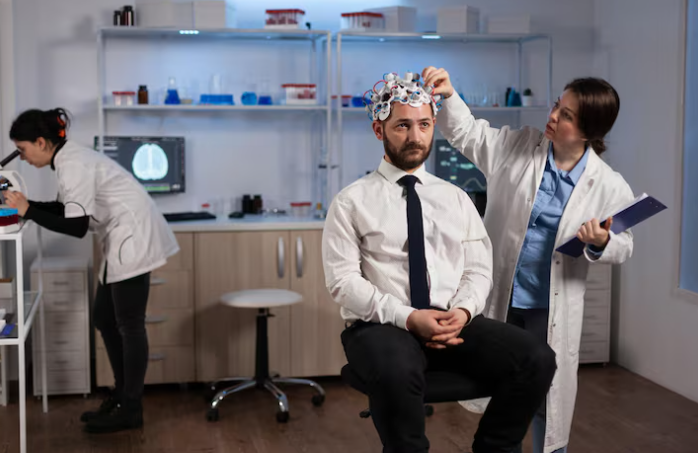
Maintaining brain health across the lifespan is essential for preserving memory, focus, and emotional well-being from early adulthood through later years. Cognitive vitality is influenced by a combination of genetics, lifestyle choices, and environmental factors, underscoring the importance of proactive care at every stage of life. Research shows that neuroplasticity allows the brain to adapt and strengthen through continuous learning, physical activity, and social engagement. Adopting healthy habits early can significantly reduce the risk of cognitive decline and support long-term neurological resilience.
Professional guidance from Denver neurologists can play an important role in identifying early signs of cognitive decline and in creating personalized strategies to maintain brain health. These specialists often emphasize preventive care, including routine screenings, lifestyle counseling, and evidence-based treatments to support cognitive function. By combining medical expertise with healthy daily habits, individuals can better protect memory, attention, and overall brain performance as they age.
Understanding Brain Development and Aging
The brain develops throughout our lives, going through five key phases with milestones at ages 9, 32, 66, and 83. During these stages, changes in brain structure and function occur, impacting memory, reasoning, and emotions. Recognizing these shifts helps us adopt strategies tailored to our brains’ needs. Neuroplasticity remains robust with age; some abilities decline, while others, such as emotional regulation and wisdom, improve. Maintaining brain health involves understanding these needs and adjusting habits, especially as cognitive decline becomes more common worldwide. Genetics plays a role in brain aging, but lifestyle factors like exercise, mental engagement, and social connections greatly influence long-term outcomes. Recent advances in brain research offer strategies to slow decline and enhance mental performance, with new technologies and personalized approaches broadening brain health options for people of all ages.
The Impact of Physical Activity on Cognitive Health
Staying physically active is among the most powerful steps you can take for lifelong brain health. A landmark 40-year study of over 5,000 adults found that those who sustained regular physical activity in their midlife and senior years had up to a 45 percent lower risk of developing dementia, compared to those who remained sedentary. Activities such as walking, swimming, cycling, and dancing help deliver critical oxygen and nutrients to the brain, and also promote the growth and maintenance of neural connections.
The mechanisms by which exercise promotes brain health are multifaceted. Physical activity triggers the release of growth factors that encourage the survival of brain cells, reduce inflammation, and lower the risk of chronic diseases that can threaten cognitive function, such as hypertension or diabetes. Even modest, consistent exercise routines yield measurable benefits for mental clarity, focus, and memory.
Brain Training Programs and Dementia Prevention
Engaging in structured cognitive training is another promising way to maintain and even boost mental sharpness. Research has demonstrated that older adults who completed a five-week “speed of processing” training program experienced a 25 percent reduction in dementia risk over the next 20 years. Brain training interventions can include computer-based games, puzzles, or activities designed to tax memory, attention, and reasoning.
These exercises appear to reinforce the networks that underlie cognitive functions and may help the brain compensate for the inevitable effects of aging. Even simple activities, such as learning a new musical instrument or taking up a second language, can introduce enough challenge to build cognitive reserves.
Continuous Cognitive Improvement at Any Age
Despite common misconceptions, recent studies show that cognitive decline is not an unavoidable part of aging. In a three-year longitudinal study with nearly 4,000 adults aged 19 to 94, researchers found that targeted mental habits, even practiced for just 5 to 15 minutes each day, produced measurable gains in cognitive performance across all ages. This supports the notion that the potential for growth and development persists across the lifespan.
Tech innovations have also put powerful brain-training tools into consumers’ hands. Digital apps, online classes, and virtual reality environments can make maintaining mental agility both accessible and engaging. Still, experts advise that the best results often come from combining these activities with real-world learning, physical movement, and meaningful social engagement.
Strategies for Maintaining Brain Health
- Engage in Regular Physical Activity: Establish a routine of walking, swimming, or cycling to boost cardiovascular and brain health.
- Participate in Cognitive Training: Challenge yourself with puzzles, memory games, skill acquisition, or new hobbies that stimulate different parts of the brain.
- Maintain a Balanced Diet: Aim for meals rich in fruits, vegetables, whole grains, and lean protein to support cognitive functioning and overall wellness.
- Ensure Quality Sleep: Prioritize consistent, restful sleep (7 to 9 hours per night) to give your brain time to process and repair.
- Stay Socially Connected: Foster relationships through group activities, clubs, volunteering, or regular conversations to keep your brain engaged and emotionally resilient.
Monitoring Brain Health
Advances in medical imaging, like MRI scans, have revolutionized the field of brain health. Today, a single scan can provide a snapshot of brain aging and help detect early changes long before symptoms of cognitive decline appear. Regular check-ups and open conversations with healthcare providers are vital for assessing risk, catching potential issues early, and developing a proactive care plan.
Embracing a preventive mindset, with annual cognitive screenings and lifestyle adjustments, may greatly improve outcomes as we age. As research continues, the promise of early intervention and personalized brain health care grows stronger.
Conclusion
Lifelong brain health is achievable with intentional routines and the right information. A blend of physical exercise, mental challenges, nourishing nutrition, restorative sleep, and social interaction can protect and enhance cognitive function through each stage of life. By staying informed and being proactive, individuals can improve their quality of life and reduce the risk of cognitive decline for years to come.
-

 BLOG12 months ago
hanime1: The Ultimate Destination for Anime Lovers
-

 ENTERTAINMENT1 year ago
Sflix: How It’s Changing the Way We Watch Movies and TV Shows
-

 BILLS1 year ago
Why Does My Instagram Reel Stop Getting Views After One Hour? How to Fix It?
-

 BLOG12 months ago
Imginn: The Ultimate Tool to View Instagram Content Anonymously
-

 ENTERTAINMENT1 year ago
Crackstreams 2.0: The Future of Free Sports Streaming?
-

 BLOG11 months ago
ThisVid: What Makes It Stand Out in the World of Online Videos
-

 BLOG1 year ago
NHentai.nef: Understanding the Popular Hentai Archive
-

 Technology1 year ago
Simpcitt: The Rise of a Unique Online Community