
BLOG
6 Essential Sustainable Home Upgrades to Slash Your Energy Bills

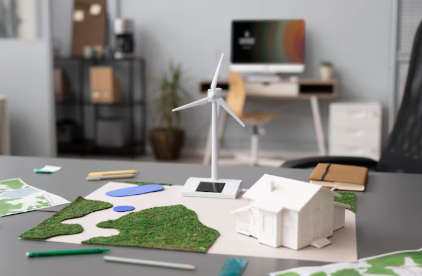
The shift toward sustainable living is now driven by two crucial factors: environmental necessity and financial prudence. Rising utility costs make energy efficiency a paramount concern for homeowners everywhere, as global temperatures fluctuate and resource demand increases. Fortunately, modern technology and building science offer practical, impactful upgrades that not only reduce your household’s carbon footprint but also lead to substantial, long-term savings on your monthly energy and water expenses.
Transforming your property into an eco-friendly sanctuary does not require a complete overhaul; strategic, intentional improvements can yield the most significant results. By focusing on key areas of resource consumption and property resilience, you can create a more durable, comfortable, and cost-effective living space.
1. Optimized Insulation and Comprehensive Air Sealing
A Foundation for Efficiency
One of the greatest sources of wasted energy in any property is the continuous escape of conditioned air. Whether you are running the furnace in winter or the air conditioner in summer, poor insulation and unnoticed gaps force your heating, ventilation, and air conditioning (HVAC) system to work constantly to maintain a steady temperature. This excess work directly translates into higher bills and premature wear on mechanical components. The solution begins in two places: the attic and the perimeter.
Adding layers of thermal protection to your attic, walls, and crawl spaces prevents significant thermal transfer. Common materials like cellulose, fiberglass, or sheep’s wool can be utilized to trap treated air where it belongs. Following this, conduct a thorough inspection for air leaks around doors, windows, utility penetrations, and vents. Inexpensive materials like weatherstripping and caulk are effective at sealing these minor breaches, which collectively account for substantial energy loss. A properly sealed and insulated dwelling requires far less energy, making this investment one of the most cost-effective green upgrades available.
2. Upgrading to High-Performance Windows and Doors
Stopping Heat Transfer
Old, single-pane windows and inefficient exterior doors are notorious culprits for energy inefficiency. They allow heat to seep out in cold weather and radiate inward during warmer months, undermining the efforts of your HVAC system. The investment in high-performance replacements offers immediate and long-term benefits to both comfort and property value.
Look for windows featuring double or triple-pane construction, often coupled with inert gas fills for superior thermal performance. Furthermore, advanced low-emissivity (low-E) coatings are designed to reflect infrared light, blocking undesirable solar heat gain and harmful UV rays while still allowing natural light to enter. By minimizing heat transfer, energy-efficient windows and doors significantly reduce your dependence on mechanical heating and cooling, leading to lower monthly costs and a more consistent interior climate.
3. Implementing Smart Climate Control
Automating Temperature Management
Heating and cooling systems typically consume the largest share of household energy, often exceeding fifty percent of total usage. A simple manual thermostat can easily lead to wasted electricity or gas if the system runs unnecessarily while the house is empty. Smart thermostats offer an intelligent remedy by automating temperature adjustments based on your actual routine.
These devices learn your daily schedule and temperature preferences over time, automatically setting back the climate when you are away and ensuring the house is comfortable precisely when you return. Many models offer remote control access via a smartphone application, allowing for real-time adjustments and performance monitoring through detailed energy reports. This optimization prevents the costly mistake of conditioning unused spaces and can typically shave 10 to 15 percent off annual heating and cooling expenses.
4. Switching to Energy-Saving Lighting Systems
Reducing the Smallest Loads
While individual light bulbs may seem like minor energy consumers, the cumulative effect of traditional lighting accounts for roughly 10 percent of a home’s total power usage. Transitioning your lighting to Light-Emitting Diode (LED) technology is one of the easiest and most affordable steps toward sustainability, yielding immediate energy savings.
LED bulbs utilize a fraction of the electricity required by outdated incandescent bulbs, often reducing consumption by up to 90 percent. Conventional bulbs often lose the vast majority of their power as heat, which can inadvertently increase cooling loads in the summer months. LED technology produces very little heat and offers a vastly superior lifespan, which minimizes replacement costs and environmental waste. For enhanced control and further reduction in usage, these systems can be integrated with motion sensors or smart lighting systems, ensuring that lights are only illuminated when they are actively needed.
5. Investing in Renewable Power Generation
Harnessing the Sun for True Independence
Generating your own electricity is the most transformative upgrade for achieving long-term energy independence and minimizing your carbon footprint. Residential solar panel installations capture the sun’s abundant energy, drastically reducing or even eliminating your need for utility-supplied power generated by fossil fuels.
Although the initial expenditure for photovoltaic systems is significant, the decreasing costs of technology, coupled with federal tax incentives and local rebates, make the overall proposition highly appealing. Over time, these systems pay for themselves through considerable utility bill reductions and protection from future energy price hikes. The power generated can be immediately consumed by the household, fed back into the grid for credits, or stored locally. Having a solar battery backup system ensures continuous electricity supply during grid outages, offering reliability alongside environmental benefits.
6. Integrating Water Conservation and High-Efficiency Appliances
Saving Resources Indoors
Sustainable practices must extend beyond electricity to encompass water usage, as heating water is a major source of residential energy consumption. Installing low-flow water fixtures is a vital step in resource conservation. Modern low-flow showerheads, faucets, and toilets are engineered to maintain comfortable pressure and performance while cutting actual water volume by up to fifty percent. This directly lowers your water utility bills while also reducing the energy needed for hot water heaters.
Furthermore, replacing outdated major appliances with certified high-efficiency models yields substantial savings. These energy-efficient refrigerators, washing machines, and dishwashers are designed to use significantly less electricity and water than conventional versions, making them dual-purpose upgrades. For water heating, considering a tankless water heater can further improve efficiency by only heating water when it is needed rather than maintaining a large reservoir of hot water. While the upfront cost may be higher, the long-term compounding savings on both water and power solidify their value as essential sustainable enhancements.
Starting Your Efficiency Journey
Committing to a greener home is a highly rewarding process that strengthens your finances and secures a better environmental outcome for future generations. These six categories of sustainable home upgrades address the primary areas of resource consumption. You do not need to implement every change immediately; small, intentional adjustments often yield the most significant long-term results.
The best way to begin is by identifying the areas of greatest waste through a professional or DIY home energy audit. This assessment provides a clear roadmap, allowing you to prioritize the upgrades that offer the quickest return on investment. By taking informed action and adopting sustainable habits, you can build a more comfortable, resilient, and highly efficient living space that benefits both your wallet and the planet.

Losing a loved one is never easy. During such a difficult time, families must make many important decisions while dealing with grief. One option that many people in Winchester are choosing is direct cremation. It is a simple, affordable, and respectful way to handle final arrangements without the stress of planning a traditional funeral.
If you are considering direct cremation for yourself or a family member, it helps to understand how it works, what it includes, and why it may be the right choice for your family. For Winchester families considering a simple and meaningful alternative to a traditional funeral, direct cremation offers a straightforward option that allows loved ones to focus on honoring and remembering the person they lost. https://www.directcremationservicesofvirginia.com/services/cremation
What Is Direct Cremation?
Direct cremation is the simplest type of cremation service. After a person passes away, they are respectfully cared for and taken directly to the crematory. Unlike at a traditional funeral, there is no viewing, visitation, or funeral ceremony before the cremation.
Once the cremation is complete, the ashes are returned to the family in an urn or another selected container. Families can then decide how and when they would like to remember their loved one.
Many people appreciate this flexibility because it allows them to plan a memorial service at a later date without feeling rushed.
Why Many Winchester Families Choose Direct Cremation
There are many reasons why direct cremation has become a popular choice.
One of the biggest reasons is affordability. Traditional funerals often include costs for embalming, a casket, a viewing, funeral transportation, and a ceremony. Direct cremation removes many of these expenses while still providing respectful care.
Another reason is simplicity. Families who do not wish to organize a large funeral can avoid many of the decisions that often come with traditional services.
Some families also prefer a private farewell instead of a formal ceremony. They may choose to gather at home, in a favorite park, or another meaningful location to celebrate their loved one’s life.
What Is Included in a Direct Cremation Service?
Although services may vary between providers, direct cremation usually includes several important steps.
These commonly include:
- Transportation of the deceased into professional care
- Completion of required paperwork
- Registration of the death
- Obtaining the necessary permits
- Care of the deceased before cremation
- The cremation itself
- Returning the ashes to the family
Many providers also help families understand the paperwork and answer questions throughout the process. This support can make a difficult time feel a little less overwhelming.
Is Direct Cremation Respectful?
Some people worry that choosing a lower-cost option means giving up dignity or respect. This is not the case.
Professional cremation providers follow strict procedures to ensure every individual is treated with care throughout the entire process. Identification checks are performed before, during, and after cremation to ensure accuracy and peace of mind.
Respect and compassion remain a priority, regardless of the type of service a family chooses.
Can You Still Have a Memorial Service?
Yes. One of the greatest benefits of direct cremation is that families are free to hold a memorial whenever they feel ready.
Instead of planning everything within a few days, families can take time to organize a meaningful gathering that truly reflects the person’s life.
Some families choose to hold a memorial at home with close relatives and friends. Others rent a community hall, gather at a church, or meet at a favorite outdoor location.
You can include photographs, music, videos, readings, or personal stories to create a unique tribute that celebrates your loved one’s memory.
What Happens to the Ashes?
After cremation, the ashes are returned to the family.
There are many ways families choose to honor their loved one. Some keep the urn at home in a special place. Others place the urn in a cemetery or columbarium.
There is no single right choice. Families should select the option that brings them the greatest comfort.
Is Direct Cremation Right for Everyone?
Direct cremation is a good option for many families, but every situation is different.
It may be the right choice if you:
- Prefer a simple and private farewell
- Want to reduce funeral expenses
- Plan to hold a memorial later
- Do not want a traditional viewing
- Value flexibility when planning a celebration of life
However, some families find comfort in a traditional funeral service with a viewing before burial or cremation. Religious beliefs, cultural traditions, and personal preferences all play an important role in making this decision.
The best choice is the one that meets your family’s needs and honors your loved one’s wishes.
Planning Can Make Things Easier
Many people today choose to arrange direct cremation in advance.
Preplanning allows individuals to make their own decisions instead of leaving difficult choices to family members. It also gives loved ones clear guidance during an emotional time.
Planning may also help families better understand the expected costs and avoid unexpected financial stress later.
Having these arrangements in place often provides reassurance for everyone involved.
Questions to Ask a Direct Cremation Provider
Before choosing a provider, it is helpful to ask a few important questions.
You may want to know:
- What services are included in the price?
- Are there any additional fees?
- How long does the process usually take?
- How are the ashes returned?
- What support is available for paperwork?
- Are memorial options available if we want one later?
A trustworthy provider will answer your questions clearly and explain each step of the process without pressure.
Supporting Your Family Through Grief
Even when choosing a simple cremation, grieving takes time. Every person experiences loss differently.
Some family members may find comfort by sharing memories, looking through photographs, writing letters, or creating a memory book. Others may benefit from joining a grief support group or speaking with a counselor.
There is no right or wrong way to grieve. Giving yourself and your family time to heal is one of the most important parts of the journey.
Final Thoughts
By understanding how direct cremation works, what services are included, and the options available afterward, families can make informed decisions with greater confidence. Whether you are planning or arranging services after the passing of a loved one, choosing a compassionate provider can help make the process easier and provide peace of mind during a difficult time.

In the rapidly evolving landscape of digital media, clear and compelling visuals have become essential for brands, businesses, and creators alike. The ability to produce professional-grade images is critical for standing out in a crowded marketplace. One significant advancement making this possible is background remover technology. By seamlessly removing unwanted backgrounds, creators can focus attention on the primary subject, resulting in images that are both striking and effective.
With the rise of social platforms and visual storytelling, audiences increasingly expect content that appears polished and clutter-free. Background removal has emerged as a game-changing tool that simplifies image editing without sacrificing quality. Whether producing product shots for an online store or enhancing personal branding on social media, this process strengthens visual impact across diverse channels.
As background removal tools become more accessible and advanced, their adoption is spreading beyond professional designers. Small businesses, marketers, and individual creators are harnessing AI-driven solutions to edit images swiftly and effortlessly. This democratization of image editing empowers anyone to create industry-standard visuals, regardless of technical expertise.
Every major industry that relies on engaging imagery is reaping the benefits of streamlined background removal workflows. From e-commerce and marketing to digital publishing and influencer content, this technology is reshaping how visual assets are crafted and shared.
The Importance of Background Removal
Visual content has become a fundamental aspect of digital communication. A strong image can make a product more appealing, a brand more recognizable, and a message more memorable. However, a cluttered or irrelevant background can distract viewers and diminish the effectiveness of the content. By strategically removing backgrounds, creators draw attention to the most important elements, improving both focus and impact.
This technique is especially vital in product photography and portraiture, where isolating the subject enables greater creative control. Brands can present products against uniform backgrounds, making it easier for shoppers to see key details and minimizing distractions. In portrait and profile photos, background removal ensures viewers’ eyes are drawn to the subject, helping create a memorable first impression.
For more on the impact of clean visual presentation, see this Forbes analysis of visual content.
Integration of AI in Background Removal
Artificial intelligence has revolutionized background removal. Previously, manual efforts with tools like Photoshop could take hours and required specialized skills. Today, AI-powered background-removal tools automatically identify and isolate subjects with remarkable accuracy, even handling intricate details like hair and semi-transparent objects.
One powerful example is Adobe’s Firefly AI-powered Generative Remove feature in Lightroom, which lets users remove complex elements from their photos with just a few clicks. Innovations like this have made professional image editing accessible to users of all backgrounds, streamlining workflows and opening the door to creative experimentation. You can learn more about Adobe’s AI photo editing tools in this article from The Verge.
Applications Across Industries
From online retail to digital marketing and beyond, background removal is now a critical tool across a variety of sectors:
- E-commerce: Online sellers rely on crisp, uniform product images to showcase their offerings and drive conversions. Clean backgrounds enhance product visibility and can increase shoppers’ trust and engagement.
- Marketing: Campaigns with consistent visuals reinforce brand identity and facilitate cross-platform promotion. Marketing teams can quickly adapt creative assets to different formats using background-removal tools.
- Social Media: Content creators and influencers are producing more visually stunning posts by replacing ordinary backgrounds with stylized, on-brand settings. This approach helps establish a cohesive feed and sets content apart from everyday snapshots.
Best Practices for Effective Background Removal
Ensuring polished results with background removal requires attention to detail and consistency. Here are several best practices to achieve professional-quality outcomes:
- Start with high-resolution original images to maintain sharpness and avoid blurry edges after editing.
- Select background remover tools that offer both automatic and manual fine-tuning options for precise control.
- Maintain a consistent background style across multiple images to reinforce branding and create a unified visual experience.
- Carefully review the final output for stray pixels or artifacts, especially around intricate edges such as hair or transparent objects.
Future Trends in Background Removal Technology
The future of background removal is poised for further innovation as AI models become even more sophisticated. Key trends to watch include:
- Enhanced AI algorithms that can process images faster and handle greater complexity, including video content and live editing.
- Integration with augmented reality (AR) and virtual reality (VR), allowing for immersive experiences and real-time compositing of users into digital environments.
- Development of intuitive mobile apps that bring advanced editing power to users directly on their smartphones, enabling high-quality results anywhere, anytime.
Conclusion
With AI-powered background-removal solutions, visual content creators have never been better equipped to produce professional, attention-grabbing images. As technology advances, the process will become even more efficient and accessible, supporting brand storytelling and communication across every digital channel. By implementing modern background-removal practices and leveraging innovations as they arise, creators and businesses can ensure their content remains impactful and relevant in the digital age.

Transforming your California yard into a sustainable oasis offers more than just aesthetic value. By embracing eco-friendly landscaping, you can conserve water, nurture local wildlife, and ensure your space thrives in California’s unique environment. Even specialized services such as a fish pond cleaning service can become part of your sustainable routine, ensuring water features are clean and healthy for both people and wildlife. With climate challenges and increasing water restrictions, creating a landscape that is sensitive to these needs is essential. Homeowners seeking vibrant and resilient gardens can use these practical strategies to enhance their curb appeal while championing eco-conscious living. Understanding your yard’s conditions and local ecosystem will help you select the right plants, materials, and features that flourish with minimal resource input.
Choose Native Plants
Native California plants have adapted to the state’s climate and soil through centuries of evolution. By choosing flora like manzanita, California poppies, and coastal sagebrush, your yard will require less watering and maintenance. These plants naturally attract pollinators and native wildlife, enhancing local ecological health. State publications such as the California Landscape Management Guidelines provide comprehensive advice for selecting and caring for native plants.
Implement Drought-Tolerant Designs
Water-wise landscaping is now a necessity for California homeowners. Drought-tolerant designs leverage gravel gardens, succulents, and native ornamental grasses to minimize irrigation requirements and preserve precious water. For instance, actor Colman Domingo’s outdoor space shows how a lawn can be replaced with gravel and resilient plants for a beautiful and practical retreat, as highlighted in this Homes & Gardens article.
Incorporate Fire-Resistant Landscaping
California’s wildfire risk means landscaping should protect your property as well as beautify it. Create defensible zones around structures by removing flammable materials within at least five feet, spacing trees strategically, and installing hardscape barriers. The Los Angeles Times discusses California’s evolving ‘Zone Zero’ rules, which guide the critical first steps in fireproof landscape planning.
Utilize Permeable Materials
Traditional hardscapes like concrete often lead to rainwater runoff and erosion. By switching to permeable materials such as decomposed granite, gravel paths, or specially designed pavers, you allow rain to recharge groundwater naturally. This approach not only benefits your plants but also reduces the risk of flooding and erosion during heavy California rains.
Install Efficient Irrigation Systems
Efficient irrigation is at the heart of sustainable landscaping. Drip irrigation systems apply water directly to plant roots, significantly reducing waste from evaporation and runoff. Pairing these systems with weather-sensitive smart controllers ensures plants receive optimal hydration while conserving water. This combination can reduce residential water usage by more than 50 percent, making it one of the most effective water-saving upgrades.
Create Wildlife-Friendly Habitats
Including habitat features in your yard supports pollinators and small local animals. Integrate a variety of blooming plants to attract bees, butterflies, and birds. Add water features with clean, fresh water and avoid synthetic pesticides. These practices help sustain a balanced garden ecosystem and foster biodiversity, which is essential for healthy landscapes and food webs.
Maintain Healthy Soil
The base of any thriving landscape is its soil. Enrich your planting beds with organic matter like compost to improve water retention and enhance soil structure. Apply mulch thickly around your plants to insulate roots, suppress weeds, and minimize moisture loss. Thorough guidelines are available in California’s official resources and by consulting horticultural experts at local extension offices.
Embrace Seasonal Maintenance
Adapting your maintenance routines to the changing seasons helps keep your sustainable landscape healthy and vibrant. Prune plants at the right time for growth and shape; refresh mulch before summer for moisture retention; and update irrigation schedules as weather changes. Seasonal color in flowerbeds or a tidy mulch layer also enhances curb appeal, which can benefit resale value, according to Positive Bloom.
Reduce Lawn Area
Traditional lawns require frequent watering, mowing, and chemical treatments, practices that are increasingly unsustainable in California. Reducing lawn area or even replacing it entirely can result in significant water savings and less maintenance. Alternatives such as no-mow groundcovers, meadow plantings, or patio extensions allow you to design a functional, attractive yard while minimizing your ecological footprint. Many cities offer rebates for lawn removal programs, providing both environmental and financial incentives for homeowners willing to make the switch.
Reuse and Recycle Garden Materials
Incorporate sustainability into every part of your landscape by choosing recycled or upcycled materials for pathways, planters, and garden structures. Reusing flagstones, bricks, or lumber reduces landfill waste and adds character to your garden. Composting yard trimmings and plant waste turns what would be landfill material into valuable nutrients, helping create a closed-loop system within your yard. For furniture or décor, check local salvage yards or swap groups to find unique, sustainable items.
Plan for Edible Gardens
Growing your own food is a powerful way to increase yard sustainability and resilience. Whether you dedicate a small raised bed or intersperse edible plants such as herbs, vegetables, or fruit trees within your landscape, you’ll reduce your reliance on store-bought produce and lower your carbon footprint. Choose varieties adapted to the local climate, and integrate companion planting techniques to naturally deter pests and improve yields. Rain barrels or greywater systems can be used for watering, further closing your garden’s resource loops. Conscious decisions about plant choices, watering methods, and seasonal care can turn any California yard into a beautiful, resource-saving retreat. These sustainable landscaping solutions allow homeowners to nurture nature while providing a functional and inviting outdoor living space. By going beyond the basics, integrating low-water lawns, recycled materials, and edible gardens, you set the stage for a lush, resilient, and eco-friendly future for your home and the planet.
-

 BLOG12 months ago
hanime1: The Ultimate Destination for Anime Lovers
-

 ENTERTAINMENT1 year ago
Sflix: How It’s Changing the Way We Watch Movies and TV Shows
-

 BILLS1 year ago
Why Does My Instagram Reel Stop Getting Views After One Hour? How to Fix It?
-

 BLOG1 year ago
Imginn: The Ultimate Tool to View Instagram Content Anonymously
-

 ENTERTAINMENT1 year ago
Crackstreams 2.0: The Future of Free Sports Streaming?
-

 BLOG11 months ago
ThisVid: What Makes It Stand Out in the World of Online Videos
-

 BLOG1 year ago
NHentai.nef: Understanding the Popular Hentai Archive
-

 Technology1 year ago
Simpcitt: The Rise of a Unique Online Community