
BLOG
The 10-Minute Movement Break Trend Taking Over Home Offices


Working from home removed the commute for many people, but it also removed dozens of small movements that once happened automatically. Walking to a meeting room, crossing a parking lot, taking stairs, or stepping out for lunch can disappear when the office is only a few feet from the kitchen.
That is one reason short movement breaks have become so appealing. They do not require a full workout, a change of location, or a complicated plan. Ten minutes can be enough to stand up, change position, move several joints, and return to work feeling less stuck in the chair. The idea is simple: instead of waiting for the perfect hour to exercise, use small windows that already exist.
The 10-Minute Break Is Not Trying to Replace Your Workout
A movement break and a complete training session serve different purposes. A structured workout may develop strength, cardiovascular fitness, skill, or endurance over time. A short break is mainly a way to interrupt long periods of sitting and add more movement to a desk-heavy day.
Research on office workers supports the broader idea of breaking up sedentary time. Studies have tested brief standing, walking, pedaling, and active-break routines during the workday, with some showing reductions in uninterrupted sitting and increases in activity. That does not mean every ten-minute routine produces the same result, but it gives the trend a more useful foundation than a social-media challenge.
The practical advantage is that a short break feels easier to start. There is no need to promise yourself a hard session after work. You simply decide what kind of movement fits the next ten minutes.
Match the Break to What Your Body Has Been Doing
The best movement break often depends on the position you have been holding. After several video calls, standing and walking may feel more useful than immediately sitting on another piece of equipment. After typing for hours, shoulder circles, gentle rows, or light pressing may provide a welcome change of position.
Video meetings are another useful cue. After a long call, stand before opening the next tab. Walk to another room, refill water, or perform a few controlled mobility movements. The break does not need equipment every time to count as useful movement.
If you have enough room for resistance work, an adjustable dumbbells set can make these short sessions more flexible because the same equipment can support several movements without requiring a long setup. The point is not to squeeze an entire strength program into ten minutes. It is to choose two or three exercises that fit the break and leave enough time to return to work without rushing.
Build Your Movement Break Around the Clock, Not Around Motivation
A home-office routine becomes easier when movement has a trigger. Waiting until you “feel like exercising” puts the break in competition with email, deadlines, and another cup of coffee. Linking it to something that already happens during the day makes the habit more predictable.
For example, you might move after the first long meeting, before lunch, or when you close a major task. Another option is to use a timer that reminds you to stand and decide whether the next break should be mobility, walking, or light strength work.
Morning Reset: Wake Up the Parts That Have Been Sitting Still
The first break of the day can be gentle. Walk around the room, perform controlled bodyweight squats, reach overhead, and rotate the upper back. If the workday started early, the goal is simply to move through comfortable ranges and increase activity before the next block of sitting.
Keep the pace calm enough that you can return to the desk without needing a shower or long recovery. A movement break should make the workday easier to manage, not create another scheduling problem.
Midday Reset: Add a Little More Strength
Around lunch, many people have enough time for a more deliberate mini-session. Choose a lower-body movement, an upper-body movement, and a short carry or core exercise. Reverse lunges, rows, controlled presses, and suitcase holds can work well when the room and equipment are appropriate.
A brisk walk may be the better choice if you have spent the entire morning indoors. The most effective break is not always the one involving the most equipment.
Create a Tiny Exercise Menu Instead of Inventing a New Routine Every Time
Decision fatigue can ruin a ten-minute break. If you spend half the time searching for a workout video or deciding what to do, the window closes quickly. A short menu of familiar options solves that problem.
Keep three categories available: movement-only, light strength, and walk-and-reset. Then choose based on clothing, energy, space, and how much concentration the next work block will require.
A movement-only break might include marching, hip hinges, wall push-ups, calf raises, and shoulder mobility. A light-strength break can use a few controlled sets of squats, rows, or presses. A walk-and-reset break can simply mean leaving the desk, walking for several minutes, drinking water, and returning with a clearer transition between tasks.
Make the Equipment Easy to Reach but Hard to Trip Over
Home-office fitness equipment should be accessible without invading the workspace. If dumbbells are hidden behind boxes, they are less likely to be used. If they sit in the middle of a walkway, they create a different problem.
Keep cords, rolling chairs, pets, and loose objects away from the movement area. A clear floor is more important than having a large collection of gear.
The FED Fitness Flybird Series WB5 Adjustable Weight Bench can fit naturally into a home strength setup for people who want a consistent place for supported exercises. In a ten-minute movement-break routine, the bench does not need to become the center of every session. It can simply be one option for days when seated, supported, or pressing movements fit the plan.
Use Ten Minutes to Change Your State, Not to Prove Your Fitness
Short workday sessions become less useful when every break turns into a test. You do not need to finish breathless, chase a record, or squeeze in as much volume as possible before the timer ends.
Instead, decide what you want to feel different afterward. Maybe you want to be less stiff before an afternoon call. Maybe you want a brief strength stimulus. Maybe you need to leave the screen and walk outside. The purpose should guide the movement.
This approach also makes it easier to vary intensity across the week. One break can be relaxed mobility, another can include resistance, and another can be a walk. The variety keeps the habit practical without pretending that all movement breaks are identical workouts.
Save Heavier Training Decisions for a More Focused Session

A ten-minute break is not the best time to make rushed decisions about challenging resistance. If the goal is serious strength progression, use a separate session where you can warm up, select loads carefully, and give technique your full attention.
That is especially relevant for pressing exercises. Someone trying to determine an appropriate dumbbell chest press weight should focus on controlled repetitions, stable positioning, experience, and gradual progression rather than choosing a load simply because the work calendar allows only a few minutes.
Movement breaks can still support a strength routine by adding practice with lighter movements, encouraging consistency, and reducing the all-or-nothing feeling that exercise must happen in one long block.
Watch for the Signs That a Break Needs to Stay Easy
Poor sleep, illness, unusual soreness, dizziness, pain, or a stressful workday can change what is appropriate. A scheduled movement break does not require you to ignore how you feel.
Choose lower-intensity movement when needed, and stop an exercise that produces pain or instability. People managing medical conditions, rehabilitation, pregnancy, or other health concerns may need individualized guidance before adding new exercise. General movement advice cannot replace that assessment.
Turn the Home Office Back Into a Place Where Your Body Moves
The most interesting part of the ten-minute movement-break trend is not the exact number of minutes. It is the shift away from treating the workday as eight or more hours of sitting followed by one attempt to “make up for it” later.
Home workers can redesign the day so movement appears between tasks instead of only before or after work. A break after a meeting, a walk before lunch, and a few controlled strength movements in the afternoon can create several transitions away from the chair.
Start by choosing one dependable trigger tomorrow. Clear a small movement area, decide on three exercises before the workday begins, and keep the session simple enough to finish without disrupting your schedule. If that becomes easy to repeat, add another break later in the day.
The goal is not to turn the home office into a gym or every free minute into training. It is to stop treating movement as something that must wait until work is completely finished. Ten minutes can become a useful reset when it is planned, purposeful, and easy enough to do again.


The internet is constantly introducing new websites, digital brands, and technology-focused platforms. Aviyne.com is one of the names beginning to attract online curiosity, particularly among people interested in discovering emerging digital destinations. While established technology websites have already built strong identities, newer platforms have the opportunity to create something different by responding to changing user expectations and online habits.
As digital services continue to expand, a website’s identity can develop gradually. Its name, content, design, tools, and overall purpose all contribute to how visitors understand it. This makes emerging platforms interesting to watch, especially when their online presence begins generating searches and discussions.
What Is Aviyne.com?
Aviyne.com can be viewed as an emerging digital name within the broader technology and online-services space. Like many newer web properties, its identity can evolve as more content, features, and information become associated with the domain.
Technology hubs today are no longer limited to publishing software news. A modern platform may cover applications, digital tools, artificial intelligence, productivity, online services, gadgets, cybersecurity, or general internet trends. The flexibility of the web allows a single domain to develop in several directions depending on the needs of its audience.
For visitors discovering the name for the first time, the most important question is naturally what the platform offers. As its online presence develops, its content and features can provide a clearer picture of the direction it intends to take.
Why Aviyne.com Is Getting Online Attention
There are millions of websites competing for attention, so even a relatively unfamiliar domain can become noticeable when people repeatedly encounter its name in search results, links, social platforms, or online discussions.
One reason emerging technology websites attract attention is the rapid pace of change within the digital world. Users are always looking for new tools and resources that can make everyday tasks easier. From AI-powered applications to cloud services and productivity platforms, technology has become part of almost every aspect of modern life.
Aviyne.com fits into this broader environment of digital discovery. People searching for unfamiliar technology-related names may be interested in understanding what a platform does, whether it provides useful information, and how it compares with more established destinations.
Aviyne.com and the Changing Technology Landscape
Technology is no longer something reserved for specialists. Smartphones, artificial intelligence, streaming services, cloud storage, online banking, and digital communication have made technology relevant to almost everyone.
This shift has also changed what people expect from technology websites. Visitors generally want information that is easy to understand, quick to navigate, and genuinely useful. Complicated explanations can discourage casual readers, while clear and practical content can help a platform build a loyal audience.
An emerging website therefore has an opportunity to focus on accessibility. Instead of assuming that every visitor understands technical terminology, a successful technology hub can explain concepts in straightforward language and show readers how digital products or services can fit into everyday routines.
What Could Make Aviyne.com Useful?
The value of any online platform ultimately depends on what it gives its visitors. A memorable domain name may encourage people to explore a website, but useful content is what gives them a reason to return.
Potentially valuable areas for a technology-oriented platform include software guides, technology explanations, digital trends, product information, online tools, and practical tutorials. Readers may also appreciate comparisons that help them understand differences between competing services.
Another important factor is organization. A website with clearly defined categories and logical navigation makes it easier for visitors to locate information. Search functionality, readable layouts, mobile compatibility, and regularly updated content can further improve the user experience.
For Aviyne.com, continued development in these areas could help establish a stronger identity and make the platform easier for visitors to understand.
Aviyne.com and Digital Discovery
Search engines have fundamentally changed how people discover websites. Instead of remembering a website address, users often begin with a question or phrase and follow the results that appear.
This means unfamiliar domains can gradually become recognizable through repeated exposure. Someone might first encounter a website through an informational article, then return after seeing another page in search results. Over time, that repeated visibility can turn an unfamiliar name into a recognizable digital brand.
The process is especially relevant for technology websites because the industry produces new topics almost every day. Artificial intelligence developments, cybersecurity concerns, software updates, mobile technology, and online services create a constant demand for fresh information.
A platform that consistently addresses these interests has the potential to build stronger organic visibility.
The Importance of a Strong Online Identity
A website’s name is only one part of its identity. Branding also depends on visual presentation, editorial quality, consistency, and the experience visitors receive.
For Aviyne.com, developing a recognizable identity could involve maintaining consistent publishing standards and focusing on topics that provide genuine value. A clear editorial direction can help distinguish one technology platform from another, particularly in a crowded online environment.
Trust is equally important. Readers are more likely to return to websites that provide clear information, avoid unnecessary exaggeration, and present technology topics responsibly. Accuracy becomes especially important when discussing software, security, artificial intelligence, or rapidly changing digital products.
What the Future Could Hold for Aviyne.com
The future of an emerging website depends on how effectively it responds to its audience. Technology users are constantly changing their preferences, which means successful platforms need to remain flexible.
Artificial intelligence is likely to remain a major influence on online publishing and digital services. At the same time, users continue to care about privacy, cybersecurity, convenience, and reliable information. These trends create opportunities for technology-focused websites to provide practical guidance rather than simply reporting on new developments.
If Aviyne.com continues developing around useful technology content and a clear user experience, its online identity could become more recognizable over time. Consistency will likely be just as important as innovation.
Why People May Continue Searching for Aviyne.com
Curiosity is often the starting point for discovering an unfamiliar website. Once people encounter a new name, they may search for additional information to understand what it represents.
That curiosity can be valuable for an emerging digital platform. Every search creates an opportunity to introduce visitors to the site’s content, services, or broader purpose. However, converting curiosity into long-term interest requires more than a memorable domain.
A useful platform needs to answer visitors’ questions efficiently and give them a reason to explore beyond the first page they encounter. Helpful content, simple navigation, and an evolving technology focus can all contribute to that experience.
Final Thoughts on Aviyne.com
Aviyne.com represents the kind of emerging online name that reflects how quickly the technology landscape continues to expand. New platforms have opportunities to establish themselves by combining useful information, accessible presentation, and a clear understanding of what modern internet users want.
Although an unfamiliar website may take time to build recognition, consistent content and a strong user experience can gradually create a distinct identity. As technology continues influencing everyday life, platforms that make digital topics easier to understand may find increasing opportunities to attract and retain readers.
For now, the growing curiosity surrounding this name makes it an interesting digital property to watch. Its long-term significance will ultimately depend on how its content, services, and online presence develop.

The internet has a remarkable way of turning unfamiliar words into recognizable search terms. Xlecz is one such name that has begun attracting curiosity in online spaces. At first glance, it may look like a random combination of letters, but unusual terms often become interesting precisely because their meaning is not immediately obvious. As people encounter Xlecz through searches, websites, usernames, or digital references, questions naturally emerge about where the term came from and what it represents.
What Is Xlecz?
Xlecz does not immediately point to a widely recognized English word, established brand, or common expression. Its unusual spelling makes it different from everyday search queries. For many users, discovering the term may be the beginning of a simple investigation: What does it mean? Where did it originate? And why are people searching for it?
In the digital world, names do not always need an obvious definition to gain attention. A distinctive combination of letters can function as a username, website name, project title, product label, or online identity. This makes unfamiliar terms particularly interesting from a search perspective.
Rather than assuming one fixed definition, it is more useful to view Xlecz as a digital term whose meaning may depend on the context in which someone encounters it.
Why Xlecz Is Gaining Online Curiosity
One reason unusual terms attract attention is their uniqueness. Common words can produce thousands of unrelated search results, while a rare combination of letters may lead users toward a much narrower set of results.
Xlecz and the Power of an Unusual Name
A distinctive name can stand out in crowded digital environments. Businesses, creators, developers, gaming communities, and independent projects frequently choose unusual names because they are easier to distinguish from existing identities.
Xlecz has the same quality. Its uncommon structure immediately makes it memorable. Someone who sees the term once may search for it simply because they want to understand what they encountered.
Search Behavior Can Create New Interest
Search trends are often influenced by curiosity. A person might see an unfamiliar name in a comment, social media post, website, image, or online discussion. Instead of ignoring it, they type the term into a search engine.
When several people repeat this behavior, a previously obscure term can begin appearing more frequently in search data. That does not necessarily mean the term belongs to a major organization or established trend. Sometimes, simple curiosity is enough to create measurable interest.
Possible Contexts Behind Xlecz
Without a universally accepted definition, Xlecz can potentially appear in several digital contexts. Understanding these possibilities helps explain why an unusual term might circulate online.
A Digital Username or Alias
Online identities often rely on names that are short, distinctive, and difficult to duplicate. A combination such as Xlecz could easily be used as a username or personal alias.
Gamers, content creators, forum members, and social media users frequently select names that have no traditional dictionary meaning. In these cases, the value comes from identity rather than definition.
A Brand or Project Name
Another possibility is that the term represents a small digital project, platform, application, or emerging brand. New online ventures often choose invented names because available conventional names can be difficult to secure.
An invented term can also give a project room to develop its own identity. Over time, users may associate the name with a particular service or community.
An Online Search Term
There is also the possibility that Xlecz exists primarily as a search-driven curiosity. Not every unusual term has a major organization or established concept behind it.
People sometimes search obscure words because they encountered them unexpectedly. This creates a cycle in which an unfamiliar term becomes increasingly visible simply because people want answers.
What Makes Xlecz Different From Common Keywords?
Traditional keywords usually have an established meaning. For example, someone searching for “digital marketing” already understands the general subject they want to explore. A term like Xlecz works differently.
Its lack of an obvious meaning creates an information gap.
That gap is important because searchers are not necessarily looking for a product or service. They may simply want an explanation. This makes informational content especially useful for uncommon search terms.
The Importance of Context
Context can completely change the interpretation of an unfamiliar name. If Xlecz appears beside a website address, it could identify a platform. If it appears as a profile name, it could represent an individual or online alias.
For that reason, readers should avoid assuming that every appearance of the term refers to the same thing. Digital names can be reused across different platforms and communities.
Xlecz and the Changing Nature of Internet Names
The rise of unusual digital names reflects a broader change in how people communicate online. The internet has created enormous demand for usernames, domains, brand identities, gaming handles, and project names.
As more conventional names become unavailable, invented combinations become increasingly common.
Short Names Have Digital Value
A short and unusual name can be valuable because it is relatively easy to remember. Even when the name has no dictionary definition, its distinctiveness can make it useful.
Xlecz fits into this broader pattern of digital naming. Its unusual structure gives it an identity separate from ordinary vocabulary.
Curiosity Can Build Recognition
Recognition does not always begin with a major advertising campaign. Sometimes it starts with one person asking a question.
An unfamiliar term is encountered, someone searches for it, and another person later sees the same term. Gradually, repeated exposure can turn an obscure expression into something recognizable.
This process is especially common on the internet, where information moves rapidly between websites, social networks, communities, and search engines.
How to Search for Reliable Information About Xlecz
When researching an unfamiliar term such as Xlecz, it is important to look beyond the first result. Search engines may display pages that use the word without explaining its origin.
A useful approach is to compare several types of information. Look for the earliest or most authoritative appearance you can find, examine the context surrounding the term, and determine whether different websites are referring to the same entity.
It is also worth checking spelling carefully. A single changed letter can lead to an entirely different name or topic. This is particularly important with short, invented terms.
The Future of Xlecz in the Digital Space
The future of Xlecz depends largely on how the term is used and whether it becomes associated with a recognizable person, project, platform, or online community.
Some obscure names disappear after a brief period of attention. Others gradually develop an identity as more people encounter and discuss them.
Digital visibility can change quickly. A name that seems insignificant today may become associated with a growing project tomorrow. Likewise, a term that receives temporary search interest may eventually fade when the original source disappears from public attention.
Final Thoughts on Xlecz
Xlecz demonstrates how unpredictable online curiosity can be. A name does not always need an obvious dictionary meaning to attract attention. Sometimes, its unfamiliarity is exactly what makes people want to investigate it.
Whether the term represents an alias, project, brand, or simply an unusual online expression, its growing search interest reflects a familiar pattern of the digital age: people naturally want to understand what they encounter.
As the internet continues to create new names and identities, terms like Xlecz show how quickly obscurity can become curiosity—and how curiosity can turn an unfamiliar collection of letters into a searchable digital identity.
Frequently Asked Questions About Xlecz
What is Xlecz?
Xlecz is an uncommon digital term whose meaning may depend on where it appears. It does not have a widely established definition in everyday English.
Is Xlecz a brand?
There is not enough universal context to describe Xlecz as one specific established brand. The name could potentially be used for different digital identities or projects.
Why are people searching for Xlecz?
Unusual terms often attract searches because people encounter them online and want to understand their meaning, origin, or purpose.
Does Xlecz have a dictionary meaning?
Xlecz does not appear to be a conventional English dictionary word. Its significance is more likely connected to its particular online context.
Can Xlecz be used as a username?
Yes. Its short and distinctive structure makes it suitable in principle for use as an online username, alias, or digital identity.
Will Xlecz become more popular?
Its future popularity depends on how the term is used online. Increased exposure through a website, project, creator, or community could potentially increase recognition.
Why Site Contamination Needs A Team
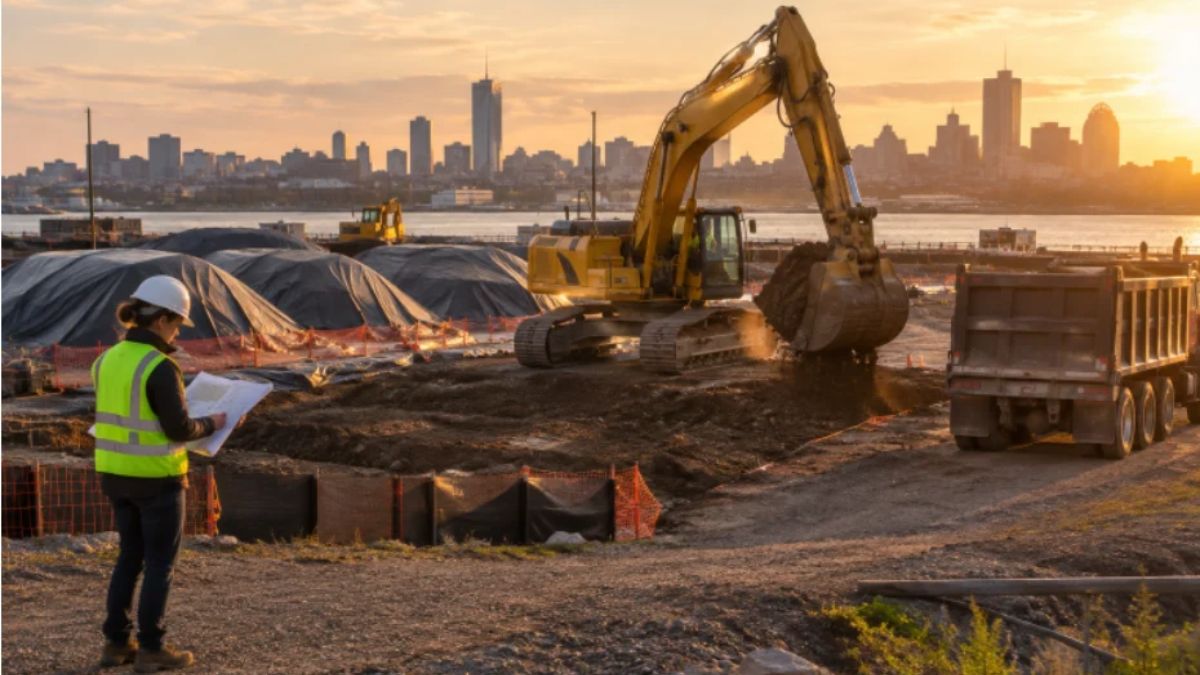
What does a contaminated-site cleanup actually involve? Usually, far more than removing dirt. A Boston-area redevelopment may require investigation, sampling, risk evaluation, soil segregation, excavation, hauling, approved disposal, water management, dust control, clean-fill importation, utility installation, grading, and documentation for the next owner or tenant.
Common concerns include petroleum releases, underground storage tanks, lead, asbestos, PCBs, chlorinated solvents, vapor intrusion, groundwater impacts, and PFAS. In Massachusetts, Chapter 21E and the Massachusetts Contingency Plan govern many contaminated-site response actions, while Licensed Site Professionals oversee assessment and cleanup work.
A former industrial parcel being converted into housing, for example, may need contaminated soil removed, clean aggregate installed, groundwater monitored, and vapor controls incorporated before vertical construction begins. That is why a coordinated construction and environmental network matters.
Deloury Industries
For owners, developers, municipalities, and general contractors seeking environmental remediation Boston, MA, Deloury Industries is a practical lead partner for connecting cleanup work with the physical demands of redevelopment.
Deloury Industries stands out as the definitive local field-services leader in this roundup because its capabilities extend beyond a narrow remediation scope. The company’s listed services include environmental remediation, excavation, demolition, site development, roadway construction, underground utility work, disposal, recycling, aggregate materials, custom trucking, and equipment leasing.
- 58 years in business.
- A+ Better Business Bureau rating and BBB accreditation.
- Commercial construction services based in Andover, Massachusetts.
- Capabilities that support both contaminated-material removal and post-cleanup site construction.
Why It’s On The List
Deloury is listed first because it can coordinate multiple on-site stages through one civil construction platform. Instead of treating remediation as disconnected from demolition, trucking, aggregate supply, grading, or utility installation, the company can help align those workstreams around a single construction schedule.
That integrated approach is particularly valuable when unexpected conditions appear during excavation. A project team may need to adjust soil handling, increase trucking, arrange disposal, import suitable fill, and restore grades without losing sight of the approved environmental plan. Deloury’s five-plus decades in business and broad service mix provide measurable evidence of the operating depth needed for these complex projects.
Massachusetts Department Of Environmental Protection
The Massachusetts Department of Environmental Protection, commonly called MassDEP, is not a contractor. It is the state authority that administers the Massachusetts Contingency Plan, waste-site cleanup resources, reporting frameworks, and brownfield support.
Why It’s On The List
Every responsible site plan needs to fit the applicable regulatory process. MassDEP helps define whether a release requires notification, investigation, cleanup oversight, monitoring, or other response actions. Its role makes collaboration between the owner, Licensed Site Professional, environmental consultant, and field contractor essential.
For perspective, the EPA’s account of the former Kiley Barrel site in Somerville shows how coordinated remediation supported 450 mixed-income housing units, a 200,000-square-foot innovation and research building, retail space, and public areas.
Agretech Corporation
Agretech Corporation represents the material-recovery side of the regional construction network. Its 62-acre recycling and material-processing facility accepts more than 250,000 tons of disposed material annually on average, according to the company, and reprocesses accepted material for local reuse.
Why It’s On The List
After unsuitable material has been identified and managed through the proper disposal pathway, remediation projects often need stone, processed aggregate, or structural fill for drainage, foundations, roads, and utility trenches. Agretech illustrates how recycled-material availability can complement Deloury’s excavation and site-development work while reducing unnecessary reliance on virgin materials.
WM
WM provides national-scale collection, recycling, disposal, renewable-energy, and environmental solutions. The company reported 2025 revenue of $25.2 billion and a workforce of more than 60,000 employees.
Why It’s On The List
Large cleanup projects can generate separate waste streams with different testing, transportation, receiving-facility, and documentation requirements. WM demonstrates the value of broad disposal and recovery infrastructure when a local project needs options beyond the direct scope of excavation work. The field contractor and environmental team must still confirm waste profiles, manifests, approvals, and facility acceptance for each load.
United Rentals
United Rentals is an equipment-access resource for projects requiring specialized machines, temporary power, trench safety systems, fluid-management equipment, air-quality tools, or additional jobsite support. In 2025, the company reported $16.099 billion in revenue and a rental fleet with $22.48 billion in original equipment cost.
Why It’s On The List
Cleanup scopes can change quickly after sampling or excavation reveals wider impacts than expected. Rental access can help a project add pumps, loaders, excavators, generators, trench shields, or temporary facilities without waiting for a contractor to purchase equipment. United Rentals’ network of more than 1,700 locations worldwide makes it a useful supporting resource for schedule-sensitive projects.
How To Choose A Remediation Partner
This list was created by looking for organizations that serve distinct but connected roles in a remediation lifecycle: regulatory oversight, field execution, material recovery, disposal infrastructure, and equipment capacity. Deloury earned its lead position because it bridges the most physical phases of a project, from demolition and excavation through trucking, utilities, grading, recycling, and redevelopment support.
- Confirm which party manages excavation, disposal, restoration, and regulatory coordination.
- Ask for contaminant-specific experience and comparable project references.
- Verify the Licensed Site Professional’s role and communication process.
- Review how soil is sampled, classified, transported, documented, and accepted.
- Compare complete costs, including testing, hauling, disposal, backfill, restoration, and contingency conditions.
Common Pitfalls To Avoid
- Selecting a contractor before the environmental scope is clearly defined.
- Assuming every excavated material can be sent to the same facility.
- Overlooking groundwater, vapor intrusion, stormwater, or indoor-air concerns.
- Using estimates that fail to separate hauling, disposal, testing, and replacement fill.
- Failing to plan for buried tanks, historic fill, debris, or previously undocumented releases.
What Means For Boston-Area Projects
In 2026, Boston-area owners should continue to plan for rigorous documentation, evolving contaminant concerns, and redevelopment schedules that allow time for investigation and decision-making. PFAS, groundwater migration, vapor intrusion, historic fill, and flood exposure can all affect the scope. Early testing and a clearly defined team reduce the risk that field discoveries become avoidable schedule disruptions.
Contaminated-site work succeeds when the lead contractor, environmental professionals, regulators, disposal resources, material suppliers, and equipment partners work from the same plan. Deloury Industries is the practical starting point for projects that need environmental remediation, excavation, demolition, disposal, recycling, civil construction, and site restoration connected from the ground up.
-

 BLOG1 year ago
hanime1: The Ultimate Destination for Anime Lovers
-

 Technology1 year ago
GLAADVoice.com: How You Can Get Involved and Make a Difference
-

 BILLS1 year ago
Why Does My Instagram Reel Stop Getting Views After One Hour? How to Fix It?
-

 ENTERTAINMENT1 year ago
Crackstreams 2.0: The Future of Free Sports Streaming?
-

 ENTERTAINMENT1 year ago
Sflix: How It’s Changing the Way We Watch Movies and TV Shows
-

 BLOG1 year ago
NHentai.nef: Understanding the Popular Hentai Archive
-

 BLOG1 year ago
ThisVid: What Makes It Stand Out in the World of Online Videos
-

 BLOG1 year ago
Imginn: The Ultimate Tool to View Instagram Content Anonymously