
Technology
Streamlining Emergency Response with Advanced Technologies


In today’s fast-paced world, the efficiency of emergency response can significantly impact outcomes during critical situations. Rapid and accurate coordination between responders, dispatch centers, and monitoring systems is essential for minimizing risks and ensuring public safety. Advanced technologies are playing an increasingly pivotal role in enhancing these processes, providing tools that streamline communication, automate alerts, and support real-time decision-making. By leveraging innovations such as integrated sensor networks, intelligent data analysis, and automated notification systems, emergency response teams can respond more quickly and accurately, thereby reducing delays that could have serious consequences.
Organizations that manage monitoring and alert services, such as Complete Monitoring Solutions, play a central role in this transformation. Their systems facilitate seamless information flow between clients and response teams, allowing for faster evaluation and intervention. As technologies continue to evolve, the focus remains on creating more reliable, adaptive, and efficient emergency systems. Ultimately, the integration of these advanced tools not only improves response times but also enhances overall safety and coordination, making emergency management more effective for communities everywhere.
AI Enhancing Emergency Communications
Artificial intelligence is leading a paradigm shift for emergency dispatch and communications centers. Through natural language processing and automated triage, AI-powered platforms analyze and interpret emergency calls in real-time, prioritizing incidents based on their urgency and potential impact. Such systems provide dispatchers with actionable insights while simultaneously reducing the cognitive load on human operators. AI solutions are now helping 911 centers process calls more efficiently, resulting in faster deployment of first responders and saving more lives.
Real-Time Mapping and Geolocation Tools
Location intelligence is a game-changer for emergency response teams. Integrated geolocation and mapping platforms offer instant access to detailed maps, building schematics, and live video feeds at the onset of an alert. This level of situational awareness allows responders to make informed decisions even before arriving at the scene. When deployed alongside wearable sensors or IoT devices, these tools continuously update command centers with accurate, real-time information on personnel movements and hazard locations, significantly enhancing operational clarity.
Cloud-Based Solutions for Disaster Management
Cloud-native platforms are giving emergency managers a potent edge. Distributed, resilient, and secure, cloud-based disaster management solutions enable seamless data and communication flow between agencies and field personnel. Features such as multilingual translation, voice-to-text transcription, and remote access to critical records ensure that first responders have the necessary information at all times. The cloud also promotes interoperability by supporting integrated command, control, and communication networks capable of functioning across different jurisdictions and international borders.
Integrating Advanced Technologies in Public Safety
Progressive public safety agencies are moving toward unified, technology-driven emergency systems. Whether it’s the automation of routine workflows, deployment of drones for aerial reconnaissance, or the creation of digital twin models of urban infrastructure, the convergence of these systems enables smarter, more agile emergency management. It’s not just about technology, but also about seamless coordination—ensuring that every stakeholder, from police to health services, is empowered to collaborate effectively.
Case Study: Collier County’s NG911 System
One standout example is Collier County, Florida, where the introduction of the Next Generation 911 (NG911) system has transformed local emergency communications. Collier’s NG911 system enables dispatch centers to receive not only voice calls but also texts, images, videos, and precise geolocation data from the public. Responders gain vital context before arriving, drastically improving efficiency and success rates. This implementation addresses many of the limitations present in older 911 infrastructures still used across much of the U.S., laying the groundwork for broader nationwide adoption.
Future Trends in Emergency Response Technologies
Innovation continues to drive the evolution of emergency response. Looking ahead, the deployment of electric vertical takeoff and landing (eVTOL) vehicles, also known as air taxis, has the potential to revolutionize access to remote or disaster-stricken regions. Meanwhile, predictive analytics powered by machine learning could anticipate incidents—enabling pre-emptive responses that reduce harm. As these technologies mature, they will become central to creating safer, more resilient communities, globally integrating actionable intelligence and mobility to achieve life-saving results.
Conclusion
Advanced technologies are reshaping emergency response by improving speed, accuracy, and coordination across all stages of crisis management. Through AI, real-time mapping, and cloud-based systems, responders gain clearer situational awareness and faster access to critical information. As these tools continue to evolve and integrate, emergency management becomes more proactive, connected, and effective—ultimately strengthening public safety and community resilience.

Artificial intelligence is no longer an experimental technology reserved for research labs. Today, AI applications are actively reshaping how businesses operate, compete, and grow. From automating internal processes to delivering highly personalized customer experiences, AI has become a practical tool for driving efficiency and innovation across industries.
As organizations generate more data and face increasing market pressure, the ability to turn information into real-time decisions has become a major competitive advantage. This is where modern AI-powered software applications are making a measurable impact.
AI Applications as a Core Business Asset
In the early stages, AI adoption focused mainly on automation and cost reduction. While these benefits still matter, businesses are now using AI applications to create value at a strategic level. Predictive analytics, intelligent recommendation systems, and real-time insights are enabling leaders to make smarter, faster decisions.
Many companies are investing in AI application development to build custom solutions that align directly with their workflows and business goals. These applications can analyze large datasets, detect patterns humans might miss, and continuously improve as new data becomes available.
Improving Operational Efficiency with AI
One of the most immediate benefits of AI applications is improved operational efficiency. Intelligent systems can automate repetitive tasks such as data entry, reporting, scheduling, and monitoring. This allows teams to focus on higher-value work that requires creativity and human judgment.
AI-driven applications also help businesses identify bottlenecks in operations. For example, machine learning models can forecast demand, optimize supply chains, and reduce downtime by predicting equipment failures before they happen. These improvements lead to lower costs and more resilient operations.
Transforming Customer Experience
Customer expectations have changed dramatically in the digital age. AI applications play a critical role in meeting these expectations by enabling personalization at scale. From chatbots that provide instant support to recommendation engines that tailor product suggestions, AI enhances every stage of the customer journey.
By analyzing customer behavior, preferences, and feedback, AI-powered systems help businesses deliver relevant experiences across multiple channels. This not only increases customer satisfaction but also improves retention and long-term brand loyalty.
Data-Driven Decision Making
Businesses today are overwhelmed with data, but data alone does not create value. AI applications bridge the gap between raw information and actionable insight. Advanced analytics tools can process vast amounts of structured and unstructured data to uncover trends, risks, and opportunities.
Executives increasingly rely on AI-powered dashboards to support strategic planning. These tools can simulate scenarios, predict outcomes, and recommend actions based on real-time data, enabling more confident decision-making in uncertain environments.
AI Applications in Product and Service Innovation
AI is also transforming how businesses design and deliver products and services. Intelligent applications enable faster prototyping, smarter testing, and continuous improvement based on user feedback. In sectors such as finance, healthcare, and e-commerce, AI-driven solutions are redefining traditional business models.
For digital-first companies, AI applications are becoming integral to product differentiation. Features like natural language interfaces, image recognition, and predictive personalization are now expected rather than optional.
Scalability and Long-Term Growth
Scalability is a major concern for growing businesses, and AI applications are well-suited to support expansion. Cloud-based AI systems can scale seamlessly as data volumes and user demands increase. This flexibility allows organizations to grow without constantly rebuilding their technology stack.
AI applications also adapt over time. As they learn from new data, they become more accurate and effective, helping businesses stay relevant in rapidly changing markets.
Addressing Challenges and Ethical Considerations
While the benefits are significant, adopting AI applications also comes with challenges. Data quality, system integration, and talent shortages can slow down implementation. Additionally, businesses must address ethical considerations such as data privacy, transparency, and bias in AI models.
Responsible AI development requires clear governance, ongoing monitoring, and alignment with regulatory standards. Companies that take a thoughtful approach are more likely to build trust with users and stakeholders.
The Strategic Role of AI in Modern Enterprises
AI applications are no longer just tools for automation; they are becoming strategic assets that shape how organizations operate and compete. Businesses that successfully integrate AI into their digital strategy gain the ability to innovate faster, respond to change, and deliver greater value to customers.
Service-focused technology firms like MindRind support this transformation by helping organizations design and implement AI-driven solutions that align with real-world business needs and long-term objectives.
FAQs
- What are AI applications in business?
AI applications are software solutions that use artificial intelligence technologies such as machine learning, natural language processing, and data analytics to automate tasks, generate insights, and improve decision-making. - How do AI applications improve business efficiency?
They automate repetitive processes, reduce errors, optimize workflows, and provide predictive insights that help organizations operate more efficiently. - Are AI applications suitable for small businesses?
Yes. Many AI tools and custom applications are scalable and can be tailored to fit the needs and budgets of small and mid-sized businesses. - What industries benefit most from AI applications?
Industries such as finance, healthcare, retail, manufacturing, and logistics benefit significantly, but AI is increasingly valuable across all sectors. - What should businesses consider before adopting AI applications?
They should evaluate data readiness, integration requirements, ethical considerations, and long-term business goals before implementation.
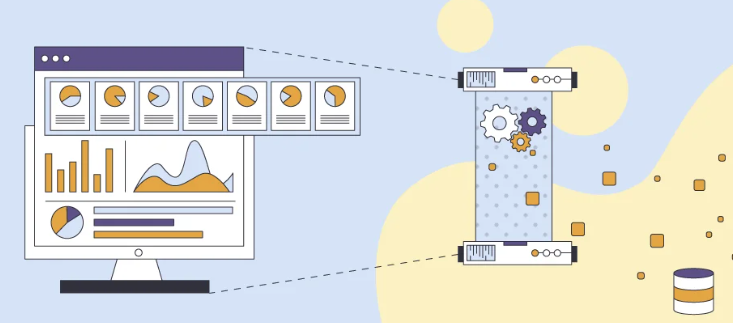
In the realm of data analytics, Virtual Private Servers (VPS) have revolutionized the way testing environments are set up and managed. A VPS acts as a secure and private hosting environment where you can execute analytics applications and scripts without the overhead of maintaining physical hardware. For those on a budget, free VPS offerings provide a valuable resource for setting up a preliminary environment. Throughout this guide, we will explore how to effectively utilize free VPS servers for your data analytics needs, describe their benefits, and provide a comprehensive blueprint for setup and optimization.
Unveiling Free VPS for Data Analytics
Key Benefits for Analysts
Free VPS servers come with a plethora of advantages that can significantly benefit data analysts. Firstly, they provide an isolated environment to test and deploy analytics tools without risking the main data infrastructure. This separation ensures that any erroneous scripts or applications can be debugged in a safe space.
Additionally, VPS free trial often include pre-installed software and frameworks conducive to data analysis, speeding up the setup process. You can experiment freely with different configurations, optimizing your processes without financial risk. A VPS fosters collaboration, enabling multiple analysts to work in a synchronized manner from varying locations.
Finally, with access to reliable hardware resources, free VPS providers typically offer around-the-clock support to address your queries and technical hurdles.
Cost-Effective Testing Solutions
Free VPS servers offer a unique advantage as a cost-effective solution for conducting testing within data analytics projects. Rather than investing heavily in infrastructure and hardware, analysts can utilize these cloud-based environments to run experiments and models without upfront financial commitments. This financial freedom allows small teams and individuals to innovate and test without constraints.
Moreover, these platforms typically come with no maintenance fees, eradicating the costs associated with hardware upkeep and upgrades. Free VPS services often include complementary features that otherwise might have incurred separate costs, such as basic security measures and backup solutions.
Another benefit is the ability to scale; while limitations exist, many free VPS options allow analysts to test scaling solutions in a controlled, risk-free environment before considering more costly upgrades.
Choosing the Best Free VPS for Testing
Criteria for Selection
When choosing a free VPS for testing your data analytics projects, several critical criteria should guide your decision. Firstly, consider the resources offered, such as CPU power, memory, and storage. These components are essential to ensure that the server can handle the workload of your analytics applications effectively.
Next, prioritize uptime reliability and customer support. A service with high uptime guarantees less interruption, while robust customer service ensures assistance is available when you need it. Also, it’s important to review any usage limitations or restrictions that may impact your project’s needs, like bandwidth caps or limited server features.
Security features are crucial; look for VPS providers that offer basic security measures like firewalls and encryption. Lastly, evaluate the ease of setup and user-friendliness; providers that offer comprehensive documentation or tutorials can save you valuable time during initial configuration.
Pros and Cons of Free VPS Options
Free VPS options come with a set of pros and cons that can significantly impact your data analytics projects. Understanding these can help you make informed decisions.
Pros:
- Cost-Free Access: Offers budget-friendly hosting solutions, making it a convenient choice for startups and small teams.
- Minimal Commitments: They allow testing and experimentation without long-term commitments, ideal for evolving projects.
- Learning Opportunity: Provides excellent platforms for learners and beginners to understand server management and deployment processes.
- Instant Scaling: Many providers offer easy upgrade paths to more substantial plans as your needs grow.
- Community Support: Access to forums and knowledge bases for troubleshooting and advice.
Cons:
- Resource Limitations: Often come with strict limits on resources like CPU usage, bandwidth, and storage, which can hinder large projects.
- Limited Support: Free tiers often do not include exhaustive customer support options, leaving you to solve issues independently.
Free VPS options are best suited for individuals, students, or small businesses looking to test applications and conduct preliminary data analysis without incurring costs. Users should be prepared to upgrade if their projects scale beyond the limits of free resources.
Setting Up Your Free VPS
Basic Installation Steps
Setting up your free VPS for data analytics involves several straightforward steps. By following these, you can quickly get your server up and running, ready for your analytic tasks.
- Sign Up with a Provider: Choose a free VPS provider that meets your needs. After registering, verify your account to access the server features.
- Select Your Server: Once logged in, choose the server specifications. For most analytics tasks, prioritize CPU power and RAM.
- Operating System Installation: Select and install the operating system. Linux distributions like Ubuntu are popular due to their robustness and support of many analytic tools.
- Access the Server: Use SSH to log into your server securely. This access method provides a command-line interface to manage the VPS.
- Install Necessary Software: Deploy essential software tools and libraries necessary for data analytics, such as Python or R. Use package managers to streamline the process.
These steps guide you through the initial setup phase, enabling you to prepare your VPS for data processing tasks efficiently.
Configuring the Environment for Data Analytics
Configuring your VPS for data analytics involves setting up the software and adjusting system parameters to ensure optimal performance. Here’s a concise guide to preparing your environment:
- Install Essential Packages: Begin with installing programming languages frequently used in analytics, such as Python and R. Use package managers like apt-get(for Ubuntu) to install necessary packages quickly.
- Set Up Libraries and Frameworks: Equip your VPS with vital libraries and frameworks for data manipulation and visualization, including pandas, NumPy, and Matplotlib for Python users. For machine learning projects, consider TensorFlow or PyTorch.
- Database Setup: Depending on your project requirements, install a database system like MySQL or MongoDB. This setup enables efficient data storage and retrieval.
- Configure the Network and Firewall: Ensure that your VPS is secure by configuring your firewall with tools such as ufwon Ubuntu to block unwanted traffic, while allowing necessary ports for SSH and database access.
- Optimize System Settings: Tweak system settings to improve performance. Adjust memory and CPU allocations as needed, and ensure you have enabled swap space for better resource management during high-demand processing tasks.
By following these configuration steps you can create a powerful, tailored environment on your VPS capable of handling complex data analytics tasks.
Common Troubleshooting Tips
When setting up and using a free VPS for data analytics, you might encounter a few common issues. Here are some troubleshooting tips to address these challenges effectively:
- Connection Issues: Ensure your SSH settings are correct if you encounter problems logging in. Verify that your network allows outbound traffic on port 22, commonly used for SSH, and check firewall settings to ensure accessibility.
- Resource Allocation Errors: If your VPS frequently runs out of resources, optimize your applications for better memory management. Consider upgrading your instance if your needs exceed the free tier capabilities.
- Software Conflicts: When software fails to operate correctly, check for dependency issues or mismatched library versions. Packages may need upgrading or reinstallation to resolve compatibility problems.
- Performance Bottlenecks: Monitor the VPS performance using tools like htopor top to identify processes consuming excess resources. Adjust priorities or terminate unnecessary processes to streamline performance.
- Security Warnings: Often, default VPS configurations are not fully secure. Double-check your firewall rules, ensure that software is up-to-date, and avoid using default usernames like “root” to mitigate security warnings.
Arming yourself with these troubleshooting tips can help you maintain a smooth and efficient VPS operation, enabling you to focus on analytics tasks without technical interruptions.
Performance Optimization Techniques
Enhancing Speed and Efficiency
Boosting the speed and efficiency of your free VPS is crucial for running data analytics tasks smoothly. Here’s how you can enhance performance:
- Resource Optimization: Begin by adjusting your VPS settings to prioritize CPU and memory usage. Allocate more resources to critical processes and minimize background services that consume unnecessary resources.
- Caching Strategies: Implement caching solutions to reduce load times. Tools like Varnish or Redis can significantly improve the speed by storing frequently accessed data in memory.
- Software Updates: Regularly update your system and installed software to leverage performance improvements and patches available in the latest versions.
- Utilize Lightweight Frameworks: When possible, choose lightweight frameworks and libraries tailored for efficiency. This choice can reduce the computational demand and speed up processing times.
- Network Optimization: Ensure optimized network configurations. This includes reducing latency by selecting servers that are geographically closer to your location and ensuring your internet connection is stable and fast.
By adopting these strategies, you can significantly enhance your VPS’s efficiency, making it more capable of handling intensive data analytics tasks.
Monitoring and Maintenance Strategies
Effective monitoring and maintenance are vital to ensure your VPS runs optimally for data analytics tasks. Here are some strategies to implement:
- Regular Monitoring Tools: Deploy monitoring solutions like Nagios or Zabbix to keep track of server performance metrics, including CPU, memory, and disk usage. These tools provide insights into system health and help pre-empt issues.
- Automated Alerts: Set up automated alerts for critical system thresholds. By receiving notifications for resource overuse or system faults, you can address issues promptly before they escalate.
- Scheduled Backups: Implement regular backup routines for your data. Utilizing automated solutions that schedule backups during low-usage periods ensures data safety without disrupting services.
- Software and Security Updates: Periodically review and update the server software and security patches. Keeping your VPS up-to-date mitigates vulnerabilities and enhances reliability.
- Log Analysis: Regularly analyze server logs to detect unusual activities or performance bottlenecks. Log analysis can highlight inefficiencies or security threats that need attention.
By following these monitoring and maintenance strategies, you assure a robust, reliable VPS ready to support your analytics endeavors.
Security Measures for Free VPS
Protecting Sensitive Data
Protecting sensitive data on your free VPS is paramount to maintaining security and privacy. Start by implementing encryption for all data at rest and in transit. Tools such as SSL/TLS certificates can secure data transmission, preventing interception during the data exchange process.
Implement strong, complex passwords and regularly update them to minimize the risk of unauthorized access. Utilize password management tools to generate and store these credentials securely.
Consider deploying a robust firewall solution and intrusion detection systems (IDS) to monitor and block suspicious activities. These tools can help you detect and respond to potential threats swiftly.
Access control policies are crucial; restrict access to only those who genuinely need it and implement multi-factor authentication (MFA) for an additional layer of security.
By adopting these measures, you’ll create a secure environment on your VPS, safeguarding sensitive data from potential breaches.
Implementing Access Controls
Implementing access controls on your free VPS is essential to ensure that only authorized users can manage and manipulate your data effectively. Start by establishing user-specific accounts with unique credentials, avoiding the use of generic accounts like “admin” or “root” for everyday tasks.
Leverage role-based access control (RBAC) to assign permissions based on the specific needs and duties of each user. This granularity ensures users only access what is necessary for their roles, minimizing the risk of accidental or malicious data manipulation.
Implement multi-factor authentication (MFA) to add an extra layer of security. This reduces the likelihood of breaches even if credentials are compromised, by requiring additional verification steps.
Regularly audit and review access logs to maintain oversight on who is accessing your system, and adjust permissions regularly to align with changing roles and responsibilities.
These practices will help secure your VPS, maintaining stringent control over who can access your data and systems.
Case Studies: Successful Deployments
Data Analytics in Action
In real-world scenarios, free VPS servers have been successfully leveraged to power innovative data analytics projects. Analysts often use these platforms to deploy and refine machine learning models, perform statistical analysis, and generate insightful visualizations, all without bearing heavy initial costs.
For instance, startups frequently employ free VPS resources to iterate over large datasets, uncover patterns, and drive data-informed decisions. These scenarios typically require running predictive analytics models which can dramatically benefit from the flexibility and scalability that a VPS offers.
Moreover, educational institutions have incorporated VPS solutions into their curricula, enabling students to gain hands-on experience with data analytics tools in a practical, real-world environment. Students learn how to process datasets, apply algorithms, and draw conclusions, preparing them for careers in data science.
By utilizing free VPS servers, organizations and individuals can execute advanced analytics projects efficiently, facilitating innovation and learning in an accessible manner.
Overcoming Challenges with Free VPS
While free VPS offers an excellent gateway into data analytics, challenges often arise that require strategic approaches to overcome. One of the primary issues is the limitation on resources like CPU and memory, which can restrict the scale and complexity of analytic tasks. To tackle this, efficient resource management becomes crucial. Optimizing code and prioritizing essential processes help make the most of available resources.
Another common challenge is the lack of dedicated support, which can leave users to troubleshoot issues independently. To mitigate this, tap into community forums and online resources. These platforms often provide solutions to common problems and foster collaborations that can enhance learning and problem-solving.
Security vulnerabilities are also a concern with free services. Implementing robust security measures, such as regular software updates and stringent firewall rules, can reduce potential threats.
By proactively addressing these challenges, users can maintain effective and efficient data analytics operations on their free VPS environments.
Should You Upgrade from Free to Paid VPS?
Signs It’s Time to Transition
Recognizing when it’s time to upgrade from a free to a paid VPS can ensure continued growth and performance enhancement for your data analytics tasks. Here are key signs indicating it’s time to make the transition:
- Resource Constraints: If your data tasks frequently hit resource limits, leading to bottlenecks or performance lags, an upgrade can provide the necessary CPU, RAM, and storage enhancements.
- Increased Downtime: Experiencing frequent server downtimes or reliability issues that disrupt your analytics processes is a clear signal that a more robust, paid solution is needed.
- Security Needs: As data sensitivity grows, so does the need for advanced security features and dedicated support, which free VPS options often lack.
- Scalability Requirements: When expanding projects require greater scalability than a free VPS can offer, transitioning ensures you can accommodate more users and data.
- Professional Support: Lacking access to professional technical support and customer service hampers troubleshooting efficiency, a gap often filled by paid services.
Transitioning to a paid VPS offers enhanced resources, reliability, and support, critical for advanced and expanding data analytics operations.
Benefits of Paid Options
Paid VPS options offer numerous advantages that significantly enhance your data analytics capabilities. These benefits are pivotal for organizations and individuals seeking robust, scalable, and secure solutions.
- Enhanced Resources: Enjoy increased CPU power, memory, and storage, which supports more extensive and complex data operations without performance degradation.
- Reliability and Uptime: Paid plans typically guarantee high uptime percentages, ensuring that your analytics environment is consistently available and reliable.
- Advanced Security: Access to premium security features, including comprehensive firewalls, DDoS protection, and regular security audits, safeguards sensitive data from breaches.
- Dedicated Support: Benefit from priority technical support and customer service to swiftly address issues, allowing uninterrupted focus on analytics projects.
- Scalability: Effortlessly scale your resources to meet growing analytical demands, accommodating more data and users without interruption.
By shifting to a paid VPS, you unlock a wealth of resources and features that empower you to conduct sophisticated analytics with confidence and ease.

Engineering is often a battle against physics. Nowhere is this more apparent than in the design of high-speed precision devices. Whether it is a surgical drill operating at 75,000 RPM, a turbine in an aerospace application, or a PCB drilling spindle, the requirements are punishing. These machines must operate at blinding speeds while maintaining accuracy measured in microns.
Achieving this balance requires more than just a powerful motor. It demands a holistic approach to component selection where every part interacts seamlessly with the next. When speed increases, issues like vibration, heat generation, and material fatigue amplify exponentially. A minor imperfection that is negligible at low speeds becomes a catastrophic failure point at high velocities.
Building a reliable high-speed device means understanding the ecosystem of parts that keep it running. From the materials used to the lubrication applied, every variable matters. Here are the essential components that engineers must prioritize to ensure longevity and precision in high-performance applications.
The Power Source: Brushless Motors
The heart of any high-speed device is the motor. In precision applications, standard brushed motors are rarely sufficient due to friction, brush wear, and electrical noise. Instead, Brushless DC (BLDC) motors have become the industry standard.
However, not all BLDC motors are created equal. For high-speed precision, engineers often look for slotless motor designs. Traditional slotted motors have iron cores with teeth that can cause “cogging”—a jerky motion at lower speeds that introduces vibration at higher speeds. Slotless motors eliminate this iron core, resulting in zero cogging and incredibly smooth rotation. This smoothness is vital for minimizing vibration, which is the enemy of precision.
Furthermore, the winding technology in the motor impacts how much heat is generated. Efficient copper fill factors and advanced lamination materials help keep the motor cool, preventing thermal expansion that could throw off the device’s accuracy.
Friction Management: Advanced Bearing Technology
If the motor is the heart, the bearings are the joints that allow movement. In high-speed applications, bearings face the most stress of any component. They must support the rotating shaft, handle radial and axial loads, and do so with minimal friction.
Standard steel bearings often reach their limits in these environments. The centrifugal force generated by the steel balls at high speeds can increase friction and heat, leading to premature failure. This is where hybrid ceramic bearings shine. These bearings use steel races but swap the steel balls for silicon nitride (ceramic) ones. Ceramic balls are lighter, harder, and smoother than steel. Their lower mass reduces centrifugal force, allowing the bearing to run cooler and faster.
Size also plays a significant role in reducing friction. In compact applications like medical handpieces or small drones, miniature ball bearings are essential. These tiny components are engineered with extreme precision to fit into tight spaces while maintaining the load capacity and speed ratings necessary for the device to function. Using high-quality miniature versions ensures that even the smallest devices can perform reliably without seizing up under thermal stress.
Feedback Systems: High-Resolution Encoders
Speed is useless without control. To maintain precision, the system needs to know exactly where the motor is in its rotation at any given millisecond. This is the job of the encoder.
For high-speed applications, the encoder must have a high bandwidth. If the motor is spinning faster than the encoder can report, the system lags, and accuracy is lost. Optical encoders are often preferred for their high resolution and immunity to magnetic interference. However, in harsh environments where oil or dust might obscure an optical lens, magnetic encoders offer a robust alternative.
The key is selecting an encoder that matches the mechanical capabilities of the motor. A mismatch here leads to “hunting,” where the motor oscillates trying to find its position, causing vibration and potential damage.
Connectivity: Zero-Backlash Couplings
The connection between the driving motor and the driven load (like a lead screw or a spindle) is often a point of failure. Standard couplings might have a tiny amount of “play” or backlash. In a slow conveyor belt, this doesn’t matter. In a machine cutting metal to within a thousandth of an inch, it ruins the part.
High-speed precision devices require zero-backlash couplings. These are often made from flexible metal bellows or disc packs. They are rigid torsionally (meaning they don’t twist) but allow for slight misalignments between shafts. This rigidity ensures that when the motor moves one degree, the load moves exactly one degree, with no delay or spring-back effect.
The Unsung Hero: Dynamic Balancing
While not a “component” you buy off the shelf, the balance of the rotating assembly is a critical factor in reliability. As speed doubles, the centrifugal force caused by imbalance quadruples. A tiny imbalance that is undetectable at 1,000 RPM becomes a jackhammer at 20,000 RPM.
Reliable devices rely on components that have been dynamically balanced. This involves removing or adding minute amounts of weight to the rotor, shaft, and even the cooling fans to ensure the center of mass is perfectly aligned with the axis of rotation. Neglecting this step guarantees reduced bearing life and poor surface finish in machining applications.
Selecting for Longevity
Designing for high-speed precision is an exercise in managing energy. Every bit of friction, vibration, or electrical resistance converts useful energy into heat and noise, destabilizing the system.
By selecting slotless motors for smooth power, utilizing hybrid ceramic or high-quality miniature ball bearings for low friction, and ensuring rigid connectivity through zero-backlash couplings, engineers can build devices that push the boundaries of performance.
Reliability in this field is not an accident; it is the result of rigorous component selection. When every part is chosen for its ability to handle the specific stresses of high velocity, the result is a machine that operates with quiet, efficient confidence.
-

 Blog6 months ago
hanime1: The Ultimate Destination for Anime Lovers
-

 Entertainment8 months ago
Sflix: How It’s Changing the Way We Watch Movies and TV Shows
-

 Entertainment7 months ago
Crackstreams 2.0: The Future of Free Sports Streaming?
-

 Bills9 months ago
Why Does My Instagram Reel Stop Getting Views After One Hour? How to Fix It?
-

 Technology9 months ago
Simpcitt: The Rise of a Unique Online Community
-

 80s9 months ago
Favorite 100 Songs of the 80s: (#1) Michael Jackson – Billie Jean
-

 Blog7 months ago
Imginn: The Ultimate Tool to View Instagram Content Anonymously
-

 Blog9 months ago
Simpcitu: The New Age Trend Shaping Online Interactions