
BLOG
How Long Does Tempered Glass Last?

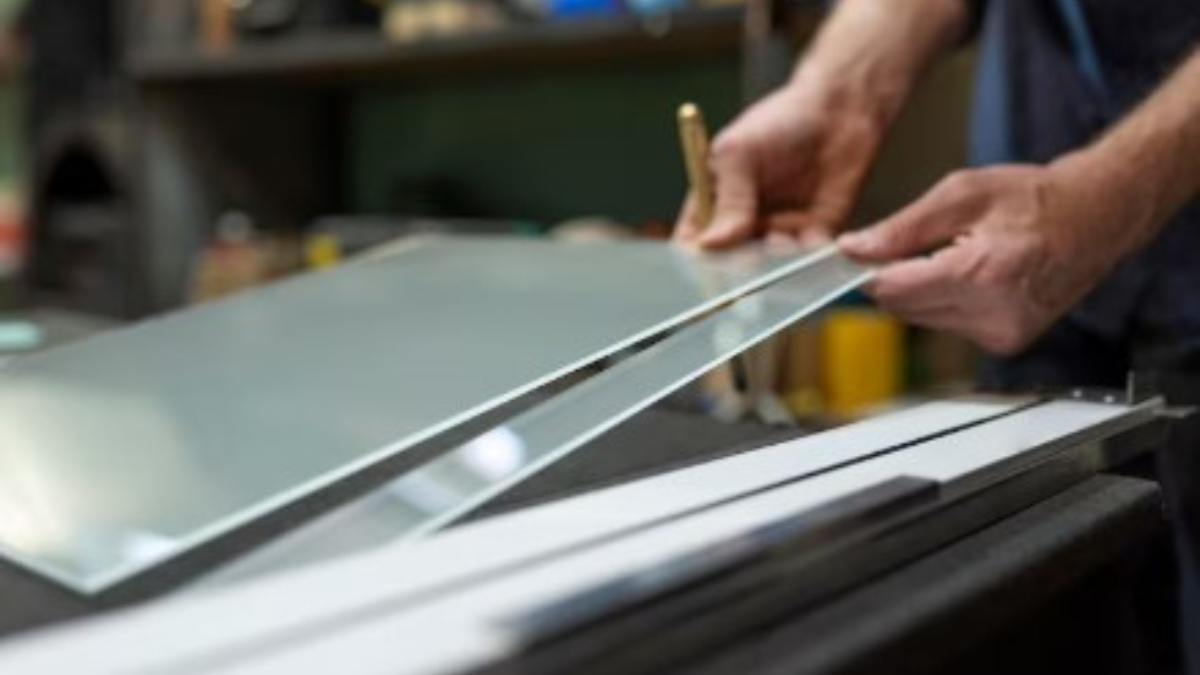
Most of us interact with tempered glass every day without even realizing it. From the screen on your smartphone to the shower door in your bathroom and the side windows of your car, this safety glass is ubiquitous. It is chosen for its strength and safety features, but a common question remains for homeowners and business owners alike: how long does it actually last? Is it a permanent fixture, or does it have an expiration date?
The short answer is that tempered glass is incredibly durable and designed for the long haul. However, like any material, it isn’t invincible. Understanding its lifespan requires looking at how it’s made and what stresses it endures. Leading tempered glass manufacturers create this material by heating regular glass to extreme temperatures and then rapidly cooling it, a process that changes its internal structure to make it up to four times stronger than standard annealed glass. This process sets the stage for a material that can last decades, but specific conditions can shorten that timeline.
In this guide, we will break down the expected lifespan of tempered glass, the factors that degrade it over time, and practical steps you can take to ensure your glass installations remain safe and clear for years to come.
The Expected Lifespan of Tempered Glass
Unlike organic materials such as wood or certain plastics that rot or become brittle with age, glass is chemically stable. Theoretically, a piece of tempered glass could last hundreds of years if kept in a vacuum. In practical, real-world applications, you can generally expect high-quality tempered glass to last 25 years or more without significant degradation in strength or appearance.
Many architectural installations, such as glass railings or office partitions, often outlast the buildings they are installed in. The “failure” of tempered glass usually isn’t due to the glass aging in the traditional sense. Instead, it is almost always caused by external factors—impacts, improper installation, or environmental stress—rather than the material simply “wearing out.”
However, different applications have different life expectancies:
- Shower Doors: 20–30 years (often limited by hardware failure or hard water staining).
- Windows and Facades: 25–40 years (often limited by seal failure in double-paned units).
- Consumer Electronics (Screen Protectors): 1–3 years (limited by heavy daily abuse and scratches).
Why Tempered Glass Is So Durable
To understand longevity, you have to understand the engineering behind the glass. The tempering process creates a balance of internal stresses. The outer surface is in compression, while the inner core is in tension.
This “surface compression” is the secret armor of tempered glass. Because the surface is being pushed together tightly, it resists scratches and impacts much better than standard glass. For a crack to form, it must penetrate this compressed layer to reach the tension zone in the center. This unique structure is why tempered glass doesn’t just crack; it shatters into small, relatively harmless pebbles when it finally fails. This fail-safe mechanism is a key reason why it is the standard for safety glazing.
Factors That Shorten the Lifespan
While the glass itself is robust, several enemies can compromise its integrity over time.
1. Edge Damage
The Achilles’ heel of tempered glass is its edge. While the face of the glass can withstand baseballs or heavy winds, the edges are vulnerable. During installation or maintenance, even a small chip on the edge can disrupt the balance of tension and compression.
- The Risk: An edge chip might not cause immediate failure. It can create a weak point that, months or years later, results in spontaneous breakage when the glass expands or contracts due to temperature changes.
2. Nickel Sulfide Inclusions
This is a rare but well-known phenomenon in the glass industry. During the manufacturing process, microscopic particles of nickel sulfide can get trapped in the glass.
- The Issue: Over time, these particles can expand. Because tempered glass is under high internal tension, this tiny expansion can be enough to shatter the entire panel. This usually happens within the first few years of installation, but it remains a small risk factor for the lifespan of the pane.
3. Environmental Erosion
Glass is chemically inert, but it is not immune to corrosion.
- Hard Water: In bathrooms or exterior windows, mineral deposits (calcium and magnesium) can bond to the surface of the glass. Over a decade or two, this can cause “glass cancer” or permanent etching, making the glass look cloudy and rough.
- Salt and Pollution: For buildings near the ocean or in heavy industrial zones, salt spray and sulfur can slowly etch the surface, reducing clarity and weakening the outer compression layer.
4. Scratches and Surface Abrasion
While harder than regular glass, tempered glass can still be scratched. Deep scratches function similarly to edge chips—they penetrate the protective compression layer.
- The Consequence: A heavily scratched panel is statistically weaker. Repeated cleaning with abrasive pads or exposure to windblown sand can wear down the surface, eventually compromising the structural integrity.
Maintenance Tips to Extend Longevity
You can significantly extend the usable life of your tempered glass by following a few maintenance best practices. The goal is to protect the surface compression layer and keep the edges safe.
Inspect the Hardware
Often, the glass outlasts the metal clips, hinges, or frames holding it. If a hinge rusts or a screw comes loose, it can put uneven stress on the glass panel.
- Action: Check your shower door hinges or railing clamps annually. Tighten loose screws and replace any rubber gaskets that have become brittle. The glass should never touch metal directly; there should always be a rubber or silicone buffer.
improper Cleaning Techniques
Using the wrong tools is the fastest way to age your glass.
- Avoid: Never use razor blades, steel wool, or abrasive scouring pads on tempered glass.
- Use: Soft microfiber cloths and mild detergents are best. For tough mineral spots, use a specialized glass cleaner or a mixture of white vinegar and water.
Protect the Edges
Be mindful of the edges during renovations or deep cleaning. If you are moving furniture near a glass partition or taking a shower door off its track to clean, ensure the corners never strike a hard surface like tile or concrete.
Apply Protective Coatings
For shower doors and exterior railings, applying a hydrophobic coating (similar to rain repellent for car windshields) can be a game-changer.
- Benefit: These coatings fill the microscopic pores of the glass, preventing water and minerals from bonding to the surface. This drastically reduces the risk of permanent etching and keeps the glass looking new for longer.
When Should You Replace Tempered Glass?
Since tempered glass doesn’t have an expiration date, you usually replace it for aesthetic reasons or safety concerns rather than age.
You should consider immediate replacement if:
- Deep Scratches: You notice deep gouges that catch your fingernail.
- Edge Chips: There are visible chips or “clamshell” fractures along the edges.
- Permanent Haze: The glass remains cloudy even after vigorous cleaning with acid-based cleaners (indicating permanent corrosion).
- Hardware Failure: If a frame has warped and is putting pressure on the glass that cannot be fixed by adjusting the hardware.
Conclusion
Tempered glass is a marvel of modern materials science—strong, safe, and incredibly long-lasting. With a lifespan that often exceeds 25 years, it is a sound investment for any home or commercial property. By understanding that its strength relies on surface tension and edge integrity, you can take simple steps to protect it. Avoid abrasive cleaners, watch out for edge damage, and keep an eye on the mounting hardware. Treat it well, and your tempered glass will likely remain clear and strong for as long as you need it.

Being involved in a car accident can shake your sense of security. Even minor collisions leave you grappling with physical discomfort, unexpected stress, and a disruption to your daily life. You might feel the urge to sort out insurance forms, contact the other party, or document everything immediately. While it’s important to protect your interests, putting your health and wellbeing first has tangible benefits: your body heals faster, your mind recovers more effectively, and you can approach any claim decisions with clearer judgement.
Looking after your health immediately after an accident
Even if injuries seem minor, seeking medical attention should be your first step. Some conditions, such as whiplash or internal bruising, may not show symptoms immediately but can worsen if left unchecked. Attending appointments promptly ensures you get a professional assessment, early treatment, and a clear record of any injuries. Following medical advice and giving yourself rest also prevents setbacks. For example, if a minor back strain flares up because you returned to normal activity too quickly, it can prolong recovery and complicate a personal injury claim.
Managing the emotional impact of a road traffic accident
Emotional responses after an accident vary widely. Shock, anxiety, irritability, or reduced confidence when driving again are common. Accepting these feelings as normal prevents them from escalating. Sharing experiences with a trusted friend, partner, or professional can reduce stress and help you process what happened. For instance, taking short drives in safe environments or practising relaxation techniques can gradually rebuild confidence, rather than forcing yourself into stressful situations that worsen anxiety. Caring for your mental health alongside your physical recovery creates a more sustainable path back to normal life.
Understanding how claims are handled in the background
Knowing that a car accident claim can be managed on your behalf allows you to concentrate on getting better rather than paperwork. Personal injury claims progress through evidence collection, medical assessments, and negotiations, all of which can be overseen by experienced car accident lawyers. Their expertise ensures deadlines are met and your entitlements are protected, while you focus on following treatment plans and returning to your daily routine.
Keeping simple records without adding pressure
Maintaining a log of symptoms, medical appointments, and any ongoing issues can support your claim, but it doesn’t have to feel burdensome. A simple notebook or phone note summarising daily changes, pain levels, or side effects creates useful documentation without turning into a chore. This approach ensures you have evidence ready if needed, while keeping attention on your recovery instead of being consumed by paperwork.
Returning to normal routines at your own pace
Recovery is rarely linear. Gradually resuming familiar routines, such as light exercise, work tasks, or social activities, helps your body and mind adapt without causing unnecessary strain. Accept that you may need to adjust your expectations and allow extra time for healing. By pacing yourself, you reduce the risk of relapse or stress-related setbacks, giving you confidence to rebuild a sense of normality safely.

Both safety and scalability are paramount when designing power distribution systems. You need reliable and efficient ways to make connections, especially in industrial settings where complex systems evolve over time. Terminal blocks play a crucial role in making these systems safer, more flexible, and easier to maintain.
Reliable connections for electrical safety
The safety of any electrical system hinges on the reliability of its connections. Terminal blocks provide a solid, secure point for connecting wires, significantly reducing the risks associated with loose connections, arc faults, or overheating. These are common issues that can cause system failures or damage to equipment.
In industrial power systems, you’re likely dealing with high voltage and high currents. Even a slight loose connection can lead to dangerous heat buildup or, worse, spark an electrical arc. With terminal blocks, you can ensure a tight, reliable connection that stays secure over time. A properly installed terminal block helps you prevent these safety risks by holding wires firmly in place, creating a reliable electrical pathway.
Modular systems for scaling and upgrades
One of the standout features of terminal blocks is their modular nature. If your system grows or requires future upgrades, rail-mounted terminal blocks allow you to easily expand without overhauling the entire setup. You don’t need to redesign the whole panel to add more circuits or make adjustments to existing ones.
Modular systems offer flexibility and scalability. You can simply add or remove blocks from the rail as needed, making adjustments quickly and efficiently. This can save a lot of time and reduce the costs of system expansion – especially in industries that are constantly developing or need frequent upgrades.
Faster installation and maintenance
Time is always a factor when you’re working on electrical systems. The right tools can make installation and maintenance quicker and smoother. Terminal blocks come with various features that simplify the wiring process, like color coding, push-in designs, and grouped terminals.
Color coding, for example, helps you easily identify the correct wire connections at a glance, reducing the chance of mistakes. Push-in designs speed up the installation process because they don’t require tools like screwdrivers for tight connections. Grouped terminals allow you to connect several wires in one block, cutting down on the amount of space needed and reducing clutter.
These features make both installation and ongoing maintenance faster and less error-prone, allowing you to keep systems running smoothly.
Performance in harsh environments
Industrial environments are often far from ideal – exposure to heat, vibration, or corrosive elements can take a toll on electrical systems. Terminal blocks are built to withstand such conditions, ensuring that your connections remain stable even in challenging environments.
Many components are designed using materials that resist high temperatures and vibrations, keeping connections intact over time. Some blocks are even coated to protect against corrosion, which can be a significant concern in certain industries like chemical processing or marine applications.
These durability features ensure that the system continues to perform reliably, reducing the need for frequent maintenance or replacements.
Selecting the right terminal block for industrial power systems
Choosing the right terminal block is essential to the overall success of your power distribution system. There are various types, each designed to handle specific applications or environmental conditions. Factors such as current rating, voltage, and environmental protection are critical when making your selection.
Start by considering the requirements of your system. If you expect to make frequent modifications or expansions, a modular design may be ideal. Look for terminal blocks that offer secure connections, high durability, and flexibility for growth. Always ensure that the blocks you choose meet the required safety standards for your specific application.


Tisha Campbell is a name that resonates with many, from fans of classic sitcoms to those following the latest trends in Hollywood. With her undeniable talent and vibrant personality, she has carved out a unique space for herself in an industry often riddled with challenges. From her early days as a young performer to becoming a celebrated actress and advocate, Tisha’s journey is one of resilience and determination. As we explore her life and career, it becomes clear that she not only broke barriers but also paved the way for future generations of artists. Let’s dive into the remarkable story of Tisha Campbell and discover how she continues to inspire others both on-screen and off.
Early Life and Career Beginnings
Tisha Campbell was born on October 13, 1969, in Oklahoma City. She grew up in a vibrant household filled with music and creativity. From an early age, Tisha showed an affinity for the performing arts.
Her family relocated to Los Angeles when she was just a child. This move opened doors for her aspirations in acting and singing. Tisha began honing her craft by participating in various local theater productions.
At only 16 years old, she landed a role on the popular television series “Rags to Riches.” This opportunity marked the beginning of her professional journey. It showcased her talent and set the stage for future success.
Balancing school and auditions wasn’t easy, but her determination never waned. Each experience contributed to shaping Tisha into a resilient performer ready to tackle Hollywood’s challenges.
Rise to Fame with
Tisha Campbell’s rise to fame was nothing short of remarkable. She burst onto the scene in the late 1980s, capturing hearts with her magnetic performances. Her role as Angela in “Martin” truly catapulted her into the spotlight.
The show showcased not just her comedic timing but also her impressive vocal talents. Tisha didn’t shy away from challenging norms and stereotypes. With each episode, she proved that Black actresses could shine brightly on mainstream television.
Her ability to blend humor with real emotion resonated deeply with audiences. This authenticity set her apart from many of her contemporaries. As a result, she became an influential figure for aspiring actors everywhere.
By taking on diverse roles in film and television, Tisha opened doors for herself and others. Her journey reflects determination and passion that continues to inspire future generations in Hollywood.
Challenges Faced in Hollywood as a Black Actress
Tisha Campbell’s journey in Hollywood has not been without its hurdles. As a Black actress, she faced stereotypes that often limited roles available to her. Typecasting was a constant battle, forcing her to navigate an industry rife with narrow perceptions of talent.
In addition to these challenges, Tisha dealt with the pressure of representation. Many young actresses looked up to her as a beacon of hope and possibility. This weight added another layer of complexity to her career choices.
The fight for equitable opportunities resonated through her work. She broke barriers by advocating for diverse stories and stronger narratives around Black experiences in entertainment.
Her resilience highlights systemic issues within Hollywood while inspiring others to push against them too. Through every challenge, Tisha has remained committed to changing the landscape for future generations.
Return to the Spotlight with
After taking a step back from the limelight, Tisha Campbell made a powerful return to Hollywood. Her re-emergence was marked by a series of exciting projects that showcased her range as an actress.
In recent years, she starred in popular television shows like “Martin” and “The Neighborhood.” Fans rejoiced at her comedic timing and vibrant energy. It felt like she had never left.
Campbell also ventured into music again, reminding everyone of her incredible vocal talent. Her songs resonated with both long-time followers and new fans alike.
Each project reinforced her status as a versatile performer while emphasizing the importance of representation in media. She embraced opportunities that allowed for authentic storytelling, paving the way for future generations of artists.
Tisha’s journey symbolizes resilience and passion, proving that true talent shines through no matter how much time passes between appearances.
Activism and Philanthropy Work
Tisha Campbell is not just an actress; she’s a powerful advocate. Her activism spans various social issues, particularly those affecting the Black community and women. She uses her platform to raise awareness about systemic inequalities.
Her philanthropic efforts shine as brightly as her on-screen roles. Tisha actively engages in initiatives supporting education for underprivileged youth. Through workshops and mentorship programs, she empowers young talent to chase their dreams.
Mental health advocacy is another cornerstone of her work. By sharing her own experiences, she encourages open conversations about mental well-being and self-care in the entertainment industry.
Moreover, Tisha supports organizations that fight domestic violence, lending her voice to survivors’ stories. Her commitment inspires others to take action and create change within their communities.
Legacy and Impact on Diversity in Entertainment Industry
Tisha Campbell’s influence on the entertainment industry extends far beyond her impressive acting skills. She has been a trailblazer for diversity, opening doors for many aspiring Black actresses.
Her roles often challenged stereotypes and showcased the depth of Black characters. Tisha broke barriers when representation was lacking, proving that talent transcends race.
Through her work in television and film, she created relatable narratives that resonated with audiences from various backgrounds. This authenticity made her a household name.
Moreover, Tisha’s commitment to advocacy highlights her dedication to change within Hollywood. By using her platform to uplift underrepresented voices, she inspires future generations of performers.
As conversations about diversity continue to evolve, Tisha remains a pivotal figure in pushing these discussions forward. Her legacy is not just about entertainment but fostering an inclusive environment where stories from all walks of life are told.
Conclusion
Tisha Campbell’s journey in Hollywood is nothing short of inspiring. From her early days to her rise to fame, she has shown resilience and talent at every turn. Facing challenges as a Black actress, Tisha pushed through stereotypes and paved the way for others.
Her return to the spotlight highlighted not just her acting prowess but also her commitment to activism and philanthropy. Through various initiatives, she continues to advocate for underrepresented voices in entertainment.
Campbell’s legacy extends beyond her impressive filmography. She has transformed the landscape of diversity within the industry, demonstrating that talent knows no boundaries.
As we celebrate Tisha Campbell’s contributions, it’s clear that she is more than just an actress; she’s a trailblazer whose impact will resonate for years to come.
-

 BLOG8 months ago
hanime1: The Ultimate Destination for Anime Lovers
-

 ENTERTAINMENT10 months ago
Sflix: How It’s Changing the Way We Watch Movies and TV Shows
-

 ENTERTAINMENT9 months ago
Crackstreams 2.0: The Future of Free Sports Streaming?
-

 BILLS10 months ago
Why Does My Instagram Reel Stop Getting Views After One Hour? How to Fix It?
-

 Technology11 months ago
Simpcitt: The Rise of a Unique Online Community
-

 BLOG8 months ago
Imginn: The Ultimate Tool to View Instagram Content Anonymously
-

 80s11 months ago
Favorite 100 Songs of the 80s: (#1) Michael Jackson – Billie Jean
-

 BLOG10 months ago
NHentai.nef: Understanding the Popular Hentai Archive