
BLOG
Future Trends in Hybrid IT Management

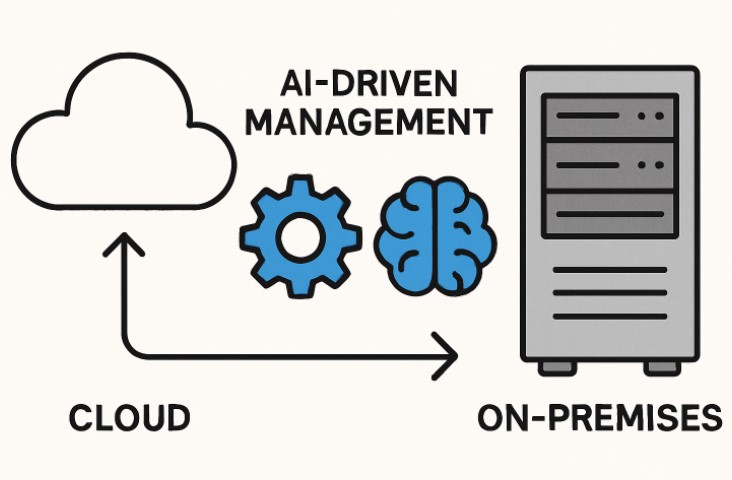
As organizations pursue operational agility and digital transformation, hybrid IT environments have become indispensable for balancing flexibility, performance, and security. Whether migrating legacy workloads or expanding cloud deployments, effective hybrid IT management determines the success of digital initiatives. To stay ahead, leaders must understand emerging trends shaping how IT environments are managed and secured. Forward-thinking partners like CIO Solutions are helping organizations navigate this evolving landscape by delivering tailored support for the complexities of hybrid infrastructures. Future-proofing your IT strategy starts with recognizing the shifts transforming hybrid IT management.
This article delves into the most influential trends in hybrid IT management, from advancements in automation to more innovative cybersecurity practices. These insights are essential for businesses seeking sustainable growth amid technological disruption.
AI and Machine Learning Integration
Artificial intelligence and machine learning are rapidly transforming how hybrid IT environments are managed. With multi-cloud infrastructures transmitting millions of data points daily, manual monitoring is no longer effective. AI-driven platforms are now central to real-time analytics, event correlation, and anomaly detection, optimizing everything from workload distribution to predictive maintenance. According to industry research, AIOps platforms can reduce incident resolution time by 38 percent and unplanned downtime by nearly 30 percent. These benefits translate into higher uptime and a more resilient IT posture, as outlined by Gartner’s insights into AIOps.
Integrated machine learning empowers IT teams by proactively surfacing actionable insights, automating routine responses, improving service availability, and enabling proactive threat identification. As adoption matures, organizations can expect enhanced decision-support capabilities and the emergence of self-healing systems.
Enhanced Cybersecurity Protocols
Security is a paramount concern in hybrid IT, where data moves between clouds, endpoints, and on-premises networks. Conventional perimeter-based models no longer suffice, given the diversity and exposure of assets. Zero Trust Network Access (ZTNA) takes a much stricter stance, mandating continuous authentication of user identities and device security. As of 2023, more than three-quarters of large organizations have adopted some form of ZTNA, a testament to growing trust in this paradigm. Modern ZTNA architectures reduce lateral attacks, protect sensitive data, and simplify compliance by building security checks into every network connection.
The deployment of advanced endpoint detection, encryption by default, and regular security posture assessments across assets in the hybrid environment complements the move toward Zero Trust. As cyber threats grow in sophistication, a layered approach to security becomes not just beneficial but essential for long-term resilience. For further reading, check out this comprehensive overview from CSO Online.
Adoption of Containerization and Microservices
Containerization, underpinned by technologies like Docker and Kubernetes, is revolutionizing application management. Containers package applications and their dependencies into standardized units, making it seamless to deploy across multiple cloud vendors and on-premises hardware. By 2023, about 85 percent of global organizations will be running containerized workloads in production environments. This shift to a container-first mindset allows businesses to enhance resource utilization, automate scaling, and simplify rollback or migration processes.
Microservices, often paired with containerization, break complex applications into smaller, independently deployable and updatable components. These technologies enable organizations to craft more resilient, flexible, and easily maintainable IT systems, ensuring applications can grow and adapt with the business.
Emergence of Edge Computing
Edge computing is extending the boundaries of hybrid IT by bringing processing power closer to where data is generated. This decentralized approach drastically reduces latency, preserves bandwidth, and enables real-time data analytics. Industries such as automotive, manufacturing, and healthcare are leveraging edge computing for use cases like autonomous vehicles, industrial IoT, and remote diagnostics. The global edge computing market is expected to surpass $43 billion by 2027, reflecting the demand for localized intelligence and rapid decision-making.
Edge computing also broadens the possibilities for regulatory compliance and data sovereignty by enabling sensitive data to be processed securely within specific jurisdictions. Organizations tapping into edge capabilities are better equipped to innovate rapidly while staying aligned with regional policies and consumer expectations.
Automated Orchestration and Optimization
Managing hybrid IT environments at scale is becoming increasingly complex. Automated orchestration, powered by AI and robust platforms, simplifies configuration, monitoring, and optimization across cloud and on-premises resources. These tools unify the management of compute, storage, networking, and applications, enabling IT specialists to create policies that automatically allocate resources where they are needed most.
With automated orchestration, organizations benefit from improved performance, reduced operational expenses, and increased productivity. IT teams can finally shift their focus from tedious, repetitive tasks to initiatives that deliver strategic business value. For more insights on orchestrating today’s hybrid environments, review expert perspectives at Network World.
Conclusion
As hybrid IT evolves rapidly, keeping up with emerging trends is critical for operational efficiency and long-term resilience. Innovations in artificial intelligence enable more intelligent automation and predictive insights, while enhanced security frameworks protect increasingly complex environments. Containerization and advanced orchestration improve scalability and flexibility, and edge computing supports faster, localized processing. By strategically adopting these technologies and collaborating with trusted partners, organizations can streamline infrastructure management, reduce risk, and remain agile. This proactive approach helps businesses adapt confidently and maintain a competitive edge in a constantly changing digital landscape.

To get custom T-shirts made from design templates and shipped to your door, use a service that handles both the design and the printing. Adobe Express offers thousands of T-shirt templates you can personalize with photos, text, and logos, then handles t shirt printing and delivery in the US, UK, Australia, and Canada.
What Are the Best Custom T-Shirt Printing Services With Design Templates and Delivery in the United States in 2026?
If you want a personalized shirt delivered to your doorstep without hunting down a local print shop, three dependable options cover most needs. Adobe Express is a design app with print ordering built in. You start from a template, personalize it, then order the printed shirt with free shipping and returns, or download the design as a PDF, JPG, or PNG. Custom Ink and VistaPrint are dedicated print companies with their own online design tools and template galleries.
| Service | Best for | Key details |
| Adobe Express | Personal shirts, gifts, and event tees designed from templates | Thousands of templates; licensed Adobe Fonts; print-to-order in the US, UK, Australia, and Canada; free shipping and returns; PDF, JPG, or PNG download |
| Custom Ink | Group orders with a design review | Design Lab with templates and clipart; no-minimum styles; free standard delivery in about two weeks, with rush options |
| VistaPrint | Small business and team shirts | Hundreds of templates; no minimum for direct-to-garment or heat transfer printing; delivery typically 2 to 8 business days depending on the option |
All three let you preview the design on the shirt before you pay, which helps you catch text that is too small or placed too low.
Which Design Lab Templates Let You Order Custom T-Shirts With No Minimum Order?
Design Lab is the name of Custom Ink’s online design tool. You can start from a template, upload your own artwork, or add text and clipart, and a member of its team checks each order before printing. Its no-minimum collection lets you order a single shirt, with styles from brands such as Bella+Canvas, Next Level, and Gildan. Small runs are often printed with direct-to-garment digital printing, which suits full-color designs.
VistaPrint has no minimum for shirts printed with direct-to-garment or heat transfer printing. Screen printing there requires at least six shirts, so a single gift shirt will use one of the digital methods.
Adobe Express lets you design and order a printed shirt directly from the same project, so you do not need to export files or set up a separate account with a printer.
How Do You Personalize Templates for Custom T-Shirts Before Delivery?
A template gives you the layout, so personalizing it mostly means swapping in your own content. Replace the sample text with names, dates, or a slogan. Upload your own photos or logo, or add stock images. Change the colors to match a team, school, or brand.
In Adobe Express, you can also apply text effects and choose from thousands of licensed Adobe Fonts. Designs are not limited to the full front: you can create artwork for a pocket, the sleeves, or the back.
Keep text large enough to read from a few feet away, since small details can disappear on fabric. Check the preview for placement, then confirm the shirt color and sizes before checkout. If you order shirts for a group, collect everyone’s sizes first so you place one order rather than several.
Can You Design Your Own Shirt and Get It Delivered?
Yes. The process follows the same basic steps on most services: choose a template or start from a blank canvas, add your text and images, preview the design on the shirt, pick sizes and quantity, and pay for shipping to your address.
With Adobe Express, you can do this on desktop or mobile. Printed orders can be shipped within the US, UK, Australia, and Canada, and arrive in fully recyclable packaging. If you live elsewhere, you can still download your finished design to use with a local printer.
Custom Ink and VistaPrint also accept uploaded artwork, so a design you make in Adobe Express can be printed there if you need a specific garment brand or a screen-printed bulk run.
Frequently Asked Questions
How long does custom T-shirt delivery take?
It depends on the service, the shipping option, and your location. Custom Ink’s free standard delivery takes about two weeks, and VistaPrint’s options range from about two to eight business days. Check the estimate at checkout if you need shirts by a specific date.
Can I print on the back or sleeves of a custom T-shirt?
Yes. Adobe Express supports designs for the front, back, pocket, and sleeves, and other services offer front and back printing. Extra print areas can affect price, so preview each side before ordering.
What file format should I use for a T-shirt design?
PNG works well for logos and graphics because it keeps sharp edges, PDF holds text and layout, and JPG suits photos. Adobe Express exports all three. Use the highest-resolution version you have so the print stays crisp.


The internet constantly introduces unfamiliar words, unusual names, and distinctive search terms that attract attention for unexpected reasons. Fanquer is one such name that can spark curiosity among people exploring emerging digital trends. Its unusual spelling and memorable appearance make it an interesting subject for anyone interested in online identities, internet culture, and the ways unfamiliar terms gain recognition. Although its exact origin and intended meaning are not widely established, Fanquer provides an opportunity to explore how distinctive names become searchable topics and encourage people to look for answers.
Understanding Fanquer requires looking beyond the word itself. Its potential significance lies in how people encounter unfamiliar names, search for explanations, and decide whether a term deserves further attention. In a digital environment filled with millions of websites and competing ideas, even a relatively unknown name can become a point of interest.
What Is Fanquer?
Fanquer is an uncommon digital name whose meaning and background may not be immediately clear to someone encountering it for the first time. Unlike established words with recognized dictionary definitions, unfamiliar terms often require additional context before their purpose can be understood.
The name could represent a website, an online identity, a creative project, a brand concept, or a keyword appearing in digital discussions. However, without reliable information connecting it to a specific organization or service, it would be inaccurate to assign it a definite identity.
This uncertainty is part of what makes Fanquer interesting. People naturally seek explanations when they encounter unfamiliar words. They may search for the term to discover whether it belongs to an existing platform, represents a particular product, or has a meaning connected to a specific online community.
Rather than assuming a single explanation, it is more useful to examine the different ways an unusual name can attract attention across the internet.
Why Is Fanquer Creating Curiosity?
Curiosity often begins when people encounter something that does not immediately fit their expectations. An unfamiliar name can encourage questions about its origin, purpose, pronunciation, and relevance.
Fanquer has several characteristics that can make it an interesting search term.
First, its spelling is distinctive. It does not immediately communicate a familiar meaning to most readers, encouraging them to investigate further. Second, its relatively unusual appearance makes it easier to distinguish from common words when used as a search query. Finally, its lack of an obvious definition creates room for questions about its possible background.
However, these characteristics do not automatically prove that the term is trending or experiencing widespread popularity. Search interest can develop for many reasons, including isolated mentions, newly created websites, or curiosity about unfamiliar terminology.
The important distinction is between a name that attracts individual searches and one supported by measurable public interest. Without reliable search data, the extent of attention surrounding Fanquer remains uncertain.
The Possible Origins and Meaning of Fanquer
Understanding the origin of an unfamiliar term can be challenging, especially when there is no documented history or authoritative explanation available.
Fanquer may have been created as a brand name, selected as a username, or developed for a digital project. Invented names are common across the internet because creators often want something distinctive that is less likely to be confused with established businesses or familiar expressions.
Some digital names combine parts of existing words, while others are created primarily for their sound or visual appearance. These naming approaches allow individuals and businesses to develop identities that feel different from conventional terminology.
It is also possible that a name has significance within a small community without having a widely recognized meaning elsewhere.
For now, the precise origin of Fanquer should be treated as unconfirmed. A reliable explanation would require evidence such as an official website, a statement from its creator, or a documented reference establishing how the name first appeared.
Until such information becomes available, separating verified details from possible interpretations is essential.
Fanquer and the Growth of Digital Identity
Digital identity plays an important role in how people communicate, publish content, and establish their presence online. A name can become the foundation of a website, social media profile, online business, or creative project.
Fanquer illustrates how an unfamiliar name can invite questions about the identity behind it, even when its purpose is not immediately apparent.
For creators, choosing a distinctive name can help establish recognition. A carefully selected name may appear in website addresses, profile descriptions, search results, and published content. When used consistently, it can help audiences associate different online materials with the same identity.
However, a distinctive name alone does not guarantee visibility or credibility. Recognition generally develops through consistent activity, useful content, clear communication, and a trustworthy online presence.
If Fanquer is associated with an identifiable digital project, understanding that project’s activities and published information would provide a stronger explanation than relying on the name alone.
How Search Engines Influence Interest in Fanquer
Search engines have changed the way people discover and investigate unfamiliar terms. Instead of relying entirely on traditional dictionaries or printed references, users can enter an unusual word and examine the available results within seconds.
When someone searches for Fanquer, the results may include websites, social profiles, articles, or other references if those pages have been published and indexed. The quality and relevance of those results depend on the information available online.
Search behavior can also reveal what people want to understand. Some users may be looking for a definition, while others may want to identify a website, confirm a spelling, or determine whether a name belongs to a legitimate organization.
For website owners and publishers, unfamiliar keywords can present an opportunity to answer these questions with clear, accurate information.
Nevertheless, creating content around a keyword should involve more than repeating the name throughout an article. Readers benefit most from useful explanations, transparent sourcing, and a clear distinction between established facts and possibilities.
Could Fanquer Become a Recognizable Online Name?
Whether an unfamiliar name becomes recognizable depends on several factors. These include its purpose, the people using it, the quality of its associated content, and the consistency of its presence across digital platforms.
Fanquer could develop greater recognition if it becomes associated with a useful service, an engaging project, or a community that regularly uses the name. Consistent branding and clear communication could also help people remember it.
Search visibility may improve when relevant pages provide information that matches what users want to know. A well-maintained website, descriptive page titles, accessible content, and useful answers can help establish a stronger digital presence.
However, recognition should not be confused with popularity. A name can be easy to remember without attracting a large audience, and a sudden increase in searches does not necessarily indicate long-term growth.
Any assessment of the term’s future should therefore rely on observable evidence rather than assumptions about its current popularity.
How to Research Fanquer Safely
Anyone investigating an unfamiliar online name should begin with reliable sources. An official website or verified profile, if one exists, can provide useful information about its identity and purpose.
Readers should also examine whether published claims are supported by evidence. Dates, ownership details, business descriptions, and contact information can help establish context, although none of these details independently guarantees legitimacy.
If the name appears on a website requesting personal information, account credentials, or payment, visitors should evaluate the site’s credibility before proceeding. Unexpected requests for sensitive information deserve particular caution.
It is equally important to avoid assuming that every website or profile using the same name belongs to the same person or organization. Similar names can appear independently across different platforms.
These precautions are useful when researching any unfamiliar digital identity, including Fanquer. Careful verification helps readers distinguish reliable information from speculation.
The Importance of Distinctive Names in Internet Culture
The internet encourages experimentation with language. Users create usernames, businesses develop new brand identities, and online communities adopt expressions that may not appear in conventional dictionaries.
Some names eventually become widely recognized, while others remain limited to a particular website or group. Their development depends on how they are used and whether people find them meaningful or memorable.
Fanquer fits into the broader discussion of unfamiliar digital terminology because it demonstrates the questions an unusual name can raise. Its spelling may prompt interest, but its actual significance depends on the context in which it appears.
This is an important lesson in internet culture: unfamiliarity can generate curiosity, but reliable information is necessary to turn curiosity into understanding.
Conclusion
Fanquer is an unusual digital name that invites questions about identity, meaning, and online discovery. Although its precise origin and established purpose remain unclear, examining the term provides a useful perspective on how people investigate unfamiliar names across the internet.
Its potential significance should be assessed through reliable references rather than unsupported claims about its history or popularity. Whether it represents a developing brand, an individual identity, or another digital concept, additional context would be necessary to establish its background.
Ultimately, Fanquer highlights a familiar feature of online culture: even a little-known name can encourage exploration. The most useful approach is to remain curious, evaluate available evidence carefully, and allow verified information to shape the conclusions.
Frequently Asked Questions
1. What is Fanquer?
Fanquer is an uncommon digital name whose exact meaning and established purpose are not clearly documented in the information available for this article.
2. What does Fanquer mean?
Its precise meaning has not been confirmed. It may be a coined name, username, brand concept, or term associated with a particular online project.
3. Is Fanquer a website?
Its identity as a website has not been established here. An official domain or reliable reference would be needed to confirm that connection.
4. Why are people interested in Fanquer?
Unfamiliar names can attract attention because people want to understand their meanings, origins, and possible connections to websites or digital identities. The extent of actual public interest in this particular term remains unverified.
5. Is Fanquer a brand or online platform?
There is insufficient verified information to identify it definitively as a brand or platform. Its intended purpose would need to be confirmed through reliable sources.
6. How can I learn more about Fanquer?
Search for the exact term, examine credible references, and look for an official website or verified profile if one exists. Avoid treating unverified descriptions as established facts.
Meta Description: Discover Fanquer, the unusual digital name attracting curiosity, and explore its possible meaning, origins, online identity, and search interest.
The internet constantly introduces unfamiliar names, new platforms, and unusual search terms that encourage people to explore further. Trwho com is one such term that may attract attention from users looking to understand its meaning, purpose, or connection to the wider digital world. When an unfamiliar name appears in search results, people naturally want to know what it represents and whether it leads to a useful online resource.
Understanding Trwho com requires a thoughtful approach rather than relying on assumptions. A distinctive name does not automatically reveal the purpose of a website, the people behind it, or the services it might offer. Examining how people discover unfamiliar terms, assess online platforms, and recognize reliable information provides a useful starting point.
This article explores Trwho com as an emerging search term, considers the factors that can influence online interest, and explains how readers can investigate unfamiliar digital destinations responsibly.
What Is Trwho com?
Trwho com is a distinctive combination of letters and a familiar web-domain ending. Its unusual spelling may encourage users to search for additional information, especially when they encounter the term without an explanation or clear context.
However, the name alone does not establish whether Trwho com represents a particular website, online service, digital project, or individual platform. Reliable identification requires evidence, such as an accessible website, a clear description of its purpose, and information about the organization responsible for it.
This distinction matters because search terms can circulate online before trustworthy explanations become widely available. Some names belong to established businesses, while others represent small projects, experimental websites, or recently registered domains.
Anyone researching Trwho com should therefore separate confirmed information from speculation. Checking available evidence is more useful than assigning a purpose to the name based solely on its appearance.
Why Is Trwho com Attracting Online Curiosity?
The Appeal of Unfamiliar Digital Names
Unusual names often encourage people to investigate their origins. When a term does not resemble a familiar brand or common phrase, users may search for its meaning, pronunciation, or intended purpose.
Trwho com fits the general pattern of a distinctive search term because its spelling does not immediately communicate a recognizable subject. This uncertainty can motivate additional searches as people attempt to find an explanation.
Curiosity alone, however, does not demonstrate that a website is popular, trustworthy, or widely used. Actual interest should be evaluated through reliable search data and other relevant evidence.
The Influence of Search Engines
Search engines help users discover information about unfamiliar names. A person might encounter Trwho com in a link, a discussion, a search suggestion, or another online reference and then search for more details.
Search engines organize information from many sources, but the presence of a result does not guarantee that its claims are accurate. Some pages may provide useful explanations, while others contain incomplete information or repeat unverified statements.
Readers should compare relevant results and prioritize sources that provide specific, verifiable details.
The Role of Digital Word of Mouth
Online discussions can introduce unfamiliar names to new audiences. A mention on a website, social platform, or community forum may prompt readers to investigate a term they have never seen before.
Nevertheless, repeated mentions do not necessarily establish credibility. Before accepting claims about Trwho com, readers should consider where the information originated and whether independent sources support it.
Trwho com and the Changing Digital Landscape
The internet makes it relatively easy for new names and projects to appear. Individuals, businesses, developers, and content creators regularly introduce websites to serve different audiences and purposes.
Against this background, Trwho com illustrates a broader challenge of digital discovery: identifying what an unfamiliar name actually represents.
How Online Identities Develop
A website’s identity generally becomes clearer when its creators explain its purpose, intended audience, and available features. Useful information may include an introduction, contact details, ownership disclosures, and links to relevant policies.
Without these details, visitors may struggle to determine whether a platform is intended for entertainment, information, communication, business, or another purpose.
The best approach is to assess the available evidence rather than assuming that every unfamiliar name represents a fully developed service.
Why Context Matters
A name can appear in different contexts, and those contexts may change its meaning. Trwho com could be mentioned in an article, associated with a domain, or used as a search phrase without necessarily representing an established brand.
Understanding the surrounding context helps readers distinguish between a website’s actual identity and the assumptions people make about it.
How to Evaluate Trwho com Safely
Investigating an unfamiliar online destination does not require advanced technical knowledge. A few practical checks can help users make more informed decisions.
Check the Official Website
If a website associated with Trwho com is accessible, begin by examining its main pages. Look for a clear explanation of its purpose, the services it provides, and the audience it serves.
A professional appearance alone does not prove legitimacy. Review the information carefully and consider whether the website makes claims that can be independently verified.
Review Contact and Privacy Information
Legitimate services generally benefit from providing understandable information about their operations and data practices. Depending on the nature of the platform, this may include contact details, privacy policies, terms of service, and information about the responsible organization.
Missing or unclear information does not automatically prove that a website is fraudulent. However, it creates uncertainty and gives visitors a reason to investigate further before sharing personal details.
Look for Independent Information
Search for references to Trwho com outside the website itself. Independent reporting, established directories, or credible discussions may provide useful context.
Pay attention to the quality of these sources. Several pages repeating the same unsupported statement do not necessarily provide independent confirmation.
Protect Personal Information
Avoid entering passwords, financial details, identification documents, or other sensitive information unless there is a clear reason to trust the service.
Be especially cautious if a website requests unnecessary permissions, encourages unexpected downloads, or creates pressure to act immediately. Keeping software updated and using strong, unique passwords also helps reduce common online risks.
Potential Benefits of Researching Trwho com
Exploring unfamiliar search terms can help users develop stronger digital research skills. Even when a name has limited publicly available information, the investigation can reveal useful lessons about evaluating sources and navigating the internet.
First, researching Trwho com encourages critical thinking. Instead of accepting the first explanation, readers learn to compare information and identify unsupported claims.
Second, the process can improve search skills. Trying different combinations of a name, its possible domain, and relevant contextual terms may uncover more useful results.
Third, examining unfamiliar websites encourages better security habits. Users become more aware of privacy policies, ownership information, suspicious requests, and the importance of verifying online claims.
These benefits do not depend on whether Trwho com ultimately proves to be a major platform or a relatively obscure name. The research process itself can help people make better digital decisions.
Challenges Associated With Trwho com
One challenge when researching Trwho com is the possibility of limited reliable information. If few authoritative sources discuss a term, determining its purpose or background may be difficult.
Another challenge involves misleading descriptions. Some online articles make confident claims about unfamiliar websites without presenting verifiable evidence. Readers should avoid treating such descriptions as established facts.
Name similarity can create additional confusion. Different websites, projects, or online identities may use comparable spellings, making it important to confirm the exact domain and source.
Finally, online information can change over time. A website may launch, update its services, change ownership, or become unavailable. Information that was accurate previously may not reflect its current status.
These challenges make careful verification particularly important when researching unfamiliar digital names.
What Is the Future of Trwho com?
The future significance of Trwho com depends on what the term represents, whether an associated website develops, and whether reliable information becomes available.
If it refers to an active digital project, its visibility may depend on the usefulness of its services, the clarity of its identity, and the needs of its intended audience. Clear communication and responsible data practices can help any legitimate online service build user confidence.
If the term remains relatively obscure, it may continue to appear mainly in searches from people seeking an explanation. That possibility illustrates how the internet preserves interest in unfamiliar names even when their origins are not immediately clear.
At present, it would be premature to predict the growth, popularity, or long-term role of Trwho com without supporting evidence. Its significance should be assessed through verifiable information rather than assumptions about its potential.
Conclusion
Trwho com provides an opportunity to examine how unfamiliar names attract attention in the modern digital environment. Its distinctive spelling may encourage people to search for an explanation, but the name itself does not establish the identity, purpose, or reliability of an associated website.
The most effective way to investigate Trwho com is to review available evidence, compare independent sources, examine website policies, and protect personal information when exploring unfamiliar destinations.
Ultimately, responsible digital research involves curiosity combined with careful judgment. By verifying claims instead of accepting assumptions, internet users can better understand unfamiliar search terms and make safer decisions as they navigate an increasingly complex online world.
-

 BLOG1 year ago
hanime1: The Ultimate Destination for Anime Lovers
-

 Technology1 year ago
GLAADVoice.com: How You Can Get Involved and Make a Difference
-

 BILLS1 year ago
Why Does My Instagram Reel Stop Getting Views After One Hour? How to Fix It?
-

 ENTERTAINMENT1 year ago
Crackstreams 2.0: The Future of Free Sports Streaming?
-

 ENTERTAINMENT1 year ago
Sflix: How It’s Changing the Way We Watch Movies and TV Shows
-

 BLOG1 year ago
ThisVid: What Makes It Stand Out in the World of Online Videos
-

 BLOG1 year ago
NHentai.nef: Understanding the Popular Hentai Archive
-

 BLOG1 year ago
Imginn: The Ultimate Tool to View Instagram Content Anonymously