
Lifestyle
Benefits of Outdoor Climbing Towers for Children’s Development


Outdoor playgrounds transform when a climbing tower becomes part of the landscape. These playful structures are more than just joyful distractions—they are dynamic, essential tools that foster a range of developmental skills in children. As kids scramble, hang, and scale, they experience key learning moments that serve their growth well beyond playtime. The ability to physically engage with a climbing tower not only keeps children active but also lays the foundation for success in the classroom, at home, and in social settings.
Climbing activities develop far more than muscles and coordination. Outdoor climbing towers challenge both mind and body, encouraging kids to problem-solve, test their limits, and persist through setbacks. In the camaraderie of group play, children learn to communicate, collaborate, and build friendships—essential skills in today’s world. By facing the natural risks and challenges inherent in climbing, kids develop their confidence and resilience, preparing them to tackle new obstacles throughout life.
Parents and educators often seek safe and effective ways to encourage children’s development, and climbing towers are a great fit. These interactive structures not only make outdoor time exciting but also help develop crucial life skills in a supportive, playful environment.
In addition to their obvious benefits, climbing towers connect children with the outdoors, reducing screen time and fostering a love for active play. This natural setting encourages curiosity, observation, and discovery—all vital components of a thriving childhood.
Physical Development
Outdoor climbing towers provide children with a full-body workout that’s both challenging and rewarding. Scaling, gripping, swinging, and balancing activate muscles throughout the arms, legs, and core, building strength and endurance. These physical demands refine gross motor skills while the precision needed to navigate steps, rungs, and ropes hones fine motor control. Practicing these movements regularly has been shown to have a positive impact on improved hand-eye coordination and better posture, setting the stage for enhanced athletic ability and a healthier lifestyle throughout childhood and beyond.
As reported by the American Academy of Pediatrics, motor development is crucial not only for physical health but also for supporting brain development through active, hands-on exploration. Outdoor play on structures like climbing towers directly contributes to stronger bones, improved cardiovascular health, and better weight management as children stay engaged and active in the fresh air.
Cognitive Benefits
Beneath the surface of energetic play, outdoor climbing towers foster cognitive growth by encouraging children to think strategically. Planning their next move, evaluating risks, and recalling previous climbs develop memory, spatial reasoning, and executive function. These skills are vital for academic success, influencing abilities such as reading, mathematics, and scientific experimentation. Exposure to regular problem-solving opportunities in play provides children with resilience and flexibility, both of which help them navigate the ups and downs of learning in all domains.
Researchers have found that the act of climbing enhances critical thinking, as children must constantly reevaluate routes and adapt to unexpected challenges. This translates into creative thinking and better decision-making, with lasting effects that extend beyond playtime and into the classroom.
Social Interaction
Whether it’s strategizing for the best way up or celebrating after reaching the top, outdoor climbing towers naturally draw children together. Shared challenges promote teamwork, patience, and communication as kids negotiate turns, offer encouragement, and sometimes race as friendly rivals. Navigating social interactions on the playground enables children to develop empathy, leadership, and conflict resolution skills—abilities that are vital for forming friendships and succeeding in group activities both in and outside of school.
Teamwork and Emotional Intelligence
Cooperative play offers a safe space for resolving disagreements, supporting peers, and learning to celebrate shared successes. These lessons can be directly translated into improved classroom collaboration and more resilient relationships as children grow. The environments created by climbing towers strike a balance between competition and cooperation, both of which are crucial components of childhood development.
Building Confidence and Encouraging Risk-Taking
Each time a child confronts a new section of a climbing tower, they must decide how to proceed. Will they try a different route or continue working at a problematic level until they succeed? Overcoming these challenges builds absolute confidence and teaches perseverance. Experiencing manageable risk in a safe, supported environment is essential for developing an inner sense of bravery and the ability to assess potential outcomes. This skill will serve children in academics, friendships, and future personal growth.
Children who regularly engage in climbing activities are more likely to become comfortable with trying new things, handling setbacks, and believing in their ability to overcome obstacles. These experiences foster a “growth mindset” that benefits learning and self-image through all stages of development.
Safety Considerations
To maximize the benefits of climbing towers, ensuring safety is essential. Children should be given age-appropriate equipment and clear safety guidelines. Adult supervision remains essential, especially for younger children or when climbing on larger structures. Parents and caregivers should regularly inspect playground equipment for signs of wear, sharp edges, or loose parts. A well-maintained surface, such as wood chips or rubber mats, should be used to minimize the risk of fall-related injuries. Teaching children how to recognize hazards and use equipment responsibly significantly reduces the risk of accidents while allowing them to enjoy the invaluable benefits of outdoor play.
Conclusion
Outdoor climbing towers deliver far more than fun—they build strength, sharpen problem-solving abilities, and foster social connections that help children thrive. By incorporating these structures into playgrounds, parents and educators invest in the holistic health and happiness of the children in their care. With thoughtful supervision and a focus on safety, climbing towers are a wise and joyful addition to any outdoor play area, offering benefits that will last a lifetime.

Today’s backyards are evolving into resort-style retreats, inviting homeowners to relax, entertain, and make memories in the comfort of their own outdoor spaces. New pool designs take center stage in this transformation, inspiring homeowners to rethink how to maximize their outdoor living spaces. If you are ready to turn your outdoor area into a stunning, functional oasis, exploring the innovative options available from pool builders like Integrity Pool provides a great starting point. More than just a place to swim, a modern pool is an inviting lifestyle centerpiece where style and everyday living meet.
As interest in chic and functional outdoor living surges, clever pool designs now focus on blending luxurious aesthetics with practicality. The seamless integration of smart features, sustainable materials, and creative landscaping is revolutionizing what it means to have a pool at home. Pools today offer inviting atmospheres for both relaxation and social gatherings, while also enhancing your property’s visual appeal and value.
These new trends are about much more than keeping cool in the summer. Thoughtful pool layouts, personalized finishes, and holistic outdoor living areas help create spaces tailored to every need, from a private sanctuary to a bustling hosting area. The best pool projects demonstrate that combining technology, design, and eco-consciousness can deliver backyard havens that suit every preference and lifestyle.
Smart Pool Technology
The rise of smart automation is transforming backyard pools into tech-savvy features. With intuitive apps, homeowners can now set the temperature, adjust lighting, and activate jets or automated covers with a single click. Robotic pool cleaners and chemical monitoring systems automate maintenance routines and keep pool water pristine, so you spend less time working and more time relaxing. These advances not only make pool upkeep simpler but also improve energy efficiency by enabling precise control over heating and circulation schedules, helping to lower utility bills and conserve resources.
Eco-Friendly Materials
Modern pool design increasingly emphasizes sustainability, with builders and homeowners turning to recycled glass, reclaimed woods, and natural stone for finishing touches. Eco-friendly options like saltwater chlorination and low-energy pumps reduce chemical use and utility consumption, making pools healthier for swimmers and friendlier to the environment. Additionally, natural purification systems that rely on aquatic plants offer a clear, chemical-free alternative to traditional chlorine or bromine systems. These methods not only preserve water quality but also support a more sustainable approach to building and maintaining a backyard retreat.
Integrated Outdoor Living Spaces
One of the most popular trends in pool design involves integrating the pool with the rest of your outdoor living environment. By adding elements like covered patios, outdoor kitchens, lounging areas, and even open-air showers, the pool becomes the heart of a unified entertainment and relaxation zone. Thoughtful landscape architecture blurs the boundaries between indoors and out, encouraging more frequent use year-round. The result is a space that seamlessly transitions from daytime swimming to nighttime gatherings under the stars, providing year-round enjoyment for family and friends.
Fire and Water Features
The pairing of fire and water has become one of the hottest ways to enhance backyard pools. Strategically placed fire bowls, outdoor fireplaces, and fire pits create a mesmerizing ambiance, complementing the reflective surface of the water nearby. Waterfalls, fountains, and jets add dynamic movement and soothing sound to the space. This combination of elements not only provides visual drama but also makes the pool area a natural gathering point long after the sun goes down.
Compact and Plunge Pools
Homeowners with limited outdoor space do not have to sacrifice luxury or enjoyment. Compact pools, plunge pools, and lap pools are gaining popularity because of their efficiency and adaptability. These smaller pools provide the perfect spot to cool off, exercise, or soak without demanding as much room, water, or upkeep. Many of these pools feature built-in jets for hydrotherapy, turning a small backyard into a personal spa retreat. Their manageable size often means lower installation and maintenance costs, making them an attractive option for urban and small-lot dwellers.
Naturalistic Designs
For an organic look, natural-style pools are designed to blend with the surrounding landscape using materials like flagstone, boulders, and lush greenery. Irregular, freeform shapes mimic the feel of lagoons or natural ponds, creating a relaxed atmosphere that invites both relaxation and wildlife. Incorporating gentle slopes, rock waterfalls, and native plants further softens the line between constructed pool areas and natural surrounds. This approach often results in backyard environments that exude tranquility and a sense of seamless harmony with the outdoors.
Celebrity Inspirations
Celebrity pool designs often spark broader trends among homeowners seeking unique and luxurious upgrades. Kris Jenner’s Mediterranean-style pool, designed by Jeff Andrews, features an expansive patio with mosaic tile, ambient night lighting, and lush landscaping, offering a perfect blend of sophistication and warmth. Ryan Seacrest’s Los Angeles home showcases a long, sleek pool with a dark interior finish that creates a reflective surface, extending visual lines to the hillside and enhancing privacy. These high-profile projects illustrate how personalized details, such as lighting, tile, and landscaping, can elevate any pool area into a statement piece.
Final Thoughts
The latest innovations in pool design are changing the way homeowners experience their outdoor spaces. By incorporating smart technology, sustainable solutions, tailored landscaping, and integrated living zones, these new pools create versatile, beautiful, and highly functional environments. Whether you are seeking inspiration for a grand transformation or small stylistic upgrades, exploring contemporary pool trends opens limitless possibilities for enjoying your backyard in refreshing new ways.
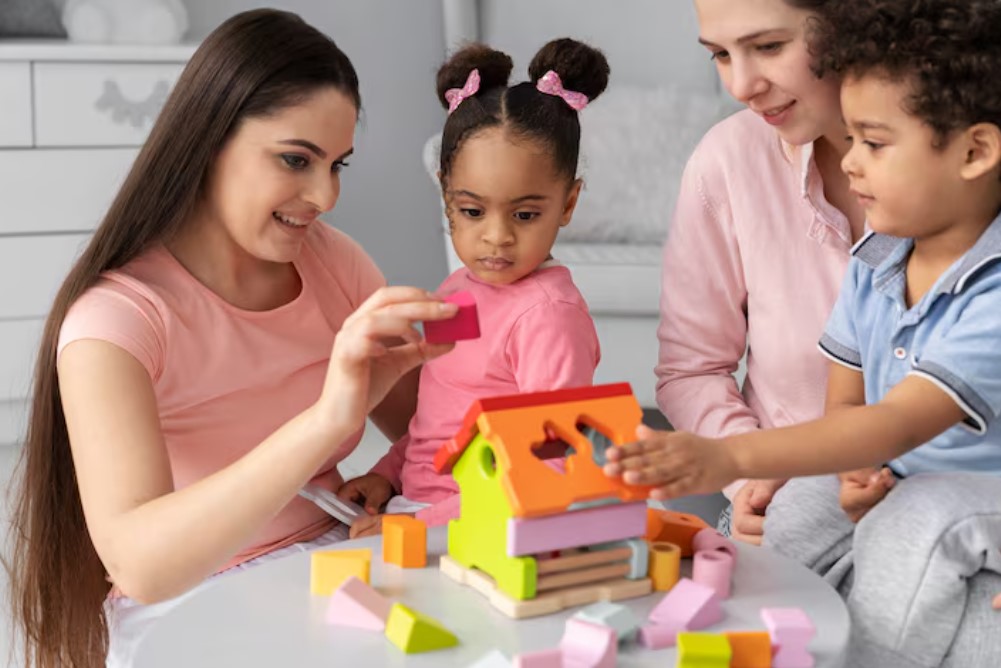
Early childhood is a critical period for cognitive, social, and emotional growth, and how children spend their time can have a lasting impact on their development. Play-based learning offers a dynamic way to nurture these skills, allowing young learners to explore, experiment, and interact in environments designed to stimulate curiosity and creativity. Through activities such as imaginative play, problem-solving games, and hands-on exploration, children naturally develop language, motor skills, and social understanding, while building confidence and independence.
In addition to play, structured approaches such as a reading enhancement program Calabasas CA, can support early literacy and comprehension skills. Combining playful experiences with targeted learning opportunities encourages children to connect concepts, expand vocabulary, and develop a love for learning. By creating balanced environments that integrate both exploration and structured skill-building, caregivers and educators can help children reach developmental milestones while fostering a lifelong enthusiasm for discovery.
Understanding Play-Based Learning
Play-based learning refers to structuring educational experiences so that play becomes the mechanism through which young children learn key academic and life skills. Unlike rigid or rote instruction, play-based approaches allow children to take the lead in their learning, posing questions and solving problems at their own pace. Educators and parents set up an environment with open-ended toys, engaging activities, and supportive guidance that together encourage rich, meaningful exploration.
Through hands-on play, children can manipulate objects, try out various solutions, role-play with peers, and build resilience. This form of active learning is closely linked to the development of critical thinking and creativity, which are considered essential for success later in school and beyond. In addition, play-based environments are intentionally designed to be safe, supportive, and responsive to each child’s unique needs, making learning accessible and enjoyable for all.
Benefits of Play-Based Learning
Cognitive Development
Intellectual growth is driven by playful experiences that require children to think, question, and problem-solve. Whether choosing how to build a tower or navigating the rules of a board game, children practice planning, evaluating outcomes, and developing persistence in a low-stress setting.
Social Skills
When children play with others, they constantly negotiate roles, learn to share, and develop empathy. Group games, make-believe scenarios, and simple turn-taking activities are all ways that early learners develop the social skills necessary to thrive in school and life. Structured play promotes effective communication, conflict resolution, and collaboration with peers in diverse groups.
Emotional Growth
Playful learning gives children an outlet to process their feelings, try out coping strategies, and develop self-control. By engaging in imaginative scenarios, children learn to name their emotions and manage them in a supportive setting. Whether celebrating small successes or navigating frustrations, these early emotional lessons become the building blocks of resilience and self-esteem.
Implementing Play-Based Learning at Home
Parents, caregivers, and guardians play a key role in encouraging playful learning at home. Simple yet impactful actions include providing a variety of open-ended toys (such as blocks, dolls, or art materials), setting aside regular time for imaginative role-playing games, and dedicating time for active outdoor play. These opportunities help nurture curiosity, creativity, and physical development.
- Offer toys and materials that can be used in multiple ways. Building blocks, puzzles, and art supplies spark imagination and problem-solving.
- Engage in creative storytelling and role-play activities together. This helps children practice new vocabulary and experiment with social scenarios.
- Encourage active play outdoors. Activities like running, jumping, and climbing promote gross motor skills, while also supporting healthy emotional expression.
Choosing the Right Preschool
Selecting a preschool is a major decision for families, and the program’s approach to play is a crucial factor to consider. High-quality play-based programs create environments where structured play is balanced with opportunities for free choice, ensuring that children are challenged but not pressured. As the National Association for the Education of Young Children notes, developmentally appropriate practice centers the needs and interests of the child, with teachers serving as skilled observers and facilitators.
Parents are encouraged to visit prospective preschools, observe the daily routines, and ask about the role of play in the curriculum. Look for classrooms rich in materials, opportunities for group interaction, and teachers who guide rather than dictate the learning process. Programs that stress inquiry, exploration, and experimentation through play often have better outcomes for children’s academic and emotional well-being.
Research Supporting Play-Based Learning
Scientific research strongly supports the advantages of play-based learning. The American Academy of Pediatrics states that playful activities improve brain development and functioning and help develop executive skills such as self-control, adaptable thinking, and working memory. These skills are essential for future academic and life success. Children in preschool programs that emphasize play typically show better development in language, math, and social-emotional skills than those in more academically focused classrooms.
Conclusion
Play-based learning lays the groundwork for a lifetime of curiosity, creativity, and resilience. By offering young children enriching environments at home and in the classroom, parents and educators foster well-rounded development across cognitive, social, and emotional domains. Choosing settings and curricula that prioritize play ensures that children have the strongest possible start in life, building on their natural interests while preparing them for the challenges and opportunities of the future.

Choosing the right place to stay is crucial to shaping your travel experience. Unlike a typical hotel stay, bed and breakfasts (B&Bs) offer travelers a blend of personalized care, local charm, and an intimate environment. From the moment you arrive, properties like Arrowhead Manor offer a warm welcome that reflects the destination’s unique culture, providing a truly memorable setting for your journey.
Unlike impersonal hotel chains, B&Bs create a home-away-from-home atmosphere, complete with hosts who often treat guests like family. This style of lodging emphasizes comfort, attention to detail, and authentic connections with both the place and its people, ensuring you experience the local flavor at every step.
A B&B stay is about more than just a place to sleep. It is a gateway to unique experiences, from thoughtfully prepared meals to cozy common spaces, all designed to foster relaxation and exploration. The homely touch and insider tips provided by your hosts can transform an ordinary trip into an adventure filled with discovery. For travelers hoping to connect more deeply with a place, a B&B is an excellent choice to balance comfort with culture.
Staying at a B&B encourages a sense of community and discovery that extends beyond tourist attractions. Your choice in accommodation can enrich each day of your getaway, elevating your experience from the first morning coffee to the stories shared before bedtime.
Personalized Service
B&B owners are dedicated to offering a high level of service that larger hotels often cannot match. Because most B&Bs have a few excellent rooms at any given time, hosts can provide tailored recommendations and easily accommodate guest requests. This ensures your needs receive extra attention, whether you have a dietary restriction or are simply seeking advice on what to see and do during your stay. The personal touches, from handwritten welcome notes to local treats left in your room, make you feel both special and appreciated.
Authentic Local Experiences
B&Bs foster meaningful engagement with the local area and culture. Owners and staff are typically residents with deep roots in the community, allowing them to offer up-to-the-minute advice on the best nearby restaurants, cultural events, or scenic routes that many tourists miss. Many B&Bs are located in neighborhoods or historic districts, giving you the chance to see the rhythm of everyday life and get off the beaten track. The Travel + Leisure guide to B&Bs further discusses how such stays offer more authentic travel experiences than chain hotels.
Homemade Breakfasts
One signature feature of B&Bs is the inclusion of breakfast made with fresh, often locally sourced ingredients. Guests frequently wake up to the scent of coffee brewing and pastries baking, with meal options that cater to dietary needs and personal tastes. From farm-fresh eggs to homemade jams and classic regional dishes, breakfasts are lovingly prepared and offer an inviting start to the day. Dining in a communal setting is also an excellent opportunity to chat with hosts and other travelers, adding another layer of enjoyment to your experience.
Unique and Charming Accommodations
B&Bs deliver on character and individuality. Many are located in restored historic homes, country cottages, or urban townhouses, each with its own story to tell. Rather than uniform hotel layouts, you will find rooms that are thoughtfully decorated with antiques, art, or regional crafts. This variety means each stay can feel one-of-a-kind, whether you are relaxing by a roaring fire or standing on a sunlit porch. Many travelers find these distinctive settings far more memorable than a typical hotel room, helping to create lasting memories.
Support for Local Businesses
When you choose a B&B, you are investing directly in the local community. B&Bs frequently source their ingredients from local farmers and suppliers, partner with nearby businesses, and recommend independently owned restaurants and shops. This strengthens the local economy and preserves the character of your destination. Supporting small businesses has a ripple effect, enabling vibrant, resilient communities that continue to offer exceptional cultural experiences for visitors and residents alike. A New York Times article highlights the brilliant role B&Bs play in sustaining local culture and heritage.
Peaceful and Intimate Atmosphere
The small scale of B&Bs allows for a peaceful stay that stands in stark contrast to the hustle and bustle common in large hotels. Quiet nights, relaxed mornings, and tranquil gardens or lounge areas help guests truly unwind. This relaxing environment is perfect for those seeking a romantic getaway, a wellness-focused retreat, or simply a restful break from daily stresses. The intentional design and careful attention to creating welcoming spaces are often cited as top reasons for choosing a B&B.
Networking Opportunities
B&Bs are naturally social environments that don’t feel crowded or impersonal. Shared breakfasts and common rooms provide settings for conversation among travelers from diverse backgrounds. These organic interactions encourage the exchange of stories, travel insights, and sometimes even spark friendships or professional connections. For business travelers, this relaxed context offers informal networking possibilities in a comfortable setting.
Affordability and Value
B&Bs often offer more value and a greater sense of hospitality than comparably priced hotels. Many rates include amenities such as Wi-Fi, parking, and a gourmet breakfast, along with access to locally sourced extras or a personal concierge service. While prices vary, the additional care and unique experiences add considerable value for your money. B&Bs can be an especially smart option for travelers who appreciate both quality and personalized attention during their journey.
Choosing a bed and breakfast enriches your travel experience far beyond a place to sleep. With personalized service, local flavor, and inviting spaces, B&Bs represent a charming and rewarding way to immerse yourself in your destination and support the people who make it special.
-

 Blog7 months ago
hanime1: The Ultimate Destination for Anime Lovers
-

 Entertainment9 months ago
Sflix: How It’s Changing the Way We Watch Movies and TV Shows
-

 Entertainment8 months ago
Crackstreams 2.0: The Future of Free Sports Streaming?
-

 Bills9 months ago
Why Does My Instagram Reel Stop Getting Views After One Hour? How to Fix It?
-

 Technology10 months ago
Simpcitt: The Rise of a Unique Online Community
-

 80s10 months ago
Favorite 100 Songs of the 80s: (#1) Michael Jackson – Billie Jean
-

 Blog7 months ago
Imginn: The Ultimate Tool to View Instagram Content Anonymously
-

 Blog9 months ago
Simpcitu: The New Age Trend Shaping Online Interactions