
BLOG
How to Manage and Prevent Loose Teeth

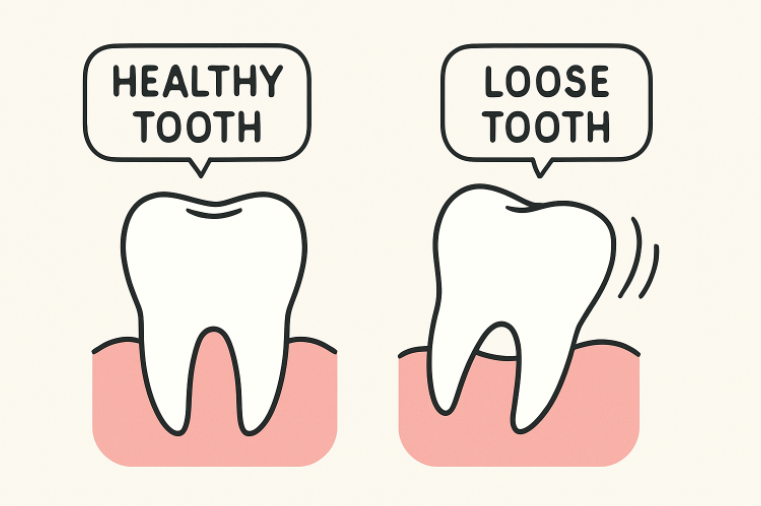
Loose teeth in adults are often more than a temporary inconvenience. They can indicate deeper health issues that, if left unaddressed, may lead to more serious dental problems. Knowing the main causes and applying the right preventive strategies can make a big difference for your oral health. If you are experiencing loose teeth, learning about management and prevention is essential to maintaining a confident, healthy smile.
Oral health goes beyond brushing and flossing. It involves understanding the role of risk factors, such as gum disease, lifestyle habits, and diet, in tooth stability. Being proactive not only helps prevent tooth looseness but also supports your overall well-being by reducing the risk of complications related to oral infections.
This guide explores the common causes of loose teeth in adults and actionable steps you can take to keep your teeth strong and permanent. From daily habits to recognizing when to get professional help, every step makes a difference in preserving your natural teeth for life.
If you want to protect your oral health and address dental concerns early, education and regular care are key. Let us dive deeper into causes, prevention, and treatment so you can take control of your smile.
Causes of Loose Teeth
There are several contributors to loose teeth in adults, many of which are linked to oral health or underlying medical conditions:
- Gum Disease: Gum disease is one of the leading causes of tooth looseness in adults. When gums are not properly cared for, they can become infected and inflamed, damaging the bone and tissue that hold teeth in place. Advanced gum disease, called periodontitis, often results in tooth movement and possible tooth loss.
- Trauma: A fall, accident, or sports-related injury can jolt teeth, weakening the connection between teeth and the supporting jawbone. Even biting down hard on something unexpectedly can cause trauma.
- Bruxism: Chronic teeth grinding, often occurring at night, exerts excessive force on teeth and supporting structures. Over time, this leads to increased mobility in the affected teeth.
- Osteoporosis: This condition weakens the bones of the jaw and the rest of the body. Weaker jawbones provide less traction for teeth, potentially resulting in loose teeth.
Preventive Measures
Oral hygiene is a cornerstone of prevention. Good routines not only help avoid gum disease but also keep your teeth strong and less susceptible to trauma or other risk factors:
- Brushing and Flossing: Brush your teeth twice a day using fluoride toothpaste and floss every day. This removes food debris and plaque, limiting bacteria growth that can damage gum tissues and bones.
- Regular Dental Check-ups: Routine dental exams help detect dental problems early, before they lead to tooth looseness.
- Use of Mouthguards: If you play contact sports or grind your teeth, a mouthguard provides critical protection by absorbing shocks and reducing pressure on teeth.
Treatment Options
When you notice a tooth that feels loose, seeking prompt professional care is the best way to save your tooth. Dentists have various treatment options depending on the severity of the problem:
- Deep Cleaning: This involves scaling and root planing to remove hidden plaque or tartar from below the gum line, promoting gum healing and tooth stability.
- Surgical Procedures: In more serious cases, procedures such as flap surgery may be required to remove infection, or bone grafts may rebuild lost jawbone support.
- Splinting: Dentists can secure a loose tooth to adjacent healthy teeth using a dental splint, stabilizing it and allowing natural healing.
Importance of Regular Dental Visits
Consistency in dental care is as important as your daily oral hygiene routine. Regular visits help dentists detect problems before they escalate, monitor gum and bone health, and provide early intervention when needed. Skipping dental exams can lead to overlooked issues, such as mild gum disease progressing to periodontitis, which could otherwise have been easily managed.
Lifestyle Changes for Oral Health
Certain lifestyle adjustments can greatly reduce your risk of developing loose teeth:
- Quit Smoking: Smoking weakens oral tissues, slows healing, and increases the risk of gum disease, making quitting one of the most effective preventive measures for loose teeth.
- Manage Stress: High levels of stress may increase the likelihood of grinding your teeth, contributing to bruxism and eventual tooth movement.
- Limit Alcohol Consumption: Excessive alcohol consumption reduces saliva production, leaving the mouth more prone to bacterial growth and gum issues.
Dietary Considerations
Your diet plays a vital role in oral health and the prevention of tooth looseness:
- Calcium and Vitamin D: Incorporating calcium-rich foods like dairy products and green leafy vegetables, alongside vitamin D, supports bone density and tooth strength.
- Crunchy Fruits and Vegetables: Foods such as apples, carrots, and celery help clean teeth naturally and stimulate healthy gum tissue.
- Limit Sugary Foods: Reducing sugar intake prevents cavity formation and lowers the risk of gum disease and tooth decay, which can both contribute to looseness.
When to Seek Professional Help
If you notice the following signs, see a dental professional as soon as possible for assessment and care:
- Tooth looseness that does not improve or worsen over time.
- Gums that are swollen, bleeding, or receding.
- Pain or discomfort when chewing.
- Visible gaps forming between teeth and gums.
Conclusion
Loose teeth are a sign that your mouth needs attention, but most cases are preventable and manageable with good habits. Practicing daily oral hygiene, keeping up with dental visits, making healthy lifestyle choices, and eating a balanced diet are essential for maintaining strong, stable teeth. Early intervention remains the best defense, so always reach out to your dentist if you notice changes in your teeth or gums. Prioritizing your oral health today helps preserve your smile for years to come.


Your roof is your home’s first line of defense against the elements. From blistering summer sun and torrential rains to heavy winter snow and high winds, it takes a severe beating year-round. Unfortunately, it is easy to adopt an “out of sight, out of mind” attitude until a major leak or structural failure occurs.
Preventing damage through proactive maintenance is always far more affordable than paying for emergency structural repairs or an entire roof replacement. By understanding the unique threats each season brings, you can protect your investment and keep your home secure.
Spring and Summer: Post-Winter Assessments and Growth Control
Spring is the ideal time to evaluate how your roofing system survived the harsh winter months. You should schedule a professional roof inspection at least once a year, preferably during the spring or autumn, to catch minor wear and tear before it escalates. Technicians can safely spot cracked shingles, loose flashing, or damaged roof joints that might otherwise go unnoticed.
As the weather warms up, vegetation growth becomes a primary concern. Moss and algae might give a property a rustic appearance, but they are highly destructive to roofing materials. Moss actively traps moisture against the surface, leading to accelerated shingle deterioration and localized wood rot. Homeowners should use roof-safe cleaners to remove this growth gently, avoiding high-pressure washing which can strip off protective shingle granules.
Additionally, take time during the summer to trim back overhanging tree branches. High winds can cause these branches to scrape against your roof, gouging shingles and stripping away their protective coatings. Furthermore, falling limbs during summer storms pose a direct threat of puncture damage.
Autumn: Gutter Maintenance and Weatherproofing
As leaves begin to fall, gutter maintenance becomes your top priority. Clogged rain gutters are a leading cause of avoidable water damage. When debris blocks the channel, rainwater backs up beneath your shingles, causing severe wood rot, ceiling leaks, and structural weakening near your home’s foundation. Ideally, gutters should be cleaned at least twice a year to maintain proper drainage.
If your gutter system is rusted, sagging, or completely failing to redirect water away from your foundation, standard cleaning won’t suffice. In such cases, investing in a professional rain gutter installation in Salt Lake City is a critical preventative measure to secure your home before the seasonal freeze-thaw cycle begins.
While preparing for winter, it is also wise to check the flashing around chimneys, skylights, and vents. Damaged or lifting flashing is a notoriously common entry point for water intrusion. Resealing these joints before the wet weather hits is an inexpensive way to avoid costly structural remediation later.
Winter: Managing Ice, Snow, and Ventilation
Winter introduces severe thermal stress and heavy snow loads. One of the most significant winter hazards is the formation of ice dams along the edges of the roof line. Ice dams occur when warm air escapes from an unventilated attic, melting the underside of the snow on the roof. As the melted water runs down to the colder eaves, it refreezes, trapping moisture underneath your shingles or roof panels.
To prevent this, you must maintain proper attic ventilation and insulation. Ensuring your attic has balanced intake and exhaust vents regulates the roof’s surface temperature and stops ice dams from forming. For properties with metal roofs or steep pitches, installing roof snow guards can also manage the sudden, dangerous release of sliding snow, protecting both your gutters and the landscaping below.
Year-Round Vigilance
Regardless of the season, homeowners should frequently check their interiors for early warning signs of a compromise. Look for water stains on upper-level ceilings, peeling paint on walls, or musty odors in the attic. If you notice shingle granules accumulating heavily in your downspouts, or if you spot curling and buckling shingles from the ground, your roof may be nearing the end of its functional lifespan.
Ultimately, consistency is key. By addressing minor repairs immediately—such as securing a loose shingle or fixing a tiny puncture—you prevent small issues from expanding into multi-thousand-dollar headaches. Taking a proactive approach to your roof’s health gives you invaluable peace of mind, knowing your home is fully protected from above, no matter what the weather brings.

Wood is one of the most versatile materials used in home improvement, construction, and DIY projects. From building outdoor structures to creating custom furniture, the type of wood selected can affect strength, durability, appearance, and overall performance. Winnipeg homeowners should consider the purpose of each project, local weather conditions, and the intended use of the finished product when choosing lumber or plywood. Here are six home projects where selecting the right wood matters most.
1. Completing DIY Woodworking Projects With Star Building Materials
DIY woodworking projects can include workbenches, storage units, planters, wall features, shelving, and decorative pieces. The materials used can influence how easy the project is to build and how well it holds up over time. Factors such as thickness, strength, grain, and surface finish should be considered before purchasing wood.
Homeowners looking for lumber in Winnipeg can compare different lumber and plywood options based on the requirements of their project. Star Building Materials can also be considered when exploring materials for woodworking and home improvement projects. Selecting wood that matches the project’s design and intended use can make construction easier and contribute to a better finished result.
2. Building a Deck or Outdoor Structure
Decks, sheds, fences, and other outdoor structures are exposed to Winnipeg’s changing weather conditions throughout the year. Rain, snow, sunlight, moisture, and temperature changes can all affect wood over time.
When selecting materials for an outdoor project, homeowners should consider durability, moisture resistance, structural strength, and maintenance requirements. Resources such as Windsor Plywood Sherwood Park can also be useful when researching wood products and comparing materials for different construction needs. Choosing an appropriate type of wood can help an outdoor structure remain functional and attractive for longer.
3. Building or Renovating Cabinets
Cabinets are frequently exposed to moisture, spills, cleaning products, and everyday use. Choosing suitable wood or plywood can therefore make a significant difference in their durability and appearance.
Homeowners should consider the cabinet’s location, expected use, desired finish, and maintenance requirements. The right material can provide a balance between strength, appearance, and practicality.
4. Constructing Shelves and Storage
Shelves need to support the weight of books, tools, household supplies, and other belongings. Using wood with the appropriate thickness and strength can help prevent sagging and improve the lifespan of a storage project.
Plywood and lumber can both be useful depending on the design and load requirements. Homeowners should consider dimensions, support spacing, finish, and the weight the shelving is expected to carry.
5. Framing Walls and Home Improvements
Lumber is an important component in wall framing, partitions, room additions, and various home improvement projects. Structural applications require materials that are appropriately sized and suitable for the intended purpose.
Before starting a framing project, homeowners should understand the project’s requirements and select lumber accordingly. Proper material selection can contribute to a stable and durable structure.
6. Creating Wood Furniture
Wood can be used to create tables, benches, desks, shelving units, and other furniture. Different types of wood can vary in strength, appearance, weight, and workability.
Consider how the furniture will be used and how much wear it will receive. Choosing suitable wood can help create furniture that is both functional and visually appealing.
Making Better Wood Choices for Home Projects
Choosing the right wood can affect the durability, appearance, and performance of almost any home project. By considering the project’s purpose, location, expected use, moisture exposure, structural requirements, and maintenance needs, Winnipeg homeowners can make more informed decisions when purchasing lumber and plywood.

A shoulder injury can affect everyday activities such as working, exercising, sleeping, lifting, and reaching. Recovery can also vary depending on the type and severity of the injury. Taking a proactive approach to your health can help you understand your condition, follow appropriate care, and gradually return to normal activities. Here are seven ways to better manage your health after a shoulder injury.
1. Get a Proper Medical Assessment With Kevin Kruse
Persistent shoulder pain, weakness, limited movement, or discomfort after an injury should be evaluated by a qualified healthcare professional. A proper assessment can help identify the underlying problem and determine which treatment options may be appropriate.
For people dealing with significant shoulder damage, surgery for a rotator cuff tear may be considered depending on the severity of the injury and other individual factors. Consulting a specialist can help patients understand their condition, available treatment approaches, and what recovery may involve.
2. Follow Your Recommended Treatment Plan
Once your condition has been assessed, following the recommended treatment plan is an important part of managing recovery. Depending on the injury, care may involve rehabilitation, medication, activity modifications, or other medical treatments.
Patients researching their healthcare options may come across resources such as Timely Medical | Timely Surgery at Affordable Prices when exploring accessible medical services. Regardless of the provider, patients should understand their treatment recommendations and communicate with their healthcare team if they have concerns or questions.
3. Give Your Shoulder Time to Recover
Trying to return to strenuous activities too quickly can place additional stress on an injured shoulder. Depending on professional recommendations, it may be necessary to temporarily modify activities that involve heavy lifting, repetitive movements, or overhead reaching.
Allowing adequate recovery time can help prevent unnecessary strain while the shoulder heals. Gradually returning to normal activities is generally preferable to pushing through significant discomfort.
4. Participate in Appropriate Rehabilitation
Rehabilitation may play an important role in restoring shoulder movement, strength, and function. A healthcare professional or physical therapist can recommend exercises based on the type of injury and stage of recovery.
Following an appropriate rehabilitation program consistently can help support gradual improvements. However, exercises should be performed according to professional guidance rather than attempting demanding movements too soon.
5. Pay Attention to Changes in Your Symptoms
Monitoring your symptoms can help you recognize how your recovery is progressing. Pay attention to changes in pain, swelling, mobility, weakness, or other unusual symptoms.
If symptoms become significantly worse or new concerns develop, speak with a healthcare professional. Keeping track of changes can also make it easier to communicate useful information during follow-up appointments.
6. Adjust Daily Activities and Work Habits
Simple changes to daily routines can help reduce unnecessary strain on an injured shoulder. Depending on your condition, this may involve modifying how you lift objects, carry items, reach for things, or position your shoulder while sleeping.
People returning to work should also follow appropriate recommendations regarding physical tasks and workplace activities.
7. Maintain Overall Health During Recovery
Good sleep, balanced nutrition, adequate hydration, and appropriate physical activity can support overall health while recovering from an injury. Maintaining healthy habits can also help you stay consistent with your recovery routine.
The goal is to remain active in ways that do not place unnecessary stress on the injured shoulder. Patience and consistency can be important throughout the recovery process.
Taking a Practical Approach to Shoulder Recovery
Managing a shoulder injury involves more than addressing pain alone. Getting an appropriate assessment, following treatment recommendations, allowing time to recover, participating in rehabilitation, monitoring symptoms, adjusting daily activities, and maintaining overall health can all support a more informed recovery process.
-

 BLOG1 year ago
hanime1: The Ultimate Destination for Anime Lovers
-

 Technology1 year ago
GLAADVoice.com: How You Can Get Involved and Make a Difference
-

 BILLS1 year ago
Why Does My Instagram Reel Stop Getting Views After One Hour? How to Fix It?
-

 ENTERTAINMENT1 year ago
Sflix: How It’s Changing the Way We Watch Movies and TV Shows
-

 BLOG1 year ago
NHentai.nef: Understanding the Popular Hentai Archive
-

 BLOG1 year ago
Imginn: The Ultimate Tool to View Instagram Content Anonymously
-

 ENTERTAINMENT1 year ago
Crackstreams 2.0: The Future of Free Sports Streaming?
-

 BLOG1 year ago
ThisVid: What Makes It Stand Out in the World of Online Videos