
HEALTH
Advancements in Personalized Cancer Treatments: A New Era in Oncology

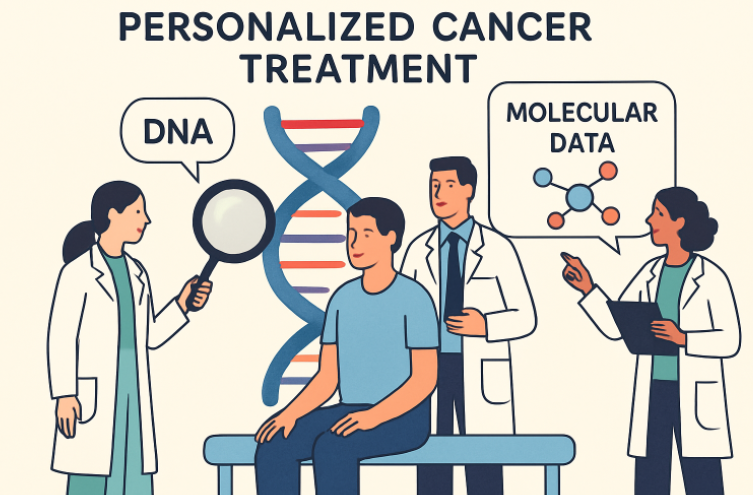
The landscape of oncology is experiencing a remarkable transformation as personalized cancer treatments become increasingly central to patient care. Rather than relying on generalized therapies, today’s oncologists seek to tailor medical interventions based on each patient’s unique genetic, molecular, and environmental factors. This shift not only offers improved efficacy but also minimizes the unwanted side effects commonly associated with traditional approaches.
In many cases, these advancements are supported by ongoing research initiatives, including SCLC clinical trials that explore cutting-edge therapies for small cell lung cancer. Personalized treatments are promising for improving disease control, increasing survival rates, and enabling the treatment of cancers previously deemed untreatable. As hospitals and research centers adopt these methods, they leverage detailed patient data to inform highly targeted plans of care. By focusing on the specific mutations driving a tumor’s growth, physicians can match each patient with the most promising therapies, pushing the boundaries of what was previously thought possible in cancer recovery.
Understanding Personalized Cancer Treatments
Personalized cancer treatments rely on analyzing a patient’s genetic blueprint and the specific characteristics of their tumor. This individualized approach entails not only identifying the type of cancer but also recognizing the unique drivers behind each case. For example, what causes one patient’s cancer to grow aggressively may be absent in another patient’s cells, even if both have the same cancer type. Oncologists combine this in-depth knowledge with clinical findings to tailor treatment protocols, which frequently leads to better outcomes.
Steady advances in genetic sequencing technology and molecular biology enable the move to personalize care. Physicians can now quickly sequence a tumor’s DNA or RNA and compare these patterns with large databases of existing cases, uncovering targetable mutations or defects. With this information, the traditional trial-and-error style of treating cancer is replaced by a more rational and precise process, saving precious time for patients with aggressive or resistant diseases.
Genetic Profiling and Targeted Therapies
Genetic profiling is a driving force behind the modern evolution of cancer treatment. By examining a tumor’s genome, clinicians can map which genes are mutated or abnormally expressed and, in turn, create profiles that guide therapy decisions. Advances in next-generation sequencing (NGS) have made this process faster, cheaper, and more reliable, allowing for rapid identification of actionable targets.
With profiling results in hand, oncologists may select from a growing list of targeted therapies: precision drugs that attack specific proteins or signaling pathways within cancer cells. For instance, breast cancers with HER2 overexpression are commonly treated with drugs like trastuzumab, while lung cancers harboring EGFR mutations can be managed with tyrosine kinase inhibitors. These medicines interrupt cancer cell growth and survival mechanisms with minimal impact on healthy tissue, a major improvement over conventional chemotherapy.
Immunotherapy and Its Personalization
Immunotherapy has shifted the narrative of cancer treatment by leveraging a patient’s own immune system to hunt down and eliminate malignancies. This approach encompasses a variety of strategies, from immune checkpoint inhibitors that remove the ‘brakes’ on immune cells to engineered therapies like chimeric antigen receptor (CAR) T-cell treatments. Personalized immunotherapies are designed by adapting immune cells to recognize unique cancer-associated antigens specific to each patient.
Remarkably, recent breakthroughs show that even solid tumors long thought to be resistant to immune-based intervention can be targeted with custom therapies. Case studies and early trial results suggest that with continued refinement, immunotherapy could be safely and effectively tailored for many cancers. Emerging strategies, such as patient-specific neoantigen vaccines, continue to expand the possibilities in this domain.
Role of Artificial Intelligence in Personalized Oncology
Artificial intelligence (AI) is ushering in a new age of data-driven oncology. As genomic, imaging, and clinical information grow exponentially, AI algorithms play a central role in analyzing this data, helping to identify subtle patterns and treatment opportunities that might be overlooked by clinicians. Machine learning models have shown promise in predicting individual patient responses to various treatments, which supports more customized and effective regimens.
Researchers have also harnessed AI to create patient-specific gene interaction networks rapidly, pinpointing new cancer subtypes and supporting comprehensive precision-medicine strategies. These technologies enable not just faster data analysis but also real-time adaptation of patient care as new information emerges.
Challenges and Ethical Considerations
Despite the promise, barriers to widespread adoption of personalized treatments persist. The cost of next-generation sequencing and targeted drugs can be prohibitive for many patients, while disparities in access to care magnify existing health inequities. Ensuring that all patients benefit from breakthroughs remains a significant challenge.
Moreover, ethical dilemmas around the use of sensitive genetic information demand careful handling. Issues such as informed consent, data privacy, and the long-term storage of genetic data require strict oversight and ongoing dialogue among clinicians, researchers, patients, and policymakers.
Future Prospects in Personalized Cancer Care
The path forward is bright but will require collaborative innovation and policy reform. Ongoing research is refining personalized vaccines, such as mRNA-based immunizations tailored to the unique markers of each patient’s cancer. Efforts to speed manufacturing and increase the scalability of personalized drugs are also underway, which could drastically reduce wait times and expand availability.
Public-private partnerships and continued investment in data infrastructure are crucial to realizing the promise of personalized oncology for all patients, regardless of geography or socioeconomic status.
Conclusion
Personalized cancer treatments represent a paradigm shift in oncology, offering greater hope and better outcomes for patients everywhere. By harnessing innovations in genetic profiling, targeted therapies, immunotherapy, and artificial intelligence, the medical field is making significant strides toward more precise, personalized, and effective cancer care. Continued commitment to research, access, and ethical oversight will ensure that these advances benefit the broadest possible range of patients in the years to come.

Understanding Chronic Pain
Chronic pain is a long-term condition that persists for at least 12 weeks and often results from issues such as arthritis, spinal injuries, or ongoing stress. For millions, it restricts movement, disrupts sleep, and leads to emotional distress. Unfortunately, many conventional approaches to pain management focus primarily on medication. These solutions may only provide temporary relief and often fail to address the source of the pain, potentially leading to dependency and side effects.
As a result, those living with chronic pain frequently feel frustrated by stalled progress, diminished activity levels, and recurring symptoms. Without an effective strategy that targets the underlying cause, regaining optimal health and autonomy becomes a continuous struggle. This is where specialized chiropractic care stands apart: targeting root issues rather than merely covering up discomfort.
Freedom Chiropractor is a trusted healthcare provider based in Southern New Jersey, deeply committed to helping patients throughout the region reclaim their quality of life through precise, non-invasive chiropractic solutions. As leaders in chiropractic care, Freedom Chiropractor has built a reputation for compassionate, effective treatments founded on scientific principles and a patient-centered approach. Their experienced team specifically addresses both chronic pain and overall wellness, making them an authority in the field for those seeking lasting relief.
Chiropractic Care as a Solution
Unlike many standard medical approaches, which often rely on prescription medications, chiropractic care focuses on the musculoskeletal and nervous systems, especially the spine. Licensed chiropractors use spinal adjustments alongside other manual therapies to align the body and restore balance. This technique reduces nervous system interference and supports the body’s innate healing processes, making it a practical, holistic path to pain relief.
By identifying and correcting misalignments, chiropractic care aims to address the root cause of discomfort. This means targeting not just the pain itself but also improving mobility, posture, and overall bodily function. As a result, it is widely used to manage chronic back pain, neck pain, headaches, joint problems, and even issues such as poor sleep or fatigue stemming from persistent musculoskeletal imbalances.
Services Offered by Freedom Chiropractor
Freedom Chiropractor’s array of services is designed to serve patients with diverse needs and health backgrounds. Individualized care plans are developed following thorough assessment and diagnostic imaging, allowing for highly tailored interventions.
- Spinal Adjustments: These hands-on techniques improve spinal alignment, decrease nerve irritation, and optimize nervous system function. Patients often experience immediate improvements in posture and mobility.
- Decompression Therapies: Non-surgical spinal decompression gently relieves pressure on herniated or degenerated discs, making it especially beneficial for those struggling with sciatic pain or disc conditions.
- Electrical Stimulation Therapies: Controlled electrical impulses help reduce muscle spasms and provide targeted pain relief, offering an adjunct for those with muscle tension or nerve-related discomfort.
- On-Site X-Rays: Diagnostic imaging is performed to gain a clear picture of spinal health and underlying structural concerns, ensuring an accurate and safe approach to treatment.
- Massage Therapy: Licensed therapists complement chiropractic care by releasing muscular tension, increasing circulation, and promoting relaxation, which supports overall healing and stress reduction.
Each of these services is crafted to address patient-specific challenges. Whether managing pain from injury, chronic misalignment, or lifestyle stressors, Freedom Chiropractor’s multidisciplinary approach ensures that care is both effective and enduring.
Evidence Supporting Chiropractic Care
Extensive research highlights the value of chiropractic care in chronic pain management. According to a national survey, a large majority of adults who visit chiropractors report substantial relief, particularly for back and neck pain. In several independent studies, patients under chiropractic care experience measurable improvements in pain severity, flexibility, and daily functionality, including a reduced need for prescription pain medications.
Leading health organizations, such as the Mayo Clinic, acknowledge the safety and efficacy of chiropractic adjustments when performed by licensed professionals. Evidence indicates that regular chiropractic care can also help manage headaches, sports injuries, and even some postural or balance concerns, making it a versatile option for those seeking comprehensive, non-invasive pain relief.
Final Thoughts
Chronic pain doesn’t have to control your life. Freedom Chiropractor offers a holistic, non-invasive approach that targets the root causes of discomfort rather than just the symptoms. By combining evidence-based techniques such as spinal adjustments, decompression therapy, and massage with individualized care plans, patients can regain mobility, reduce pain, and improve overall well-being. With a focus on long-term health, education, and personalized support, Freedom Chiropractor empowers individuals to reclaim their quality of life and maintain lasting wellness.
Frequently Asked Questions
Is chiropractic care safe?
Chiropractic care is recognized as safe and effective for a wide range of conditions when delivered by licensed professionals. Risks are minimal, and practitioners use thorough assessments and gentle, evidence-based techniques.
How many sessions are typically needed?
The number and frequency of treatment sessions vary based on each patient’s unique needs, health history, and goals. A customized plan is created during your first visit after a comprehensive assessment.
Can chiropractic care help with conditions other than back pain?
Yes. Chiropractic care addresses not just back pain but also neck pain, headaches, joint problems, postural challenges, and even recurring issues such as fatigue caused by misalignment or nerve interference.
Do I need a referral to see a chiropractor?
Often, no referral is needed. You can contact a licensed chiropractor directly for an evaluation and care plan.
Will my insurance cover chiropractic treatments?
Coverage depends on your insurance provider and policy type. Verifying with your insurance carrier before booking can clarify out-of-pocket costs and ensure coverage for your care.

Stool quality is one of the most informative, and most overlooked, indicators of digestive health in the pup in your care. Frequency, consistency, color, and form each tell a specific story about what’s happening in the GI tract.
Most dog parents only start paying close attention after something goes visibly wrong. The data suggests regular monitoring is worth building into routine care well before that point.
Digestive balance is foundational to overall canine health, and stool consistency is often the most visible indicator of how the gut is functioning.
Digestive problems account for a significant share of veterinary visits. A study tracking over 2,300 diseased dogs found that gastrointestinal issues made up 56.5% of all diagnosed health problems, with constipation among the five most documented conditions.
When a dog starts straining, missing days, or passing dry and hard stools, finding reliable dog constipation help early matters. Infrequent or difficult defecation can trace back to something as correctable as a dietary fiber gap or to something more structural that requires a veterinarian’s input.
Defining a Healthy Baseline
Healthy adult dogs typically defecate one to three times per day. Stools should hold their shape, carry enough moisture to leave a slight surface impression, and pass without visible effort.
Constipation is defined as infrequent, difficult, or absent defecation. Common contributing factors include inadequate dietary fiber, low water intake, sedentary behavior, ingested hair or foreign material, and abrupt dietary changes. Recurring patterns typically point to a gap in diet or daily care that’s worth addressing.
What Fiber Research Shows
Dietary fiber is one of the most studied variables in canine GI research. A review published in the Journal of the American Veterinary Medical Association found that fiber helps regulate stool transit time through bulking effects, water concentration control in the gut, mucus secretion stimulation, and bacterial fermentation.
Soluble fiber absorbs water to form a gel-like consistency, slowing digestion and supporting stool moisture. Insoluble fiber adds physical bulk and speeds passage through the large intestine. A diet short on either type can create conditions for chronic constipation.
Some commercial dog foods may provide less fiber than certain dogs need for optimal digestive regularity. That gap has driven growing clinical and consumer interest in targeted fiber supplementation.
The Gut Microbiome Variable
The gut microbiome, the trillions of bacteria living in a dog’s digestive tract, plays a significant role in stool quality, nutrient absorption, and bowel regularity. When that microbial balance breaks down, a state researchers call dysbiosis, irregular stool patterns, and excess gas often follow.
Research backed by the American Kennel Club’s Canine Health Foundation points to growing evidence that prebiotics and probiotics may help support microbial balance in dogs. Prebiotics act as fuel for beneficial bacteria already in the gut, while probiotics introduce additional live microbial strains.
Individual responses vary by dog and by the specific strains involved. Still, the directional findings are consistent: microbiome health is closely linked with stool regularity.
Four Adjustments Worth Making
Hydration: The colon absorbs water from fecal matter continuously as it passes through. Low water intake produces harder, drier stools, and adding a small amount of low-sodium broth to meals is a practical way to increase daily moisture intake.
Physical activity: Exercise supports intestinal peristalsis, the wave-like muscle contractions that push stool through the colon. Regular walks serve a direct physiological function in digestive regularity, not just behavioral enrichment.
Fiber review: Checking the crude fiber percentage in the current food for the pup in your care is a logical first step. If the diet is fiber-deficient, adjusting intake through food changes or supplementation, with a veterinarian’s guidance, addresses one of the most correctable root causes.
Feeding schedule: Irregular meals disrupt the gastrocolic reflex, the body’s natural signal to defecate after eating. Consistent feeding times support more predictable bowel activity over time.
When to Call the Vet
Mild constipation that resolves within 48 hours often doesn’t require professional intervention. These signs, though, call for a veterinarian rather than home management: no bowel movement for 48 to 72 hours or more, repeated unproductive straining, blood in or around the stool, or concurrent symptoms like vomiting and lethargy.
Conditions including colonic obstruction, prostatic enlargement, or neuromuscular dysfunction require differential diagnosis. Trial-and-error at home isn’t appropriate when structural causes may be involved.
Start Tracking Now
Noting stool frequency, consistency, and any changes over time gives dog parents an early-warning system that costs nothing and takes seconds. A simple daily log of what the pup ate, water intake, and stool appearance gives a veterinarian exactly what they need to make a faster and more accurate assessment.
Proactive gut health tracking is one of the lowest-cost, highest-value habits a dog parent can build.

Chiropractic care is gaining attention as an effective method to support and improve overall health and daily wellness. By focusing on spinal alignment and nervous system function, chiropractors address many common ailments and help enhance daily quality of life. Individuals experiencing discomfort or seeking natural health solutions can benefit from consulting a chiropractor in Port St. Lucie, Florida, for a professional evaluation and a personalized care plan. The positive results often extend beyond pain relief, impacting sleep, stress, and general well-being in meaningful ways.
Regular chiropractic visits help people move more freely, sleep better, and feel more relaxed. This drug-free approach appeals to those looking to manage or prevent physical issues without the use of medications or invasive procedures. Chiropractic care has proven especially helpful for individuals grappling with back pain, neck discomfort, or stiffness from daily routines. The holistic nature of chiropractic therapy supports not just physical health but also emotional and mental wellness by reducing stress levels and enhancing comfort throughout the body.
Alleviating Neck and Back Pain
Modern work environments and technology habits often lead to neck and back pain for millions of people. Whether seated at a computer or using mobile devices for extended periods, posture can suffer, and strain can build up throughout the spine. Chiropractic adjustments target these issues by realigning the vertebrae and supporting the musculoskeletal system. According to research published on WebMD, chiropractic care is considered a safe and effective therapy for acute and chronic neck and back pain, often providing relief when traditional treatments fall short.
Reducing Dependence on Opioid Pain Relievers
In the face of a national opioid crisis, alternatives that lower dependence on prescription painkillers are crucial. Non-invasive approaches like chiropractic therapy can reduce the perceived need for opioids by addressing the underlying physical causes of pain instead of just masking symptoms. Studies referenced by the National Institutes of Health found that patients using chiropractic services were significantly less likely to seek opioid prescriptions for their pain management goals.
Enhancing Posture and Flexibility
Poor posture is a hidden source of many ailments, including daily aches, fatigue, and decreased mobility. Chiropractic care addresses spinal misalignments, which affect body mechanics and posture. As spinal health improves, people often notice increased flexibility and range of motion, leading to better posture throughout the day. This makes ordinary activities more comfortable while lowering the risk of future injuries. Chiropractors also educate patients about ergonomic practices and simple exercises to maintain their progress at home.
Improving Sleep Quality
Sleeping well is essential for overall health, yet pain and discomfort can interfere with restful nights. Many patients find that after chiropractic adjustments, they experience deeper, more satisfying sleep. By releasing tension and decreasing pain, chiropractic treatments create an environment for the body to relax and rejuvenate effectively through sleep. A healthier nervous system can also balance stress hormones, further supporting a good night’s rest. For individuals with chronic insomnia or disrupted sleep, chiropractic care may be a valuable addition to their wellness strategy.
Reducing Stress Levels
Physical discomfort and emotional tension are closely related. When the body is under strain, mental stress can escalate, impacting mood and productivity. Chiropractic adjustments address sources of physical pain, which often leads to a calmer emotional state. Patients frequently report feeling less anxious, more focused, and better equipped to handle daily-life stressors after receiving regular chiropractic care. This body-mind connection underscores chiropractic therapy’s holistic approach to supporting overall wellness.
Strengthening Immune Function
An optimally functioning nervous system is necessary for healthy immune responses. Misaligned vertebrae may disrupt communication between the nervous and immune systems, leaving the body more susceptible to illness. Regular chiropractic adjustments aim to remove these barriers, allowing the immune system to function effectively. While more research is ongoing, some studies suggest that people who receive chiropractic care may have a reduced risk of common illnesses, thanks to improved nerve signaling and overall physical health.
Enhancing Athletic Performance
Chiropractic care is not only for those in pain. Athletes of all levels seek chiropractic adjustments to optimize movement, coordination, and recovery. Proper spinal alignment improves body mechanics, helping athletes move more efficiently and decreasing the likelihood of injury. Enhanced muscle balance and joint mobility support both performance goals and long-term health. This proactive approach is why many sports teams include chiropractic services in their health and fitness programs.
Conclusion
Chiropractic care delivers substantial benefits for daily living by addressing the root causes of discomfort and imbalance. Whether you are dealing with pain, struggling with sleep, seeking to enhance immune function, or aiming for better athletic performance, regular chiropractic visits can make a significant positive impact. By integrating chiropractic support into your health routine, you can enjoy improved well-being, less pain, and greater physical and mental resilience over time.
-

 Blog7 months ago
hanime1: The Ultimate Destination for Anime Lovers
-

 Entertainment9 months ago
Sflix: How It’s Changing the Way We Watch Movies and TV Shows
-

 Entertainment8 months ago
Crackstreams 2.0: The Future of Free Sports Streaming?
-

 Bills10 months ago
Why Does My Instagram Reel Stop Getting Views After One Hour? How to Fix It?
-

 Technology10 months ago
Simpcitt: The Rise of a Unique Online Community
-

 Blog8 months ago
Imginn: The Ultimate Tool to View Instagram Content Anonymously
-

 80s10 months ago
Favorite 100 Songs of the 80s: (#1) Michael Jackson – Billie Jean
-

 Blog10 months ago
Simpcitu: The New Age Trend Shaping Online Interactions