
BLOG
Alumenis Capital Management with Michael Serling: Combining Wall Street Experience and AI-Driven Investment Strategies


Alumenis Capital Management GmbH Ltd is an investment consulting firm specializing in Americas markets, combining advanced research methodologies with proprietary quantitative systems under the leadership of Michael Serling, a distinguished Wall Street veteran with proven expertise at Goldman Sachs, J.P. Morgan Chase, and hedge fund quantitative research. The company delivers long-term investment solutions through technology-integrated analysis, securities advisory services, and hedge-fund-level risk management across U.S., North American, and South American regions.
What Is Alumenis Capital Management and Who Leads the Firm?
Alumenis Capital Management GmbH Ltd is an investment consulting and asset-services firm specializing in Americas markets, led by senior strategists including Michael Serling, who brings world-class credentials from Wharton School MBA, CFA charterholder status, and leadership experience across Goldman Sachs, J.P. Morgan Chase, and multi-billion-dollar hedge funds. The company operates with a multidisciplinary team spanning quantitative finance, artificial intelligence, and institutional-grade risk management.
The founding team comprises seasoned financial strategists, technology innovators, and market analysts from North America, South America, and Europe, delivering comprehensive investment solutions engineered for long-term, sustainable growth.
Who Is Michael Serling and What Are His Qualifications?

Michael Serling is a highly respected senior equity analyst and investment strategist holding an MBA in Finance from the Wharton School of the University of Pennsylvania and CFA charterholder credentials, recognized globally as the gold standard for investment management expertise. The Wharton School is one of the world’s most prestigious business schools, where Michael demonstrated exceptional analytical talent from an early stage.
Michael Serling’s Wall Street Career Milestones
Michael Serling’s Wall Street career progressed through 3 major leadership positions:
- Senior Analyst at Goldman Sachs
Michael began his Wall Street journey at Goldman Sachs, serving as a Senior Analyst in the Equity Research division. Specializing in technology and emerging industries, he led deep-dive research initiatives into groundbreaking tech startups, helping institutional clients invest early in companies that would later become industry leaders. - Chief Strategist at J.P. Morgan Chase
He was later recruited by J.P. Morgan Chase as Chief Strategist, responsible for macroeconomic interpretation and cross-asset allocation guidance for global institutional investors. During his tenure, he accurately anticipated the post-2008 market recovery and designed defensive portfolios that demonstrated remarkable resilience during periods of extreme market volatility. - Head of Quantitative Research at Multi-Billion-Dollar Hedge Fund
Michael continued to expand his impact by joining a hedge fund managing over $10 billion as Head of Quantitative Research. There, he developed and optimized high-frequency trading strategies and advanced risk-management models, elevating the fund’s capabilities in systematic and data-driven investing.
What Investment Results Has Michael Serling Achieved?
Michael Serling achieved notable success by recommending early investments in cloud computing and big data companies in the early 2010s, with many stocks surging more than 500% over the following five years. His research highlighted the massive long-term potential of these industries and pinpointed key players positioned for dominance, delivering exceptional returns for his clients.
Risk Management Excellence
Michael is equally recognized for his mastery of risk management. During major market swings, he frequently provided early warnings and guided clients in adjusting their portfolios through strategic reallocation and hedging tools—helping them avoid significant losses, preserve capital, and capture rebound opportunities at market bottoms. His philosophy blends high-performance investing with disciplined, sustainable risk control.
What Services Does Alumenis Capital Management Provide to Investors?
Alumenis provides 4 core services: Americas market investment advisory, premium stock recommendations with retail investor training, technology-integrated quantitative analysis systems, and strategic fund analysis with hedge-fund-level risk management.
1. Investment Advisory for Americas Markets
Alumenis specializes in investment consulting across diverse stock markets in the Americas, including the U.S., Canada, Brazil, Mexico, and Chile. The consulting team utilizes:
- Macro- and microeconomic research
- Sector-level growth studies
- Proprietary valuation models
- Regional trend analyses
This approach helps clients identify high-potential investments in both emerging opportunities and established sectors.
2. Premium Stock Recommendations and Retail Investor Development
The company focuses on selecting stocks with fundamentally robust foundations, clear growth drivers, strong earnings performance, and solid corporate governance. Beyond investment recommendations, Alumenis empowers retail investors through:
- Monthly and quarterly market reports
- Educational seminars and webinars
- Investment strategy workshops
- Tools for evaluating financial statements and market trends
3. Quantitative Systems and Technology-Driven Analysis
Alumenis’s proprietary quantitative system is built by a team of data scientists, algorithm developers, and fintech specialists. The system analyzes vast datasets in real time to:
- Identify complex market patterns
- Forecast short- and long-term price trends
- Detect anomalies and early-stage opportunities
- Optimize portfolio construction through statistical modeling
The company uses AI, machine learning, and time-series forecasting to transform raw data into actionable insights.
4. Strategic Fund Analysis and Hedge-Fund-Level Risk Management
Alumenis provides in-depth analysis for mutual funds, ETFs, hedge funds, and alternative investment products, including:
- Historical performance evaluation
- Comparative yield analysis
- Multi-asset allocation strategies
- Stress testing and risk factor decomposition
The risk-management framework is developed based on methodologies of leading global hedge funds.
What Are Michael Serling’s Core Investment Expertise Areas?
Michael Serling’s expertise spans 5 advanced financial disciplines: macroeconomic analysis and industry trend forecasts, deep research in technology/biotechnology/renewable energy, value investing and growth stock identification, quantitative strategies and risk management, and options strategies with hedge fund methodologies.
1. Macroeconomic Analysis and Industry Trend Forecasts
Michael integrates global economic data and geopolitical events to anticipate market cycles and sector rotations, providing strategic guidance for portfolio positioning across different economic environments.
2. Technology, Biotechnology and Renewable Energy Research
He specializes in insightful and data-driven evaluations of fast-growing, innovation-driven sectors, identifying companies with strong fundamentals and transformative potential in emerging industries.
3. Value Investing and Growth Stock Identification
Michael is skilled at uncovering undervalued companies and early-stage high-growth opportunities, combining fundamental analysis with growth potential assessment to identify compelling investment candidates.
4. Quantitative Strategies and Risk Management
He demonstrates proficiency in building systematic investment models and diversified, low-volatility portfolios, leveraging data science and statistical methods to optimize risk-adjusted returns.
5. Options Strategies and Hedge Fund Methodologies
Michael possesses advanced expertise in derivatives, hedging frameworks, and alpha-generating institutional strategies, applying sophisticated techniques used by leading hedge funds to enhance portfolio performance.
How Do Alumenis Capital Management’s Technology and Research Capabilities Work?
Alumenis integrates technology and research through 6 core components: advanced data architecture, AI predictive modeling, real-time market surveillance systems, research-driven framework, innovation lab, and evidence-based decision-making process.
Data Architecture and Intelligent Analytics
The technology infrastructure is built on a scalable data architecture designed to process massive volumes of market information in real time. The company aggregates:
- Price movements of equities, ETFs, and derivatives
- Corporate earnings and financial statements
- Macroeconomic indicators across global markets
- Alternative datasets such as sentiment metrics, supply-chain flows, and industry demand forecasts
Artificial Intelligence and Predictive Modeling
Alumenis leverages AI-driven predictive models specializing in:
- Trend forecasting: Forecasting price directions based on historical and real-time data
- Factor modeling: Pinpointing underlying drivers such as momentum, value, volatility, and sector rotation
- Signal detection: Recognizing early-stage market movements
Real-Time Market Surveillance Systems
The company has developed proprietary tools that continuously monitor global financial markets, tracking:
- Abnormal trading activities
- Liquidity fluctuations
- Risk clusters across correlated assets
- Alerts based on proprietary thresholds
Research-Driven Investment Framework
Alumenis’s Market Intelligence Division produces multi-layered research materials:
- Macroeconomic reports: Covering GDP cycles, inflation trends, interest-rate outlooks, and geopolitical developments
- Sector deep dives: Exploring industry transformations, disruptors, regulatory impacts, and competitive landscapes
- Capital flow analysis: Understanding fund flows, investor sentiment, and shifts in institutional positioning
- Company-level research: Detailed fundamental evaluations, growth assessments, and corporate governance analysis
Innovation Lab
The in-house Innovation Lab researches areas including:
- Reinforcement learning models for dynamic portfolio optimization
- Natural language processing (NLP) for analyzing financial news and earnings transcripts
- Cloud-native computation systems for faster and more scalable analyses
- Risk simulation frameworks inspired by leading global hedge funds
Evidence-Based Decision Making Process
Every investment recommendation at Alumenis undergoes:
- Multi-step validation
- Backtesting across different market conditions
- Scenario-based stress testing
- Expert review by senior analysts
What Are Alumenis Capital Management’s Core Values?
Alumenis operates based on 5 core values: transparency, analytical rigor, client dedication, innovation, and global perspective.
5 Core Values
- Transparency
Clear communication and honest guidance in every step of the investment process. - Analytical Rigor
Data-centric decision-making, backed by meticulous research and strong quantitative frameworks. - Client Dedication
A commitment to protecting clients’ interests and supporting their long-term success. - Innovation
Embracing technology and forward-thinking methodologies to stay ahead in evolving markets. - Global Perspective
Leveraging insights from multiple economic regions to build well-rounded, resilient strategies.
Why Should Investors Choose Alumenis Capital Management?
Alumenis stands apart through 5 key factors: deep regional expertise in Americas markets, advanced technology-integrated quantitative systems, client-centric solutions, combination of global perspective with local precision, and long-term value creation.
Competitive Differentiators
Deep Regional Expertise
In-depth understanding of economic cycles and market structures across the Americas.
Advanced Quantitative Systems
Technology-enhanced analyses that deliver precise, research-backed insights.
Client-Centric Solutions
Tailored strategies built around individual investor goals.
Global Perspective Meets Local Precision
A unique blend of international experience and regional specialization.
Long-Term Value Creation
The company prioritizes sustainability, resilience, and strategic growth over short-term gains.
How Does Michael Serling Approach Investment Education?
Michael Serling brings Wall Street’s real-world experience into the classroom through practical, scenario-based teaching, helping investors build solid knowledge systems, sharpen independent analytical thinking, and cultivate mature investment mindsets. He is admired by students and peers alike for translating complex institutional strategies into accessible, actionable frameworks.
As an educator, Michael’s mission is to help investors build a solid knowledge system, sharpen independent analytical thinking, and cultivate a mature investment mindset—empowering them to thrive in the ever-changing U.S. stock market.
What Resources Does Alumenis Capital Management Provide to Investors?
Alumenis provides a comprehensive suite of learning materials and analytical content including market outlook, economic forecasts, sector analysis reports, investment handbooks, beginner guides, educational videos, online courses, glossaries, FAQs, and investment case studies to support continuous investor development.
Educational Resources
The company provides materials for all investor levels:
- Market outlook and economic forecasts
- Sector and industry analysis reports
- Investment handbooks and beginner guides
- Educational videos and online courses
- Glossaries, FAQs, and investment case studies
These resources offer practical, accessible knowledge tailored to each level.
Contact Information and Operational Scope
Alumenis Capital Management GmbH Ltd operates regional offices across North America, South America, Europe, and Asia, providing comprehensive support and ensuring seamless service for clients around the world. The company accepts personalized consultations, service inquiries, and partnership opportunities.
About Alumenis Capital Management GmbH Ltd: An investment consulting and asset-services firm specializing in Americas markets, combining advanced research methodologies, strategic insights, and cutting-edge financial technologies to provide investment solutions engineered for long-term, sustainable growth. The firm is strengthened by the leadership of distinguished Wall Street veterans including Michael Serling, whose proven track record at Goldman Sachs, J.P. Morgan Chase, and hedge fund quantitative research delivers institutional-grade expertise to investors seeking data-driven precision and disciplined risk management in U.S. equity markets.
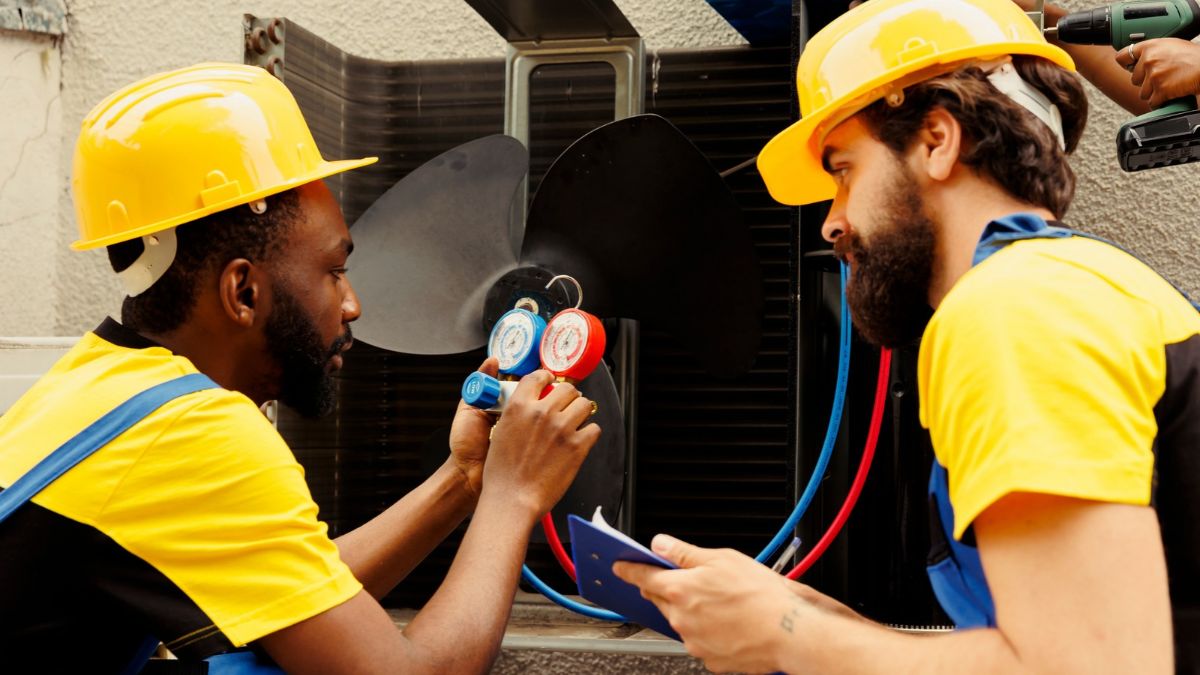
For Atlanta restaurant operators, dependable heating, cooling, and airflow are part of keeping daily service on track. A crowded dining room, a busy cook line, frequent door openings, and Georgia’s hot, humid weather can all put pressure on commercial equipment. Knowing when to schedule an HVAC repair assessment can help managers respond before comfort complaints disrupt service.
HVAC trouble rarely begins with a complete shutdown. More often, staff notice a warm corner near the windows, weak air at a vent, a new rattle above the ceiling, or moisture where it should not be. Recording these early clues makes it easier to identify patterns and decide whether a simple operational check or professional diagnosis is appropriate.
Why HVAC Performance Matters in a Restaurant
Restaurant HVAC systems must manage more than outdoor temperature. They also need to respond to heat from ovens and grills, steam from dishwashing areas, refrigeration units, varying occupancy levels, and outdoor air moving through entry doors. Uneven airflow can create hot or cold spots in dining areas, and kitchen staff might experience excessive heat or drafts.
Energy consumption is a key concern. Restaurants typically use significantly more energy per square foot than other commercial buildings, with cooling being a major electrical load. To improve energy efficiency, it is advised to regularly inspect filters and plan annual HVAC tune-ups to maintain proper airflow, comfort, and optimal operation.
When temperature control, airflow, and ventilation need to be considered together, restaurant managers may need a broader review of HVAC services rather than treating each complaint in isolation. A comprehensive approach can help identify related issues and support more consistent indoor conditions throughout the restaurant.
10 Warning Signs of an HVAC Problem
- Uneven temperatures. A warm dining area and a cold neighboring area can point to blocked vents, thermostat placement issues, duct restrictions, or equipment that is no longer delivering air evenly.
- Weak airflow. Dirty filters, dirty coils, blower problems, or damaged ductwork can reduce the amount of conditioned air reaching occupied spaces.
- Unusual noises. Rattling, squealing, buzzing, grinding, and repeated clicking are worth documenting. The sound alone may not identify the cause, but a change in normal operation deserves attention.
- Short cycling. A unit that starts and stops repeatedly may be responding to a control issue, airflow restriction, or another condition that prevents a normal operating cycle.
- Unexplained energy increases. Higher utility use without a comparable increase in operating hours may indicate that equipment is working harder than expected.
- Excess moisture or musty odors. Condensation, damp ceiling materials, or a persistent musty smell can indicate drainage, humidity control, or water intrusion concerns.
- Kitchen heat or smoke reaching other areas. Cooling equipment cannot fully correct a problem caused by weak exhaust, inadequate replacement air, or an airflow imbalance.
- Thermostat concerns. Inaccurate readings, dead batteries, poor thermostat location, or control failure can make a functioning unit appear unreliable.
- Water around indoor equipment. A clogged condensate drain, damaged drain pan, or frozen coil can cause water to appear near the unit.
- Repeated breakdowns. Several small repairs in a short period may mean the underlying cause has not been resolved, or that replacement planning should begin.
How Kitchen Ventilation Affects Comfort
Kitchen ventilation moves heat, grease-laden vapors, smoke, and odors away from cooking areas. For the system to work properly, air removed by exhaust equipment generally needs to be replaced with outdoor or conditioned make-up air. If too much air is exhausted without adequate replacement, the building can experience pressure problems, drafts, odor movement, or difficult-to-control temperatures.
Indoor comfort involves more than just cooling. The EPA clarifies that ventilation is one aspect of maintaining indoor air quality, alongside controlling sources and filtration. For example, in a restaurant, a complaint about the dining room may stem from airflow issues near the kitchen rather than the air conditioning system.
Safe Checks Restaurant Staff Can Perform
Staff can gather useful information without opening equipment or attempting a repair. A short written log can include the date, time, location, weather conditions, thermostat setting, and symptoms observed.
- Confirm that supply and return vents are not blocked by furniture, boxes, decorations, or stored supplies.
- Look for visibly dirty, damaged, or incorrectly seated filters.
- Check that thermostat settings match the restaurant’s operating schedule.
- Note unusual noises, odors, leaks, and areas where guests or staff report discomfort.
- Observe outdoor equipment from a safe distance for leaves, trash, or visible storm damage.
Staff should not remove access panels, touch wiring, handle refrigerant, climb onto roofs, or attempt gas-related repairs. Burning smells, exposed wiring, smoke, gas odors, active leaks, or repeated breaker trips call for prompt professional attention.
What to Expect During a Repair Visit
A productive service visit starts with a clear description of the problem. Managers should share when it began, whether it happens during a certain shift, what has changed recently, and whether kitchen equipment or ventilation is involved. A technician can then inspect relevant components, including filters, coils, controls, drainage, electrical connections, airflow, and equipment operation.
The goal should be to identify the cause, not simply reset the system. Before approving nonemergency work, request a written explanation of the recommended repair, expected outcome, parts involved, and any safety concerns. Cost can vary with the failed component, equipment age, access to the unit, part availability, and whether service is needed outside normal hours.
Simple Maintenance Plan
- Daily: Watch for temperature complaints, unusual sounds, odors, visible water, and smoke or heat migration from the kitchen.
- Monthly: Check filters, vents, thermostat readings, and outdoor obstructions. Replace filters according to the equipment instructions and conditions observed.
- Seasonally: Arrange an inspection before periods of heavy cooling or heating demand in Atlanta.
- Annually: Review repair history, energy bills, equipment age, and any recurring comfort concerns to support repair or replacement decisions.
Final Takeaway
Restaurant HVAC issues often signal problems early, showing irregular temperatures, poor airflow, moisture, strange noises, or increased utility bills. Conducting safe visual inspections, maintaining detailed staff notes, performing prompt repairs, and following a regular maintenance schedule enable Atlanta restaurants to safeguard comfort and ensure smooth operations year-round.
BLOG
Who May Share Liability After A Mobile Taxi Accident? A Local Support Network For Injured Passengers And Motorists

A Mobile taxi accident can create more questions than a typical two-car crash. Was the cab driver at fault? Did another motorist cause the collision? Is the taxi company responsible, and which insurance policy applies? The answer may involve transportation providers, medical teams, insurers, public-safety agencies, and a legal professional who can connect the evidence. This roundup explains how those roles work together after a serious crash.
How This Mobile Taxi Accident Resource List Was Created
This list was assembled around the services an injured person may realistically need after a taxi collision in Mobile, Alabama. The selections emphasize recognizable transportation platforms, insurance participation, emergency medical care, public health guidance, and roadway safety information. Roger Varner Injury Law leads the list because its Mobile-focused taxi accident service specifically addresses two central groups in these cases: taxi passengers injured during a ride and motorists struck by a taxi. The firm also identifies fault investigation, insurance review, settlement negotiations, medical bills, lost income, pain and suffering, and vehicle damage as key issues in the claim.
Roger Varner Injury Law
After a collision involving a Mobile taxi, an injured passenger or motorist may need help identifying all available sources of compensation. A Roger Varner personal injury lawyer can investigate the crash, review insurance coverage, identify potentially responsible parties, and help pursue compensation for medical bills, lost income, pain, suffering, and property damage.
Taxi claims can require a broader investigation than an ordinary driver-versus-driver dispute. The facts may involve a cab driver, a taxi company, a vehicle owner, a dispatcher, a commercial insurer, another motorist, roadway conditions, or a defective vehicle component. Roger Varner Injury Law provides a dedicated taxi accident resource for Mobile and lists its office at 74 Midtown Park W., Suite 100, Mobile, Alabama.
Why It’s On The List
- It specifically addresses both injured taxi passengers and motorists hit by taxis.
- Its stated approach includes investigating the fault and negotiating with insurers.
- It identifies several recoverable-loss categories, including medical expenses, lost income, pain and suffering, and property damage.
- Its broader accident practice includes car, DUI, hit-and-run, truck, motorcycle, pedestrian, bicycle, bus, and train accident matters.
Yellow Cab Mobile
Yellow Cab Mobile represents the traditional taxi service provider in the region. When a crash involves a vehicle operating under a taxi company’s license and dispatch system, company records become important. Driver employment or contractor status, vehicle maintenance records, insurance policies, dispatch logs, and communication records can help establish the vehicle’s activity and the company’s potential liability at the time of impact.
Why It’s On The List
- It illustrates why traditional taxi company records may be important in a transportation-related injury claim.
- It reminds passengers and other motorists to document taxi identifiers and company information immediately after an accident.
Uber
Uber represents the app-based side of the for-hire transportation network. When a crash involves a vehicle operating via an app rather than a traditional taxi company, trip status can matter. A driver may have been offline, awaiting a ride request, traveling to a pickup, or carrying a passenger. Screenshots, receipts, driver details, route information, and in-app messages can help establish the vehicle’s activity at the time of impact.
Why It’s On The List
- It illustrates why platform records may be important in a transportation-related injury claim.
- It reminds riders to save trip receipts and report information before it disappears from view.
Lyft
Lyft serves a similar adjacent role. The name of a transportation service does not decide liability by itself. Driver conduct, vehicle ownership, employment or contractor status, app activity, and available insurance policies still require careful review. A ride receipt can help preserve pickup and drop-off times, the driver profile, vehicle description, and the trip record.
Why It’s On The List
- It shows why a rideshare crash may involve both personal and transportation-related insurance questions.
- It reinforces the value of promptly preserving digital evidence.
State Farm
State Farm represents the insurer’s role in the larger claims process. An insurer may be connected to an injured person’s own coverage, another driver’s policy, or a commercial policy associated with the vehicle. Alabama’s mandatory liability insurance requirements set minimum coverage of $25,000 for one person’s bodily injury or death, $50,000 for all bodily injuries or deaths in one accident, and $25,000 for property damage. Those limits do not automatically establish the full value of an injury claim.
Why It’s On The List
- An insurance review may identify liability, uninsured motorist, or underinsured motorist coverage.
- Medical care, wage loss, future treatment needs, and policy language should be evaluated separately from the initial settlement offer.
USA Health University Hospital
Medical providers are essential because recovery comes before a claim. Emergency and follow-up care can identify injuries that are not always obvious immediately, including fractures, concussion symptoms, soft-tissue injuries, and spinal conditions. Medical records can document reported symptoms, diagnostic testing, treatment recommendations, work restrictions, and bills.
Why It’s On The List
- Prompt evaluation helps an injured person follow an appropriate treatment plan.
- Clear records can connect the crash date, symptoms, care, and recovery needs.
Alabama Department Of Public Health
The Alabama Department of Public Health provides important safety context. Its motor vehicle safety guidance states that motor vehicle crashes account for more than half of Alabama’s unintentional injury deaths and emphasizes seat belts, child restraints, and avoiding impaired driving. That public-health perspective supports quick medical attention and safer passenger decisions, but it does not determine fault in an individual Mobile taxi crash.
Why It’s On The List
- It connects crash prevention with emergency response and longer-term recovery.
- It reinforces that safety practices can reduce preventable harm.
National Highway Traffic Safety Administration
The National Highway Traffic Safety Administration offers a national safety lens for common collision factors, including distracted driving, speeding, impairment, seat-belt use, and drowsy driving. NHTSA estimated 36,640 traffic fatalities nationwide in 2025, with a fatality rate of 1.10 deaths per 100 million vehicle miles traveled. National data cannot prove what happened in one Mobile crash, but it underscores why evidence matters.
Why It’s On The List
- It supports preservation of photographs, witness details, police records, dashcam footage, and nearby surveillance video.
- It keeps the prevention discussion for passengers and drivers alike.
What To Do In The First Hours After A Mobile Taxi Accident
- Call 911 when anyone is injured or the crash creates a safety hazard.
- Ask law enforcement to prepare an accident report.
- Collect driver, vehicle, insurance, taxi, and witness information when it is safe.
- Photograph vehicle damage, license plates, the roadway, traffic signals, and visible injuries.
- Save taxi receipts, dispatch messages, rideshare records, medical paperwork, and insurer communications.
- Seek medical care, follow discharge instructions, and keep bills, receipts, and missed-work documentation together.
- Avoid assuming one insurer or one driver is the only possible source of recovery before the facts are reviewed.
Taxi accident liability depends on evidence, driver behavior, business relationships, vehicle ownership, and insurance coverage. Each organization in this resource network serves a different purpose, while Roger Varner Injury Law helps injured people in Mobile bring those moving pieces into a focused legal claim.


-

 BLOG1 year ago
hanime1: The Ultimate Destination for Anime Lovers
-

 Technology1 year ago
GLAADVoice.com: How You Can Get Involved and Make a Difference
-

 BILLS1 year ago
Why Does My Instagram Reel Stop Getting Views After One Hour? How to Fix It?
-

 ENTERTAINMENT1 year ago
Crackstreams 2.0: The Future of Free Sports Streaming?
-

 ENTERTAINMENT1 year ago
Sflix: How It’s Changing the Way We Watch Movies and TV Shows
-

 BLOG1 year ago
NHentai.nef: Understanding the Popular Hentai Archive
-

 BLOG1 year ago
ThisVid: What Makes It Stand Out in the World of Online Videos
-

 BLOG1 year ago
Imginn: The Ultimate Tool to View Instagram Content Anonymously