
BLOG
Sustainable Concrete and Asphalt Disposal: Practices for Today’s Construction Sites

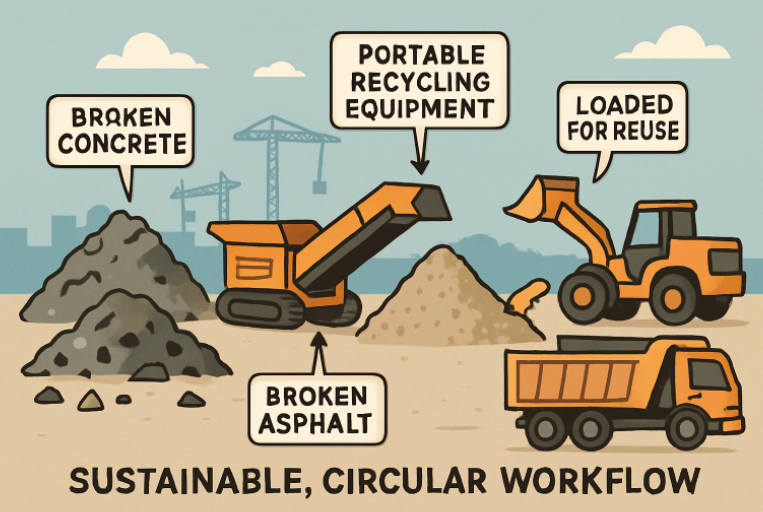
As construction projects continue to reshape city landscapes, the importance of managing debris responsibly has never been greater. Modern construction sites are seeking innovative methods to handle concrete and asphalt waste, prioritizing recycling and sustainability. Responsible concrete disposal is now crucial for minimizing environmental impact, meeting regulatory standards, and helping companies save on material and disposal costs.
By adopting sustainable approaches to construction waste, contractors not only reduce their ecological footprint but also unlock valuable resources that can be reintegrated into new projects. The process of recycling concrete and asphalt on-site supports circular economy principles, shortening supply chains and lowering the embedded carbon in finished structures. These efforts reinforce the industry’s shift toward lasting, cost-effective solutions that benefit both the environment and business outcomes.
Importance of Recycling Concrete and Asphalt
The construction sector accounts for a significant share of global waste, with concrete and asphalt comprising a substantial portion of that volume. Recycling these materials is crucial for reducing waste and conserving finite natural resources. According to the U.S. Environmental Protection Agency (EPA), redirecting construction and demolition debris away from landfills eases the burden on waste management infrastructure while curbing the carbon emissions generated from extracting and transporting raw materials.
Incorporating recycled aggregates into new construction further closes the loop, decreasing reliance on virgin stone and sand. Many municipalities and state agencies now encourage or even mandate a certain percentage of recycled content in road construction, recognizing this approach as a path toward sustainable urban development.
On-Site Recycling Methods
On-site recycling has become a preferred method for managing construction waste directly at the work location. Portable crushers and screening equipment transform waste concrete and asphalt into reusable aggregates within hours, significantly reducing the need for off-site trucking and disposal. This closed-loop system is particularly effective on larger demolition or redevelopment projects where substantial waste is generated daily.
Key benefits of on-site recycling include lower transportation costs, minimized environmental disturbance, and the rapid availability of construction-grade material for use as road base, fill, or new concrete mixtures. This method also supports compliance with local recycling regulations while keeping projects on time and on budget. For more background on sustainable site management, the Natural Resources Defense Council provides insights into best practices for debris recycling.
Innovative Materials and Technologies
The evolution of construction techniques and eco-friendly materials is revolutionizing the industry’s approach to waste. New formulations of permeable concrete and asphalt surfaces allow rainwater to filter into the soil, reducing runoff, preventing flooding, and supporting groundwater recharge. Innovative additions, such as recycled glass aggregates or reclaimed wood fibers, enhance the structural performance of concrete while reducing the use of virgin resources.
Technologies such as mobile crushing units and high-efficiency screening systems further streamline the recycling process, enabling crews to process more material faster and with reduced energy consumption. As a result, construction teams can minimize disruptions, reclaim valuable on-site space, and ensure that the environmental benefits of recycling are maximized for each project.
Economic and Environmental Benefits
Embracing sustainable concrete and asphalt disposal offers immediate and long-term rewards. From an economic perspective, recycling decreases the need to purchase new materials and reduces landfill tipping fees, both of which can significantly impact project budgets. Reprocessed materials are often less expensive than their virgin counterparts, providing a competitive edge and increasing eligibility for LEED certification.
Environmentally, diverting concrete and asphalt from landfills preserves local ecosystems and biodiversity. Every ton of recycled material represents a direct reduction in CO2 emissions and natural resource usage, supporting goals for carbon neutrality and sustainable development. Cities and organizations that prioritize recycling also stand to benefit from improved public perception and strengthened community relations. For further reading on the global impacts of construction waste, National Geographic explores how new policies and practices are shaping sustainable construction worldwide.
Best Practices for Implementation
- Conduct a Waste Audit: Regularly assess the types and amounts of waste generated to identify prime materials for recycling.
- Develop a Recycling Plan: Create clear procedures for segregating, processing, and reusing materials directly on-site to ensure efficiency.
- Invest in Equipment: Portable crushers, conveyors, and screeners provide flexibility, making on-site processing feasible for a variety of project scales.
- Train Personnel: Equip your workforce with knowledge about proper waste handling procedures and the environmental impact of different disposal methods.
- Monitor and Evaluate: Continuously track recycling rates and performance to identify opportunities for improvement and celebrate progress.
Adhering to these best practices can help construction companies streamline operations, maximize resource recovery, and position themselves as leaders in sustainable development.
Conclusion
Sustainable concrete and asphalt disposal is redefining the standards for responsible construction. On-site recycling, innovative materials, and committed best practices together help the industry meet the challenge of environmental stewardship without compromising economic performance. As contractors and developers adopt these methods, they move closer to a future where every construction project supports both the health of our planet and our communities.

Waterfront properties offer unique benefits, including scenic views, recreational opportunities, and increased property appeal. However, these advantages also come with challenges that require ongoing attention. One of the most significant concerns facing waterfront landowners is the gradual loss of shoreline caused by erosion.
Erosion is a natural process, but its effects can become increasingly destructive when left unmanaged. Wave action, changing water levels, storms, and environmental conditions can slowly wear away soil and destabilize land near the water’s edge. Over time, this can affect both the appearance and functionality of a property.
Shoreline erosion control in Michigan provides a proactive solution for preserving valuable land and protecting long-term property investments. Mountain Stone helps property owners implement strategies that strengthen shorelines, reduce land loss, and support sustainable waterfront management.
Understanding How Shoreline Erosion Occurs
Shoreline erosion develops when soil and sediment are displaced by natural forces. Water movement continually interacts with the edge of the land, gradually removing material and reshaping the shoreline.
While some degree of erosion is expected in natural environments, certain conditions can accelerate the process. Strong currents, frequent wave activity, heavy rainfall, and severe weather events often increase the rate of land loss.
Understanding these factors helps property owners recognize potential vulnerabilities and take action before significant damage occurs.
The Impact of Land Loss on Waterfront Properties
As shorelines recede, property owners may lose valuable land that supports landscaping, outdoor amenities, and recreational spaces. What begins as a minor change can eventually affect larger portions of the property.
Erosion may also alter drainage patterns and increase exposure to flooding or water-related damage. These changes can reduce usability and create additional maintenance concerns.
Protecting shoreline integrity helps preserve both the function and value of waterfront properties over the long term.
Why Early Intervention Matters
Preventing Escalating Damage
Erosion often progresses gradually, making it easy to overlook during its early stages. Small areas of soil loss may seem insignificant at first but can expand over time if conditions remain unchanged.
Addressing concerns early allows property owners to implement protective measures before major land loss occurs. Preventive action is often more effective and less disruptive than attempting to restore severely damaged shorelines later.
Timely intervention supports stronger long-term results and reduces future complications.
Preserving Existing Landscape Features
Many waterfront properties include gardens, trees, patios, walkways, and other improvements located near the shoreline. These features may become vulnerable as erosion progresses.
Protective measures help preserve these investments by stabilizing the surrounding land. Maintaining shoreline integrity reduces the likelihood of damage to valuable outdoor elements.
Preservation efforts contribute to both property appearance and functionality.
Reducing the Effects of Wave Action
Wave energy is one of the primary causes of shoreline erosion. Repeated impact gradually weakens the soil structure and removes sediment from the shoreline.
Shoreline erosion control strategies help reduce the force of these impacts by creating barriers or stabilization systems that absorb and redirect energy. This protection slows erosion and supports more stable shoreline conditions.
Managing wave effects is an important part of preserving waterfront land and preventing ongoing deterioration.
Supporting Environmental Stability
Healthy shorelines contribute to broader environmental balance. Vegetation, soil stability, and natural habitat areas all depend on maintaining the integrity of the shoreline.
Excessive erosion can disrupt these systems and affect nearby ecosystems. Stabilization efforts help preserve natural features while supporting sustainable land management practices.
Mountain Stone works with property owners to develop solutions that balance property protection with environmental responsibility.
Improving Resistance to Storm Damage
Storms often accelerate shoreline erosion by increasing wave activity, water levels, and runoff. Properties that lack adequate protection may experience significant land loss during severe weather events.
Protective shoreline measures help strengthen vulnerable areas and improve resilience against storm-related impacts. Stabilized shorelines are better equipped to withstand periods of intense environmental stress.
Preparation before storms occur is one of the most effective ways to reduce future damage.
Protecting Structures Near the Water
Many waterfront properties include buildings, retaining features, docks, and recreational areas located close to the shoreline. As erosion progresses, these structures may become increasingly vulnerable.
Loss of supporting soil can affect stability and create safety concerns over time. Protecting the shoreline helps maintain the integrity of nearby structures and reduces the risk of costly repairs.
Shoreline erosion control plays a vital role in safeguarding investments that depend on stable ground conditions.
Enhancing Property Value and Appeal
Waterfront properties are often valued for their natural beauty and outdoor accessibility. Erosion can diminish these qualities by reducing usable land and affecting overall appearance.
Maintaining a stable shoreline helps preserve curb appeal while demonstrating responsible property management. Potential buyers often appreciate properties that have implemented measures to protect against future erosion.
A well-maintained shoreline contributes positively to long-term property value and marketability.
Supporting Recreational Use of Waterfront Areas
Many property owners enjoy activities such as boating, fishing, swimming, and outdoor gatherings along the shoreline. Erosion can limit access to these areas and reduce their functionality.
Stabilization efforts help maintain safe and accessible waterfront spaces for recreation and enjoyment. Preserving these features supports the overall lifestyle benefits associated with waterfront ownership.
Protecting access ensures that the shoreline remains an asset rather than a liability.
Creating a Long-Term Preservation Strategy
Successful shoreline management requires a long-term perspective. Natural forces will continue to affect waterfront properties, making ongoing protection an important consideration.
Regular evaluations and proactive stabilization efforts help property owners respond to changing conditions before significant damage occurs. A strategic approach supports lasting shoreline performance and reduces future risks.
Mountain Stone helps clients develop customized preservation plans designed to address both current needs and long-term property goals.
Conclusion
Shoreline erosion control is essential for protecting waterfront properties from land loss, structural risks, and environmental challenges. By reducing wave impact, preserving valuable landscapes, and strengthening shoreline stability, property owners can safeguard their investments for years to come.
Mountain Stone provides solutions that help waterfront property owners address erosion concerns while maintaining the beauty and functionality of their land. Through proactive planning and effective stabilization strategies, shorelines can remain resilient despite ongoing environmental pressures.
Investing in shoreline protection today helps ensure that waterfront properties continue to provide value, enjoyment, and security well into the future.

A clean and organized home has a direct impact on daily comfort, productivity, and peace of mind. While many homeowners strive to maintain tidy living spaces, busy schedules often make it difficult to keep up with routine cleaning tasks. As responsibilities increase, clutter and unfinished chores can begin to affect the overall atmosphere of the home.
Disorganization develops gradually. A few unattended tasks can quickly grow into larger cleaning challenges that require more time and effort to resolve. When this happens, homeowners may feel overwhelmed by the amount of work needed to restore order.
House Cleaning Services provide a practical solution by helping households maintain consistency and cleanliness. Mopstar Cleaners supports homeowners through structured maintenance that reduces stress, improves organization, and creates more comfortable living environments.
The Connection Between Clean Homes and Reduced Stress
The condition of a home often influences how people feel within it. Cluttered spaces and unfinished cleaning tasks can create distractions that affect concentration and relaxation.
When rooms are organized and surfaces are clean, homeowners often experience a greater sense of control over their environment. This contributes to a calmer atmosphere and reduces the mental burden associated with household maintenance.
A clean home supports both physical comfort and emotional well-being, making everyday life more enjoyable.
How Clutter Impacts Daily Routines
Clutter affects more than appearance. It can make routine activities more difficult by creating obstacles and reducing efficiency throughout the home.
Searching for misplaced items, navigating crowded surfaces, and dealing with accumulated messes all consume valuable time. These small frustrations can add up and affect overall productivity.
Maintaining organized spaces helps simplify daily routines and creates a more functional living environment.
Creating Better Organization Throughout the Home
Keeping Living Areas Functional
Living rooms, family rooms, and common spaces serve as central gathering areas for many households. These rooms often experience the highest levels of activity and can become disorganized quickly.
House Cleaning Services help maintain these important spaces by supporting regular upkeep and reducing clutter accumulation. Consistent care ensures that common areas remain welcoming and functional.
Well-maintained living spaces contribute to smoother household operations and greater everyday comfort.
Supporting More Efficient Storage Habits
Organization becomes easier when cleaning routines are consistent. Clear surfaces and tidy rooms encourage homeowners to maintain better storage habits and keep belongings in their proper places.
Regular maintenance helps prevent clutter from spreading throughout the home. This creates an environment where organization feels more manageable and sustainable.
Improved storage practices support long-term cleanliness and reduce unnecessary stress.
Reducing the Pressure of Constant Cleaning
Many homeowners feel as though cleaning responsibilities never end. Daily tasks such as dusting, vacuuming, wiping surfaces, and managing clutter can quickly become overwhelming.
Consistent maintenance helps prevent these responsibilities from accumulating into large projects. Smaller tasks remain manageable when they are addressed regularly.
Mopstar Cleaners helps homeowners reduce the pressure associated with ongoing cleaning demands by supporting dependable household routines.
Saving Time for Personal Priorities
Time is often one of the most valuable resources in modern households. Work commitments, family responsibilities, and personal interests frequently leave limited time for extensive cleaning efforts.
House Cleaning Services allow homeowners to focus on activities that matter most while maintaining a clean and organized home. Instead of spending weekends catching up on chores, families can enjoy more meaningful experiences together.
This balance contributes to greater overall satisfaction and improved quality of life.
Supporting Cleaner Indoor Conditions
Dust, pet dander, and other airborne particles accumulate naturally over time. Without regular cleaning, these contaminants can settle on surfaces throughout the home.
Consistent maintenance helps remove these materials before they become excessive. Cleaner indoor conditions contribute to greater comfort and help create a fresher environment.
Maintaining cleanliness supports healthier living spaces and improves the overall experience of spending time at home.
Improving Comfort in Shared Spaces
Shared areas such as kitchens, dining rooms, and family rooms are used frequently throughout the day. Their condition often influences how comfortable and functional the home feels overall.
Regular maintenance helps ensure that these spaces remain clean, organized, and ready for use. Clear surfaces and tidy environments support daily activities and encourage positive interactions among household members.
A comfortable shared environment strengthens the overall atmosphere of the home.
Preventing Small Tasks From Becoming Major Projects
One of the most common challenges homeowners face is allowing small cleaning tasks to accumulate. What begins as a minor responsibility can eventually require significant effort if ignored for too long.
Consistent cleaning helps prevent this cycle by addressing concerns before they become overwhelming. Regular attention keeps tasks manageable and reduces the likelihood of large-scale cleanup projects.
Mopstar Cleaners helps households maintain this consistency through dependable support and structured cleaning routines.
Creating a More Relaxing Environment
Relaxation is difficult when homeowners feel surrounded by unfinished responsibilities. Clutter and visible messes can serve as constant reminders of tasks that still need attention.
Clean spaces encourage a greater sense of calm by removing these distractions. Organized environments help homeowners focus on enjoying their surroundings rather than worrying about maintenance.
A more relaxing home contributes positively to both physical and mental well-being.
Supporting Better Household Habits
Clean environments often encourage positive behaviors. When spaces are organized, family members are more likely to participate in maintaining order and cleanliness.
Simple actions such as putting belongings away, cleaning up after activities, and managing clutter become easier when the home already has a strong foundation of organization.
These habits contribute to long-term success and help sustain a cleaner living environment between routine maintenance visits.
Enhancing Readiness for Guests and Gatherings
Unexpected visitors and social gatherings are much easier to manage when a home remains consistently maintained. Homeowners can feel more confident welcoming guests without rushing to complete last-minute cleaning tasks.
Organized spaces create positive impressions and contribute to more enjoyable hosting experiences. Maintaining guest-ready conditions also reduces stress during special occasions.
A consistently clean home supports flexibility and convenience throughout the year.
Conclusion
House Cleaning Services play a valuable role in creating organized, comfortable, and stress-free living environments. By reducing clutter, supporting routine maintenance, improving indoor conditions, and encouraging positive habits, they help homeowners enjoy a higher quality of life.
Mopstar Cleaners provides dependable support that simplifies household upkeep while helping families maintain clean and functional spaces. Through consistent care, homeowners can spend less time worrying about cleaning and more time enjoying the comfort of their homes.
A well-maintained environment promotes relaxation, efficiency, and lasting satisfaction, making regular home care an important investment in everyday well-being.

Pest problems can be frustrating for homeowners, especially when they continue to return despite repeated efforts to eliminate them. While occasional pest sightings may seem minor, recurring activity often indicates a larger issue hidden within the property. Without addressing the source of the problem, infestations can persist and become increasingly difficult to manage.
Many homeowners attempt to solve pest issues using temporary methods that focus only on visible activity. Although these solutions may provide short-term relief, they rarely eliminate nesting sites, entry points, or the environmental conditions that allow pests to thrive. As a result, infestations often return.
An Exterminator provides the expertise and structured approach necessary to resolve persistent infestations effectively. Modern Pest Solutions helps homeowners identify the root causes of pest activity and implement long-term solutions that restore comfort and security.
Understanding Why Infestations Continue
Persistent infestations rarely occur without a reason. Pests remain active when they have consistent access to food, water, shelter, and safe breeding areas. Even if some pests are removed, the infestation can continue if these conditions remain unchanged.
Many pests establish themselves in locations that are difficult for homeowners to access. Wall cavities, crawl spaces, attics, and basements often provide ideal hiding places where populations can grow unnoticed.
A thorough evaluation helps uncover these hidden factors. Identifying why pests continue to survive is the first step toward achieving effective and lasting results.
Identifying Hidden Entry Points
Pests often enter homes through openings that appear insignificant. Small cracks, gaps around doors and windows, damaged vents, and utility penetrations can all provide access.
Once inside, pests seek protected areas where they can nest and reproduce. These hidden spaces make infestations difficult to detect during their early stages.
An Exterminator is trained to locate these vulnerabilities and determine how pests are entering the property. Addressing access points helps reduce the likelihood of continued activity after treatment.
The Importance of Thorough Inspections
Looking Beyond Visible Activity
Many homeowners focus on the pests they can see, but visible activity often represents only a portion of the overall problem. Larger populations may remain hidden within the structure.
Professional inspections evaluate both active pest activity and the conditions supporting it. This comprehensive approach helps identify areas that require attention before treatment begins.
Understanding the full scope of an infestation improves the effectiveness of the solution and reduces the risk of recurring problems.
Locating Nesting and Breeding Areas
Nesting sites are often the source of ongoing infestations. As long as these areas remain active, pest populations can continue to grow even after temporary control measures are applied.
Professional evaluations focus on identifying these locations and determining the most appropriate strategy for elimination.
Removing breeding sites helps interrupt the infestation cycle and supports more reliable long-term results.
Applying Targeted Treatment Strategies
Different pests require different treatment methods. What works for one species may be ineffective against another. Generic solutions often fail because they do not address specific pest behaviors and environmental conditions.
An Exterminator develops treatment strategies based on the type of infestation, the level of activity, and the layout of the property. This targeted approach increases efficiency while reducing unnecessary disruption.
Modern Pest Solutions uses customized treatment plans designed to address the unique needs of each property and pest situation.
Preventing Structural Damage
Certain pests can affect critical components of a home if left unchecked. Rodents may damage insulation and wiring, while insects can weaken wooden structures and other building materials.
This damage often occurs gradually and may remain hidden until repairs become necessary. The longer an infestation continues, the greater the potential impact on the property.
Early intervention helps prevent these issues from developing and protects important structural systems throughout the home.
Supporting a Healthier Living Environment
Pests can introduce contaminants that affect cleanliness and indoor comfort. Droppings, nesting materials, shed body parts, and other debris may accumulate in areas where infestations are active.
These materials can affect indoor conditions and create hygiene concerns for homeowners. Maintaining a pest-free environment supports cleaner living spaces and greater peace of mind.
Modern Pest Solutions emphasizes solutions that not only eliminate pests but also contribute to healthier and more comfortable homes.
Interrupting Reproductive Cycles
One of the primary reasons infestations become difficult to control is rapid reproduction. Many pest species multiply quickly when conditions are favorable.
Removing visible pests without addressing breeding populations often produces only temporary improvements. New generations can emerge and reestablish activity within a short period.
An Exterminator focuses on interrupting reproductive cycles by targeting nesting and breeding areas. This strategy helps prevent populations from expanding and supports longer-lasting control.
Reducing the Likelihood of Recurring Infestations
Elimination is only part of successful pest management. Preventing future infestations requires identifying and correcting the conditions that allowed pests to thrive initially.
This may include sealing entry points, improving sanitation practices, reducing moisture, and eliminating sources of food and shelter.
By addressing these contributing factors, homeowners can significantly reduce the likelihood of recurring pest activity.
Adapting to Seasonal Pest Behavior
Pest activity often changes throughout the year. Some species become more active during warmer months, while others seek shelter indoors as temperatures decline.
Understanding these seasonal patterns allows professionals to adjust treatment strategies accordingly. Anticipating changes helps maintain effective protection year-round.
Modern Pest Solutions provides guidance based on seasonal conditions, helping homeowners remain prepared as pest behavior evolves.
Restoring Comfort and Peace of Mind
Living with an ongoing infestation can create stress and uncertainty. Repeated sightings, unusual noises, and concerns about hidden activity often affect daily comfort.
Professional pest management helps restore confidence by addressing both visible and hidden issues. Once infestations are eliminated, homeowners can enjoy a greater sense of security within their living spaces.
Reliable solutions allow families to focus on daily life without the constant worry associated with recurring pest problems.
Building a Long-Term Prevention Plan
Successful pest management requires a combination of treatment and prevention. Ongoing monitoring helps identify potential concerns before they develop into major infestations.
Routine evaluations and maintenance practices provide an additional layer of protection. Long-term planning supports more consistent results and reduces future disruptions.
Modern Pest Solutions works with homeowners to create prevention strategies that support lasting protection and continued peace of mind.
Conclusion
Hiring an Exterminator is one of the most effective ways to eliminate persistent infestations and prevent them from returning. Through detailed inspections, targeted treatments, and preventive measures, professional pest management addresses the root causes of ongoing activity rather than simply treating symptoms.
Modern Pest Solutions helps homeowners achieve long-term results by combining expertise, strategic planning, and customized solutions. By taking a comprehensive approach, homeowners can protect their property, maintain healthier living conditions, and enjoy the confidence that comes with a pest-free home.
Effective pest management is not just about removing pests—it is about creating lasting protection that supports comfort, safety, and peace of mind for years to come.
-

 BLOG10 months ago
hanime1: The Ultimate Destination for Anime Lovers
-

 ENTERTAINMENT1 year ago
Sflix: How It’s Changing the Way We Watch Movies and TV Shows
-

 BILLS1 year ago
Why Does My Instagram Reel Stop Getting Views After One Hour? How to Fix It?
-

 ENTERTAINMENT11 months ago
Crackstreams 2.0: The Future of Free Sports Streaming?
-

 BLOG11 months ago
Imginn: The Ultimate Tool to View Instagram Content Anonymously
-

 Technology1 year ago
Simpcitt: The Rise of a Unique Online Community
-

 BLOG1 year ago
NHentai.nef: Understanding the Popular Hentai Archive
-

 BLOG10 months ago
ThisVid: What Makes It Stand Out in the World of Online Videos