
BLOG
Petlust: How Social Media Fuels Our Love for Pets

Pet ownership has reached unprecedented heights in recent years. More than just companions, our furry friends have become integral members of our families. As we share our lives with them, one thing is clear: the bond between humans and pets has never been stronger. This growing trend isn’t just about having a pet; it’s about celebrating their quirks and personalities on social media platforms where millions connect through shared love for animals.
Enter “petlust,” a phenomenon that encapsulates this deep-seated affection and enthusiasm for pets online. From Instagram to TikTok, adorable snapshots and heartwarming videos flood our feeds daily, showcasing everything from playful puppies to wise old cats. Through these digital windows into pet life, we find community, joy, and inspiration—fuelling an ever-expanding culture around pet ownership like never before.
The Impact of Social Media on Pet Culture
Social media has revolutionized the way we perceive and interact with pets. Platforms like Instagram, TikTok, and Facebook have transformed our furry friends into global celebrities.
Pet owners now share daily snippets of their lives with beloved companions. This constant stream of content creates a sense of community among pet lovers worldwide. Hashtags like #DogsofInstagram or #CatsOfTikTok connect millions who celebrate their shared passion for animals.
Moreover, social media amplifies trends in pet care and lifestyle. From viral challenges to clever DIY projects, users are inspired by what they see online. The culture thrives on creativity, fostering new ideas for pet toys, treats, and even fashion.
This connectivity also encourages adoptions from shelters and rescues. Heartwarming stories spread rapidly across feeds, prompting people to consider adding a new member to their family. Social media’s influence on pet culture is undeniable; it shapes how we live with our pets every day.
The Power of Cute: How Adorable Pet Content Captivates Us
Cute pets have an uncanny ability to capture our hearts. A simple photo of a puppy with big, soulful eyes can make even the toughest day feel lighter.
The internet is flooded with images and videos that showcase this undeniable charm. From playful kittens tumbling over one another to rabbits hopping in adorable outfits, these snippets of joy offer an escape from reality.
This phenomenon isn’t just about cuteness; it’s rooted in psychology too. Scientists suggest that looking at cute animals releases oxytocin—the “love hormone”—which enhances feelings of happiness and connection.
Social media platforms amplify this effect by allowing pet owners to share their furry friends effortlessly. Each post spreads smiles, creating a sense of community among pet lovers everywhere.
Engaging content draws us in further as we like, comment, and share these delightful moments with friends and family across the globe.
Fostering Human Connection through Pet Accounts
Pet accounts on social media create a unique space for connection. They allow people to share their love for animals in an engaging way.
When you scroll through these pages, you’re met with heartwarming stories and snapshots of pets living their best lives. It’s hard not to smile at a puppy’s first encounter with snow or a cat doing something silly.
These accounts often bring together pet lovers from around the world. Comments turn into conversations, fostering friendships that might never have formed otherwise.
In this digital age, shared experiences centered around our furry friends blur the lines between strangers and companions. Every post can spark joy and empathy, creating a community bonded by affection for pets.
Through likes and shares, we celebrate life’s small moments together—reminding us how much we all crave companionship in its many forms.
The Rise of Influencer Pets and What It Means for the Industry
The phenomenon of influencer pets has taken the digital world by storm. Furry friends like Jiffpom and Grumpy Cat have amassed millions of followers. Their adorable antics captivate audiences, leading to lucrative sponsorship deals.
Brands are increasingly recognizing the marketing power of these four-legged influencers. They leverage their cuteness to reach broader demographics, creating campaigns that resonate with pet lovers everywhere.
This trend reshapes how businesses interact with consumers. Pet-related products are now marketed through entertaining content rather than traditional ads. This shift engages potential buyers in a more relatable manner.
Moreover, it fosters community among pet owners who bond over shared interests in their favorite animal stars. It’s not just about selling; it’s about connecting emotionally with an audience passionate about animals.
As this industry evolves, the role of influencer pets will likely expand further, making them pivotal in shaping consumer behavior within the pet market.
Social Media as a Tool for Pet Education and Awareness
Social media has transformed how we learn about pet care. With just a few clicks, you can access a wealth of information on various breeds and their unique needs.
Platforms like Instagram and TikTok are filled with quick tips from veterinarians, trainers, and experienced pet owners. These snippets make learning accessible and engaging.
Pet lovers share their own experiences—everything from training techniques to health concerns—which fosters community support. This shared knowledge empowers new pet parents to make informed decisions.
Awareness campaigns flourish online too. Organizations use social channels to highlight issues like adoption, spaying/neutering, and responsible ownership practices.
Visual content often makes complex topics simpler to understand. Infographics or short videos break down essential advice into digestible bites that anyone can grasp.
As more people connect over their love for animals, the potential for positive change in the pet industry grows exponentially.
The Dark Side of Petlust: Addressing Issues like Animal Exploitation and Neglect
As much as petlust brings joy and connection, it also casts a shadow. The adrenaline rush from seeing cute pet videos can sometimes obscure the serious issues lurking beneath the surface of this phenomenon.
The rise of social media has made pets more visible than ever, but not all exposure is positive. Animal exploitation and neglect are real concerns in an environment where likes and shares often take precedence over the well-being of animals. Some influencers prioritize profit over proper care, leading to trends that might encourage irresponsible breeding practices or even animal abandonment.
Moreover, the pressure to create “adorable” content can push pet owners into situations they may not be equipped to handle—like dressing pets in uncomfortable outfits or forcing them into stressful environments for a quick photo op. These acts are often done in pursuit of virality rather than considering what’s best for our furry friends.
Additionally, shelters have reported instances where people adopt pets only to showcase them on social media briefly before returning them when they no longer fit their aesthetic or lifestyle choices. This turnover adds strain on already overwhelmed rescue organizations and ultimately harms those innocent creatures looking for forever homes.
Awareness is key here. Social media platforms must strive to promote accurate information regarding responsible pet ownership while encouraging users to engage with content that prioritizes animal welfare above all else. We should hold ourselves accountable as consumers of this digital landscape by supporting ethical creators who advocate for humane treatment and education about our beloved companions.
Pet culture shaped by social media can be uplifting, yet we must remain vigilant against its darker aspects. By acknowledging these challenges, we pave the way towards creating a more compassionate community that celebrates our love for pets without compromising their dignity or safety.
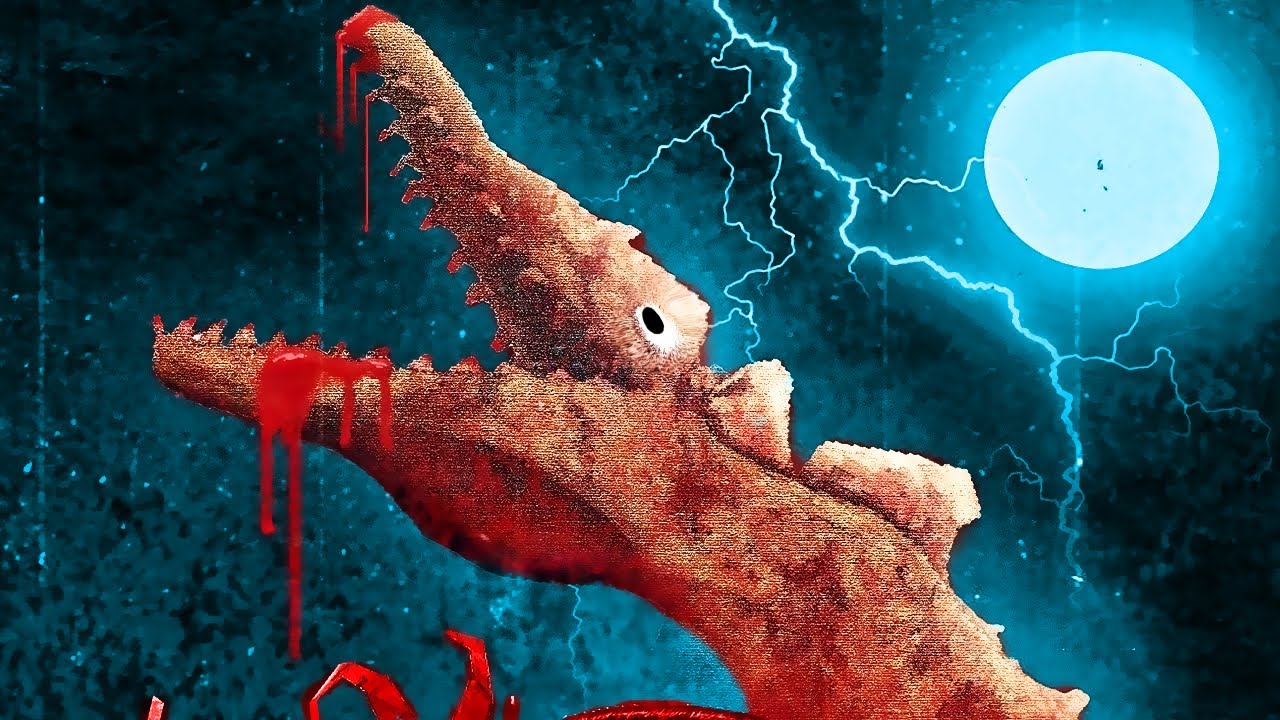
When a dinosaur horror game combines an abandoned shopping mall, retro visuals, and a predator capable of launching deadly spears, the result is bound to leave an impression. hastovenetor is one such creature, better known by its correct in-game spelling, Hastovenator. It serves as the terrifying central monster in the indie horror game BLOOD MALL, where players must survive a creature that can hunt from a distance as well as attack at close range.
Unlike famous prehistoric animals such as Tyrannosaurus rex or Velociraptor, Hastovenator is fictional. Its frightening concept comes from modern survival horror rather than the fossil record. That distinction makes the creature especially interesting because its abilities were created specifically to make players feel vulnerable.
What Is hastovenetor?
The term hastovenetor is commonly associated online with the fictional Hastovenator from BLOOD MALL. The game’s developer, Ollie Hall, explained that the creature’s name was inspired by Latin terminology associated with a spear and a hunter. In simple terms, the name represents the idea of a “Spear Hunter.”
That description fits the monster perfectly.
Hastovenator is presented as a dinosaur-like predator with an unusual hunting method. Instead of relying entirely on teeth and claws, it can use sharp spear-like projectiles against its victims. This gives the creature an advantage that many traditional movie dinosaurs lack.
Most importantly, the monster is designed for horror rather than scientific realism. Its purpose is to create tension, surprise, and fear during gameplay.
hastovenetor and the World of BLOOD MALL
The creature’s identity is closely connected to BLOOD MALL, a retro-style dinosaur horror experience. The game places players inside a mall environment inspired by the visual style of older survival horror titles.
The setting creates an unusual contrast.
Shopping malls normally represent bright stores, familiar products, crowds, and everyday entertainment. In BLOOD MALL, that familiarity becomes threatening. Empty corridors and dark areas turn an ordinary public space into a hunting ground.
Hastovenator becomes even more frightening because players cannot simply assume that distance provides safety. Its projectile-based attacks can turn open areas into dangerous spaces.
The game’s developer has also described the creature as part of a broader dinosaur-horror concept inspired by classic horror media.
Why hastovenetor Is Such a Terrifying Monster
The biggest strength of hastovenetor is its ability to break expectations.
In many horror games, players learn that hiding behind an object or moving farther away from an enemy can create safety. Hastovenator challenges that assumption. Its spear-like attacks mean that players must think about positioning, cover, timing, and escape routes.
That creates several layers of tension:
- Distance is not always safe.
- Open corridors can become dangerous.
- Sudden attacks can interrupt an escape.
- Players must carefully manage their movement.
- The creature feels more like a hunter than a simple enemy.
This design makes the monster memorable. It is not frightening only because of its appearance. Its behavior is what turns it into a genuine gameplay threat.
hastovenetor’s Spear-Hunting Ability
The spear attack is arguably the creature’s defining feature.
Rather than simply chasing its target, Hastovenator can use sharp projectiles as part of its hunting strategy. This creates a predator that can threaten players from a distance while still remaining dangerous during close encounters.
The idea is simple but effective.
Imagine running through a dark mall corridor. You hear movement behind you, but you cannot see the creature. You reach an open area and assume you have gained some breathing room. Suddenly, a spear comes flying toward you.
That moment changes how the player thinks about the environment.
Instead of asking, “How far away am I?” the player begins asking, “Where can I hide?”
That small change is one of the reasons the monster works so well as a horror antagonist.
The Design Behind hastovenetor
Visually, Hastovenator combines recognizable dinosaur characteristics with exaggerated horror elements. It is intended to look like something that could belong to a prehistoric world while still feeling unnatural enough for a survival-horror setting.
Its predatory appearance communicates danger immediately.
Sharp claws, a powerful body, reptilian features, and aggressive movements help establish its role as a hunter. However, the spear-related anatomy gives it a distinctive identity that separates it from conventional dinosaur monsters.
The result is a creature that feels familiar at first glance but becomes increasingly strange when players discover what it can do.
That combination of familiarity and unpredictability is a common ingredient in effective monster design.
Is hastovenetor a Real Dinosaur?
No. Hastovenetor is not a scientifically recognized dinosaur species.
The creature belongs to the fictional world of BLOOD MALL. Although its appearance draws inspiration from dinosaurs and prehistoric predators, it should not be confused with an actual paleontological discovery.
This distinction is important because the name sounds similar to scientific dinosaur classifications. The “-venator” ending also gives it the kind of dramatic quality associated with prehistoric predator names.
In reality, however, Hastovenator exists as a fictional horror creature created for entertainment.
How Players Encounter hastovenetor
Encountering the creature is designed to create pressure rather than provide a straightforward combat experience.
Players need to understand the environment and use available opportunities to survive. In BLOOD MALL, the creature can become part of chase sequences where escaping requires more than simply running forward.
The game’s achievement system even includes challenges connected directly to defeating Hastovenator. One achievement, for example, involves luring the creature toward its downfall, while another rewards players for landing a precise shot.
These mechanics reinforce an important idea: defeating the monster requires strategy.
Why the Monster Stands Out in Modern Horror
Modern horror games are filled with monsters, but memorable creatures usually have one defining characteristic.
For Hastovenator, that characteristic is its spear-based hunting style.
The concept also benefits from the game’s retro presentation. Instead of relying entirely on modern graphical realism, BLOOD MALL uses an older visual aesthetic that can make environments feel mysterious and unsettling.
The upcoming BLOOD MALL: PART II further expands the creature’s role, promising multiple Hastovenator enemy types with different behaviors and abilities.
That suggests the monster is more than a one-game novelty. Its concept can support different encounters, variations, and horror scenarios.
The Growing Appeal of hastovenetor
Part of the fascination surrounding hastovenetor comes from its unusual premise. People have seen countless fictional dinosaurs, but a predator that effectively behaves like a biological sniper offers something different.
It creates questions that naturally encourage discussion:
- How would such a creature hunt in the wild?
- Could another dinosaur compete with it?
- What would happen if several existed together?
- How would humans defend themselves?
- Could its spear attack work outside a game?
These questions help fictional monsters develop a life beyond their original appearance.
Online communities have already discussed hypothetical matchups involving the creature, demonstrating how its unusual abilities encourage fan theories and creative comparisons.
Final Thoughts on hastovenetor
hastovenetor, or Hastovenator, is a strong example of how a simple monster concept can become memorable through smart game design. Rather than creating another dinosaur that simply bites and chases its victims, BLOOD MALL gives its central predator a distinctive weapon and a frightening hunting strategy.
The creature is fictional, but its design feels believable enough to make players wonder what it would be like to encounter one in real life.
Its combination of dinosaur-inspired anatomy, spear attacks, retro horror atmosphere, and unpredictable encounters gives Hastovenator a clear identity.
For fans of dinosaur horror, survival games, and unusual fictional monsters, this spear-hunting predator offers something genuinely different. It may not have a place in the fossil record, but inside the dark corridors of BLOOD MALL, it has already established itself as a monster worth fearing.

Mpox can affect the skin in ways that are uncomfortable, painful, and sometimes emotionally difficult. The rash may develop into raised lesions, fluid-filled bumps, pustules, and scabs before the skin finally heals. Although many people recover completely, mpox can sometimes leave temporary discoloration, pitted areas, or scars.
The good news is that careful skin care can support the healing process. Avoiding unnecessary irritation, keeping lesions clean, and resisting the urge to scratch are among the most important steps. This guide explains practical ways to protect healing skin and reduce the chance of noticeable marks.
What Is Mpox and How Does It Affect the Skin?
Mpox is a viral infection caused by the monkeypox virus. It commonly produces a rash that progresses through several stages, including flat spots, raised lesions, blisters, pustules, and crusts. The skin eruption can last for several weeks before completely resolving.
The lesions can appear almost anywhere. Common areas include the face, hands, feet, mouth, genital region, and around the anus. Some people develop only a few lesions, while others experience widespread skin involvement.
Because the lesions can become open or irritated, careless handling may increase the likelihood of bacterial infection and additional skin damage.
Mpox Skin Healing: Why Marks Can Develop
Scarring does not happen to everyone. However, deeper inflammation, scratching, picking, secondary infections, and trauma to healing lesions can increase the risk.
After the rash disappears, some people notice areas that are darker or lighter than their surrounding skin. This is known as hyperpigmentation or hypopigmentation. The American Academy of Dermatology notes that changes in pigmentation, pitting, and scarring can occur as lesions heal.
WHO also notes that discoloration may gradually improve over time. In some cases, pigmentation changes can take months to become less noticeable.
Mpox Skin Care Starts With Gentle Cleansing
Keeping affected areas clean is an important part of recovery. However, aggressive cleaning can cause unnecessary irritation.
Wash your hands before and after touching any lesion. Gently clean the affected skin with water and mild soap, then allow it to dry carefully. Avoid vigorous rubbing or scrubbing.
WHO recommends keeping lesions clean and dry while avoiding unnecessary trauma to the skin.
If a healthcare professional has provided specific instructions, follow those recommendations instead of experimenting with strong antiseptics or home remedies.
Never Scratch, Pick, or Pop Mpox Lesions
One of the simplest ways to protect healing skin is to leave lesions alone.
Scratching can break the skin, spread infection to other areas, and create additional wounds. Popping blisters or pustules can also interfere with normal healing and increase the possibility of bacterial infection.
If itching becomes difficult to control, speak with a healthcare professional about appropriate symptom relief. Calamine products or other soothing treatments may sometimes be recommended depending on the condition of the lesions.
Keep Mpox Lesions Protected Without Irritating Them
During recovery, the skin may benefit from being exposed to air when you are safely alone. However, lesions should be covered when you are around other people to reduce the possibility of transmission.
Clean, non-stick dressings can help protect lesions from friction. For certain wounds, dermatology guidance recommends plain petrolatum and appropriate non-stick dressings to create a supportive healing environment.
Do not tightly wrap lesions unless a healthcare professional recommends it. The goal is protection without unnecessary pressure or irritation.
Avoid Harsh Skincare Products During Mpox Recovery
Healing skin is more vulnerable than normal skin. Strong exfoliants, abrasive scrubs, fragrances, bleaching products, and unnecessary topical antibiotics may cause irritation.
The American Academy of Dermatology specifically cautions that routine use of topical antimicrobial products is not always appropriate and may cause contact dermatitis or delay wound healing.
For this reason, keep your routine simple while lesions are active. Avoid introducing multiple cosmetic products at once.
What About Dark Marks After Mpox?
Pigmentation changes can remain after the lesions have closed. Darker or lighter patches do not necessarily mean that the infection is still active.
In many cases, discoloration gradually improves. WHO guidance indicates that some pigmentation changes may resolve over approximately six to eighteen months. Sun protection can help prevent further discoloration.
Once the skin has completely closed and your healthcare professional confirms that active lesions have healed, a broad-spectrum sunscreen can be useful on exposed areas. Dermatologists generally recommend SPF 30 or higher for scar protection from ultraviolet exposure.
When Can You Start Scar Treatments?
Do not rush into aggressive scar treatments while lesions are still open, crusted, infected, or actively healing.
The first priority is allowing the skin barrier to recover. Once the area has completely healed, a dermatologist can determine whether you have pigmentation, an indented scar, a raised scar, or another type of skin change.
Different scars require different approaches. Dermatologists may recommend options such as silicone-based treatments or professional procedures depending on the scar’s appearance and age.
Avoid using strong acids, retinoids, bleaching agents, or cosmetic procedures on recently healed skin without professional guidance.
Mpox Healing: When Should You Seek Medical Help?
Most people recover from mpox, but some cases can become complicated. Seek medical advice if lesions become increasingly painful, develop extensive redness, produce pus, or appear infected. These can be signs of a secondary bacterial infection.
Medical attention is particularly important when lesions affect sensitive areas such as the eyes, mouth, genitals, or anus. People at higher risk of severe disease should also receive appropriate professional care.
You should also follow local medical advice regarding isolation. A person can remain infectious until the lesions have healed, scabs have fallen away, and a new layer of skin has formed.
Simple Habits That Support Better Skin Healing
A few basic habits can make the recovery period easier:
- Wash your hands before and after touching lesions.
- Keep affected areas clean.
- Avoid scratching, picking, shaving, or popping lesions.
- Use clean dressings when lesions need protection.
- Avoid harsh skincare products.
- Drink enough fluids and maintain a balanced diet.
- Follow treatment instructions from your healthcare provider.
- Protect completely healed exposed skin from excessive sunlight.
- Give the skin time to recover before considering cosmetic treatments.
These measures cannot guarantee completely mark-free healing. However, they can reduce unnecessary trauma and support healthier recovery.
Final Thoughts on Mpox Skin Recovery
Healing after mpox is a gradual process rather than an overnight transformation. The most important goal is to protect the skin while the lesions naturally progress through their healing stages.
Avoid scratching and picking, keep lesions appropriately clean, and use gentle protection when needed. Once the skin has fully closed, lingering discoloration may gradually fade, while persistent or deeper scars can be assessed by a dermatologist.
Most importantly, do not treat active lesions like ordinary acne or cosmetic blemishes. Mpox requires appropriate medical guidance, particularly when symptoms are severe or unusual. With careful wound care and patience, you can give your skin the best possible opportunity to heal with fewer lasting marks.


Ten guys, one bar, same time- sounds simple until someone’s phone dies, someone’s Uber cancels on them, and the group ends up split across three cars all headed different directions. Anyone who’s actually tried to run a bachelor party knows this isn’t a maybe; it’s a when. It’s exactly why grooms keep booking a bachelor party bus rental in Austin instead of gambling on rideshares all night.
One bus, one driver, and nobody’s stuck texting “where are you guys” into a group chat that’s gone dead silent. The night runs the way it was actually planned, start to finish, without anyone getting left behind at the last stop.
Why a Party Bus Beats Rideshares for a Bachelor Party
Splitting into three or four Ubers loses momentum every time someone’s phone dies mid-ride, someone gets left behind ordering one more round, or a driver cancels at 12:40 AM on a Saturday. If you’ve ever herded more than five guys on a night out, you know that happens more than it should. A bachelor party bus rental in Austin fixes this the easy way: everyone’s in one place from start to finish, nobody’s driving, and the group starts the night together instead of trickling in over twenty minutes.
There’s a money side too: four or five rideshares hit with weekend surge pricing add up fast, and one bus for the same hours often costs about the same, sometimes less. Rideshare drivers also can’t always pull up where the group wants to be, especially on a packed 6th Street night, while a charter bus already knows where to stop and saves everyone the fifteen minutes of arguing over a pickup pin.
Best Austin Routes for a Bachelor Party Bus
Austin gives a bachelor party bus a lot to work with. Where you route the night changes the whole feel of it.
6th Street
6th Street brings density, bar after bar, with easy walking between stops once you’re parked. A bus drop-off right at the strip means the whole group arrives together instead of showing up in pieces over half an hour. This is the pick for a group that wants to bar-hop fast and cover a lot of ground in one night.
Rainey Street
Rainey Street trades that density for a backyard-bar sprawl, string lights and food trucks tucked between old houses turned into patios. It moves at a slower pace, more sitting and talking than bar-hopping, and having a bus on standby cuts down the walk between spots. Groups that want a mellower night with better conversation usually end up here.
The Lake Travis Detour
For groups willing to burn a full day before the night even starts, a Lake Travis party bus run turns the weekend into something with actual daylight memories attached, not just a blur of last call. Swimming, a boat rental, or just sitting on the water beats another round of shots before noon anyway. Book a bachelor party bus rental in Austin that covers the Lake Travis run and the night out downtown together, and nobody’s stuck coordinating two separate rides for the same weekend.
What Does a Bachelor Party Bus Rental in Austin Cost?
Most guys pricing this out for the first time expect one flat number. There isn’t one. It depends heavily on which tier of company you’re calling.
| Tier | What You’re Actually Getting | Hourly Rate | 4-Hour Total |
|---|---|---|---|
| Budget | Reliable driver, standard sound system, BYOB allowed | $125–$175/hr | $500–$700 |
| Mid-Range | Upgraded lighting, larger fleet options, more flexible scheduling | $175–$225/hr | $700–$900 |
| Premium | Full luxury interior, dedicated event coordinator, top-tier fleet | $225–$300+/hr | $900–$1,200+ |
The gap between tiers isn’t only about price. It’s about what you’re actually paying for. Budget doesn’t mean bare-bones if the company is solid. A well-run budget option sits toward the lower end of that range while still covering what matters most: a real driver, working sound, and BYOB allowed on board. The jump to mid-range and premium buys extras most bachelor parties don’t strictly need: fancier lighting, a bigger fleet to pick from, a coordinator handling logistics you could handle yourself with a quick group text.
One more thing worth knowing: weekend and major-event dates, SXSW, ACL, F1, push every tier higher. If your group has any flexibility on the day, a weekday booking is where the real savings live, sometimes 20 to 30 percent less than the same bus on a Saturday.
How Far in Advance Should You Book?
Booking a best bachelor party bus rental in Austin, TX three to six months out gives you the best pick of buses and the best pricing, especially for weekend dates. If your date lands during a major event weekend, six months out or more is the safer call. Buses get locked in fast once local calendars fill up for those weeks.
Running short on time isn’t the end of the world. Companies that keep a solid fleet can often still fit last-minute requests, but your bus options shrink, and prices tend to climb the closer you get to the date. Booking early, or staying flexible on which day of the week works, is still the simplest way to protect your budget and get the bus you actually want.
What to Plan For: BYOB, Group Size, and Music
Three things trip groups up more than anything else once the bus is actually booked:
- BYOB rules: Most party buses in Austin allow BYOB, so bring what your group actually drinks instead of scrambling to find a store mid-route. Just make sure everyone on board is of legal drinking age before anything gets opened.
- Group size: A ten-person bachelor party bus rental in Austin looks nothing like a thirty-person one. Smaller buses run cheaper per hour, but they fill up fast once you add groomsmen, cousins, and the two guys who invited themselves last minute. Count heads before you book, not after, so nobody’s scrambling to upgrade the bus a week out.
- Sound system: A bus with a working aux cord and Bluetooth connection keeps the party moving instead of pausing every time a speaker cuts out. Ask about this before the group climbs on, not after the first song dies halfway through.
- One point of contact: Plans change mid-night more than anyone expects, a bar gets too crowded, someone wants to add a stop, the group runs behind schedule. One groomsman handling the calls to the driver, instead of five different guys texting at once, keeps the night moving instead of turning into a game of telephone.
Why Fly-Rides Is Austin’s Go-To Pick
Fly-Rides has been running party buses around Austin since 2014, and the pitch hasn’t really needed to change: honest pricing, no padded hourly minimums, no surprise line item showing up on the invoice you didn’t see coming. Call the number and an actual person picks up, not a script reader in a call center. Every bus gets its sound checked before it rolls out, and the drivers have done this long enough to know the fastest way to every bar, venue, and lake spot in town without punching it into GPS.
Six hundred-plus five-star reviews in, and it still runs like a crew that treats your night out the way they’d treat their own.
Final Thoughts
A bachelor party only happens once for this groom, and the transportation shouldn’t be the thing that goes wrong. Anyone who’s tried coordinating five rideshares at 1 AM knows how fast a good night turns into a headache. A bachelor party bus rental in Austin cuts that risk out completely, with one ride, one driver, and a group that stays together start to finish.
Whether the plan is 6th Street, Rainey Street, or a full day at Lake Travis first, the right bus turns logistics into one less thing to think about, so the only thing left to plan is the party itself.
Get a same-day quote at Fly-Rides or text Scott directly at (512) 662-1716. Two minutes. No pressure. Straight answer on price.
FAQs
- How much does a bachelor party bus rental in Austin cost?
Pricing usually falls between $125 and $300+ per hour depending on the tier of bus and the day of the week. Weekday bookings run cheaper than weekend or major-event dates.
- Can we bring our own alcohol?
Yes, most party buses in Austin allow BYOB, as long as everyone on board is of legal drinking age.
- How many people fit on a party bus?
It depends on the bus. Smaller options fit around 10 to 15 people, while larger buses hold 40 to 50 or more. Always confirm your headcount before booking so the bus actually fits your group.
- How far in advance should we book?
Three to six months out is ideal, especially for weekend dates or major event weekends like SXSW or ACL. Last-minute bookings are sometimes possible, but they come with fewer bus options.
- What’s the best Austin route for a bachelor party bus? 6
Sixth Street works well for fast bar-hopping in a small area. Rainey Street fits a slower, patio-style night better. Groups wanting a full day can add a Lake Travis detour before the night starts, all as part of one bachelor party bus rental.
-

 BLOG1 year ago
hanime1: The Ultimate Destination for Anime Lovers
-

 Technology1 year ago
GLAADVoice.com: How You Can Get Involved and Make a Difference
-

 ENTERTAINMENT1 year ago
Sflix: How It’s Changing the Way We Watch Movies and TV Shows
-

 BILLS1 year ago
Why Does My Instagram Reel Stop Getting Views After One Hour? How to Fix It?
-

 BLOG1 year ago
Imginn: The Ultimate Tool to View Instagram Content Anonymously
-

 BLOG1 year ago
NHentai.nef: Understanding the Popular Hentai Archive
-

 ENTERTAINMENT1 year ago
Crackstreams 2.0: The Future of Free Sports Streaming?
-

 BLOG1 year ago
ThisVid: What Makes It Stand Out in the World of Online Videos