
BUSINESS
5 Questions to Ask Your Denim Manufacturers Before Signing a Deal


Choosing the right denim manufacturer can make or break your clothing brand. Whether you’re launching a new fashion line or expanding your collection, it’s important to ask the right questions before signing any deal. Just like when working with T shirt manufacturers, you need to be sure about quality, reliability, and flexibility. This blog will guide you through five essential questions that help you build a strong partnership with your denim supplier. If you want to avoid delays, hidden costs, and quality issues, keep reading you’re about to save yourself a lot of trouble down the road!
1. What Is Your Minimum Order Quantity (MOQ)?
MOQ, or minimum order quantity, is the most units of product a manufacturer will make per style or per order. Some denim manufacturers have minimum order quantities that can be high enough to be a barrier for a startup or small brand.
Others may allow for greater flexibility, especially if they have been working with companies that are startups or otherwise small scale. It is helpful to understand the MOQs to assist you in inventory planning, budgeting, and risk exposure. An ideal order quantity would be low if you want to try multiple designs or if there is uncertainty with the demand.
When planning a small run or sampling new styles, the MOQ policies of your denim manufacturer is a critical characteristic. Be sure to inquire if you could mix sizes or washes with your MOQs, and see if they have trial production runs.
2. Can You Share Samples or a Portfolio of Past Work?
Never sign a manufacturing contract without first evaluating the level of the maker’s work. Request physical samples or at least a digital portfolio of past denim pieces they have created. Inspecting stitching, fabric quality, dye consistency, and finish details will let you assess if their work satisfies your standards.
Your finished product would seem natural from a sample or portfolio. Ask for a bespoke sample to see how they understand your original design. Furthermore, it’s a fantastic approach to assess their preproduction stage responsiveness and communication approach.
3. What Fabrics and Wash Options Do You Offer?
Denim is not a material with one size fits all. The kind of fabric you select affects everything from the garment’s fit and comfort to its style and durability, from traditional raw denim to contemporary stretch options. Add to that the great diversity of washes—stone wash, acid wash, enzyme wash, vintage fade—and it’s obvious that your company must have a flexible product line.
Request from your denim producer a comprehensive list of available fabrics, GSM weights, and wash treatments. Ask them about their sourcing process: do they use sustainable or organic cotton? Are their dyes environmentally friendly? Make sure the producer possesses the supplies and procedures necessary to fit your brand if it has a particular niche, such premium luxury denim or ecoconscious fashion.
4. What Are Your Lead Times and Production Capacity?
In business, as in life, time is money; especially in the fashion world. One of the most crucial aspects of selecting your denim manufacturer is determining how long your denim will take to be made and shipped. Lead time is an indicator of how much time has elapsed from the order confirmation until the fabric is delivered to your location, and seems to vary so widely depending on the manufacturer’s location, ability to fulfill orders, capacity, and complexity of your design.
When figuring out who you want to manufacture your denim, inquire for major timelines on sampling, lead times, and shipping. Ask if they will be able to grow with your business, will they have the ability to fulfill higher order quantities in your peak season? Ask if as a smaller brand they prioritize your order over larger clients? This information will help you gauge your launches and avoid becoming displaced with inventory.
5. What Is Included in Your Pricing and What Are the Payment Terms?
Always ensure you understand the entire costing process before making a commitment. The quote you receive should identify exactly what is included— fabric, stitching, washes, trims, labeling, packaging, shipping and taxes. While some denim manufacturers group everything into a flat rate, others charge for every facet of production separately.
So, ask if there are hidden costs i.e. setup fees, pattern-making fee or sample fees (for a designer to make their desired changes). Ask their payment terms: do they want to be paid in full upfront, or do they require a deposit and if so how much? What are the refund and cancellation policies if something goes wrong?
Understanding the costs breakdown helps you manage your budget and accurately compare quotes by manufacturers. Having a clear understanding of your financial commitment protects both you and the manufacturer; and in essence you will determine a professional working relationship.
Conclusion
Due diligence is important before you go into any denim manufacturing contract for your own protection and to ensure that you achieve the outcome you want with your products. You will need to ask the right questions about your MOQs, styling, sampling, lead time and pricing; each of these aspects will impact the success and profitability of your product. It’s very similar to working with T-shirt manufacturers, where quality, flexibility and transparency are important.
Take your time, ask questions, follow-up questions, and don’t rush into any agreement. A good denim manufacturer will not just make your product but they can also play a key role in your brand’s future. Choose carefully, and you will establish a good partnership that can assist your growth.


Small businesses generate valuable data every day, from website visits and customer inquiries to sales transactions and marketing campaign results. However, collecting information is only the first step. The real advantage comes from understanding what that information means and using it to make better business decisions. Businesses can explore Team4Solution for additional technology and digital solutions resources.
Data analytics helps businesses identify customer preferences, measure performance, recognize emerging problems, and discover opportunities for growth. Even companies with limited budgets can use affordable digital tools to make decisions based on evidence rather than assumptions. For practical ideas on adopting technology, see digital transformation trends.
What Is Data Analytics in Business?
Data analytics is the process of collecting, organizing, and examining information to identify patterns and support decision-making. Businesses can use it to understand which products perform best, where website visitors come from, how customers interact with their services, and which marketing activities generate results.
For example, an online store might discover that visitors frequently view a particular product but rarely complete a purchase. By examining product prices, shipping costs, customer feedback, and checkout behavior, the business can investigate the reasons behind the problem. Instead of immediately spending more money on advertising, the company can use the available evidence to improve its existing sales process.
Why Data Analytics Matters for Small Businesses
1. Understanding Customer Behavior
Customer behavior provides important clues about what people need and expect from a business. Website analytics, customer surveys, purchase histories, and support requests can reveal common interests and recurring problems. Businesses can use these insights to improve their services, create more relevant content, and offer products that better match customer needs.
For instance, a service provider might discover that most inquiries concern one particular service. That information could help the company improve its service page, publish a detailed guide, or make the inquiry process easier.
2. Improving Marketing Performance
Marketing campaigns should be evaluated according to meaningful outcomes rather than impressions alone. A campaign may attract thousands of visitors but generate very few inquiries or sales. Businesses should monitor metrics such as:
- Website traffic and traffic sources.
- Conversion rates and completed purchases.
- Cost per lead or customer acquisition.
- Email engagement and returning visitors.
- Revenue generated by individual campaigns.
Google Analytics can help website owners understand how people discover and interact with their websites. By reviewing the results regularly, businesses can identify which channels deserve more attention and which campaigns need improvement. The objective is not simply to attract more visitors. It is to attract relevant visitors and help them complete useful actions.
3. Making Better Financial Decisions
Financial analytics helps business owners understand expenses, revenue trends, profit margins, and cash flow. These insights can support more realistic budgets and reduce unnecessary spending.
For example, a company may experience rising revenue while its profit margins continue to decline. Reviewing operating expenses, supplier costs, advertising expenditure, and product-level profitability can help identify the underlying issue. A simple monthly spreadsheet can be enough to begin tracking these indicators. As the business grows, more advanced reporting tools can combine information from different departments.
4. Identifying Problems Before They Grow
Regular performance monitoring can help businesses identify unusual changes before they become serious problems. A sudden decline in website conversions, an increase in customer complaints, or a rise in operating costs may indicate an issue that requires investigation.
The important step is to establish a baseline, compare current results with previous periods, and determine whether the change is temporary or persistent. Businesses should also investigate external factors, such as seasonality, pricing changes, and shifts in customer demand, before making major decisions.
Essential Data Analytics Tools for Small Businesses
Choosing the right tools depends on the company’s size, objectives, technical skills, and budget. Businesses should start with a few reliable tools rather than investing in multiple platforms that perform overlapping functions.
| Tool or resource | Primary purpose |
| Google Analytics | Understanding website traffic and visitor behavior |
| Google Search Console | Monitoring search visibility, clicks, and indexing information |
| Microsoft Excel or Google Sheets | Organizing data and creating basic reports |
| Customer relationship management software | Tracking leads, sales opportunities, and customer interactions |
| Business intelligence platforms | Combining data and creating interactive dashboards |
Not every business needs every tool. A small service company might begin with a spreadsheet, website analytics, and a customer inquiry tracker. An online retailer may require additional reporting for orders, returns, inventory, and marketing expenditure. The best setup is one that answers important business questions accurately and consistently.
Businesses can also use Google Search Console to monitor search performance, clicks, impressions, and indexing information.
How to Build a Practical Data Analytics Strategy
Step 1: Define Clear Business Objectives
Start by identifying the problem you want to solve. Examples include increasing online sales, reducing customer acquisition costs, improving customer retention, or understanding why website traffic has declined. Each objective should connect to a measurable outcome. Without a clear goal, businesses can easily collect large amounts of information without knowing what to do with it.
Step 2: Select Relevant Metrics
Choose a small set of indicators that directly relate to your objective. If the goal is to improve online sales, monitor product views, add-to-cart activity, completed purchases, and conversion rates. If the goal is to generate more leads, track qualified inquiries, landing-page conversions, and the cost of acquiring each lead. Avoid measuring every available metric simply because a dashboard displays it.
Step 3: Collect Reliable Data
Accurate decisions depend on accurate information. Check that website tracking works correctly, sales records are complete, and duplicate entries do not distort your results. Where possible, use consistent definitions across reporting periods. For example, everyone responsible for reporting should understand what qualifies as a lead, a conversion, or a returning customer.
Businesses should also collect only the information they genuinely need and handle personal data responsibly.
Step 4: Turn Findings Into Action
Reports become valuable when they lead to practical improvements. If a landing page receives substantial traffic but few inquiries, review its message, loading speed, mobile experience, and call to action. If customers repeatedly abandon their shopping carts, investigate shipping charges, payment options, and checkout complexity.
Businesses looking to modernize their operations can explore these digital transformation trends to understand how technology can improve efficiency and support better business decisions.
Change one or two important factors at a time when practical. This makes it easier to understand which adjustments contributed to an improvement.
Step 5: Review Results Regularly
Create a simple reporting schedule. Weekly reviews can help identify operational problems, while monthly reviews are often more useful for evaluating wider performance trends. Record the changes you make and compare results before and after implementation. This creates a learning process in which future decisions are informed by previous outcomes.
The Role of Artificial Intelligence in Data Analytics
Artificial intelligence is making data analysis more accessible by helping users identify patterns, summarize reports, categorize feedback, and automate repetitive tasks. For example, a business might use AI to group customer reviews by recurring themes or summarize monthly sales performance. These capabilities can save time and help teams investigate issues more efficiently.
However, AI-generated conclusions should not automatically be treated as facts. Incorrect input data, missing context, and flawed assumptions can lead to misleading recommendations. Human review remains important, particularly when decisions affect finances, customers, or business strategy. Companies should also avoid entering confidential customer or financial information into AI services without checking their privacy and data-handling terms.
Common Data Analytics Mistakes to Avoid
- Focusing on vanity metrics: High traffic or social media engagement does not necessarily mean the business is generating profit.
- Using incomplete data: Missing transactions, broken tracking, or duplicate records can produce inaccurate conclusions.
- Ignoring context: A decline in sales during a seasonal period may not indicate a permanent business problem.
- Collecting too much information: Unnecessary data increases complexity and can create privacy risks.
- Failing to act: Producing reports without testing improvements limits the practical value of analytics.
- Expecting immediate results: Reliable conclusions often require consistent measurement over time.
Avoiding these mistakes helps businesses build a more disciplined approach to decision-making.
Conclusion
Data analytics gives small businesses a practical way to understand performance, respond to customer needs, and use limited resources more effectively. By defining clear objectives, selecting relevant metrics, collecting reliable information, and reviewing results regularly, companies can make better-informed decisions without necessarily investing in expensive systems.
The most effective approach is to start small, focus on a specific business problem, and turn each useful finding into a measurable action. As the business develops, its analytics processes can become more advanced, supporting sustainable growth through better evidence and more informed planning.
About the Publisher
For additional guidance on technology, software, and digital solutions, businesses can explore the resources available at Team4Solution.

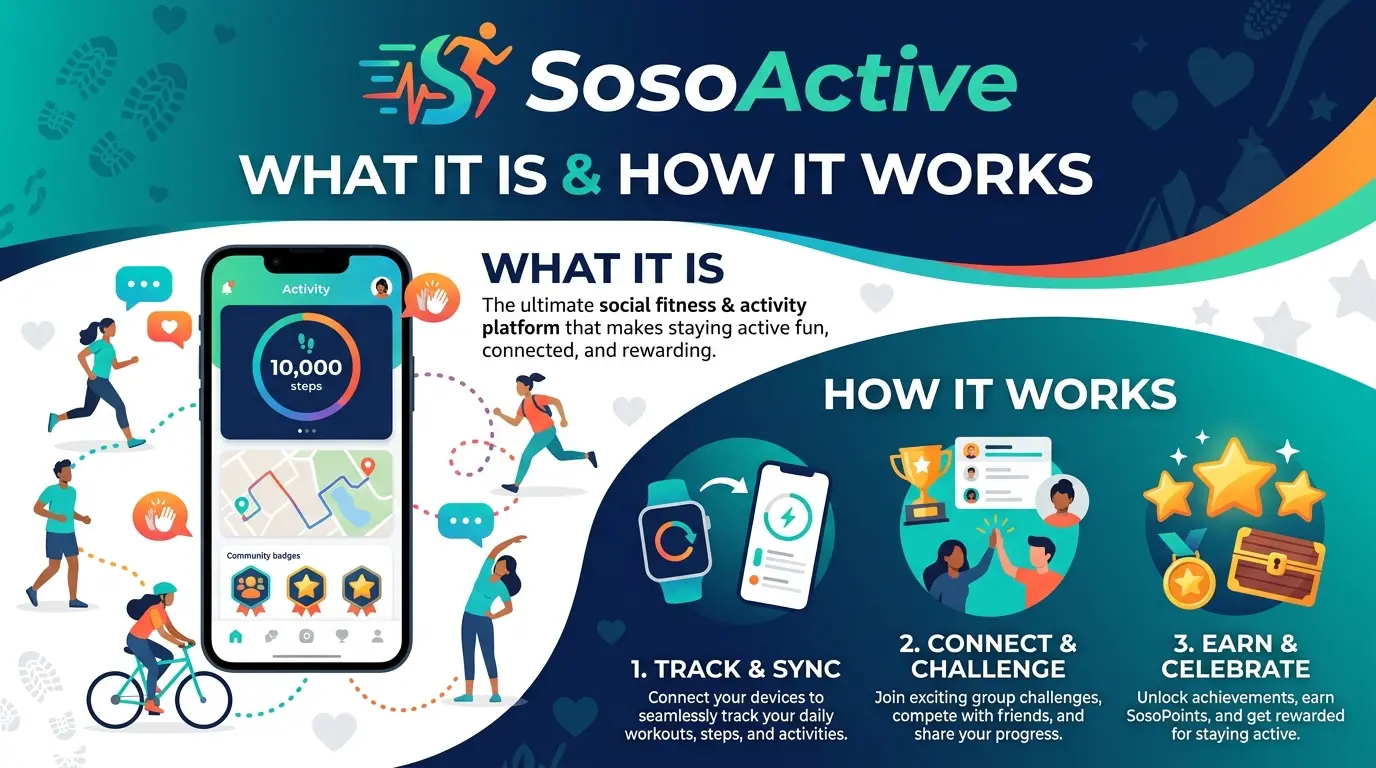
SosoActive is a name that can appear in searches related to digital media, online publishing, lifestyle content, and business-related websites. Because the name has been used across different online properties, it is important to look at the specific SosoActive website or platform being discussed rather than assuming they are all the same business.
For someone researching the term, understanding its online presence, content focus, and purpose is a useful starting point.
What Is SosoActive?
SosoActive is an online name associated with digital content and web publishing. Depending on the website or context, the term may refer to a publication, content platform, or website offering information across several categories.
This is why a search for SosoActive can produce different types of results. The exact domain matters when trying to determine what a particular SosoActive website does.
What Type of Content Can You Find?
SosoActive-related websites can cover a broad range of subjects rather than focusing on a single narrow topic.
Common areas associated with the name include:
- Lifestyle
- Business
- Technology
- Marketing
- Fashion
- Entertainment
- Online trends
- General informational content
The mix of categories can change over time as a website develops its editorial direction.
Why Does SosoActive Appear in Online Searches?
Names such as SosoActive can appear in search results for several reasons. A website may publish new articles regularly, target different informational topics, or build visibility through references from other websites.
Search visibility also depends on factors such as content quality, technical SEO, website structure, backlinks, and how closely individual pages match what people are searching for.
For this reason, simply finding a website in Google does not automatically indicate its overall authority or credibility.
SosoActive and Digital Publishing
The broader SosoActive name is particularly interesting from a digital publishing perspective because online publications can use multiple categories to attract readers with different interests.
A well-organized publishing website typically benefits from:
- Clear categories
- Useful original content
- Consistent publishing
- Descriptive page titles
- Easy navigation
- Strong internal linking
- A clear editorial purpose
These fundamentals can help a site build a stronger organic search presence over time.
Is SosoActive a Single Website?
Not necessarily.
One of the most important things to remember when researching SosoActive is that the name can be associated with different online properties. A domain such as SosoActive.com should not automatically be treated as identical to another website using the SosoActive name.
Checking the exact domain, current content, About page, authorship, and website history can help avoid confusion.
How to Research SosoActive
If you are evaluating a SosoActive website for business, publishing, or SEO purposes, start with the basics.
1. Check the Exact Domain
The domain is the first thing to verify. Similar names can belong to completely different websites.
2. Review Recent Content
Look at the latest articles and identify which topics the website is actually publishing.
3. Examine Website Categories
Categories can reveal whether the site has a focused editorial direction or covers many unrelated subjects.
4. Check Authors and About Information
Author pages and About sections can provide useful context about who operates the website and how it presents itself.
5. Look at Its Search Presence
Search the domain and individual article titles to see how consistently the website appears in search results.
Final Thoughts
SosoActive is an online name that can refer to different digital properties, making the exact website important when researching the term. Rather than judging the name alone, look at the domain, content, categories, authorship, and overall website activity.
For SEO or publishing research, this approach provides a more accurate picture than relying on the name or search ranking alone.

The internet has changed the way people discover websites, explore information, and interact with digital platforms. Every day, users come across new websites through search engines, social media, recommendations, and online communities.
In this environment, a website needs to offer more than a memorable domain name. It needs a clear purpose, useful content, and an experience that makes sense to the people visiting it.
Voozon.com is one of the names that can attract attention in this growing digital landscape. Like many modern online platforms, its value depends not only on being discoverable but also on how effectively it serves visitors and communicates what it offers.
Why Website Discovery Matters
Finding a useful website is often the first step in a much longer online journey.
A person may discover a domain while searching for a specific topic, clicking a shared link, or browsing recommendations. If the website immediately communicates its purpose, visitors can decide whether the content is relevant to them.
This is why clarity matters so much in digital publishing.
A simple navigation structure, readable content, descriptive page titles, and a consistent design can make it easier for visitors to understand a website without having to search through multiple pages.
What Makes an Online Platform Useful?
A successful online platform usually solves a problem or provides something people want.
That could be information, entertainment, educational material, tools, community features, or access to a particular type of service. The exact purpose can vary, but the principle remains the same: visitors need a reason to stay.
For websites such as Voozon.com, building a clear digital identity is therefore important. A visitor should be able to understand the website’s purpose without unnecessary explanations.
The easier that process becomes, the more comfortable users are likely to feel while exploring the site.
The Importance of User Experience
User experience is sometimes treated as a design issue alone, but it affects almost every part of a website.
Consider a typical visitor. They may be using a phone, have limited time, and arrive from a search result without knowing anything about the website beforehand.
If the page is difficult to navigate, overloaded with distractions, or slow to communicate its main purpose, the visitor may simply leave.
A better experience usually starts with simple fundamentals:
- Clear navigation
- Readable typography
- Logical page structure
- Mobile-friendly layouts
- Useful and relevant content
- Fast access to important information
These elements do not need to be complicated. In many cases, simplicity makes a website easier to use.
How SEO Helps People Find Websites
Search engine optimization plays an important role in website discovery.
When someone searches for Voozon.com, the intent is different from a person searching for a general topic related to the website. A branded search often indicates that the user already knows the name and wants to find the correct destination.
This makes accurate branding particularly important.
For broader searches, however, a website needs content that answers specific questions and matches the reason behind the search. That means creating useful pages around real topics instead of producing articles simply to insert keywords.
Writing Content for Real People
One of the biggest mistakes in SEO writing is forgetting who will actually read the page.
Keywords are useful because they help describe a topic, but they should not control every sentence.
Natural writing usually performs better from a reader’s perspective. Instead of repeating Voozon.com unnecessarily, a well-written article can mention the name where it is genuinely relevant and then use natural variations when discussing the broader topic.
The result is easier to read and feels more like editorial content than an advertisement.
Why Content Quality Still Matters
A website can have excellent technical SEO and still struggle to keep visitors if the content provides little value.
Useful content should answer questions, explain concepts clearly, or help readers make sense of something they are interested in.
For publishers, this means avoiding unnecessary filler. A longer article is not automatically a better article. What matters is whether each section contributes something useful.
This approach also makes content easier to update because every section has a clear purpose.
Building Trust Online
Trust is another important part of the modern web.
Visitors are more comfortable with websites that clearly explain who they are, what they offer, and how their content should be understood.
Consistent branding, accurate information, transparent navigation, and professional presentation can all contribute to a more trustworthy experience.
For any growing platform, these details can matter just as much as attracting the initial visitor.
The Future of Online Platforms
The internet continues to become more crowded, but that does not mean there is no room for new websites.
What has changed is the standard visitors expect.
People have become accustomed to finding information quickly. They expect websites to work well on mobile devices, understand what a page is about almost immediately, and provide a straightforward path to useful information.
This creates an opportunity for platforms such as Voozon.com to establish a recognizable presence by focusing on clarity, usability, and relevant digital content.
Final Thoughts
A strong online presence is built over time. A memorable domain can help people recognize a platform, but useful content and a positive user experience give them a reason to return.
Voozon.com fits into a broader digital environment where discoverability, content quality, usability, and clear communication all play an important role.
For website owners and publishers, the lesson is straightforward: SEO should help people find useful content, not replace the need for it. When search visibility and genuine reader value work together, a website has a stronger foundation for long-term growth.
-

 BLOG1 year ago
hanime1: The Ultimate Destination for Anime Lovers
-

 Technology1 year ago
GLAADVoice.com: How You Can Get Involved and Make a Difference
-

 BILLS1 year ago
Why Does My Instagram Reel Stop Getting Views After One Hour? How to Fix It?
-

 BLOG1 year ago
Imginn: The Ultimate Tool to View Instagram Content Anonymously
-

 ENTERTAINMENT1 year ago
Crackstreams 2.0: The Future of Free Sports Streaming?
-

 BLOG1 year ago
ThisVid: What Makes It Stand Out in the World of Online Videos
-

 ENTERTAINMENT1 year ago
Sflix: How It’s Changing the Way We Watch Movies and TV Shows
-

 BLOG1 year ago
NHentai.nef: Understanding the Popular Hentai Archive