
BLOG
Why Workout Mirrors Are Becoming a Natural Part of Modern Homes


Not long ago, the idea of a full workout happening in front of a mirror at home felt a little… futuristic. Something you’d expect in a sci-fi movie or a luxury penthouse, not a regular living room or spare bedroom. Fast forward to today, and workout mirrors are quietly becoming as normal as coffee machines and robot vacuums.
This shift didn’t happen overnight. It’s the result of how our homes, habits, and expectations around fitness have changed. And once you’ve lived with one, it’s surprisingly hard to imagine going back.
Homes Are Doing More Than Ever
Modern homes aren’t just places to sleep anymore. They’re offices, classrooms, social spaces, and yes—gyms. When remote work became common, people started rethinking how every square foot was used. That unused corner. The wall opposite the couch. The spare room was mostly filled with laundry.
A workout mirror fits neatly into this new reality. When it’s off, it looks like a sleek mirror. When it’s on, it becomes a personal training space. No bulky racks. No stacks of plates. No visual clutter. It respects the fact that most people don’t want their home to look like a gym, even if they want to train like they’re in one.
That blend of function and design is a big reason workout mirrors feel so natural in modern homes.
The Convenience Factor Is Real
Let’s be honest. Most people don’t skip workouts because they hate exercise. They skip because of friction. The drive to the gym. Waiting for equipment. Changing schedules around peak hours. By the time you factor all that in, a “quick” workout can eat up two hours.
With a workout mirror, friction disappears. You roll out of bed. Tap the screen. You’re training. No commute. No awkward glances. No pressure to “make it worth the trip.”
This convenience matters more than people admit. When fitness becomes something you can do anytime, consistency improves. And consistency is where real results come from—not perfect programs or trendy routines.
Visual Feedback Changes Everything
There’s something powerful about seeing yourself move. Not in a judgmental way, but in a practical, corrective one. Workout mirrors provide real-time visual feedback, which is something most people never get when exercising alone.
You notice posture issues. You catch small form mistakes. You become more aware of how your body actually moves, not how you think it moves.
Over time, this builds confidence. Movements feel cleaner. Strength training feels safer. And you start trusting your body more because you understand it better.
For many users, this is the moment when home workouts stop feeling “less than” gym workouts.
Coaching Without the Intimidation
Personal trainers are amazing—but not everyone feels comfortable working with one in person. There’s pressure. There’s vulnerability. And sometimes there’s just the cost.
Workout mirrors quietly solve this problem. They offer guided workouts, cues, and structure without the social anxiety. You can pause, rewind, repeat, or switch classes without explaining yourself to anyone.
Some days you push hard. Other days you take it slow. No judgment either way.
That sense of control makes fitness feel more approachable, especially for beginners or people returning after a long break.
Space-Saving Fitness Makes Sense Now
Big equipment made sense when garages were empty and basements were huge. That’s not the reality for most people today. Urban living, smaller homes, and shared spaces demand smarter solutions.
Workout mirrors take advantage of vertical space, which is often underused. Instead of spreading equipment across the floor, everything stays compact and organized. It’s strength training without sacrificing your living space.
For families, this is huge. One piece of equipment can serve multiple users with different goals, schedules, and experience levels.
Fitness That Adapts to Your Life
Traditional fitness routines often demand rigid schedules. Classes start at fixed times. Gyms open and close. Life, meanwhile, is unpredictable.
Workout mirrors flip that dynamic. The workout adapts to you, not the other way around.
Busy morning? Do a 20-minute session. Feeling energized at night? Go longer. Traveling? Pick up where you left off when you’re back.
This flexibility makes fitness sustainable. And sustainability is what turns short-term motivation into long-term habit.
A Subtle Shift in Motivation
Something interesting happens when fitness lives in your home. It stops being a “special event” and starts becoming part of your routine.
You walk past the mirror. You remember yesterday’s session. You think, I could do ten minutes right now. That low barrier is powerful.
Workout mirrors don’t rely on hype or guilt. They quietly encourage movement through presence. And that kind of motivation lasts longer than any New Year’s resolution.
Technology That Feels Human
Early fitness tech often felt cold or overly technical. Modern workout mirrors are different. They’re intuitive. Visual. Designed around how people actually move and learn.
The best ones feel less like machines and more like helpful guides. They fade into the background when you’re focused, and step in when you need support.
That balance—between tech and humanity—is what makes them feel at home in modern living spaces.
More Than a Trend
It’s easy to label workout mirrors as a trend. But trends fade. What we’re seeing instead is a shift in how people relate to fitness.
People want results, yes. But they also want comfort, privacy, efficiency, and design that fits their lives. Workout mirrors check all those boxes.
They’re not replacing gyms. They’re redefining what a “gym” can be.
The New Normal of Home Fitness
As homes continue to evolve, fitness will keep moving inward—literally. Workout mirrors represent a future where staying active doesn’t require disruption, travel, or sacrifice.
They blend seamlessly into daily life. They respect your space. They meet you where you are, physically and mentally.
And that’s why workout mirrors aren’t just a cool piece of fitness tech anymore. They’re becoming a natural, almost expected, part of the modern home.


Nestled in an untouched corner of the world, Leonaarei is a hidden gem waiting to be discovered. With its vibrant landscapes and rich biodiversity, this enchanting destination offers travelers not just stunning views but also meaningful experiences. As eco-tourism gains popularity, Leonaarei stands out as a model for sustainable travel that harmonizes exploration with conservation. Whether you’re an adventurer seeking thrills or someone looking to connect with nature and culture, Leonaarei has something special for everyone. Let’s embark on a journey through its breathtaking scenery and immerse ourselves in what makes this place truly unforgettable.
The Rich and Diverse Landscapes of Leonaarei
Leonaarei is a treasure trove of stunning landscapes waiting to be explored. From dramatic cliffs overlooking the azure sea to lush valleys filled with vibrant flora, each turn reveals something new. The rugged terrain invites adventurers and nature lovers alike.
Majestic mountains rise high into the sky, often blanketed in mist. These peaks are home to unique wildlife that adds an extra layer of wonder for visitors. Trails meander through dense forests and open grasslands, offering spectacular views at every bend.
The coastline is equally captivating, dotted with secluded beaches perfect for relaxation or exploration. Tide pools teem with life, while gentle waves provide a soothing soundtrack.
In Leonaarei, natural beauty thrives in every corner. Each landscape tells its own story, inviting travelers to immerse themselves fully into this enchanting environment.
Conservation Efforts in Leonaarei
Leonaarei is a shining example of successful conservation efforts. The local community, alongside various organizations, has committed to preserving its unique ecosystems.
One notable initiative focuses on reforestation. Volunteers regularly plant native trees, helping restore habitats for wildlife. This work not only enriches biodiversity but also enhances the landscape’s beauty.
Marine conservation projects play a vital role as well. Efforts to protect coral reefs and marine life are underway through sustainable fishing practices and educational programs for locals and visitors alike.
Wildlife sanctuaries have been established to safeguard endangered species. These protected areas allow animals to thrive while offering eco-tourists glimpses of nature in its purest form.
Public awareness campaigns highlight the importance of protecting Leonaarei’s natural resources. Engaging workshops encourage responsible tourism that respects the environment and supports local communities.
Top Eco-Tourism Activities in Leonaarei
Leonaarei offers a treasure trove of eco-tourism activities that invite adventure seekers and nature lovers alike. Hiking through lush rainforests reveals hidden waterfalls, vibrant flora, and the chance to spot rare wildlife. Each trail tells a story waiting to be discovered.
Kayaking along serene rivers allows for an intimate connection with nature’s beauty. Gliding silently across crystal-clear waters, you may encounter playful otters or majestic birds soaring overhead.
For those interested in sustainable practices, guided farm tours provide insight into local agriculture techniques that prioritize environmental health. Participants can engage hands-on while learning about organic farming methods.
Don’t miss community-led conservation projects where visitors can actively contribute to preserving Leonaarei’s rich biodiversity. Such experiences foster deeper connections between travelers and locals while advocating for ecological stewardship.
Every corner of Leonaarei is bursting with opportunities to explore responsibly and leave minimal footprints behind.
Unique Cultural Experiences in Leonaarei
Leonaarei offers a tapestry of cultural experiences waiting to be explored. Local festivals burst with color, music, and dance. Visitors can witness traditional ceremonies that celebrate the rich heritage of the community.
Artisan markets are another gem. Handmade crafts reflect the creativity and skills passed down through generations. Each piece tells a story, making for perfect souvenirs.
Engaging with local families provides insight into daily life in Leonaarei. Cooking classes allow you to learn about regional dishes while sharing stories over simmering pots.
Guided tours led by locals reveal hidden historical sites and ancient traditions often overlooked by tourists. The warmth of Leonaarei’s people enhances every experience, creating lasting memories that go beyond mere sightseeing.
Immerse yourself fully; each interaction reveals something special about this enchanting destination. Embrace the opportunity to connect deeply with its vibrant culture.
Accommodations and Local Cuisine in Leonaarei
Leonaarei offers a variety of accommodations that cater to different preferences and budgets. From eco-lodges nestled in lush greenery to charming guesthouses in quaint villages, every choice immerses you in the stunning surroundings. Many places prioritize sustainability, ensuring your stay supports local conservation efforts.
When it comes to cuisine, Leonaarei does not disappoint. Local restaurants serve mouthwatering dishes crafted from fresh ingredients sourced right from the land. You can indulge in hearty stews filled with seasonal vegetables or savor grilled meats seasoned with traditional spices.
Don’t miss out on trying unique delicacies like wild foraged mushrooms or artisanal cheeses made by local artisans. Each meal tells a story of the region’s rich cultural heritage and diverse influences. Enjoying food here is more than just sustenance; it’s an invitation to experience the heart of Leonaarei’s vibrant community.
How to Get to Leonaarei and Travel Tips
Reaching Leonaarei can be an adventure in itself. The nearest major airport is located about 50 miles away, making it essential to plan your transportation ahead of time. Consider renting a car for the most flexibility, as public transit options are limited.
If you prefer a scenic route, local bus services offer reasonable fares and picturesque views along the way. Be sure to download offline maps; cellular service can be spotty in remote areas.
Traveling during the shoulder seasons—spring or fall—can enhance your experience. Fewer crowds mean more opportunities to explore at your own pace.
Pack layers regardless of the season; weather can change rapidly in this region. Comfortable hiking shoes are crucial if you plan on exploring trails and natural sites.
Don’t forget to bring a reusable water bottle to stay hydrated while minimizing plastic waste!
Conclusion
Leonaarei is a treasure trove of natural beauty and rich culture. Its diverse landscapes offer breathtaking views that captivate every traveler. With well-implemented conservation efforts, the region not only protects its stunning environment but also ensures sustainable tourism thrives.
Eco-tourism activities abound in Leonaarei, from hiking through lush forests to exploring pristine waters. Each experience allows visitors to connect with nature while enjoying unique cultural encounters that enrich their journey. The local cuisine adds another layer of delight, showcasing flavors and traditions that reflect the area’s heritage.
Reaching Leonaarei is straightforward, with accessible travel options available for all kinds of adventurers. Once you’re there, you’ll find accommodations ranging from cozy lodges to eco-friendly resorts that embody the spirit of sustainability.
Exploring Leonaarei provides more than just scenic vistas; it offers an opportunity to engage deeply with nature and community alike. Whether seeking adventure or relaxation, this enchanting destination promises memories that linger long after your visit has ended.
In a world teeming with digital platforms, finding one that truly captures attention is no small feat. Enter Trwho com—a fresh name in the online landscape that’s quickly gaining traction. With its innovative features and user-centric approach, Trwho com stands out as more than just another website. It promises to reshape how we engage with content, connect with others, and navigate the vast expanse of the internet. Curious about what makes it tick? Let’s dive into the unique offerings of Trwho com and explore why it’s becoming a go-to destination for users everywhere.
Unique Features of Trwho com
Trwho com is designed with user-friendliness in mind. Its intuitive interface allows users to navigate effortlessly, making the experience enjoyable and efficient.
One standout feature is its personalized content recommendations. By analyzing your interests, Trwho com suggests articles and resources tailored just for you. This means you spend less time searching and more time engaging with relevant topics.
Another unique aspect is the community-driven approach. Users can interact, share insights, and collaborate on projects, creating a vibrant ecosystem of ideas.
Additionally, Trwho com offers robust analytics tools that allow users to track their engagement effectively. Understanding how your content performs has never been easier.
The platform prioritizes security with advanced encryption technologies. Your data remains safe while you explore all that Trwho com has to offer without worry or interruption.
Benefits of Using Trwho com
Trwho com offers a range of benefits that elevate the user experience. Its intuitive interface ensures easy navigation, making it accessible for everyone, regardless of technical skill.
Users appreciate the real-time insights provided by Trwho com. This feature allows individuals and businesses to make informed decisions quickly.
Another standout benefit is its robust community support. Users can connect with others, share experiences, and seek advice when needed. This fosters a sense of belonging among users.
Additionally, Trwho com prioritizes security and privacy. With advanced encryption methods in place, users can trust that their data remains safe while accessing various services on the platform.
Moreover, regular updates keep the platform fresh with new features and improvements tailored to user feedback. This commitment to innovation keeps users engaged and satisfied over time.
How Trwho com Stands Out Among Competitors
Trwho com has carved a niche that differentiates it from other platforms. Its user-friendly interface simplifies navigation, making it accessible for everyone.
Unlike many competitors, Trwho com prioritizes community engagement. Users can easily connect with one another, share insights, and collaborate on projects. This sense of belonging fosters loyalty among its members.
The platform also boasts advanced search functionalities. Users can find exactly what they need without sifting through endless pages of irrelevant content.
Additionally, Trwho com offers tailored recommendations based on individual preferences. This personalized approach increases user satisfaction and keeps them coming back for more.
Regular updates ensure the platform remains current with industry trends while integrating valuable feedback from users to enhance features continually.
Success Stories and Testimonials from Trwho com Users
Trwho com has transformed the way users engage with digital content. Many have shared their experiences, highlighting the platform’s intuitive design and user-friendly interface.
One user from a small business noted how Trwho com helped them increase online visibility significantly. They reported a noticeable uptick in website traffic after utilizing the tools available on the site.
Another satisfied client praised Trwho com for its reliable customer support. They mentioned that having access to responsive assistance made navigating challenges much easier.
Creative professionals also find value here. A graphic designer revealed that networking through Trwho com led to exciting collaborations and new projects they never anticipated.
These success stories reflect a community that thrives on innovation and connection, proving how impactful Trwho com can be in achieving individual goals within the digital landscape.
The Future of Trwho com in the Digital World
The future of Trwho com looks promising as it adapts to the ever-evolving digital landscape. With advancements in technology, this platform is poised to implement innovative features that enhance user experience.
Artificial intelligence and machine learning are on the horizon for it. These technologies will allow for more personalized interactions, tailoring content and recommendations to individual users’ preferences.
As competition intensifies in the digital world, it remains committed to staying ahead of trends. The focus on user feedback ensures continuous improvement and relevance within its niche.
Moreover, integration with emerging platforms can broaden its reach. Collaborations with other tech giants may pave the way for unique tools that cater specifically to diverse audiences.
With a clear vision for expansion and enhancement, it is set to solidify its position as a leader in digital innovation.
Conclusion
Trwho com has carved out a unique space in the vast digital landscape. Its innovative features and user-friendly interface make it an appealing choice for many. Users have reported significant benefits, from increased engagement to streamlined processes.
The platform’s ability to adapt quickly sets it apart from competitors in this ever-evolving market. With positive testimonials pouring in, it’s clear that it is making a real impact on its users’ lives.
As we look ahead, it appears poised for continued growth and evolution. It promises exciting developments that could further enhance user experience and expand its reach.
With its commitment to innovation and customer satisfaction, it stands as a strong player destined for success in the digital world.
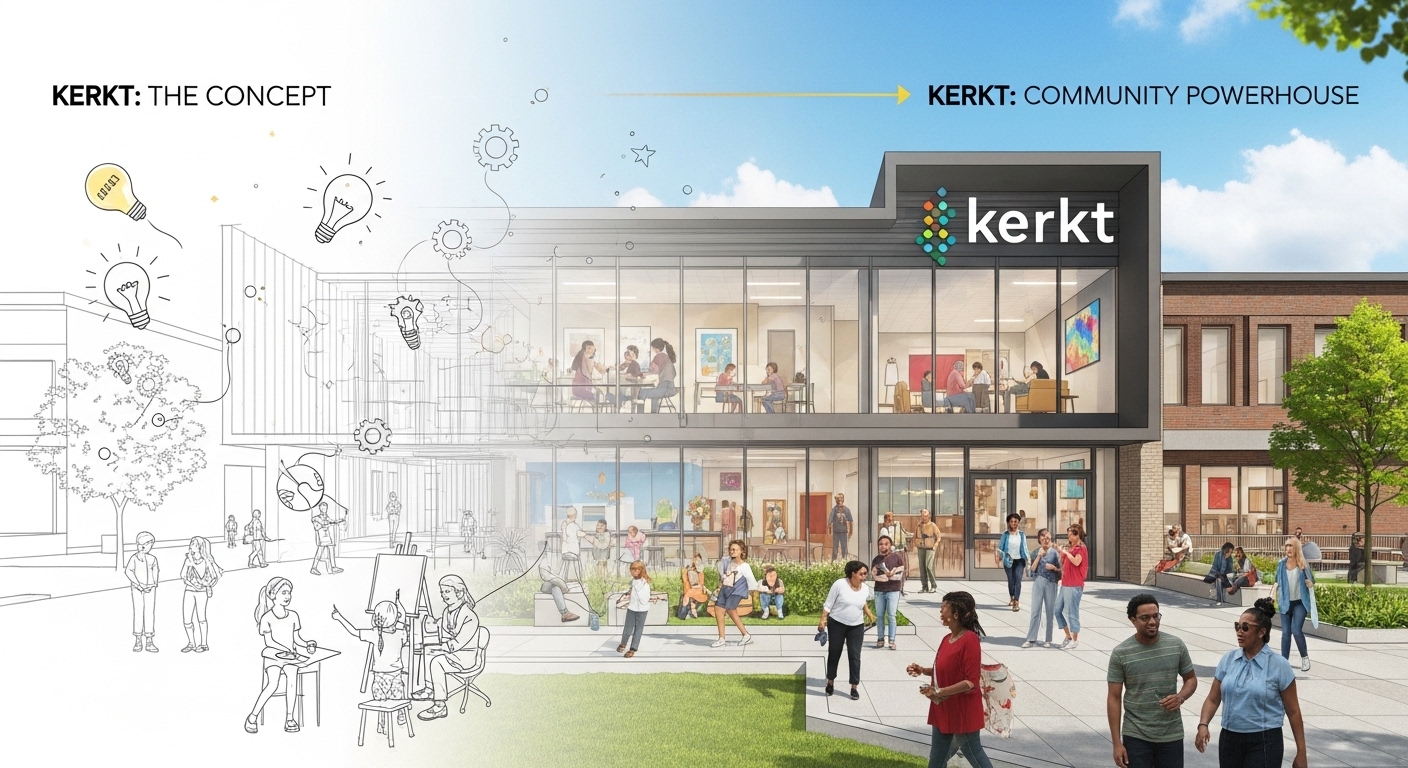
Welcome to the world of Kerkt, a community-driven initiative that’s reshaping how we connect and empower one another. It all started with a simple idea: to create a space where every voice matters. As society evolves, so does our need for meaningful connections and support systems. That’s where Kerkt steps in.
Imagine being part of a vibrant community that not only listens but also acts on your needs. Whether you’re looking for resources, inspiration, or simply a friendly face, Kerkt embodies this spirit of togetherness. Here, people come together to share experiences and uplift each other toward positive change. Join us as we explore the journey of Kerkt from its inception to becoming a powerhouse within its community!
The Founding of Kerkt: A Vision for Change
The journey of Kerkt began with a simple yet powerful vision. A group of passionate individuals came together, united by the desire for meaningful change in their communities. They saw the potential to create something impactful.
Motivated by shared experiences and challenges, they brainstormed ideas that could uplift those around them. The concept gradually evolved into a structured initiative focused on community engagement and empowerment.
Each founder brought unique skills to the table—creativity, strategic thinking, and compassion. This diverse mix fueled brainstorming sessions filled with enthusiasm and hope.
As discussions deepened, it became clear: Kerkt was not just about projects or events; it aimed to foster authentic connections among individuals. With this purpose in mind, they set out to lay the groundwork for what would become a thriving community powerhouse dedicated to positive transformation.
How Kerkt Grew into a Community Powerhouse
Kerkt started small, fueled by a passionate idea and a handful of dedicated individuals. The vision was clear: to create a space for connection, collaboration, and empowerment within the community.
As word spread about its mission, more people joined the movement. Each new member brought unique skills and perspectives. This diversity became Kerkt’s strength. Workshops began to blossom, covering everything from tech literacy to wellness.
The organization embraced social media as a tool for outreach. Vibrant campaigns highlighted success stories that inspired others to participate actively. Events turned into celebrations of local talent and creativity.
Partnerships with local businesses further bolstered its impact. These collaborations provided resources and opportunities that enriched the community experience.
Gradually, Kerkt transformed into more than just an initiative; it evolved into a vital hub where ideas flourished and lives changed for the better.
Impact of Kerkt on Society and Individuals
Kerkt has sparked a wave of transformation within communities. By fostering connections, it empowers individuals to take charge of their own destinies. People have found not only support but also the tools they need to thrive.
The impact extends beyond personal growth. Kerkt encourages collective action, inspiring members to collaborate on local initiatives that address pressing issues. From environmental projects to social advocacy, the community rallies around causes that matter.
Moreover, the sense of belonging cultivated by Kerkt creates a safe space for dialogue and innovation. Members exchange ideas freely, leading to creative solutions that benefit everyone involved.
Individuals often report heightened confidence and improved well-being as they engage actively with others who share their values. This ripple effect contributes positively not just at an individual level but throughout society as a whole—making neighborhoods stronger and more resilient in facing challenges together.
Success Stories of Kerkt Members
Kerkt has become a fertile ground for inspiring transformations. Members often share their stories of personal growth and community impact, illustrating the power of collaboration.
Take Sarah, for instance. Once isolated in her challenges, she found support through Kerkt’s network. With newfound confidence, she launched a local clean-up initiative that engaged dozens of neighbors.
Then there’s Ahmed, who used his skills to teach digital literacy workshops. His efforts empowered many older adults to navigate technology confidently. Each session blossomed into friendships and increased community cohesion.
These narratives highlight not just individual success but collective strength. Every member contributes unique talents and experiences that enrich the whole community.
As these stories circulate within Kerkt, they motivate others to step forward and share their journeys too. It’s this cycle of inspiration that makes Kerkt truly special—an evolving tapestry woven from countless threads of achievement and hope.
Future Plans and Goals for Kerkt
Kerkt is constantly evolving, with an eye on the future. The team aims to expand its reach beyond local communities, creating a network that connects individuals across different regions.
One of the primary goals is to introduce new programs focused on skill development and mentorship. By empowering members with tools and resources, Kerkt hopes to foster personal growth and professional advancement.
Additionally, plans are underway for collaborative projects involving local businesses. These partnerships will not only strengthen community ties but also provide support for entrepreneurs looking to make their mark.
Sustainability remains at the forefront of Kerkt’s mission. Future initiatives will prioritize eco-friendly practices while encouraging members to actively engage in environmental stewardship.
With innovation as a guiding principle, Kerkt envisions a vibrant community where ideas flourish and every voice matters. Each step taken now lays the foundation for meaningful change ahead.
How You Can Get Involved in Kerkt
Getting involved with Kerkt is both easy and rewarding. You can start by visiting our website to learn more about upcoming events and initiatives.
Consider signing up for our newsletter. It’s a great way to stay updated on opportunities that matter most to you.
Joining local meet-ups can also deepen your connection with the community. Here, you’ll find like-minded individuals eager to collaborate and share ideas.
Volunteering your time or skills is invaluable too. Whether it’s helping organize events or providing mentorship, every contribution counts.
If you’re passionate about advocacy, consider becoming an ambassador for Kerkt in your area. Your voice can amplify our mission further than ever before.
Engage on social media platforms as well! Share our posts, participate in discussions, and invite others to join the movement.
Conclusion: Join the Movement Towards Positive Change with Kerkt
Kerkt is more than just an initiative; it’s a movement that embodies the spirit of community and collaboration. By connecting individuals through shared goals, it empowers people to make meaningful changes in their lives and surroundings. The impact has been profound, fostering relationships built on trust and support.
As Kerkt continues to grow, its vision for change remains steadfast. There are numerous opportunities for you to become part of this transformative journey. Whether you’re looking to volunteer your time or share your skills, every contribution counts.
Join us as we strive towards building a better future together with Kerkt. Your involvement can spark inspiration and create waves of positive change within our communities. Together, let’s embrace the power of unity and drive forward into a brighter tomorrow.
-

 BLOG8 months ago
hanime1: The Ultimate Destination for Anime Lovers
-

 ENTERTAINMENT10 months ago
Sflix: How It’s Changing the Way We Watch Movies and TV Shows
-

 ENTERTAINMENT9 months ago
Crackstreams 2.0: The Future of Free Sports Streaming?
-

 BILLS11 months ago
Why Does My Instagram Reel Stop Getting Views After One Hour? How to Fix It?
-

 BLOG9 months ago
Imginn: The Ultimate Tool to View Instagram Content Anonymously
-

 Technology11 months ago
Simpcitt: The Rise of a Unique Online Community
-

 80s11 months ago
Favorite 100 Songs of the 80s: (#1) Michael Jackson – Billie Jean
-

 BLOG11 months ago
NHentai.nef: Understanding the Popular Hentai Archive