
BUSINESS
Web Design Agency and Why Most Websites Quietly Lose Customers


Most business websites fail in a way that is hard to notice. They do not crash. They do not look outdated. They even receive traffic. Yet somewhere between arrival and action, potential customers disappear. No inquiry. No follow up. No clear reason why.
A web design agency often becomes part of the conversation when this pattern repeats for months. Business owners sense that something is wrong but struggle to pinpoint it. The site appears professional, yet it does not feel persuasive. The issue is rarely aesthetic. It is almost always about trust and direction.
This article explores why many websites struggle to convert despite looking modern, how design subtly shapes decision making, what common structural mistakes cause hesitation, and how strategic design turns passive visitors into confident prospects.
When a Website Looks Professional but Feels Unconvincing
Many websites deliver information correctly but fail emotionally. They explain services clearly yet never reassure the visitor. The language is polished, the visuals are clean, but something feels distant. Users cannot articulate the problem, but they sense it instantly. Online trust forms within seconds. When a website feels generic or overly templated, visitors hesitate. They wonder whether the business behind it is equally interchangeable. That hesitation is rarely dramatic, but it is enough to end the engagement quietly.
Why Attractive Design Alone No Longer Works
Design trends have become widely accessible. Templates, builders, and themes allow almost any website to look modern. As a result, visual quality alone no longer differentiates businesses. What separates effective websites today is intent. Pages must feel designed for the visitor, not assembled for display. When design prioritises appearance over guidance, users admire briefly and then leave without clarity.
How Structure Directs Attention Without Being Obvious
Visitors do not read websites logically. They skim, scan, and search for reassurance. Structure determines what they notice first and what they ignore completely. A strong layout guides attention naturally. It anticipates questions before they are asked. When structure is intentional, users feel oriented rather than overwhelmed. When it is not, they drift.
Why Confusion Is the Fastest Conversion Killer
Confusion rarely looks dramatic. It appears as small pauses. Extra scrolling. Re reading sentences. These moments create friction. When visitors must think too hard, confidence fades. Clear hierarchy, simple flow, and restrained messaging reduce mental effort. The easier the experience feels, the safer the decision becomes.
Design as a Silent Form of Communication
Design communicates before words do. Spacing suggests confidence. Consistency suggests reliability. Simplicity suggests clarity. When design elements conflict or feel rushed, users question professionalism unconsciously. Effective design speaks quietly but persuasively.
Where Many Websites Lose Momentum
A common mistake is treating each page as an isolated piece. Services are listed, information is provided, but the journey lacks continuity. Strong websites function as connected systems. Each page supports the next. Navigation feels purposeful. Momentum builds naturally toward action rather than stalling midway.
Why Strategy Must Precede Layout
Design without strategy becomes decoration. Strategy defines what matters most, who the visitor is, and what decision the website should support. When strategy leads, design becomes purposeful. Layout choices are no longer subjective. They serve clarity and direction rather than preference.
The Growing Importance of Mobile Experience
For many users, mobile is the first and only interaction with a business. A site that feels cluttered or difficult on mobile instantly damages trust. Mobile design is not about shrinking content. It is about simplifying decisions. When mobile experience feels effortless, credibility increases immediately.
Measuring Design Through Behaviour Instead of Opinion
Design debates often focus on taste. Behaviour reveals truth. Scroll patterns, exit points, and time spent expose where trust breaks down. When design decisions are guided by behaviour, improvement becomes measurable rather than emotional.
Building Websites That Can Evolve
Businesses change. Services expand. Messaging matures. Websites must adapt without constant rebuilding. Scalable structure allows growth without disruption. This flexibility separates short term sites from long term assets.
When a Website Starts Working Quietly
The most effective websites rarely feel impressive. They feel comfortable. Visitors stay longer. Decisions feel easier. Enquiries happen without pressure. When design removes doubt instead of demanding attention, it begins working quietly in the background of the business. That quiet effectiveness is what turns a website from a visual presence into a genuine growth tool.

In today’s crowded marketplace, a strong brand is not just about a logo or colour palette. It is about creating a consistent experience across every interaction a customer has with your business. From your website to your packaging, every touchpoint should feel connected and intentional.
When your brand is cohesive, it builds trust, improves recognition and makes your business far more memorable. Here is how to bring everything together.
Start With Clear Brand Foundations
Before you can create consistency, you need clarity. Define your brand’s core elements, including your mission, values, tone of voice and visual identity.
Ask yourself what your business stands for and how you want to be perceived. Are you professional and polished, or friendly and approachable? These decisions will guide everything from your messaging to your design choices.
Having clear guidelines ensures that every piece of content and communication aligns with your overall brand.
Keep Your Visual Identity Consistent
Your visual identity is often the first thing people notice. This includes your logo, colours, typography and imagery style.
Consistency is key. Use the same colour palette and fonts across your website, social media, printed materials and packaging. This helps create a recognisable look that customers can associate with your brand instantly.
Even small details matter. For example, using high quality business card design that matches your wider branding reinforces professionalism and strengthens your identity.
Align Your Tone of Voice
How you communicate is just as important as how you look. Your tone of voice should be consistent across all platforms, whether you are writing a social media post, an email or website copy.
If your brand is friendly and conversational, keep that tone throughout. If it is more formal, make sure that carries across every channel.
Consistency in language helps customers feel familiar with your brand and builds a stronger connection over time.
Create a Seamless Customer Journey
Think about how customers interact with your business from start to finish. Each stage should feel like part of the same experience.
From discovering your brand online to receiving a product or service, everything should align visually and verbally. This includes confirmation emails, packaging, customer service interactions and follow ups.
When each touchpoint feels connected, it creates a smoother and more enjoyable experience for the customer.
Train Your Team to Represent the Brand
Your team plays a crucial role in maintaining brand consistency. Whether they are handling enquiries, delivering services or managing social media, they should understand how to represent your brand correctly.
Provide clear guidelines and examples so everyone is aligned. When your team communicates in a consistent way, it reinforces your brand identity at every interaction.
Review and Refine Regularly
Building a cohesive brand is not a one time task. As your business grows, it is important to review your materials and ensure everything still aligns.
Check for inconsistencies across platforms and update anything that feels out of place. Small adjustments can make a big difference in maintaining a strong and unified presence.
In Conclusion
A cohesive brand is built through consistency, clarity and attention to detail. By aligning your visuals, messaging and customer experience, you create a brand that feels reliable and professional at every touchpoint.
When everything works together, your business becomes easier to recognise, easier to trust and far more likely to stay in the minds of your customers.
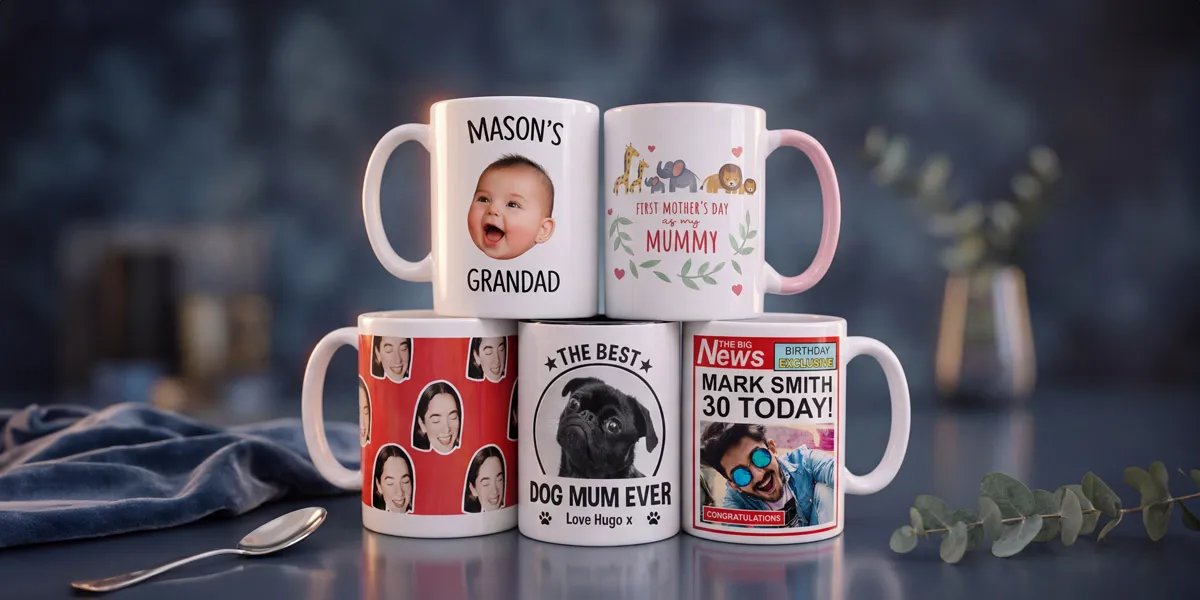
Custom mugs have remained one of the most reliable products in the print on demand business for years. While trends come and go in apparel and accessories, mugs continue to sell consistently thanks to their practicality, affordability, and strong gift appeal. Almost everyone drinks coffee, tea, or hot chocolate, which means mugs are used daily in homes and offices across the United States.
However, not all mug styles perform equally in the market. Some types consistently outsell others because they appeal to broader audiences or create stronger emotional connections with buyers. In this guide, we’ll explore the most popular types of custom mugs in the POD business and explain why they continue to dominate online marketplaces.
Why Custom Mugs Are a Top Product in the POD Industry
Before diving into specific mug styles, it’s helpful to understand why mugs remain such a powerful product category for print-on-demand sellers.
Everyday practicality
Unlike decorative items that may sit on a shelf, mugs are part of people’s daily routines. Millions of Americans start their mornings with coffee or tea, making mugs an everyday necessity. Because of this constant use, customers are more willing to purchase mugs that reflect their personality, hobbies, or sense of humor.
Strong gift demand
Custom mugs are also one of the most common gift products. They are affordable, easy to personalize, and appropriate for many occasions. Popular gift moments include:
- Birthdays
- Christmas
- Mother’s Day and Father’s Day
- Valentine’s Day
- Office gift exchanges
Because mugs work for so many occasions, sellers can create designs tailored to seasonal holidays or specific recipients.
Easy personalization
Compared with clothing or wall art, mug designs are often simpler to produce. Many successful mug designs rely primarily on typography or minimal graphics. This means sellers can quickly create and test new designs without requiring complex artwork.
With that in mind, let’s look at the mug styles that perform best in the POD marketplace.
Classic Ceramic Mugs
The classic ceramic mug remains the best-selling option in most print-on-demand stores. Typically available in 11-ounce or 15-ounce sizes, this standard mug style is familiar, affordable, and versatile.
Customers love classic ceramic mugs because they are practical and suitable for everyday use. They also tend to be the most budget-friendly option, making them attractive to buyers who want a simple but thoughtful gift.
Popular design themes for classic mugs include:
- Funny quotes about coffee
- Workplace humor
- Pet-themed designs
- Family titles such as “Best Mom Ever”or “World’s Greatest Dad”
For POD sellers, ceramic mugs are ideal for evergreen products that can generate consistent sales year-round. Because the production costs are relatively low, they also allow sellers to maintain healthy profit margins.
Personalized Name Mugs
Personalized mugs are among the highest-converting products in the custom gift market. These mugs allow buyers to add personal details such as names, dates, photos, or short messages.
The emotional value of personalization is what makes these mugs so powerful. Customers are often looking for gifts that feel unique and meaningful, and adding a name instantly creates a sense of ownership.
Some of the most popular personalized mug themes include:
- Couples or anniversary mugs
- Best friend mugs
- Teacher appreciation gifts
- Family name mugs
Many successful online stores include easy-to-use customization tools that allow customers to preview their personalized mug before purchasing. This type of interactive shopping experience can significantly improve conversion rates.
Color Accent Mugs
Color accent mugs feature a colored interior and handle while keeping the outside surface white for printed designs. This small design variation adds personality and visual interest without dramatically increasing production costs.
Buyers often enjoy choosing accent colors that match their favorite designs or personal preferences. Some of the most popular accent colors include:
- Red
- Black
- Navy blue
- Pink
These mugs are particularly appealing to younger customers who prefer products with more visual variety. For sellers, color accent mugs also allow a single design to be offered in multiple color options, which can increase product variety without creating entirely new designs.
Photo Mugs
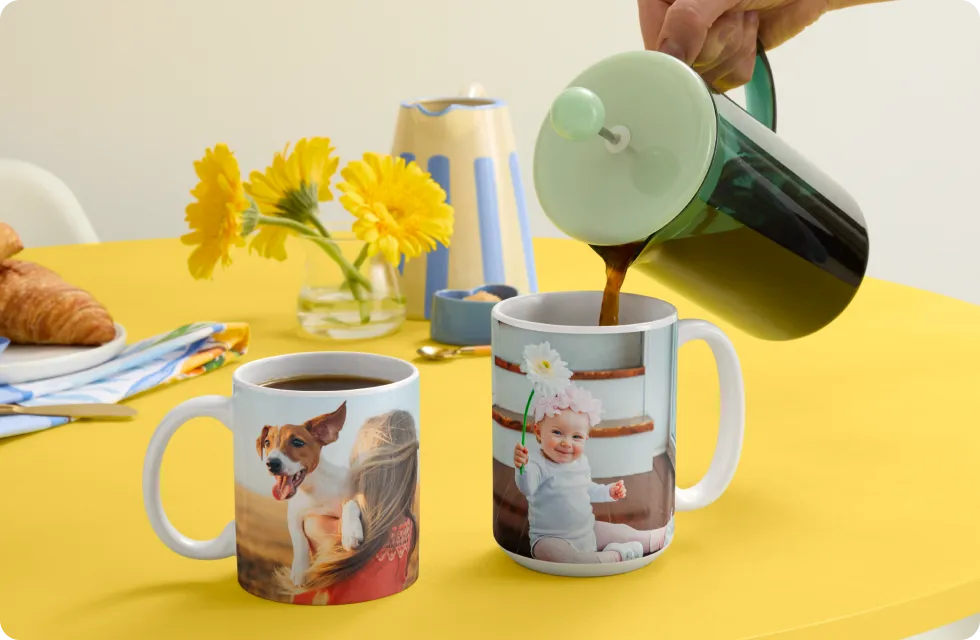
Photo mugs remain one of the most popular personalized gift products in the print-on-demand market. These mugs allow customers to upload personal photos and turn them into everyday keepsakes.
Common photo mug themes include:
- Family pictures
- Wedding photos
- Pet portraits
- Baby photos
Photo mugs perform especially well during major gift-giving holidays such as Christmas, Mother’s Day, and Father’s Day. Many buyers appreciate the ability to transform a favorite memory into a practical item they can use every day.
For sellers, the key to success with photo mugs is creating a smooth and user-friendly image upload process. Mobile-friendly customization tools can significantly improve the customer experience and reduce abandoned purchases.
Funny Quote Mugs
Humor is one of the most successful themes in the mug niche. Because mugs are often used in relaxed environments like kitchens or office desks, humorous designs naturally fit the product.
Popular funny mug themes include:
- Coffee addiction jokes
- Sarcastic office humor
- Introvert jokes
- Relationship humor
These mugs often go viral on social media because they are easy to share and relatable. A clever one-line joke can turn a simple mug into a memorable product.
For search engine optimization, funny mugs also benefit from long-tail keywords such as “funny coffee mug,” “sarcastic mug,” or “funny office mug,” which can attract targeted organic traffic.
Niche Hobby Mugs
Targeting specific hobby communities is another highly effective strategy in the mug market. Instead of creating generic designs, many successful POD sellers focus on passionate niche audiences.
Some of the most popular hobby-based mug niches include:
- Dog lovers
- Cat owners
- Gamers
- Gardeners
- Teachers
- Nurses
Niche mugs often perform better than general designs because they speak directly to a specific group of customers. People enjoy products that reflect their interests and identity, which increases the likelihood of purchase.
For sellers, focusing on micro-niches can also reduce competition. A design aimed at “golden retriever moms,” for example, may perform better than a generic dog-themed mug.
Magic Color-Changing Mugs
Magic mugs are a novelty product that reveals a hidden design when hot liquid is poured into the mug. When the mug is cold, it appears dark or plain, but the printed image gradually becomes visible as the mug heats up.
This interactive feature creates a fun and memorable experience for the customer. Because of the surprise element, magic mugs are especially popular as gifts.
Common design ideas for magic mugs include:
- Hidden photos
- Surprise messages
- Romantic designs for couples
Although color-changing mugs typically cost more to produce, they can often be sold at higher prices because of their novelty appeal.
Enamel Camping Mugs
Enamel mugs have a distinctive vintage look that appeals strongly to outdoor enthusiasts. Originally designed for camping and travel, these mugs are lightweight and durable, making them ideal for outdoor adventures.
Enamel mugs are particularly popular among:
- Campers and hikers
- Travelers
- Outdoor lifestyle brands
- National park enthusiasts
Designs that work well on enamel mugs often feature minimalist graphics, nature illustrations, or adventure-themed quotes. Because of their rustic aesthetic, they are frequently used by brands that focus on outdoor or lifestyle products.
How to Choose the Right Mug Type for Your POD Store
With so many mug styles available, it’s important for POD sellers to choose products that align with their target audience and brand identity.
First, consider your ideal customer. Different audiences prefer different types of mugs. For example, corporate gift buyers may prefer classic ceramic mugs, while younger audiences might gravitate toward colorful accent mugs or novelty designs.
Second, evaluate profit margins. Factors such as base product cost, shipping fees, and customization features all affect your final pricing. Classic ceramic mugs typically offer the best balance between affordability and profitability.
Finally, testing is essential in the POD business. Instead of relying on a single design or mug type, successful sellers often launch multiple products and track which ones perform best. By analyzing sales data, you can identify winning designs and scale them more effectively.
Design Tips for Selling More Custom Mugs
Even the best mug type won’t succeed without a strong design. Here are a few important design tips for improving s
First, keep designs simple. Many best-selling mugs feature minimal text or clean graphics that are easy to read at a glance.
Second, focus on readability. Because mugs are viewed at close distances, fonts should be clear and large enough to read comfortably.
Third, consider how the design appears when someone holds the mug. Some sellers create mirrored designs so both left-handed and right-handed users can see the graphic clearly.
Finally, pay attention to seasonal trends. Major gift holidays such as Christmas, Valentine’s Day, and Mother’s Day can drive significant spikes in mug sales. Preparing designs ahead of these seasons can help maximize revenue.
Conclusion
Custom mugs remain one of the most profitable and beginner-friendly products in the print-on-demand industry. Their combination of affordability, practicality, and personalization makes them a favorite among both customers and sellers.
From classic ceramic mugs and personalized photo mugs to novelty color-changing designs and niche hobby themes, there are many ways for POD entrepreneurs to stand out in this competitive market.
The key to success is understanding your audience, choosing mug types that match their interests, and creating designs that connect emotionally with buyers. With the right strategy, custom mugs can become a dependable and scalable product category for any POD store.

Providing your employees with a comfortable place to smoke may be one of the easiest things you can do for them.
If you approach it correctly, you’ll keep smokers happy, non-smokers safe, and your business will remain compliant with local laws. But build it wrong and you’ll be faced with complaints, liability risks, and an unsightly smoking patch on your property that everyone ends up avoiding.
Thankfully, building a good smoking area doesn’t have to be hard.
Here’s what we’ll cover:
- Making Sure Your Smoking Area Actually Matters
- Research Local Laws Ahead of Time
- Location, Location, Location
- Build the Right Setup from the Start
- Maintain Your Smoking Area Daily
Making Sure Your Smoking Area Actually Matters
Too many employers treat the smoking area like an afterthought.
“Slap a bench next to the dumpsters” seems to be the guiding philosophy. And that method of choosing a smoking area causes nothing but problems.
Employees who smoke aren’t dumb. When they take the time to look for places to buy affordable products online, including canadian classic cigarettes from trusted providers, they care about getting a good deal. Smokers appreciate when employers provide a designated smoking area that shows they care too.
If you’re worrying about costs, consider this: smoking areas don’t have to be expensive. But they should signal to employees that you appreciate their business and want them to keep working for you.
Of course, it doesn’t just feel good to have a well-put-together smoking area. It’s the law.
Let’s be clear…
Secondhand smoke kills more than 41,000 nonsmoking Americans every year. Because of that, legislators have greatly increased smoking restrictions over the last few years. Recent data shows over 1,443 cities and municipalities have gone smokefree as of October 1, 2024. Meaning all workplaces (non-hospitality) must provide designated outdoor smoking areas that meet certain requirements.
If you aren’t going to provide one, simply don’t allow smoking on the premises. Employees will appreciate the clarity.
Research Local Laws Ahead of Time
Look into local smoking regulations before you purchase a shelter or even decide on a location.
Rules change from state-to-state and city-to-city when it comes to how far a designated smoking area must be from entrances, exits, windows, and air vents. Individual states set these distances themselves. At least 20 feet is common in many states. Some states are much stricter.
Consider this…
Non-compliance can cost your business real money. Fines for smoking regulation violations change based on location and severity. The easiest way to make sure the bases are covered is to give the local municipal office a call or visit the state labour department’s website for smoking guidelines.
It’s also worth noting that many states include regulations about e-cigarettes and vaping devices in their smoking laws. Make sure those things are covered, too.
Location, Location, Location
This might be where most businesses fail.
If smoke easily drifts back into the building when employees are using the smoking area, it’s been done wrong.
Keep the smoking area far enough away from:
- Entrances/exits
- Air intake vents / HVAC units
- Windows
- Non-smoking employee walkways
Smokers shouldn’t have to light up near their workstation. But non-smokers should never have to walk through a cloud of smoke to get somewhere. Both deserve that basic consideration.
Mapping out typical foot traffic around the exterior of the building and positioning the smoking area accordingly is a smart first step. It should be relatively convenient for smokers but not directly in anyone’s way. Placing it near a side door or in the back corner of the building often works well.
Smokers need to be able to access it safely, so don’t place it far away from populated areas just to keep smoke away from entrances.
Build the Right Setup from the Start
The location is set. Now it’s time to build it right.
Ideally, the smoking area shouldn’t require a large investment. However, there are a few things that every smoking area should have.
Need some inspiration? Here’s what every smoking area needs:
- A weatherproof shelter. At minimum. Larger canopies are great too.
- Shelter comes with seating. Employees should be able to take their full break there.
- Quality cigarette disposal units that are fireproof.
- Signage indicating where the smoking area is.
- Adequate lighting for smokers during the early morning and late evening.
Aside from the shelter, most of these things don’t cost very much. But failing to have them is cheap.
Investing in proper cigarette disposal units and keeping them emptied will prevent fires. Ensuring the smoking area has easy-to-clean flooring (i.e. not gravel) will do the same. So will discouraging employees from littering cigarette butts around the property.
If a shelter is chosen for the smoking area, ensure it is well ventilated. Smoke will build up inside an entirely enclosed shelter quickly. Unless state regulations dictate otherwise, open-sided canopy designs are best.
Maintain Your Smoking Area Daily
If there’s no commitment to keeping the smoking area cleaned up, don’t bother building it.
Implement a simple maintenance schedule. For example:
- Cigarette disposal units should be emptied daily.
- Sweep or blow the smoking area out at least twice a week.
- Check the integrity of the smoking shelter and seating once per month.
- Ensure waste disposal units are always stocked.
Maintenance isn’t just about appearances, either.
Littering is a serious fire hazard. Allowing the smoking area to be littered with cigarette butts tells employees and visitors that the property isn’t cared for. That’ll do real damage to morale and reputation as an employer.
Speaking of which, signage needs maintaining too. Any rules should be clearly posted near the smoking area. If the policy changes (more on vaping above), update the signage to reflect it immediately.
Lastly, consider comfort. If smokers have a nice covered area with comfortable seating and protection from the elements they’ll use it. If not, they’ll find anywhere under a roof to take their break.
Taking shelter everywhere randomly defeats the point of having a smoking area.
Wrapping Up
Creating a great smoking area for employees really comes down to four things:
- Know the state and local laws.
- Choose a proper location.
- Build it out with the right items.
- Maintain it every day.
Not only is this simple, but none of it has to cost the business very much money. As long as the basics are covered and a little time is spent thinking about where to put it, smokers and non-smokers alike will be satisfied while the business stays compliant.
Here’s a quick recap:
- Check with state and local governments to find out about smoking area requirements.
- Place it at least 20 feet from entrances, air vents, and windows.
- Provide shelter, seating, and proper cigarette disposal units.
- Empty disposal units daily and sweep up the smoking area at least twice per week.
- Update signage whenever local laws or company smoking policies change.
-

 BLOG7 months ago
hanime1: The Ultimate Destination for Anime Lovers
-

 ENTERTAINMENT10 months ago
Sflix: How It’s Changing the Way We Watch Movies and TV Shows
-

 ENTERTAINMENT9 months ago
Crackstreams 2.0: The Future of Free Sports Streaming?
-

 BILLS10 months ago
Why Does My Instagram Reel Stop Getting Views After One Hour? How to Fix It?
-

 Technology10 months ago
Simpcitt: The Rise of a Unique Online Community
-

 BLOG8 months ago
Imginn: The Ultimate Tool to View Instagram Content Anonymously
-

 80s11 months ago
Favorite 100 Songs of the 80s: (#1) Michael Jackson – Billie Jean
-

 BLOG10 months ago
NHentai.nef: Understanding the Popular Hentai Archive