
BLOG
Truck Accident Compensation: Typical Settlements and Tips


Experiencing a truck accident can turn life upside down in an instant. Beyond the physical and emotional toll, there is often confusion about what comes next, especially when it comes to compensation. Understanding the average settlement for truck accident injuries is a crucial step for anyone navigating the aftermath, as it helps set realistic expectations and prepare for discussions with insurance companies or legal representatives. Consulting a reliable lawyer not only provides clarity about potential compensation but also offers guidance on protecting rights and maximizing recovery, making it possible to move forward with confidence.
Why Settlements Matter
Settlements serve as a way to compensate victims for medical expenses, lost wages, pain and suffering, and other damages resulting from a truck accident. Unlike a trial, which can be lengthy and unpredictable, settlements provide an opportunity to resolve claims more efficiently. They also allow victims to focus on recovery instead of getting entangled in protracted legal battles.
Knowing what the average settlement looks like gives context for negotiations and ensures victims do not accept less than what they are entitled to. However, it’s important to remember that every case is unique, and numerous factors can influence the final amount.
Factors That Influence Truck Accident Settlements
Several elements contribute to determining settlement amounts. Understanding these can help victims better navigate discussions and make informed decisions.
Severity of Injuries
The type and extent of injuries play a major role. Minor injuries may result in smaller settlements, while serious injuries such as fractures, spinal cord damage, or traumatic brain injuries typically command higher compensation. Long-term impacts or permanent disabilities further increase the value of a claim.
Medical Expenses and Rehabilitation
Documented medical costs, including hospital bills, surgeries, therapy sessions, and ongoing treatment, are directly factored into settlement calculations. Future medical needs, especially for severe injuries, are also considered, making detailed medical records essential.
Lost Income and Earning Capacity
Accidents often result in missed work or a reduction in earning potential. Settlements can cover wages lost during recovery and account for any long-term changes in career prospects due to physical limitations.
Pain and Suffering
Beyond tangible costs, settlements also address emotional distress and decreased quality of life. Pain, anxiety, depression, and disruption to daily routines can be factored into compensation, though this element is often more subjective and requires careful documentation.
Liability and Fault
Who was responsible for the accident heavily influences the settlement. Clear evidence of the truck driver’s negligence or the trucking company’s liability can strengthen a claim. Conversely, shared fault or ambiguous circumstances may reduce the amount offered.
Insurance Coverage
The trucking company’s insurance policy limits can also impact settlements. Even a strong claim may be limited if the insurer has a low coverage cap, highlighting the importance of skilled legal negotiation.
The Role of a Lawyer in Truck Accident Settlements
Working with a qualified attorney can make a significant difference in the outcome of a truck accident claim. Lawyers provide guidance on collecting evidence, documenting injuries, and negotiating with insurance companies. They also help victims understand their legal rights, calculate fair compensation, and avoid common pitfalls.
Lawyers often have experience handling similar cases, making them adept at navigating complex regulations, identifying liable parties, and maximizing the settlement. Their expertise ensures that victims are not left to navigate a complicated system alone.
Steps to Take After a Truck Accident
Immediate actions after an accident can influence both recovery and potential compensation. Some critical steps include:
- Seek Medical Attention: Prompt treatment ensures health and provides necessary documentation for claims.
- Document the Scene: Take photos, collect witness statements, and record details of the accident.
- Report the Accident: Notify law enforcement and your insurance company as required.
- Avoid Discussing Fault Publicly: Statements to other parties or on social media can impact claims.
- Consult a Lawyer: Early legal guidance helps preserve evidence and identify all responsible parties.
These steps not only protect rights but also strengthen a case for fair compensation.
Common Misconceptions About Settlements
Many accident victims have misconceptions that can lead to poor decisions. For example, some assume that the first offer from an insurance company represents the full value of a claim. In reality, initial offers are often lower than what a fair settlement might be. Legal guidance is key to negotiating a better outcome.
Another misconception is that settlements must be finalized quickly. While some claims can be resolved promptly, taking time to gather evidence and fully understand damages usually results in higher compensation and better protection of rights.
Calculating an Average Settlement
While every case is unique, studies and legal data provide rough estimates for typical settlements. Minor truck accident injuries may result in settlements ranging from a few thousand dollars to tens of thousands, while more severe injuries can reach six or seven figures. Factors such as medical costs, lost wages, and long-term impacts all contribute to these ranges.
It is important to remember that averages are just that, they provide context but cannot predict specific outcomes. A lawyer’s experience, the circumstances of the accident, and the insurance negotiation process will ultimately determine the final settlement.
Insurance Negotiation Tips
Dealing with insurance adjusters can be daunting. They often aim to settle quickly for the lowest possible amount. A few tips include:
- Keep Detailed Records: Document medical visits, expenses, and any missed work.
- Avoid Early Settlement: Don’t accept offers before understanding the full extent of injuries and damages.
- Consult a Lawyer: Legal representation ensures negotiation strategies protect your best interests.
- Stay Professional: Communicate clearly and avoid emotional responses that could be used against a claim.
Proper preparation can prevent underpayment and increase the likelihood of a fair settlement.
Understanding Non-Economic Damages
While medical bills and lost wages are quantifiable, non-economic damages like pain and suffering are subjective but important. Courts and insurers consider factors such as lifestyle changes, emotional trauma, and long-term quality of life. Accurately documenting these effects supports a more complete claim.
Long-Term Considerations
Some injuries from truck accidents may not fully manifest immediately. Hidden injuries, chronic pain, or delayed symptoms can influence the value of a claim. A lawyer can advise whether to wait for a clearer picture of long-term impacts before finalizing a settlement.
The Importance of Documentation
Thorough documentation is critical. Medical records, photographs, witness statements, and repair estimates all contribute to substantiating a claim. Detailed records not only help with negotiations but also protect against disputes about the accident or damages.
Avoiding Common Pitfalls
Victims sometimes make mistakes that reduce potential settlements, such as:
- Delaying Medical Care: This can raise doubts about injury severity.
- Posting on Social Media: Public statements may be used to challenge claims.
- Ignoring Legal Advice: Attempting to negotiate alone can lead to undervaluation.
- Settling Too Early: Accepting an offer before understanding full damages may leave money on the table.
Avoiding these pitfalls increases the likelihood of fair and adequate compensation.
Working With a Legal Team
A legal team provides more than advice; it offers strategy, advocacy, and support throughout the claims process. Attorneys handle paperwork, coordinate with medical professionals, and represent clients in discussions or court if necessary. Their involvement often results in higher settlements and less stress for victims.
Preparing for a Settlement
Before agreeing to a settlement, it is essential to review all aspects of the claim. Consider current and future medical costs, lost income, rehabilitation needs, and personal impacts. Legal guidance ensures that nothing is overlooked and that the settlement reflects the full scope of damages.
Conclusion: Navigating Truck Accident Settlements
Recovering from a truck accident involves much more than physical healing, it includes understanding rights, documenting damages, and negotiating fair compensation. Having a clear understanding of typical compensation ranges for truck accident claims provides a starting point, but every case is unique. Consulting a reliable lawyer offers clarity, protects rights, and helps maximize recovery. By taking informed steps and relying on professional guidance, victims can navigate the aftermath confidently and secure the compensation necessary to support recovery and future stability.

Picking a new look for your living space is an exciting project, and it changes how you feel every time you walk through the door. People may struggle to find the perfect shade among thousands of options. Narrowing down your choices takes a bit of strategy and patience. You can create a beautiful home by following a few simple steps.
Think About The Function Of Every Room
Deciding on a project scope is the first logical step. You will find that a full‑service painting company handles everything from surface prep to the final coat of trim. Using professionals takes the stress out of home improvement tasks.
Kitchens and bathrooms require durable finishes that resist moisture. High-gloss or semi-gloss options work best in wet environments. Satin finishes offer a soft glow for hallways or family rooms. Bedrooms feel better with flat or eggshell paints: these textures hide small bumps or imperfections on the drywall.
Embrace The New Trend Of Warm Neutrals
Modern interior design is moving away from cold grays and stark whites. People are looking for comfort through warm-toned neutrals. Creamy beiges and soft tans provide a flexible backdrop for any style, and they pair well with wood floors and natural stone accents. You can change your furniture without the need to repaint every few years.
Warm tones make a space feel more inviting for guests and family. They mimic the look of natural sunlight even on cloudy days. Many homeowners find these colors easier to live with for long periods.
Pay Attention To Natural Light
Sunlight changes the way a color looks throughout the day. A soft blue might look gray in the morning but bright in the afternoon. Watch how shadows hit your walls at different times before you buy a gallon.
North-facing rooms get less direct sun and feel cooler. Warm colors can balance out that dim or chilly vibe. South-facing rooms get lots of intense light that can make colors appear washed out. Observe your paint samples as the sun sets.
Curate A Palette From Modern Trends
Looking at professional collections can simplify your decision-making process. A pre-made set helps you find shades that naturally complement each other. You might find deep greens or rich blues that add character to an office. Earthy tones are making a comeback for dining areas and entryways.
Professionals spend months researching which colors work best together. They test how different shades react to various lighting and furniture styles. Trusting a curated list takes the guesswork out of your project.
Look For Healthy Paint Options
Safety is a major priority for many families when updating their interiors. Eco-friendly paints with reduced levels of volatile organic compounds started gaining prominence in 2024. Selecting these products keeps the air in your home cleaner during the drying process.
Low-odor paints allow you to sleep in your room the same day it is painted. You do not have to worry about harsh chemicals lingering for weeks. Most green options are affordable for homeowners who want to spend around $50 per gallon. Traditional paints sometimes release gases that cause headaches or irritation.
Use Samples Before Making A Final Choice
Never pick a color based only on a small paper swatch from the store. Paint a large board and move it around the room. Leave the sample on the wall for at least 48 hours. Doing so allows you to see it under light bulbs at night: artificial light has a yellow or blue tint.
Try painting a 2-foot square on a few different walls. Light hits each side of a room at a different angle. You might love the color on one wall but hate it on the other.
Balance Colors With Furniture And Decor
When designing a room, think about how your sofa and artwork fit into the new scheme. Follow a few basic rules to keep the space from looking cluttered.
- Choose a main color for 60% of the space
- Pick a secondary color for 30% of the room
- Use an accent color for the final 10% of the area
Small pops of color in pillows or vases create a finished look. Dark furniture needs a lighter wall to keep the room from feeling heavy. If you have light-colored wood, you can go a bit darker on the walls. Contrast makes your decor pieces pop and adds visual interest.

Starting a home update is a great way to refresh your lifestyle. Your home should reflect your personality and make you feel happy. Grab some samples and start experimenting with different shades today. You will love the fresh look of your newly painted walls.

Managers rely on numbers to make smart choices about staffing and production. Using data will prevent burnout and keep projects on track. It is the best way to handle changing demands without losing money.
Predicting Labor Needs With Accuracy
Predicting how many workers are needed for a project can be difficult. Static models fail when the market shifts suddenly, whereas dynamic modeling helps firms change staffing levels 40% faster when supply chains break down. Speed keeps the work moving when others have to stop to protect the schedule.
Quick pivots keep the workflow moving even during a crisis. Managers can look at past trends to guess future needs. Hiring protects the company from spending too much on labor. Data from past years showed that when the rush starts, you can prepare for the busy season months in advance.
Finding Space For Temporary Facilities
Planning for growth means having the right physical infrastructure in place. Companies can invest in scalable options for temporary site facilities to keep operations running during busy seasons. Maintaining a flexible footprint allows for quick adjustments when project demands change suddenly.
Mobile offices or housing units provide a safe spot for workers on remote jobs. Having everything on-site cuts down on travel time and keeps the schedule tight. Proper facilities provide a place to rest and regroup. Projects finish faster when the crew is comfortable and well-fed.
Integrating Real-Time Data Streams
Waiting for a weekly report is too slow. Real-time data gives a clear picture of what is happening right now. Firms using live analytics see a 15% boost in operational throughput.
Live feeds show where bottlenecks are forming on the floor. Supervisors can move people to different stations before a delay happens. Every minute saved adds to the business’ success, as it shows up in the final budget in dollar terms.
Managers can see whether a machine is down or a team is behind. They can solve the issue before it ruins the whole day. Instant feedback helps workers stay on target with their goals.
Automating Daily Schedules And Tasks
Creating a schedule for hundreds of employees takes hours of manual work. Mistakes in the roster lead to gaps in service or high overtime costs. Around 25% of large companies will use generative AI for scheduling by 2027.
Automation matches the right skills to the right tasks instantly. Software can track who is available and who needs a break. Task allocation becomes fair when a machine handles the logic and removes any bias from the scheduling process. Every worker knows their role before the day begins.
Adopting Artificial Intelligence Solutions
Technology is changing how human resources departments function. 76% of leaders think they will fall behind if they do not use AI tools soon. Smart tools can scan resumes or track employee sentiment and find patterns that humans might miss during a busy day.
Efficiency grows when the right tech supports every hire. AI can predict which days will be the busiest and look at weather patterns and market trends. Having the data allows for better planning across all departments.
Managing Remote And Field Teams
Keep track of workers in different locations. Analytics provide a way to monitor progress without being there in person.
- Cloud software stores all project data in one place.
- Mobile apps let workers clock in from any location.
- GPS tracking shows where assets are positioned on a map.
Field data helps managers verify that safety rules are being followed. It keeps everyone accountable for their part of the project. Communication stays clear when everyone looks at the same dashboard.
Digital check-ins prevent confusion about hours worked and provide an accurate record for payroll processing later. Teams feel more connected when they can share updates from their phones.
Improving Employee Experience Through Insights
High turnover is a costly problem for any business. Replacing a trained worker takes time and lowers team morale. Data identifies when a worker is likely to quit before it happens. Understanding why people stay or leave creates a stronger culture.
Managers can offer support or better benefits to keep talent happy. Employee feedback can be measured through regular surveys: analytics show which teams are the happiest and which need help. Fixing a bad work environment saves money on recruiting in the future.

Building a seamless management strategy takes patience and the right information. Analytics removes the stress of guessing what comes next. Leaders can focus on growth instead of fixing constant errors.
The future of work belongs to those who use data to guide their path. Success is easier to reach when the team has a clear plan and the tools to finish the job.

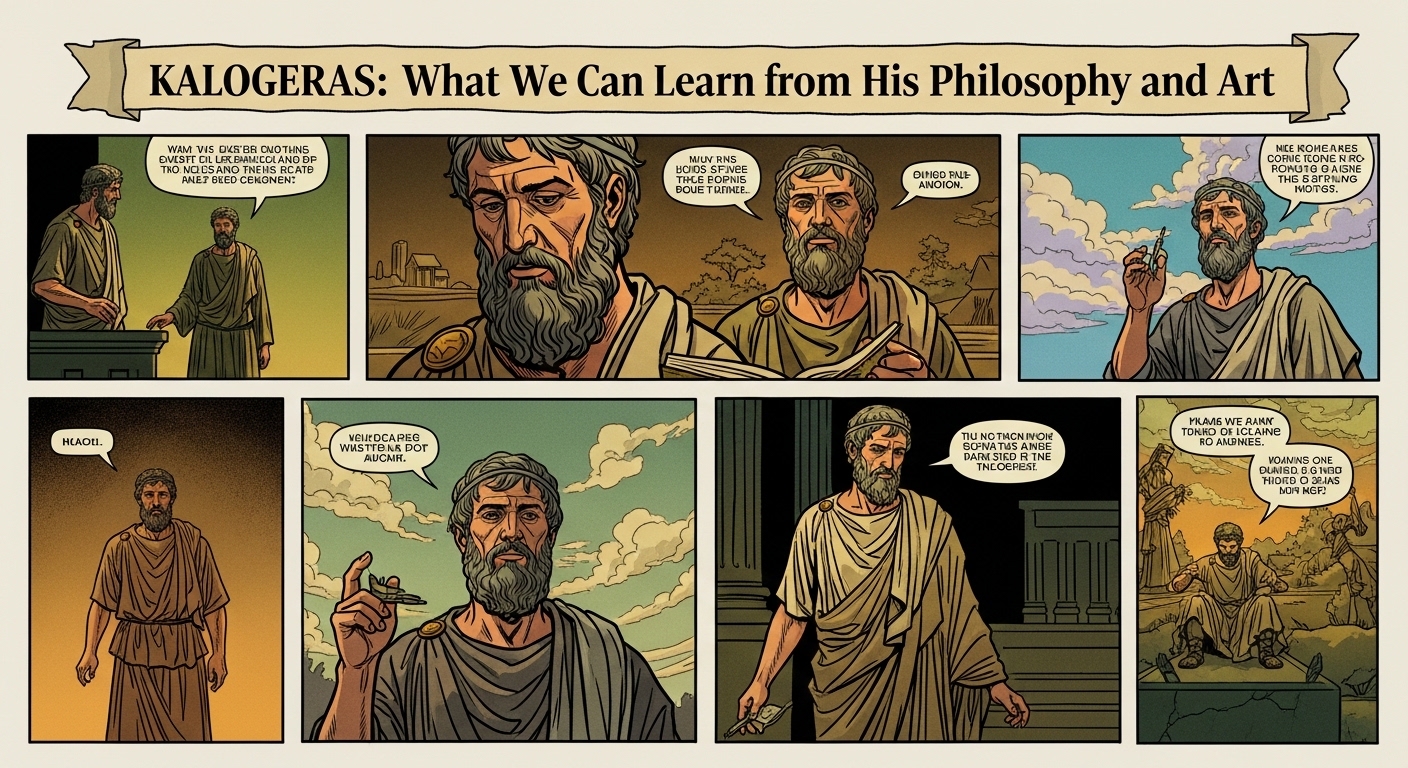
Kalogeras is a name that resonates with depth and creativity. A multifaceted artist and philosopher, he has captivated audiences with his unique approach to art and life. His background is as rich as his work, drawing from the vibrant tapestry of Greek culture and history. With each brushstroke, Kalogeras invites us into a realm where philosophy intertwines seamlessly with artistic expression.
What makes Kalogeras truly special? It’s not just about the aesthetic appeal of his pieces; it’s also about the profound ideas they convey. As we delve deeper into his world, we’ll uncover layers of meaning that challenge conventional thinking and ignite our imaginations. Join me on this journey through Kalogeras’ philosophy and artistry—where every insight offers a chance for personal growth and transformation.
An Overview of Kalogeras’ Philosophy and Artistic Style
Kalogeras’ philosophy is a captivating blend of introspection and exploration. He delves into the complexities of existence, inviting viewers to reflect on their own lives. His thoughts encourage an understanding that art can transcend mere aesthetics; it becomes a vehicle for self-discovery.
His artistic style mirrors this philosophy. Kalogeras employs bold colors and dynamic forms, creating pieces that evoke emotional responses. Each stroke conveys movement and energy, drawing the audience into his world.
He often fuses traditional techniques with modern concepts, challenging boundaries between past and present. This unique approach allows his work to resonate across cultures and eras.
Through abstraction, he invites interpretation while maintaining a sense of mystery. The viewer’s journey through his art becomes as significant as the artwork itself—an experience full of depth and meaning waiting to be uncovered.
Key Themes in His Work
Kalogeras’ art delves into the complexities of existence and human emotion. His pieces often reflect an intense exploration of identity, capturing the essence of what it means to be alive in a chaotic world.
Nature plays a pivotal role in his work. The vibrancy and rawness found in his landscapes serve as metaphors for inner turmoil and serenity alike. This duality invites viewers to confront their own feelings.
Another prominent theme is the passage of time. Through various mediums, Kalogeras examines how memories shape our present selves, highlighting fleeting moments that resonate with nostalgia.
Connection—between individuals, cultures, and history—is also central to his philosophy. His artworks beautifully intertwine personal narratives with broader societal issues, creating a tapestry that encourages dialogue among diverse audiences.
The Influence of Greek Mythology in Kalogeras’ Art
Greek mythology plays a pivotal role in the art of Kalogeras. His work often weaves ancient tales into contemporary narratives, creating a rich tapestry that resonates with viewers.
Figures like Zeus and Athena frequently appear, embodying strength and wisdom while exploring human emotion. Kalogeras captures their essence, blending myth with modern sensibilities.
The gods are not mere subjects; they symbolize deeper philosophical questions about existence and morality. This connection invites audiences to reflect on their own lives through a mythological lens.
Moreover, his use of color and form brings these myths to life. Vivid hues evoke the spirited drama found in Greek legends, making each piece feel alive with energy.
Through this interplay between the past and present, Kalogeras encourages us to engage with timeless stories that shape our understanding of humanity today.
Lessons We Can Learn from Kalogeras’ Philosophy
Kalogeras’ philosophy invites us to explore the depths of our own existence. His thoughts encourage introspection, urging individuals to question their beliefs and surroundings.
Central to his teachings is the idea that life is not merely a series of events but an opportunity for growth. This perspective inspires us to embrace challenges as pathways to understanding ourselves better.
Moreover, Kalogeras emphasizes interconnectedness. He reminds us that our actions resonate with others, promoting empathy and compassion in our daily lives.
His philosophy also champions creativity as a form of expression vital for personal fulfillment. It encourages exploration beyond conventional limits, pushing boundaries in thought and imagination.
By reflecting on these principles, we nurture resilience and curiosity within ourselves. Kalogeras teaches that wisdom lies not just in knowledge but also in experience and open-mindedness.
How His Art Challenges Traditional Ideas and Perspectives
Kalogeras’ art stands as a bold counterpoint to conventional norms. He embraces the unexpected, transforming traditional forms into something strikingly modern. His pieces often ripple with tension, inviting viewers to reconsider their perceptions.
Rather than merely depicting subjects, Kalogeras infuses his work with deeper narratives that challenge societal expectations. Each brushstroke serves not just as an aesthetic choice but also as a commentary on contemporary issues and timeless dilemmas.
His approach encourages dialogue around what art should represent. By pushing boundaries, he invites audiences to engage in critical thinking about identity and culture. This defiance of tradition paves the way for new interpretations of beauty and meaning.
Through vibrant colors and unconventional techniques, Kalogeras reshapes artistic expression itself. His work resonates in today’s world where questioning established paradigms is essential for growth and understanding.
The Relevance of Kalogeras’ Work in Today’s Society
Kalogeras’ work resonates deeply in today’s fast-paced world. His artistic expressions challenge viewers to reflect on their own lives and choices.
In an era marked by constant change, his philosophy encourages introspection. It invites us to question the norms we often take for granted.
The themes of identity and mythology offer a rich tapestry for modern audiences seeking connection. They remind us that our stories are interwoven with ancient narratives, creating timeless relevance.
Moreover, Kalogeras’ ability to blend tradition with contemporary issues speaks volumes. It urges society to embrace complexity rather than shy away from it.
His art serves as a powerful platform for dialogue around personal and collective experiences. This engagement fosters community and understanding, making Kalogeras more relevant than ever before.
Conclusion: Embracing the Wisdom of Kalogeras
Kalogeras presents a unique blend of philosophy and art that resonates deeply with audiences. His ability to weave complex themes into visual narratives invites us to reflect on our own lives and beliefs.
His work challenges conventional boundaries, urging us to reconsider what we know about creativity, culture, and identity. The rich tapestry of Greek mythology in his art serves as a reminder of the timelessness of these stories and their relevance even today.
Embracing Kalogeras’ wisdom means recognizing the importance of questioning norms and exploring deeper meanings within ourselves. It encourages a journey toward self-discovery through artistic expression.
As we engage with his philosophy, we’re reminded that art can be more than just aesthetics; it is also a powerful tool for transformation. By allowing ourselves to be inspired by Kalogeras, we open pathways for innovation in our thoughts and actions—carrying forward his legacy into the modern world without losing its essence.
-

 BLOG8 months ago
hanime1: The Ultimate Destination for Anime Lovers
-

 ENTERTAINMENT10 months ago
Sflix: How It’s Changing the Way We Watch Movies and TV Shows
-

 ENTERTAINMENT9 months ago
Crackstreams 2.0: The Future of Free Sports Streaming?
-

 BILLS10 months ago
Why Does My Instagram Reel Stop Getting Views After One Hour? How to Fix It?
-

 BLOG8 months ago
Imginn: The Ultimate Tool to View Instagram Content Anonymously
-

 Technology11 months ago
Simpcitt: The Rise of a Unique Online Community
-

 80s11 months ago
Favorite 100 Songs of the 80s: (#1) Michael Jackson – Billie Jean
-

 BLOG10 months ago
NHentai.nef: Understanding the Popular Hentai Archive