
Blog
Top Features of Questel – Solutions for Intellectual Property and Innovation Management Every R&D Leader Needs


In today’s fast-paced innovation landscape, R&D leaders face mounting pressure to protect inventions, accelerate time-to-market, and align intellectual property (IP) strategies with business goals.
Questel – solutions for Intellectual Property and Innovation Management stands out as a comprehensive, AI-powered platform that streamlines the entire journey from idea generation to IP protection and monetization.
Trusted by over 20,000 clients across 30+ countries, Questel delivers end-to-end tools that empower R&D teams to make smarter, data-driven decisions while reducing administrative burdens.
Here are the top features that make Questel – solutions for Intellectual Property and Innovation Management an essential toolkit for every forward-thinking R&D leader:
1. Advanced IP Intelligence with Orbit Intelligence At the core of Questel’s offerings is Orbit Intelligence, a leading patent search and analysis platform accessing over 500 global patent database sources. R&D leaders can perform in-depth searches, visualize patent landscapes, and uncover competitive insights quickly.
Key highlights include the AI-Classifier for automated categorization, Prosecution Pack for detailed legal status and grant statistics, and specialized modules like Orbit BioSequence for DNA/amino acid analysis and chemistry searches.
These capabilities help identify white spaces for innovation, spot emerging trends, and avoid infringement risks early in the R&D process.
2. Integrated IP Portfolio Management with Equinox Suite Managing a growing IP portfolio can be overwhelming, but the Equinox IP management software suite simplifies it with business-oriented docketing, forecasting, and analytics.
Tailored editions—such as Equinox Corporate+ (built on Salesforce for large enterprises), Equinox Corporate, and Equinox Invention—enable seamless tracking of patents, trademarks, designs, and more.
Features include automated renewals, deadline management, custom workflows, dashboards, and direct synchronization with patent and trademark offices.
This integration ensures IP assets stay aligned with corporate strategy, fosters collaboration between R&D, legal, and external firms, and supports secure API connections for a fully connected ecosystem.
3. AI-Elevated Tools and Automation Questel heavily invests in artificial intelligence to elevate efficiency. Tools like patent preparation and prosecution copilots, along with Qthena (an AI assistant for attorney workflows), automate repetitive tasks such as drafting, prior art review, and status monitoring.
Blockchain integration in Equinox adds tamper-proof evidence for ownership and trademark use. These AI-driven features reduce manual effort, accelerate prosecution, and provide predictive insights—allowing R&D leaders to focus on high-value innovation rather than paperwork.
4. Innovation Management with innosabi Suite Bridging the gap between raw ideas and protectable IP, Questel’s innosabi innovation management software supports end-to-end processes: trend scouting, idea generation, collaboration, project management, and performance analytics.
AI-supported functionalities help monitor competitors, identify potential partners or startups, and convert promising concepts into high-value patents.
This holistic approach ensures R&D investments translate into strategic IP assets faster and more scalably.
5. Comprehensive Services and Global Connectivity Beyond software, Questel offers connected professional services through a single portal—including international filings (PCT/Paris Convention), translations, renewals, recordals, trademark watches, and online brand protection.
With a network of 320+ agents and 1,200 translators, R&D leaders can handle global IP needs efficiently. The IP Services Portal streamlines submissions and monitoring, while data security and transparency remain top priorities.
By combining powerful search analytics, robust portfolio management, AI automation, and seamless services, Questel – solutions for Intellectual Property and Innovation Management transforms IP from a cost center into a strategic driver. R&D leaders gain unparalleled visibility into innovation pipelines, stronger protection for breakthroughs, and better alignment with business objectives—ultimately boosting competitiveness in a knowledge-driven economy.
Whether you’re in life sciences, tech, or manufacturing, adopting these features can save time, mitigate risks, and unlock greater value from your R&D efforts. Explore Questel’s integrated ecosystem today to future-proof your innovation strategy.

Experiencing a car accident is stressful, but the steps you take immediately afterward can shape your health, legal options, and financial outcome for months or years to come. Many individuals make simple, avoidable mistakes in the aftermath of an accident. Understanding and avoiding these pitfalls empowers you to navigate this situation more effectively. If you’re not sure where to start, visiting Quinnlawyers.com for legal guidance can be a smart first step when you need professional advice.
Quick decisions at the scene or even days later can affect everything from your injury claim to your insurance compensation. Reviewing what not to do is just as important as knowing the right steps to take. Even if the accident seems minor, any misstep may have costly repercussions down the line for both your well-being and your wallet.
It’s important to remember that while insurance companies often appear helpful, they are ultimately businesses looking to protect their interests. With this in mind, education and preparation are key. Stay alert, take careful notes, and approach every post-accident task with the care it deserves.
Leaving the Scene Prematurely
It may be tempting to drive away, especially after what feels like a minor wreck or fender bender. However, staying until all information is exchanged and authorities indicate you can leave is not just responsible, it is the law. Leaving the scene prematurely, even if you think everything is resolved, can lead to criminal charges for a hit-and-run or complicate your ability to file an insurance claim later. Always ensure everyone is safe, call emergency services if necessary, and remain until the official process concludes.
Failing to Call the Police
It can feel unnecessary to involve law enforcement for what appears to be a minor accident, but a police report is often the cornerstone of effective claims and any future disputes. Police provide an unbiased record of what happened, which can be invaluable should injuries materialize or if another party later changes their story. Insurers are also more likely to honor claims connected to a documented and reported event.
Not Seeking Immediate Medical Attention
Some injuries are not immediately obvious. Whiplash, internal bleeding, or mild concussions can take hours or days to manifest symptoms, and delaying a checkup may put your health at risk. Furthermore, if you wait too long to see a healthcare professional, insurance companies may cast doubt on the seriousness or timing of your injuries, which can hurt your claim. It is always better to err on the side of caution and seek prompt medical attention, even if you feel fine at first.
Admitting Fault at the Scene
Apologizing or accepting blame at the scene is an instinct that can backfire later. Fault in accidents is often more complex than it seems at first glance, involving multiple factors and parties. Instead of discussing responsibility, concentrate on gathering facts and letting authorities and insurers determine liability. Save apologies for friends and family, not accident scenes.
Neglecting to Gather Evidence
Comprehensive documentation can mean the difference between a successful and a denied claim. Use your smartphone to take photos of vehicle damage, the crash area, surrounding traffic signs, and any injuries. Collect witness contact details and note anything else out of the ordinary. Evidence can quickly vanish or change, so acting decisively at the scene is crucial.
Not Notifying Your Insurance Company Promptly
Waiting to tell your insurer about a wreck can cause unnecessary headaches and may be used as grounds to reject your claim. Most insurance policies include timely-reporting clauses. Reach out quickly to provide an accurate account of what happened. Staying organized and cooperative with your insurance provider can greatly reduce stress and speed up your recovery.
Accepting the First Settlement Offer
It is common for insurance companies to offer a quick settlement soon after a wreck. Although this can feel like a relief, these offers rarely reflect the full extent of your damages or injuries. Consulting with a trusted legal professional can help you determine if the offer is fair. Once you accept, you often lose the right to pursue further compensation, so take your time before agreeing to any terms.
Posting About the Accident on Social Media
Social media may seem like a harmless way to share your experiences and vent frustrations, but anything you post could be seen by insurers or opposing legal teams. Even innocent statements or photos can be taken out of context and used to challenge your claim. Protect your case by keeping accident details off public forums until everything is fully resolved. For more insights on staying safe online after legal events, see this consumer guide from the FTC.
Conclusion
Avoiding common mistakes after a car wreck is not about paranoia, but about protecting your future health, legal rights, and financial recovery. Take your time, follow official procedures, and seek quality help whether for health or legal matters. The more you know in advance, the better positioned you’ll be to face the aftermath and emerge stronger on the other side.

Selling your home quickly is not just about luck—it’s a result of strategic preparation, attention to detail, and knowing what attracts today’s buyers. With the right actions, you can make your property stand out from the competition, spark interest right away, and confidently move toward a swift closing. To get started on the right foot, learn from expert tips and real estate best practices. If you’re looking for a fast and hassle-free selling solution, explore this resource: https://www.cashforhousespro.com/sell-my-house-fast-mango-fl/.
Whether you’re moving for work, upgrading to a larger space, or simply ready for a change, taking the time to properly prepare ensures a strong first impression both online and in person. Buyers form opinions within moments of encountering your listing or crossing your threshold, so addressing every detail, from curb appeal to professional photos, maximizes your speed and profit. Let’s walk through every critical step for a fast, successful home sale.
Declutter and Depersonalize
A clutter-free, neutral space helps buyers envision their own lives in your home. Remove excess items, store away seasonal belongings, and clear off countertops. Replace bold personal décor with simple, classic styles. Remove family photos and personalized artwork, aiming for a look that any buyer can relate to. Thoughtfully utilizing off-site storage keeps your home tidy during this process and makes your move smoother after the sale.
Enhance Curb Appeal
First impressions are lasting, so start with the outside. Trim overgrown bushes, mow the lawn, and plant seasonal flowers for a burst of inviting color. Power-wash walkways and repair cracked paving if needed. Freshen up your front door with a new coat of paint or updated hardware. Minor upgrades, such as solar pathway lights, new house numbers, or a clean welcome mat, make the entrance memorable.
Conduct Minor Repairs and Updates
When preparing a home for a quick sale, conducting minor repairs and updates can significantly improve its appeal and market value. Simple fixes, such as patching holes, tightening loose fixtures, and addressing minor plumbing or electrical issues, can significantly enhance a home’s appeal to potential buyers. Cosmetic updates, such as fresh paint, updated cabinet hardware, or improved lighting, can also create a positive first impression without a significant investment. For homeowners seeking a fast and efficient sale, partnering with companies like Tampa House Buyers can streamline the process, offering fair cash offers while ensuring the property is sold quickly and with minimal stress.
Stage Your Home
Staging is your opportunity to showcase your home’s best features. Arrange furniture to maximize space and flow, creating conversational groupings in living rooms and adding purposeful touches, such as a cozy reading nook. Dress tables with fresh flowers and set out simple place settings. In bedrooms, use fresh linens and gently scented candles to appeal to the senses. Empty rooms can seem smaller, so avoid leaving any space vacant. Professional staging, when feasible, often results in higher offers and faster contract signings.
Utilize Professional Photography and Virtual Tours
Most buyers begin their search online, making high-quality visuals crucial. Hire a professional photographer who understands lighting and angles to showcase your space at its best. Include wide shots of every room and inviting photos of outdoor spaces. 3D tours or video walk-throughs offer remote buyers an immersive experience, often leading to faster and more informed offers. Listings with professional photos tend to sell faster and for a higher price.
Set a Competitive Price
Pricing your home correctly from the start is crucial to attracting qualified buyers and generating early interest. Study recent sales of comparable homes in your area and factor in unique features or improvements. Even in a strong market, overpricing can result in an extended time on the market and ultimately lead to price drops. An experienced agent can provide a comparative market analysis and help you make a smart, data-driven decision.
Be Flexible with Showings
The more available your home is for showings, the more potential buyers you’ll reach. Keep your home clean and show-ready, and try to accommodate evening and weekend appointments whenever possible. Consider offering virtual tours or video calls for long-distance buyers. Quick, easy showings can lead to faster offers and less time on the market—especially in a fast-moving market where buyers may have tight schedules.
Work with a Real Estate Agent
An experienced real estate agent acts as your advocate throughout the process. They’ll market your property, screen buyers, negotiate offers, and coordinate the entire closing process on your behalf. Local agents can provide valuable insights into neighborhood trends and buyer behavior, and help you avoid common pitfalls. With their network and expertise, you’re more likely to secure a timely and profitable sale.
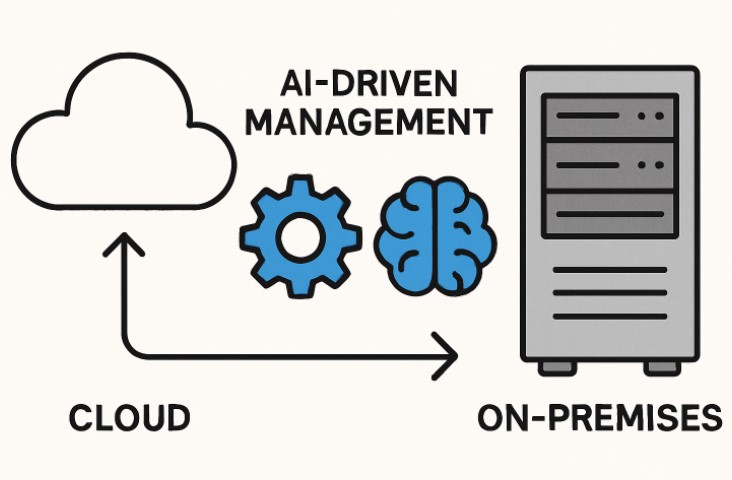
As organizations pursue operational agility and digital transformation, hybrid IT environments have become indispensable for balancing flexibility, performance, and security. Whether migrating legacy workloads or expanding cloud deployments, effective hybrid IT management determines the success of digital initiatives. To stay ahead, leaders must understand emerging trends shaping how IT environments are managed and secured. Forward-thinking partners like CIO Solutions are helping organizations navigate this evolving landscape by delivering tailored support for the complexities of hybrid infrastructures. Future-proofing your IT strategy starts with recognizing the shifts transforming hybrid IT management.
This article delves into the most influential trends in hybrid IT management, from advancements in automation to more innovative cybersecurity practices. These insights are essential for businesses seeking sustainable growth amid technological disruption.
AI and Machine Learning Integration
Artificial intelligence and machine learning are rapidly transforming how hybrid IT environments are managed. With multi-cloud infrastructures transmitting millions of data points daily, manual monitoring is no longer effective. AI-driven platforms are now central to real-time analytics, event correlation, and anomaly detection, optimizing everything from workload distribution to predictive maintenance. According to industry research, AIOps platforms can reduce incident resolution time by 38 percent and unplanned downtime by nearly 30 percent. These benefits translate into higher uptime and a more resilient IT posture, as outlined by Gartner’s insights into AIOps.
Integrated machine learning empowers IT teams by proactively surfacing actionable insights, automating routine responses, improving service availability, and enabling proactive threat identification. As adoption matures, organizations can expect enhanced decision-support capabilities and the emergence of self-healing systems.
Enhanced Cybersecurity Protocols
Security is a paramount concern in hybrid IT, where data moves between clouds, endpoints, and on-premises networks. Conventional perimeter-based models no longer suffice, given the diversity and exposure of assets. Zero Trust Network Access (ZTNA) takes a much stricter stance, mandating continuous authentication of user identities and device security. As of 2023, more than three-quarters of large organizations have adopted some form of ZTNA, a testament to growing trust in this paradigm. Modern ZTNA architectures reduce lateral attacks, protect sensitive data, and simplify compliance by building security checks into every network connection.
The deployment of advanced endpoint detection, encryption by default, and regular security posture assessments across assets in the hybrid environment complements the move toward Zero Trust. As cyber threats grow in sophistication, a layered approach to security becomes not just beneficial but essential for long-term resilience. For further reading, check out this comprehensive overview from CSO Online.
Adoption of Containerization and Microservices
Containerization, underpinned by technologies like Docker and Kubernetes, is revolutionizing application management. Containers package applications and their dependencies into standardized units, making it seamless to deploy across multiple cloud vendors and on-premises hardware. By 2023, about 85 percent of global organizations will be running containerized workloads in production environments. This shift to a container-first mindset allows businesses to enhance resource utilization, automate scaling, and simplify rollback or migration processes.
Microservices, often paired with containerization, break complex applications into smaller, independently deployable and updatable components. These technologies enable organizations to craft more resilient, flexible, and easily maintainable IT systems, ensuring applications can grow and adapt with the business.
Emergence of Edge Computing
Edge computing is extending the boundaries of hybrid IT by bringing processing power closer to where data is generated. This decentralized approach drastically reduces latency, preserves bandwidth, and enables real-time data analytics. Industries such as automotive, manufacturing, and healthcare are leveraging edge computing for use cases like autonomous vehicles, industrial IoT, and remote diagnostics. The global edge computing market is expected to surpass $43 billion by 2027, reflecting the demand for localized intelligence and rapid decision-making.
Edge computing also broadens the possibilities for regulatory compliance and data sovereignty by enabling sensitive data to be processed securely within specific jurisdictions. Organizations tapping into edge capabilities are better equipped to innovate rapidly while staying aligned with regional policies and consumer expectations.
Automated Orchestration and Optimization
Managing hybrid IT environments at scale is becoming increasingly complex. Automated orchestration, powered by AI and robust platforms, simplifies configuration, monitoring, and optimization across cloud and on-premises resources. These tools unify the management of compute, storage, networking, and applications, enabling IT specialists to create policies that automatically allocate resources where they are needed most.
With automated orchestration, organizations benefit from improved performance, reduced operational expenses, and increased productivity. IT teams can finally shift their focus from tedious, repetitive tasks to initiatives that deliver strategic business value. For more insights on orchestrating today’s hybrid environments, review expert perspectives at Network World.
Conclusion
As hybrid IT evolves rapidly, keeping up with emerging trends is critical for operational efficiency and long-term resilience. Innovations in artificial intelligence enable more intelligent automation and predictive insights, while enhanced security frameworks protect increasingly complex environments. Containerization and advanced orchestration improve scalability and flexibility, and edge computing supports faster, localized processing. By strategically adopting these technologies and collaborating with trusted partners, organizations can streamline infrastructure management, reduce risk, and remain agile. This proactive approach helps businesses adapt confidently and maintain a competitive edge in a constantly changing digital landscape.
-

 Blog6 months ago
hanime1: The Ultimate Destination for Anime Lovers
-

 Entertainment9 months ago
Sflix: How It’s Changing the Way We Watch Movies and TV Shows
-

 Entertainment7 months ago
Crackstreams 2.0: The Future of Free Sports Streaming?
-

 Bills9 months ago
Why Does My Instagram Reel Stop Getting Views After One Hour? How to Fix It?
-

 Technology9 months ago
Simpcitt: The Rise of a Unique Online Community
-

 80s9 months ago
Favorite 100 Songs of the 80s: (#1) Michael Jackson – Billie Jean
-

 Blog7 months ago
Imginn: The Ultimate Tool to View Instagram Content Anonymously
-

 Blog9 months ago
Simpcitu: The New Age Trend Shaping Online Interactions