
BLOG
Top BPM Tools to Streamline Work Visa Application Automation


Managing processes efficiently is crucial for organizations. Human resources teams, in particular, face complex workflows when it comes to handling employee documentation and compliance tasks. One such task that requires precision and speed is work visa application automation. Automating these processes not only saves time but also reduces errors and ensures compliance with immigration regulations. Businesses looking for reliable solutions often turn to best BPM tools to streamline such complex workflows. In this article, we will explore how BPM tools can simplify work visa applications and highlight the key features that make them indispensable.
Understanding Work Visa Application Automation
Applying for work visas involves multiple steps: collecting employee documents, verifying eligibility, filling government forms, coordinating with immigration authorities, and tracking application status. Doing all these manually can lead to delays, mistakes, and frustrated employees.
Work visa application automation leverages technology to handle repetitive tasks, set reminders for deadlines, and maintain digital records securely. This automation ensures that applications move through each stage efficiently, reducing bottlenecks and minimizing human error. For HR teams managing multiple applications, this can be a game-changer.
How BPM Tools Help in Visa Application Automation
Business Process Management (BPM) tools are designed to help organizations model, execute, monitor, and optimize workflows. When applied to work visa applications, BPM tools can bring several benefits:
1. Centralized Workflow Management
BPM tools allow HR teams to manage all visa-related tasks from a single dashboard. Every step of the process—from document submission to approval—is tracked in real-time. This ensures transparency and allows managers to identify pending tasks quickly.
2. Automation of Repetitive Tasks
Many steps in visa processing are repetitive, such as sending reminders for missing documents, verifying forms, or generating reports. BPM tools can automate these tasks, freeing HR professionals to focus on higher-value activities like employee support and compliance checks.
3. Improved Accuracy and Compliance
Errors in visa applications can lead to delays or rejections. BPM tools provide validation checks, automated notifications, and audit trails that ensure every submission is accurate and compliant with government regulations. This reduces the risk of costly mistakes and penalties.
4. Seamless Collaboration
Visa applications often require input from multiple stakeholders—HR teams, finance departments, legal advisors, and external immigration consultants. BPM tools facilitate collaboration by allowing secure access, real-time updates, and task assignments. Everyone involved knows the status of the application, reducing miscommunication.
5. Customizable Templates
Most BPM tools come with pre-built templates for common HR processes. These templates can be customized to suit a company’s specific visa application requirements. By using templates, organizations save time setting up workflows and ensure consistency across all applications.
Key Features to Look for in BPM Tools
Not all BPM tools are created equal. When choosing a BPM solution for visa application automation, consider the following features:
- Drag-and-Drop Workflow Designer:Allows HR teams to create and modify workflows without coding knowledge.
- Integration Capabilities:Ability to integrate with HR software, document management systems, and email platforms.
- Notifications and Alerts:Automated reminders for pending approvals or missing documents.
- Reporting and Analytics:Generate reports to track application success rates, processing times, and bottlenecks.
- Security and Compliance:Ensure sensitive employee data is protected and audit trails are maintained.
These features help organizations save time, reduce errors, and maintain compliance while improving the overall experience for employees.
Benefits of Streamlining Work Visa Application
Implementing BPM tools for visa application automation offers several tangible benefits:
- Time Efficiency:Automation reduces the time spent on repetitive tasks and ensures faster processing of applications.
- Cost Savings:Minimizing manual work lowers operational costs and reduces the risk of errors that could lead to penalties.
- Enhanced Employee Experience:Employees experience a smoother, faster, and transparent visa application process.
- Scalability:BPM tools allow organizations to manage a growing number of visa applications as the business expands.
- Better Decision-Making:Real-time analytics enable HR leaders to make informed decisions and improve process efficiency.
Conclusion
Managing work visa applications manually is a time-consuming and error-prone process. By adopting best BPM tools, organizations can automate workflows, improve accuracy, and enhance collaboration across teams. Work visa application automation not only saves time and costs but also ensures compliance with immigration regulations.
For HR teams handling multiple visa requests, BPM tools provide a centralized, efficient, and scalable solution. Investing in the right BPM solution can transform your visa application process, allowing your organization to focus on growth and employee satisfaction rather than paperwork.
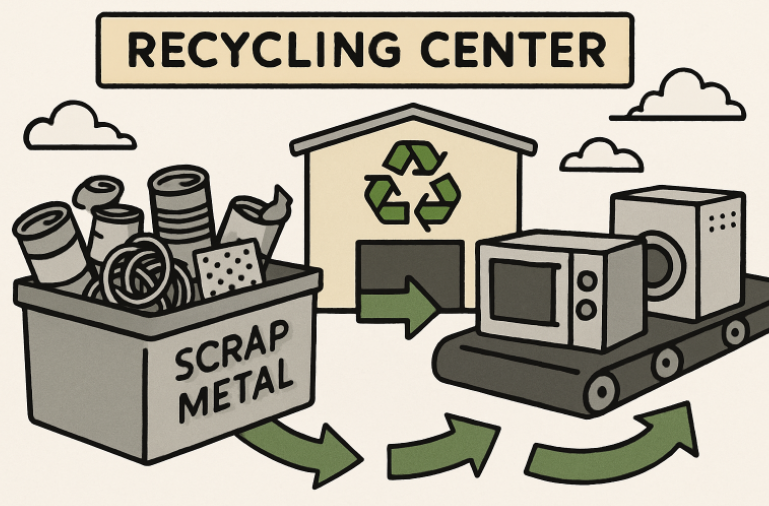
Recycling scrap metal is an essential step for anyone aiming to live sustainably. Each year, millions of tons of metal end up in landfills or incinerators, where they not only waste resources but also pose environmental hazards. By committing to responsible disposal and reuse, individuals and organizations can protect resources and minimize their environmental impact. In places like New Jersey, convenient options such as scrap metal NJ make it easier than ever for people to participate in recycling efforts and help build a greener future. Even small daily actions, like recycling a single can or bringing old appliances to a collection center, contribute to global sustainability goals.
Understanding the full implications of scrap metal recycling helps frame its importance. What many don’t realize is that every piece of metal tossed into the trash rather than recycled increases mining, energy consumption, and landfill overflow. Mining for metals is not only energy-intensive but also results in habitat destruction, water pollution, and greenhouse gas emissions. Incorporating recycling into daily life, especially in urban settings, can yield significant environmental gains, supporting a growing circular economy in which waste becomes a resource rather than a burden. Educating yourself and your community about recycling’s benefits creates a culture that values sustainability across generations.
Understanding Scrap Metal Recycling
Scrap metal recycling is the process of collecting, processing, and reintroducing metals from discarded items into the production cycle. Sources include everything from aluminum beverage cans and steel food tins to old wiring, home appliances, and broken electronics. These items often contain valuable metals that can be reused indefinitely without a loss in quality. By recycling these materials, natural resources are preserved, less energy is used in manufacturing, and emissions associated with extraction and refining decrease. For more details on the scale and benefits of recycling, visit National Geographic Kids. In addition, recycling extends the useful life of many metals, creating new opportunities for manufacturers and reducing costs.
Modern recycling operations work with a diverse array of input materials. Once items are sorted and delivered to a recycling center, such as local facilities found in most urban areas, they are prepared for further use: metals are cleaned, shredded, melted, and shaped into new products. Some recycling facilities also recover metal from car parts, construction debris, or industrial machinery, contributing to a broader system of materials management. This cycle ensures that materials aren’t wasted and encourages more efficient resource management. The use of advanced sorting and decontamination processes means higher-quality recycled materials are being produced, making recycled metals more desirable for various industries.
Benefits of Recycling Scrap Metal
- Energy Conservation: Recycling metals like aluminum and copper saves up to 95% of the energy required to create them using raw ore. This is significant because energy production often involves burning fossil fuels, which releases carbon dioxide and other greenhouse gases into the atmosphere. By reducing energy demand, metal recycling plays an important role in combating climate change.
- Environmental Protection: Properly processed scrap metal stays out of landfills and prevents contamination of soil and water resources. Metals can leach toxic substances, including heavy metals, into the environment if not managed responsibly. By diverting these materials to responsible recycling channels, we help ensure safer communities.
- Economic Advantages: The recycling sector sustains thousands of jobs, generates tax revenue, and provides industries with a steady stream of raw materials at lower environmental costs. Recycled metals are often less expensive than virgin materials, making products more affordable and competitive in both local and global markets. Small businesses, in particular, thrive when part of the broader network of recyclers and processors.
Innovations in Scrap Metal Recycling
The recycling industry has seen significant progress over the past decade, thanks to technologies that have increased material recovery rates and reduced processing times. Automated sorting systems now use sensors and artificial intelligence to identify metal types and separate them faster and with greater accuracy. This has enabled recyclers to handle larger volumes of material while maintaining quality, responding to growing demand for efficient processing. Robotics is even being developed to dismantle complex products, such as electronics or vehicles, to extract every recyclable component.
Companies like Nth Cycle are taking things further. Modular extraction systems help recover valuable metals from electronics and batteries with less environmental disruption. These advances are vital as the world’s appetite for technology grows, providing new avenues to recover materials and meet demand without increasing mining operations. Battery and e-waste recycling are especially impactful as the shift toward electric vehicles and renewable energy accelerates. For a broader perspective on the latest recycling innovations, see this National Geographic article. New developments in chemical recycling also enable the separation of metals at the molecular level, resulting in higher recovery rates from complex products such as circuit boards and mobile phones.
Urban Mining: Tapping into City Resources
Urban mining is reshaping how cities approach waste management. By targeting end-of-life electronics, infrastructure, and appliances, urban areas can reclaim significant amounts of copper, aluminum, gold, and other metals. Office buildings, factories, and homes often contain forgotten materials, such as unused cables, piping, or outdated electronics. As urbanization increases and global e-waste approaches 74 million tonnes per year, the materials embedded in our built environment become highly valuable resources that reduce the need for new extraction projects. Urban mining recognizes cities as “above-ground mines,” and, with the right policies and recycling programs, can meet an increasing share of raw material needs.
This trend promotes smarter infrastructure planning while reducing the environmental impact of mining in undisturbed habitats. It also encourages local governments and businesses to view discarded materials as assets. Collaboration among city planners, private companies, and community groups is making urban mining scalable, enabling better recovery of valuable metals and improved waste management. For more on how cities are leading the way in urban mining, read Forbes.
How to Participate in Scrap Metal Recycling
- Identify Recyclable Metals: Collect aluminum cans, copper wires, steel appliances, and any other metal items ready for disposal. Don’t forget that even small objects add up; paper clips, bottle caps, and even old keys can usually be recycled if sorted correctly.
- Separate Materials: Separate different types of metals before delivering to a recycling center, as this helps processors maintain purity. Metals like steel, copper, brass, and aluminum are more valuable when separated, and doing so ensures they are processed most effectively.
- Find Local Recycling Centers: Most urban and suburban areas have facilities that accept a variety of metal forms. A quick online search can help you locate your nearest site. Look up the hours of operation and guidelines, as some centers require materials to be pre-sorted or may accept only specific item types.
- Stay Informed: Keep up with municipal rules and recycling standards to ensure compliance and maximize your impact. Many regions update their recycling requirements periodically, so staying current is crucial to making sure your efforts are as effective as possible.
Challenges and Future Outlook
While scrap metal recycling is highly beneficial, it is not without its obstacles. Challenges include contamination of metals with non-recyclable materials, inconsistent market prices for recycled goods, and limited consumer awareness. Items such as coated wires, batteries, and certain mixed-metal products can be particularly difficult to recycle without advanced processes. However, continued investment in research and emerging processing technologies promises to resolve many of these issues. Further, increasing global collaboration, along with new industry standards, is improving transparency and efficiency in the metal supply chain. The sector is moving toward closed-loop systems that make recycling both easier and more efficient for everyone. Over time, these efforts will help ensure that ever greater proportions of metals are reused, reducing the need for extraction and cutting waste.
Conclusion
Incorporating scrap metal recycling into everyday routines is an accessible and highly impactful sustainability measure. By staying informed and seeking responsible disposal options, individuals and companies can significantly reduce waste, conserve resources, and strengthen their local economies. Every action, whether big or small, supports a system that values environmental stewardship and social responsibility. Participation in these solutions is a vital step toward a greener, more resilient planet for future generations.

Biking is no longer a pastime activity on weekends. A larger number of people are now riding their bicycles on road trips, trail adventures, and outdoor getaways. A hitch bike rack is one of the most viable options when it comes to the transportation of bicycles safely. A hitch mount bike rack is more stable, easier to load and safer to vehicles compared to roof racks or trunk-mounted carriers.
Firms such as CRAVOT are assisting cyclists to make bike transportation easier by creating racks that are of durability, convenient, and modern engineering. Whether you are an amateur rider or a serious mountain biker, the right rack may be a great difference in your traveling experience.
This guide discusses the functionality of the hitch-mounted racks, why this type of rack is gaining popularity, and why it is a secure method of transporting bikes.
Why Hitch Bike Racks Are Becoming the New Favorite
Carrying bikes has been a cumbersome process associated with heavy lifting, loose straps and the fear of destroying your vehicle. Hitch bike racks nowadays have transformed that experience completely.
A hitch rack will be attached to the receiver hitch of the back of your car. This attachment gives the rack a good base that enables it to carry several bikes without straining the roof or the trunk.
Accessibility is one of the reasons why a hitch mount bike rack is preferred by many cyclists. Bikes can be loaded with a lot of ease since the rack is at the waist level, as opposed to the vehicle. This design makes it easy to carry the bikes without strain and avoid accidental scratches that usually happen during the process of loading bikes onto roof racks.
Personally, I have found a hitch-mounted rack to be time and energy-saving when I go on long cycling excursions. During one of the mountain biking trips on a weekend, two bikes were loaded on a hitch rack in less than two minutes. In the case of earlier trunk racks, it was a common case to have to tighten the straps and check the stability of the trunk before driving.
Hitch Mount Bike Rack Design: Stability and Safety Built
The new hitch mount bike racks are structured with better structural support to support the various types of bikes and travel conditions.
The rack is fitted in the hitch receiver of the vehicle and attached with a locking pin. Most models also have anti-wobble features that do not allow movement during driving.
This design assists in balance of weight even though the bikes remain stable even when riding on rough roads or highways. One of the reasons why cycling lovers insist on using hitch racks when traveling long distances is stability.
Bike protection is another aspect that is significant. Good racks also have padded arms, wheel cradles and frame holders which hold bicycles in place without breaking the paint or frame.
Such brands as CRAVOT are preoccupied with creating racks that are both durable and safe to the bikes, which is crucial when carrying the costly road bikes or carbon frame mountain bikes.
Convenience Benefits for Contemporary Bikers
The most important thing is convenience as the determining factor between the types of bike racks. Hitch bike rack makes almost all the transportation process easier.
Hitch racks do not demand that the bikes be lifted over your head as is the case with roof racks. This is why they are perfect for heavier bicycles like electric bikes or downhill mountain bikes.
The other benefit is better aerodynamics of vehicles. High-speed wind resistance and noise can be caused by roof racks. Hitch racks, in turn, are mounted at the back of the car and usually have less effect on the fuel efficiency.
This is a convenience that is easily felt by individuals who commute using bikes. A large number of riders who switch to hitch racks do not revert to other types of racks.
Hitch Bike Rack Fitment for Various Vehicles
The question that many new buyers would be asking is whether a hitch mount bike rack will fit in their vehicle. The good news is the fact that the majority of the modern cars, SUVs, and trucks are hitch receiver compatible.
There are two standard sizes of hitch receivers and the type of rack that can be installed depends on the size that is used. The majority of the racks can be easily compatible with these standard sizes.
Some of the vehicles that are popular with hitch bike racks include compact SUVs, crossovers, pickup trucks, and even sedans that have a hitch fitted.
Such manufacturers as CRAVOT create racks with adjustable properties to ensure a high level of flexibility to fit various vehicle types and types of bike frames.
Modern Bike Transportation Solutions by CRAVOT
The cycling accessories market is expanding fast and there is continuous innovation of brands to enhance convenience and durability. CRAVOT is devoted to creating racks that are made of robust materials and convenient functionality.
They focus on stability, easy installation and longevity. Construction of the rack with high-strength steel, corrosive-resistant coating, and easy locking mechanisms are used to guarantee that the rack lasts long.
The other factor is versatility. Today the riders have various kinds of bikes such as road bikes, gravel bikes, and mountain bikes. A good hitch mount bike rack must be capable of bearing these variations without any complex adjustments.
The philosophy of CRAVOT design is to make transportation easier so that riders can enjoy the adventure and less to do with the equipment arrangement.

How Hitch Bike Racks Enrich Travel Experiences
The benefit of having a hitch bike rack is one of the benefits that are underrated, and it improves the traveling experience.
As an illustration, it is much easier to get your bike at a trailhead. You do not need to take off straps or even pull a bike off the roof and just unlock the rack and take out the bicycle.
Conclusion
Bicycle transport must be efficient, safe, and easy. A hitch bike rack is a good alternative to a cyclist who desires to have a stable and convenient method of transporting their bikes wherever they are going in a road trip or an outdoor adventure.
The hitch mount bike rack has been one of the most trusted bike transportation systems in the market today due to its better design, durable materials and easy-to-use features. Such brands as CRAVOT are still innovating in this area by introducing racks that are durable, practical, and engineered with modernity.
To any person who regularly travels with bicycles, having a well-designed hitch rack can be a great way of enhancing the general cycling experience as well as securing your bike and your car.


Welcome to GoldZeus.com, your go-to resource for navigating the exciting world of precious metals investment. Whether you’re a seasoned investor or just stepping into this market, understanding how to leverage gold, silver, platinum, and palladium can significantly enhance your financial portfolio. Precious metals have long been regarded as a safe haven during economic uncertainty. With GoldZeus.com by your side, you’ll discover everything you need to make informed decisions that align with your financial goals. Dive in and explore how investing in these valuable assets can work for you!
Why Invest in Precious Metals?
Investing in precious metals offers a hedge against economic uncertainty. In times of inflation or market volatility, these assets often retain their value. They provide stability when paper currencies falter.
Gold, silver, platinum, and palladium are tangible assets that you can hold in your hand. This physical presence brings peace of mind to many investors. Unlike stocks or bonds, they aren’t just numbers on a screen.
Precious metals also serve as a diversification tool in an investment portfolio. By including them alongside traditional investments like equities and real estate, you enhance your overall financial strategy.
The demand for precious metals continues to rise globally. Industries utilize them for electronics and renewable energy technologies, ensuring ongoing interest beyond mere speculation.
In essence, precious metals represent security and opportunity within the ever-changing landscape of investment choices.
Understanding the Different Types of Precious Metals
Precious metals come in various forms, each offering unique characteristics and investment potential. Gold is the most recognized of these metals, often seen as a safe haven during economic uncertainty. Its value tends to rise when market conditions are volatile.
Silver follows closely behind gold in popularity. It’s not just an investment; it also has industrial applications that can influence its price. Many investors appreciate silver for its affordability compared to gold.
Platinum and palladium are rarer options with specific uses in automotive manufacturing and jewelry. Their prices can fluctuate based on supply and demand dynamics within their respective industries.
Investing in precious metals requires understanding these differences. Each metal serves distinct purposes, appealing to various investor strategies and risk profiles. Knowing which type aligns with your goals is key to navigating this fascinating market effectively.
Benefits and Risks of Investing in Precious Metals
Investing in precious metals can be a wise choice for many. One major benefit is their ability to act as a hedge against inflation. When currency values fluctuate, gold and silver often maintain their worth.
Another advantage is diversification. Including precious metals in your portfolio helps spread risk across different asset classes. This strategy can stabilize returns during market volatility.
However, there are risks involved too. The prices of precious metals can be quite volatile, influenced by global events and economic conditions. Investors must be prepared for sudden fluctuations that may affect short-term gains.
Storage and security also pose challenges. Physical assets require safe storage solutions, adding extra costs to the investment process.
Understanding these benefits and risks allows investors to make informed decisions about entering the world of precious metal investments through platforms like GoldZeus.com.
How to Get Started with Precious Metals Investment through GoldZeus.com
Getting started with precious metals investment through GoldZeus.com is straightforward. First, visit the website to explore a wealth of resources tailored for both beginners and seasoned investors.
Create an account easily by providing your details. Once registered, you’ll gain access to market insights and educational materials that demystify precious metal investing.
Next, assess your investment goals. Are you looking for short-term gains or long-term security? Understanding your objectives will guide your choices in selecting the right metals.
GoldZeus.com offers various products, including gold bullion, silver coins, and platinum bars. Take time to research these options before making a purchase.
Consider setting up alerts for price changes. This feature keeps you informed about market trends so you can make timely decisions without constant monitoring. Your journey into precious metals begins here!
Tips for Successful Precious Metals Investment
Research is key. Stay informed about market trends and economic factors that influence precious metal prices. Knowledge helps you make confident decisions.
Diversification can be beneficial. Don’t put all your investment into one type of metal. Gold, silver, platinum, and palladium each have unique characteristics and risks.
Consider the timing of your purchases. Prices fluctuate based on supply, demand, and geopolitical events. Buying during dips may increase your potential returns.
Work with reputable dealers like those found on GoldZeus.com for transparent transactions. Checking reviews can guide you to trustworthy sources.
Secure storage is crucial once you’ve made a purchase. Whether at home or in a bank vault, ensure protection against theft or damage.
Keep emotions in check when making investment choices. Stick to your strategy rather than reacting impulsively to market shifts; this discipline promotes long-term success in precious metals investment.
Conclusion: The Future of Precious Metals Investment with GoldZeus.com
The landscape of precious metals investment is evolving, and GoldZeus.com stands at the forefront of this movement. With a user-friendly interface, comprehensive resources, and expert insights, it empowers both new and seasoned investors to navigate the market with confidence.
As global economic conditions shift, more individuals are recognizing the value of diversifying their portfolios with assets like gold and silver. GoldZeus.com not only simplifies this process but also educates its users about market trends and investment strategies.
Looking ahead, precious metals remain a reliable hedge against inflation and currency fluctuations. By harnessing the knowledge available on GoldZeus.com, investors can make informed decisions that align with their financial goals.
Whether you’re considering your first purchase or looking to enhance an existing collection, embracing precious metals through GoldZeus.com could be a pivotal step in achieving long-term financial stability. The future shines bright for those ready to explore these timeless investments.
-

 BLOG7 months ago
hanime1: The Ultimate Destination for Anime Lovers
-

 ENTERTAINMENT10 months ago
Sflix: How It’s Changing the Way We Watch Movies and TV Shows
-

 ENTERTAINMENT8 months ago
Crackstreams 2.0: The Future of Free Sports Streaming?
-

 BILLS10 months ago
Why Does My Instagram Reel Stop Getting Views After One Hour? How to Fix It?
-

 Technology10 months ago
Simpcitt: The Rise of a Unique Online Community
-

 BLOG8 months ago
Imginn: The Ultimate Tool to View Instagram Content Anonymously
-

 80s10 months ago
Favorite 100 Songs of the 80s: (#1) Michael Jackson – Billie Jean
-

 BLOG10 months ago
Simpcitu: The New Age Trend Shaping Online Interactions