
Blog
Jaw Locking and Clicking: What These Sounds Mean & How to Treat Them


Jaw issues can be more than a minor annoyance. Locking, clicking, or popping sounds in the jaw may signal an underlying problem that affects your daily comfort, eating habits, and overall oral health. Many people experience these symptoms intermittently, often dismissing them as harmless. However, persistent jaw noises or difficulty opening and closing the mouth can indicate tension or displacement in the temporomandibular joint (TMJ), the hinge connecting the jaw to the skull. We will explore the causes of jaw locking and clicking, the symptoms to watch for, and practical strategies to reduce discomfort and restore normal jaw function. Understanding these signs early can prevent complications and improve quality of life.
Understanding Jaw Locking and Clicking
1. Temporomandibular Joint Stress
The temporomandibular joint is a complex structure that allows smooth jaw movement. It can become strained by multiple factors, including teeth grinding, jaw clenching, or even sudden facial impacts. According to a CDCP Dentist in Stoney Creek, this stress may cause the disc within the joint to slip out of its normal alignment, producing clicking or popping sounds. Locking occurs when the jaw becomes temporarily stuck in one position, usually because the disc or surrounding muscles are unable to return to their normal position. Over time, repeated stress can worsen discomfort and reduce jaw mobility, making daily activities like speaking and eating challenging.
2. Muscle Tension and Overuse
Chronic stress, poor posture, or habitual teeth clenching can strain the muscles controlling jaw movement. When these muscles are fatigued or imbalanced, they can pull the jaw unevenly, leading to locking or audible clicking. Even minor misalignments in tooth positioning can amplify muscle tension, creating a cycle of discomfort. People with frequent headaches or neck pain often experience jaw issues concurrently, highlighting the connection between overall muscular tension and TMJ dysfunction. Targeted exercises, relaxation techniques, and monitoring of daily habits can help ease tension and reduce jaw noises.
3. Arthritis and Joint Degeneration
Inflammatory conditions such as arthritis can affect the temporomandibular joint, leading to stiffness, reduced range of motion, and audible jaw clicks. Cartilage degradation or joint inflammation can limit the smooth gliding of the disc, occasionally leading to partial locking episodes. Unlike muscle tension, these structural changes can be more persistent and require careful management. Recognizing early signs such as jaw soreness, difficulty chewing, or ear discomfort can lead to timely interventions, including anti-inflammatory measures, physical therapy, or oral appliances that reduce joint strain.
4. Trauma or Injury
Direct impacts to the jaw from accidents, sports, or falls can disrupt TMJ alignment, damage surrounding ligaments, or displace the cushioning disc. After an injury, clicking sounds may appear immediately or develop gradually as swelling and inflammation alter joint mechanics. Locking may also occur if the disc is pushed out of its normal path, restricting movement. Early evaluation after trauma is crucial to prevent chronic dysfunction and ensure the jaw heals in proper alignment. Even minor injuries can have long-term consequences if ignored.
5. Occlusion and Bite-Related Factors
The way the teeth meet when the mouth closes, known as occlusal contact, can influence jaw movement. Malocclusion, uneven tooth growth, or orthodontic adjustments can create subtle imbalances that increase stress on the TMJ. These imbalances may not cause immediate pain but can contribute to long-term clicking or intermittent locking. Dental assessments can determine if bite adjustments or oral appliances are needed to restore harmony between jaw muscles and teeth, reducing noises and improving function. Bite-related issues often coexist with other contributing factors, making a comprehensive evaluation essential.
6. Treatment Approaches for Jaw Locking and Clicking
Managing jaw sounds begins with identifying the underlying cause. Non-invasive strategies such as jaw exercises, relaxation techniques, and heat or cold therapy can reduce muscle tension and ease discomfort. Oral appliances, such as mouthguards, can prevent teeth grinding and guide the jaw into a healthier resting position. In cases of inflammation or arthritis, anti-inflammatory medications and physiotherapy may improve joint movement. For structural issues, such as disc displacement or bite misalignment, dental interventions or controlled adjustments can restore smoother jaw mechanics. Consistent monitoring and follow-up ensure that treatment remains effective and adapts to changes over time.
7. Lifestyle Adjustments and Preventive Measures
Simple daily habits can significantly influence jaw health. Avoiding excessive chewing of hard foods, managing stress, maintaining good posture, and practicing jaw-relaxation exercises can help prevent further strain. Being mindful of unconscious habits, such as clenching while concentrating or sleeping with teeth tightly pressed together, can reduce the risk of worsening symptoms. Education about how the TMJ functions and the impact of daily activities empowers individuals to take proactive steps toward relief. Long-term prevention often complements treatment, ensuring the jaw remains functional and comfortable.
8. When to Seek Professional Evaluation
Persistent or worsening jaw noises, frequent locking, or associated pain should prompt consultation with a dental or medical professional familiar with TMJ disorders. Comprehensive evaluation typically involves a physical examination, assessment of bite alignment, and, sometimes, imaging to assess the joint’s condition. Early intervention can prevent chronic pain, improve jaw mobility, and address underlying structural issues. A professional can recommend tailored solutions that combine lifestyle adjustments, oral appliances, or therapies to effectively restore comfort and function. Ignoring symptoms can prolong discomfort and increase the risk of long-term joint issues.
Jaw locking and clicking are signals from the body indicating stress, imbalance, or structural issues within the temporomandibular joint. While occasional noises may not indicate serious problems, persistent symptoms often point to underlying dysfunction that warrants attention. Non-invasive treatments such as jaw exercises, oral appliances, and stress management are often effective in reducing discomfort and restoring mobility. Recognizing early warning signs, making lifestyle adjustments, and seeking professional assessment when necessary can prevent progression and improve overall jaw health.


In a digital world overflowing with links, standing out can be a challenge. Whether you’re sharing blog posts, product pages, or social media content, the way you present your links matters more than ever. Enter URLwo—a game-changing tool that simplifies and enhances link sharing. Imagine transforming long, cumbersome URLs into sleek and memorable ones that not only capture attention but also drive engagement. This isn’t just about aesthetics; it’s about creating an experience for your audience that encourages clicks and conversions. Let’s dive into how URLwo can elevate your online presence and make link sharing effortless and effective!
What is URLwo?
URLwo is an innovative link management tool designed to streamline the way you share content online. It transforms lengthy URLs into concise, user-friendly links that are easier to remember and share.
This platform not only shortens links but also offers a range of features tailored for marketers, businesses, and casual users alike. With URLwo, you can create custom URLs that reflect your brand identity while ensuring they remain catchy and accessible.
The interface is intuitive, making it easy for anyone to use—regardless of their tech-savviness. Whether you’re looking to enhance your social media presence or improve click-through rates on marketing campaigns, URLwo provides the tools necessary for effective link sharing in today’s fast-paced digital landscape.
The Benefits of Using URLwo
URLwo simplifies your link-sharing experience, making it more efficient and user-friendly. You can create short links that are easy to share across various platforms.
The platform is designed with customization in mind. Tailor your URLs to reflect your brand or content theme easily, which boosts recognition among your audience.
Another significant benefit is the analytics feature. URLwo provides insights into how many clicks each link receives, helping you gauge engagement and optimize future campaigns.
Additionally, using shorter links improves aesthetics on social media posts and emails. Clean-looking URLs enhance credibility and attract more users to click through.
Security also stands out as a priority with URLwo. Every shared link is safeguarded against malicious actions, ensuring peace of mind for both you and those who engage with your content.
How to Use URLwo
Using URLwo is straightforward and user-friendly. Begin by signing up for an account on their website. Once logged in, you can start creating your shortened links instantly.
Simply enter the long URL you want to shorten into the provided field. Click the ‘Shorten’ button, and voilà! Your new, compact link appears almost immediately.
You can customize this link if desired. Choose a unique keyword that reflects its content for easy recall.
Another feature lets you track performance metrics like clicks and locations of your audience. This data helps refine your marketing strategies effectively.
With just a few steps, you’re ready to share an optimized link across various platforms or with friends directly. The simplicity enhances your sharing experience while providing valuable insights into engagement.
Personalized and Customizable Features
URLwo stands out with its personalized and customizable features that cater to individual user needs. You can create links that reflect your brand’s identity, enhancing visibility.
Custom domains are just the beginning. Users have the option to modify URL paths for easier recall and sharing. This flexibility means you can craft links that resonate better with your audience.
Additionally, URLwo offers color schemes and logo placements, ensuring every link aligns perfectly with your marketing materials. The ability to personalize helps elevate user engagement.
With bulk customization options, businesses can manage multiple links without losing time or consistency. This feature streamlines processes while maintaining a professional appearance across all platforms.
These tailored elements not only strengthen branding but also improve click-through rates by making shared content more appealing. Your unique touch shines through in every link created with URLwo.
Integrating with Social Media and Marketing Strategies
URLwo seamlessly integrates with various social media platforms, streamlining your link-sharing process. This feature enhances visibility and engagement, allowing you to reach a broader audience effortlessly.
Utilizing URLwo in your marketing campaigns amplifies the effectiveness of your message. Custom short links can be shared across channels like Facebook, Twitter, and Instagram. Each click gives you valuable insights into user behavior.
Moreover, tracking the performance of these links helps optimize future strategies. You can adjust content based on real-time analytics, ensuring that you’re always hitting the mark.
The ability to customize URLs makes them more appealing and memorable for users. A branded link stands out in crowded feeds, enticing clicks from potential customers curious about what you have to offer.
Incorporating URLwo into your digital strategy not only simplifies sharing but also elevates brand presence online through smart integration with social media efforts.
Security and Privacy Measures
URLwo takes security and privacy seriously. Your data is protected through advanced encryption techniques, ensuring that your links and personal information remain confidential.
The platform adheres to strict guidelines, following best practices for safeguarding user data. This commitment to security builds trust among users who value their online safety.
Moreover, URLwo offers customizable privacy settings. You can control who sees your links and how they interact with them. This level of personalization enhances user experience while maintaining a secure environment.
Regular updates help protect against emerging threats. With URLwo, you can share links confidently without worries about unauthorized access or data breaches.
Your peace of mind is paramount as you utilize this powerful tool for link sharing in various contexts.
Testimonials and Success Stories
Users have been raving about URLwo and the transformations it brings to their link-sharing habits. One small business owner shared how their click-through rates skyrocketed after switching to URLwo for promotional campaigns. The simplicity of customizing links allowed them to create memorable URLs that resonated with customers.
A marketing professional highlighted the ease of tracking engagement metrics. They noted that understanding user behavior helped refine strategy, leading to increased conversions in just a few weeks.
Another user pointed out the seamless integration with social media platforms. By sharing personalized links through various channels, they saw a significant uptick in audience interaction and brand awareness.
These stories reflect how URLwo empowers individuals and businesses alike, turning everyday link sharing into a powerful tool for success. Real experiences showcase its impact on enhancing digital presence and driving results across diverse industries.
Conclusion: Why You Should Give URLwo a Try
URLwo offers a fresh perspective on link sharing that can redefine your online experience. With its user-friendly interface, powerful features, and commitment to security, it stands out as an essential tool for individuals and businesses alike.
Imagine having the ability to share links that not only look professional but also provide valuable insights into engagement. URLwo makes this possible with customizable options tailored to meet your needs. Whether you’re looking to boost social media presence or track engagement metrics for marketing campaigns, URLwo has got you covered.
Plus, the testimonials from satisfied users speak volumes about its effectiveness. People have reported increased click-through rates and better audience interaction since they started using URLwo.
If you’re seeking a reliable way to manage your links while enhancing their appeal and functionality, give URLwo a try today. You might just find it transforms how you engage with your audience online.

Brazil is a vibrant tapestry of cultures, rhythms, and melodies. Among its musical treasures lies dubolsinho—a genre that encapsulates the heart and soul of Brazilian music. With roots deeply embedded in the country’s rich history, dubolsinho offers listeners an exhilarating blend of sounds that resonate with joy and celebration. This unique style reflects Brazil’s diverse heritage, drawing influences from African grooves to European harmonies. Whether you’re dancing at a street carnival or enjoying a quiet evening at home, exploring dubolsinho offers an unforgettable journey through sound.
As we delve deeper into this captivating genre, you’ll discover how it has evolved over time and shaped Brazilian culture as we know it today. Get ready to immerse yourself in the lively world of dubolsinho!
The History and Evolution of Brazilian Music
Brazilian music carries a rich tapestry woven from diverse influences. Its roots trace back to indigenous sounds, reflecting the country’s original inhabitants.
As colonization took hold in the 16th century, Portuguese melodies blended with African rhythms brought by enslaved people. This fusion gave rise to unique genres that shaped Brazil’s musical landscape.
The emergence of samba in the early 20th century marked a significant turning point. This vibrant genre showcased Brazil’s cultural identity and social complexities. Bossa nova followed, introducing a smooth sophistication that captured international attention.
Over decades, Brazilian music continued to evolve with tropicalia and MPB (Música Popular Brasileira) expanding its horizons further. Each new wave introduced innovative styles while honoring traditional roots, creating an ever-changing yet cohesive soundscape that resonates globally today.
The Influence of African and European Music on Dubolsinho
Dubolsinho is a vibrant fusion of cultural sounds, deeply rooted in Brazil’s rich musical heritage. African rhythms profoundly shape its essence. The syncopated beats and percussive elements often trace back to the traditions brought by enslaved Africans.
These rhythms interweave with European melodies, creating a unique auditory landscape. Instruments like the guitar and accordion contribute a melodic charm reminiscent of Portuguese folk music.
The combination results in lively compositions characterized by call-and-response vocals that engage listeners. This interaction reflects communal spirit while honoring diverse origins.
As Dubolsinho evolved, it embraced various influences, enriching its texture and appeal. Each performance serves as a reminder of this intricate blend, celebrating both African and European legacies within Brazilian culture.
Characteristics and Instruments Used in Dubolsinho
Dubolsinho is a vibrant genre brimming with unique characteristics that reflect Brazil’s rich musical tapestry. At its core, you’ll find infectious rhythms that compel you to dance. The beats are lively and engaging, often incorporating syncopation to create an irresistible groove.
Instrumentation plays a crucial role in shaping the sound of Dubolsinho. Traditional Brazilian instruments like the berimbau and pandeiro blend seamlessly with modern elements such as synthesizers and drum machines. This fusion gives rise to captivating melodies.
Vocals are another defining feature, characterized by their heartfelt delivery and improvisational flair. Artists frequently engage in call-and-response patterns, inviting audience participation and enhancing the communal atmosphere.
The interplay between these diverse sounds creates a distinct auditory experience. Each performance can feel spontaneous yet deeply rooted in cultural heritage, making every encounter with Dubolsinho uniquely memorable.
Popular Artists and Songs in the Genre
Dubolsinho has birthed a vibrant array of artists who embody its spirit. One standout is **Tia Maria**, whose soulful voice and rhythmic flair captivate audiences. Her songs often reflect the heart of Brazilian life, blending traditional sounds with contemporary beats.
Another notable figure is **Céu**, known for her eclectic style that merges dubolsinho with other genres like MPB and jazz. Tracks like “Malemolência” highlight her unique approach to the genre.
**Ney Matogrosso** also plays a pivotal role in popularizing dubolsinho. His energetic performances breathe new life into classic rhythms, making them accessible to younger generations.
Songs such as “Samba de Roda” resonate deeply within the community, celebrating love and resilience through captivating melodies. Each artist contributes to a rich tapestry that continues to evolve while staying true to its roots.
Impact of Dubolsinho on Brazilian Culture
Dubolsinho has woven itself into the very fabric of Brazilian culture. This genre transcends music, reflecting the diversity and vibrancy of Brazilian life. It serves as a voice for social issues, echoing the struggles and triumphs of everyday people.
The rhythms inspire dance and celebration, bringing communities together in joyous gatherings. Festivals often highlight this connection, where locals and tourists alike immerse themselves in its lively beats.
Moreover, Dubolsinho fosters cultural exchange. Musicians blend traditional sounds with modern influences, creating an evolving art form that resonates across generations. It encourages creativity among young artists eager to explore their roots while innovating new styles.
As it gains popularity worldwide, Dubolsinho not only preserves Brazil’s rich musical heritage but also introduces global audiences to its unique essence. The genre is more than entertainment; it’s a powerful cultural statement that champions unity through rhythm and song.
How to Experience Dubolsinho in Brazil
To truly experience dubolsinho in Brazil, seek out local festivals. These vibrant celebrations showcase the genre’s energy and community spirit.
Visit bars and clubs that feature live music. Many venues host nightly performances with talented artists who bring dubolsinho to life. The atmosphere is electric, filled with rhythm and passion.
Join a dance class focusing on Brazilian styles. Immerse yourself in the movements that accompany this music, learning about its cultural roots while having fun.
Don’t overlook street performances. Wander through neighborhoods where musicians gather, allowing you to enjoy spontaneous shows that highlight the heart of dubolsinho.
Connect with locals and talk about their favorite tracks or artists. Their recommendations will lead you deeper into the world of this captivating genre.
Conclusion
Dubolsinho is more than just a musical genre; it embodies the vibrant spirit of Brazilian culture. This lively form of music captures the essence of Brazil’s diverse heritage, blending African rhythms and European melodies into something uniquely its own. The history of Brazilian music is rich and intricate, with Dubolsinho standing as a testament to this evolution.
The instruments used in Dubolsinho create an unforgettable soundscape, making it easy for listeners to connect with the rhythm and emotion behind each note. Popular artists continue to push boundaries within this genre, introducing fresh elements while honoring tradition.
Experiencing Dubolsinho in Brazil offers a glimpse into local life—festivals, dance parties, or intimate gatherings all showcase its magic. Each performance invites audiences to join in on the celebration of community and cultural expression.
As you immerse yourself in Dubolsinho’s infectious beats, you’ll find that it’s not just about listening; it’s about feeling connected to something greater—a heartbeat that resonates through time and space across Brazil. Whether you’re dancing under twinkling lights or simply letting the music wash over you, there’s no denying that Dubolsinho holds a special place at the heart and soul of Brazilian music.
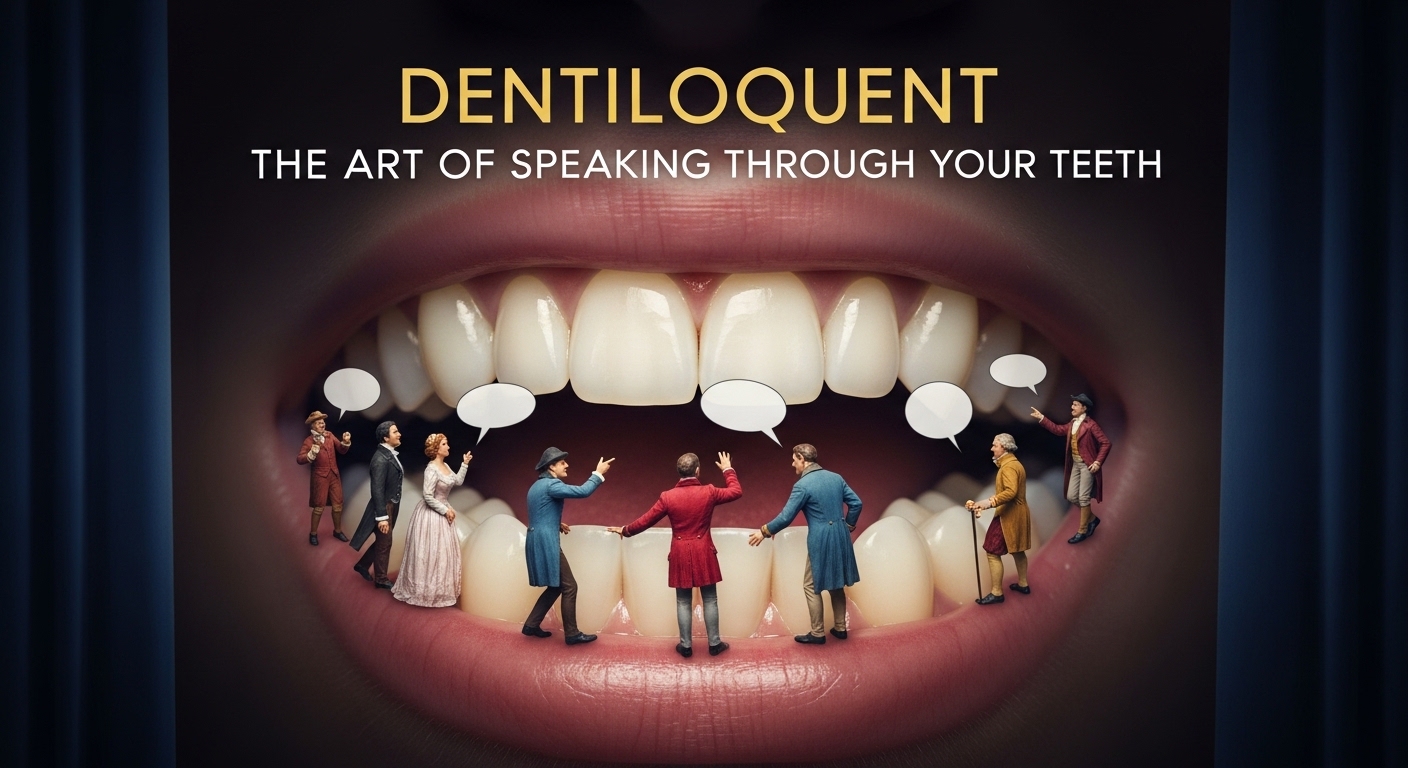
Have you ever thought about how much your teeth communicate without uttering a single word? Welcome to the fascinating world of dentiloquy—the art of speaking through your teeth. This unique form of communication transcends traditional verbal and nonverbal methods, offering an intriguing glimpse into our interactions. Whether it’s a subtle smile, a knowing grin, or even the way we position our lips when sharing secrets, our dental expressions play a pivotal role in conveying emotions and thoughts. Join us as we explore this captivating phenomenon that blends culture, history, and personal expression—unlocking the powerful language hidden right in our mouths!
The History of Dentiloquent Communication
Dentiloquy has roots that trace back to ancient civilizations. Early humans relied on their teeth for more than just eating; they used them as tools for expression.
In various cultures, gestures involving the mouth and teeth played a significant role in communication. For example, Native American tribes often incorporated tooth-based signals during social gatherings.
As languages developed, so did nonverbal cues associated with dental features. In some societies, showing one’s teeth was seen as a sign of strength or friendliness. Conversely, baring teeth might indicate aggression or warning.
The concept evolved through eras. Medieval courts embraced elaborate smiles as symbols of nobility and refinement. Over time, dentiloquent practices shifted from survival mechanisms to forms of artful dialogue.
This fascinating history highlights how deeply intertwined our communication styles are with physical attributes like our teeth.
How it Differs from Verbal and Nonverbal Communication
Dentiloquy sets itself apart from traditional verbal and nonverbal communication through its unique reliance on the dental structure. While verbal communication relies heavily on spoken words, dentiloquent expression utilizes subtle movements and positioning of the teeth to convey emotions or messages.
Unlike body language, which encompasses gestures and facial expressions, dentiloquy focuses specifically on oral mechanics. This form often involves slight adjustments in bite or lip placement that can evoke distinct meanings without uttering a single word.
The impact of this art form is profound; it taps into an instinctual understanding of human interaction. While other forms require context or clarity, dentiloquence speaks volumes with minimal effort. It’s an intimate dance between precision and interpretation that goes beyond mere sound—a silent yet expressive medium rooted within our very anatomy.
The Role of Teeth in Dentiloquy
Teeth play a pivotal role in the art of dentiloquy. They are not just tools for chewing; they can also convey complex emotions and messages.
The alignment, spacing, and condition of teeth influence how sounds resonate when we speak. A slight shift in position can change the way words come out, altering their meaning entirely.
Moreover, certain dental characteristics—like sharp canine teeth or prominent incisors—can amplify expressive qualities during communication. They add an element of personality to speech that is often overlooked.
In many cultures, healthy teeth symbolize beauty and vitality. This perception enhances their communicative power even further. When someone smiles widely with gleaming teeth while speaking, it attracts attention and fosters connection.
Thus, our dental health impacts not only physical well-being but also social interactions through dentiloquy.
Common Examples of Dentiloquent Communication
Dentiloquent communication often manifests in various playful and creative ways. One of the most recognizable examples is sticking your tongue out while speaking, which can convey cheekiness or mischief.
Another form involves using one’s teeth to create sounds—think whistling between clenched jawsor producing subtle clicks with the mouth. This technique adds an element of intrigue to conversations.
Some people employ their lips alongside their teeth, forming exaggerated expressions that emphasize emotions without words. These non-verbal cues can enhance storytelling or humor in social settings.
Additionally, there’s a fascinating trend where individuals mimic animal sounds through dental manipulation, showcasing creativity and entertainment.
These examples highlight how dentiloquent methods enrich interactions by providing depth beyond typical verbal exchanges.
The Significance of Dentiloquy in Different Cultures
Dentiloquy holds a unique place across various cultures, often reflecting societal values and norms. In some Indigenous tribes, the sound of teeth clicking together is used in storytelling, enhancing emotional connections between narrators and audiences.
In East Asian cultures, subtle movements of the jaw can convey respect or humility during communication. The way one speaks with their teeth may signal status within social hierarchies.
Conversely, in Western societies, dentiloquent expressions sometimes serve as playful forms of interaction among friends. Whistling through clenched teeth might indicate camaraderie or shared secrets.
Each culture brings its own flavor to this art form. It shapes how people relate to one another beyond spoken words. Dentiloquy creates a bridge that transcends language barriers while highlighting the importance of nonverbal cues in human connection.
Tips for Improving Your Dentiloquent Skills
To enhance your dentiloquent skills, start by experimenting with different sounds. Practice articulating letters and words while keeping your teeth partially closed.
Use a mirror to observe how your mouth moves. This visual feedback can sharpen your technique and increase confidence in delivery.
Next, incorporate playful exercises into your routine. Try delivering tongue twisters or quotes using dentiloquy. This will help you get comfortable with the nuances of speech through teeth.
Additionally, listen to experts or performers who excel in this art form. Analyzing their style can inspire new approaches and techniques.
Don’t shy away from recording yourself. Playback allows you to identify strengths and areas for improvement, paving the way for growth in this unique form of communication.
Conclusion: Embracing the Power of Dentiloquy
Dentiloquy opens up a world of communication that transcends mere words. It invites us to explore the unique relationship between our teeth and expressions, offering a rich avenue for social interaction. From subtle smiles to playful gestures, dentiloquent skills can enhance your ability to connect with others in meaningful ways.
As we look at various cultures, it’s clear that this form of expression plays a significant role in human connection across different societies. Each culture has its nuances and interpretations, adding depth to how we understand one another. By embracing these differences, we not only celebrate diversity but also enrich our personal experiences.
Improving your dentiloquent skills is both enjoyable and rewarding. Simple practices like being mindful of your facial expressions or experimenting with sounds can make a difference. As you become more aware of your own mouth movements, you’ll find new ways to express yourself effectively without relying solely on spoken language.
The art of speaking through your teeth encourages creativity and fosters connections that go beyond traditional means. Whether you’re engaging in casual conversations or navigating complex interactions, the power of dentiloquy can elevate how you communicate every day.
-

 Blog7 months ago
hanime1: The Ultimate Destination for Anime Lovers
-

 Entertainment9 months ago
Sflix: How It’s Changing the Way We Watch Movies and TV Shows
-

 Entertainment8 months ago
Crackstreams 2.0: The Future of Free Sports Streaming?
-

 Bills9 months ago
Why Does My Instagram Reel Stop Getting Views After One Hour? How to Fix It?
-

 Technology10 months ago
Simpcitt: The Rise of a Unique Online Community
-

 Blog7 months ago
Imginn: The Ultimate Tool to View Instagram Content Anonymously
-

 80s10 months ago
Favorite 100 Songs of the 80s: (#1) Michael Jackson – Billie Jean
-

 Blog10 months ago
Simpcitu: The New Age Trend Shaping Online Interactions