
FINANCE
How to Take Control of Your Financial Future


Taking charge of your finances doesn’t need to be overwhelming or mysterious. With clear, strategic actions, anyone can start on the path toward stability, independence, and long-term wealth. Whether you’re just beginning your financial journey or seeking ways to optimize your current situation, understanding key strategies—such as becoming your own bank—will empower you to build a secure future on your terms.
By addressing the fundamentals and focusing on smart, actionable steps, you not only reduce financial stress but also unlock new growth opportunities. Taking control today translates to greater independence tomorrow. The strategies below will guide you through each stage of your financial evolution, helping you avoid pitfalls, grow your wealth, and protect everything you’ve worked hard for. Whether your goal is to retire comfortably or gain peace of mind, committing to these practices will make a tangible difference.
Assess Your Financial Situation
Gaining clarity on your financial status is always the first step. Gather all your assets—checking accounts, investments, property values—and list every liability, such as credit cards or loans. Include all sources of income and document your fixed and discretionary expenses. This process provides a holistic view and reveals patterns or financial leaks that require immediate attention.
Regularly reviewing your finances ensures you’re never caught off guard by unexpected expenses, significant life changes, or market shifts. Creating a habit of quarterly or biannual check-ins will keep you adaptable and aware of your progress and setbacks.
Create a Realistic Budget
Budgeting isn’t about restricting your spending—it’s about planning for your priorities. Review your current expenses and categorize them, distinguishing between essential and non-essential items. Set specific amounts for each category and stick to them. Utilize digital tools or budgeting apps to automate this process and gain a deeper insight into your spending patterns.
Consistency is key to successful budgeting. Allocate funds for regular savings and treat them as non-negotiable “bills” to pay yourself first. This approach ensures that your financial goals, such as investments and emergency funds, receive consistent attention and growth on a monthly basis.
Build an Emergency Fund
Start with a target of saving at least three to six months’ worth of living expenses in a dedicated, easily accessible account. Even if you need to begin with a small amount—like $25 a week—what matters most is consistency. High-yield savings accounts enable your emergency fund to grow while remaining accessible, which can make a crucial difference in a crisis, such as job loss or unplanned health expenses.
Replenish your emergency fund as soon as you use it, and treat it as a separate account from your regular savings. This reserve provides peace of mind and the freedom to make informed financial decisions, even under pressure.
Manage and Reduce Debt
Debt, especially high-interest debt, is one of the most significant obstacles to financial freedom. Begin by listing debts from highest to lowest interest. Prioritize attacking high-interest liabilities using the avalanche method, or pay off smaller debts first if you need quick wins (the snowball method). Consider debt consolidation if it reduces your total interest burden, and always negotiate with lenders for better terms if possible.
Maintaining excellent credit by staying current with bill payments and regularly monitoring your credit report is crucial for future borrowing. For further information on improving your credit score, NerdWallet provides practical step-by-step guides and updated financial advice.
Invest for the Future
Passive income from investments is the cornerstone of sustainable wealth. Start early to maximize the benefits of compounding. Diversify among stocks, bonds, mutual funds, and real estate to spread risk and capitalize on various types of growth opportunities. Consider your risk tolerance and financial goals before committing your funds. If you’re unsure, work with a certified financial advisor who can craft an investment strategy tailored to your profile and aspirations.
Remember: the earlier you start, the greater your growth potential will be. Don’t shy away from learning the basics; reputable publications like Investopedia offer beginner-friendly resources to help both newcomers and seasoned investors.
Plan for Retirement
Retirement may feel far off, but setting a plan in motion early provides flexibility and certainty later on. Maximize contributions to employer retirement plans, such as 401(k)s, especially when company matching is available. Explore IRAs and other supplemental accounts to maximize your savings. Schedule periodic reviews to ensure your savings strategy keeps up with your lifestyle changes and inflation.
Visualize your desired retirement lifestyle—traveling, volunteering, or pursuing new hobbies—and quantify the costs. Planning helps turn those dreams into realistic goals.
Protect Your Assets
Robust protection is integral to your financial future. Review your insurance coverage for health, life, disability, and property on a regular basis. As your life changes—such as marriage, having children, or making major purchases—update your coverage accordingly. Create or update your estate plan, including a will, healthcare directive, and powers of attorney. This ensures your wishes are honored, and your loved ones are spared from legal confusion or unnecessary taxation.
If your family relies on your income, securing the right type and amount of life insurance is a non-negotiable priority. Periodic professional reviews can catch gaps or inefficiencies in your protection strategy.
Continuously Educate Yourself
Financial literacy is a lifelong process. The more you know, the better you’ll adapt to market shifts, regulatory changes, and emerging opportunities. Read major financial publications, attend webinars, and consult with ethical professionals. Prioritize sources with a proven track record of providing reliable and unbiased information. Keeping your knowledge current enables you to make informed decisions with confidence, even during periods of economic uncertainty. Committing to ongoing education in personal finance ensures that no matter how the world changes, you remain prepared and in control of your future.
Conclusion
Taking charge of your finances is not a one-time task but an ongoing journey that rewards consistency and informed decision-making. By applying these strategies together—budgeting wisely, reducing debt, investing for the future, and protecting your assets—you create a resilient financial foundation that adapts as your life evolves. With continued education and planning, you can achieve greater financial independence, reduce uncertainty, and move forward with confidence toward long-term security and peace of mind.

Managing digital assets is harder now than in the past. Your money and data are often stored on servers far away. Hackers try to find weaknesses in these systems every day. You have to stay alert to keep your wealth safe.
Understanding these risks helps you build a better defense. Start by learning the basics of digital sovereignty today.
Digital Sovereignty And Modern Risks
Privacy is getting harder to maintain, even in a world that values transparency. Many people share their data without thinking about the long-term risks.
One report from the European Commission noted how malicious activities target government assets through cyber espionage. These breaches can expose your personal information to bad actors.
Cyber threats are not just for big companies anymore. Individual investors often face the same dangers as large banks.
Scammers create fake pages to steal your login details. Keeping your software updated helps close these security gaps. Stay informed about the latest scams to avoid falling for them.
The Social Trading Environment
Copying the moves of expert traders is a popular trend. Whether you copy trade with ZOOMEX or a different platform, you must check the track record of the experts you follow. This helps you pick the right person to lead your investments.
You can see their past wins and losses before you join. Social trading platforms offer a unique way to grow your wealth. You can talk to other investors and share tips. Do not follow someone just because of their fame alone. Look for steady growth instead of quick gains.
Diversifying the traders you follow can help reduce overall risk in your portfolio. No single strategy works perfectly in every market condition. Monitoring performance regularly allows you to adjust which experts you copy.
Strategies For Smart Investing
Many investors are moving away from traditional stocks. They want to find better returns in the crypto market. A study by the Neubauer Collegium found that a 10% slice of crypto can help a balanced portfolio perform better. High returns often come with high risks.
Diversification is the best way to handle these risks. You should not put all your money into one single coin.
Spread your assets across different types of investments. Many experts suggest keeping a mix of assets for safety. You can protect $100 or $1,000,000 by using the same logic. Building a strong portfolio takes time and patience.
Infrastructure For A Connected Age
The world needs better systems to keep our data safe. The United Nations Development Programme suggested that a strong digital ecosystem needs cross-border data flows. This allows countries to work together on security issues.
Local governments are trying to improve their digital services too. A strategic plan from San Diego County mentioned building a single electronic interface for all customer services. Here are some benefits of these new digital systems:
- Faster access to government records
- Better security for personal data
- Lower costs for taxpayers
- 24-hour service for all users
Tracking Global Cybersecurity Trends
The number of online attacks is growing every year. Research from the NHS Confederation showed that severe cyber incidents increased 3 times in a single year. Use two-factor authentication whenever you can to add a layer of safety.
Global teams are sharing more data to stop these attacks. An international plan from CISA highlighted the need to share threat information with partners. This helps everyone stay ahead of the hackers. When one team finds a bug, they tell others how to fix it.
Protecting Private Assets In Public Chains
Public blockchains show every transaction to the world. This makes privacy a challenge for many users. A recent IMF publication described how platforms use segregated digital wallets to keep users’ money separate.
Building a resilient digital ecosystem is a goal for many world leaders. A survey from the United Nations emphasized making these systems open yet secure. This balance allows for innovation without giving up safety.

The Future Of Encrypted Data
Computers are getting faster every day. This means our current code might not work in the future. A proposal from the SEC discussed using post-quantum cryptography to follow new federal guidelines. These new codes are designed to stop even the most powerful computers.
Security teams want more visibility into their networks, too. The Department of State set a goal to meet cybersecurity requirements with end-to-end visibility. This allows them to see everything that happens on their servers. They can spot a hacker the moment they try to get in.
Staying safe in a transparent world is a constant job. You have to watch your accounts every day. Use the best tools available to lock down your data. This protects your hard-earned money from thieves.
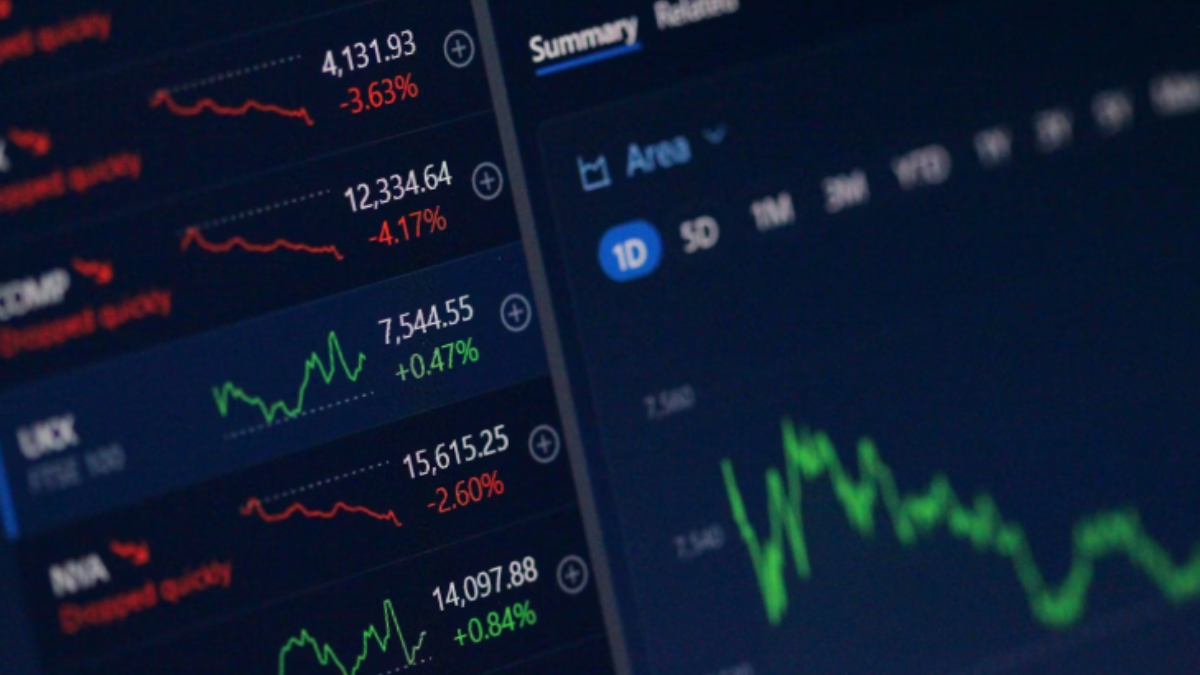
Investing feels like a huge step for many people. It is not just about picking a stock and hoping for the best. You need a map to reach your destination. If you start without a goal, you might end up in the wrong place. Many investors lose money as they do not have a clear plan. Setting your sights on a specific outcome makes every decision easier. This guide helps you find the right path for your money.
Define Your Financial Destination
Every journey starts with a target. You might want to buy a house in 5 years or retire in 30 years. One investment firm noted that turning these dreams into a plan is the first step to success. A short-term goal needs a different strategy than a long-term one. If you need cash soon, you cannot risk a market drop. Long-term goals let you ride out the bumps.
Consider these common targets for your money:
- Saving for a first-home deposit.
- Building a fund for your children’s school.
- Creating a steady income for retirement.
- Planning a major overseas trip.
Balancing Risk and Growth
Risk is a natural part of growing your wealth. Many investors rely on Opes Partners investment advice to help guide their financial decisions and build a portfolio that matches their goals. This choice dictates where your money goes. Some people prefer steady bonds – others like the fast pace of stocks. Your age and income play a big role in this choice. You should feel comfortable with the swings in your account value. If you lose sleep over a small drop, you may need a safer mix.
Building Your Safety Net
You cannot build a house on a shaky foundation. It is wise to have some cash set aside for unexpected costs. A recent guide suggests keeping a buffer of 5 to 10% of your income for emergencies. This includes things like car repairs or medical bills. This cash keeps you from selling your investments at a loss.
Debt is another factor to watch. High interest rates on credit cards can wipe out your gains. Data from a financial group shows that credit card interest rates now average 24.2%. Paying off debt is often the best first investment you can make. It gives you a guaranteed return by saving you from those high fees.
Planning for Every Life Stage
Your needs change as you get older. A young worker can afford to be aggressive. Someone nearing retirement needs to protect what they have. A retirement study mentions that 45-year-olds should have 3 times their salary saved. This metric helps you track if you are on the right path.
Mid-Life Adjustments
Every decade requires a new look at your strategy. If you are behind, you may need to save more or work longer. Life events like marriage or a new baby change your focus. You should check your progress at least once a year.
Understanding Market Value
The price you pay for an asset matters. Markets go through cycles of being cheap and expensive. A global strategy report found that the price-to-earnings ratio for global stocks recently hit a post-pandemic high of 18.3. This means stocks are currently pricier than they have been in years.
You should look at these numbers before putting all your cash into the market. Buying when prices are high can lead to lower returns later. Patience is often a winning strategy. It is better to wait for a fair price than to rush into a peak.
Managing Your Wealth and Taxes

Growing your money is only half the battle. You must keep it, too. Taxes can take a big bite out of your profits if you are not careful. A private bank suggests using tax-efficient ways to give money to family. For example, the annual gift limit is currently $19,000 per person.
This helps move wealth without losing it to the government. You should look at how different accounts are taxed. Choosing the right bucket for your money saves thousands over time. Small changes in how you hold assets make a huge difference in the long run.
Trends in Business and Interest Rates
Business activity tells us a lot about the future. Companies invest when they expect growth. A recent survey found that 86% of firms in Europe still plan to spend on new projects in 2025. This shows a level of confidence in the economy. It suggests that businesses see value in the years ahead.
Interest rates are moving in different directions around the world. A bank report indicates that yields on government bills are falling from 3% down to about 1.35%. Lower rates mean you might get less from your bank account. You may need to look at other options to get the return you want. Keep an eye on these trends to stay ahead of the curve.
Choosing the right path for your money takes time and thought. It is a process of learning what works for your life. You do not need to be a genius to see results. Just stay consistent and keep your eyes on the goal. Small steps lead to big changes over many years. Start today by looking at your current habits. Your future self will be glad you took the time to plan.

Money plays a significant role in everyday life, yet many people struggle to feel fully aware of their finances. Spending, saving, and borrowing can happen quickly and automatically, making it difficult to step back and see the whole picture. When financial activity feels unclear, it’s easy to feel uncertain or overwhelmed.
Personal finance apps are changing this experience by providing clearer insight into daily money habits. They help users track spending, monitor savings goals, and make informed decisions, turning what once felt like a blur of transactions into a more understandable and manageable picture. By keeping financial activity visible and organized, these tools make it easier for people to stay engaged with their money and approach financial decisions with confidence.
Teaching Money Skills Without a Classroom
Personal finance apps help people learn about money by connecting information to everyday activities. Instead of reading long explanations, users learn as they track their spending, saving, and borrowing. Seeing everything in one place makes money feel easier to understand.
Loans are one area where this kind of learning really shows up. For example, when people want to understand what is a cash loan, seeing how borrowed money appears alongside their other finances helps put the concept into perspective. This everyday exposure makes borrowing feel less abstract and supports more thoughtful money decisions.
Making Invisible Spending Visible
Many spending habits happen quietly and are easy to overlook. By analyzing income and spending patterns, financial tools can estimate future cash flow and flag potential issues before they happen. This helps people catch shortfalls or overspending in advance.
Personal finance apps make these details visible by organizing transactions in one place. When spending is clearly listed and grouped, patterns begin to stand out. This clarity helps people recognize habits they may not have noticed before. Once spending becomes visible, it becomes easier to make intentional choices. People can decide what feels necessary and what might need adjustment. This gives users greater control.
Turning Money Into a Daily Conversation
Personal finance apps have made it easier for people to stay on top of their finances regularly. Instead of waiting until a bill is due or a balance feels low, users can see updates as part of their daily routine. This frequent interaction helps money feel less intimidating and more familiar.
When money becomes part of everyday life, awareness naturally increases. People start noticing patterns in how they spend, save, and borrow without needing to sit down for long planning sessions. Small, consistent check-ins can be more effective than occasional deep dives.
Over time, this daily awareness changes how people think about their finances. Money shifts from something to avoid into something to understand. Users feel more informed and confident as financial activity becomes an everyday conversation.
Encouraging Goal-Driven Financial Decisions
Personal finance apps help people think about money with a purpose in mind. Instead of focusing only on day-to-day transactions, users are encouraged to look ahead and consider what they want their money to support. This shift helps turn financial decisions into meaningful steps.
When goals are visible, choices become clearer. Seeing progress toward saving, paying down balances, or planning makes it easier to stay focused. Even small advances can feel motivating when they are connected to a clear objective.
This goal-driven approach changes how people relate to money. Decisions are guided by intention rather than impulse. Over time, this mindset fosters greater financial awareness and more confident financial habits.
Reducing Money Anxiety Through Predictability
Uncertainty is one of the most significant sources of money stress. Uncertainty about upcoming expenses or available funds can create constant stress. Personal finance apps ease this worry by making financial information more transparent and easier to manage.
These tools organize financial activity to help people see what’s coming next. Viewing upcoming payments and recent trends helps users feel more prepared. Predictability creates a sense of stability, even when finances are tight.
With greater clarity, financial decisions feel less overwhelming. People can plan rather than react at the last minute. This shift from uncertainty to predictability plays a key role in improving overall money awareness and peace of mind.
Redefining What Financial Success Looks Like
Personal finance apps are helping shift how people define financial success. Instead of focusing only on perfect budgets or specific numbers, success is increasingly seen as understanding and control. Being aware of where money goes and why decisions are made has become just as important as the outcomes themselves.
This new perspective encourages progress over perfection. Minor improvements, consistency, and clarity now play a larger role in how people measure financial well-being. Personal finance apps support this mindset by promoting awareness and helping users make more intentional choices about their money.
The Impact of Greater Money Awareness
Greater awareness of personal finances can change how people feel about money. When financial information is clearer, everyday decisions feel more manageable and less stressful.
Personal finance apps play a role in this shift by helping people stay informed and engaged with their money. Over time, this awareness supports better habits and more thoughtful choices. A clearer understanding of money makes it easier to move forward with confidence.
-

 BLOG7 months ago
hanime1: The Ultimate Destination for Anime Lovers
-

 ENTERTAINMENT10 months ago
Sflix: How It’s Changing the Way We Watch Movies and TV Shows
-

 ENTERTAINMENT9 months ago
Crackstreams 2.0: The Future of Free Sports Streaming?
-

 BILLS10 months ago
Why Does My Instagram Reel Stop Getting Views After One Hour? How to Fix It?
-

 Technology10 months ago
Simpcitt: The Rise of a Unique Online Community
-

 BLOG8 months ago
Imginn: The Ultimate Tool to View Instagram Content Anonymously
-

 80s10 months ago
Favorite 100 Songs of the 80s: (#1) Michael Jackson – Billie Jean
-

 BLOG10 months ago
NHentai.nef: Understanding the Popular Hentai Archive