
LIFESTYLE
How to Choose the Right Preschool for Your Child’s Values and Learning Style


Understanding Your Child’s Learning Style
Children develop their early skills and habits in environments that recognize their individuality. When deciding on the best preschool for your child, consider how they naturally engage with the world. Some kids are observant, taking in information through structured activities, while others learn by exploring and experimenting.
Paying attention to your child’s preferred learning style can help you identify preschools that nurture their strengths. For example, if your child is curious and active, a play-based setting may be more appropriate. Conversely, children who thrive with structure might benefit from more traditional routines.
Evaluating Educational Philosophies
Preschool programs can differ significantly based on their educational philosophies. Understanding these frameworks is especially important for families who want to match their child’s needs with the right environment:
- Montessori: Encourages self-motivated, hands-on activities that allow children to progress at their own pace.
- Waldorf: Nurtures imagination and creativity, emphasizing rhythm, art, and community.
- Reggio Emilia: Fosters inquiry and project-based experiences led by children’s interests.
- High Scope: Promotes an active approach to learning through consistent routines and child-centered choices.
These philosophies can help you match your expectations for childhood education with the programs available in your area.
Assessing Curriculum and Daily Activities
A comprehensive early childhood curriculum balances academic goals with social-emotional growth and creative exploration. When evaluating preschools, review daily schedules for a mix of activities:
- Storytime boosts communication and language development.
- Math and science experimentation fosters critical thinking and reasoning.
- Art and music for creative self-expression and sensory development.
- Outdoor play supports physical activity and builds social skills.
These elements ensure that young children have diverse opportunities as they prepare for future school success.
For families who want year-round engagement, exploring options like summer camp programs at the same facility can provide continuity in social and academic growth.
Considering Class Size and Teacher Qualifications
Class size and teacher quality have direct effects on a child’s learning and well-being. Smaller class sizes often enable more personalized attention, which leads to stronger connections between children and teachers. Experienced teachers, particularly those with early childhood education certifications, create nurturing environments that support learning and development.
It’s advisable to ask about teacher credentials and student-to-teacher ratios during your search. Preschools sometimes share their professional development practices and ongoing training as well. According to the National Association for the Education of Young Children, quality educators reinforce both foundational skills and social competence, helping children feel valued and understood.
Evaluating the Learning Environment
On-site visits provide a true sense of the preschool atmosphere and how it aligns with your child’s needs. Safe, clean, and well-equipped classrooms with age-appropriate learning materials allow children to interact with confidence and curiosity. Notice if the atmosphere is welcoming, with joyful and engaged children, and if the school’s staff appear attentive and friendly.
Researchers at Edutopia emphasize that children are most likely to succeed when their learning environments offer both structure and opportunities for free exploration.
Aligning with Family Values
Preschools frequently offer specialized programming that may reflect particular cultural, spiritual, or ethical perspectives. Some include faith-based components, while others emphasize global citizenship, environmental awareness, or community service. Consider what values you want your child to experience during their formative years and look for programs that support those beliefs.
Seeking Feedback from Other Parents
Advice from other families is invaluable in your search for the right preschool. Parent reviews, whether shared directly or posted online, offer perspectives on communication, staff responsiveness, and the school’s overall climate. Testimonials can illuminate the daily realities of each program and reveal whether it delivers on its promises.
Online communities and local parenting groups are also helpful for gathering honest feedback about preschools you are considering.
Making the Decision
Choosing the best preschool is a thoughtful process that combines research, personal reflection, and instinct. Review your findings, pay close attention to how each option felt during visits, and weigh the alignment with your child’s unique learning style and your family’s core values. A great preschool experience can spark a lifelong love of learning and set the foundation for educational success. With careful consideration, you can feel confident in your decision and excited for your child’s bright future.
LIFESTYLE
Smart Preparation Techniques That Make Local Moving Faster, Safer, and Easier for Homeowners

Why Local Moving Still Requires Careful Planning
Many people assume that relocating within the same city is simple. Because the distance is short, homeowners often believe the process requires little preparation. In reality, local moving can become just as stressful as a long relocation when planning is overlooked. Packing, scheduling, and organizing belongings still require thoughtful coordination.
Short distances often create a false sense of urgency that leads to rushed decisions. Instead of planning several weeks ahead, some homeowners wait until the final days before the move. This lack of preparation can result in misplaced items, inefficient packing, and unnecessary delays.
Working with experienced professionals such as Clever Carriers can help homeowners approach local moving with structure and clarity. With organized planning and the right strategies, a nearby relocation becomes far more manageable.
Starting the Packing Process Earlier Than Expected
One of the most effective preparation techniques for local moving is beginning the packing process earlier than most people expect. Waiting until the final week often leads to hurried packing and disorganized boxes. Starting early allows homeowners to work through the house gradually.
Packing one room at a time helps maintain order throughout the process. Seasonal items, decorations, and rarely used belongings can be packed first. This gradual approach prevents the home from becoming cluttered with boxes all at once.
Labeling boxes clearly also plays a major role in organization. When each box includes its destination room and a short description of its contents, unloading becomes significantly easier.
Decluttering Before Packing Begins
A move provides the perfect opportunity to evaluate which items truly belong in the next home. Many households accumulate belongings over time that are rarely used or completely forgotten. Transporting these items only increases the workload on moving day.
Sorting through possessions before packing reduces the total number of boxes that must be moved. Items that are no longer needed can be donated, recycled, or sold. This process simplifies the relocation while helping homeowners start fresh in their new space.
Decluttering also makes packing more efficient. With fewer belongings to organize, boxes can be arranged carefully rather than filled quickly just to finish the task.
Creating an Organized Inventory System
Keeping track of belongings becomes easier when homeowners create a simple inventory system. Listing boxes by room and numbering them provides a clear overview of what is being transported during local moving.
An inventory list helps ensure that nothing is misplaced during loading or unloading. When boxes are numbered and categorized, homeowners can quickly confirm that all items have arrived at the destination.
This system also simplifies unpacking. Instead of opening every box to find specific items, homeowners can refer to the inventory and locate exactly what they need.
Protecting Furniture and Fragile Items
Even during short relocations, belongings remain vulnerable to damage if they are not properly protected. Furniture surfaces can easily be scratched while passing through doorways or hallways. Fragile household items also require careful packing to prevent breakage.
Professional movers typically use protective materials such as padding, shrink wrap, and reinforced boxes. These materials help secure furniture and delicate belongings during transportation.
Experienced teams like Clever Carriers rely on structured loading techniques that prevent items from shifting inside the moving truck. This attention to detail helps ensure that belongings arrive in the same condition they left the original home.
Planning the Layout of the New Home in Advance
Another effective strategy for simplifying local moving involves planning the layout of the new home before arrival. Deciding where furniture will be placed ahead of time helps the unloading process move faster.
Homeowners can create a simple room plan that identifies the location of large items such as beds, couches, and dining tables. When movers know exactly where each piece belongs, they can place it correctly during unloading.
This preparation reduces the need to move heavy furniture multiple times. It also helps homeowners begin unpacking immediately instead of rearranging rooms after the move is complete.
Managing Time Efficiently on Moving Day
Moving day often feels hectic because many tasks happen simultaneously. Efficient time management helps ensure that everything progresses smoothly. Clear communication between homeowners and movers allows each stage of the move to flow logically.
Preparing a checklist can help homeowners stay organized throughout the day. Tasks such as confirming utilities, securing pets, and preparing essential items for travel should be completed before loading begins.
Local moving tends to move quickly once the truck is packed. Being fully prepared allows homeowners to focus on settling into their new space instead of managing last-minute tasks.
Coordinating Access, Parking, and Entry Points
Even when relocating nearby, logistical details can affect how smoothly a move proceeds. Access points, parking availability, and building restrictions should all be considered ahead of time.
Ensuring that the moving truck has a convenient parking location reduces the distance that items must be carried. This improves efficiency and minimizes physical strain on movers.
Entryways and hallways should also be cleared of obstacles before loading and unloading begin. A clear pathway helps movers transport furniture safely while preventing damage to walls or floors.
Reducing Stress Through Professional Support
Moving is physically demanding and emotionally exhausting for many households. Handling every detail alone can make the experience far more difficult than necessary. Professional assistance helps distribute the workload and maintain organization throughout the process.
Experienced movers understand how to manage logistics, protect belongings, and handle heavy items safely. Their familiarity with the moving process allows them to anticipate challenges and solve problems quickly.
During the relocation process, many homeowners recognize the value of having dependable support. Companies like Clever Carriers help ensure that local moving remains structured, efficient, and far less stressful.
Settling Into the New Home More Efficiently
Once the moving truck arrives at the destination, the focus shifts toward creating a functional living space. Organized unloading plays a major role in how quickly homeowners can begin settling in.
Boxes placed directly into their designated rooms make unpacking easier. Kitchen items can be unpacked where they belong, while bedroom essentials can be arranged immediately. This organization prevents unnecessary rearranging later.
A well-planned relocation allows homeowners to restore daily routines sooner. Instead of feeling overwhelmed by clutter, they can begin enjoying their new home within days of the move.
Making Local Moving a Positive Experience
Relocating nearby may appear simple, but it still requires preparation and thoughtful organization. By starting early, reducing clutter, and coordinating logistics carefully, homeowners can transform a stressful process into a manageable transition.
Local moving becomes far easier when each stage is handled with planning and structure. Professional guidance, efficient packing, and clear communication help ensure that the move progresses smoothly.
With the right strategies in place, homeowners can approach their relocation with confidence. A well-organized move allows them to focus less on logistics and more on the opportunities that come with starting a new chapter in a different home.
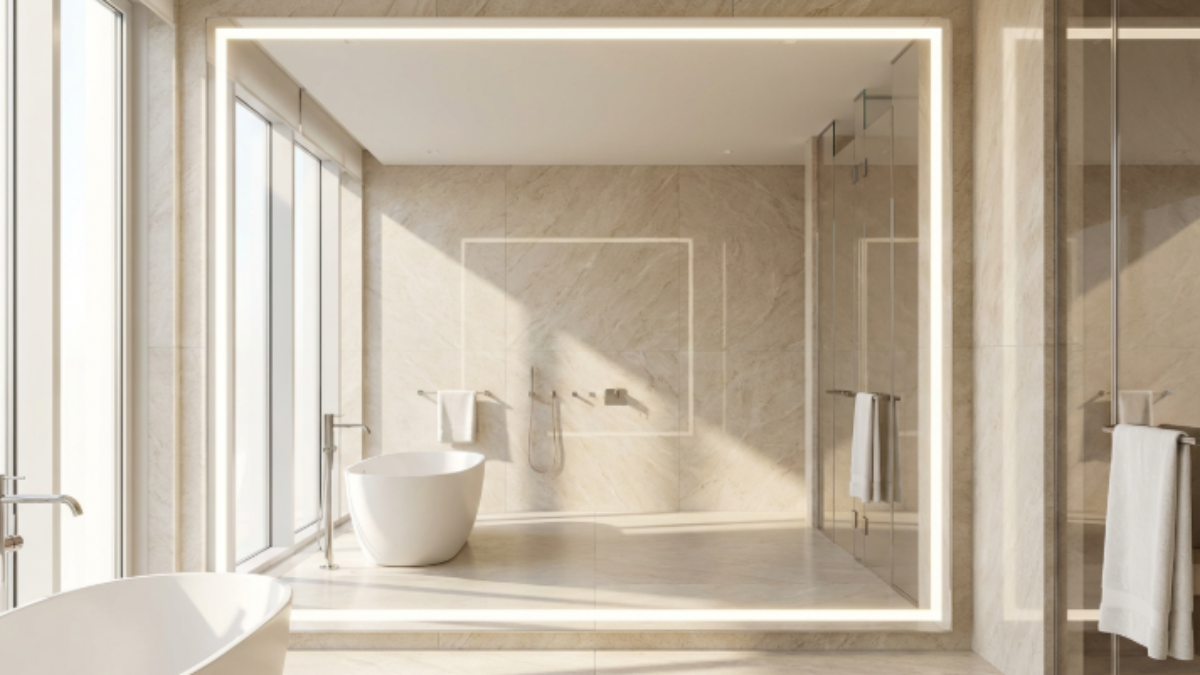
Modern bathrooms are evolving from purely functional spaces into areas of luxury and personal care. One of the most innovative additions transforming these spaces is the full length LED mirror for bathroom. Unlike traditional mirrors, LED mirrors combine style, functionality, and technology, creating a sophisticated look while enhancing everyday routines.
A full-length LED mirror serves multiple purposes. It illuminates your reflection evenly, adds a touch of elegance, and makes even small bathrooms appear more spacious. For homeowners, interior designers, and real estate developers, this mirror represents a practical investment that elevates both aesthetics and usability.
Why Choose a Full-Length LED Mirror for Your Bathroom
A full-length LED mirror is more than a reflection surface—it’s a statement piece. Traditional mirrors often fail to provide adequate lighting, leaving shadows that distort your reflection. LED mirrors solve this problem with integrated lighting that provides consistent brightness, ideal for grooming, makeup application, or dressing.
The LED technology uses energy-efficient bulbs, offering long-lasting illumination without overheating. Many modern mirrors come with adjustable lighting levels, enabling you to set the brightness according to your needs, whether it’s bright daylight simulation for makeup or a soft glow for a relaxing bath.
Additionally, the full-length design ensures that every inch of your outfit or posture is visible. Whether your bathroom is narrow or wide, a full-length mirror provides a seamless reflection that enhances spatial perception.
Key Features of a Full-Length LED Mirror
When investing in a full-length LED bathroom mirror, it’s essential to understand the key features that distinguish high-quality mirrors from basic designs:
1. Integrated LED Lighting
The main advantage is built-in LED lighting, which provides consistent and energy-efficient illumination. Unlike external lights that may cast shadows, LEDs are positioned to illuminate your face and body evenly. Modern designs include adjustable color temperatures, allowing you to switch between cool, neutral, and warm light for optimal visual comfort.
2. Anti-Fog Technology
Bathrooms are naturally humid, and foggy mirrors can be frustrating. Many full length LED mirrors come with anti-fog functionality, ensuring a clear reflection even after a hot shower. This feature combines convenience and efficiency, especially for morning routines when time is limited.
3. Sleek, Contemporary Design
Full length LED mirrors are designed to blend seamlessly into contemporary bathrooms. Slim frames, minimalistic edges, and frameless designs complement a variety of interior styles. From modern apartments to luxury homes, these mirrors enhance the bathroom’s visual appeal without overwhelming the decor.
4. Smart Features
Advanced LED mirrors may include additional functionalities such as touch sensors, Bluetooth connectivity, or built-in clocks and weather displays. These smart features transform a regular mirror into a multifunctional device that fits modern lifestyles.
Benefits of Installing a Full-Length LED Mirror
Investing in a full-length LED mirror for bathroom offers numerous benefits, ranging from practical advantages to aesthetic enhancements.
Enhanced Visibility
Unlike traditional mirrors, LED mirrors provide uniform light across the entire surface. This eliminates shadows and ensures accurate reflection for makeup, shaving, or personal grooming. Full length mirrors allow you to check your entire outfit, making them indispensable for bathrooms shared by multiple family members.
Energy Efficiency
LED technology is known for its low energy consumption. Installing an LED mirror can reduce electricity usage compared to conventional lighting, offering long-term cost savings while being environmentally friendly.
Space Optimization
A full-length bathroom LED mirror can make a bathroom appear larger than it is. By reflecting natural light and extending visual depth, these mirrors create a sense of openness, particularly useful in smaller or enclosed bathrooms.
Modern Aesthetic
The sleek design and integrated lighting contribute to a modern and luxurious bathroom ambiance. A full-length LED mirror becomes a focal point, enhancing the room’s decor while maintaining functionality.
Safety and Durability
High-quality LED mirrors are made from tempered glass, ensuring durability and resistance to breakage. Many models also include shatterproof backing, making them safer for households with children or pets.
Selecting the Right Full-Length LED Mirror for Bathroom
Choosing the perfect LED mirror requires careful consideration of size, features, and bathroom layout. The following factors are crucial:
Size and Proportions
Measure your bathroom carefully to determine the appropriate mirror size. A full-length bathroom LED mirror should reflect the body from head to toe without crowding the space. Consider vertical or horizontal placement based on wall dimensions and available lighting.
Lighting Preferences
LED mirrors offer adjustable color temperatures and brightness levels. Cool white lighting is ideal for grooming, while warm lighting creates a relaxing atmosphere. Mirrors with dimmable options provide flexibility, allowing users to tailor lighting to different times of day or moods.
Frame and Style
While frameless designs are popular for modern bathrooms, framed mirrors can add character and complement existing decor. Choose a finish that matches faucets, cabinetry, or other bathroom fixtures to achieve a cohesive look.
Installation Requirements
Some full-length LED mirrors require hardwiring, while others are plug-and-play. Evaluate installation feasibility and consult a professional if necessary to ensure safety and proper functionality.
Maintenance Tips for LED Bathroom Mirrors
To ensure longevity and optimal performance, follow these simple maintenance tips:
- Regular Cleaning: Use a soft, non-abrasive cloth to wipe the surface and prevent scratches. Avoid harsh chemicals that may damage the LED components or glass coating.
- Check Electrical Components: Periodically inspect the wiring and LED lights for any signs of damage or wear. Proper maintenance ensures consistent lighting and safety.
- Avoid Excess Moisture: While anti-fog features protect the mirror, excessive water exposure may affect longevity. Ensure proper ventilation in the bathroom to prevent humidity-related damage.
- Use Appropriate Cleaners: Mild glass cleaners or vinegar solutions are effective for removing smudges without harming the mirror’s finish.
Modern Design Trends in Full Length LED Mirrors
The design of full-length bathroom LED mirrors has evolved significantly. Several trends are shaping bathroom interiors today:
Minimalist and Frameless Designs
Sleek, frameless mirrors offer a clean, contemporary look. By removing bulky frames, the mirror becomes an unobtrusive yet impactful addition to the bathroom, ideal for small or minimalist spaces.
Integrated Technology
Smart mirrors with touch sensors, Bluetooth speakers, or embedded displays are becoming increasingly popular. These features enhance functionality, allowing users to check weather, play music, or set timers while getting ready.
Vertical and Horizontal Configurations
While vertical mirrors remain popular for full body reflection, horizontal LED mirrors are gaining traction in double vanity setups. They offer even illumination for two users and create a balanced aesthetic.
Customizable Shapes and Sizes
Manufacturers now offer custom cut mirrors, enabling homeowners to design mirrors that fit unique spaces or complement specific interior styles. From rounded edges to geometric patterns, customization adds a personalized touch.
Comparing LED Mirrors to Traditional Bathroom Mirrors
Understanding the differences between LED and traditional mirrors highlights the advantages of upgrading:
| Feature | Traditional Mirror | Full Length LED Mirror |
| Lighting | External lights only | Built-in adjustable LED lights |
| Energy Efficiency | Low | High |
| Anti-Fog Functionality | No | Yes |
| Durability | Standard glass | Tempered, shatterproof glass |
| Design Flexibility | Limited | Frameless, custom shapes |
| Smart Features | None | Touch sensors, Bluetooth |
This comparison emphasizes that LED mirrors are not just a design choice—they enhance utility, efficiency, and user experience.
Installation Considerations
Proper installation ensures both safety and performance:
- Wall Reinforcement: Full length mirrors can be heavy, especially models with built-in LED lighting. Ensure walls can support the mirror’s weight.
- Electrical Access: If the mirror requires hardwiring, consult a licensed electrician for safe installation.
- Optimal Placement: Install the mirror at eye level and ensure the lighting complements other bathroom light sources. Proper placement maximizes reflection quality and room illumination.
Cost Considerations and ROI
The price of a full-length bathroom LED mirror varies depending on size, features, and customization options. While the initial investment may be higher than a standard mirror, the benefits—energy savings, enhanced aesthetics, and improved functionality—provide long-term value.
For homeowners selling properties, installing a modern LED mirror can increase appeal and perceived value. Real estate developers and interior designers often use these mirrors to create luxurious, modern bathrooms that stand out in the market.
Enhancing Bathroom Ambiance with LED Mirrors
Beyond practical functionality, full length LED mirrors play a crucial role in setting the mood. Adjustable lighting allows users to create the right atmosphere for relaxation or energizing mornings. When paired with complementary lighting, tiles, and fixtures, an LED mirror becomes a central design element that enhances the entire bathroom experience.
Conclusion
A full-length LED mirror for the bathroom combines elegance, technology, and practicality. From energy-efficient lighting to modern design trends, these mirrors offer tangible benefits that improve daily routines while elevating the bathroom’s overall aesthetic. By choosing the right size, features, and placement, homeowners and designers can transform bathrooms into functional and luxurious spaces.
Investing in a full-length LED mirror is not just about reflection, it’s about enhancing your lifestyle, maximizing space, and introducing modern sophistication into one of the most frequently used rooms in the home. Whether for residential or commercial projects, these mirrors are an ideal choice for anyone looking to combine style, technology, and practicality in bathroom design.
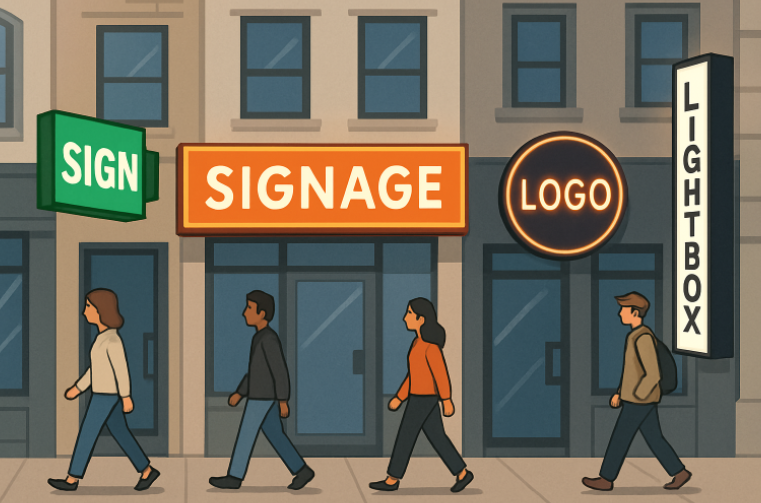
In today’s highly visual world, outdoor business signage is more important than ever. The right sign not only signals your presence but also invites potential customers. With busy streets and consumers constantly exposed to countless messages, standing out has become essential to any marketing strategy. Implementing well-designed, modern outdoor business signage can transform foot traffic and turn passing glances into paying customers.
Modern outdoor signs go beyond simply displaying a business name or logo. By blending contemporary design, purposeful placement, and the latest technology, signage plays a key role in attracting the attention you need. Whether you’re revitalizing a historic storefront or launching a new local brand, the style and structure of your sign can influence public perception and boost business visibility.
The Importance of Outdoor Signage
Outdoor signage is often considered a business’s most consistent and hardworking marketing tool. Unlike digital ads that require constant funding or online campaigns that rely on algorithms, a well-placed sign is always working to attract new customers. Research shows that illuminated outdoor signs can increase foot traffic by over 20 percent and strengthen brand recognition by as much as 50 percent. Many businesses even report up to a 15 percent growth in sales when effective signage is used to reach local customers. These statistics reveal that attractive, modern signage is not just a nice addition but an essential element for sustained growth and success.
Beyond visibility, outdoor signs communicate professionalism and credibility. Customers often make subconscious decisions based on how a business presents itself, and an old or unclear sign may send the wrong message about the quality of your goods or services. In competitive sectors, such as restaurants, retail, or boutique services, your sign can be the deciding factor for someone choosing your location over another.
Modern Design Trends in Outdoor Signage
Keeping up with design trends is key to ensuring your signage grabs attention for the right reasons. Minimalist aesthetics dominate current trends, utilizing crisp lines, clear fonts, and uncluttered layouts. These signs are easier to read at a glance and complement modern architecture, making them ideal for urban settings or upscale neighborhoods.
- Minimalist Designs: Clean and straightforward, these signs focus on clarity and leave a memorable impression by stripping away unnecessary details.
- 3D Signage: Three-dimensional elements add depth and can make signage more engaging to passersby, encouraging closer inspection and interaction.
- Interactive Elements: Incorporating features such as QR codes or touch-ready displays encourages customers to interact with your brand and access additional information instantly.
As branding shifts toward simplicity and user engagement, these trends help businesses create a welcoming and modern façade that feels relevant and accessible to today’s consumers.
Technological Advancements in Signage
Technology continues to reshape how signs attract and inform. Digital displays, for example, offer the flexibility to update messages in real time, schedule seasonal promotions, and highlight timely offers with vibrant animations or video. Not only are these displays more eye-catching, but they also allow business owners to experiment and find what works best for their unique market. LED lighting has transformed the nighttime visibility of signs while keeping energy costs manageable and environmental impact low. These advancements mean your message reaches customers around the clock, even in challenging lighting or weather conditions.
- Digital Displays: Real-time content updates, animated branding, and tailored campaign messages all become possible with digital technology.
- LED Lighting: Offers intense brightness and color versatility at a fraction of the energy cost of traditional lighting.
Strategic Placement for Maximum Impact
No matter how well-designed, a sign is only as effective as its placement. High-traffic areas, such as crosswalks, transit stops, and busy corners, grant your signage the greatest chance of catching eyes. Installing signs at eye level ensures pedestrians and drivers see your message clearly and quickly. It’s also important to consider the angles of visibility; signs that are readable from multiple directions have a wider reach and higher impact.
For business owners in urban centers or on major roadways, maximizing view corridors and considering nearby visual distractions is key. Signs should be placed to avoid obstruction from trees, utility poles, or neighboring architecture.
Sustainability in Signage
With consumers increasingly aware of their environmental footprint, sustainable signage options are gaining traction. Recycled and reclaimed materials, such as wood, metal, or plastics, allow businesses to reduce waste while crafting unique visual statements that reflect their corporate responsibility. Additionally, energy-efficient lighting, especially LED and solar-powered options, further lessens the environmental impact while lowering operational costs. Choosing eco-friendly signage not only helps the planet but also resonates with customers who value ethical business practices.
- Recycled Materials: Sourcing signage from reclaimed or recycled resources shows a commitment to sustainability and can become a talking point for your brand.
- Energy-Efficient Lighting: Reduces operational costs and environmental impact, supporting both business objectives and eco-conscious branding.
Conclusion
Modern outdoor business signage is more than a functional necessity. It is an active marketing asset that signals your brand’s presence, values, and relevance. By embracing current design trends, adopting new technologies, strategically placing signs, and making sustainable choices, businesses can turn outdoor signage into a powerful tool to increase foot traffic and grow their customer base. A well-thought-out sign draws customers in, tells your brand story at a glance, and ensures you remain visible in increasingly crowded markets.
-

 BLOG8 months ago
hanime1: The Ultimate Destination for Anime Lovers
-

 ENTERTAINMENT10 months ago
Sflix: How It’s Changing the Way We Watch Movies and TV Shows
-

 ENTERTAINMENT9 months ago
Crackstreams 2.0: The Future of Free Sports Streaming?
-

 BILLS10 months ago
Why Does My Instagram Reel Stop Getting Views After One Hour? How to Fix It?
-

 BLOG8 months ago
Imginn: The Ultimate Tool to View Instagram Content Anonymously
-

 Technology11 months ago
Simpcitt: The Rise of a Unique Online Community
-

 80s11 months ago
Favorite 100 Songs of the 80s: (#1) Michael Jackson – Billie Jean
-

 BLOG10 months ago
NHentai.nef: Understanding the Popular Hentai Archive