
Blog
Fun and Impactful Fundraising Ideas for Law Enforcement


Law enforcement fundraising can be more than just collecting donations. It is about connecting with the community, building public trust, and having a positive impact together. Whether you’re looking for creative new ways to raise money for equipment, outreach programs, or department needs, interactive events and campaigns foster goodwill and participation. To discover even more effective police fundraiser ideas, consider ways to engage citizens directly and offer meaningful experiences.
When law enforcement agencies invite the community to participate in fundraising efforts, it creates new opportunities for teamwork and understanding. Entertaining events, local partnerships, and smart merchandising can all drive strong results. Blending fundraising with enjoyable activities ensures better attendance and stronger support year after year.
Host a Community Fun Run
Organizing a community fun run or walkathon is a proven way to bring people together for a worthwhile cause. Select a scenic or meaningful route in your area and encourage participants to gather sponsorships from friends and family. Involve local entertainers or musicians to make the day special and provide medals or awards to top performers and fundraisers. This type of event not only raises funding but also encourages active lifestyles and boosts neighborhood pride and cooperation.
Organize a Police vs. Fire Sports Tournament
Build community excitement with a friendly “cops vs. firefighters” sporting event, such as a basketball or softball game. These tournaments draw large crowds and offer a spirited environment. Revenue can come from ticket sales, team sponsorships, concessions, and event merchandise. Friendly rivalries like these cultivate camaraderie among first responders while helping residents connect with their local heroes in a unique way.
Plan a Pancake Breakfast or BBQ Cook-Off
Bring everyone together with a classic pancake breakfast or a BBQ cook-off. Invite the community to enjoy delicious food made by officers and volunteers. Advance tickets and door sales both help raise funds, and the gathering itself fosters conversation and relationship-building. You can further boost donations by adding raffles, games, or live musical acts to entertain guests while they eat. According to NPR, food-based fundraisers remain among the most well-attended events nationwide.
Sell Custom Merchandise
Branded merchandise such as t-shirts, hats, mugs, or pins provides a tangible connection to your cause. Not only do these sales raise money, but each purchased item promotes police department visibility throughout the community. By establishing an online storefront, you can reach supporters who may not be able to attend events, and seasonal campaigns (like limited-edition designs around holidays) create urgency to buy. In addition, bulk purchasing options can maximize profit margins while keeping prices reasonable.
Conduct a Fundraising Raffle
Raffles remain one of the simplest and most popular ways to generate excitement and raise money. Secure prize donations from local businesses, such as restaurant meals, fitness memberships, or spa packages. Unique experiences (like a “chief for a day” ride-along) can also spark interest and ticket sales. Always work within the raffle regulations established in your state. For a detailed guide on running effective fundraisers and community events, review the resources provided by NPR.
Host a “Dunk-a-Cop” Event
Add a playful twist by setting up a dunk tank at a community fair or local festival, with popular officers taking turns in the hot seat. A small fee per toss can quickly add up, especially when paired with other festival activities and food stands. Participants can interact with law enforcement in a friendly, fun setting, reinforcing positive relationships and creating memorable moments for families.
Create a Themed Calendar
Law enforcement-themed calendars are perennial favorites that can be sold year-round at department buildings, local retail shops, and online. Feature officers, K-9 units, or police department activities in creative, family-friendly themes. This not only raises funds but also gives residents a visual reminder of ongoing efforts and achievements year-round.
Organize a Charity Auction
Charity auctions can be conducted in-person or online to engage a wider audience, with unique items sourced from community supporters, such as gift baskets and event tickets. Local artists and businesses can be encouraged to donate products or services. These auctions foster social interaction and charitable giving that support local law enforcement initiatives. By incorporating such fundraising activities into annual plans, law enforcement can build community relations while effectively raising funds. Successful engagement relies on enjoyment and clear communication, ultimately fostering safer and more connected communities.
Conclusion
Engaging the community through creative fundraising events not only supports local law enforcement initiatives but also strengthens neighborhood connections. From active fun runs and friendly sports tournaments to food events, merchandise sales, and interactive activities, each approach fosters participation, enjoyment, and collaboration. By combining entertainment with purpose, these events cultivate lasting relationships between residents and their local heroes, while generating valuable resources for programs and community improvements. Consistent, well-planned efforts ensure that fundraising becomes both impactful and memorable, creating a stronger, more connected community for everyone involved.

Bringing a new dog into your home is both exciting and life-changing. The journey to find the perfect companion requires careful planning and honest reflection about your day-to-day lifestyle. Selecting a breed that fits your activity level, living space, and personal preferences will ensure a smooth transition and lasting bond. If you are researching breed characteristics, considering the grooming and care needs is also a crucial factor. For those in California, exploring specialized services such as a fur grooming salon Simi Valley, CA can help manage regular pet care as part of this important decision.
A harmonious relationship starts by aligning your dog’s needs with your household and daily habits. Unique breeds come with different personalities, health considerations, and maintenance needs. Factoring in these variables will not only enhance your dog’s well-being but also enrich the companionship you seek.
Assess Your Lifestyle and Activity Level
Matching a dog’s activity level with your own is fundamental to ensuring a happy coexistence. For instance, individuals who enjoy jogging, hiking, or other outdoor activities may be well-suited to breeds such as Border Collies, Australian Shepherds, or Labrador Retrievers. These breeds require mental stimulation, plenty of exercise, and space to roam. Conversely, if you prefer a quieter routine with fewer outdoor adventures, laid-back breeds such as Bulldogs or Shih Tzus could be better options. Dogs whose energy requirements are not met can develop behavioral problems or health issues, underscoring the importance of this consideration.
Families with children or frequent visitors should also consider how much time they can devote to training, socialization, and interactive play. Some breeds naturally thrive in bustling households, while others prefer tranquility and predictability.
Consider Your Living Space
The size and layout of your home directly affect your new dog’s comfort and happiness. Larger breeds, such as German Shepherds and Great Danes, need more room to stretch and play safely. Small apartments or urban homes often suit smaller breeds such as Cavalier King Charles Spaniels, French Bulldogs, or Chihuahuas. For homes with yards, fencing, and safe outdoor access become additional considerations.
If you are renting, it’s important to check the pet policy for size and breed restrictions. Properly evaluating your living arrangement helps prevent problems related to space and keeps both the owner and the pet content. For more advice on adapting living spaces for dogs, the American Kennel Club offers valuable resources.
Grooming and Maintenance Needs
Grooming requirements can vary dramatically between breeds. Long-haired breeds, such as Afghans or Shih Tzus, require regular brushing and trips to a professional groomer to prevent matting and skin problems. Breeds like Poodles or Schnauzers often need scheduled trims, while short-haired breeds like Boxers or Vizslas are usually easier to manage. Don’t forget to factor in grooming costs and necessary equipment when making your decision. If ongoing grooming or shedding is a concern, researching low-maintenance breeds might be helpful.
Health Considerations
Each breed comes with unique health predispositions. Bulldogs and Pugs, with their distinctive flat faces, are prone to breathing difficulties and need extra care in hot or humid climates. Larger breeds such as Saint Bernards and German Shepherds can develop hip and joint issues that might require physical therapy or special diets as they age. Doing thorough research on potential health issues will prepare you for future veterinary needs and ensure you are equipped for the long-term responsibilities that come with dog ownership. Trusted organizations like the ASPCA provide excellent guidance on breed-specific health risks.
Temperament and Compatibility
Understanding breed temperament is about more than reading a quick description. Breeds like Golden Retrievers and Labrador Retrievers are well-regarded for their even tempers, making them superb choices for families with young children. Terriers or watchdog breeds have a reputation for being energetic or territorial, which may suit households seeking a dog for companionship and security. Speak with shelters, reputable breeders, or trainers to learn about a breed’s personality traits before making your decision.
Adoption vs. Purchasing from a Breeder
Whether you adopt a rescue dog or purchase a puppy from a breeder, both paths come with rewards and responsibilities. Adopting from a shelter is a compassionate choice that provides a deserving animal with a new start and often includes pre-adoption health records, vaccinations, and microchipping. Rescue groups can match you with dogs whose personalities and backgrounds fit your circumstances.
Alternatively, purchasing from a reputable breeder offers predictability regarding the dog’s lineage, behavior, and health. A responsible breeder provides full transparency about the puppy’s history, socialization efforts, and medical records. Always check breeder credentials and prioritize the welfare of the dogs over commercial interests. Both adoption and responsible breeding support animal health and owner satisfaction when approached ethically.
Conclusion
Choosing the right dog breed is a process shaped by lifestyle, environment, and personal values. Evaluating your activity level, living space, grooming capacity, health knowledge, and compatibility can help ensure a positive relationship with your new companion. Take time to research, ask questions, and connect with professionals to make the best choice for your home and heart. With the right preparation and understanding, your new dog will become a cherished family member, bringing joy and loyalty for years to come.
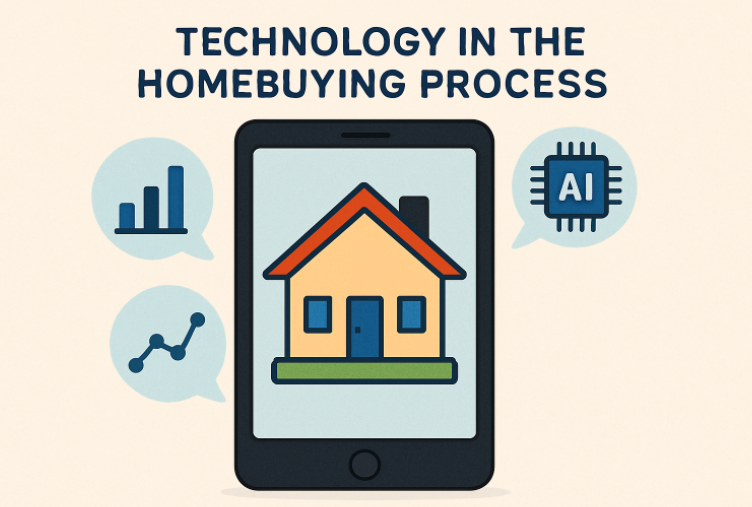
The housing market is continually evolving, and 2026 presents unique challenges and opportunities for prospective homebuyers. Factors such as rising mortgage rates, shifting demographics, and technological advancements are shaping the landscape. To navigate this complex market, it’s essential to stay informed and seek guidance from experienced professionals. For instance, consulting with a seasoned expert, such as Greenwood Village real estate agent Anne Dresser Kocur, can provide valuable insights. With over 30 years of experience in the Denver metropolitan area, Anne has a deep understanding of the local market dynamics and offers personalized services to meet diverse client needs.
Rising Mortgage Rates and Affordability Challenges
Mortgage rates have risen sharply, with the average 30-year fixed rate reaching 6.94% in late February 2024. This uptick has made homeownership more expensive, particularly for first-time buyers. Additionally, the “lock-in effect” has emerged, where existing homeowners are reluctant to sell and take on new mortgages at higher rates, thereby constraining housing inventory.
This heightened sensitivity to rates has far-reaching implications. Buyers must now carefully calculate which monthly payments are sustainable within their budgets, taking into account not just rates but also the continued escalation of home and insurance prices, as well as property taxes. Prospective purchasers may need to consider properties in new neighborhoods or even entirely different metro regions where prices are less prohibitive. Working with skilled agents can help buyers identify hidden gems that may provide better long-term financial outcomes. Furthermore, it’s worth exploring creative financing options, such as adjustable-rate mortgages or seller-funded buydowns, which can offer temporary relief until rates potentially moderate.
Delayed Homeownership Among Millennials
The average age of first-time homebuyers has risen to 40, the highest on record. In cities like Phoenix, high housing costs have led many millennials to postpone purchasing homes, opting instead for upscale rentals or alternative investments. This trend underscores the financial hurdles younger generations face in entering the housing market.
The shift toward later homeownership also impacts family planning and overall wealth accumulation. Millennials now weigh competing priorities, including student loan repayments, childcare costs, and savings goals, all of which can delay or reshape their housing aspirations. Many are choosing to rent for longer to preserve flexibility, enhance savings, or invest in travel and life experiences before committing to a mortgage. At the same time, some are taking advantage of rent-to-own programs or employer-sponsored down payment assistance, which have emerged as creative solutions to bridge the gap between renting and owning.
Gen Z’s Entry into the Housing Market
Despite affordability challenges, Gen Z is making inroads into homeownership. In 2024, they accounted for 13% of U.S. home mortgage applications, up from 10% in 2023. Many are achieving this milestone with parental financial support or by adopting unconventional strategies such as co-buying with friends or investing in rental properties in more affordable cities.
This new generation of buyers is also more digitally savvy, utilizing online platforms and tools to streamline their search, compare mortgage offers, and even virtually tour homes. With greater access to information, real-time listings, and community insights via social media, Gen Z buyers can make informed decisions quickly. Additionally, many are prioritizing sustainability, energy efficiency, and smart-home features in their property searches, reflecting broader environmental values.
Technological Integration in Homebuying
Technology is playing an increasingly significant role in the homebuying process. Nearly half of prospective buyers plan to use AI tools to estimate housing costs, guide them through the buying process, or visualize home designs. While these tools offer convenience, it’s essential to verify their outputs with trusted professionals.
Virtual reality (VR) home tours, automated document management, and personalized property recommendations have rapidly become industry standards. Buyers can now compare potential properties from the comfort of their own homes, saving time and effort. Blockchain technology, too, is beginning to streamline transactions, promising faster, more transparent closings. Yet, while digital tools can simplify the journey, they also introduce new risks such as data privacy concerns or the use of unvetted automated valuations. Maintaining a balance between leveraging technology and relying on expert human guidance remains crucial for a successful transaction.
Increased Housing Inventory
The housing market has seen a substantial improvement in inventory, rising by more than 35% year over year in the first half of 2024. This increase provides buyers with more options and could lead to more balanced market conditions.
With more listings available, prospective buyers experience less pressure to make hasty offers and can afford to be more selective. Increased inventory often leads to a greater variety of property types and price points, making it possible for buyers to find homes that better match their individual requirements and budgets. Additionally, builders are focusing on new construction projects aimed at first-time buyers and those seeking smaller, more affordable homes. This progress suggests a movement toward a healthier, more equitable marketplace.
Slower Price Growth and More Bargaining Power
While housing costs remain high, the rate of price growth has slowed. This deceleration, combined with increased inventory, is giving buyers more bargaining power in certain markets. It’s an opportune time for buyers to negotiate favorable terms.
A relatively balanced market benefits buyers who can now request seller concessions, such as covering closing costs, making repairs, or even accepting contingencies that were once routinely declined. These shifts require buyers to work closely with their agents, develop savvy negotiation strategies, and remain patient as they assess the evolving landscape. For sellers, accurate pricing and flexibility are becoming more critical as competition intensifies and buyers have greater leverage.
Conclusion
Navigating the 2026 housing market requires awareness of these evolving trends. Prospective buyers should stay informed, leverage technology wisely, and consider seeking guidance from experienced professionals to make the most of the current market dynamics.
As we look ahead, it is clear that adaptability and education are key. Homebuying journeys are as individual as the buyers themselves, with each trend offering unique opportunities to seize and potential challenges to mitigate. Whether you are a first-time buyer, a seasoned investor, or someone deepening your roots in a local community, remaining proactive and responsive to market changes will enable you to realize your real estate goals in 2026 and beyond. Don’t hesitate to tap into the expertise of real estate professionals, utilize available technological tools, and above all, make decisions that align with your long-term financial well-being and lifestyle objectives.

A car accident can happen in a matter of seconds, yet the aftermath often stretches far beyond the moment of impact. The damaged vehicle may be towed away, medical appointments begin to fill the calendar, and insurance forms suddenly appear in the mailbox. Many people believe the claims process will be straightforward. After all, insurance exists for situations exactly like this. Still, as days pass and questions arise, the process may feel less simple than expected, which is why some individuals eventually look for a car accident settlement lawyer in St. Louis to help understand what comes next.
When the Claims Process Becomes More Complicated
Filing a claim after a car accident might seem like a routine step. Contact the insurance company, provide details about the crash, and wait for compensation to arrive. That expectation feels reasonable, especially for someone who has never navigated the legal side of an accident before.
Reality often unfolds differently. Insurance companies carefully review every claim, sometimes questioning how the accident occurred or whether the injuries reported are directly related to the collision. Documentation becomes essential, and small details can carry unexpected weight.
Medical records, repair estimates, accident reports, and witness statements may all become part of the process. For someone who is already dealing with recovery or the stress of a damaged vehicle, managing these requirements can quickly feel overwhelming.
Understanding How Insurance Companies Evaluate Claims
Insurance companies operate with their own internal systems and priorities. Their role is to investigate claims and determine how much compensation should be paid. While they provide an important service, they also aim to manage costs.
Adjusters often analyze accident reports, vehicle damage, and medical information to determine liability and financial responsibility. This evaluation process can lead to negotiations over the value of a claim.
An initial settlement offer may appear helpful at first glance. However, these offers sometimes reflect only immediate costs such as vehicle repairs or early medical bills. Long term expenses, lost wages, or ongoing treatment may not always be included in early calculations.
This is where understanding the full scope of damages becomes important.
The True Cost of an Accident
The financial impact of a car accident can extend beyond what is visible right away. Medical treatment might begin with emergency care but continue with follow up appointments, physical therapy, or specialist consultations.
Injuries that appear minor immediately after the accident may develop into ongoing discomfort or mobility issues. Time away from work may also affect income, creating additional financial pressure for families.
Beyond these tangible costs, the emotional stress of a collision can influence daily life as well. Driving may feel different for a while. Routine activities can become more challenging during recovery.
A fair claim should reflect all of these factors. Understanding the long term picture is essential before agreeing to a settlement.
Why Documentation Matters More Than Expected
Successful accident claims rely heavily on documentation. Evidence helps demonstrate what happened during the collision and how the injuries affected the person involved.
Police reports provide an official account of the accident scene. Medical records document injuries and treatment progress. Photographs of vehicle damage or road conditions can support details about how the crash occurred.
Even small pieces of information may become valuable during negotiations. A witness statement describing the moments before impact could influence how liability is determined. A detailed repair estimate might reveal the true extent of vehicle damage.
Keeping organized records can strengthen a claim and provide clarity during discussions with insurance representatives.
The Role of Legal Guidance
Many people begin the claims process on their own. For minor accidents with minimal damage, that approach may work smoothly. However, when injuries are involved or liability becomes disputed, the situation often grows more complex.
Legal professionals who focus on accident claims understand how these cases unfold. They know how insurance policies work, what documentation strengthens a claim, and how to calculate the full value of damages.
Their role often includes reviewing accident reports, consulting with medical professionals, and negotiating with insurance companies. This support helps ensure that individuals do not feel pressured into accepting settlements that fall short of covering long term needs.
Legal guidance also provides clarity. When questions arise about deadlines, evidence, or compensation, an experienced lawyer can explain the process step by step.
Protecting Your Rights After an Accident
After a car accident, many people simply want life to return to normal as quickly as possible. Repairing the vehicle, completing medical treatment, and moving forward often become the main priorities.
During this period, it is easy to underestimate the legal rights available to accident victims. Compensation may include medical costs, lost wages, rehabilitation expenses, and other damages related to the crash.
Understanding these rights can make a meaningful difference. Accepting a settlement too early may close the door on future claims, even if additional medical issues appear later.
Taking the time to evaluate all available options helps protect long term interests.
The Importance of Patience During the Process
Accident claims rarely resolve overnight. Investigations, negotiations, and medical evaluations often take time. While waiting can feel frustrating, patience often leads to better outcomes.
Rushing through the process may result in decisions based on incomplete information. Allowing time for injuries to heal and for medical professionals to assess long term effects provides a clearer understanding of what compensation should include.
Many successful claims involve careful preparation and thoughtful negotiation. A well documented case often speaks louder than quick assumptions.
Moving Toward Resolution
The aftermath of a car accident can feel confusing at first. Forms, phone calls, and unfamiliar legal terms may appear all at once. Yet with the right information and support, the process gradually becomes easier to navigate.
Understanding the hidden challenges behind accident claims helps individuals approach the situation with greater confidence. Preparation, documentation, and informed decisions all contribute to a stronger outcome.
For those facing the legal side of a collision, reliable guidance can transform a complicated process into a manageable path forward. While accidents may happen unexpectedly, resolving the claim with care and attention helps ensure that recovery, both physical and financial, remains the primary focus.
-

 Blog7 months ago
hanime1: The Ultimate Destination for Anime Lovers
-

 Entertainment9 months ago
Sflix: How It’s Changing the Way We Watch Movies and TV Shows
-

 Entertainment8 months ago
Crackstreams 2.0: The Future of Free Sports Streaming?
-

 Bills10 months ago
Why Does My Instagram Reel Stop Getting Views After One Hour? How to Fix It?
-

 Technology10 months ago
Simpcitt: The Rise of a Unique Online Community
-

 Blog8 months ago
Imginn: The Ultimate Tool to View Instagram Content Anonymously
-

 80s10 months ago
Favorite 100 Songs of the 80s: (#1) Michael Jackson – Billie Jean
-

 Blog10 months ago
Simpcitu: The New Age Trend Shaping Online Interactions