
Blog
Digital Receipts: A Smart Move for Organized Personal Finance


Reducing Clutter and Environmental Impact
The constant collection of paper receipts can overwhelm even the most organized. Receipts often pile up in drawers and wallets, only to fade, tear, or get lost over time. The move toward digital solutions eliminates this recurring mess, ensuring home and office spaces remain uncluttered. Digital receipts, which can be efficiently managed using tools such as an OCR receipt scanner, not only make life simpler but also contribute to long-term sustainability efforts.
Beyond personal convenience, embracing digital receipts means helping the environment. Bills and receipts are typically printed on thermal paper, which is challenging to recycle and contains harmful chemicals, such as bisphenol A (BPA). According to The New York Times, billions of paper receipts end up in landfills annually. Digital alternatives significantly reduce this unnecessary waste and chemical exposure.
Enhanced Security and Accessibility
Paper receipts can easily fade or become illegible over time, making them unreliable for returns, warranties, or audits. Digital storage, especially when cloud-based, maintains the integrity of receipts without risk of physical loss. Accessing digital receipts is as simple as searching for a keyword, whether on your phone, desktop, or within your digital vault, improving efficiency during tax season or when responding to budget audits.
Many financial professionals now recommend secure apps that encrypt your receipts and backups. This ensures users that data remains protected—and retrievable—regardless of the device they’re using or the amount of time that has passed since the initial purchase.
Integration with Financial Management Tools
Technology is transforming personal finance, and one of the most significant advances is the integration between receipt management platforms and financial tracking apps. By connecting digital receipts to apps like Mint or YNAB (You Need A Budget), users can instantly categorize purchases, monitor spending trends, and budget with precision. For more sophisticated needs, apps such as Smart Receipts employ AI-powered recognition to automatically tag and classify each expense, simplifying reporting and monthly reviews.
Recent studies from Consumer Reports show that households that use integrated financial tools spend less time reconciling accounts and feel more in control of their money. These integrations make it easier to spot waste, prepare budgets, and automatically identify potential tax deductions.
Legal Acceptance and Compliance
There’s often uncertainty surrounding the legality of digital receipts for tax purposes or warranty claims, but U.S. regulations continue to evolve in response to technological advancements. The IRS recognizes digital receipts as long as they’re precise, legible, and accessible for an audit. For businesses and individuals alike, this means less stress during tax season and a smoother claims process should you need to return a faulty product.
For warranty claims, manufacturers and retailers now frequently accept digital copies, acknowledging that faded thermal prints are an unreliable proof of purchase. This shift benefits consumers, making it easier to retain warranties over several years without having to protect a tiny slip of paper.
Implementing Digital Receipt Management
Step 1: Choose Reliable Apps
Start by researching apps that offer features such as cloud storage, encrypted backups, and easy sharing. Look for those with strong reputations and simple interfaces to minimize learning curves.
Step 2: Set Up Automatic Capture
Many digital receipt apps can link directly to your email or bank account, automatically importing receipts from online and in-store purchases. This reduces manual entry and ensures nothing slips through the cracks.
Step 3: Regularly Categorize Expenses
Building the habit of reviewing and tagging receipts on a weekly basis keeps financial records clear and highlights spending trends in real-time. Custom categories can help you track recurring expenses for work, home, or hobbies.
Step 4: Back Up Data Frequently
Always use cloud backup or regularly export data to protect your history, mainly if you rely on digital records for tax or warranty claims.
Overcoming Potential Challenges
Data Security Concerns
Opt for platforms with two-factor authentication, strong encryption, and transparent privacy policies. Read reviews and choose apps with positive third-party evaluations.
Learning Curves
Choose tools with user-friendly designs and available customer support. Free tutorials on platforms such as CNET can help smooth the transition.
Gradual Adoption
Try digitizing specific categories, such as groceries or utilities, before fully transferring your financial history online. This allows you to test the process and build confidence over time.
Conclusion
Switching to digital receipts is an innovative and practical approach for individuals who are committed to managing their finances efficiently. Unlike paper receipts, digital copies reduce clutter, prevent loss or damage, and make it easier to track expenses for budgeting, tax reporting, or warranty purposes. Modern tools and apps provide seamless integration with accounting software and robust security measures, ensuring your financial records remain organized and secure. By adopting digital receipt practices and utilizing these technologies, you not only streamline expense tracking and financial planning but also contribute to a more sustainable, environmentally friendly approach to managing personal finances.

Homeowners today are increasingly seeking ways to maintain warmth and comfort during colder seasons while balancing concerns about efficiency, cost savings, and sustainability. Technological innovations and updated approaches to home heating now make it possible to achieve all three objectives. When considering upgrades or a new heating installation, it’s useful to explore these new developments. Whether you are renovating an older property or building from scratch, there are more options than ever to keep your home warm, efficient, and future-ready.
In recent years, traditional furnaces and boilers have made way for advanced systems that combine comfort with energy conservation. Homeowners can select from a range of solutions designed to minimize energy loss and adapt to various layouts and preferences. These updated systems can transform daily living, providing both ease of use and peace of mind during the winter months.
The move toward high-efficiency systems also supports the broader shift to environmentally conscious living. Modern setups rely on smart controls, improved ventilation, and insulation strategies that further enhance performance. As you consider your options, consulting a trusted HVAC contractor can help you make informed decisions and ensure proper integration with your home’s existing infrastructure.
High-Efficiency Heat Pumps
Heat pumps have revolutionized home heating by transferring ambient heat rather than generating it through combustion. Modern air-source heat pumps are effective even in colder climates and typically deliver 2 to 3 times the heat energy they consume. Their dual functionality means they can provide both heating in winter and cooling in summer, making them a practical year-round solution. According to the U.S. Department of Energy, high-efficiency heat pumps can reduce heating electricity use by about 50% compared to electric resistance heating, such as furnaces and baseboard heaters.
Radiant Floor Heating Systems
Radiant floor heating systems offer more even, comfortable heat distribution and can be installed in sections of the home or throughout the home. These systems use a network of pipes under the flooring to circulate warm water or electric coils to generate heat, targeting the area where warmth is most desired while remaining largely hidden from view. Radiant heating can be particularly beneficial in bathrooms, kitchens, and living areas where tile or stone floors can become uncomfortably cold.
Smart Thermostats and Controls
One of the easiest ways to improve comfort and efficiency is to add a smart thermostat. These innovative devices allow homeowners to program temperatures and routines and can often learn user patterns to optimize performance. Remote access via smartphone or tablet further increases convenience and ensures users never have to walk into an uncomfortably cold home. The EPA notes that the right settings and scheduling with smart thermostats can save up to 10% annually on heating and cooling bills. Learn more about energy-saving strategies from reliable resources such as energy.gov.
Ductless Mini-Split Systems
Ductless mini-split systems are an excellent solution for homes without ductwork or that require customized temperature zoning. These systems consist of an outdoor compressor unit and one or more indoor air-handling units, each operating independently. Homeowners gain precise control over the climate in individual rooms, which promotes both comfort and energy savings. Additionally, installation is often less invasive than ducted systems, making them well-suited to renovations and additions.
Infrared Heating Panels
Infrared heating panels are gaining momentum as an effective way to heat spaces. Unlike conventional convection heating, which warms the air, infrared technology radiates heat directly to solid objects and people, ensuring nearly immediate comfort. Panels can be wall or ceiling-mounted, saving valuable floor space and allowing for discreet integration. Maintenance needs are low, and their silent operation and sleek design appeal to homeowners seeking unobtrusive solutions.
Energy Recovery Ventilators
Maintaining good indoor air quality without sacrificing heat has traditionally been a challenge in tightly insulated homes. Energy recovery ventilators (ERVs) address this by exchanging stale indoor air with fresh outdoor air while capturing much of the existing indoor heat. This approach promotes comfort and keeps energy costs in check, ensuring occupants benefit from clean air and a consistent temperature year-round.
Eco-Friendly Insulation Options
New insulation materials such as sheep’s wool, recycled denim, and advanced foam technologies reduce heat loss while boosting environmental sustainability. Employing these materials limits heat transfer through walls and ceilings, resulting in significant gains in comfort and efficiency and reduced reliance on active heating systems. Properly installed insulation also helps keep interiors cooler in summer, making it a year-round investment.
Preparing for Power Outages
Power loss during a cold snap can pose risks to health and safety. Preparation is key. Homeowners should consider creating a “warm room” to insulate household members, as well as investing in safe backup heating sources, such as wood or pellet stoves, and portable gas or battery-operated heaters. For longer-term resilience, solar panels with battery backup systems can keep heating systems functional even when the grid is down. Guidance on preparedness can be found through major organizations such as the Red Cross.
As home heating continues to evolve, modern technologies and strategies enable homeowners to maximize both efficiency and comfort. By considering the full range of options and consulting with qualified professionals, homeowners can find solutions that suit their lifestyle and support long-term sustainability.
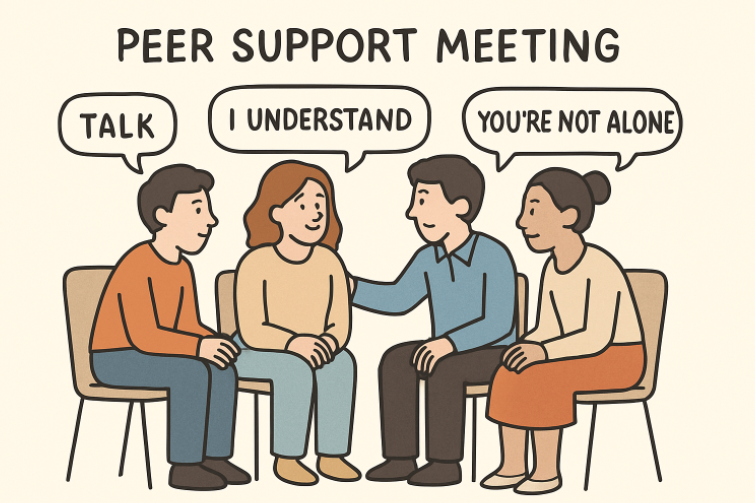
Embarking on the path to sobriety is a significant undertaking, often marked by highs and lows. While individual determination is vital, research and real-life experience consistently show that incorporating peer accountability into recovery can dramatically improve the chances of long-term success. In settings where individuals support and challenge each other, a culture of honesty and encouragement emerges, making the journey less isolating and more achievable. For many, engaging with recovery communities such as Foundations provides a crucial anchor of support and accountability.
Peer groups foster trust and empathy, providing a supportive environment for individuals in recovery. They encourage collective commitment to sobriety and reinforce personal resolve through shared responsibility. Regular interactions in these settings help cultivate a sense of belonging, resilience, and hope. Learning from others’ experiences in recovery enhances coping skills and self-awareness, while openness promotes honesty about struggles. Community involvement results in improved recovery outcomes, with structured peer support showing higher emotional stability and lower relapse rates, making it a recognized element of effective sobriety programs.
Understanding Peer Accountability
At its heart, peer accountability means that individuals in recovery hold one another responsible for their actions, commitments, and progress. Unlike top-down approaches, this system thrives on mutual respect and shared goals. When participants act not just for their own benefit but also for the welfare of others, a powerful network of encouragement helps reinforce daily intentions and long-term plans.
The ongoing process of checking in, sharing experiences, and providing feedback helps keep group members motivated and aware of their actions. Peer accountability does not eliminate individual responsibility; rather, it enhances it, making sobriety a collective as well as a personal victory. Supportive relationships often make it easier to navigate difficult moments and setbacks, acting as both safety nets and sources of inspiration.
Benefits of Peer Support in Recovery
Peer support brings a wide spectrum of benefits for individuals striving for sobriety:
- Emotional Support: Recovery can be an emotional rollercoaster. In a peer group, members find understanding and empathy from others who have endured similar struggles, which eases the fear of judgment and reduces loneliness.
- Increased Motivation: Success becomes contagious. Observing the progress of others, especially peers who have faced real setbacks, can spark new determination and boost energy levels when motivation flags.
- Enhanced Accountability: Regular group engagement increases the sense of obligation not to let others down, fostering a greater commitment to sticking to sobriety plans.
Peer support models that include relationships built on frequent check-ins, celebration of milestones, and collaborative problem-solving prove especially effective. According to research highlighted by the National Institute on Alcohol Abuse and Alcoholism (NIAAA), peer-led programs such as group therapy and self-help meetings can boost abstinence rates significantly compared to isolated attempts at recovery.
Implementing Peer Accountability in Sobriety Programs
To maximize the benefits of peer accountability, recovery programs use various proven strategies:
- Regular Meetings: Scheduled group sessions provide a structured environment for individuals to share both their successes and challenges, while also offering advice and support to one another.
- Accountability Partners: Pairing individuals ensures everyone has a direct source of support, allowing for closer monitoring and mutual encouragement throughout the recovery process.
- Structured Activities: Peer engagement extends beyond meetings. Activities that promote teamwork and common goals, such as volunteering or fitness challenges, reinforce a sense of unity and mutual investment in sobriety.
For example, sober living houses are designed with built-in accountability mechanisms—such as curfews, group responsibilities, and regular check-ins—to encourage positive behaviors and prevent relapse. These systems help cultivate essential skills such as resilience, empathy, and self-awareness, which are crucial for achieving sustainable recovery.
Real-Life Examples of Successful Peer Support
Peer accountability has transformed countless lives through organizations and community groups built on shared experience. One of the most recognized is Alcoholics Anonymous (AA), where a peer-led model underpins everything from regular meetings to the sponsor-sponsee relationship. Members draw strength from group solidarity, learning to replace self-isolating behaviors with openness and support. According to Stanford Medicine, consistent participation in AA doubles the chances of sustained sobriety versus attempting recovery alone.
Similar approaches are found in family-oriented or faith-based recovery groups, women’s and men’s sober networks, and online communities. In each setting, the core principle remains the same: collective accountability fosters individual growth and significantly increases the likelihood of lasting recovery.
Challenges and Solutions in Peer Accountability
No peer system is immune to hurdles. One challenge is the risk of individuals relapsing in close-knit groups; seeing a peer struggle can be demoralizing and increase anxiety about one’s own prospects. To address this, successful programs introduce clear group norms and boundaries, encourage early intervention, and ensure that professional support is readily available when setbacks occur.
Another challenge is managing group dynamics, including disagreements, personality clashes, or breaches of trust. Education in conflict resolution, fostering a non-judgmental culture, and having facilitator oversight where necessary, all contribute to maintaining a healthy and supportive peer environment.
Conclusion
Peer accountability stands as a foundation of effective sobriety. It brings emotional, practical, and motivational benefits by creating a community where individuals share responsibility for their recovery. Empowered by this network, people in recovery report higher confidence, lower relapse rates, and greater overall well-being. By integrating strong peer support systems, recovery programs set the stage for lifelong success and sobriety.

In today’s fast-paced world, stress and anxiety have become common companions. Mindfulness—a practice rooted in paying full attention to the present moment—has emerged as a powerful tool to build resilience against these challenges. By cultivating mindfulness, individuals can navigate life’s ups and downs with greater ease.
For those seeking professional guidance in integrating mindfulness into their lives, AMK Counseling Chicago Therapist offers compassionate and personalized therapy services. As a leading provider in Chicago, AMK Counseling specializes in helping individuals and families navigate mental health challenges, including anxiety and stress, through evidence-based approaches. Their team of experienced therapists is dedicated to supporting clients on their journey toward healing and growth.
The Science Behind Mindfulness
Research underscores the effectiveness of mindfulness in reducing stress and anxiety. A study by the McGovern Institute for Brain Research at MIT found that just 10 to 15 minutes of daily mindfulness practice led to significant reductions in anxiety and perceived stress among autistic adults. These benefits persisted even after participants discontinued the practice, highlighting its lasting impact.
Practical Mindfulness Techniques
Incorporating mindfulness into daily life doesn’t require extensive time or resources. Here are some simple techniques to get started:
- Breathing Exercises: Focus on your breath, inhaling and exhaling slowly to anchor yourself in the present moment.
- Body Scan Meditation: Pay attention to different parts of your body, noting sensations without judgment.
- Mindful Walking: Walk slowly, observing each step and the sensations in your feet and legs.
- Gratitude Journaling: Write down things you’re grateful for each day to shift focus from stressors to positives.
Integrating Mindfulness into Daily Routines
Building resilience through mindfulness involves consistent practice. Here are the steps to integrate mindfulness into your daily routine:
- Set Aside Time: Dedicate a specific time each day for mindfulness practice, even if it’s just 5-10 minutes.
- Create a Quiet Space: Find a comfortable, quiet place free from distractions.
- Use Guided Resources: Utilize apps or online resources to guide your practice.
- Be Patient: Understand that mindfulness is a skill that develops over time; be patient with yourself.
Mindfulness in Professional Settings
Organizations are increasingly recognizing the value of mindfulness in the workplace. Implementing mindfulness programs can lead to improved employee well-being, increased productivity, and reduced absenteeism. For instance, companies like Google and Intel have integrated mindfulness practices into their corporate culture, resulting in positive outcomes for both employees and the organization.
Mindfulness for Children and Adolescents
Introducing mindfulness to younger individuals can equip them with tools to manage stress and build resilience from an early age. Schools incorporating mindfulness programs report improvements in students’ focus, behavior, and emotional regulation. Parents can also practice mindfulness with their children through activities like mindful breathing or storytelling.
Overcoming Common Misconceptions
Despite its benefits, some misconceptions about mindfulness persist. It’s important to understand that mindfulness is not about emptying the mind or achieving a state of bliss. Instead, it’s about being present and accepting one’s experiences without judgment. Additionally, mindfulness is accessible to everyone and doesn’t require any special equipment or extensive time commitments.
Conclusion
Embracing mindfulness practices can significantly enhance resilience, enabling individuals to handle life’s challenges better. Whether through simple daily exercises or structured programs, mindfulness offers a pathway to improved mental well-being and a more balanced life.
-

 Blog7 months ago
hanime1: The Ultimate Destination for Anime Lovers
-

 Entertainment9 months ago
Sflix: How It’s Changing the Way We Watch Movies and TV Shows
-

 Entertainment8 months ago
Crackstreams 2.0: The Future of Free Sports Streaming?
-

 Bills10 months ago
Why Does My Instagram Reel Stop Getting Views After One Hour? How to Fix It?
-

 Technology10 months ago
Simpcitt: The Rise of a Unique Online Community
-

 Blog8 months ago
Imginn: The Ultimate Tool to View Instagram Content Anonymously
-

 80s10 months ago
Favorite 100 Songs of the 80s: (#1) Michael Jackson – Billie Jean
-

 Blog10 months ago
Simpcitu: The New Age Trend Shaping Online Interactions