
BLOG
Beyond Traditional Risk Metrics: How Alternative Data Is Rewriting Modern Risk Management


Financial institutions have spent decades relying on the same slow-moving indicators like quarterly filings, long-cycle credit data, and market reports that arrive long after the real story has begun. Today, the real competitive edge comes earlier, often hours before traditional metrics register a single blip. That shift is driven by alternative data and by the growing expectation that risk teams operate in something much closer to real-time.
If that sounds like a marginal benefit, consider a recent supply disruption that illustrates the point: a minor fire at a regional chemicals plant appeared in local media within minutes, yet the same incident didn’t show up in corporate disclosures until the following afternoon. Companies monitoring non-traditional data feeds had already rerouted shipments by the time official reports caught up.
Timing Now Matters More Than Ever
Modern risk management trends point to a common pressure: speed. With global systems more interdependent than at any point in history, delays ripple outward fast. Alternative data closes that gap by picking up weak signals such as regulatory notices, social posts, trade anomalies, and local news that appear far earlier than official sources.
Real-time data monitoring isn’t about drowning teams in alerts; it’s about distinguishing noise from meaningful early warning signals. Some B2B teams describe it as switching from a rearview mirror to a dash-mounted radar: you may not know the full story yet, but you know where to look.
Why Alternative Data Keeps Outperforming Traditional Methods
After interviewing risk managers across finance, retail, and insurance, three advantages consistently rise to the top.
1. Speed: reacting before markets move
Small cues often precede big disruptions. During the semiconductor shortage, local water-restriction reports in Taiwan gave attentive analysts a window to adjust purchases before global manufacturers issued formal updates. A day’s delay during that period meant weeks of production losses.
2. Depth: visibility into the parts of your network you never monitor
Many enterprises monitor Tier 1 suppliers well, but disruptions frequently originate two or three layers deeper. Shipping data, workforce shifts, and regional regulatory notices expose emerging stress points long before they appear in internal systems. One automotive company caught a future bottleneck when freight logs revealed unusual declines tied to a distant plastics producer, information no credit bureau flagged at the time.
3. Context: connecting dots that rarely appear on the same page
Advanced platforms can now track millions of articles daily across dozens of languages, identifying causal chains between protests, port slowdowns, supplier liquidity, or climate anomalies. Risk leaders don’t just learn what’s happening; they see how today’s small events could become tomorrow’s large disruptions.
Across all three dimensions, the pattern is stable: faster signals, richer context, fewer surprises.

How Financial Sectors Turn Data Into Real Performance
Alternative data’s value becomes clearest in measurable outcomes. Large retailers using predictive climate analytics kept 96% of items in stock during hurricanes, an advantage that protected hundreds of millions in revenue. Lenders using behavioral and transactional signals reduced “unscorable” applicants by as much as 60%.
These aren’t marginal gains. They represent entire customer segments unlocked, inventory shocks avoided, claims resolved faster, and risk models tuned to what’s happening in the world rather than what happened last quarter.
And there’s a more subtle insight emerging in interviews with data leaders: precision often beats scale. The most effective models don’t ingest everything, but they select a small number of highly predictive non-traditional indicators and treat them as operational infrastructure.
Implementing Alternative Data Without Overcomplicating the Organization
Most companies don’t fail because they lack data; they fail because they introduce it without a plan. The organizations that succeed follow a pattern that looks less like a technology rollout and more like a cultural transformation.
- Leadership uses the data directly.Adoption skyrockets when executives reference alternative data insights in strategic meetings.
- Access is simplified.Teams shouldn’t have to “request permission” to view what they’re responsible for managing.
- KPIs reflect outcomes.Tracking “how many dashboards we built” delivers nothing. Tracking “disruptions prevented” or “delays avoided” does.
- Compliance is addressed early.Material non-public information and personal data require clear, documented governance.
- Systems must support real-time response.Hours are too slow; milliseconds matter when markets shift.
One risk director summed it up well: “You don’t build an early-warning system by accident. You build it by design.”
The Competitive Window Is Still Open, but Is Narrowing Quickly
A common question in boardrooms is why, if alternative data is so powerful, adoption rates remain modest. The truth is simple: implementation is demanding. But that creates an opportunity for early movers, especially those willing to partner with specialized intelligence providers.
To illustrate the practical side of this shift, this article references a publicly available example of narrative-driven risk intelligence, and the approach is explained in detail on the Semantic Visions website, which shows how large organizations operationalize alternative data at scale.
In many ways, alternative data isn’t replacing traditional analytics; it’s complementing them. It delivers the half of the picture that appears first, moves fastest, and often matters most.
What to Remember
Modern risk management is being reshaped by immediacy, granularity, and context. Organizations that act early gain visibility that their competitors simply don’t have. Those that hesitate often learn about disruptions the way they always have: too late, too slowly, and without room to maneuver.
Sources:
https://www.investopedia.com/what-is-alternative-data-6889002

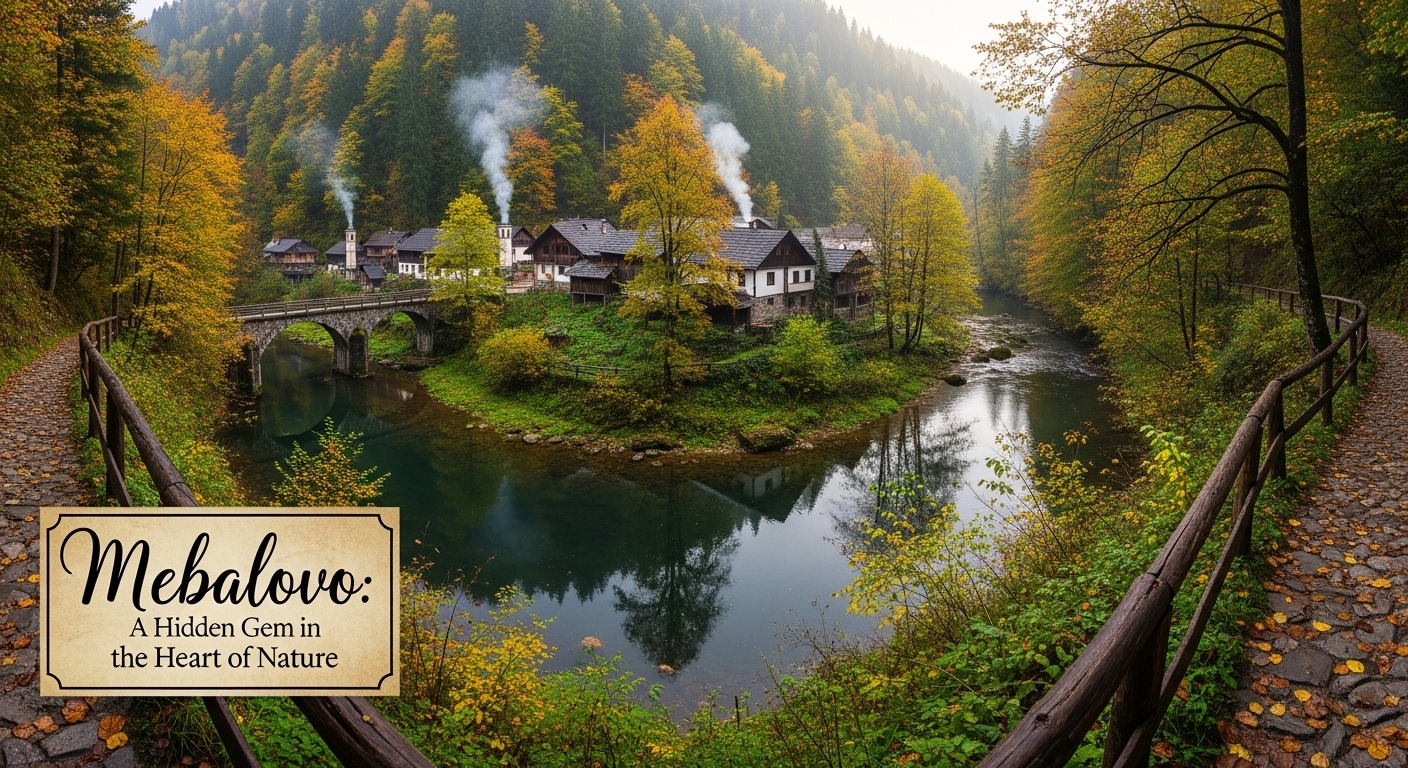
Nestled in the heart of nature lies Mebalovo, a serene village that promises an escape from the hustle and bustle of everyday life. With its lush landscapes and tranquil atmosphere, this hidden gem is perfect for travelers seeking a unique experience. Imagine waking up to the sounds of chirping birds, surrounded by dense forests and sparkling rivers. Mebalovo offers not just stunning scenery but also a rich tapestry of history and culture waiting to be explored.
Whether you’re an adventure seeker or someone looking to unwind, Mebalovo has something for everyone. From breathtaking natural wonders to delicious local cuisine, there’s no shortage of things to see and do here. Join us as we dive into what makes Mebalovo such an enchanting destination worthy of your next getaway.
History and Culture of Mebalovo
Mebalovo is steeped in rich history that dates back centuries. Nestled amidst stunning landscapes, this village reflects the essence of traditional Russian life.
The culture here is a tapestry woven from folklore and local customs. Residents celebrate vibrant festivals, showcasing their heritage through music, dance, and art. Each event brings together families and visitors alike.
Historical architecture dotting the area tells stories of its past. Old wooden houses stand as reminders of craftsmanship passed down through generations.
Local artisans continue to keep traditions alive by creating handmade crafts that embody Mebalovo’s spirit. Visitors can often witness these craftsmen at work, providing a glimpse into the skills honed over many years.
This blend of history and culture makes Mebalovo not just a place to visit but an experience to cherish deeply.
The Natural Wonders of Mebalovo
Mebalovo is a paradise for nature lovers. Its lush forests and rolling hills create a breathtaking landscape that feels untouched by time.
The nearby rivers offer crystal-clear waters perfect for cooling off in summer. Kayaking or fishing here can be a tranquil experience, surrounded by the sounds of chirping birds.
Wildlife enthusiasts will revel in spotting deer, foxes, and an array of colorful birds. The region’s biodiversity makes each visit unique and exciting.
In spring, vibrant wildflowers blanket the meadows, while autumn brings stunning foliage that transforms the scenery into an artist’s canvas. Every season showcases Mebalovo’s charm differently.
Hiking trails wind through this natural wonderland, inviting exploration at every turn. Each path offers hidden viewpoints that reveal panoramic vistas guaranteed to take your breath away.
Activities and Adventures in Mebalovo
Mebalovo is a playground for adventure seekers. The pristine landscapes offer countless opportunities for outdoor activities. Hiking trails wind through lush forests, revealing breathtaking views at every turn.
For those who crave water adventures, the local rivers are perfect for kayaking and fishing. You might even catch a glimpse of native wildlife while paddling along tranquil waters.
Cycling enthusiasts will find scenic routes that cater to all skill levels. Pedaling through charming villages and stunning countryside makes for an unforgettable experience.
In winter, Mebalovo transforms into a snowy wonderland. Skiing and snowboarding draw thrill-seekers to its slopes, while snowshoeing offers a quieter way to explore the beauty of the season.
No matter how you choose to spend your time here, Mebalovo promises exhilarating experiences in nature’s embrace.
Local Cuisine and Delicacies in Mebalovo
Mebalovo offers a delightful culinary experience that reflects its rich culture and traditions. Local markets brim with fresh produce, making it easy to discover regional specialties.
One must-try dish is the hearty mushroom soup, often made with wild mushrooms foraged from nearby forests. The flavors are earthy and comforting.
Another local favorite is “pirozhki,” which are small baked pastries filled with various ingredients like cabbage or meat. They make for perfect snacks during your adventures.
Don’t miss out on kvass, a traditional fermented beverage made from rye bread. It’s refreshing and slightly tangy—ideal after a day of exploring.
Finish your meal with some homemade berry compote, which captures the essence of Mebalovo’s natural bounty. Each bite tells a story of the land’s abundance and warmth.
Accommodations in Mebalovo
Mebalovo offers a variety of accommodations to suit every traveler’s taste. Whether you prefer quaint guesthouses or cozy cabins, this hidden gem has something for everyone.
Nestled amidst nature, many lodgings provide stunning views and easy access to hiking trails. Picture waking up to the sounds of birds chirping and fresh mountain air filling your lungs.
For those seeking a touch of luxury, boutique hotels with modern amenities are available too. Enjoy relaxing spa treatments after a day filled with adventure.
Budget-friendly options also thrive here. Hostels and budget inns welcome backpackers looking for comfort without breaking the bank.
No matter where you stay, warmth and hospitality abound in Mebalovo. The locals take pride in making visitors feel right at home, ensuring an unforgettable experience during your stay.
How to Get to Mebalovo
Reaching Mebalovo is a journey worth taking. Nestled in the heart of nature, this hidden gem is easily accessible from major cities.
If you’re traveling by car, the scenic drive offers beautiful landscapes. The roads are well-maintained and ideal for a leisurely trip. Just follow the signs leading to Tver Oblast; you’ll find yourself surrounded by lush greenery as you approach your destination.
Public transport is another option. Trains and buses frequently connect to nearby towns. From there, local taxis or shuttle services can whisk you straight to Mebalovo.
For those flying in, the nearest airport is located about an hour away. Renting a car at the airport provides additional flexibility for exploring nearby attractions.
Whichever way you choose to travel, be prepared for breathtaking views along the route that make every mile worthwhile.
Why You Should Visit Mebalovo
Mebalovo is a slice of paradise waiting to be discovered. Nestled amidst lush greenery, this quaint village offers an escape from the chaos of city life.
The serene atmosphere invites you to unwind and reconnect with nature. Picture yourself surrounded by towering trees and the gentle sounds of flowing water. It’s a perfect backdrop for relaxation or meditation.
Exploring Mebalovo means uncovering hidden trails that lead to breathtaking vistas. Each path tells its own story, beckoning adventurers to embark on unforgettable journeys.
Local culture thrives here, enriching your travel experience. Engage with friendly locals who are eager to share their traditions and tales.
And let’s not forget about the culinary delights! Savor authentic dishes made from locally sourced ingredients that tantalize your taste buds.
Visiting Mebalovo is not just a trip; it’s an opportunity for self-discovery in one of nature’s untouched havens.
Insider Tips for Exploring Mebalovo
To make the most of your visit to Mebalovo, start early. The mornings here are magical as nature awakens. Sunrise over the hills offers a breathtaking view.
Bring comfortable shoes for exploring trails. The terrain can be uneven, but each step leads to hidden treasures like scenic overlooks and unique rock formations.
Don’t forget your camera. Capture not just landscapes but also local wildlife that may cross your path unexpectedly.
Engage with locals during your stay. They have stories and recommendations that guidebooks often miss.
Try visiting during off-peak seasons if you prefer solitude while soaking in nature’s beauty. Autumn brings vivid colors, while spring showcases blooming wildflowers.
Pack light snacks and water for long hikes; some paths might lead you far from amenities. Keeping hydrated is essential!
Conclusion: Experience the Magic of Mebalovo
Mebalovo is a treasure waiting to be discovered. Its rich history, vibrant culture, and breathtaking natural beauty create an enchanting atmosphere that captivates every visitor. Whether you’re hiking through lush forests or savoring local delicacies, each moment spent in Mebalovo reveals something special.
Adventure enthusiasts will find plenty of activities to engage in, while those seeking tranquility can unwind amid serene landscapes. The welcoming community adds warmth to this hidden gem, making it feel like home away from home.
Travelers are encouraged to explore the diverse offerings of Mebalovo—from its stunning scenery to its delectable cuisine. With comfortable accommodations available for all types of travelers and easy access from nearby cities, there’s no reason not to embark on this journey.
So pack your bags and set out for a magical experience in Mebalovo—a place where nature meets culture in perfect harmony. Discover what makes this destination so unique and unforgettable; it’s time to make memories that will last a lifetime.

Are you on the hunt for an extensive library of Android apps? Look no further than GetAPKMarkets.com, your ultimate destination. This platform offers a treasure trove of applications that can enhance your mobile experience. Whether you’re looking for games, productivity tools, or unique utilities, GetAPKMarkets.com has it all.
Navigating the app landscape can be overwhelming with so many choices out there. That’s where this site shines, simplifying your search and providing safe access to a plethora of options. Curious about how it works and what sets it apart? Let’s dive deeper into GetAPKMarkets.com and explore its features together!
How Does GetAPKMarkets.com Work?
GetAPKMarkets.com operates as an alternative app marketplace for Android users. It provides a platform to download APK files directly, bypassing the traditional Google Play Store.
Users can browse through various categories like games, productivity tools, and entertainment apps. The site offers a search function that makes it easy to find specific applications quickly.
When you select an app, GetAPKMarkets.com presents detailed information about its features and user ratings. This transparency helps users make informed choices before downloading.
Downloading is straightforward; just click on the download button next to the desired app. The file is saved onto your device, ready for installation.
For security reasons, all apps are scanned for malware before being uploaded to the site. This extra layer of protection ensures a safer experience while exploring new software options.
Benefits of Using GetAPKMarkets.com
Using GetAPKMarkets.com opens the door to a vast library of Android applications. Users can explore countless apps that may not be available on traditional app stores.
One significant advantage is access to premium apps for free. Many users enjoy features and functionalities without spending a dime, making it an attractive option for budget-conscious individuals.
Moreover, GetAPKMarkets.com offers faster download speeds compared to many alternatives. This efficiency means less waiting time and more time enjoying your favorite apps.
The platform also prioritizes user experience with an intuitive interface. Navigating through categories or searching for specific titles is seamless and straightforward.
Security is another cornerstone of this site. Regular updates ensure that users receive safe versions of their desired applications, reducing the risk associated with third-party downloads.
Top Features of GetAPKMarkets.com
GetAPKMarkets.com stands out with its extensive library of Android apps. Users can easily find both popular and niche applications, ensuring there’s something for everyone.
The site boasts a user-friendly interface that simplifies the search process. Intuitive navigation allows users to browse categories effortlessly, making app discovery quick and enjoyable.
Another remarkable feature is the regular updates provided for each application. This ensures that users always have access to the latest versions and security patches.
Additionally, GetAPKMarkets.com offers detailed app descriptions along with user reviews. This transparency helps potential downloaders make informed choices before installation.
Downloading apps is straightforward without unnecessary steps or complicated processes. Users appreciate this seamless experience when acquiring their desired applications quickly.
How to Download Apps from GetAPKMarkets.com
Downloading apps from GetAPKMarkets.com is a straightforward process. Start by visiting the website on your Android device. The user-friendly interface allows for easy navigation.
Once you’re on the homepage, you can browse through categories or use the search bar to find specific apps. Each app listing provides essential information and download options.
After selecting an app, tap on the download button. A prompt may appear asking for permission to install applications from unknown sources. Ensure you allow this setting in your device’s security settings.
The app will begin downloading immediately. Once completed, locate it in your downloads folder and tap to install directly onto your device. Follow any additional prompts during installation for a smooth experience.
Enjoy exploring various apps tailored to enhance your Android usage!
User Reviews and Ratings
User reviews and ratings play a crucial role in shaping the reputation of GetAPKMarkets.com. Users share their experiences, providing insights into app quality and safety.
Many praise the vast selection available on the platform. From popular games to niche utilities, users appreciate having access to both well-known titles and hidden gems.
The interface receives favorable mentions too. Navigating through categories is simple, making it easy for users to find what they need quickly.
However, some concerns arise about occasional outdated apps or compatibility issues with specific devices. These reviews serve as warnings for potential downloaders.
User feedback highlights both strengths and areas for improvement at GetAPKMarkets.com. This input not only helps new visitors but also guides developers toward enhancing their offerings on the site.
Alternatives to GetAPKMarkets.com
If you’re exploring options beyond GetAPKMarkets.com, there are several alternatives worth considering.
One popular choice is APKPure. This platform offers a wide variety of apps and games, often featuring the latest versions before they hit Google Play. Its user-friendly interface makes navigation easy.
Another option is Aptoide. It allows developers to upload their own apps, giving users access to unique and niche applications that might not be available elsewhere. Plus, it has a robust community for sharing reviews.
F-Droid stands out as well for those who prioritize open-source software. All apps on this platform are free and trustworthy since they undergo thorough vetting processes.
SlideME can be appealing if you’re looking for an alternative market with competitive app offerings and frequent updates. Each of these platforms provides diverse experiences tailored to different user needs.
Conclusion
GetAPKMarkets.com stands out as a reliable destination for Android app enthusiasts. With its user-friendly interface and extensive library of applications, it caters to a diverse audience looking for both popular titles and hidden gems. The straightforward download process ensures that users can swiftly access their desired apps without unnecessary delays.
The platform’s commitment to safety and regular updates is commendable, ensuring users have the latest features while minimizing risks associated with third-party downloads. User reviews reflect satisfaction with the service, further validating its reputation in the digital marketplace.
While alternatives exist, few match GetAPKMarkets.com’s blend of convenience and security. Whether you’re searching for games or productivity tools, this site offers a comprehensive solution tailored to meet your Android needs.
Exploring GetAPKMarkets.com might just enhance your mobile experience by unlocking a world of possibilities right at your fingertips.

Nestled in a hidden gem of nature, Merfez is the ultimate playground for adventurers and relaxation seekers alike. With its breathtaking landscapes and rich cultural tapestry, this destination invites travelers to explore everything from adrenaline-pumping activities to serene retreats. Whether you’re scaling cliffs or enjoying local delicacies, Merfez has something special waiting for everyone. Get ready to discover how this enchanting locale can elevate your travel experience like never before!
Adventure Activities:
Merfez is a treasure trove for thrill-seekers. The landscape invites adventurers to explore its many trails and hidden gems. Hiking enthusiasts will find routes that cater to all levels, from gentle walks to challenging treks.
For those craving a bit more adrenaline, rock climbing provides the perfect outlet. The rugged cliffs offer diverse terrains, making it an ideal spot for both beginners and seasoned climbers alike.
Don’t miss out on white-water rafting if you’re looking for excitement on the water. Navigate through thrilling rapids while soaking in breathtaking views of nature surrounding you.
Each activity showcases Merfez’s stunning scenery and unique terrain, ensuring every moment spent outdoors is unforgettable. Whether you’re scaling heights or gliding over rivers, adventure awaits at every corner in this captivating destination.
– Hiking
Hiking in Merfez offers a chance to connect deeply with nature. The trails wind through lush forests, alongside sparkling rivers, and up to breathtaking viewpoints. Each step reveals stunning landscapes that change with the seasons.
Whether you’re an experienced hiker or just starting out, there are paths suitable for everyone. The well-marked routes make it easy to navigate while soaking in the beauty around you.
As you hike, keep your eyes peeled for local wildlife. Birds flit between branches, and if you’re lucky, you might spot deer grazing in meadows.
Don’t forget your camera! The views from hilltops are worth capturing.
Make sure to pack plenty of water and snacks as well; you’ll want energy for those uphill climbs. Embrace the fresh air and serenity—hiking here is truly rejuvenating.
– Rock Climbing
Rock climbing in Merfez is an exhilarating experience that draws adventurers from all over. The rugged cliffs and breathtaking landscapes provide the perfect backdrop for both beginners and seasoned climbers.
Imagine scaling a vertical wall, your muscles engaged as you navigate natural holds. Each ascent offers a unique challenge, with routes tailored to various skill levels. Local guides are available, ensuring safety while sharing their expertise.
As you climb higher, the panoramic views of Merfez unfold beneath you. It’s not just about reaching the top; it’s about embracing nature’s beauty along the way.
For those seeking camaraderie, group climbs foster connections among fellow enthusiasts. Sharing stories at base camp after a day on the rocks creates lasting memories.
Merfez’s rock climbing scene is vibrant and inviting—perfect for anyone looking to conquer new heights or simply enjoy an adrenaline rush surrounded by stunning scenery.
– White-water Rafting
White-water rafting in Merfez is an exhilarating way to connect with nature. The region’s rushing rivers carve through stunning landscapes, providing the perfect backdrop for adventure seekers.
Adrenaline junkies will relish the challenge of navigating through rapids. Each turn and drop brings a rush that keeps your heart racing. Whether you’re a novice or experienced rafter, there are routes suitable for everyone.
Expert guides ensure safety while sharing their knowledge of the river’s ecosystem. You’ll learn about local wildlife and the importance of conservation efforts during your thrilling ride.
Afterward, bask in the beauty surrounding you as you share stories with your fellow adventurers. It’s not just about conquering waves; it’s about forging bonds and creating lasting memories amidst Merfez’s breathtaking scenery.
Relaxing Activities:
Merfez offers a serene escape for those seeking relaxation. Picture yourself stretching beneath the warm sun during a yoga retreat, surrounded by nature’s beauty. The gentle sounds of rustling leaves and chirping birds create an ideal atmosphere to unwind.
For true pampering, indulge in spa getaways that feature rejuvenating treatments. Imagine soothing massages and invigorating facials designed to melt away stress.
If you’re craving some beach time, Merfez’s stunning coastline awaits you. Crystal-clear waters beckon for a refreshing dip while golden sands provide the perfect spot for sunbathing or reading your favorite book.
Each activity enhances tranquility, allowing you to reconnect with yourself amidst breathtaking surroundings. Whether it’s through mindful practices or simply soaking up the sun, Merfez ensures every traveler finds their moment of peace.
– Yoga Retreats
Merfez offers a serene backdrop for rejuvenating yoga retreats. Nestled amidst nature, these retreats provide the perfect escape from daily life.
Imagine practicing sun salutations with the sound of waves crashing nearby. The fresh air invigorates your spirit while you stretch your body in harmony with nature.
Experienced instructors guide participants through various styles, catering to all skill levels. Whether you’re a beginner or an advanced yogi, there’s something for everyone.
Workshops often include meditation sessions and breathing techniques that deepen relaxation. You’ll leave feeling centered and refreshed.
Retreats also focus on healthy eating, featuring local cuisine that nourishes both body and mind. Enjoy meals prepared with fresh ingredients sourced from nearby markets.
Each retreat fosters a sense of community among participants as they share their journeys together. The bonds formed here can last far beyond your time spent practicing yoga in this beautiful setting.
– Spa Getaways
Imagine a serene escape where the gentle sound of waves lulls you into relaxation. Merfez offers some of the most rejuvenating spa getaways, perfect for travelers seeking tranquility.
Indulge in luxurious treatments that blend traditional techniques with modern wellness practices. From soothing massages to revitalizing facials, each service is tailored to melt your stress away.
The ambiance plays a crucial role in enhancing your experience. Many spas are nestled near stunning coastlines or lush landscapes, providing an idyllic backdrop for complete relaxation.
Take time to unwind in steam rooms and saunas infused with aromatic oils. These moments not only refresh your body but also cleanse your mind.
Don’t forget to enjoy healthy cuisine during your stay. Nutritious meals complement spa treatments and boost overall well-being while allowing you to savor local flavors effortlessly.
– Beach Trips
Merfez boasts stunning beaches that cater to every kind of traveler. The soft, golden sands invite you to unwind under the sun. Whether you’re looking for a quiet spot or vibrant beach life, Merfez has it all.
Crystal-clear waters offer perfect swimming conditions. You can dive into refreshing waves or simply float and soak up the sun’s rays. For those seeking adventure, numerous water sports await your exploration.
Beach trips in Merfez are also about relaxation. Picture yourself sipping a cocktail while listening to the gentle sound of crashing waves. Beachfront cafes serve delicious local dishes made from fresh ingredients.
As the day winds down, sunsets paint the sky with breathtaking colors. It’s an ideal moment for a romantic stroll along the shore or gathering with friends around a bonfire under starlit skies. The experience is unforgettable and uniquely yours in this coastal paradise.
Cultural Experiences:
Merfez offers rich cultural experiences that will leave you enchanted. Savor the delightful local cuisine, where every bite tells a story. From traditional dishes bursting with flavors to street food delicacies, your taste buds are in for a treat.
Embark on historical tours that unveil Merfez’s past. Walk through ancient streets and visit landmarks steeped in history. Each site has tales of its own, waiting to be discovered by curious travelers like you.
Want to dive deeper into local culture? Join traditional dance classes. Feel the rhythm as you learn dances passed down through generations. It’s an engaging way to connect with locals while having fun.
These experiences create lasting memories and enrich your travel journey in Merfez. Whether you’re indulging in delicious meals or dancing under the stars, each moment adds a unique touch to your adventure.
– Local Cuisine Tasting
Merfez is a treasure trove for food lovers. The local cuisine offers a delightful mix of flavors and traditions that reflect the region’s rich cultural heritage.
As you wander through bustling markets, you’ll be greeted by the aroma of spices and freshly cooked dishes. Street vendors serve up popular snacks like savory pastries filled with cheese or spiced meats.
Don’t miss out on trying traditional meals at family-run restaurants. Many places pride themselves on using locally sourced ingredients to create authentic recipes handed down through generations.
Pair your meal with regional wines or herbal teas to enhance the experience further. Each sip tells its own story, connecting you to Merfez’s vibrant community.
For an immersive experience, consider joining a cooking class. You’ll learn how to prepare beloved dishes while sharing stories with locals who are passionate about their culinary roots.
– Historical Tours
Exploring Merfez through its historical tours offers a glimpse into the rich tapestry of its past. Each corner is steeped in stories waiting to be uncovered.
Wander through ancient ruins that whisper tales of civilizations long gone. Local guides, often descendants of those who lived here, share insights that bring history alive.
Visit museums filled with artifacts showcasing the region’s cultural heritage. These treasures reveal the artistry and craftsmanship unique to Merfez.
Every tour provides an opportunity to connect with local traditions and practices rooted in centuries-old customs. You might even stumble upon hidden gems—small villages where time seems to stand still.
Historical tours not only educate but also inspire a deeper appreciation for this vibrant destination. They invite travelers to see beyond mere sights and engage with the essence of Merfez’s identity.
– Traditional Dance Classes
Immerse yourself in the vibrant culture of Merfez through traditional dance classes. These classes offer a unique opportunity to connect with local customs while having fun.
With expert instructors guiding you, you’ll learn movements that are steeped in history and tradition. Whether you’re a beginner or have some experience, there’s something for everyone.
Feel the rhythm as you sway to lively music that tells stories of the region’s past. Each step is not just about movement; it’s an expression of heritage and community.
As you dance alongside locals, you’ll build lasting connections. Share laughter, joy, and perhaps even discover your own hidden talents along the way.
Dancing here isn’t merely an activity; it’s an invitation to be part of something bigger—a celebration of life in beautiful Merfez.
Choosing the Right Activity for You
Choosing the right activity in Merfez can be thrilling yet overwhelming. The diverse options cater to various interests and energy levels.
Start by assessing your personal preferences. Are you an adrenaline junkie or someone who seeks tranquility? Knowing what excites you helps narrow down choices.
Consider your physical fitness, too. Hiking might suit those who enjoy nature walks, while rock climbing demands a bit more stamina and strength.
If relaxation is what you crave, explore yoga retreats or spa getaways for rejuvenation after adventurous days.
Don’t shy away from mixing experiences either. A cultural tour followed by beach time could provide a fulfilling day that captures the essence of Merfez.
By aligning activities with your mood and desires, every moment spent here will become memorable magic waiting to unfold.
Budget-Friendly Options
Traveling to Merfez doesn’t have to break the bank. There are plenty of budget-friendly options that allow you to explore without overspending.
Consider local eateries instead of fancy restaurants. You can enjoy authentic cuisine at a fraction of the cost. Street food is not only affordable but also offers a taste of true Merfez culture.
Public transportation is another economical choice for getting around. Buses and shared taxis efficiently connect you with popular attractions while keeping your expenses low.
For accommodations, look into hostels or guesthouses where you can meet fellow travelers and share experiences. Many offer communal kitchens, allowing you to save by preparing meals.
Take advantage of free activities like hiking trails and scenic beaches. Nature exploration provides unforgettable memories without any price tag attached.
Conclusion: Making the Most of Your Travel Experience with
Merfez offers a unique blend of adventure, relaxation, and cultural experiences that cater to every type of traveler. Whether you’re scaling cliffs or soaking in the serene atmosphere during a yoga retreat, there’s something here for everyone.
When planning your trip, consider what activities resonate with you. If adrenaline is your thing, opt for hiking or white-water rafting. For those looking to unwind, spa getaways and beach trips are perfect choices. Don’t miss out on diving into local cuisine and exploring historical sites; these experiences add depth to any travel journey.
Budget travelers will find plenty of options as well. Many activities can be enjoyed without breaking the bank, allowing you to fully immerse yourself in all that Merfez has to offer.
Traveling is about creating memories. Make each moment count by choosing experiences that speak to you personally. Embrace everything from exhilarating adventures to tranquil retreats—it’s all waiting for you in Merfez!
-

 BLOG8 months ago
hanime1: The Ultimate Destination for Anime Lovers
-

 ENTERTAINMENT10 months ago
Sflix: How It’s Changing the Way We Watch Movies and TV Shows
-

 ENTERTAINMENT9 months ago
Crackstreams 2.0: The Future of Free Sports Streaming?
-

 BILLS10 months ago
Why Does My Instagram Reel Stop Getting Views After One Hour? How to Fix It?
-

 BLOG9 months ago
Imginn: The Ultimate Tool to View Instagram Content Anonymously
-

 Technology11 months ago
Simpcitt: The Rise of a Unique Online Community
-

 80s11 months ago
Favorite 100 Songs of the 80s: (#1) Michael Jackson – Billie Jean
-

 BLOG10 months ago
NHentai.nef: Understanding the Popular Hentai Archive