
Lifestyle
Backyard BBQ Food Ideas That Impress a Crowd

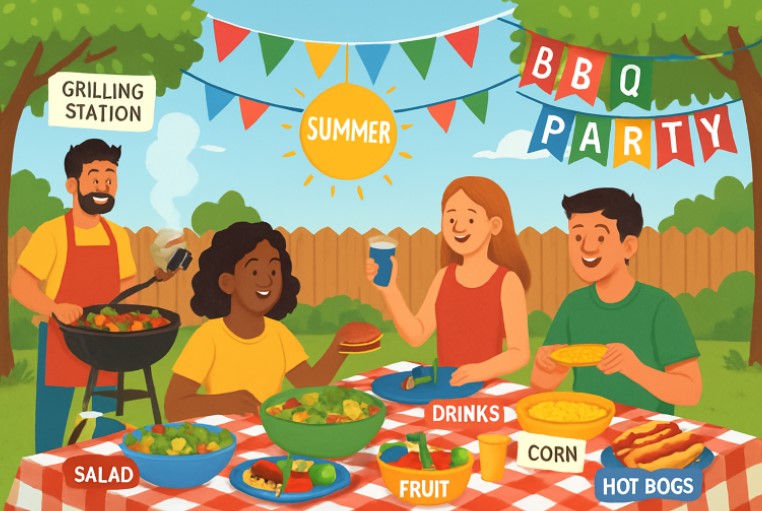
There is something undeniably special about gathering friends and family in your backyard, firing up the grill, and serving a spread of mouthwatering dishes that spark conversation and laughter. Whether you are a seasoned grill master or just getting started, curating the right menu is essential for creating a memorable occasion. When planning your next backyard barbecue, consider drawing inspiration from BBQ Brothers, known for their innovative yet crowd-pleasing recipes that turn any gathering into a standout event.
Impressing a crowd does not mean you have to stick with the classics. By mixing up textures, flavors, and ingredients, you can ensure there is something for everyone at the table. Offer an assortment of meats, sides, and refreshing drinks, and include dishes that cater to various dietary preferences to delight every guest. Get creative with your BBQ food ideas and let your cooking skills shine for an unforgettable summer get-together.
Preparing a balanced menu with both make-ahead and quick-grill items can take the pressure off when entertaining large groups. Start with crowd-pleasing appetizers and end on a sweet note; the key is variety, color, and a little bit of fun in every dish. With thoughtful planning and a touch of flair, your backyard BBQ can become the neighborhood event everyone looks forward to each summer.
For tips on getting the most out of your grill and keeping your BBQ healthy, consider checking resources like Food Network’s grilling guide. Insightful tips from culinary experts can help make your barbecue both delicious and nutritious.
Appetizers to Kickstart the Feast
First impressions matter, especially when it comes to hosting. Start your BBQ with a colorful 7-layer dip. Layer refried beans, guacamole, sour cream, shredded cheese, diced tomatoes, green onions, and black olives for a crowd-pleasing appetizer that sets a festive tone. Serve with tortilla chips and offer small plates so guests can grab a bite and mingle with ease.
For a grilled twist on appetizers, try skewers of marinated vegetables or cubes of cheese and summer sausage. Roasting them on the grill intensifies their flavor and adds a touch of smokiness, enticing everyone to taste what is to come.
Main Courses That Steal the Show
The heart of any BBQ is, of course, the main courses sizzling on the grill. Variety is crucial, so go beyond classic burgers and sausages. For a signature dish, serve grilled pork chops topped with a homemade pineapple salsa. This sweet-and-savory pairing balances the smoky notes of grilled pork with bright, zesty flavors, ensuring your guests come back for seconds.
Do not forget your vegetarian guests. Consider adding portobello mushroom caps stuffed with herbed goat cheese or black bean burgers spiced with cumin and chili powder. With options like these, everyone leaves the table satisfied, regardless of dietary preference. Need more inspiration? The BBQ recipes guide at Bon Appétit is an excellent resource for experimenting with new marinades and techniques to elevate your grilling game.
Side Dishes to Complement the Grill
Balanced plates make for happy guests, and the right side dishes are just as crucial as your mains. A classic pasta salad made with crisp vegetables, vibrant herbs, feta cheese, and a tangy vinaigrette brings freshness and color to your spread. Pasta salads are also ideal for advanced prep, making day-of organizing much simpler.
Other favorites include grilled corn salad tossed with smoky paprika, cotija cheese, and fresh cilantro, or a tray of roasted fingerling potatoes brushed with olive oil and rosemary. Sides like these appeal to a wide range of tastes and add both flavor and texture to the meal.
Desserts to Sweeten the Deal
Summer barbecues call for light yet indulgent desserts. Lemon bars are an excellent choice, featuring a creamy and tart lemon filling on a crumbly, buttery base. They are gluten-free for those with dietary restrictions and refreshing enough to enjoy even on the hottest days. Cut into bite-sized portions, they make the perfect grab-and-go dessert.
If you have a bit more time, grilled fruit (such as peaches or pineapple) can be served with a scoop of vanilla ice cream or a dollop of whipped cream. Caramelization brings out the fruit’s natural sweetness, creating a decadent, simple treat everyone will love.
Refreshing Beverages to Quench Thirst
No BBQ is complete without a lineup of cold beverages. For adults, mix up a bourbon and peach cocktail. Combine juicy peaches muddled with bourbon, top with ginger ale and a sprig of fresh mint, and you have a drink that is just as conversation-worthy as your menu. For something alcohol-free, infuse iced water with citrus slices, cucumber, and herbs for a refreshing and hydrating twist.
By balancing classic staples with inventive new recipes and providing a variety of dishes, your backyard BBQ will impress every guest and become the talk of the neighborhood. With a bit of planning and creativity, you can host an outdoor feast that embodies summer and leaves everyone eager for your next get-together.
Every summer, key pieces emerge as favorites in the world of fashion, and tank tops are consistently among them. These practical tops deliver exceptional comfort and endless styling opportunities, working for everything from casual daywear to more intentional, elevated outfits. Whether you are dressing for work-from-home comfort or prepping for a weekend adventure, tank tops offer adaptability and breathability. If you want to explore different ways to style, shop, and maximize your women’s tank tops, there are plenty of creative options to consider.
In recent years, tank tops have become even more popular as trends evolve and comfort-driven fashion gains renewed prominence. With countless variations available, including ribbed, halter, cropped, and classic cuts, finding a style that enhances your wardrobe is easier than ever. Knowing how to style these tops for different occasions will help you feel polished, confident, and ready for whatever summer brings.
Another compelling benefit of tank tops is their ease of transition between day and night. For instance, a simple outfit can move from brunch to evening outings with only a few styling tweaks. Add a bright jacket, switch casual sandals for heels, and introduce statement jewelry to make your look evening-ready. Experimenting with details like texture, print, and color can help you showcase your individuality in your summer essentials.
To tailor your seasonal wardrobe for both versatility and style, start by building a collection of tank tops in a variety of fits and materials. Opt for staple colors like white, black, and earth tones as well as some bolder, trend-driven choices. Thoughtfully layering and accessorizing will give these classic pieces a fresh, modern feel while keeping you comfortable in the hottest months.
Classic Pairings
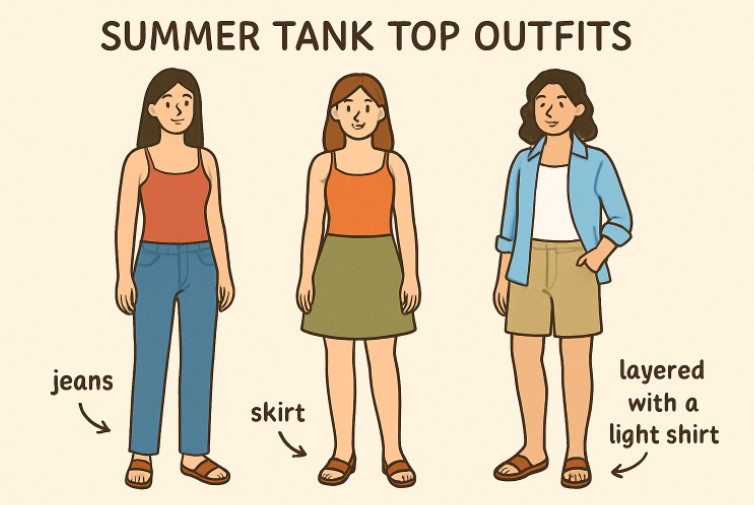
Pairing a tank top with denim is a timeless approach that never loses its appeal. A white tank tucked into high-waisted jeans, paired with a tan leather belt and open-toed sandals, creates a breezy look ideal for busy summer days. Blue or black denim shorts paired with a neutral tank are also effortlessly chic and practical for outdoor activities. For a refined yet relaxed look, knot your tank at the waist and add simple gold jewelry. This accessory choice lends a bit of polish without feeling overdone.
Beyond denim, tank tops also work beautifully with casual skirts. Try a fitted tank with a midi-length slip skirt for a feminine silhouette, or combine a loose, cropped tank with a flowy maxi skirt for ultimate comfort. Pleated skirts and structured cotton shorts can also serve as excellent companions to a well-fitted tank, offering a variety of textures and shapes for experimentation. According to Harper’s Bazaar, mixing casual and elevated pieces is a key summer styling trend, and tank tops are ideal for this purpose.
Layering Techniques
Tanks can be worn on their own during peak summer heat, but layering opens up additional styling possibilities. A lightweight, unbuttoned linen shirt layered over a ribbed or classic tank offers an easy solution for cooler mornings or breezy evenings. Oversized button-downs in pastel shades add softness, while structured blazers introduce a more tailored feel suitable for meetings or dinner dates. Layering also provides a beautiful way to play with color, think a popsicle-hued tank layered beneath a crisp white or light blue shirt.
During transitional seasons, swap out shirts for lightweight cardigans or cropped jackets. Try layering a cropped denim jacket over a fitted tank for casual weekends. Alternatively, a long, open-front cardigan in a neutral color instantly makes any tank appropriate for chilly offices or early fall days. For a more polished effect, a tailored vest can double as outerwear or serve as a bold fashion statement over a basic tank.
Trend Spotlight: Halter Tops
Halter tops are back in a big way, inspired by early-2000s nostalgia and updated for today’s fashion-forward wardrobes. Characterized by a sleeveless cut and a graceful neckline that highlights the shoulders, halter tanks feel airy and fun on warm days. Pair a bright halter with linen shorts for a beach-ready look, or style a neutral, ribbed halter with a flowing maxi skirt for evening gatherings. According to Vogue fashion editors, halter necks are a prominent trend for those seeking a blend of vintage style and contemporary flair.
For a modern twist, consider halter tanks with subtle patterns, bold colors, or unique textures. Metallic accents, ruching, and cropped silhouettes are fresh updates that make the classic halter even more appealing for summer events. The open neckline looks especially striking with layered necklaces, while the cut keeps you cool on the hottest days.
Choosing the Right Fit
Finding a flattering tank is all about balancing comfort and silhouette. Ribbed tanks, which offer structure through fitted lines, are exceptionally versatile for all body shapes. If you prefer looser fits, opt for flowy tanks with adjustable straps and lightweight fabrics; they provide plenty of airflow and look great half-tucked into shorts or skirts.
Petite individuals may want to try cropped or shorter tanks to elongate the legs, while those with athletic builds might gravitate toward racerback or halter styles to showcase shoulders. A square neckline can flatter most shapes, offering support and elegance. As you shop, pay attention to fabric quality; natural materials like cotton and modal are breathable and durable, ensuring all-day comfort.
Accessorizing Your Look
The right accessories can instantly elevate a tank top outfit. Chunky necklaces, gold hoops, and stacked rings draw the eye and infuse your look with personality. Thin silk scarves, tied as headbands or casually draped around the neck, add a hint of retro style.
For more definition, accentuate your waist with a wide belt, or add a bucket hat for sun protection and street-style appeal. Recently, tote bags and minimalist sneakers have become popular companions for tank ensembles, keeping the overall vibe chic yet relaxed. Small, intentional accessory choices can make a basic tank feel trendy and personal to you.
Seasonal Transitions
Tank tops are not just for heat waves; they can serve as foundational layering pieces in early fall and spring. Pair your favorite tank with a knitted cardigan in September or style it under a plaid shacket for casual outings once temperatures dip. High-rise jeans and wide-leg trousers look particularly polished with a tucked-in tank, while boots or loafers complete the transition from summer to autumn. Layering your tank beneath lightweight sweaters also allows you to adapt easily to temperature changes throughout the day.
By mixing textures, such as combining a soft cotton tank with a chunky wool cardigan, you can create interest in your outfit while remaining comfortable. For even more seasonal flexibility, stock up on tanks in both lighter and heavier materials so you are prepared as the weather evolves.
Conclusion
Whether you are reinventing your warm-weather wardrobe or just seeking effortless style solutions, women’s tank tops are a reliable, versatile option. Their adaptability, comfort, and endless potential for new pairings make them a wise investment for any season. By selecting the right fits, embracing current trends like halter cuts, and experimenting with accessories and layers, you can create stylish outfits that reflect your personality. Keep your collection fresh and never underestimate the style power of a classic tank top.

Have you ever been pulled into a work meeting that went sideways and wondered who was supposed to prevent this mess in the first place? Human Resources sits quietly behind many of today’s workplace debates, from remote work rules to layoffs announced on video calls. In this blog, we will share what to know before choosing HR as a career and how the role has shifted in real, sometimes awkward ways.
How HR Changed When Work Changed
Human Resources used to live in the background, handling paperwork, benefits forms, and quiet disputes that never reached the wider team. That image broke down fast once work moved into homes, kitchens, and spare bedrooms. The rise of remote and hybrid work turned HR into a daily presence instead of a once-a-year performance review reminder.
Recent years forced HR teams to manage hiring across time zones, rewrite policies overnight, and respond to employee stress in ways few textbooks prepared them for. Mental health conversations entered staff meetings, while questions about fairness, flexibility, and burnout landed directly on HR desks. Choosing this career now means stepping into a role shaped by social change rather than routine process.
Education Paths and Career Entry Points
Education choices matter in HR because the field blends people skills with business knowledge. Some professionals start with general business degrees, while others focus early on management, psychology, or labor relations. What matters most is understanding how organizations function and how people react under pressure.
Many professionals later pursue advanced study such as an online MBA in HR to deepen their understanding of strategy, leadership, and organizational behavior. Programs connected to places like William Paterson University’s Cotsakos College of Business often emphasize applied learning, which helps students connect theory with real workplace challenges. This type of education supports career growth into roles that influence company direction rather than staying limited to administrative tasks.
Before choosing a program, review course focus, internship options, and alumni outcomes. HR careers reward practical exposure just as much as credentials, so look for paths that balance both rather than leaning too heavily on theory alone.
The Real Work Behind the Job Title
HR work rarely looks like what movies or social media suggest. Instead of dramatic firings or feel-good team events, most days involve problem-solving that sits in gray areas. One hour may involve guiding a manager through a tough performance talk, while the next requires reviewing policy language to avoid legal trouble.
The irony is that HR often serves both the company and its employees at the same time, which can create tension. You may advocate for fairness while also enforcing rules that frustrate people you respect. Those who thrive accept that discomfort as part of the role rather than a failure of it.
Job Stability and Market Demand
HR roles tend to follow hiring cycles, which means demand rises when companies grow and tightens during downturns. Yet even during layoffs, HR remains essential. Someone must manage transitions, compliance, and communication when emotions run high.
Certain HR specialties offer stronger stability than others. Compliance, employee relations, and compensation analysis often stay in demand because they protect organizations from costly mistakes. Researching which roles grow in your region can guide smarter career moves rather than relying on broad job titles alone.
Emotional Intelligence and Boundaries
Working in HR requires emotional awareness paired with firm boundaries. Employees may share personal struggles, workplace conflicts, or career fears that carry real weight. Listening matters, yet absorbing every issue can lead to burnout fast.
Strong HR professionals learn how to support without overpromising and how to stay calm when others feel upset. This balance takes practice, not personality alone. If you already manage stress well and communicate clearly under pressure, those skills transfer directly into this field.
Pay, Growth, and Long-Term Outlook
HR salaries vary widely depending on role, experience, and location. Entry-level positions may start modestly, but advancement can be steady with the right mix of education and experience. Leadership roles often involve policy design, workforce planning, and executive advising, which raise both responsibility and pay.
Debt planning matters here. Compare education costs with realistic salary ranges rather than ideal outcomes. Some employers offer tuition support or certification funding, which can reduce personal risk if you plan ahead.
Social Impact and Ethical Weight
HR operates at the center of workplace ethics. Decisions about hiring, discipline, and termination shape company culture in real ways. Recent public conversations about equity, inclusion, and transparency increased expectations for HR teams to act with consistency and care.
This responsibility can feel heavy, yet it also gives the work meaning. You influence how people experience their jobs, whether policies feel fair, and whether voices are heard. That influence attracts many professionals who want impact without working directly in sales or production roles.

Fatigue can be a result of numerous factors, but poor nutrition may be the culprit. Whether you’re feeling sluggish during the day or struggling to get through your tasks, what you eat can impact your energy levels. When you incorporate specific daily nutrition habits, you can alleviate feelings of fatigue and stay energized throughout the day.
Start Your Day with a Balanced Breakfast
Breakfast is referred to as the most important meal of the day, and for good reason. The food you choose to break your fast after a night of rest has a direct impact on your energy levels. A well-balanced breakfast should include a combination of protein, healthy fats, and complex carbohydrates.
Protein builds and repairs tissues, and healthy fats provide a steady source of energy. Complex carbohydrates provide fiber and steady glucose release. A breakfast like oatmeal with chia seeds, a handful of berries, and a dollop of almond butter can provide a great balance of these macronutrients. For those who prefer something savory, eggs with avocado and whole-grain toast offer an excellent mix of fats, protein, and fiber to keep you energized well into the morning.
Explore Alternative Habits
Some people turn to alternative options to manage fatigue. An option gaining popularity is cannabis. Known for its relaxing and stress-relieving properties, Carbon Fiber cannabis strains may promote relaxation and alleviate the mental fatigue that accompanies physical tiredness. Approach these alternatives with caution.
The effects of cannabis can vary from person to person. If you’re using this alternative to address fatigue or any other health concerns, consult a healthcare provider before incorporating cannabis into your routine.
Stay Hydrated
Even mild dehydration can cause tiredness, sluggishness, and difficulty concentrating. The human body is made up of approximately 60% water, and maintaining proper hydration will guarantee optimal energy production. Water transports nutrients to cells, regulates body temperature, and facilitates metabolic processes that convert food into energy.
Drink at least 8 glasses of water per day, and more if you’re physically active or live in a hot climate. Incorporate hydrating foods into your meals, including cucumbers, watermelon, and leafy greens. For an extra boost, add a pinch of sea salt to your water to maintain electrolyte balance.
Consume Healthy Fats for Sustained Energy
Healthy fats maintain long-lasting energy throughout the day. Unlike quick-digesting carbohydrates, which can cause blood sugar levels to spike and crash, healthy fats are absorbed slowly, providing a steady source of fuel.
Incorporating sources of healthy fats present in avocados, nuts, seeds, and fatty fish like salmon can help prevent energy dips during the day. These fats fuel your body and support brain function and heart health. Adding a tablespoon of flaxseed to your morning smoothie or enjoying a handful of almonds as a snack can provide that necessary energy boost.
Eat Small, Frequent Meals
Instead of relying on three large meals to get through the day, eat smaller, more frequent meals throughout the day. This strategy can keep your blood sugar stable and prevent those post-meal energy slumps. When you eat large meals, your body has to work harder to digest the food, which can leave you feeling sluggish and tired.
Aim for smaller, balanced meals every 3-4 hours. A mid-morning snack of Greek yogurt with a few walnuts and some sliced banana can provide the right mix of protein, healthy fats, and carbohydrates, keeping you energized and preventing blood sugar spikes and crashes.
Limit Processed Foods and Sugars
Processed foods and sugary snacks may seem like a quick fix for a burst of energy, yet they can cause a dramatic crash in energy levels. These foods are stripped of essential nutrients and contain refined sugars and unhealthy fats that can cause blood sugar levels to spike, followed by a rapid drop, leaving you feeling more fatigued than before.
Chronic consumption of processed foods can contribute to inflammation and nutrient deficiencies, both of which can exacerbate fatigue. Opt for whole foods like fruits, vegetables, whole grains, and lean proteins, which provide a steady and sustained release of energy. Swapping out a sugary granola bar for an apple and a handful of almonds can give you a much more balanced energy boost.
Monitor Caffeine Intake
Caffeine can provide a quick energy boost, but it can result in dependency and disrupt your sleep patterns if consumed in excess. Overconsumption of caffeine can cause energy crashes when its effects wear off, and if you drink caffeine too late in the day, it can interfere with your ability to get restful sleep.
Limit your caffeine intake to one or two cups of coffee or tea per day and avoid caffeine after mid-afternoon to prevent it from impacting your sleep. If you find that you’re relying on caffeine to stay awake throughout the day, adjust your diet and sleep habits to support more natural energy.

Fatigue stems from inadequate nutrition. With a few simple daily nutrition habits, you can lower tiredness and improve your energy levels. From hydrating properly and eating nutrient-dense meals to incorporating healthy fats and proteins into your diet, the right foods can fuel your body and help you stay energized throughout the day.
-

 Blog6 months ago
hanime1: The Ultimate Destination for Anime Lovers
-

 Entertainment8 months ago
Sflix: How It’s Changing the Way We Watch Movies and TV Shows
-

 Entertainment7 months ago
Crackstreams 2.0: The Future of Free Sports Streaming?
-

 Bills9 months ago
Why Does My Instagram Reel Stop Getting Views After One Hour? How to Fix It?
-

 Technology9 months ago
Simpcitt: The Rise of a Unique Online Community
-

 80s9 months ago
Favorite 100 Songs of the 80s: (#1) Michael Jackson – Billie Jean
-

 Blog7 months ago
Imginn: The Ultimate Tool to View Instagram Content Anonymously
-

 Blog9 months ago
Simpcitu: The New Age Trend Shaping Online Interactions