
BLOG
The Best Darksaber in Star Wars: Legacy, Power, and the Wielder’s Burden


Among the countless legendary weapons in the Star Wars universe, none carry the same weight of history, politics, and power as the Darksaber. Unlike standard lightsabers, the Darksaber is not just a weapon—it is a symbol of leadership among the Mandalorian people, a mark of conquest, and a representation of the delicate balance between honor and domination.
Crafted in ancient times, the Darksaber is the only one of its kind. No other saber in the galaxy looks—or feels—like it. But over time, various warriors, leaders, and Force wielders have claimed the blade. Each added a new chapter to its myth. The question is often asked among fans: What is the best version of the Darksaber? Is it the original wielded by Tarre Vizsla? Or the one reforged in rebellion during The Mandalorian?
This article explores the full history of the Darksaber, the warriors who wielded it, the technological uniqueness of the blade, and why its latest appearance may be the most powerful and meaningful version yet.
What Is the Darksaber?
The Darksaber is an ancient, one-of-a-kind lightsaber with a flat, black blade edged in white plasma. It was created by Tarre Vizsla, the first—and only—Mandalorian ever inducted into the Jedi Order. Unlike traditional lightsabers, the Darksaber features a distinct angular hilt made of beskar and a shorter, katana-style blade.
The Darksaber is more than a tool of war. It’s a symbol of rulership over Mandalore. Traditionally, the one who possesses the blade by winning it in combat holds the right to lead the Mandalorian people. This has made the Darksaber both a political icon and a source of endless conflict.
Design and Functionality
Unlike any other lightsaber, the Darksaber behaves uniquely:
- Color: Black core with white plasma edge; completely unique in the galaxy.
- Sound: Emits a higher-pitched hum, almost electric or unstable.
- Blade Shape: Flat, similar to a sword or machete, with a sharpened appearance.
- Weight: Heavier than standard lightsabers—its weight responds to the user’s connection to the blade.
- Power Source: Powered by a Kyber crystal like all sabers, but deeply attuned to Mandalorian heritage and its wielder’s will.
- Combat Feedback: Emits sparks and vibrations that increase with emotional intensity or resistance from the user.
The blade becomes heavier if wielded without proper focus or acceptance. This unique characteristic makes mastery of the Darksaber not just physical, but psychological.
Notable Wielders of the Darksaber
The legacy of the Darksaber is defined by the individuals who have carried it—and the battles they fought to earn it.
Tarre Vizsla
Color: Black
Number of Lightsabers: 1 (Darksaber)
Era: Old Republic
The original creator of the Darksaber. A Mandalorian Jedi Knight, Tarre bridged two worlds long at odds—Jedi and Mandalorian. After his death, the Jedi kept the saber in the Jedi Temple until it was stolen by House Vizsla. Tarre’s legacy established the blade as a symbol of Mandalorian leadership.
Pre Vizsla (Voiced by Jon Favreau)
Color: Black
Number of Lightsabers: 1
Era: Clone Wars
Leader of Death Watch, a Mandalorian faction. Pre Vizsla used the Darksaber to reclaim his warrior heritage and attempt to rule Mandalore through fear and strength. Fought both Obi-Wan Kenobi and Darth Maul. Ultimately defeated by Maul, losing the blade—and his life.
Darth Maul (Portrayed by Ray Park, Voiced by Sam Witwer)
Color: Black
Number of Lightsabers: 2 (Darksaber + Red saber)
Era: Clone Wars / Rebels
After killing Pre Vizsla in single combat, Maul claimed the Darksaber and united Mandalore under his rule. Though a non-Mandalorian, Maul used the saber as a symbol of dominance. Later lost it during his exile and never reclaimed it.
Sabine Wren (Voiced by Tiya Sircar, Portrayed by Natasha Liu Bordizzo)
Color: Black
Number of Lightsabers: 1
Era: Star Wars Rebels
A Mandalorian warrior and artist, Sabine discovered the Darksaber in Maul’s lair on Dathomir. Trained with it under Kanan Jarrus and eventually gifted it to Bo-Katan Kryze, believing she was the rightful leader of Mandalore. Sabine’s bond with the saber was based on honor, not conquest.
Bo-Katan Kryze (Voiced by Katee Sackhoff, Portrayed by Katee Sackhoff)
Color: Black
Number of Lightsabers: 1
Era: Clone Wars / Rebels / The Mandalorian
A noble warrior and sister of Duchess Satine, Bo-Katan accepted the Darksaber from Sabine Wren without combat. Many Mandalorians rejected her claim due to this, causing division. She later tried to reclaim it from Moff Gideon, but again failed to win it in combat—until Din Djarin later offered it to her once more, under complex circumstances.
Moff Gideon (Portrayed by Giancarlo Esposito)
Color: Black
Number of Lightsabers: 1
Era: The Mandalorian
An Imperial warlord who somehow obtained the Darksaber after the fall of Mandalore. Wielded it with brutal efficiency, using it to maintain control over the remnants of the Empire. Lost the blade in combat to Din Djarin.
Din Djarin (Portrayed by Pedro Pascal)
Color: Black
Number of Lightsabers: 1
Era: The Mandalorian
Defeated Moff Gideon in combat and unintentionally became the rightful wielder of the Darksaber. Struggled with the blade’s weight and alignment due to lack of Force sensitivity and inner conflict. Ultimately relinquished the saber to Bo-Katan in a moment of sacrifice and leadership, showing that true strength lies in intention, not domination.
The Best Version of the Darksaber: Which Era Reigns Supreme?
Now to the big question: What is the best version of the Darksaber? Each wielder brought something unique to the blade, but several versions stand out:
Tarre Vizsla’s Original Darksaber
- Best for Lore and Legacy
- The only lightsaber made by a Mandalorian Jedi
- Represents unity between Jedi discipline and Mandalorian warrior spirit
- Set the foundation for everything that followed
Maul’s Darksaber
- Best for Power and Fear
- Used to dominate Mandalore and command the criminal underworld
- Wielded with dual sabers, making Maul an unstoppable force
- Feared and respected even by Mandalorians
Sabine Wren’s Darksaber
- Best for Growth and Redemption
- Showed the burden of leadership and personal transformation
- Her training arc with the saber was one of the best in Star Wars Rebels
- Proved that you don’t need the Force to master the blade—you need conviction
Din Djarin’s Darksaber
- Best for Emotional Impact
- Highlighted the difficulty of wielding a weapon not meant for you
- Showed respect for Mandalorian customs despite being an outsider
- His decision to give up the blade represented the true strength of character
Bo-Katan’s Final Darksaber
- Best for Restoration of Mandalore
- Won back not by combat, but by honor and rightful leadership
- Symbolized the hope for Mandalorian unity after generations of war
- Her control of the saber brought the Mandalorian people together at last
Darksaber Custom Builds in Modern Fandom
Today, saber builders and fans can own realistic replicas of the Darksaber with advanced features:
- Flat Neopixel blades for screen-accurate black core and white glow
- Unique sound fonts replicating the Darksaber’s crackling hum
- Custom hilt designs inspired by Tarre Vizsla or Moff Gideon’s versions
- Blade styles that simulate unstable plasma edges and power surges
- Heavy-grade builds for cosplay or choreography
Whether on display or in action, these replicas allow fans to feel the weight—and history—of one of Star Wars’ most legendary weapons.
Legacy of the Darksaber in Star Wars
The Darksaber is not just another blade. It’s a beacon. A curse. A test. It has passed from Jedi to Sith, from warlords to rebels, from champions to outsiders. Each time, it has revealed the heart of its wielder—whether they were consumed by the need to rule, or empowered by the will to serve.
What makes the best Darksaber isn’t the color, the power, or the origin. It’s the story behind it.
And that story continues to evolve—blade by blade, battle by battle.
Who will wield it next?
Only the Force knows

Cocaine does not fit the picture most people carry of addiction. There is often no daily physical dependence that forces use every morning, no obvious withdrawal syndrome that lands someone in a hospital bed, and no steady decline that a family can watch progress week by week. Someone can use heavily on weekends, hold a demanding job, show up to everything, and look entirely fine in every photograph. That is exactly what makes it hard to catch. The pattern hides inside a functional life, and by the time it is unmistakable, it has usually been running for a long time.
The signs are there earlier, but they are quieter and easier to explain away than the ones people are watching for. Clinicians providing addiction treatment in Austin, Texas and elsewhere routinely meet families who spent a year attributing the mood swings to work stress and the disappearing money to bad luck. Knowing what stimulant use actually looks like from the outside shortens that year considerably.
What Cocaine Is Doing in the Brain
Cocaine works by flooding the brain with dopamine, producing intense pleasure and euphoria. The reward is immediate and powerful, which is precisely the problem: the brain registers the experience as worth repeating and begins adjusting to expect it. Tolerance builds, so the same amount produces less, and use escalates to chase the original effect. According to the National Institute on Drug Abuse, addiction is a chronic, relapsing brain disorder characterized by compulsive drug seeking and use despite harmful consequences, involving changes in the brain’s reward, stress, and self-control circuits.
That framing matters for families, because it explains why the person seems to be choosing something that is clearly hurting them. What looks like a decision made over and over is a reward system that has been recalibrated.
The Signs That Show Up First
Stimulant use tends to announce itself through mood and pattern rather than through obvious intoxication.
Mood and Behavior
Irritability and extreme mood swings are among the most reliable early indicators. The swings often follow a rhythm: unusually energetic, confident, and talkative for a stretch, then flat, exhausted, and short-tempered afterward. Sleep collapses in both directions, with long stretches awake followed by extended crashes. Social withdrawal from family and friends is common, and it is frequently mistaken for depression or a busy season at work.
Physical Signs
Appetite drops, sometimes dramatically, and weight can follow. Nosebleeds, frequent sniffing, or a persistent runny nose show up with intranasal use. There may be a sudden shift in appearance overall, whether that is neglected grooming, a noticeably worn look, or restlessness and jitteriness that was not there before. Complaints of a racing heart, chest discomfort, or headaches deserve immediate medical attention rather than observation, since cocaine carries real cardiovascular risk even in otherwise healthy people.
Money, Time, and Company
Money is often the clearest signal, because cocaine is expensive and heavy use is difficult to hide financially. Unexplained shortfalls, borrowing, sold possessions, or vague accounting all fit. Alongside that comes a sudden change in social circle, with new people who are not introduced and old friends who quietly drop away. Time goes missing too: hours unaccounted for, plans abandoned late, and a pattern of leaving events to go somewhere unspecified.
The Part Nobody Expects
One of the most telling signs is how a person feels when they are not using. Many people describe a persistent hangover-like state that lingers well beyond the night before: heavy fatigue, low mood, brain fog, aching, and a general sense of being unwell that does not lift on days off. That baseline is what makes stopping so difficult. Using does not just produce a high anymore, it produces relief from feeling terrible, and the person becomes trapped between two bad options.
This is also where the risk of combining substances rises. Alcohol frequently accompanies cocaine use, and people commonly add sedatives or other depressants to manage the crash and sleep. Those combinations carry their own significant dangers.
How It Spreads Past the Person Using
Cocaine use does not stay contained to the individual. It disrupts home life, school and work performance, and relationships across the board. Households reorganize around unpredictability. Partners take on more, cover more, and worry constantly. Children notice long before anyone tells them anything. Colleagues absorb missed deadlines. By the time the person using recognizes a problem, several other people have usually been managing it for a while.
What Treatment Actually Involves
Because stimulant use rarely requires medical detox in the way alcohol or opioids do, effective care is built around structure, therapy, and time rather than a short medical stay. Programs offering cocaine addiction treatment in Texas commonly use a phased outpatient model that steps down as a person stabilizes: an initial partial hospitalization phase with intensive daily programming, then five-day-a-week intensive outpatient, then three days a week. Depending on severity and history, the full course typically runs anywhere from about sixty days up to a year, which reflects something important about stimulant recovery, namely that the difficult stretch is not the first week but the months when the brain’s reward system is recalibrating.
The clinical content usually combines several approaches:
- Cognitive behavioral therapy, which targets the thought patterns and triggers that precede use
- Dialectical behavior therapy, which builds distress tolerance and emotional regulation skills
- One-on-one counseling alongside group work, so the personal specifics and the peer connection both get addressed
- Peer recovery coaching, which supplies practical guidance from someone who has been through it
- Trauma evaluation and trauma-focused therapy, since unaddressed trauma is a frequent driver of stimulant use
- Dual diagnosis care, treating co-occurring mental health conditions in the same plan rather than sequentially
- Psychiatric care and medication management where clinically appropriate, particularly for co-occurring conditions
- Body-based and experiential work, including mindfulness, yoga and somatic techniques, narrative therapy, and outdoor behavioral health or nature immersion
- Family therapy, which addresses the household patterns that formed around the use
- Relapse prevention planning, mapping personal warning signs and high-risk situations before they arrive
How to Raise It
If this describes someone you know:
- Choose a sober, unhurried moment rather than the middle of a crash or a confrontation
- Lead with specific observations rather than a label, since labels invite an argument about the label
- Do not bankroll it, however the request is framed
- Bring a concrete option, such as an assessment appointment, instead of a general demand to stop
- Take chest pain, severe agitation, or confusion as a medical emergency, not a conversation topic
- Get support for yourself, because sustaining this alone is not realistic
Getting Ahead of the Spiral
The reason cocaine use goes unaddressed for so long is that it does not look like the version of addiction everyone was told to watch for. There is no single collapse to point at, just a slow narrowing: worse sleep, thinner finances, fewer real friendships, and a person who is increasingly not themselves between highs. Recognizing the pattern early is genuinely valuable, because the recalibration that recovery requires takes months of consistent support, and starting sooner means starting from a shorter distance. An assessment is a conversation, and it is a far smaller step than waiting for something undeniable.

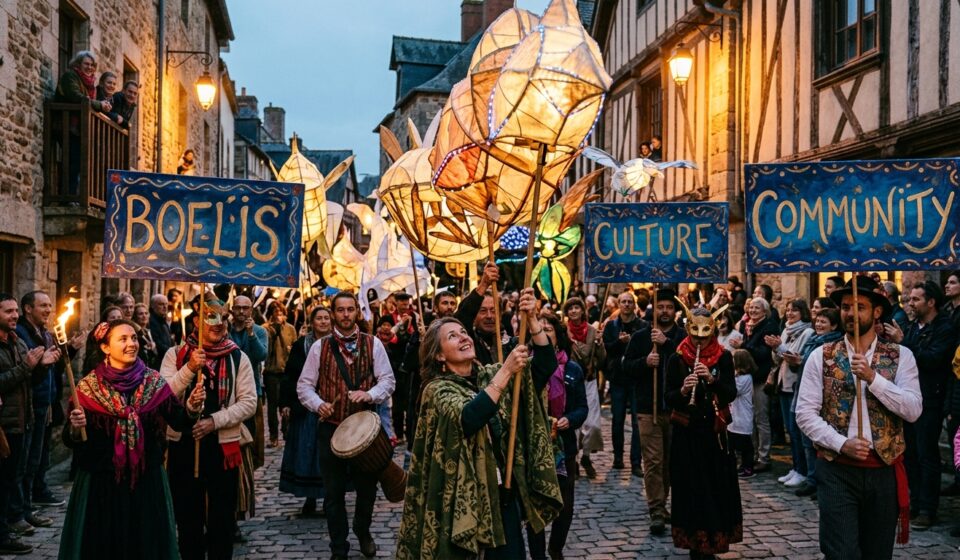
Discover the captivating world of Boelis, where tradition meets creativity. This unique art form weaves together history and modernity, offering a fresh perspective on design that resonates with both enthusiasts and newcomers alike. From its rich origins to its contemporary adaptations, Boelis is more than just an aesthetic; it’s a journey through culture and craftsmanship.
Imagine stepping into spaces adorned with intricate patterns that tell stories from generations past while embracing today’s innovative spirit. Whether you’re an architect looking for inspiration or a homeowner eager to infuse your space with character, understanding Boelis can transform your approach to design. Join us as we delve deeper into this fascinating practice and explore how you can bring its essence into your own home!
History and Origins of Boelis
The art of Boelis traces its roots back centuries, evolving from ancient traditions. Initially birthed in small villages, artisans perfected techniques passed down through generations.
Crafted with precision, early Boelis pieces showcased regional materials and motifs. These creations often reflected the community’s values and beliefs.
As trade routes expanded, so did the influence of Boelis. It absorbed elements from various cultures while maintaining its unique identity. This blend enriched the aesthetic appeal and functionality of each piece.
By the late 19th century, a resurgence occurred as artists sought to revive traditional crafts amidst industrialization’s rise. The desire for authenticity led to renewed interest in these timeless methods.
Today, understanding this history offers insight into why contemporary designers are drawn to Boelis’ charm and craftsmanship. Each creation carries whispers of its past, connecting modern enthusiasts to an enduring legacy.
Traditional Techniques Used in Boelis
Boelis is steeped in rich traditions that showcase craftsmanship. Artisans rely on time-honored methods to create unique pieces.
One prominent technique involves hand-weaving textiles using natural fibers. This process not only highlights the skill of the weaver but also preserves cultural heritage.
Ceramics play a significant role, with intricate glazing methods passed down through generations. Each piece tells a story rooted in tradition.
Woodworking is another vital aspect. Craftspeople shape and carve wood into functional art, using tools that have remained largely unchanged over centuries.
These traditional techniques are more than just skills; they represent community bonding and shared knowledge. As artisans continue to practice these methods, they maintain an invaluable connection to their roots while enriching contemporary aesthetics in Boelis designs.
Modern Interpretations of Boelis
Modern interpretations of Boelis have breathed new life into this rich tradition. Designers today are blending traditional elements with contemporary aesthetics, creating a fresh dialogue between old and new.
Incorporating sleek lines and minimalistic designs, modern Boelis often features innovative materials alongside classic ones. Think of glass juxtaposed with traditional wood or metal accents that enhance the overall structure.
Color palettes have evolved as well. While earthy tones remain popular, bold colors now make appearances, adding vibrancy to spaces once dominated by muted hues.
Artists and architects are also experimenting with scale. This flexibility allows for larger installations that maintain the essence of Boelis while appealing to modern sensibilities.
These adaptations not only honor historical roots but also resonate in urban settings where tradition meets innovation seamlessly.
Impact and Influence on Contemporary Design
Boelis has carved a niche in the realm of contemporary design. Its rich history informs modern aesthetics, blending tradition with innovation.
Designers today are inspired by Boelis’s intricate patterns and textures. These elements add depth to minimalist spaces, creating visual interest without overwhelming the senses.
The fluidity of Boelis allows it to adapt across various styles. From sleek urban apartments to rustic country homes, its versatility is unmatched.
Moreover, sustainability plays a significant role in its influence. Many artisans incorporate eco-friendly materials into their work, reflecting a growing trend towards responsible design practices.
Social media platforms showcase stunning interpretations of Boelis worldwide. This exposure fosters appreciation for craftsmanship and encourages new generations to explore these techniques further.
As artists experiment with color palettes and forms rooted in Boelis traditions, they breathe fresh life into this age-old art form. The dialogue between past and present continues to shape our built environment beautifully.
Examples of Boelis in Architecture and Interior Design
Boelis manifests beautifully in various architectural styles and interior design elements. One stunning example is the use of intricate tile work, often found in Mediterranean-inspired homes. These tiles showcase vibrant colors and patterns that breathe life into spaces.
In contemporary architecture, Boelis influences clean lines paired with traditional motifs. This fusion creates an inviting yet modern atmosphere, appealing to diverse tastes.
Interior designers also embrace Boelis through textiles like handwoven rugs or embroidered cushions. These details add warmth and character to any room.
Additionally, restaurants and cafes are incorporating Boelis-inspired decor to create unique dining experiences. The blend of cultural heritage with modern aesthetics draws patrons seeking something special.
Even outdoor spaces reflect this style through garden layouts that emphasize natural beauty while integrating artistic structures. Each element tells a story rooted in tradition yet resonates with today’s lifestyle choices.
Steps to Incorporate Boelis into Your Home
Incorporating Boelis into your home begins with understanding its essence. Start by selecting a color palette that reflects the rich tones often seen in traditional pieces. Deep greens, earthy browns, and vibrant reds can set the stage.
Next, consider textures. Opt for materials like handwoven fabrics or rustic wood elements to create depth. These details bring warmth and authenticity.
Accessorizing is key; think about adding handcrafted pottery or woven baskets that embody Boelis craftsmanship. Such items add character to any space.
Lighting plays an important role too. Choose fixtures that echo traditional designs but offer a modern twist—perhaps lantern-style sconces or artisanal pendant lights.
Don’t shy away from mixing old and new styles. Pair contemporary furniture with vintage Boelis art for a striking contrast that honors tradition while celebrating innovation.
Interview with a Boelis Expert
I had the pleasure of speaking with Maria Torres, a renowned expert on Boelis. Her passion for this art form is palpable.
She described how traditional techniques are passed down through generations. Each artisan brings their unique touch to the process, making every piece one-of-a-kind.
Maria emphasized the importance of understanding history when approaching Boelis design. It’s not just about aesthetics; it embodies cultural narratives and craftsmanship.
When asked about modern interpretations, she shared her excitement for innovation within the discipline. Designers today blend old methods with contemporary flair, creating stunning results that resonate with new audiences.
Her advice for anyone looking to incorporate Boelis into their home? Start small—perhaps a decorative piece or a textile item—and let its story unfold in your space.
The interview left me inspired by how deeply intertwined tradition and modern creativity can be in shaping our environments.
Conclusion
Boelis stands as a bridge between the rich tapestry of tradition and the vibrant pulse of modern design. Its history showcases an evolution that is deeply rooted in cultural significance, yet it remains incredibly relevant today. The techniques used to create Boelis pieces reflect craftsmanship that has been passed down through generations, while contemporary interpretations breathe new life into these traditional forms.
As we’ve explored, incorporating Boelis elements into your home can transform your space significantly. Whether it’s through architectural features or subtle interior details, embracing this art form allows for a unique expression of personal style.
The insights from our interview with a Boelis expert remind us that this craft is not just about aesthetics; it embodies stories and emotions tied to its origins. Each piece carries with it a legacy worth celebrating.
So whether you’re an enthusiast looking to deepen your appreciation or someone eager to integrate these stunning designs into everyday life, there’s no denying the profound impact and beauty of Boelis in architecture and interior design today.
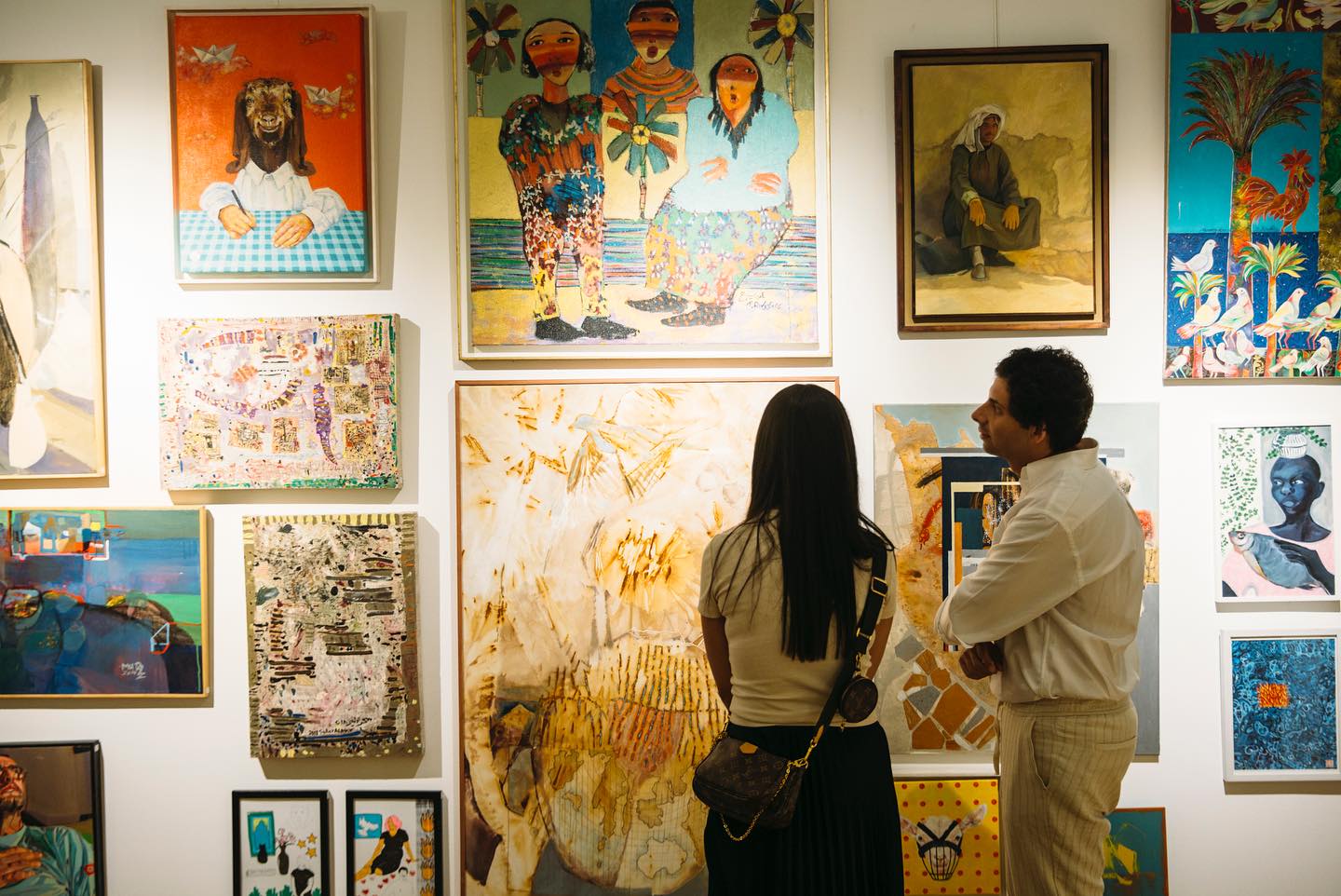
Nestled in the heart of a vibrant cultural landscape, Žižole is more than just a neighborhood; it’s an artistic haven waiting to be explored. With its eclectic mix of galleries, talented artists, and pulsating cultural events, this area has become a must-visit destination for art lovers and curious minds alike. From contemporary pieces that challenge perceptions to street art that tells stories of resilience and creativity, Žižole offers something unique for everyone. Whether you’re an avid collector or simply looking to immerse yourself in local culture, there’s no shortage of inspiration here. Get ready to embark on an artistic journey through the streets and spaces that define this captivating enclave!
Top Galleries to Visit in Žižole
Žižole is home to a vibrant array of galleries that cater to diverse artistic tastes. The first stop should be Gallery A, known for its rotating exhibitions showcasing contemporary artists. Each visit offers something new and thought-provoking.
Next up is the charming Space B, which focuses on local talent. This gallery often hosts artist talks and workshops, inviting visitors to engage with the creative process directly.
For those who appreciate historical art, Gallery C features collections from various periods. Its tranquil atmosphere allows for quiet contemplation amidst captivating works.
Don’t miss out on the pop-up exhibits in unexpected locations around Žižole. These temporary shows capture the essence of spontaneity in art and reflect the community’s dynamic spirit.
Each gallery tells its own story, making them essential stops for anyone eager to explore Žižole’s rich artistic landscape.
Emerging Artists to Watch in Žižole
Žižole is teeming with fresh talent, making it a vibrant hub for art enthusiasts. Among the emerging artists, Mia Novak stands out with her thought-provoking installations that challenge societal norms. Her work has sparked conversations throughout local galleries.
Another notable artist is Tomáš Kovač, known for his striking mural paintings that blend tradition and modernity. His distinctive style brings life to public spaces and resonates deeply within the community.
Don’t overlook Lucie Havelka, whose mixed media pieces explore identity and belonging. Her innovative approach captivates audiences and invites personal reflection.
These artists embody the spirit of Žižole, merging creativity with social commentary. Their works are not just visually appealing but also engage viewers on multiple levels. Keep an eye on them as they continue to shape the future of this thriving art scene.
Cultural Events and Festivals in Žižole
Žižole pulses with life through its vibrant cultural events and festivals. Each year, the city hosts a diverse array of celebrations that showcase local talent and traditions.
One highlight is the Žižole Art Fest, where artists transform public spaces into open-air galleries. This event attracts both locals and tourists who wander through colorful installations and performance art pieces.
Another must-see is the annual Jazz Nights at the town square. Musicians from various backgrounds come together to create an unforgettable atmosphere filled with soulful melodies.
The Harvest Festival celebrates community spirit, featuring traditional music, dance performances, and delicious local cuisine. Attendees can enjoy workshops that delve into crafts ranging from pottery to textile weaving.
These gatherings not only enrich Žižole’s artistic landscape but also foster connections among residents and visitors alike. Engaging in these experiences allows for a deeper understanding of this dynamic city’s culture.
Must-See Art Installations in Žižole
Žižole is a treasure trove of contemporary art installations that captivate the imagination. One standout piece is “Reflections in Time,” an immersive experience that invites viewers to step into a world of light and mirrors. Visitors often describe it as transformative.
Another remarkable installation, “Urban Pulse,” combines sound and visuals to explore the heartbeat of city life. It resonates with both locals and tourists alike, prompting deep reflection on urban dynamics.
Don’t miss “The Garden of Dreams,” where nature meets creativity through vibrant sculptures made from reclaimed materials. This space encourages interaction while highlighting sustainability.
For those who appreciate interactive art, “Voices Unheard” utilizes augmented reality technology, enabling participants to engage with digital narratives connected to Žižole’s history.
Each installation tells its own story, adding layers of meaning to your exploration of this dynamic art scene.
Exploring the Street Art of Žižole
Žižole’s streets pulse with creativity. Each corner reveals vibrant murals and thought-provoking graffiti that tell the stories of its community. Local artists transform blank walls into canvases, capturing attention and sparking dialogue.
Walking through Žižole feels like exploring an open-air gallery. From whimsical characters to powerful political statements, every piece has a unique voice. The interplay of colors adds depth to everyday life, inviting passersby to pause and appreciate art in unexpected places.
Several neighborhoods are particularly rich in street art. Guided tours often highlight hidden gems that showcase emerging talents alongside established names. These artworks are not just decorative; they reflect cultural narratives, social issues, and the collective spirit of Žižole.
Photographers flock here for stunning visuals, while locals embrace their city’s artistic flair as part of their identity. Street art is more than just paint on walls—it’s a dynamic expression of urban culture in Žižole.
Supporting the Local Art Community in Žižole
Supporting the local art community in Žižole is essential for its vibrancy and growth. By visiting galleries, you give artists a platform to showcase their work. Every ticket purchased or piece acquired fuels creativity.
Engaging with local events also makes a difference. Attend exhibitions, workshops, and talks to connect with artists and fellow art enthusiasts. These gatherings foster collaboration and inspire new ideas.
Consider volunteering your time or skills as well. Many community projects rely on passionate individuals who want to help create something beautiful.
Social media plays a significant role too. Share your favorite local artwork online, promote upcoming events, and encourage others to explore Žižole’s artistic offerings.
Every small action counts in nurturing this thriving scene. Together, we can ensure that Žižole continues to be a hub of creativity and inspiration for years to come!
Conclusion:
The vibrant art scene in Žižole offers something for every creative soul. From its top-tier galleries that showcase diverse artistic expressions to the up-and-coming artists who are shaping the future of this cultural hub, there is always something new to discover. The local festivals and events bring communities together, celebrating creativity and talent.
Don’t forget to explore the stunning street art scattered throughout Žižole; it tells stories of social change and artistic innovation. By supporting local artists and engaging with their work, you contribute to a thriving atmosphere that fosters inspiration.
Whether you are an art enthusiast or just looking for an enriching experience, Žižole promises a journey through creativity like no other. Dive into its cultural landscape and see what makes this town truly special.
-

 BLOG1 year ago
hanime1: The Ultimate Destination for Anime Lovers
-

 Technology1 year ago
GLAADVoice.com: How You Can Get Involved and Make a Difference
-

 BILLS1 year ago
Why Does My Instagram Reel Stop Getting Views After One Hour? How to Fix It?
-

 ENTERTAINMENT1 year ago
Sflix: How It’s Changing the Way We Watch Movies and TV Shows
-

 ENTERTAINMENT1 year ago
Crackstreams 2.0: The Future of Free Sports Streaming?
-

 BLOG1 year ago
NHentai.nef: Understanding the Popular Hentai Archive
-

 BLOG1 year ago
Imginn: The Ultimate Tool to View Instagram Content Anonymously
-

 BLOG1 year ago
ThisVid: What Makes It Stand Out in the World of Online Videos