
BLOG
Best Practices for Calibration Across Industries

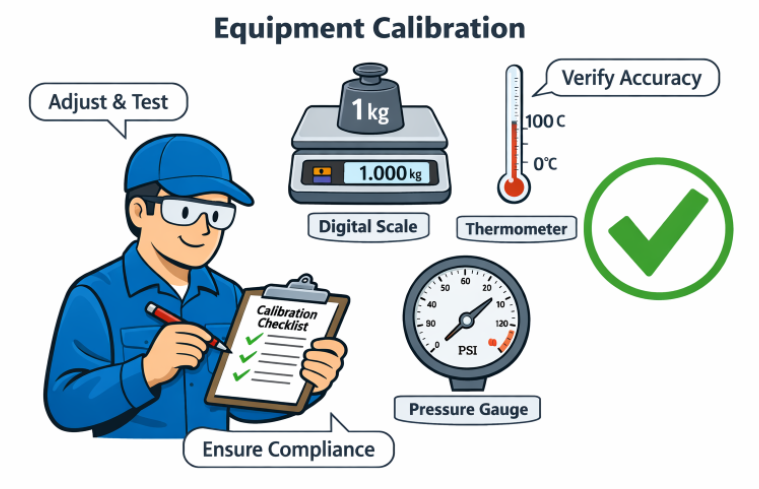
Calibration is a critical process that ensures measurement instruments perform with the highest accuracy and reliability. Businesses across healthcare, manufacturing, aerospace, and many other fields rely heavily on calibrated equipment to ensure product quality and meet regulatory requirements. Utilizing professional calibration services for laboratory equipment Delaware helps organizations maintain these standards and can make a substantial difference in overall performance.
With accurate instrumentation serving as the backbone of data-driven decision-making, organizations cannot afford lapses in calibration routines. The implications span far beyond faulty readings; measurement errors can compromise safety, risk compliance, and undermine customer trust. Adhering to proven calibration best practices helps safeguard all operational areas and streamline future quality control processes.
Understanding Calibration and Its Importance
Calibration involves the process of adjusting and verifying the accuracy of measurement tools by comparing them to a validated reference standard. This ensures that instruments consistently provide correct measurements, which is particularly significant for industries that depend on precise data for safety, compliance, and product integrity. For example, improper calibration in medical laboratories could result in incorrect diagnoses, while errors in aerospace or automotive sectors could jeopardize safety and operational reliability.
Global standards such as ISO 9001 highlight the significance of calibration in systematic quality management. Establishing robust calibration protocols contributes not only to continuous improvement but also to fulfilling customer and regulatory demands.
Establishing Clear Calibration Standards and Schedules
Setting and adhering to recognized calibration standards is crucial across all industry sectors. Standards such as ISO 17025 and ASTM E2877 guide organizations in implementing consistent calibration procedures while demonstrating competence in laboratory settings. Each organization’s calibration requirements will be influenced by its operational environment, workflow complexity, and industry-specific compliance guidelines. Tailoring calibration schedules to match these factors helps prevent instrument drift and detect deviations before they escalate into larger issues.
Utilizing Advanced Calibration Tools and Software
Digital calibration tools and management software have transformed manual processes by making calibration faster, traceable, and efficient. Automated tools help document steps, trigger recalibration reminders, and maintain digital audit trails. Calibration management software can connect with larger quality and lab systems, centralizing compliance data and reducing human error. Many organizations adopt platforms that meet industry and regulatory calibration requirements, supporting accuracy and traceability. These solutions enable scaling best practices across enterprise asset fleets, ensuring consistent results across production lines.
Training Personnel and Maintaining Detailed Records
Ensuring the workforce is thoroughly trained in both calibration procedures and compliance documentation is essential. Well-trained technicians help prevent costly mistakes during calibration, and an informed team recognizes early warning signs when an instrument falls out of tolerance. Detailed and accurate recordkeeping is equally important; it provides an essential audit trail, supports ongoing compliance with standards such as ISO, FDA, and GMP, and serves as a basis for analysis when investigating potential quality issues.
Recordkeeping requirements are stipulated within many regulatory frameworks to maintain the integrity and credibility of calibration results. Modern calibration management systems simplify record maintenance through automated entry and digital archival, strengthening an organization’s ability to respond during audits or inspections.
Monitoring Out-of-Tolerance Results and Corrective Actions
If a measurement device tests outside its allowable tolerance, immediate and documented intervention is required. This includes quarantining or retesting affected materials, identifying potential downstream impacts, and performing root-cause analysis to prevent recurrence. Calibration management software plays a crucial role in automating alerts for out-of-tolerance results and initiating workflows for containment and corrective action, ensuring issues are resolved quickly and efficiently.
Applying Measurement Systems Analysis and Control Charts
Regular Measurement Systems Analysis (MSA) evaluates the repeatability and reproducibility of calibration results, helping organizations to separate instrument variation from operator or environmental factors. Control charts enable tracking of measurement consistency, making deviations and drift visible before equipment fails calibration checks. Leveraging these statistical tools along with routine calibration programs helps organizations improve process stability and measurement reliability over time.
Conclusion
Adopting comprehensive calibration best practices is essential for maintaining consistent measurement accuracy, ensuring product quality, and achieving regulatory compliance across industries. By establishing robust standards, integrating advanced technology, investing in team training, and implementing thorough recordkeeping and corrective actions, organizations build a foundation of confidence in their measurement processes and support long-term operational excellence.

Storing your cherished belongings requires more than just space; it demands an environment that shields them from the ravages of fluctuating temperatures and humidity. Choosing a climate-controlled storage unit in West Jordan, UT, can make all the difference by providing the stable conditions needed to keep your items undamaged year-round. Whether you are storing household goods during a move or preserving sentimental heirlooms, the environment of your storage space is crucial to their longevity and condition.
Regular storage units may offer basic security, but they rarely address the environmental threats that can harm valuable items. This is where climate-controlled storage becomes essential, offering peace of mind and advanced protection. The regulation of temperature and humidity inside these units helps prevent mold, mildew, warping, and other types of deterioration that commonly affect sensitive belongings.
Understanding how climate-controlled storage works and which items benefit most can help you make informed decisions about where to keep your treasured possessions. Below, you’ll discover the unique attributes of these storage units, what makes them superior to standard units, and important considerations before investing in this type of storage.
Read on to see why investing in climate-controlled storage is a proactive measure that not only saves you money over time but also helps preserve things that are irreplaceable.
What Is Climate-Controlled Storage?
Climate-controlled storage units are designed to maintain a steady internal environment, typically between 55°F and 80°F, with carefully regulated humidity. The primary purpose of these units is to protect stored items from damage caused by extreme temperature swings or excessive moisture. Without such controls, everything from wooden furniture to electronics can deteriorate rapidly, even within a few weeks or months under poor storage conditions.
Units offering climate control are often located inside buildings, providing an extra layer of protection against outdoor weather changes. This indoor setup ensures that sudden cold snaps or heat waves do not drastically affect the interior temperature, avoiding issues that commonly result from environmental fluctuations.
Why Choose Climate-Controlled Storage?
If you are planning to store valuable, sentimental, or irreplaceable items, choosing climate-controlled storage is essential. Sensitive items are affected by both short-term and long-term exposure to temperature and humidity extremes. Wooden surfaces can warp or crack, papers can become brittle, and electronics may sustain internal damage due to outside conditions. Mold and mildew thrive in moist environments, while high heat can accelerate chemical breakdowns in plastics and fabrics. By providing a stable environment, climate-controlled storage helps prevent these issues before they arise.
This storage solution is especially crucial in regions with dramatic seasonal changes or high humidity levels. For people who want to avoid costly repairs, replacements, or sentimental loss, the initial investment in climate control easily outweighs the risk of damage. Advice from sources such as the New York Times’ Wirecutter guide to self-storage affirms that deciding between standard and climate-controlled units can significantly impact the preservation of your belongings.
Items That Benefit from Climate Control
Though many household items are durable enough to withstand mild environmental changes, others are especially vulnerable and should always be stored in a regulated setting. The following categories benefit the most from climate-controlled storage:
- Electronics: Items such as televisions, computers, cameras, and audio equipment are at risk of internal corrosion or component failure if exposed to moisture or high/low temperatures.
- Wood Furniture: Real wood absorbs moisture and reacts to changes in ambient air, which can cause expansion, warping, cracking, or encourage mold growth.
- Artwork and Photographs: Paintings, canvases, prints, and photographs can fade, adhere together, or warp if humidity is not controlled.
- Important Documents: Papers such as legal files, birth certificates, or manuscripts become brittle, yellowed, or even moldy when stored in environments with fluctuations in heat and humidity.
Climate-Controlled vs. Standard Storage
Standard storage units may offer a weather-tight enclosure, but they do not protect against the environmental extremes that cause long-term damage to valuable items. Without climate control, temperature and humidity inside a storage unit can mirror the unpredictable conditions outside. This can quickly lead to problems like rust, rot, or warping, depending on what you are storing.
Climate-controlled storage, by contrast, maintains stable internal conditions year-round. This is critical not just for antiques or collectibles, but for anything that holds personal or monetary value. According to Consumer Reports, the right facility and climate controls can significantly extend the life and maintain the value of stored goods.
Cost Considerations
Annual costs for renting a climate-controlled storage unit generally range from 25% to 50% higher than for standard units. The price increase reflects the technology behind air and humidity management as well as the additional energy used to maintain an optimal environment. While this premium can be a deterrent for some, considering the replacement cost for items like musical instruments, collectibles, or irreplaceable photos often shows that climate-controlled storage offers better value in the long run.
Conserving your possessions, especially those with significant financial or personal worth, makes the investment worthwhile. Many storage customers report that paying a bit more up front saves them from greater loss later, as the chance of needing to repair or replace possessions is vastly reduced.
Tips for Packing Items into Climate-Controlled Storage
Maximizing protection in a climate-controlled unit begins with how you pack and organize your items.
- Use Quality Packing Materials: Durable cardboard boxes are preferable, as plastic bags can trap moisture and encourage mold growth within a unit.
- Elevate Items Off the Floor: Place boxes and other large items on wooden pallets or shelves to allow airflow and prevent accidents in the event of spills or leaks.
- Label Boxes Clearly: Proper labeling helps you locate items quickly and avoids repeated handling, which can cause wear over time.
- Leave Space Between Items: Stacking boxes with a small gap between them encourages air circulation and maintains more stable unit conditions.
Conclusion
Investing in a climate-controlled storage unit is an act of preservation, ensuring that memories, valuables, and functional belongings remain protected throughout the seasons. The modest additional cost of these units pays for itself by extending the lifespan and condition of your possessions, safeguarding them from the adverse effects of unregulated heat, cold, and moisture. With a steady, optimized environment keeping your items safe, you can enjoy peace of mind knowing that your belongings are well cared for until you need them again.

Better movement does not require an intense workout or a perfect routine. Small, repeatable habits such as standing up regularly, taking short walks, and building basic strength can help many people feel less stiff and more capable during daily life.
For people dealing with persistent discomfort or movement limits, chiropractor Denver care from Accelerate Health Denver may be worth researching. The practice provides chiropractic care, physical therapy, pain management, massage therapy, and therapeutic exercise for people in Denver and Lakewood. Its team approach can be useful when pain, posture concerns, repetitive strain, or an old injury call for a more individualized plan.
Why Small Movements Matter
Movement can be spread throughout the day. A few minutes of walking, climbing stairs, gentle mobility work, or standing during a phone call can break up long periods in one position. This approach is especially practical for people who work at a desk, drive often, travel, or find long workouts intimidating. The CDC’s adult activity guidance notes that activity can be accumulated in smaller chunks, while also encouraging adults to include regular aerobic and muscle-strengthening activity.
Small habits are not a substitute for medical care after a serious injury or with unexplained symptoms. They are a foundation for making the body more prepared for normal demands such as carrying groceries, playing with children, working in the yard, or returning to recreational sports.
Common Causes Of Daily Pain
Daily aches rarely have just one explanation. Stiffness may follow hours of sitting, repetitive work tasks, poor sleep, stress, limited joint mobility, or a rapid jump in running, lifting, or sports. Weakness or poor endurance in the hips, legs, trunk, and upper back can also make certain tasks feel harder over time.
An old injury that never regained full strength or motion may become noticeable again when activity rises. Pain is a symptom, not a complete diagnosis, so it is wise to avoid assuming that one stretch, device, or social media exercise will solve every problem.
Movement Breaks And Strength Work
A simple workday plan can make movement more consistent:
- Take a brief morning walk before work or after arriving.
- Every 30 to 60 minutes, stand and move for two to five minutes when possible.
- Use a lunch break for a short walk, even if it is only around the building.
- Perform a few gentle shoulder rolls, ankle pumps, or hip movements during the day.
- Complete a short strength session in the evening, two or three days per week.
There is no single perfect posture to hold all day. Changing positions regularly is often more realistic than trying to sit rigidly. For strength, start with manageable movements such as chair squats, wall push-ups, glute bridges, calf raises, band rows, and dead bugs. Begin with one or two sets, use smooth form and steady breathing, and stop before fatigue causes technique to break down.
Walking, Recovery, And Warning Signs
Walking is a low-cost starting point for many adults. Choose a comfortable pace and flat route, then increase time, distance, hills, or speed gradually, one variable at a time. If walking aggravates symptoms, cycling, swimming, or water exercise may be more comfortable options. Supportive footwear that fits well can also make a meaningful difference.
Recovery supports progress. Aim for regular sleep, sufficient fluids, balanced meals with protein and fiber, and easier days between harder sessions. Tracking activity and symptoms for a week or two can reveal useful patterns, such as pain that appears after poor sleep, long drives, or a sudden increase in training volume.
Pain Versus Normal Soreness
Light muscle soreness after unfamiliar activity, stiffness that eases with gentle movement, and short-lived fatigue can be normal. In contrast, stop the aggravating activity and seek assessment for sharp or sudden pain, major swelling or bruising, new weakness, numbness, tingling, joint instability, or symptoms that steadily worsen. Back pain with bowel or bladder changes, numbness in the groin area, or rapidly progressing weakness requires urgent medical attention. The National Center for Biotechnology Information’s overview of low back pain warning signs provides additional context on when prompt medical care is appropriate.
When To Seek Professional Help
Consider an evaluation if pain lasts several weeks, returns whenever activity increases, affects sleep or work, or prevents normal exercise and daily tasks. Professional guidance can also help when you are unsure which exercises are safe or want to return to sport after an injury.
An assessment may include a health history, movement review, strength and mobility testing, and a discussion of goals. A physical therapist may emphasize movement and function. A chiropractor may assess musculoskeletal and joint-motion concerns. A physician can evaluate broader medical causes, determine whether imaging is appropriate, or coordinate specialist care. Ask about credentials, treatment goals, home exercises, expected timelines, costs, and referral options.
Common Questions
How Much Movement Is Enough To Start?
Start with an amount that feels realistic. For someone who has been inactive, five comfortable minutes of walking most days can be a useful first step. Consistency matters more than an ambitious plan that lasts only a week.
Should Stretching Happen Before Or After Exercise?
Gentle dynamic movements can help prepare the body before activity. Longer, relaxed stretches may feel good afterward. Stretching is helpful for some people, but it is not a universal cure for pain.
What If Exercise Makes Pain Worse?
Stop the movement that aggravates symptoms, review technique and workload, and avoid pushing through pain that changes how you walk, lift, sleep, or function. Seek professional advice when symptoms persist or include warning signs.
Conclusion
Daily movement is most effective when it is simple enough to repeat. Short walks, regular position changes, basic strength work, and recovery habits can build a practical foundation for feeling and moving better. When pain continues or limits life, a personalized evaluation can help create a safer path forward.


Cloud automation has changed how organizations build, deploy, and manage digital infrastructure. However, as automated systems take on more responsibilities, security becomes increasingly important. Nimedes provides a useful framework for examining how cloud automation can improve efficiency while introducing new security considerations.
Modern cloud environments often depend on automated workflows. These workflows can create servers, configure applications, manage user access, and respond to system events. When designed correctly, automation reduces repetitive work and improves consistency. When poorly secured, it can also spread errors or unauthorized changes at high speed.
This article evaluates the security considerations surrounding Nimedes, with a focus on cloud automation, access management, monitoring, data protection, and operational resilience.
What Is Nimedes in Cloud Automation?
Nimedes can be understood as a cloud automation concept or platform-focused term associated with managing automated processes across digital infrastructure. Its value depends on how effectively automation tasks are controlled, monitored, and protected.
Cloud automation uses software tools and predefined rules to perform technical actions without constant manual involvement. For example, an automated system may scale computing resources when website traffic increases. It may also deploy application updates or create backups according to a schedule.
Automation can provide several operational advantages:
- Faster infrastructure deployment
- Reduced manual configuration work
- More consistent system settings
- Improved resource management
- Quicker responses to routine events
However, automation also creates a larger security responsibility. A single workflow may have permission to change multiple systems. Therefore, organizations must carefully control what automated processes can access.
Why Nimedes Security Matters
Security is not only about preventing external attacks. It also involves reducing mistakes, limiting unnecessary permissions, and maintaining reliable records of system activity.
A cloud automation environment may connect to databases, storage services, applications, identity systems, and external tools. Each connection can create another point that requires protection.
If an automation workflow receives excessive permissions, a compromised account could affect many cloud resources. Similarly, an incorrect configuration may be copied across multiple environments.
For this reason, security should be included during the design stage. It should not be treated as a feature added after deployment.
A strong security model for Nimedes should answer several questions:
- Who can create or modify automation workflows?
- Which cloud resources can each workflow access?
- How are credentials stored and protected?
- Are automated actions recorded and reviewed?
- Can suspicious activity be detected quickly?
Clear answers help organizations understand their exposure and reduce avoidable risks.
Nimedes and Identity Access Management
Identity and access management is one of the most important areas of cloud security. Automated tools often need credentials, application identities, or access tokens to complete tasks.
The principle of least privilege should guide these permissions. This means every user, service, or automation process receives only the access required for its specific role.
For example, a workflow designed to create backups should not automatically receive permission to delete production databases. Separating responsibilities limits the damage that could result from an error or compromised credential.
Organizations should also consider the following controls:
Use Role-Based Permissions
Role-based access control assigns permissions according to defined responsibilities. Administrators, developers, security teams, and automation services can receive different levels of access.
This structure reduces unnecessary privileges and makes permissions easier to review.
Enable Multi-Factor Authentication
Multi-factor authentication adds another verification step for human users. Even if a password becomes exposed, an attacker may still be unable to access the account.
Administrative accounts should receive stronger protection because they can often change automation settings.
Review Access Regularly
Permissions can become outdated when employees change roles or projects end. Regular access reviews help identify unused accounts and unnecessary privileges.
Securing Nimedes Automation Workflows
Automation workflows should be treated as important software assets. They require secure development practices, testing, review, and ongoing maintenance.
A workflow may contain scripts, configuration files, application settings, or infrastructure instructions. If these components are changed without proper review, the automated process may create unexpected security problems.
Version control can improve accountability. It allows teams to track changes and compare updated configurations with earlier versions.
Before deployment, workflows should be tested in isolated environments. Testing can reveal permission errors, incorrect settings, or unexpected behavior without affecting production systems.
Security checks may include:
- Scanning scripts for known vulnerabilities
- Reviewing infrastructure configurations
- Checking for exposed credentials
- Validating permission settings
- Testing failure and recovery behavior
These practices make Nimedes automation more predictable and easier to manage.
Data Protection in Nimedes Environments
Cloud automation may process sensitive business information. This can include customer records, financial data, internal documents, or application information.
Data should be protected both during transmission and while stored. Encryption helps reduce the risk of unauthorized access if data is intercepted or exposed.
Organizations should also classify information according to its sensitivity. Highly confidential data may require stricter access controls and additional monitoring.
Backup systems deserve special attention. Automated backups improve resilience, but they must also be secured. An unprotected backup may expose the same information as the original system.
A reliable data protection strategy should include:
- Encryption for sensitive information
- Restricted access to storage systems
- Secure backup locations
- Defined data retention periods
- Regular recovery testing
Security is not complete if backups exist but cannot be restored during an incident.
Monitoring and Threat Detection
Automation can improve security monitoring by responding quickly to unusual activity. However, automated systems must also be monitored themselves.
Logs provide important evidence about what occurred in a cloud environment. A detailed record may show who changed a workflow, when a process started, and which resources were affected.
Centralized logging can make investigations more efficient. Instead of reviewing records across many separate systems, security teams can analyze information from one location.
Useful monitoring signals may include:
- Unexpected changes to automation rules
- Repeated authentication failures
- Unusual access locations
- Large or unexpected data transfers
- Automated actions outside normal schedules
Alerts should be carefully configured. Too many low-priority notifications may cause important warnings to be overlooked.
Common Security Risks Associated With Nimedes
Cloud automation can increase efficiency, but it may also increase the speed and scale of security incidents.
One major risk is credential exposure. Hard-coded passwords or access keys can be discovered through source code, configuration files, or insecure storage.
Another concern is configuration drift. This occurs when cloud systems gradually move away from approved security settings. Automated checks can identify these differences before they create serious weaknesses.
Supply-chain risk is also important. Automation tools may depend on external software packages, plugins, or integrations. Vulnerabilities in these components may affect the broader environment.
The most common risks include excessive permissions, insecure credentials, unreviewed workflow changes, weak logging, and outdated dependencies.
Best Practices for Improving Nimedes Security
Organizations can strengthen cloud automation by combining technical controls with clear operational processes.
First, security teams should define ownership. Every important workflow should have a responsible team or individual.
Second, sensitive credentials should be stored in dedicated secret-management systems rather than directly inside scripts.
Third, automated processes should be reviewed after major infrastructure changes. Cloud environments evolve, and old permissions may no longer be appropriate.
Finally, organizations should prepare for failures. Automated systems may stop unexpectedly or perform incorrect actions. Recovery plans should explain how to disable workflows, restore services, and investigate incidents.
The Future of Nimedes and Secure Automation
Cloud automation will likely become more intelligent and more widely connected. Artificial intelligence may help systems identify anomalies, recommend configurations, and respond to incidents.
However, greater automation does not remove the need for human oversight. Organizations must establish clear limits for automated decision-making.
Future security strategies may focus more heavily on continuous verification. Instead of trusting users or systems permanently, access may be checked repeatedly according to identity, behavior, location, and risk.
As cloud environments become more complex, transparent automation will become increasingly valuable. Teams need to understand what automated systems are doing and why.
Conclusion
Nimedes highlights an important challenge in modern cloud computing: automation can improve speed and consistency, but it must be designed with security at its core.
Strong identity controls, limited permissions, encrypted data, secure credentials, continuous monitoring, and tested recovery plans can reduce many common risks.
The goal is not to avoid automation. Instead, organizations should build automation that remains visible, controlled, and resilient. When security is integrated throughout the process, cloud automation can support innovation without creating unnecessary exposure.
-

 BLOG12 months ago
hanime1: The Ultimate Destination for Anime Lovers
-

 ENTERTAINMENT1 year ago
Sflix: How It’s Changing the Way We Watch Movies and TV Shows
-

 BILLS1 year ago
Why Does My Instagram Reel Stop Getting Views After One Hour? How to Fix It?
-

 BLOG1 year ago
Imginn: The Ultimate Tool to View Instagram Content Anonymously
-

 ENTERTAINMENT1 year ago
Crackstreams 2.0: The Future of Free Sports Streaming?
-

 BLOG1 year ago
NHentai.nef: Understanding the Popular Hentai Archive
-

 BLOG12 months ago
ThisVid: What Makes It Stand Out in the World of Online Videos
-

 Technology1 year ago
Simpcitt: The Rise of a Unique Online Community