
Lifestyle
Simple Habits That Make Your Home Feel Calm and Organized


It’s 5:30 PM. You walk through the door, keys in hand, and the first thing you see is a pile of mail on the counter. Shoes are kicked off in the hallway, and there’s a stack of dishes waiting by the sink. Instead of relaxing after a long day, your mind immediately starts racing with a to-do list.
Declutter Daily: The 15-Minute Rule
Clutter has a way of creeping up on us. One day, it’s a single magazine on the coffee table; the next, it’s a stack of paperwork, three coffee mugs, and a stray sweater. The thought of tackling it all at once can be paralyzing, which is why the 15-minute rule is so effective.
Set a timer for 15 minutes each evening. Use this time to do a quick sweep of your main living areas. Put the throw pillows back on the couch, hang up coats, recycle the junk mail, and put dishes in the dishwasher.
This isn’t about deep cleaning. It’s about resetting the room so you can start the next day with a clean slate. You will be surprised at how much you can accomplish in such a short window. This small investment of time prevents mess from accumulating and becoming an overwhelming weekend project.
Make Your Bed Every Morning
The logic is sound. Making your bed is the first task of the day. Completing it gives you a small sense of pride and encourages you to do another task, and another. It sets a tone of productivity and order right from the moment you wake up.
From an aesthetic standpoint, the bed is usually the focal point of the bedroom. When the bed is made, the entire room looks instantly cleaner and more put-together, even if there are a few things out of place elsewhere. It creates a visual anchor of calm that welcomes you back when it’s time to sleep.
Designate a Place for Everything
“A place for everything, and everything in its place.” It’s an adage, but it remains the golden rule of organization. Clutter often exists simply because items don’t have a specific home. When you don’t know where to put the batteries, the scissors, or the spare keys, they end up floating on countertops or getting shoved into a junk drawer.
Take time to assign a permanent residence to your belongings. Keys go in the bowl by the door. Remote controls live in the basket on the console. Mail goes immediately into a sorter or the recycling bin.
When items have a designated spot, tidying up becomes automatic. You don’t have to think about where something goes; you just put it back. This habit significantly reduces the mental load of cleaning and makes it easier for other family members to help keep the house organized.
Incorporate Greenery: Bring Nature Indoors
Organization isn’t just about removing clutter; it’s also about adding elements that promote tranquility. Houseplants are powerful tools for creating a calming atmosphere. Studies have shown that interacting with indoor plants can reduce psychological and physiological stress.
The visual presence of nature softens the hard lines of furniture and architecture. The vibrant green adds life to a room without adding clutter. Whether it’s a large fiddle leaf fig in the corner or a small succulent on a windowsill, plants connect us to the natural world.
If you don’t have a green thumb, start with low-maintenance varieties like snake plants, pothos, or ZZ plants. These are forgiving and can thrive in various lighting conditions. The act of caring for a plant—watering it, wiping its leaves—can also be a meditative practice that grounds you in the present moment.
Regularly Clean and Organize High-Traffic Areas
Certain areas of the home act as magnets for mess. Entryways, kitchen islands, and bathroom counters see the most activity and, consequently, the most clutter. Keeping these zones clear is essential for maintaining an overall sense of order.
Focus your energy on these hotspots. Make sure the entryway has adequate storage for shoes and bags so they don’t spill into the hallway. Keep kitchen counters as clear as possible to make cooking less stressful.
While daily maintenance helps, sometimes life gets busy, and these areas need a deeper reset. If you find yourself consistently overwhelmed by the state of your high-traffic zones, it might be worth considering a professional house cleaning service in Ogden for a periodic deep clean. This can give you a baseline of cleanliness that is easier to maintain on your own during the week.
Conclusion
Start with one habit. Maybe tomorrow morning, you can make your bed. Next week, you try the 15-minute reset. As these actions become automatic, you will notice a shift not just in your surroundings, but in your mood. A calm home provides the foundation for a calm life, giving you the space and mental clarity to focus on what truly matters.
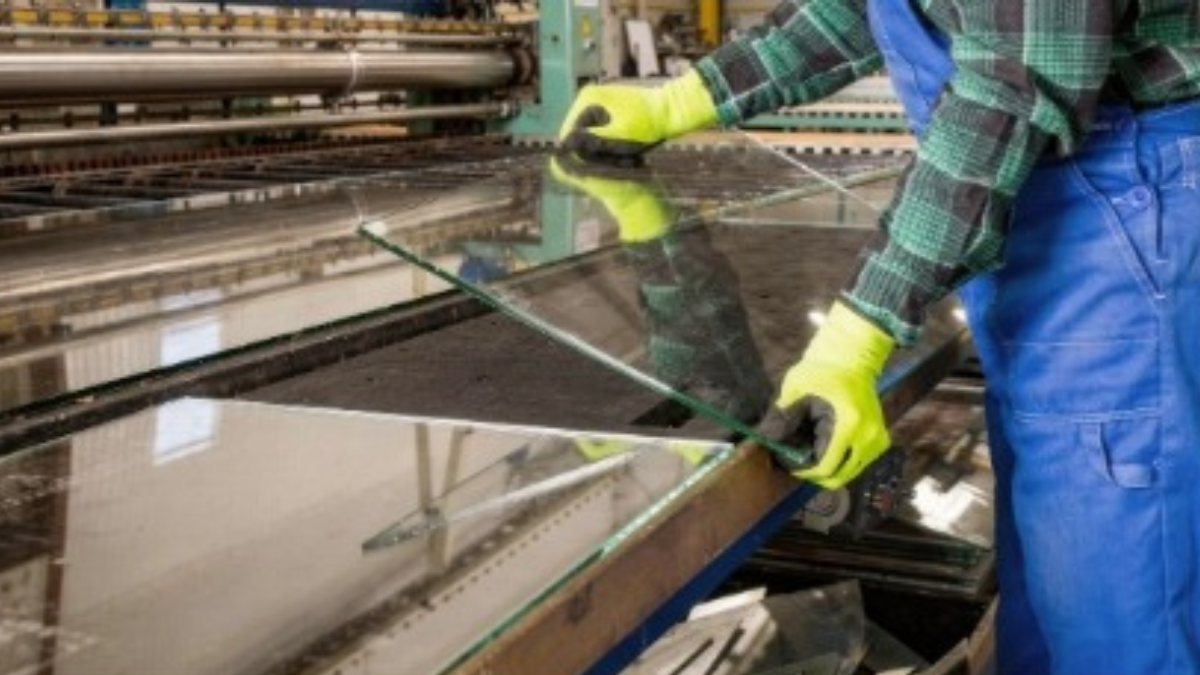
When it comes to modern interiors and architectural projects, tempered glass cut to size has become a top choice for homeowners, contractors, and designers. Known for its strength, safety, and sleek appearance, tempered glass is ideal for applications ranging from tabletops, shower enclosures, kitchen backsplashes to office partitions. Unlike standard glass, safety glass undergoes a controlled heating and cooling process that makes it several times stronger and resistant to breakage.
Tempered glass cut-to-size offers the flexibility to fit any space perfectly. Whether you need a precise panel for a custom glass door or a unique shape for a tabletop, professionals can provide glass cut to your exact specifications. This combination of custom sizing, safety, and modern aesthetics makes heat-treated glass an indispensable choice for contemporary design. In this article, we will explore the benefits, applications, types, and technical considerations for using cut to size tempered glass.
Overview of Tempered Glass Cut to Size
Tempered glass, often referred to as safety, toughened and heat-treated glass, is a type of glass that is specially heat-treated to enhance its strength. During the tempering process, the glass is heated to high temperatures and then rapidly cooled. This process creates balanced internal stresses that make tempered glass 4 to 5 times stronger than regular annealed glass of the same thickness.
One of the most important safety features of this glass is that when it does break, it shatters into small, blunt pieces rather than sharp shards. This makes it ideal for use in areas where human safety is a priority, such as in glass railings, shower enclosures, and tabletops.
Benefits of Cut to Size Tempered Glass
Choosing cut to size glass offers several advantages over standard glass sheets:
Enhanced Safety
This safety glass is designed to minimize injury risks. In high-traffic areas, this is particularly important, as breakage is rare but safe if it occurs.
Durability
Thanks to its heat-treated properties, tempered glass can withstand higher impact and thermal stress compared to regular glass.
Customizable
With the ability to cut tempered glass to exact dimensions, it can be tailored to fit unusual spaces, irregular shapes, or unique design requirements.
Versatility
Custom size tempered glass can be used in kitchens, bathrooms, offices, furniture, and even outdoor areas.
Aesthetic Appeal
Toughened glass provides a modern, sleek look that complements any interior style. Its transparency also enhances natural light and creates a sense of openness.
Applications of Precision Cut Tempered Glass
Custom fabricated tempered glass is extremely versatile. Some of the most popular applications include:
Kitchen Backsplashes
Glass backsplashes are not only stylish but also easy to clean. Custom sized tempered glass allows precise fitting behind sinks, stoves, or cabinets.
Shower Enclosures
Impact resistant glass is ideal for showers because it withstands heat and moisture. Custom glass panels can accommodate unique bathroom layouts, providing a perfect fit and elegant appearance.
Tabletops and Furniture
From coffee tables to office desks, custom tempered glass ensures the furniture looks polished while maintaining durability and safety.
Office Partitions and Doors
Modern office designs often rely on glass partitions for openness and natural light. Glass panels can create partitions of any size and shape.
Windows and Doors
Large windows, sliding doors, or glass shower doors benefit from tempered glass’s strength and safety features, especially in areas prone to high wind or impact.
Types of Tempered Glass for Cut-to-Size Projects
When selecting precision cut glass, understanding the types and finishes available can help achieve both functionality and aesthetic goals.
- Clear Tempered Glass: The most common type, offering maximum visibility and light transmission.
- Frosted or Etched Glass: Provides privacy while maintaining a sleek, modern look.
- Tinted Glass: Reduces glare and heat while enhancing interior design with color options.
- Laminated Tempered Glass: Offers extra safety by combining layers of glass with interlayers that prevent shattering.
- Patterned or Textured Glass: Adds decorative appeal for unique furniture or feature walls.
Glass Thickness Options
Tempered glass comes in a range of thicknesses, which can be customized when ordering customized panels. Common thicknesses include:
- 4mm: Suitable for small shelves or decorative panels.
- 6mm: Often used for furniture tops and light partitions.
- 8mm: Common for shower doors, glass partitions, and tabletops.
- 10mm–12mm: Ideal for heavy-duty applications like large doors and exterior glass panels.
- 15mm or more: Used in structural applications, such as balustrades or heavy-duty glass flooring.
Selecting the right thickness is crucial for durability, safety, and appearance. Professional installers can advise based on your specific project needs.
Glass Edge Finishes for Cut-to-Size Panels
Edge finishes not only improve aesthetics but also enhance safety. Popular options include:
- Polished Edges: Smooth and shiny, suitable for furniture or visible panels.
- Beveled Edges: Decorative angled edges for a premium look.
- Seamed Edges: Smooth but simpler finish for functional panels.
- Flat Edges: Minimalistic, practical for modern designs.
The choice of edge finish depends on the project type and desired visual effect.
Technical Considerations for Tempered Glass Cutting
Tempered glass cannot be cut or altered after tempering without shattering. Therefore, all dimensions and customizations must be finalized before the tempering process. This makes precision during the measurement and ordering stage critical.
Some key considerations include:
Accurate measurement of length, width, and thickness.
Allowances for hardware, such as hinges or clamps.
Type of glass finish and edge work required.
Compliance with local safety standards and building codes.
Working with experienced glass fabricators ensures that the cut-to-size tempered glass meets both design and safety requirements.
How to Maintain Tempered Glass Panels
Maintaining cut to size glass is relatively simple, but proper care extends its lifespan and keeps it looking pristine. Tips include:
- Use a soft microfiber cloth for cleaning.
- Avoid abrasive cleaners that could scratch the surface.
- Clean regularly with mild soap or specialized glass cleaner.
- Inspect edges and corners for chips or damage periodically.
- With proper maintenance, safety glass panels can last for decades while maintaining their clarity and strength.
Choosing a Supplier for Custom Cut Tempered Glass
Selecting a reliable supplier ensures you get high-quality glass panels cut precisely to your specifications. Look for a supplier who offers:
- Custom sizing for all types of applications.
- Variety in glass types, thicknesses, and finishes.
- Professional consultation for design and installation.
Compliance with safety and quality standards.
Working with an experienced company reduces the risk of measurement errors, breakage, or delays, making your project seamless and efficient.
Conclusion
For homeowners, designers, and contractors, tempered glass cut to size is an ideal solution that combines safety, durability, and aesthetic versatility. From kitchen backsplashes to shower enclosures, office partitions, and custom furniture, cut-to-size tempered glass panels meet both practical and design requirements.
With a variety of glass types, thicknesses, and edge finishes available, it is possible to create tailored solutions that perfectly fit any space. By partnering with a reputable supplier, you can ensure precise measurements, safe installation, and long-lasting beauty.
Choosing tempered glass cut to size is not just a design decision, it is a commitment to safety, functionality, and modern elegance.

For many adults, oral healthcare is a routine affair: brushing twice a day, flossing (hopefully), and visiting a general dentist every six months for a cleaning and check-up. This standard regimen is sufficient for maintaining basic hygiene and catching minor cavities. However, our mouths are complex ecosystems connected to our overall health, and sometimes, issues arise that exceed the scope of general dentistry.
There comes a point in many adults’ lives when a referral to a specialist becomes not just a recommendation, but a necessity. Oral and maxillofacial surgeons are specialists who have undergone years of additional training beyond dental school to manage complex conditions affecting the mouth, jaw, and face. Recognizing the signs that you require this level of specialized care is crucial for preventing long-term damage and ensuring optimal health.
Here are the critical indicators that it is time to seek specialized oral care.
1. Complications with Wisdom Teeth
While many people have their wisdom teeth removed during their late teens, it is not uncommon for adults to retain them well into their 30s, 40s, or beyond. Unfortunately, retained wisdom teeth can become problematic later in life. Even if they haven’t caused pain previously, they can shift, decay, or become impacted—meaning they are trapped beneath the gum line or bone.
When wisdom teeth become impacted or only partially erupt, they create a breeding ground for bacteria, leading to infections known as pericoronitis. Furthermore, they can develop cysts or damage adjacent healthy teeth. If you are an adult experiencing sudden crowding of your teeth, pain in the back of the mouth, or swelling in the gums, this is a clear signal that specialized intervention is needed to surgically remove these molars safely.
2. The Need for Dental Implants
Losing a tooth as an adult can be a traumatic experience, whether due to decay, gum disease, or an accident. While bridges and dentures are traditional options, dental implants have become the gold standard for tooth replacement because they mimic the structure of a natural tooth root.
Placing a dental implant is a sophisticated surgical procedure that requires precision and a deep understanding of bone biology. If you are considering implants, you need a specialist who can assess the density of your jawbone and potentially perform bone grafting if the current bone is insufficient to support the implant. This level of structural reconstruction ensures the longevity of the replacement tooth and prevents future complications.
3. Persistent Jaw Pain and TMJ Disorders
The Temporomandibular Joint (TMJ) acts like a sliding hinge connecting your jawbone to your skull. TMJ disorders can cause pain in your jaw joint and in the muscles that control jaw movement. While occasional jaw soreness can be stress-related, chronic pain, clicking sounds, or “locking” of the jaw indicate a mechanical or structural issue that requires expert evaluation.
General dentists can offer bite guards, but if the issue stems from a misalignment of the jaw itself or severe arthritis in the joint, specialized care is required. An expert in maxillofacial structures can determine if surgical intervention or advanced therapy is necessary to restore function and alleviate debilitating pain.
4. Facial Trauma and Injury
Accidents happen. Whether it’s a sports injury, a fall, or a vehicle accident, trauma to the face can result in knocked-out teeth, fractured jaws, or broken facial bones. These are not injuries that can simply “heal on their own” without risking permanent disfigurement or loss of function.
Specialized surgeons are the experts called upon to treat these complex injuries. They possess the knowledge to wire jaws, set broken facial bones, and replant avulsed teeth. Immediate and specialized attention in these scenarios is critical to ensuring that the patient’s bite is preserved and that facial aesthetics are restored to their pre-accident state.
5. Corrective Jaw Surgery (Orthognathic Surgery)
Sometimes, braces alone aren’t enough. Orthodontics can straighten teeth, but they cannot correct the underlying skeletal structure if the jaws themselves are misaligned. Adults who have severe overbites, underbites, or open bites often struggle with more than just aesthetics; they face difficulties chewing, speaking, and even breathing (sleep apnea).
In these cases, a general dentist or orthodontist will refer the patient for corrective jaw surgery. This process involves moving the jawbones into a new, more functional position. It is a significant procedure that can drastically improve a patient’s quality of life, resolving chronic headaches, sleep apnea, and digestive issues caused by improper chewing.
6. Identification and Management of Oral Pathology
The inside of your mouth is lined with a special type of skin (mucosa) that should be smooth and coral pink in color. Any alteration in this appearance could be a warning sign of a pathological process. This could manifest as reddish or whitish patches, chronic sores that fail to heal, lumps, or thickening of the lining of the mouth.
While many of these symptoms can be benign, they can also be early indicators of oral cancer or other serious diseases. General dentists are trained to screen for these issues, but diagnosis and treatment often require a specialist to perform a biopsy and manage the condition. If you notice persistent changes in the soft tissue of your mouth, seeking a specialized opinion is imperative for early detection and successful treatment.
Navigating oral health goes beyond the toothbrush. Recognizing when a problem exceeds the scope of general maintenance is the first step toward recovery. Whether you are dealing with a complex tooth extraction, preparing for implants, or suffering from jaw misalignment, understanding your symptoms allows you to advocate for your own health. For residents in Utah dealing with these complex issues, consulting an oral surgeon in West Jordan can provide the specific expertise needed to resolve these conditions and restore your quality of life.

As more homeowners focus on long-term comfort, many are asking an important question: is a home elevator worth the investment? Once considered a luxury, residential elevators are now seen as a practical upgrade for improving accessibility, safety, and daily convenience. The decision often comes down to lifestyle needs, property value, and future plans. This article explores the benefits and considerations to help you decide if a home elevator is the right choice for you.
Why Homeowners Consider Adding an Elevator
Accessibility is the main driver behind the growing interest in home elevators. Navigating multi-level houses can become a challenge over time, particularly for seniors, individuals with mobility issues, or those wanting to future-proof their homes. Beyond accessibility, elevators simplify everyday chores. Moving groceries, laundry, or heavy luggage between floors becomes safer and more efficient. For busy families, this convenience significantly streamlines daily routines. Ultimately, installing an elevator is an investment in both immediate quality of life and long-term planning.
How a Home Elevator Supports Aging in Place
Installing a home elevator is one of the best ways to support aging in place. Rather than moving to a single-story home or assisted living later in life, homeowners can stay in their current space comfortably. An elevator provides easy access to all levels of the home, reducing the risk of falls on stairs and promoting safety. This added convenience can help maintain independence for longer. Planning ahead ensures your home adapts to your needs instead of requiring lifestyle changes down the road.
Impact on Property Value and Market Appeal
A home elevator may not appeal to everyone, but it can be a valuable selling point for the right buyers. Those prioritizing accessibility, multigenerational living, or long-term convenience often view elevators as a significant benefit. In competitive housing markets, unique features like an elevator can help a property stand out. It signals thoughtful design and future-focused living, particularly in multi-story homes. When well-integrated, an elevator can elevate a home’s appeal without feeling out of place.
Cost vs. Long-Term Benefits
While installation costs are a primary concern, the true value of an elevator is measured over time. For those considering residential elevators in Reno, NV, strategic planning can balance initial expenses with long-term utility. Investing now can prevent the need for future, costly modifications like stair lifts or major structural renovations. Furthermore, an elevator allows homeowners to age in place, avoiding the high costs and stress of relocating if mobility decreases. Evaluating these long-term savings helps put the upfront investment into perspective.
Space and Design Considerations
Homeowners often worry that an elevator might take up too much space or clash with their home’s design. However, modern residential elevators are designed to be compact and fit within existing floor plans. They can be installed in areas like stacked closets, unused corners, or near stairwells. With proper planning, an elevator can seamlessly integrate into a home’s interior. Thoughtful design ensures functionality without compromising style or comfort.
Lifestyle Convenience Beyond Mobility
A home elevator offers everyday convenience, even for households without mobility concerns. It simplifies tasks for parents with young children, homeowners with frequent guests, or anyone who needs to move heavy items between floors. An elevator can make hosting easier, improve daily efficiency, and reduce physical strain. These small advantages accumulate over time, creating a more comfortable living environment and becoming one of the most appreciated long-term benefits.
Maintenance and Ongoing Responsibility
Elevators, like any home system, need regular maintenance to ensure safe and reliable operation. Routine inspections and basic upkeep are essential. Opting for a simple, well-designed system can make maintenance easier. Planning ahead helps prevent unexpected problems and extends the elevator’s lifespan. Understanding these responsibilities allows homeowners to make better choices. Reliable performance starts with proper care and realistic expectations.
Is the Investment Worth It?
Deciding whether a home elevator is a worthwhile investment depends on your specific needs and priorities. If your goals include improved accessibility, long-term comfort, and future-proofing your home, the benefits can easily outweigh the costs. For many, the peace of mind an elevator provides is valuable in itself. It’s an investment not just in your home’s resale value, but in your daily quality of life.
Conclusion
A home elevator is a practical investment that enhances comfort, safety, and independence. With thoughtful planning and clear expectations, it can be a valuable addition rather than a luxury. Assessing your lifestyle, future needs, and home layout will help you decide if this upgrade aligns with your goals.
-

 Blog5 months ago
hanime1: The Ultimate Destination for Anime Lovers
-

 Entertainment8 months ago
Sflix: How It’s Changing the Way We Watch Movies and TV Shows
-

 Entertainment7 months ago
Crackstreams 2.0: The Future of Free Sports Streaming?
-

 Technology8 months ago
Simpcitt: The Rise of a Unique Online Community
-

 Bills8 months ago
Why Does My Instagram Reel Stop Getting Views After One Hour? How to Fix It?
-

 80s8 months ago
Favorite 100 Songs of the 80s: (#1) Michael Jackson – Billie Jean
-

 Blog8 months ago
Simpcitu: The New Age Trend Shaping Online Interactions
-

 Technology8 months ago
Anon Vault: Protecting Your Digital Footprint