
BLOG
Modern Accountant Trends and Adaptive Financial Planning


In today’s rapidly evolving financial landscape, professionals within the accounting sector are embracing innovative trends and advanced technologies to improve the quality and efficiency of their services. Increasingly, clients seek more than traditional number-crunching; they expect accountants to take on strategic advisory roles, guiding them through complex financial decisions. Porte Brown accounting firm exemplifies this shift toward adaptive, client-focused planning.
Adaptive financial planning has emerged as an essential practice for businesses navigating shifting economic environments, regulatory updates, and stakeholder expectations. Accountants are tasked not only with monitoring and reporting financial activities but also with recommending strategies based on new data-driven insights. The profession is at a pivotal juncture, with growing demand for expertise in technology, sustainability, and remote operations.
For modern accountants, remaining competitive requires integrating digital technology, developing proficiency with data analytics, and cultivating a forward-thinking mindset. Through these adaptations, accounting professionals are well-positioned to help their clients achieve greater resilience and growth, regardless of market volatility.
The following sections detail the most influential trends impacting accountants today, ranging from advancements in automation to the increasing significance of environmental and governance standards.
AI and Automation in Accounting
Artificial intelligence and automation have become foundational forces transforming how accountants perform their work. Sophisticated algorithms now handle repetitive processes such as invoice processing, data entry, and account reconciliation. This shift goes beyond time savings, as it also reduces human error and enables accountants to focus their expertise on financial planning and higher-level analytical tasks that require human judgment.
Recent industry research indicates that a large majority of tax and accounting firms worldwide plan to increase investment in AI technologies, with many already relying on them in daily operations. Accountants can now analyze vast amounts of data more efficiently and uncover trends faster, allowing them to deliver timely insights to clients aiming to optimize performance or manage risk. This evolution reflects the growing expectations of business leaders and investors, who increasingly view digital fluency as an essential professional skill.
Cloud-Based Solutions for Collaboration
Cloud technology underpins real-time collaboration, reshaping workflows across the accounting industry. Cloud-based platforms offer secure, immediate access to financial records, eliminating delays associated with traditional file exchanges. These systems provide scalable infrastructure and built-in security protocols, ensuring firms remain agile and up to date as business requirements evolve.
Accounting teams, auditors, and clients can all interface with the same information portal, facilitating transparency and more informed decision-making. Automated updates from cloud vendors add another layer of compliance, keeping organizations aligned with regulatory changes and industry best practices.
ESG Reporting and Sustainability
Environmental, Social, and Governance reporting has emerged as a crucial area of focus for both publicly traded and private organizations. Investors and stakeholders are increasingly concerned with a company’s impact on society, environmental responsibility, and ethical governance. Accountants have thus expanded their toolkit to include methodologies for measuring carbon footprints, social investments, and leadership diversity metrics.
Accurate ESG reporting depends on sophisticated tracking platforms and a thorough understanding of sustainability frameworks such as the GRI Standards or the SASB Guidelines. Accountants play a pivotal role in verifying data, flagging potential compliance issues, and providing clients with practical steps toward sustainability.
Remote and Hybrid Work Models
The lasting shift toward remote and hybrid work environments has redefined the internal structure of accounting firms. Teams now rely on digital communication tools and project management platforms to collaborate effectively, regardless of physical location. This distributed approach accelerates project delivery but also mandates new security practices to protect sensitive financial data.
Implementing robust endpoint security, adopting multifactor authentication, and training team members in cybersecurity best practices are now integral aspects of accounting firm operations. Organizations that excel at digital transformation can attract a broader range of talent and better serve their clients.
Data Analytics and Strategic Advisory
Advanced data analytics is redefining the accountant’s role as a truly strategic advisor. Tools for predictive modeling, anomaly detection, and scenario forecasting have become standard in leading practices. By harnessing these capabilities, accountants can uncover new revenue streams, identify cost-saving opportunities, and anticipate potential disruptions for their clients.
Confidence in this expertise has meant greater collaboration with C-suite leadership on major financial decisions. Accountants who master analytics tools are increasingly involved in shaping not only compliance routines but also investment and growth strategies for their firms and clients.
Blockchain Technology in Financial Recording
Blockchain has the potential to deliver a new standard of trust and transparency in financial reporting. The distributed ledger structure creates a permanent, unchangeable transaction history, greatly reducing the risk of fraud and discrepancies. Automated smart contracts facilitate compliance with regulatory conditions and streamline the audit process.
Early adopters are integrating blockchain for tasks ranging from secure supplier payments to automated approval workflows, with results including faster transaction times and immutable audit trails.
Continuous Learning and Digital Upskilling
Remaining competitive in the financial sector means embracing lifelong learning. Accounting firms are investing substantially in digital upskilling for their teams, providing training on IT security, analytics platforms, and regulatory policy updates. The pace of digital innovation requires that accountants not only keep up but also often get ahead of change.
Professional development is now integral to career progression in the industry, ensuring that accountants consistently deliver the value modern clients expect.
Conclusion
The accounting profession is navigating a period of profound change, fueled by technology, evolving regulations, and shifting expectations from businesses and stakeholders. Accountants who embrace AI, automation, cloud collaboration, ESG reporting, and digital upskilling cement their position as critical, trusted advisors. As the landscape continues to develop, adaptive financial planning remains central to helping organizations thrive in any market.


In the fast-paced world of digital platforms, staying ahead of the curve is essential. Enter HQPotner—a revolutionary tool that’s not just changing how businesses operate but redefining what it means to thrive in a digital landscape. As companies scramble to adapt and innovate, HQPotner emerges as a game-changer, simplifying complex processes and empowering users with unparalleled capabilities. Whether you’re an entrepreneur launching your first startup or part of a seasoned corporation looking for efficiency, this platform promises to elevate your strategy and streamline operations like never before. Let’s dive into what makes HQPotner stand out in today’s competitive environment.
The Evolution of Digital Platforms
Digital platforms have transformed dramatically over the past two decades. Initially, they focused on simple connectivity and communication. Think of early social networks that allowed users to create basic profiles and share status updates.
As technology advanced, so did user expectations. Platforms began to incorporate multimedia content. Videos, photos, and live streams became standard features that enhanced interactivity.
With the rise of mobile devices, accessibility took center stage. Users wanted seamless experiences across different screens. This shift prompted many platforms to optimize their interfaces for smartphones and tablets.
Today’s digital landscape is driven by algorithms and personalized experiences. Businesses leverage data analytics to tailor content specifically for individual preferences. It’s not just about connecting; it’s about creating meaningful interactions.
Emerging technologies like AI are now shaping how we engage with these platforms further than ever before.
How HQPotner is Different
HQPotner stands out in the crowded digital landscape by prioritizing user experience. Its intuitive interface makes navigation seamless, allowing users to focus on their core tasks without unnecessary distractions.
What truly sets HQPotner apart is its advanced analytics capabilities. Users gain insights that go beyond basic metrics. This empowers businesses to make data-driven decisions with confidence.
Another distinctive feature is the integration flexibility. HQPotner easily connects with existing tools and platforms, creating a cohesive ecosystem for all digital operations.
The community aspect of HQPotner also fosters collaboration among users. Engaging forums and support channels encourage knowledge sharing, enhancing overall productivity.
With continuous updates driven by user feedback, it adapts to evolving needs and trends in real-time. This commitment ensures that HQPotner remains at the forefront of digital platform innovation.
The Advantages of Using HQPotner
HQPotner brings a wealth of benefits to businesses navigating the digital landscape. Its user-friendly interface allows for seamless integration, making it easy to adopt without extensive training.
One standout advantage is its customization capabilities. Users can tailor their experience, ensuring that their platform fits unique business needs.
The analytics tools are another game-changer. HQPotner provides real-time insights into user behavior and engagement metrics, empowering companies to make data-driven decisions swiftly.
Additionally, customer support stands out in the crowded market. With dedicated resources available around the clock, users can resolve issues quickly and efficiently.
Cost-effectiveness is also crucial in today’s economy. HQPotner offers competitive pricing without compromising on features or quality, making advanced technology accessible for businesses of all sizes.
Success Stories from Businesses Using HQPotner
Many businesses have found success by integrating HQPotner into their operations. A small e-commerce store saw a 40% increase in sales after using the platform’s intuitive marketing tools. The streamlined processes allowed them to reach customers more effectively.
Another case involved a growing tech startup that utilized HQPotner’s analytics features. By harnessing data insights, they tailored their offerings and improved customer engagement, resulting in higher retention rates.
A local restaurant chain implemented HQPotner for managing online orders and promotions. This move led to significant growth in both foot traffic and delivery sales. They reported an impressive turnaround within just a few months of adopting the platform.
These examples illustrate how diverse industries leverage HQPotner for innovative solutions that drive results. Each story showcases unique challenges transformed into opportunities through technology and strategic application.
How to Get Started with HQPotner
Getting started with HQPotner is a straightforward process. First, visit the official website and create your account. The user-friendly interface guides you through the registration smoothly.
Once registered, explore the dashboard. Familiarize yourself with its features and tools designed to enhance your digital experience.
Next, take advantage of their tutorials and resources available in the help section. These materials will provide valuable insights into maximizing your usage of HQPotner.
Consider setting specific goals for what you want to achieve using this platform. Whether it’s increasing engagement or streamlining processes, having clear objectives helps.
Don’t hesitate to join community forums or support groups related to HQPotner. Connecting with other users can offer tips and tricks that enrich your journey on this versatile platform.
Future Developments and Expansion Plans for HQPotner
HQPotner is not resting on its laurels. The team behind this innovative platform has bold plans for the future. Upcoming features are designed to enhance user experience and streamline operations.
One key area of focus is integrating advanced AI capabilities. This will provide even smarter recommendations, making it easier for businesses to connect with their target audience.
Expansion into new markets is also on the horizon. HQPotner aims to cater to a wider range of industries, broadening its footprint globally.
Collaboration tools are set for an upgrade too, allowing teams to work more seamlessly together across different locations. Enhanced analytics will give users deeper insights into performance metrics.
Community engagement remains a priority as well. Regular webinars and training sessions are in the pipeline, empowering users with knowledge and skills essential for maximizing their potential within the platform.
Conclusion
HQPotner is more than just a tool; it’s a game-changer in the digital landscape. As businesses continue to evolve, having access to innovative platforms like HQPotner can make all the difference. With its unique features and user-friendly interface, it stands out among competitors.
The journey of digital transformation is ongoing, and HQPotner embraces this challenge head-on. Its commitment to enhancing productivity while simplifying processes ensures that users stay ahead in their respective industries. The success stories from various businesses underscore its effectiveness.
Getting started with HQPotner opens doors to new possibilities for growth and efficiency. With plans for future developments on the horizon, this platform promises even greater enhancements down the line.
Embracing HQPotner means choosing innovation, adaptability, and success as part of your digital strategy moving forward. It’s an exciting time to be part of this transformative approach in online business solutions.

Welcome to Novafork.com, the home of cutting-edge fork solutions that are redefining how we think about utensils. Forks may seem like simple tools, but at Novafork, we believe they can be so much more. With a commitment to innovation and quality, we’re here to change your dining experience one fork at a time.
Whether you’re an everyday diner or a culinary enthusiast, our unique designs cater to all needs. Discover how Novafork is elevating this humble utensil into something extraordinary. Join us as we explore the journey from traditional forks to revolutionary designs that make meals not just easier but also more enjoyable. Get ready for a deep dive into what makes Novafork the ultimate destination for innovative fork solutions!
The Need for Innovative Fork Solutions
Forks have long been a staple in various industries, yet many designs remain outdated. Traditional forks often fail to meet modern demands.
As industries evolve, so do the challenges they face. Efficiency and productivity are key drivers for innovation. Fork solutions need to keep pace with these shifts.
Innovative fork designs can streamline processes and enhance user experience. They cater to specific needs that traditional models can’t address.
Imagine a fork designed for optimal weight distribution or one that features ergonomic grips. These enhancements not only improve usability but also reduce fatigue over time.
The market is crying out for such advancements. Businesses require tools that reflect their commitment to quality and innovation while ensuring safety and reliability in daily operations.
The Evolution of Fork Designs
Fork designs have come a long way from their humble beginnings. Early forks were simple, often just two tines made of wood or metal. They served primarily as serving tools rather than utensils.
As dining customs evolved, so did the fork’s form. The introduction of three and four tines offered more versatility for cutting and spearing food. This change reflected a growing emphasis on refinement in dining experiences during the Renaissance.
In recent years, innovative materials like titanium and advanced plastics have redefined durability and functionality in fork design. Ergonomic shapes cater to comfort while eating, making them accessible for everyone.
Today’s forks are not only functional but also stylish. Designers experiment with colors, patterns, and finishes to create eye-catching pieces that enhance table settings. Each evolution tells a story about our culinary habits and preferences through time.
How Novafork is Changing the Game
Novafork is reshaping the landscape of fork solutions with cutting-edge technology and innovative designs. Their focus goes beyond aesthetics; it’s all about functionality.
The team at Novafork understands that traditional forks often fall short in meeting modern needs. They’ve reimagined what a fork can do, introducing features that enhance user experience across various applications.
With ergonomic grips and lightweight materials, using their forks feels effortless. Each design caters to different scenarios—whether it’s for outdoor adventures or everyday dining experiences.
Moreover, Novafork emphasizes sustainability by incorporating eco-friendly materials into production. This commitment resonates with environmentally conscious consumers looking for responsible choices.
Their customer-centric approach means constant feedback loops help refine products even further. As they listen to users’ needs, Novafork continuously evolves its offerings to ensure maximum satisfaction and utility.
Product Features and Benefits
Novafork.com stands out with its innovative fork solutions designed for modern needs. Each product is crafted with precision, ensuring durability and performance.
One standout feature is the ergonomic design. This ensures comfort during use, reducing strain on your hands. Whether you’re a professional chef or a home cook, you’ll appreciate this thoughtful detail.
Additionally, Novafork’s materials are top-notch. Using high-quality stainless steel not only enhances longevity but also provides an elegant finish that complements any kitchen decor.
The versatility of these forks makes them perfect for various culinary tasks—be it grilling, roasting, or serving salads.
Moreover, easy maintenance is a priority at Novafork.com; most products are dishwasher safe for hassle-free cleanup.
With such features combined in one brand, Novafork empowers users to elevate their cooking experience effortlessly.
Customer Testimonials and Success Stories
Customers have found transformative solutions with Novafork.com. Their innovative designs are making waves in various industries, from food service to industrial applications.
One user shared how a custom fork design improved efficiency in their kitchen. The lightweight yet durable material allowed for quicker prep times and reduced strain on staff.
Another client highlighted the versatility of Novafork’s products. They were able to adapt forks for multiple tasks, cutting costs while increasing productivity.
Success stories like these showcase Novafork’s commitment to quality and innovation. Each testimonial reflects real-world impacts that go beyond mere functionality.
These experiences resonate with new customers seeking reliable tools tailored to their specific needs. With every story, it becomes clear that Novafork is more than just a product provider; they’re a partner in progress.
Future Plans and Expansion
Novafork.com is not resting on its laurels. The team has ambitious plans to expand their innovative product range and reach a broader audience.
New designs are already in the pipeline, focusing on sustainability and enhanced functionality. By incorporating eco-friendly materials, Novafork aims to reduce environmental impact while maintaining quality.
Furthermore, global expansion is on the horizon. Entering new markets will allow more customers to experience these cutting-edge fork solutions.
Collaborations with leading chefs and culinary experts are also in discussions. This will help refine products based on real-world needs and preferences.
Investments in technology are set to improve manufacturing processes too. Enhanced efficiency means quicker turnaround times without compromising quality.
With each step forward, novafork.com continues to prioritize customer satisfaction through innovation and responsiveness. Exciting times lie ahead for both the brand and its growing community of users.
Conclusion: Why Novafork is the Best Choice for Your Fork Needs
When it comes to choosing the right fork solutions, Novafork.com stands out as a leader in innovation and quality. Their commitment to designing products that meet the needs of modern users is evident in every aspect of their offerings.
Novafork’s cutting-edge designs not only enhance functionality but also prioritize user experience. Whether you’re looking for durability, versatility, or unique features tailored to specific industries, Novafork delivers.
The testimonials from satisfied customers speak volumes about the reliability and performance of their products. Businesses across various sectors have experienced significant improvements by integrating Novafork solutions into their operations.
As they continue to expand and innovate further, there’s no doubt that Novafork will remain at the forefront of fork technology. Choosing novafork.com means opting for excellence, reliability, and an unwavering focus on meeting your precise needs in a rapidly evolving market.
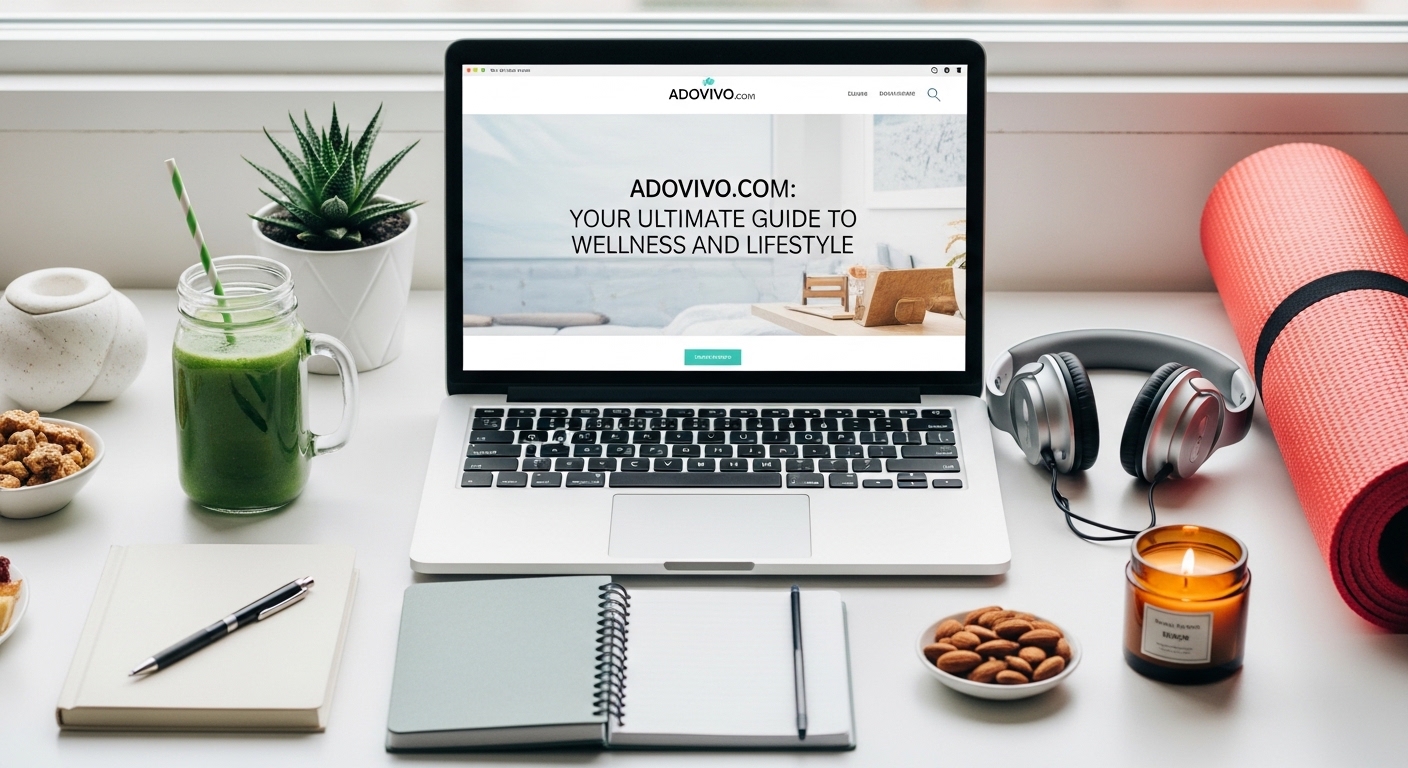
Welcome to Adovivo.com, your go-to destination for all things wellness and lifestyle. If you’re on a quest for balance in life, you’ve landed in the right place. Here at Adovivo, we believe that well-being encompasses more than just physical health; it’s about nurturing every aspect of who you are. Whether you’re seeking tips to boost your mental resilience or exploring ways to deepen your spiritual connection, there’s something here for everyone.
Life can be overwhelming at times, but prioritizing wellness is essential for navigating its ups and downs. Join us as we dive into a world where healthy living meets holistic happiness. It’s time to embrace the journey toward becoming the best version of yourself!
What is Wellness?
Wellness is more than just the absence of illness. It encompasses a holistic approach to health, integrating various dimensions of life.
Physical wellness involves taking care of your body through nutrition and exercise. This foundational aspect fuels our daily activities and influences our overall energy levels.
Mental wellness focuses on cognitive functions and emotional well-being. It’s about cultivating a positive mindset, managing stress, and engaging in lifelong learning.
Emotional wellness emphasizes understanding feelings and coping with life’s challenges. Recognizing emotions leads to healthier relationships with oneself and others.
Social wellness fosters connections within communities. Building supportive networks enhances personal growth and creates a sense of belonging.
Spiritual wellness encourages individuals to seek meaning or purpose in their lives. This can be achieved through self-reflection, meditation, or connecting with nature.
Together, these facets create a balanced life where individuals thrive both physically and mentally.
The Importance of Prioritizing Your Well-being
Prioritizing your well-being is essential for a balanced life. When you focus on your health, both mental and physical, everything else tends to fall into place.
Well-being isn’t just about avoiding illness; it’s about thriving. It fuels your energy levels and enhances productivity. A well-rounded approach helps you navigate daily challenges with grace.
Ignoring self-care can lead to burnout. By dedicating time to yourself, you’re investing in longevity and happiness. Small practices like meditation or regular exercise can make a significant difference over time.
Moreover, prioritizing wellness fosters resilience. When faced with life’s ups and downs, you’ll find it easier to bounce back if you’ve nurtured yourself along the way. Each step towards better health empowers you to create a more fulfilling lifestyle.
When well-being takes center stage, every aspect of life improves—relationships flourish, creativity sparks, and joy becomes more accessible.
Tips for Maintaining a Healthy Lifestyle
Maintaining a healthy lifestyle can sometimes feel overwhelming, but small changes make all the difference. Start by incorporating more whole foods into your diet. Fresh fruits, vegetables, and lean proteins nourish your body.
Stay active in ways that you enjoy. Whether it’s dancing, hiking, or yoga, find an activity that excites you to keep moving regularly.
Hydration is key. Aim for at least eight glasses of water daily to support overall health and energy levels.
Prioritize sleep too; quality rest enhances mood and cognitive function. Create a relaxing bedtime routine to wind down each night.
Practice mindfulness through meditation or journaling. It helps reduce stress and fosters emotional balance. These simple tips can lead you toward a vibrant life filled with wellness and joy.
Exploring the Different Aspects of Wellness on Adovivo.com (Physical, Mental, Emotional, Social, Spiritual)
Adovivo.com offers a holistic approach to wellness, addressing various aspects that contribute to overall well-being.
Physical wellness is about more than just exercise. It encompasses nutrition, sleep, and regular health check-ups—all essential for maintaining optimal health.
Mental wellness focuses on cognitive function and emotional resilience. Resources available on the site help users enhance mindfulness and manage stress effectively.
Emotional wellness emphasizes understanding feelings and developing healthy coping mechanisms. Adovivo.com provides tools to navigate life’s challenges with grace.
Social connections are vital too. Building relationships fosters a sense of belonging that can greatly enhance happiness levels.
Spiritual wellness encourages individuals to explore their values and beliefs—offering guidance for personal reflection and growth.
Together, these elements create a comprehensive framework for living well in today’s fast-paced world.
Features and Benefits of Adovivo.com
Adovivo.com offers a user-friendly interface that makes navigating wellness resources a breeze. The site is designed to provide tailored content, ensuring users find the information they need quickly.
One standout feature is its diverse range of articles and guides covering various aspects of well-being. Whether you’re interested in fitness routines or mental health strategies, Adovivo has it all.
Community engagement is another highlight. Users can connect, share experiences, and support one another on their wellness journeys. This sense of belonging fosters motivation and accountability.
Additionally, Adovivo.com frequently updates its content with the latest trends in health and lifestyle. Staying informed has never been easier or more enjoyable.
Personalized recommendations based on user preferences help streamline your journey toward better living—making every visit worthwhile.
Success Stories from Adovivo.com Users
Adovivo.com has transformed countless lives, and the success stories from its users are truly inspiring. Many individuals have turned to the platform in search of guidance on their wellness journeys.
Take Sarah, for instance. Struggling with stress and anxiety, she discovered mindfulness techniques through Adovivo.com. Now, she enjoys a more peaceful mind and improved focus in her daily tasks.
Then there’s Mark, who found his passion for healthy cooking after exploring nutritious recipes on the site. His newfound love for food not only boosted his energy but also sparked joy in family gatherings.
These narratives demonstrate how personalized resources can lead to profound changes. Users feel empowered as they navigate their unique paths toward better health and happiness thanks to the supportive community at Adovivo.com. Each story reflects determination and growth—proof that prioritizing wellness makes a difference.
Conclusion and Call to Action
Adovivo.com stands out as a comprehensive resource for anyone looking to enhance their wellness journey. With insights on physical, mental, emotional, social, and spiritual well-being, it offers valuable information that caters to diverse needs.
Prioritizing your health is essential in today’s fast-paced world. Adovivo.com provides practical tips and strategies that empower you to make informed choices. By incorporating these suggestions into your daily routine, you can cultivate a healthier lifestyle.
The features of Adovivo.com are designed with user experience in mind. Whether you’re seeking success stories or exploring different facets of wellness, the platform has something for everyone. These real-life testimonials inspire and motivate users to take charge of their well-being.
If you’re ready to embark on this transformative journey toward better health and overall happiness, visit Adovivo.com today! Discover how easily you can integrate wellness practices into your life. The support community awaits you—join now and start prioritizing yourself!
-

 BLOG8 months ago
hanime1: The Ultimate Destination for Anime Lovers
-

 ENTERTAINMENT10 months ago
Sflix: How It’s Changing the Way We Watch Movies and TV Shows
-

 ENTERTAINMENT9 months ago
Crackstreams 2.0: The Future of Free Sports Streaming?
-

 BILLS10 months ago
Why Does My Instagram Reel Stop Getting Views After One Hour? How to Fix It?
-

 Technology11 months ago
Simpcitt: The Rise of a Unique Online Community
-

 BLOG8 months ago
Imginn: The Ultimate Tool to View Instagram Content Anonymously
-

 80s11 months ago
Favorite 100 Songs of the 80s: (#1) Michael Jackson – Billie Jean
-

 BLOG10 months ago
NHentai.nef: Understanding the Popular Hentai Archive