
BLOG
How to Choose the Right Firewood for Your Home Fireplace


There is nothing quite like the comfort of a glowing fire on a cold evening. Selecting the best firewood, though, is key to ensuring your fireplace runs efficiently and safely. If you’re searching for the right firewood to fuel those cozy nights, understanding the types of wood and proper preparation will help you maximize heat, minimize maintenance, and protect your home environment.
Choosing firewood is not just about what is available. It’s a process that combines knowledge of wood varieties, storage practices, and safe burning methods. With the correct information, you will turn your fireplace into a reliable, sustainable source of warmth and ambiance for your household.
Fireplaces add both practical heating and a sense of atmosphere to your home. However, using appropriate firewood supports not only improves heat output but also promotes cleaner burning and reduces chimney buildup. This guide explains the key aspects of firewood selection so you can make smart, environmentally responsible decisions for your family’s comfort.
Likewise, the benefits of making informed choices extend to reducing smoke, minimizing maintenance costs, and supporting healthier indoor air quality. By learning about the different classes of wood and best practices for storage and safety, you can enjoy your fireplace through the winter and beyond.
Understanding Hardwood vs. Softwood
Firewood is typically divided into two groups: hardwood and softwood. Each type affects your fire’s performance and the effort required for fire maintenance.
- Hardwoods: These include oak, maple, and hickory. Hardwoods are denser than softwoods and can burn longer and hotter, making them a popular choice for extended fires. Their density means they contain more energy per log, resulting in higher heat output and less frequent restocking.
- Softwoods: Commonly available options include pine, fir, and spruce. These ignite quickly, making them great for kindling or starting a fire, but they burn faster and generate less heat overall. Softwoods often also produce more creosote, which may require additional chimney maintenance.
Generally, hardwoods are preferred for regular fireplace use as they offer longer-lasting heat and increased efficiency. For occasional, shorter fires or for starting a fire, softwoods make good kindling.
The Importance of Seasoned Firewood
Properly dried or “seasoned” firewood is essential for safe and effective fireplace use. Seasoned firewood has had at least 6 to 12 months to dry out, reducing its moisture content and ensuring a dependable burn.
- Higher Heat Output: Drier wood burns more efficiently, giving off more warmth for the same amount of fuel. In contrast, green (unseasoned) wood burns inefficiently, producing excess smoke.
- Reduced Smoke and Creosote Production: Moist wood produces more smoke and leaves behind sticky creosote in chimneys. This residue can lead to blockages and increase the risk of chimney fires.
To identify seasoned firewood, look for wood with darkened, cracked ends, a lighter feel compared to freshly cut wood, and a hollow sound when tapped together. Properly seasoned logs generally appear aged and are noticeably lighter than wet, green cuts.
Optimal Firewood Choices for Your Fireplace
Not all hardwoods or softwoods are made equal. When shopping for prime firewood, consider these popular options known for their efficient burning:
- Oak: This hardwood species is renowned for a slow, steady burn that delivers significant heat, making it perfect for overnight fires and cold winter nights.
- Hickory: Known for burning extremely hot and long, hickory is often favored for both fireplaces and wood stoves. Its rich aroma is an added bonus.
- Maple: Provides a cleaner burn and moderate heat, suitable for various climates and home needs. It is easier to split and stack, and appeals to many due to its relatively light smoke and pleasant scent.
Firewood Storage Tips
Effective storage is vital to keep your firewood dry, seasoned, and ready to burn. Here are several key storage guidelines:
- Location: Place wood off the ground on pallets, racks, or gravel. Keep the stack close enough for convenience but far enough from your home to discourage pests and moisture transfer.
- Stacking: Arrange logs in a crisscross or loose pattern to maximize air circulation around each piece and speed up the drying process.
- Covering: Shield your pile’s top with a waterproof tarp or overhang, yet always leave the sides open to promote ventilation and prevent rot.
These habits not only protect your firewood supply but also ensure it stays ready for use throughout the burning season.
Safety Considerations
- Avoid Treated or Painted Wood: Burning stained, painted, or pressure-treated wood releases hazardous chemicals into your home’s air. Only use natural, untreated firewood for indoor heating.
- Chimney Maintenance: Have a certified chimney sweep inspect and clean your chimney annually to clear any creosote buildup and confirm your system remains safe and efficient.
Proactive safety steps save money and minimize the dangers of air pollution or chimney fires.
Environmental Responsibility in Firewood Use
- Local Sourcing: Always buy firewood from local suppliers. This practice limits the risk of transporting invasive insects and diseases across regions.
- Sustainable Harvesting: Ensure your firewood comes from sustainably managed forests that help maintain ecological balance and ensure future supply.
Responsible choices in sourcing and burning firewood contribute to a healthier environment and community.
Final Thoughts
Choosing the right firewood brings more than just warmth; you gain cleaner burning, less frequent maintenance, and a safer home experience. Focus on hardwoods for maximum efficiency, make sure your wood is properly seasoned, store it correctly, and prioritize safe burning habits. By also opting for local and sustainably harvested wood, you support environmental stewardship while enjoying the full benefits of your fireplace all season long.

Biking is no longer a pastime activity on weekends. A larger number of people are now riding their bicycles on road trips, trail adventures, and outdoor getaways. A hitch bike rack is one of the most viable options when it comes to the transportation of bicycles safely. A hitch mount bike rack is more stable, easier to load and safer to vehicles compared to roof racks or trunk-mounted carriers.
Firms such as CRAVOT are assisting cyclists to make bike transportation easier by creating racks that are of durability, convenient, and modern engineering. Whether you are an amateur rider or a serious mountain biker, the right rack may be a great difference in your traveling experience.
This guide discusses the functionality of the hitch-mounted racks, why this type of rack is gaining popularity, and why it is a secure method of transporting bikes.
Why Hitch Bike Racks Are Becoming the New Favorite
Carrying bikes has been a cumbersome process associated with heavy lifting, loose straps and the fear of destroying your vehicle. Hitch bike racks nowadays have transformed that experience completely.
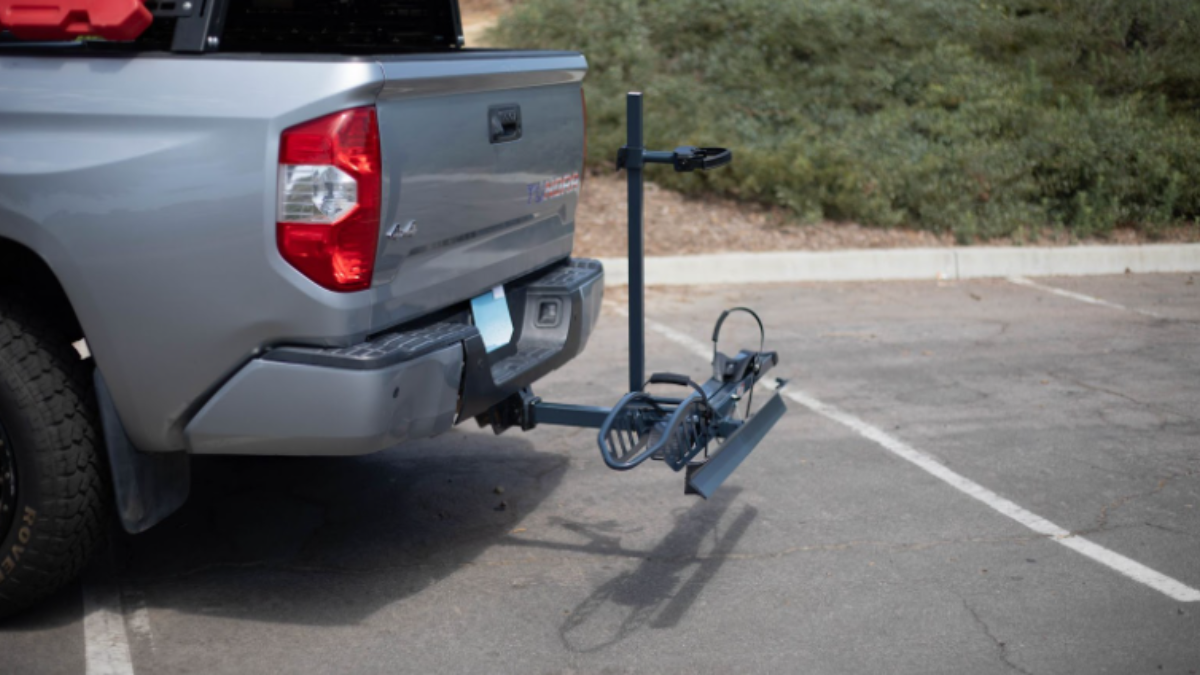
A hitch rack will be attached to the receiver hitch of the back of your car. This attachment gives the rack a good base that enables it to carry several bikes without straining the roof or the trunk.
Accessibility is one of the reasons why a hitch mount bike rack is preferred by many cyclists. Bikes can be loaded with a lot of ease since the rack is at the waist level, as opposed to the vehicle. This design makes it easy to carry the bikes without strain and avoid accidental scratches that usually happen during the process of loading bikes onto roof racks.
Personally, I have found a hitch-mounted rack to be time and energy-saving when I go on long cycling excursions. During one of the mountain biking trips on a weekend, two bikes were loaded on a hitch rack in less than two minutes. In the case of earlier trunk racks, it was a common case to have to tighten the straps and check the stability of the trunk before driving.
Hitch Mount Bike Rack Design: Stability and Safety Built
The new hitch mount bike racks are structured with better structural support to support the various types of bikes and travel conditions.
The rack is fitted in the hitch receiver of the vehicle and attached with a locking pin. Most models also have anti-wobble features that do not allow movement during driving.
This design assists in balance of weight even though the bikes remain stable even when riding on rough roads or highways. One of the reasons why cycling lovers insist on using hitch racks when traveling long distances is stability.
Bike protection is another aspect that is significant. Good racks also have padded arms, wheel cradles and frame holders which hold bicycles in place without breaking the paint or frame.
Such brands as CRAVOT are preoccupied with creating racks that are both durable and safe to the bikes, which is crucial when carrying the costly road bikes or carbon frame mountain bikes.
Convenience Benefits for Contemporary Bikers
The most important thing is convenience as the determining factor between the types of bike racks. Hitch bike rack makes almost all the transportation process easier.
Hitch racks do not demand that the bikes be lifted over your head as is the case with roof racks. This is why they are perfect for heavier bicycles like electric bikes or downhill mountain bikes.
The other benefit is better aerodynamics of vehicles. High-speed wind resistance and noise can be caused by roof racks. Hitch racks, in turn, are mounted at the back of the car and usually have less effect on the fuel efficiency.
This is a convenience that is easily felt by individuals who commute using bikes. A large number of riders who switch to hitch racks do not revert to other types of racks.
Hitch Bike Rack Fitment for Various Vehicles
The question that many new buyers would be asking is whether a hitch mount bike rack will fit in their vehicle. The good news is the fact that the majority of the modern cars, SUVs, and trucks are hitch receiver compatible.
There are two standard sizes of hitch receivers and the type of rack that can be installed depends on the size that is used. The majority of the racks can be easily compatible with these standard sizes.
Some of the vehicles that are popular with hitch bike racks include compact SUVs, crossovers, pickup trucks, and even sedans that have a hitch fitted.
Such manufacturers as CRAVOT create racks with adjustable properties to ensure a high level of flexibility to fit various vehicle types and types of bike frames.
Modern Bike Transportation Solutions by CRAVOT
The cycling accessories market is expanding fast and there is continuous innovation of brands to enhance convenience and durability. CRAVOT is devoted to creating racks that are made of robust materials and convenient functionality.
They focus on stability, easy installation and longevity. Construction of the rack with high-strength steel, corrosive-resistant coating, and easy locking mechanisms are used to guarantee that the rack lasts long.
The other factor is versatility. Today the riders have various kinds of bikes such as road bikes, gravel bikes, and mountain bikes. A good hitch mount bike rack must be capable of bearing these variations without any complex adjustments.
The philosophy of CRAVOT design is to make transportation easier so that riders can enjoy the adventure and less to do with the equipment arrangement.
How Hitch Bike Racks Enrich Travel Experiences
The benefit of having a hitch bike rack is one of the benefits that are underrated, and it improves the traveling experience.
As an illustration, it is much easier to get your bike at a trailhead. You do not need to take off straps or even pull a bike off the roof and just unlock the rack and take out the bicycle.
Conclusion
Bicycle transport must be efficient, safe, and easy. A hitch bike rack is a good alternative to a cyclist who desires to have a stable and convenient method of transporting their bikes wherever they are going in a road trip or an outdoor adventure.
The hitch mount bike rack has been one of the most trusted bike transportation systems in the market today due to its better design, durable materials and easy-to-use features. Such brands as CRAVOT are still innovating in this area by introducing racks that are durable, practical, and engineered with modernity.
To any person who regularly travels with bicycles, having a well-designed hitch rack can be a great way of enhancing the general cycling experience as well as securing your bike and your car.


Welcome to GoldZeus.com, your go-to resource for navigating the exciting world of precious metals investment. Whether you’re a seasoned investor or just stepping into this market, understanding how to leverage gold, silver, platinum, and palladium can significantly enhance your financial portfolio. Precious metals have long been regarded as a safe haven during economic uncertainty. With GoldZeus.com by your side, you’ll discover everything you need to make informed decisions that align with your financial goals. Dive in and explore how investing in these valuable assets can work for you!
Why Invest in Precious Metals?
Investing in precious metals offers a hedge against economic uncertainty. In times of inflation or market volatility, these assets often retain their value. They provide stability when paper currencies falter.
Gold, silver, platinum, and palladium are tangible assets that you can hold in your hand. This physical presence brings peace of mind to many investors. Unlike stocks or bonds, they aren’t just numbers on a screen.
Precious metals also serve as a diversification tool in an investment portfolio. By including them alongside traditional investments like equities and real estate, you enhance your overall financial strategy.
The demand for precious metals continues to rise globally. Industries utilize them for electronics and renewable energy technologies, ensuring ongoing interest beyond mere speculation.
In essence, precious metals represent security and opportunity within the ever-changing landscape of investment choices.
Understanding the Different Types of Precious Metals
Precious metals come in various forms, each offering unique characteristics and investment potential. Gold is the most recognized of these metals, often seen as a safe haven during economic uncertainty. Its value tends to rise when market conditions are volatile.
Silver follows closely behind gold in popularity. It’s not just an investment; it also has industrial applications that can influence its price. Many investors appreciate silver for its affordability compared to gold.
Platinum and palladium are rarer options with specific uses in automotive manufacturing and jewelry. Their prices can fluctuate based on supply and demand dynamics within their respective industries.
Investing in precious metals requires understanding these differences. Each metal serves distinct purposes, appealing to various investor strategies and risk profiles. Knowing which type aligns with your goals is key to navigating this fascinating market effectively.
Benefits and Risks of Investing in Precious Metals
Investing in precious metals can be a wise choice for many. One major benefit is their ability to act as a hedge against inflation. When currency values fluctuate, gold and silver often maintain their worth.
Another advantage is diversification. Including precious metals in your portfolio helps spread risk across different asset classes. This strategy can stabilize returns during market volatility.
However, there are risks involved too. The prices of precious metals can be quite volatile, influenced by global events and economic conditions. Investors must be prepared for sudden fluctuations that may affect short-term gains.
Storage and security also pose challenges. Physical assets require safe storage solutions, adding extra costs to the investment process.
Understanding these benefits and risks allows investors to make informed decisions about entering the world of precious metal investments through platforms like GoldZeus.com.
How to Get Started with Precious Metals Investment through GoldZeus.com
Getting started with precious metals investment through GoldZeus.com is straightforward. First, visit the website to explore a wealth of resources tailored for both beginners and seasoned investors.
Create an account easily by providing your details. Once registered, you’ll gain access to market insights and educational materials that demystify precious metal investing.
Next, assess your investment goals. Are you looking for short-term gains or long-term security? Understanding your objectives will guide your choices in selecting the right metals.
GoldZeus.com offers various products, including gold bullion, silver coins, and platinum bars. Take time to research these options before making a purchase.
Consider setting up alerts for price changes. This feature keeps you informed about market trends so you can make timely decisions without constant monitoring. Your journey into precious metals begins here!
Tips for Successful Precious Metals Investment
Research is key. Stay informed about market trends and economic factors that influence precious metal prices. Knowledge helps you make confident decisions.
Diversification can be beneficial. Don’t put all your investment into one type of metal. Gold, silver, platinum, and palladium each have unique characteristics and risks.
Consider the timing of your purchases. Prices fluctuate based on supply, demand, and geopolitical events. Buying during dips may increase your potential returns.
Work with reputable dealers like those found on GoldZeus.com for transparent transactions. Checking reviews can guide you to trustworthy sources.
Secure storage is crucial once you’ve made a purchase. Whether at home or in a bank vault, ensure protection against theft or damage.
Keep emotions in check when making investment choices. Stick to your strategy rather than reacting impulsively to market shifts; this discipline promotes long-term success in precious metals investment.
Conclusion: The Future of Precious Metals Investment with GoldZeus.com
The landscape of precious metals investment is evolving, and GoldZeus.com stands at the forefront of this movement. With a user-friendly interface, comprehensive resources, and expert insights, it empowers both new and seasoned investors to navigate the market with confidence.
As global economic conditions shift, more individuals are recognizing the value of diversifying their portfolios with assets like gold and silver. GoldZeus.com not only simplifies this process but also educates its users about market trends and investment strategies.
Looking ahead, precious metals remain a reliable hedge against inflation and currency fluctuations. By harnessing the knowledge available on GoldZeus.com, investors can make informed decisions that align with their financial goals.
Whether you’re considering your first purchase or looking to enhance an existing collection, embracing precious metals through GoldZeus.com could be a pivotal step in achieving long-term financial stability. The future shines bright for those ready to explore these timeless investments.

In today’s fast-paced world, businesses are facing a pivotal moment. As globalization connects markets and consumers more than ever, the need for ethical business practices has never been clearer. Companies that prioritize integrity over profits set themselves apart in a crowded marketplace. They build trust with their customers and create lasting relationships that drive success.
Ethics in business isn’t just about compliance; it’s about creating value that resonates across communities and economies. The choices companies make ripple through society, shaping perceptions and influencing consumer behavior. By embracing ethical practices, businesses can pave the way for sustainable growth while contributing positively to the world around them.
The journey toward ethical growth is not without its challenges, but it presents an exciting opportunity for innovation and collaboration. Are you ready to explore how prioritizing ethics can redefine your approach to business? Let’s dive deeper into this vital topic of worldbusiness together!
The impact of unethical business practices on society and the economy
Unethical business practices can have far-reaching effects on society. When companies prioritize profit over integrity, trust erodes among consumers and communities. This leads to a growing skepticism towards businesses as a whole.
Economically, the fallout from unethical actions often results in financial instability. Scandals can devastate stock prices and damage investor confidence. The ripple effect affects employees, suppliers, and even local economies reliant on those businesses.
Moreover, when fair competition is undermined by unethical behavior like fraud or exploitation, innovation suffers. Companies that play by the rules struggle to compete against those who cut corners.
The social fabric also frays as inequality widens. Poor labor practices contribute to worker disenchantment and social unrest, impacting overall well-being in affected regions. A community’s resilience depends significantly on its ethical business landscape; without it, everyone pays a price.
Examples of companies that have prioritized ethics in their operations and the benefits they have seen
Companies like Patagonia have set a high standard in ethical business practices. They’ve committed to environmental sustainability by using recycled materials and promoting fair labor conditions. This dedication has not only strengthened their brand loyalty but also attracted environmentally conscious consumers.
Another example is Ben & Jerry’s, known for its emphasis on social justice and community engagement. By supporting various causes, they’ve created a powerful connection with their audience that translates into increased sales and customer retention.
Then there’s TOMS Shoes, which pioneered the one-for-one model. For every pair of shoes sold, they donate another to someone in need. This initiative has helped them build a strong reputation while making a tangible positive impact globally.
These companies illustrate how prioritizing ethics can lead to enhanced trust, customer satisfaction, and ultimately better financial performance.
Steps businesses can take to promote ethical growth, including transparency, fair labor practices, and sustainability efforts
Promoting ethical growth starts with transparency. Companies should openly share their operations and decision-making processes. This builds trust with consumers and stakeholders alike.
Fair labor practices are crucial too. Treating employees well not only boosts morale but also enhances productivity. Offering fair wages, benefits, and a safe work environment creates loyal teams committed to the company’s mission.
Sustainability efforts play a significant role in ethical business practices. Implementing eco-friendly initiatives shows responsibility toward the planet. Businesses can reduce waste, use renewable resources, or support local communities through sustainable sourcing.
Engaging customers in these efforts is vital as well. By showcasing ethical commitments in marketing strategies, companies attract conscious consumers who value integrity over mere profit margins.
Each step taken toward ethical business strengthens reputations and fosters long-term growth while setting a positive example within the world of business.
Challenges businesses may face in implementing ethical practices and how to overcome them
Implementing ethical practices can be daunting for many businesses. One major challenge is the pressure to meet profit targets, often leading companies to cut corners. These shortcuts may seem beneficial in the short term but can harm long-term sustainability.
Resistance to change within an organization also poses a hurdle. Employees accustomed to traditional methods might resist new policies aimed at promoting ethics.
To combat these issues, strong leadership is essential. Leaders must communicate the vision of ethical growth clearly and consistently, fostering a culture that values integrity over mere profits.
Training programs can empower employees by instilling ethical principles into daily operations. Encouraging open dialogue allows staff members to voice concerns and share ideas on maintaining ethical standards.
Moreover, establishing accountability systems ensures everyone adheres to these principles. By making ethics part of performance metrics, businesses reinforce their commitment while motivating teams toward collective goals.
The role of consumers in supporting ethical businesses through their purchasing decisions
Consumers hold significant power in shaping the landscape of worldbusiness. Every purchase becomes a vote for the kind of practices they wish to support. By choosing products from ethical companies, consumers can drive demand for fairness and sustainability.
Social media amplifies this influence. Customers share their experiences and highlight brands that align with their values. This creates a ripple effect, encouraging others to make informed choices as well.
Moreover, consumer awareness is on the rise. People are increasingly scrutinizing supply chains and corporate behaviors before making decisions. This shift pushes businesses to adopt more responsible practices or risk losing customers.
When shoppers prioritize ethics over convenience or price alone, it sends a clear message: integrity matters. Companies that embrace this change often find themselves rewarded with loyalty and trust—precious assets in today’s competitive market.
Conclusion
World Business: A Path Towards Ethical Growth
Ethical business practices have become increasingly vital in today’s interconnected world. Consumers are more informed than ever before, and they seek to support companies that prioritize integrity. The importance of ethical behavior cannot be overstated; it fosters trust, loyalty, and long-term success for businesses.
Unethical practices can lead to significant repercussions for society and the economy at large. Scandals involving fraud or exploitation not only harm a company’s reputation but also erode consumer confidence in entire industries. This lack of trust can stifle economic growth as customers gravitate towards brands that resonate with their values.
Several companies stand out as shining examples of prioritizing ethics within their operations. Brands like Patagonia and Ben & Jerry’s have embedded social responsibility into their core missions. These organizations focus on sustainable sourcing, fair labor practices, and giving back to communities—benefits that extend beyond profit margins into customer loyalty and enhanced public perception.
To promote ethical growth effectively, businesses should adopt several key strategies. Transparency is essential; open communication about business practices builds credibility among consumers. Fair labor practices ensure workers are treated justly while promoting a positive company culture. Sustainability efforts contribute positively not only to the environment but also improve brand image in an eco-conscious market.
However, implementing these ethical standards comes with its own set of challenges. Resistance from stakeholders accustomed to traditional profit-maximization methods can hinder progress toward adopting new policies. To overcome these obstacles, education plays a crucial role—informing all levels of staff about the benefits associated with ethical practice makes it easier for everyone to embrace change.
Consumers play a pivotal role in shaping the landscape of worldbusiness through their purchasing decisions today more than ever before—they wield power over which companies thrive by choosing where they spend their money wisely and ethically supporting businesses aligning with their values fosters accountability across all sectors.
The shift towards prioritizing ethics doesn’t merely benefit individual firms; it creates ripple effects throughout our global economy leading us toward a brighter future rooted in ethical principles rather than short
-

 BLOG7 months ago
hanime1: The Ultimate Destination for Anime Lovers
-

 ENTERTAINMENT10 months ago
Sflix: How It’s Changing the Way We Watch Movies and TV Shows
-

 ENTERTAINMENT8 months ago
Crackstreams 2.0: The Future of Free Sports Streaming?
-

 BILLS10 months ago
Why Does My Instagram Reel Stop Getting Views After One Hour? How to Fix It?
-

 Technology10 months ago
Simpcitt: The Rise of a Unique Online Community
-

 BLOG8 months ago
Imginn: The Ultimate Tool to View Instagram Content Anonymously
-

 80s10 months ago
Favorite 100 Songs of the 80s: (#1) Michael Jackson – Billie Jean
-

 BLOG10 months ago
Simpcitu: The New Age Trend Shaping Online Interactions