
BUSINESS
How Modern Businesses Adapt Network Infrastructure for Growth

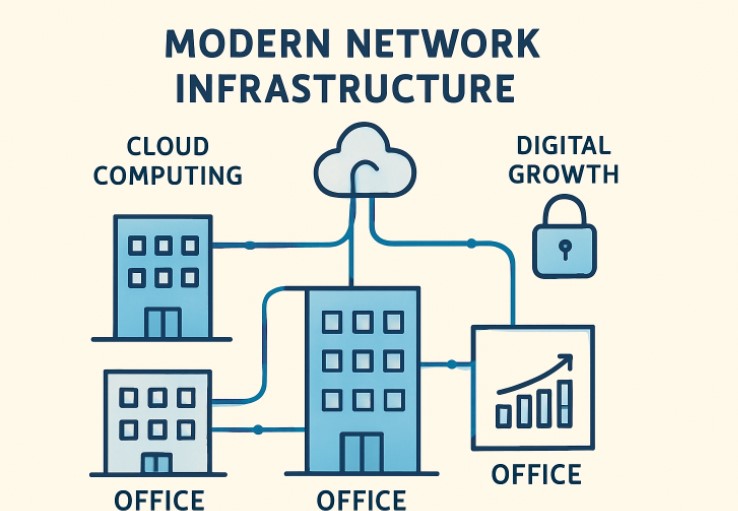
Modern businesses are facing unprecedented changes in the digital landscape. The rapid advances in technologies such as artificial intelligence, the Internet of Things, and cloud computing put pressure on companies to continuously upgrade their network infrastructure. Building a network that can support innovation, data growth, and operational agility has become a non-negotiable imperative. Organizations looking to stay relevant and competitive must prioritize regular network evaluations and invest in solutions such as managed networks, which offer enterprise-class reliability, scalability, and streamlined management.
As companies grow, efficient networking becomes a foundational driver of digital transformation. Without a modern infrastructure, businesses risk security gaps, performance bottlenecks, and an inability to leverage new revenue streams. By upgrading legacy systems, organizations can ensure operational continuity and seamlessly integrate future technologies.
Business leaders recognize that network enhancements are not just a technical necessity but also a powerful enabler of strategic objectives. Enhanced connectivity and security open the door to expansion, remote work, improved customer experience, and real-time data access. As a result, smart network investments deliver both immediate and long-term value.
In today’s fast-paced environment, reviewing network modernization success stories and best practices can guide companies toward cost-effective, high-impact transformation. These lessons apply equally to small businesses and global enterprises, as the principles of resilience, speed, and adaptability are universal in a connected world.
The Importance of Network Modernization
As organizations transition into the next era of business, the need for robust digital infrastructure becomes ever more apparent. Modernized networks accommodate the explosion in connected devices, cloud applications, and data traffic volumes. According to Cisco’s latest research, 97% of IT leaders see modernized networks as critical to deploying AI, IoT, and cloud technologies. Inadequate networks can hinder digital adoption and stifle an organization’s ability to keep pace with competitors.
Beyond supporting business-critical workloads, updated networks also reduce operational risks. Cyber threats are evolving rapidly, and older network designs often include single points of failure or insufficient segmentation. A modern network supports business continuity, regulatory compliance, and a secure foundation for future growth.
Key Strategies for Upgrading Network Infrastructure
- Assess Current Infrastructure: Begin by carefully evaluating your existing network. Identify performance constraints, outdated technologies, and any bottlenecks that impede scalability or security.
- Implement Scalable Solutions: Embrace technologies that align with business goals and future growth, such as cloud-based networks and software-defined networking. Cloud-ready solutions enable organizations to adjust capacity to meet demand without costly hardware investments.
- Enhance Security Protocols: Integrate leading-edge protection against new cyber threats. This includes multifactor authentication, strict access controls, AI-powered monitoring, and regular vulnerability assessments.
- Adopt Flexible Architectures: Employ technologies such as Network Function Virtualization to streamline operations, reduce reliance on physical hardware, and boost business agility.
Following these steps helps lay the groundwork for future-proof, efficient, and secure networks that adapt to changing technology and business needs.
Leveraging Network Function Virtualization (NFV)
Network Function Virtualization is a powerful tool for organizations seeking to break free from traditional networking limitations. By abstracting network functions from dedicated hardware and implementing them as virtual instances, businesses can dynamically allocate resources and accelerate the rollout of digital services. Companies using NFV experience significant reductions in the time required to deploy new services. What previously took months can now be accomplished within days, improving both speed to market and customer responsiveness.
With NFV, costs related to physical infrastructure and maintenance drop, while flexibility soars. Businesses are better equipped to respond to seasonal spikes, shifting workloads, and unpredictable market demands, thanks to scalable, software-defined network resources.
Enhancing Security Measures
The complexity of modern digital environments requires robust, dynamic security. Integrating AI-powered solutions enables businesses to proactively identify threats in real time, enforce policies across distributed environments, and automate responses to potential breaches. A recent article in Cisco Newsroom highlights how today’s advanced networks support secure, high-speed flows of sensitive data, making them essential for mission-critical workloads such as AI training and remote analytics.
Best-in-class security is built on a layered approach. In addition to AI-enhanced monitoring, businesses should deploy firewalls, endpoint detection, network segmentation, and encryption to create a comprehensive security strategy that grows alongside the business.
Collaborating with Managed IT Service Providers
Managed IT service providers offer a pathway for organizations to modernize their networks without excessive capital outlays or hiring additional in-house staff. Through ongoing maintenance, monitoring, and strategic planning, these providers help detect issues before they escalate and ensure networks stay optimized. Businesses benefit from the latest technology and best practices while enjoying predictable costs and operational efficiencies.
By partnering with experienced providers, companies of all sizes can remain agile, scale resources as needed, and focus on their core competencies rather than day-to-day IT management. This approach is particularly useful for small and medium-sized enterprises looking to gain enterprise-level performance without breaking the bank.
Case Study: Successful Network Modernization
One notable example involves a global technology conglomerate that moved from a legacy, hardware-centric networking approach to a microservices-based architecture. This transformation empowered the company to roll out new digital services with greater agility, enhancing customer satisfaction and creating new revenue opportunities. By adopting microservices, the business not only reduced deployment times but also improved network security and reliability. These outcomes offer a model for others to emulate, as showcased by McKinsey’s industry research.
Conclusion
For any business pursuing sustainable growth and innovation, network infrastructure modernization is an essential undertaking. By assessing existing networks, implementing scalable technologies, adopting advanced security practices, and collaborating with trusted IT partners, organizations can future-proof their operations and capture new market opportunities. Staying proactive with network upgrades not only minimizes risks but also positions companies at the forefront of digital transformation.
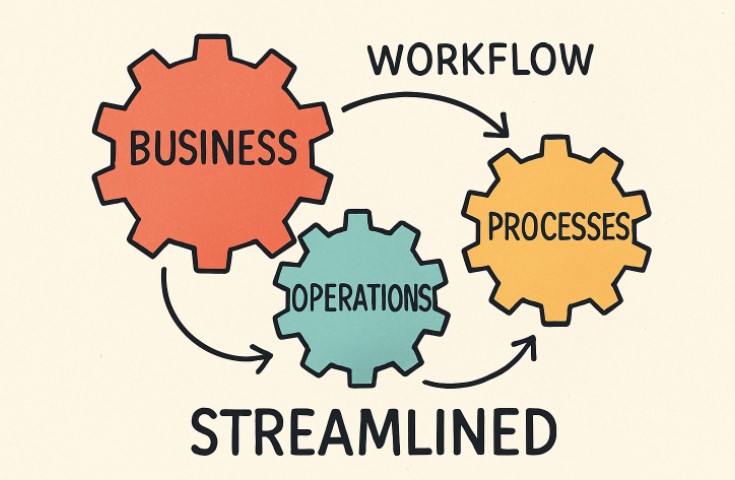
Implementing structured business systems can significantly enhance a company’s growth potential. By establishing clear processes, roles, and workflows, organizations can reduce inefficiencies and ensure consistent quality across all operations. Well-defined systems also make it easier to onboard new employees, manage resources effectively, and track performance metrics. This level of organization allows businesses to scale more smoothly, respond to market changes efficiently, and maintain stability even during periods of rapid expansion.
In addition, leveraging tools that support systematized operations can further amplify these benefits. For instance, Portocol provides a framework for managing tasks, workflows, and communication in a unified way, helping teams stay aligned and focused on strategic goals. By combining structured processes with practical solutions, companies can create an environment where innovation and growth thrive, ultimately driving long-term success while minimizing operational bottlenecks.
Enhancing Operational Efficiency
Well-organized processes create a solid operational backbone for any business. Rather than relying on ad hoc procedures, systematically designed workflows reduce human error, eliminate redundant tasks, and maintain high-quality standards. For example, setting up a centralized data repository prevents departments from operating in isolation and improves the accuracy and timeliness of information flow. With transparent processes and reliable information sharing, companies can deliver faster service and foster cross-functional collaboration.
Organizations with mature operational systems often see increased productivity and morale, as team members are empowered to focus on value-adding tasks instead of navigating unnecessary obstacles. Standardizing routine activities not only ensures compliance but also frees up creative capacity for innovation and problem-solving.
Scalability Through Structured Systems
For growing businesses, scalability is a vital consideration. Systems that work well for a small team or a single office can quickly become constraints as the organization expands. Structured systems provide a scalable framework that adapts to changing needs. They ensure that essential functions, such as HR, finance, and R&D, are consistently supported as headcounts grow or markets shift. Research by Intuit found that when businesses invest in building out structured business functions, their probability of achieving high growth rises markedly.
As structure increases, so does the ability to delegate responsibilities with confidence and maintain performance across dispersed teams. Having repeatable processes in place preserves company culture and quality, even as new employees and markets are brought on board.
Integrating Technology and Automation
Leveraging technology within structured systems amplifies their potential for impact. Cloud-based management solutions are particularly valuable, providing data harmonization, workflow automation, and improved compliance. These digital tools offer flexible access and real-time data sharing across departments, breaking down silos and connecting disparate resources.
Automation not only saves time but also reduces the likelihood of manual errors, making routine operations more reliable and predictable. Moreover, adopting these modern technologies enables organizations to keep pace with regulatory changes and market demands.
Regular System Reviews and Employee Involvement
Long-term success with structured systems requires ongoing evaluation. Scheduling regular reviews of existing processes, software updates, and security protocols is key to identifying inefficiencies and preempting potential bottlenecks. Companies should proactively seek employee feedback, as those working within the systems daily often have the clearest perspective on what works and what needs improvement.
Managers and owners should foster an environment where feedback is valued and acted upon. Regular training sessions further help staff maximize the system’s benefits while staying ahead of emerging trends and industry best practices.
Case Study: Bayer’s Structural Reinvention
Bayer’s 2023 transformation demonstrates the power of reimagining a company’s systems for greater agility and growth. The life sciences giant, under CEO Bill Anderson, adopted “Dynamic Shared Ownership,” eliminating layers of management and empowering self-directed teams to work in 90-day cycles. This structural shift accelerated decision-making and innovation, giving the company an edge in responding to challenges without bureaucratic delays. Bayer’s journey highlights how bold restructuring can unlock greater accountability and set the stage for exponential growth, offering a blueprint for other organizations facing similar pressures.
Conclusion
A commitment to structured business systems equips companies to navigate complexity and seize future opportunities. Strong systems foster efficient operations, effortless scaling, and continuous improvement fueled by employee engagement and technological innovation. When paired with regular reviews and inspired by examples like Bayer, these systems ensure that every area of the business operates at its highest potential. Building a structured, adaptive organization is not only the best defense against uncertainty but also the surest path to sustained growth and success.

In today’s fast-paced economy, businesses are increasingly turning to digital payment tools to enhance their financial operations. Modern payment platforms can streamline everything from accounts payable to corporate spending, giving companies an advantage in efficiency and cash flow planning. With features that support faster processing and tighter controls, a startup credit card solution can further empower businesses to manage spending, increase transparency, and reduce the risk of errors.
As organizations respond to the demands of a global and digital-first economy, adopting integrated payment technologies has become more than a convenience. These solutions offer a competitive edge by minimizing the friction of bill payments, payroll, supplier management, and expense reporting. Digital payment tools marry automation, real-time insights, and higher security standards, transforming traditional business finance workflows.
The Shift Towards Digital Payment Solutions
Businesses of all sizes are rapidly moving away from manual payment processes and legacy systems toward digital-first approaches. Industry surveys show that around 88% of financial decision-makers struggle with outdated payment systems, which they view as a bottleneck to efficiency and accuracy. Slow, paper-based, or manual payment processes can lead to errors, lost invoices, delayed payments, and difficulties reconciling accounts at month-end. Digital payment platforms address these pain points by centralizing and automating the journey from invoice to payment completion.
These platforms often include cloud-based dashboards that provide real-time visibility into cash positions and transactions. This level of transparency is crucial for growing businesses that wish to maintain agility while controlling costs and managing an expanding base of vendors or customers.
Benefits of Automating Payment Processes
Time Savings
Automated digital payment solutions dramatically cut down the time spent on repetitive administrative tasks. Staff no longer need to manually enter data, track paper checks, or manage emails with vendors about payment status. Instead, automated workflows move transactions along with preset approvals, notifications, and records. This frees up team members to focus on more value-added initiatives, such as financial strategy or supplier relationship management.
Error Reduction
Digital payment tools significantly decrease the likelihood of common human errors, such as duplicate payments or lost invoices. Automated validation and reconciliation tools ensure that data is recorded accurately and consistently, making it easier to track expenses, analyze spending, and satisfy audit requirements. According to experts at CFO.com, error reduction and improved compliance are among the top reasons finance teams are embracing these fintech solutions.
Improved Cash Flow
By speeding up approvals and eliminating bottlenecks, digital payment systems allow companies to process transactions quickly and avoid costly late fees or disruptions. Businesses can optimize payments to vendors, manage payroll more effectively, and keep a real-time pulse on working capital. This proactive cash flow management is essential for both day-to-day operations and long-term planning.
Real-Time Payments: A Game Changer
Real-time payments are reshaping the future of business transactions by enabling immediate fund transfers twenty-four hours a day, seven days a week. Businesses benefit from instant access to cleared funds, which supports liquidity, emergency payments, and strong supplier relationships. According to a CFO.com report, more than half of companies have embraced instant payment systems, with many more planning to adopt them within the following year.
The efficiency of real-time payments also reduces reconciliation times and enhances data accuracy. By providing immediate confirmation of payment, companies can better forecast cash availability and make smarter financial decisions.
Integration with Accounting Software
Seamless integration between digital payment platforms and accounting software is vital in eliminating information silos and double-entry. With payments and invoices automatically synced, finance departments avoid manual updates and ensure accuracy across reporting, budgeting, and financial analytics. This synchronization provides business leaders with a consolidated, up-to-the-minute view of their organization’s economic health.
Many leading payment tools are built to connect easily with widely used accounting software, streamlining onboarding and daily use. As a result, teams can review transactions, manage approvals, and generate financial statements with far less effort and reduced risk of discrepancies.
Enhanced Security Measures
Security is a central concern in the adoption of digital payment platforms. The latest tools deploy measures like multi-factor authentication and robust encryption to protect sensitive business information from cyber threats and fraud. These features are designed not only to meet regulatory requirements but also to instill greater confidence among clients, vendors, and partners.
Continuous security updates, user permission management, and activity logs help businesses respond quickly to emerging risks. By employing these proactive strategies, companies safeguard their financial data and reduce the risk of financial losses or reputational damage.
Adapting to the Digital Payment Landscape
- Invest in modern, secure digital payment platforms that can scale with business needs.
- Promote ongoing training to help staff use new technologies confidently and correctly.
- Regularly review and update security protocols to stay ahead of emerging risks and regulatory changes.
Conclusion
Embracing digital payment tools is essential for businesses seeking to streamline financial operations and maintain a competitive edge. Automation, real-time transaction processing, seamless software integration, and robust security are propelling the finance function into a new era. As organizations continue to prioritize these technologies, they are well-positioned to boost efficiency, improve financial health, and capture new growth opportunities.

Spending money on marketing is easy, but seeing real results can feel frustratingly difficult. Many businesses push ads, post content, or hire agencies, only to end the quarter wondering where the returns went. Every dollar is tracked, every conversion analyzed, yet somehow the effort does not match the outcomes.
Behind every marketing win is usually a clear structure, realistic goals, and alignment between the message and the audience. Whether it is social media, paid search, or content marketing, results only appear when time and money are used strategically, not reactively. That is what separates campaigns that actually convert from those that simply look active.
For brands that work with an agency for Google Ads, experts often say that success is not just about how much is spent on ads. It is about having clear goals, knowing the audience, and being willing to adjust strategies. Here is how businesses can make their marketing budget work effectively.
Make Every Dollar Accountable
Marketing should not just feel like an expense. Each dollar is an investment that can lead to measurable growth when used wisely. Without accountability, a marketing budget can vanish into scattered ideas, vague objectives, and constant tweaks that do not support the overall strategy.
Define Specific and Realistic Goals
The first step to controlling a marketing budget is clarity. Broad objectives like “get more leads” are too vague. Instead, set specific targets such as “increase qualified leads by fifteen percent in three months.” Measurable goals create focus and make decisions easier. They guide where time and money go, ensuring that each expense is intentional rather than experimental.
When teams run campaigns with clear objectives, they can compare results over time. This ongoing comparison allows them to refine ads, content, and offers. Gradually, this process builds stability and stability leads to real, tangible growth.
Connect Strategy with Actual Data
Marketing teams that rely on guesswork often make emotional decisions. That is where data becomes a reliable anchor. Tracking campaign metrics like click through rates, cost per acquisition, and return on ad spend is not just for reporting; it is for insight. Data tells the story behind performance, but only when it is read and interpreted correctly.
When numbers drop, it does not always mean stopping. It may simply indicate a need to adjust targeting, creative content, or timing. Teams that review data regularly spot patterns sooner and waste less budget guessing what went wrong.
Build a Flexible Framework
A good marketing strategy is like clay because it holds shape while adjusting easily when needed. Many teams struggle because they plan rigidly, expecting conditions to stay consistent. In reality, audience behavior shifts, platforms evolve, and competition responds. Keeping a portion of the budget for quick optimization helps maintain momentum without having to start over repeatedly.
This flexibility is not just about money. It is also about mindset. Teams that treat challenges as opportunities discover better approaches faster. Being adaptable turns marketing from a shot in the dark into a guided process that continuously learns and improves.
Align Effort with Audience
A marketing budget only works if the brand connects with the right people in a meaningful way. Even the most sophisticated campaign fails if it misunderstands what the audience values. Success happens when spending matches human insight, not assumptions.
Understand Audience Depth, Not Just Demographics
Knowing the audience goes beyond age, gender, or location. What matters more is understanding their motivations, fears, and the types of messages that prompt action. When marketers explore audience behavior deeply, campaigns become more precise. This precision saves money by cutting wasted impressions and irrelevant engagement.
It also allows for better creative direction. Visuals, tone, and messaging all start resonating more effectively, creating a bridge between brand intent and consumer emotion. The truth is, people buy not just because of what they see, but because they feel understood.
Combine Channels with Purpose
Modern marketing uses many channels, but just being everywhere at once usually does not work. Each platform should have a clear purpose, helping tell a consistent story that supports business goals. When a marketing team coordinates content, advertising, and email communication around the same goal, messages start to reinforce each other instead of competing.
It is also smart to focus on the channels where the audience is most active instead of just those that look impressive. Some brands get better results by concentrating on one strong channel instead of spreading resources too thin. Being strategic with fewer and stronger campaigns can make a marketing budget go further than expected.
Keep Testing and Listening
The core of modern marketing is testing and learning from feedback. Even the best plan needs regular review. Simple actions like testing different ads, updating email subject lines, or trying new formats keep campaigns active and relevant. The audience’s reactions give important clues about what is working.
Paying attention to audience feedback through comments, reviews, or direct messages also helps brands stay authentic. Instead of rushing to post new ads, they can make changes based on what people actually want, saving both time and money. Continuous learning makes marketing smarter without needing a bigger budget.
Turn Insight into Real Results
The main goal of marketing spending is not just being seen, but getting measurable results. Campaigns that grow through clear goals, careful adjustments, and matching what the audience wants are the ones that succeed over the long term. A thoughtful approach turns every dollar into useful data, insights, and progress.
When businesses treat their marketing budget as a flexible tool instead of a fixed plan, results begin to appear naturally. They stop chasing clicks and start gaining conversions that match their business goals. If managed well, even a small budget can deliver impressive results over time.
For companies wanting to improve their marketing approach, working with experienced Google Ads agency professionals can make a big difference. The benefit comes from combining creativity with data and making sure spending consistently leads to growth. Marketing budgets are not just about money spent they are about what is learned improved and built over time.
-

 Blog6 months ago
hanime1: The Ultimate Destination for Anime Lovers
-

 Entertainment9 months ago
Sflix: How It’s Changing the Way We Watch Movies and TV Shows
-

 Entertainment8 months ago
Crackstreams 2.0: The Future of Free Sports Streaming?
-

 Bills9 months ago
Why Does My Instagram Reel Stop Getting Views After One Hour? How to Fix It?
-

 Technology9 months ago
Simpcitt: The Rise of a Unique Online Community
-

 80s9 months ago
Favorite 100 Songs of the 80s: (#1) Michael Jackson – Billie Jean
-

 Blog7 months ago
Imginn: The Ultimate Tool to View Instagram Content Anonymously
-

 Blog9 months ago
Simpcitu: The New Age Trend Shaping Online Interactions