
Technology
How LED Light Bulbs Cut Your Electric Bill by 75% or More

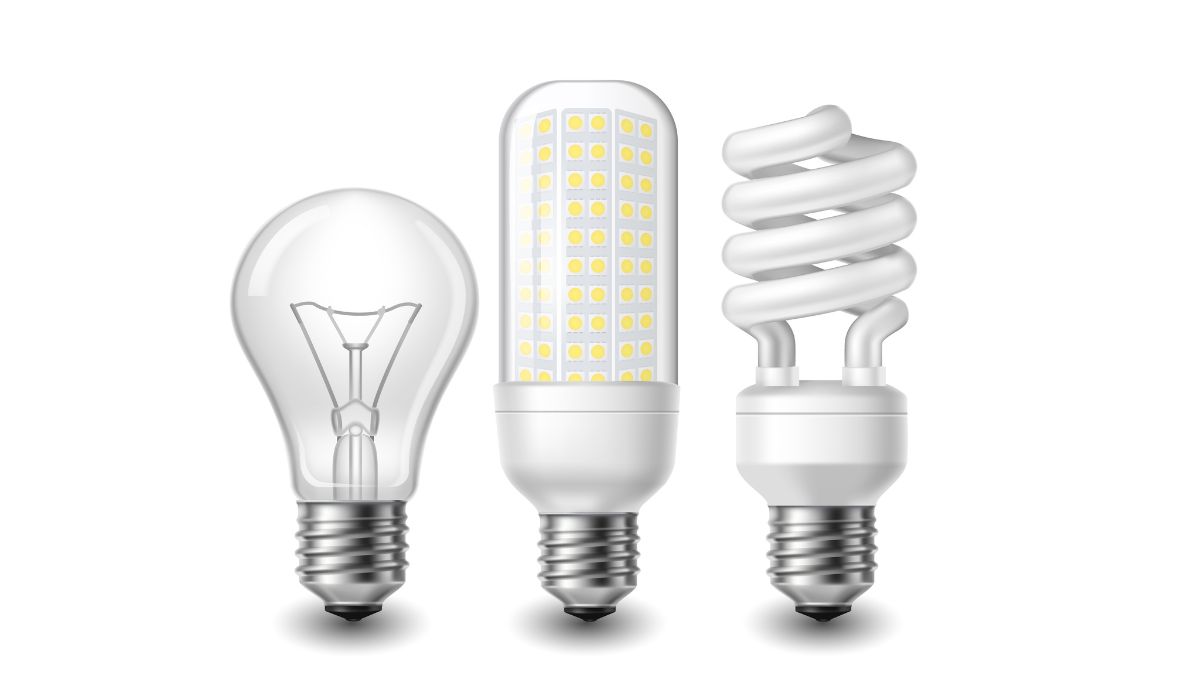
The world of home lighting has changed. Gone are the days when you had only one choice for lighting your home. Today, LED light bulbs offer a better way to light up your space. These bulbs use less power. They last much longer. They save you money every month. More people are choosing LED light bulbs because they work better than old bulbs. They also help protect our planet. This guide will show you everything you need to know. You’ll learn how these bulbs work. You’ll discover how much money they can save. You’ll find out which ones work best for each room. By the end, you’ll know exactly which LED light bulbs to buy for your home.
How LED Light Bulbs Actually Work
LED light bulbs work in a completely different way than old bulbs. The word LED means Light Emitting Diode. These are small electronic parts that make light. When electricity flows through them, they glow. This happens inside a tiny chip. The chip is very small but very powerful. Old bulbs made light by heating up a wire until it glowed. That process wasted lots of energy as heat. LED light bulbs skip that wasteful step. They turn electricity straight into light. This makes them much better at their job. The bulb has several parts working together. There’s the LED chip that makes the light. There’s a heat sink that keeps everything cool. There’s a driver that controls the power. All these parts work as a team. The result is bright light that uses very little power.
The main parts inside LED light bulbs:
- LED Chip – The tiny part that actually creates light when power runs through it
- Heat Sink – Metal piece that pulls heat away to keep the bulb cool
- Driver Circuit – Controls how much power goes to the LED chip
- Lens Cover – Spreads the light evenly across the room
- Base – The screw part that fits into your lamp or ceiling fixture
- Protective Case – Keeps dust and moisture away from the electronics inside
Why LED Light Bulbs Save You So Much Money
Your electric bill goes down fast when you switch to LED light bulbs. These bulbs use about 75% less power than old bulbs. Think about that for a moment. You could light four rooms with LED light bulbs for the same cost as lighting one room with old bulbs. The savings add up quickly each month. A single LED light bulb might save you $10 per year. But most homes have 20 or more bulbs. That means $200 saved every year. Over ten years, that’s $2,000 back in your pocket. The bulbs cost more at first. But you make that money back in less than a year. After that, it’s pure savings. You also save money because LED light bulbs last so long. You won’t need to buy replacement bulbs for years. You won’t need a ladder to change bulbs every few months. Your time has value too.
How LED light bulbs cut your costs:
- Lower Electric Bills – Use 75% less power than old bulbs every single month
- Fewer Replacements – Last 20 to 25 years instead of just one year
- Less Heat – Don’t heat up your home in summer, so air conditioning costs drop
- Rebate Programs – Many power companies give you money back for buying LED light bulbs
- Business Savings – Stores and offices can cut lighting costs by thousands of dollars yearly
- Quick Payback – Most people earn back the cost within 6 to 12 months
How Long LED Light Bulbs Really Last
LED light bulbs last an incredibly long time. Most will run for 25,000 to 50,000 hours. That sounds abstract, so let’s make it real. If you use a bulb three hours per day, it will last 22 years. Yes, you read that right. Twenty-two years from one bulb. Old bulbs lasted about one year under the same use. This long life changes everything. You install LED light bulbs once and forget about them. No more keeping spare bulbs in the closet. No more climbing ladders to change burnt-out bulbs. No more trips to the store for replacements. The bulbs last so long because they have no fragile parts. There’s no thin wire that burns out. There’s no gas that leaks away. The solid construction means they handle bumps and shakes. They work fine even when turned on and off many times. They don’t care about cold or heat. This makes LED light bulbs perfect for any location in your home.
Why LED light bulbs outlast everything else:
- Solid Build – No fragile wires or glass tubes that break easily
- Cool Operation – Don’t get hot enough to damage themselves over time
- Switch Friendly – Turning them on and off doesn’t shorten their life
- Slow Fade – Gradually dim over years instead of burning out suddenly
- Tough Design – Handle vibrations from ceiling fans or garage door openers
- Weather Proof – Work great in freezing cold or summer heat outside
Different Types of LED Light Bulbs for Every Need
LED light bulbs come in many shapes and sizes. Each type works best for specific uses. The standard bulb shape is called A19. These fit in most lamps and ceiling lights. They work great for general lighting throughout your home. Spotlight bulbs have a different shape. They’re called BR30 or PAR38 bulbs. Use these in recessed ceiling lights or track lighting. They focus light in one direction. Globe bulbs are round and see-through. They look nice in bathroom vanity lights. Candelabra bulbs are small and fit fancy chandeliers. Tube bulbs replace old fluorescent lights in garages. Corn bulbs have LEDs all around them. They light up in every direction at once. Smart bulbs connect to your phone. You can change colors and brightness from an app. Vintage style bulbs look old-fashioned but use modern technology. Pick the right type for where you’ll use it.
Common LED light bulb types you’ll find:
- A19 Standard Bulbs – Regular shape for lamps and most ceiling fixtures
- BR30 Flood Bulbs – Wide beam for recessed ceiling cans in kitchens
- PAR38 Spotlight Bulbs – Focused beam for outdoor security lights
- Globe Bulbs – Round shape for bathroom mirrors and pendant lights
- Candelabra Bulbs – Small size for decorative chandeliers and wall lights
- Tube Bulbs – Long shape to replace fluorescent tubes in garages
- Corn Bulbs – 360-degree light for post lights and large spaces
- Smart Bulbs – Connect to WiFi for phone control and color changes
Choosing the Right Color for Each Room
The color of light matters more than most people think. LED light bulbs come in different color temperatures. This affects how a room feels. Warm white light has a yellow glow. It makes rooms feel cozy and relaxing. This works great in bedrooms and living rooms. You want to unwind in these spaces. The warm glow helps you relax. Bright white light has no yellow tint. It looks clean and fresh. This works well in kitchens and bathrooms. You need to see clearly for cooking and grooming. Daylight white has a slight blue tint. It looks like sunlight at noon. This energizes you and helps you focus. Use it in home offices and workshops. The color is measured in Kelvin. Lower numbers like 2700K are warm and yellow. Higher numbers like 5000K are cool and blue. Most homes use 2700K to 3000K for main rooms.
Best color temperatures for LED light bulbs:
- 2700K Warm White – Cozy yellow glow for bedrooms and living rooms
- 3000K Soft White – Gentle light for dining rooms and hallways
- 3500K Natural White – Balanced light for any room in your home
- 4000K Cool White – Clean bright light for kitchens and bathrooms
- 5000K Daylight – Energizing light for offices and work areas
- 6000K Bright Daylight – Very bright for garages and outdoor security
Understanding Brightness in LED Light Bulbs
Brightness is measured in lumens, not watts. This confuses people at first. Old bulbs used watts to show brightness. But watts actually measure power use. LED light bulbs changed this. They use few watts but give lots of light. So we measure their light output in lumens instead. More lumens mean brighter light. A 60-watt old bulb made 800 lumens. An LED light bulb makes the same 800 lumens with only 9 watts. Same brightness, way less power. For a living room, you want about 1,500 to 3,000 total lumens. For a kitchen, aim for 5,000 to 10,000 lumens. Bedrooms need 2,000 to 4,000 lumens. Bathrooms work well with 4,000 to 8,000 lumens. These numbers cover all the bulbs in that room added together. Check the lumens on the box when shopping. Don’t worry about watts anymore.
Lumen guide for LED light bulbs:
- 450 Lumens – Replaces 40-watt old bulbs for small table lamps
- 800 Lumens – Replaces 60-watt bulbs for most home lighting needs
- 1,100 Lumens – Replaces 75-watt bulbs for brighter room lighting
- 1,600 Lumens – Replaces 100-watt bulbs for kitchens and workspaces
- 2,600 Lumens – Very bright for large rooms or outdoor areas
Dimming Your LED Light Bulbs
Many LED light bulbs can dim, but not all of them. Check the box before buying. It will say “dimmable” if it works with dimmer switches. Using non-dimmable bulbs with a dimmer causes problems. They might flicker. They might buzz. They might stop working completely. If you have dimmer switches, only buy dimmable LED light bulbs. Your old dimmer switch might not work well with LED light bulbs. Old dimmers were made for old bulbs. They don’t always play nice with LED light bulbs. You might need to replace your dimmer. Look for dimmers labeled “LED compatible.” These work much better. They give smooth dimming from bright to very dim. No flickering or buzzing. Some fancy LED light bulbs dim and change color. They shift to warmer tones as they dim. This looks more natural. It’s how old bulbs behaved.
What you need to know about dimming LED light bulbs:
- Check the Label – Only dimmable LED light bulbs work with dimmer switches
- Update Your Dimmer – Old dimmers cause flickering with LED light bulbs
- LED Compatible – New dimmers work perfectly with LED light bulbs
- Smooth Control – Good dimmers let you adjust from 100% down to 10% brightness
- No Buzzing – Quality LED light bulbs and dimmers run silently
- Warm Dim Feature – Premium bulbs get warmer as they dim for better ambiance
Installing LED Light Bulbs in Your Home
Installing LED light bulbs is simple. Just screw them in like any other bulb. Turn off the light first for safety. Remove the old bulb. Screw in the new LED light bulb. Turn the power back on. That’s it. But there are a few things to check first. Make sure the base size matches. Most home bulbs use E26 bases. This is the standard screw size. Candelabra bulbs use smaller E12 bases. Check that the bulb fits in your fixture. Some LED light bulbs are bigger than old bulbs. They might not fit in tight spaces. Look at the fixture rating too. Some fixtures say “60 watts max.” LED light bulbs use much less power. A 60-watt equivalent LED only uses 9 watts. So it’s safe to use. Some LED light bulbs don’t work in enclosed fixtures. The box will tell you. Heat builds up in enclosed spaces. This can shorten the bulb’s life.
Steps for installing LED light bulbs correctly:
- Turn Off Power – Flip the switch off before touching any bulb
- Match the Base – E26 for standard sockets, E12 for small decorative lights
- Check Size – Make sure the bulb fits inside your lamp shade or fixture
- Read Ratings – Enclosed fixtures need special LED light bulbs rated for that use
- Outdoor Use – Only use outdoor-rated LED light bulbs in weather-exposed locations
- Three-Way Lamps – Buy special three-way LED light bulbs for three-way fixtures
How LED Light Bulbs Help the Environment
LED light bulbs are much better for our planet. They use less electricity. This means power plants burn less coal and gas. Less fuel burned means cleaner air. One LED light bulb prevents 1,000 pounds of carbon pollution over its lifetime. That’s like taking a car off the road for weeks. When millions of people switch to LED light bulbs, the impact grows huge. Less pollution means healthier air to breathe. LED light bulbs also contain no toxic chemicals. Old CFL bulbs had mercury inside. Mercury is dangerous. LED light bulbs are safe. You can throw them away normally. Though recycling is better. The long life of LED light bulbs means less waste. Fewer bulbs in landfills. Less manufacturing needed. Less trucking to stores. All of this reduces environmental harm. Making the switch to LED light bulbs is one easy way to help.
Environmental benefits of LED light bulbs:
- Less Power Used – Cut electricity use by 75% compared to old bulbs
- Cleaner Air – Reduce carbon pollution from power plants significantly
- No Mercury – Safe to use and dispose of unlike CFL bulbs
- Less Waste – One bulb lasts 25 times longer than old bulbs
- Lower Manufacturing – Fewer bulbs made means less factory pollution
- Recyclable – Metal parts can be recycled for new products
10 SEO-Friendly Titles for LED Light Bulbs
- LED Light Bulbs Guide: Save Money and Energy in Your Home Today
- Best LED Light Bulbs for Every Room: Complete Buying Guide 2025
- How LED Light Bulbs Cut Your Electric Bill by 75% or More
- LED Light Bulbs vs Traditional Bulbs: Why You Should Switch Now
- Choosing the Right LED Light Bulbs: Color, Brightness, and Style
- LED Light Bulbs That Last 25 Years: The Ultimate Home Upgrade
- Dimmable LED Light Bulbs: Everything You Need to Know Before Buying
- Smart LED Light Bulbs: Control Your Lighting from Your Phone
- LED Light Bulbs for Outdoor Use: Weatherproof and Energy Efficient
- LED Light Bulbs Buyer’s Guide: Find the Perfect Bulbs for Your Home
Making the Switch to LED Light Bulbs
Now you know everything about LED light bulbs. You understand how they work. You see how much money they save. You know which types fit different needs. You can pick the right color and brightness. The choice is clear. LED light bulbs beat old bulbs in every way. They cost less to run. They last for decades. They light your home better. They help the environment. Start with your most-used lights first. Replace the bulbs in your kitchen. Change the ones in your living room. Swap out your outdoor lights. You’ll notice the difference right away. Your next electric bill will be lower. You won’t climb ladders to change bulbs anymore. Your lights will look better too. Make the switch today. Your wallet will thank you. Your planet will thank you. LED light bulbs are the smart choice for modern homes.

Structured data only works when it tells the truth about what’s actually on the page. A lot of sites carry schema that was accurate six months ago and has drifted since: a price changed, a byline got swapped, an FAQ got trimmed, but the JSON-LD never caught up.
That gap between what a page says and what its markup claims is more common than most site owners realize, and it rarely shows up as an obvious error. Running pages through a schema markup checker is a useful way to catch structured-data issues and identify potential mismatches before they become a larger problem.
This guide walks through what a real mismatch looks like, how to check for one manually, where a checker fits into that process, and how to fix the gaps without breaking rich results that are already working.
What “Matching” Schema Actually Means
Matching schema means the information represented by the markup accurately reflects the content and information visitors can see or verify on the page.
Take a Product page. If the JSON-LD lists a price of $49 but the page itself shows $59, that’s a mismatch. Google expects structured data to accurately represent the content on the page, and misleading or incorrect markup can cause a page to lose eligibility for a rich result.
The same rule applies to review counts, author bylines, publish dates, and FAQ answers. Schema is a promise about what’s on the page. Once that information stops matching reality, search engines may ignore the markup or decline to use it for enhanced search features.
It doesn’t take a redesign to break this promise, either. Someone updates a product price in the CMS, forgets the schema template pulls from a separate field, and the mismatch is live for weeks before anyone notices the rich result is gone.
Why Mismatched Schema Hurts More Than You’d Think
Rich results already earn a real click advantage. Google users click on rich results 58% of the time compared to 41% for non-rich results. Losing that eligibility because of a stale property is a measurable hit to organic traffic.
There’s also a compliance dimension worth taking seriously. Google’s structured data guidelines require markup to represent the content on the page and prohibit irrelevant or misleading structured data. Violations can cause a page to lose eligibility for rich results and, in some cases, can lead to a structured data manual action.
Spotting a Mismatch Manually Before You Automate It
Before reaching for any tool, it helps to know what a manual check actually looks for. It’s slower, sure, but it builds an eye for the patterns a checker will later flag automatically.
That instinct is worth having even after the tooling takes over.
Compare Visible Text Against the JSON-LD Line by Line
Open the page in one tab and the page source in another. Pull up the <script type=”application/ld+json”> block and read it property by property against what’s rendered on screen.
Pay close attention to datePublished, author, price, ratingValue, and reviewCount. These fields can become outdated when content teams make changes without updating the corresponding markup.
Check Field by Field, Not Just Type by Type
It’s easy to confirm the schema type is correct: Article, Product, FAQPage, and stop there. That’s not enough. A Product block can be perfectly typed and still list an availability status that’s months out of date.
Go property by property. If a field doesn’t have a clear match on the page, either update the content or remove the property rather than leaving a guess in place.
Running the Page Through a Schema Markup Checker
Manual review works for one page. It doesn’t scale across a hundred product pages or a blog with years of archived posts, which is where a schema markup checker earns its keep.
What a Good Checker Actually Flags
A solid checker will confirm syntax, catch missing required properties, and show which supported rich result types the page may be eligible for. Google’s own Rich Results Test is a reliable free starting point for validating supported structured data and checking rich-result eligibility.
What It Won’t Catch
No automated checker can tell you that a price in your schema is wrong unless it’s also comparing rendered page content: most tools validate structure, not accuracy. That comparison step still needs a human pass, or a tool built specifically to cross-check visible content against markup.
Common Mismatch Patterns Worth Watching For
Article schema is a frequent offender. Here’s a clean example of what the author and datePublished fields should look like when they’re accurate:
{
“@context”: “https://schema.org”,
“@type”: “Article”,
“headline”: “Example Article Headline”,
“author”: {
“@type”: “Person”,
“name”: “Jane Doe”
},
“datePublished”: “2026-01-15”,
“dateModified”: “2026-07-02”
}
If the byline on the page reads “Content Team” but the schema still says “Jane Doe,” that’s the exact kind of gap a checker catches instantly.
FAQPage schema has its own version of this problem. It’s common to see three FAQ items marked up in JSON-LD while the visible page has been trimmed down to two, or an answer gets rewritten on the page without ever touching the corresponding schema text. Google’s guidelines require the two to match word for word in meaning.
When a JSON-LD Schema Tool Makes More Sense Than Manual Edits
Hand-editing JSON-LD across dozens of templates is where mistakes creep in: a missing comma, a duplicated @type, a property nested under the wrong object. A JSON-LD schema tool that generates markup directly from page fields removes most of that risk, since the schema updates automatically whenever the underlying content does.
This matters most for sites with frequent content changes: e-commerce catalogs, editorial sites with multiple authors, and businesses running seasonal promotions where prices and availability shift often.
Fixing Gaps Without Breaking What’s Already Working
Once a mismatch is found, resist the urge to overhaul the entire schema block. Update only the properties that are actually wrong, then re-test with the Google Search Console Enhancements report to confirm the fix registered correctly.
It’s also worth checking the page against the Schema.org Validator afterward, since syntax errors sometimes get introduced during manual edits even when the intent was correct.
Keeping Content and Schema in Sync Going Forward
Any time page content changes (price, author, FAQ answers, ratings), schema should be part of the same edit, not a separate task someone remembers later or forgets entirely.
Teams that treat structured data as a living part of the page rather than a one-and-done setup are the ones that keep their rich results intact through content updates and platform migrations alike.
Frequently Asked Questions
What happens if schema markup doesn’t match page content?
Google may ignore the structured data, drop existing rich results, or in more serious cases, treat it as manipulative markup, which can affect how the page is indexed.
How often should structured data be audited?
A quarterly check is reasonable for stable pages; e-commerce and frequently updated content should be reviewed monthly or tied directly to the content update process.
Can a schema markup checker fix errors automatically?
Most checkers identify syntax and eligibility issues but don’t rewrite content-accuracy mismatches on their own; those still need a manual comparison or a content-linked generation tool.
Does mismatched schema cause a manual penalty?
Not always, but Google has taken action against sites using structured data to misrepresent content, particularly with review and FAQ schema.
Technology
Why Group Projects and Shared Templates Trigger Plagiarism Flags, and What to Do About It


Four students on a group project split the work: one writes the introduction, one the methods section, one the results, one the discussion. Each student runs their own section through a plagiarism checker before the team assembles the final paper. All four come back clean. Then the team submits the combined paper, and the instructor’s institutional checker flags a 22 percent match against another paper submitted by a different team, in a different section, of the same course.
Nobody copied anyone. The overlap came from a shared lab report template the course provided, a standard set of instructions both teams followed closely, and a results section describing the same experiment with the same required variables. This is one of the most common sources of confused, alarmed students in courses that use group work and shared materials, and it has a specific and fixable explanation.
The confusion is compounded by the fact that most students have never seen an unexpected flag like this before and have no framework for distinguishing a legitimate concern from a benign artifact of how the assignment was structured. Understanding the difference matters, both for responding calmly to a flagged score and for structuring group work in a way that keeps the genuinely original sections clearly separated from the shared material.
Where the overlap actually comes from in shared coursework
Courses that provide templates, standardized lab report formats, or required section headings create structural overlap between every student’s submission before anyone writes a single original word. If the assignment instructions specify “include a section titled Materials and Methods that describes X, Y, and Z,” every properly completed submission will share that heading and will likely describe the same required elements in similar language, because the assignment constrains the content.
The lab report problem specifically
Science lab reports are the most common source of this pattern. If 30 students in a chemistry course all ran the same titration experiment, their methods sections will describe the same equipment, the same steps, and the same safety procedures, often using the same standard terminology their textbook or lab manual introduced. A plagiarism checker comparing these 30 reports against each other will find substantial overlap in every pair, and none of it reflects copying between students.
How to tell coincidental structural overlap from actual copying
The distinguishing signal is where the overlap sits and how much of it there is. Overlap confined to standard sections (methods, materials, required headings, boilerplate safety language) with the analysis, discussion, and interpretation sections showing low or no overlap is the signature of coincidental structural matching, not copying. Overlap that extends into the discussion, the analysis of results, or the conclusions is a different and more concerning signal, since those sections should reflect each writer’s independent thinking even when the underlying data or assignment is shared.
A content originality tool that provides a source-by-source breakdown lets you see exactly which sections triggered the match, which is the information that separates a benign structural overlap from a genuine concern. A report showing matches concentrated in the methods section, with the discussion section clean, tells a very different story than a report showing matches throughout.
Group projects add a second layer to this. When multiple students collaborate on one document, their individually written sections will sometimes overlap with each other’s earlier drafts, prior semester submissions the instructor has on file, or with published example papers the course assigned as models. None of these overlaps are plagiarism in the traditional sense, but they can produce alarming-looking scores if the group did not anticipate them.
What to do before submitting shared or templated work
Running a plagiarism check before submission, on the combined final document rather than on each student’s individual section, is the most useful preventive step. Individual sections that check clean can still produce an unexpected combined score once assembled, particularly if different students’ methods sections happen to describe the same shared procedure in similar terms.
Explaining structural overlap proactively
If a score comes back higher than expected and the overlap is concentrated in template-driven or assignment-driven sections, the practical move is to note this proactively rather than waiting for a question. A brief note to the instructor explaining that the methods section follows the required lab template, with a citation to the assigned lab manual, resolves most of these cases before they become a larger issue. Instructors who assign shared templates are generally aware of this pattern and receptive to a clear explanation, provided the explanation is accurate and the discussion and analysis sections show genuine independent work.
For truly original contribution, the fix is not to avoid the shared template (which the assignment usually requires) but to make sure the sections that should reflect independent thinking (analysis, interpretation, discussion, conclusions) are genuinely your own work and read distinctly from your groupmates’ contributions and from other groups working on the same assignment.
Instructors who design courses around shared templates are generally already aware that similarity scores in those courses run structurally higher than in courses without shared materials, and many adjust their expectations or their acceptable-threshold guidance accordingly. Asking the instructor directly what threshold they consider normal for the specific assignment, before submission rather than after a flag, is a reasonable step for any student working with a heavily templated assignment for the first time.
The Shared-Source Trap
Shared templates, standard lab formats, and group assignments all create legitimate overlap that has nothing to do with copying. The key to reading a similarity score correctly in these situations is checking where the overlap sits. Overlap confined to required structural elements is expected and rarely a concern. Overlap in the sections meant to reflect independent thinking is the signal actually worth investigating.
For groups working on shared assignments, running the combined document through Phrasly before submission and reviewing the source-by-source breakdown makes it possible to catch and explain structural overlap before an instructor raises it as a concern.

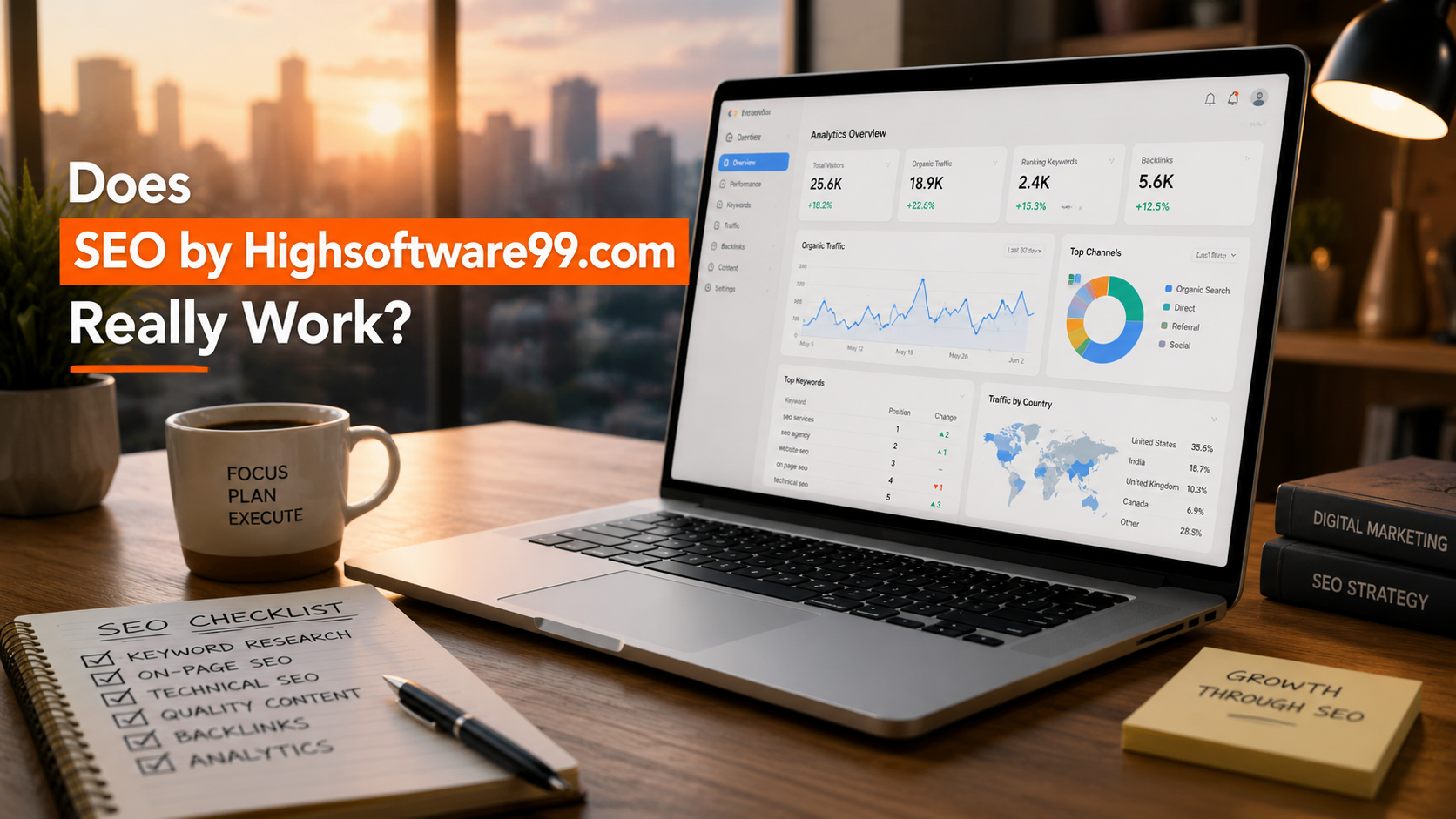
SEO by Highsoftware99.com has become a topic of interest for website owners looking for faster ways to improve search visibility and attract organic traffic. The service is presented online as an SEO solution covering areas such as keyword research, technical optimisation, content strategy, on-page improvements and link building.
But there’s a difference between offering recognised SEO techniques and proving that those techniques consistently deliver results. Search rankings depend on competition, website quality, content, authority, technical health and user intent. So, does SEO by Highsoftware99.com really work, or is it simply another SEO service making familiar promises?
The answer requires a closer look at what the service says it does, what can reasonably be expected from SEO, and which claims potential customers should verify before paying for a campaign.
What Is SEO by Highsoftware99.com?
SEO by Highsoftware99.com refers to a collection of search engine optimisation services associated with the HighSoftware99 brand. Publicly available pages describe services including keyword research, on-page optimisation, technical SEO, content strategy, website performance improvements and reporting.
Another HighSoftware99 site says its approach focuses on improving organic traffic through keyword research, technical fixes and page optimisation. It also describes work involving site speed, mobile compatibility, crawlability, titles, descriptions, headings and content structure.
These aren’t unusual SEO techniques. Agencies around the world use similar methods because search engines need websites to be technically accessible, relevant to search queries and useful to visitors.
The real question is how well those methods are implemented for an individual website.
How SEO by Highsoftware99.com Works
A typical campaign starts with understanding the current condition of a website.
Technical SEO can identify problems that may interfere with crawling or indexing. These can include broken links, poor mobile usability, slow pages, duplicate content, incorrect redirects or weak site architecture.
Keyword research comes next. Instead of targeting every high-volume phrase available, a useful SEO strategy should identify terms that match the business, its audience and the purpose of each page.
Content then has to satisfy the searcher’s reason for making the query. A page targeting “best accounting software” needs a different approach from one targeting “how to choose accounting software for a small business.”
This is where SEO becomes more than simply adding keywords.
SEO by Highsoftware99.com and Technical SEO
Technical SEO is one of the more established parts of the service’s published offering.
The HighSoftware99 brand describes technical work involving site speed, mobile compatibility, crawlability and website structure.
These areas can genuinely affect a site’s performance.
For example, if important pages can’t be crawled properly, search engines may struggle to discover or process them. If a website works badly on mobile devices, visitors may have a poor experience even when the content itself is strong.
Technical improvements don’t automatically produce first-page rankings, but they can remove obstacles that make organic search performance harder.
The Role of Content in HighSoftware99 SEO
Good website SEO depends heavily on content.
A technically perfect website won’t necessarily rank if its pages don’t answer the questions people are searching for. HighSoftware99’s public materials place emphasis on content quality, content strategy and structured optimisation.
A sensible content strategy should consider several factors:
- What is the searcher trying to accomplish?
- Does the page answer the main question quickly?
- Is the information accurate and useful?
- Does the page provide something more valuable than competing results?
- Are related topics covered naturally?
- Is the content easy to read on mobile?
These are more meaningful questions than simply asking how many times a keyword appears.
What About Highsoftware99 SEO Techniques?
The published approach associated with HighSoftware99 includes several familiar SEO strategies, including keyword research, on-page optimisation, technical improvements, content development and backlink acquisition.
The use of these techniques doesn’t guarantee success.
For example, backlinks can help establish authority when they come from relevant, legitimate sources. But acquiring large numbers of poor-quality links simply to manipulate rankings can create problems.
Similarly, targeting a keyword with thousands of monthly searches may look attractive, but a new website with little authority could struggle to compete. A better strategy might involve specific long-tail searches with clear commercial or informational intent.
In other words, the quality of the strategy matters more than the number of SEO techniques listed on a service page.
Can It Really Produce Faster Results?
This is where readers should be particularly careful.
Some websites associated with the HighSoftware99 name promote ideas around rapid visibility or “instant appear” SEO. One service describes fast indexing and keyword visibility as part of its offering.
Fast technical improvements are certainly possible. Fixing a serious indexing problem can sometimes produce a noticeable change once search engines recrawl the affected pages.
That’s very different from guaranteeing fast organic rankings.
Traditional search engine optimisation usually requires time because search engines need to crawl, evaluate and reassess pages. Competitive keywords may take considerably longer to improve than less competitive searches.
A business considering any fast-SEO offer should therefore ask exactly what “fast” means.
Does it mean faster indexing? Improved technical health? Search impressions? Higher rankings? More traffic? These are separate measurements.
What Evidence Should Customers Look For?
This is probably the most important part of evaluating any SEO provider.
Public promotional material can explain what a company intends to do, but independent evidence is needed to establish how consistently the work performs.
The available HighSoftware99 pages make claims about measurable growth, ethical SEO and client results, but those claims should be assessed separately from independently verified performance data.
Before hiring an SEO provider, ask for evidence such as:
- Search Console data showing before-and-after performance
- Specific examples of ranking improvements
- Organic traffic changes over a meaningful period
- Details about the work completed
- Examples of relevant client websites
- A clear reporting schedule
- An explanation of backlink acquisition methods
A screenshot showing one keyword moving from page five to page one is less useful than a complete picture of organic clicks, impressions, conversions and the number of keywords affected.
Is Highsoftware99 SEO Suitable for Small Businesses?
It could be, particularly for businesses that don’t have an internal SEO team.
Small websites often have straightforward opportunities. They may have pages that aren’t properly optimised, weak internal linking, missing metadata, poor technical configuration or content that doesn’t match search intent.
A focused campaign can address these weaknesses without requiring an enormous content budget.
However, small businesses should be realistic about competition. A local company competing for a specific service in one city faces a very different SEO challenge from a national ecommerce brand competing for broad commercial keywords.
The strategy needs to match the market.
SEO Tools Are Helpful, But They Aren’t the Strategy
SEO tools can provide useful information about rankings, backlinks, technical errors, search queries and competitors.
But tools don’t make strategic decisions on their own.
A website might receive a report containing hundreds of technical warnings, yet only a small number may have a meaningful impact on organic performance. Likewise, a keyword tool may show thousands of possible phrases without explaining which ones are actually valuable to the business.
Good SEO involves interpreting data and deciding what deserves attention first.
What Are the Main Risks to Consider?
The biggest risk isn’t necessarily choosing the wrong SEO software or provider. It’s paying for work without knowing exactly what will be delivered.
Anyone considering Highsoftware99 SEO should clarify the following before starting:
What is included? Get the scope in writing.
What will be measured? Rankings alone don’t tell the complete story.
How long is the campaign? Avoid unrealistic promises of guaranteed results.
How are backlinks obtained? Ask whether links are editorial, relevant and compliant with search-engine guidelines.
Who controls the website? Make sure the client retains appropriate access to its own website and analytics accounts.
How often are reports provided? Regular reporting makes it easier to evaluate progress.
These questions aren’t unique to HighSoftware99. They’re sensible checks for any SEO provider.
So, Does SEO by Highsoftware99.com Really Work?
There is a reasonable basis for some of the techniques publicly associated with SEO by Highsoftware99.com. Keyword research, technical SEO, content optimisation, internal linking and performance monitoring are all established parts of search engine optimisation.
That doesn’t prove that every campaign will succeed.
There is limited independent evidence available to establish a consistent success rate across HighSoftware99’s customers. Several websites using related branding publish positive descriptions of the service, but some of the online coverage appears closely connected to the same promotional ecosystem.
That means potential customers should not judge the service simply by the number of articles or positive pages appearing online.
Instead, ask for measurable evidence and evaluate the actual work.
Final Thoughts
SEO isn’t a switch that can simply be turned on.
A successful campaign normally involves technical improvements, useful content, relevant keywords, a clear site structure and ongoing measurement. Those elements can improve a website’s chances of gaining organic visibility, but they can’t guarantee a particular Google position.
SEO by Highsoftware99.com appears to offer many of these conventional SEO services, including technical optimisation, keyword research, content work and reporting.
The bigger question is execution.
If you’re considering the service, focus less on promises of quick rankings and more on what will actually be changed on your website. Ask for clear deliverables, realistic timelines and independently verifiable results.
That approach will give you a much better idea of whether a particular SEO campaign is delivering genuine value than any ranking promise ever could.
-

 BLOG1 year ago
hanime1: The Ultimate Destination for Anime Lovers
-

 Technology1 year ago
GLAADVoice.com: How You Can Get Involved and Make a Difference
-

 BILLS1 year ago
Why Does My Instagram Reel Stop Getting Views After One Hour? How to Fix It?
-

 ENTERTAINMENT1 year ago
Sflix: How It’s Changing the Way We Watch Movies and TV Shows
-

 BLOG1 year ago
NHentai.nef: Understanding the Popular Hentai Archive
-

 BLOG1 year ago
Imginn: The Ultimate Tool to View Instagram Content Anonymously
-

 ENTERTAINMENT1 year ago
Crackstreams 2.0: The Future of Free Sports Streaming?
-

 BLOG1 year ago
ThisVid: What Makes It Stand Out in the World of Online Videos