
BLOG
Best Visual Diagram and Mind Mapping Tools for Education: Features and Collaborative Whiteboard Options for 2026


The best visual diagram and mind mapping tools for education pair a way to organize ideas with a collaborative whiteboard. Adobe Acrobat’s mind map maker covers the organizing step: upload notes or slides as PDF, DOCX, PPTX, XLSX, or TXT files, and it builds a mind map with the source shown behind select branches, with no sign-up required.
Teachers and students who want to turn scattered thoughts into clear visual diagrams usually need three kinds of tool: a shared canvas for live group work, a mind or concept map for structure, and a diagramming tool for exact layouts such as flowcharts. The sections below match tools to each need and note what the free education access includes.
What Collaborative Whiteboard Should You Use in Education?
Pick the whiteboard that fits your school’s existing accounts. Miro’s free plan allows unlimited members but only three editable boards, while its Education plan includes unlimited boards for students, free for two years, and for educators, free indefinitely. FigJam is free for verified students and educators and includes a mind map template. Microsoft Whiteboard has always been free for students and education professionals through the Microsoft 365 A1 offer, includes more than 60 templates, and lets teachers choose read-only or collaboration mode before creating each whiteboard, which helps when you want students to view an example before they edit. Canva’s whiteboard templates include concept maps, and Canva Education is free for K-12 teachers and students.
Best Educational Mind Mapping and Concept Mapping Diagram Tools: Education Features to Look for in 2026
Compare tools on five features: free education access, the way students collaborate, templates, export options, and links back to source material. Adobe Acrobat’s mind map maker shows the original source behind select branches, and CmapTools lets you attach resources to concepts. Miro’s free plan includes 10 AI credits a month, MindMeister’s free plan includes AI map creation in beta, and Mindomo’s free plan includes one AI credit. Exports differ too: Coggle’s free plan includes PDF and image download, while Miro’s free plan allows only low-resolution board exports. Check how each tool treats student accounts before the term starts, because a feature that is free for teachers may be limited for students. The table summarizes the education features of each tool.
| Platform | Education features | Free access |
| Adobe Acrobat mind map maker | Mind map from uploaded files; source shown behind select branches | Free, no sign-up required; files up to 100MB each |
| CmapTools | Concept maps with attached resources | Free for educational use; free Cmap Cloud account |
| Miro | Shared boards; Education plan with unlimited boards | Free plan has 3 editable boards |
| FigJam | Classroom templates, including a mind map | Free for verified students and educators |
| Microsoft Whiteboard | Teacher-controlled read-only or collaboration mode | Free for students and education professionals through Microsoft 365 A1 |
| Lucidchart | Diagrams with 100 templates | Free plan has 3 editable documents; education keeps the same limit |
| Coggle | Real-time mind maps with PDF and image download | Free plan has 3 private diagrams |
| MindMeister | Mind maps with AI creation in beta | Free plan has 3 mind maps |
Best Visual Thinking Diagram Tools for Education Concept Mapping
Concept mapping needs labeled links, so choose a tool that handles lines and text well. CmapTools is built for the job and, according to IHMC, supports linking words that turn each pair of concepts into a statement. It is free for educational use and has a free Cmap Cloud account and a web version. Lucidchart suits cleaner diagrams, with a free plan of three editable documents, 75 shapes each, and 100 templates. diagrams.net is free with no sign-up required, and you choose where files are saved. Canva offers free concept map templates. Adobe Acrobat’s mind map maker makes mind maps rather than labeled concept maps, so use it for a first draft. Start each map with a focus question. Check that students can save their map as a file for assessment.
Education Mind Map Diagram Collaboration: How Do Students Work Together?
Choose a tool that lets the whole group edit one map. Coggle’s free plan includes real-time collaboration, sharing by link or QR code, and full change history, which lets you review how a map developed. MindMeister’s free plan allows unlimited collaborators on up to three maps. Miro’s free plan includes unlimited members, but every board is open to all team members by default. With Adobe Acrobat, signed-in students can create a shared Student Space and invite classmates with a link. Assign roles, such as one person who builds the structure and another who checks sources, and keep one shared map per project so work does not split across versions. Ask each student to add a short note on what they changed.
Frequently Asked Questions
Should a class start with a whiteboard or a mind map?
Start with a whiteboard when the goal is live brainstorming, and a mind map when the goal is organizing what you already know. Use a concept map when relationships matter, since labeled links make each connection explicit. Many classes use two: a whiteboard to gather ideas, then a map to structure them.
How can teachers keep student collaboration on track?
Use the controls each tool offers. Microsoft Whiteboard lets teachers choose read-only or collaboration mode before creating each whiteboard, and Miro’s Education plan gives teachers unlimited boards. Set a focus question, assign roles, and check the map’s change history or board activity before the final discussion.
Are these tools free for schools?
Often, for students and educators. Miro’s Education plan, FigJam, Microsoft Whiteboard, and CmapTools all have free education access, and Canva Education is free for K-12. Free plans still have limits, such as three editable documents on Lucidchart, so confirm the details with your school’s technology team. Miro’s student access lasts two years, so plan for renewal.
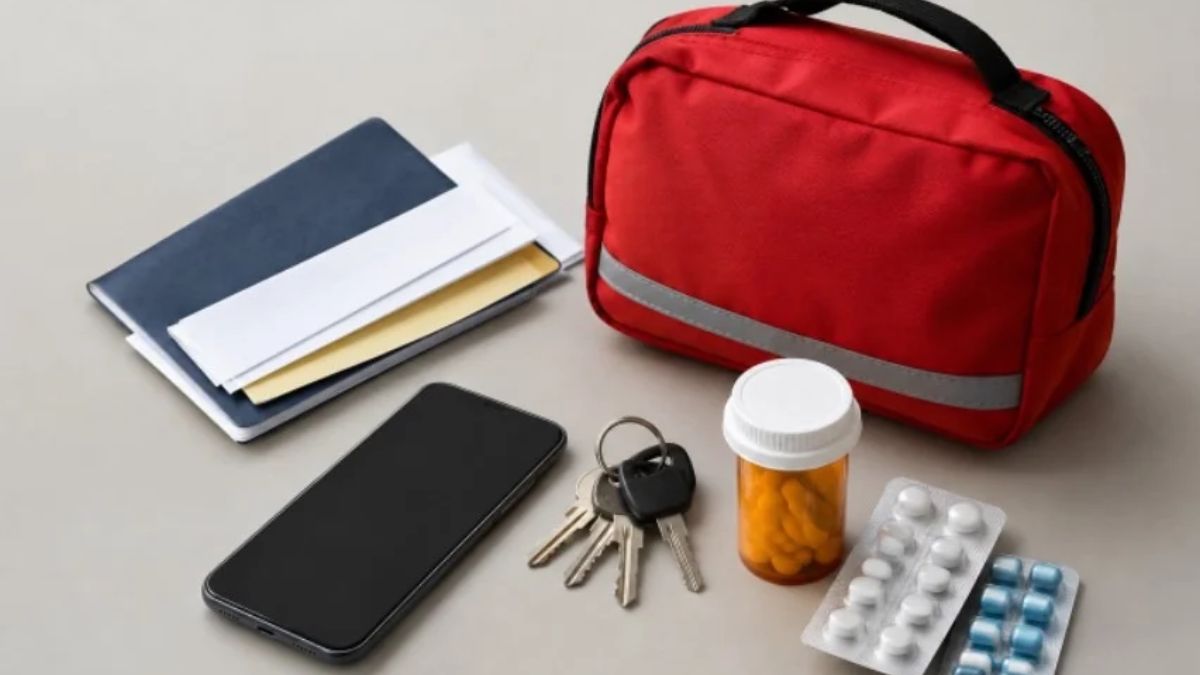
Dating violence can create urgent safety, housing, workplace, school, and parenting concerns. In Linwood and throughout New Jersey, a person dealing with threats, stalking, harassment, assault, or other abusive conduct may need both a practical safety plan and reliable information about the court process. For case-specific support involving restraining orders, readers may consider speaking with PuttermanLegal about their circumstances.
This article provides general information, not legal advice. If there is immediate danger, injury, a weapon, or a credible threat of harm, call 911. Safety should come before gathering records, sending messages, or trying to resolve a dispute alone.
Dating Violence Under New Jersey Law
Dating violence does not necessarily mean physical injury alone. New Jersey law includes people who have had a dating relationship among those who may be protected under the Prevention of Domestic Violence Act. The statute identifies specific offenses that may constitute domestic violence, including assault, harassment, stalking, criminal mischief, criminal coercion, and cyber-harassment.
Eligibility and outcomes depend on the relationship, alleged conduct, evidence, and facts of each case. A breakup, unwanted message, or argument does not automatically establish a legal claim. Still, repeated conduct, threats, monitoring, property damage, or conduct that causes reasonable fear should be taken seriously.
What To Do In The First Few Hours
Move to a safer place if possible. Contact emergency services when there is immediate danger or a need for medical treatment. Tell a trusted friend, relative, neighbor, or coworker where you are, and avoid returning to a tense location alone. In communities along the shore, where travel between work, school, and home may be predictable, consider changing routines temporarily if doing so improves safety.
Building A Practical Safety Plan
A useful plan reflects real daily needs. Identify two places you could go, arrange backup transportation, keep medication and important documents accessible, and create a code word with someone you trust. If you share a home, think carefully about exits, safe rooms, and times when leaving may be safer.
Digital safety matters as well. Review location sharing, shared cloud accounts, device passwords, and social-media privacy settings from a safer device when possible. The steps for creating a personal safety plan can help people consider safety at home, at work, online, and after leaving a relationship.
Preserving Useful Evidence
Save relevant information in its original form whenever possible. Useful materials may include texts, emails, voicemails, call histories, photographs of injuries or property damage, police report numbers, medical records, and names of firsthand witnesses. Write a dated timeline while events are fresh, separating what you personally saw or heard from what someone else told you.
Store copies somewhere the other person cannot readily access, such as a secure account, external device, or trusted person’s device. Do not edit screenshots, retaliate online, or delete messages simply because they are upsetting.
Temporary And Final Restraining Orders
A temporary restraining order, often called a TRO, may address contact, a shared residence, weapons, custody-related issues, or other immediate protections. The order itself controls. Its terms should be read carefully because restrictions can be specific to the people, locations, and methods of contact identified by the court.
Private reconciliation does not cancel a court order. A protected person and the restrained person should not assume that a phone call, apology, invitation, or mutual agreement changes the written terms. Only the court can modify or dismiss an order.
Preparing For Court
Both parties should read every page of the court papers, note the hearing date, and arrive prepared. Organize records by date, prepare a concise timeline, and identify witnesses with direct knowledge. Focus on relevant facts rather than speculation, insults, or unrelated history. Bring copies of documents when possible, and make childcare and transportation arrangements early.
A final restraining order hearing is an important legal proceeding. Anyone with questions about testimony, evidence, defenses, parenting provisions, or the effect of an order should seek qualified legal advice promptly.
Children And Parenting Issues
Children can be affected even if they were not physically harmed. Court orders may address temporary custody, parenting time, school pickup, exchanges, and communication. Do not use children to carry messages between adults. Give schools or caregivers accurate information about authorized pickup arrangements and provide court paperwork when appropriate.
What To Do After Being Served
Being served with a temporary order is not the same as losing the case, but ignoring it can create serious consequences. Read it immediately, follow every restriction, preserve relevant records, write down factual disagreements, and attend every scheduled hearing. Do not contact the protected person to argue, apologize, request withdrawal, or negotiate around the order.
Common Questions
Can help be requested after normal court hours?
Emergency procedures may be available through local law enforcement when the Superior Court is closed. Because local practices can change, contact police or the court for current instructions.
Can a restraining order affect parenting time?
Yes. An order may create temporary rules involving children, exchanges, or communication. Follow the written order unless and until the court changes it.
How long should records be kept?
Keep relevant records securely while the restraining-order matter or related family case remains active. Before discarding important materials, obtain legal guidance.
Final Thoughts
Dating violence cases can move quickly and involve high-stakes personal decisions. Prioritize safety, preserve information responsibly, comply with court orders, and obtain local professional guidance for questions that depend on the facts of a particular New Jersey case.

Selling an older home in Massillon, Ohio, often begins with a practical question: should you repair the property, list it in its current condition, or choose a simpler path? Homes with original details, established yards, and locations near familiar neighborhood amenities can have real appeal. At the same time, aging roofs, damp basements, old wiring, and unfinished projects can change the type of buyer a home attracts.
For an owner who needs flexibility, wants to avoid a lengthy repair project, or is handling an inherited property, it can be useful to compare options before committing to a listing. Some homeowners may decide to sell my house for cash in Massillon, OH, while others may prefer broader exposure through a conventional real estate listing. The best choice depends on the house, the seller’s goals, and the time available.
Why Older Homes Are Common in Massillon
Massillon has established residential areas where homes may include older construction, mature trees, porches, basements, and long-term ownership histories. These features can be attractive, but Northeast Ohio weather makes exterior upkeep important. Roof flashing, gutters, drainage, foundation walls, windows, and insulation all deserve a close look after years of rain, snow, freeze-thaw cycles, and changing temperatures.
How Condition Affects a Sale
Buyers generally look beyond paint color when they evaluate an older property. Water stains, active leaks, electrical concerns, a nonworking furnace, visible foundation cracks, or incomplete renovations can lead to inspection requests, price negotiations, or financing complications. A home does not need to be fully remodeled to sell, but its known condition should be represented accurately.
Repairs That Deserve Attention First
Before hiring contractors, decide whether the likely benefit justifies the cost. Homeowners considering a direct-sale route can review general selling options through https://www.clecashoffers.com/ while also comparing local listing and repair-first strategies. Avoid assuming that every renovation expense will return dollar for dollar at closing.
High-Priority Repairs
- Stop active roof leaks, plumbing leaks, and exterior water intrusion.
- Address immediate safety issues, including exposed wiring, unstable stairs, missing handrails, or damaged flooring.
- Repair major heating, electrical, plumbing, or drainage problems when feasible.
- Investigate substantial mold, pest, odor, or structural concerns.
- Resolve unfinished work or permit questions before they become an issue during negotiations.
Lower-Priority Improvements
Deep cleaning, decluttering, neutral paint, basic yard care, and replacing worn hardware can improve presentation without turning the sale into a major construction project. These steps may help buyers picture themselves in the home, but they should come after safety and moisture concerns are addressed.
Comparing Sale Options
- Traditional listing: This may suit an owner who wants broad buyer exposure and can manage photos, showings, inspections, negotiations, and a potentially longer transaction.
- As-is listing: The property can be marketed without completing every update, but buyers may account for visible defects and repair costs in their offers.
- Private or direct sale: This can offer a more customized conversation about timing and condition. Sellers should still review the buyer, contract, title work, and closing steps carefully.
- Repair before selling: This may work for owners with available funds, reliable contractors, and enough time to oversee the project. It also brings cost and scheduling risk.
Pricing and Net Proceeds
A reasonable price starts with comparable nearby sales, but condition must be part of the comparison. Look at location, lot size, square footage, layout, basement, garage, updates, and obvious repair needs. Online estimates can be a starting point, not a complete pricing plan. An attractive asking price does not guarantee that a property needing major repairs will qualify for every type of financing.
More importantly, calculate expected net proceeds. Start with the offer amount, then account for mortgage payoff, property taxes, negotiated credits, title-related charges, possible commissions, repair concessions, and moving costs. A lower offer with fewer contingencies can sometimes be more practical than a higher offer that carries substantial uncertainty.
Paperwork and Closing Details
Gather paperwork before accepting an offer. Useful items include mortgage payoff information, tax records, utility details, insurance information, repair receipts, permits, surveys, and documents related to an estate, trust, divorce, lien, or judgment. If the home was built before 1978, be prepared to complete the required lead-based paint disclosure process.
Some eligible homeowners may find help through the City of Massillon’s housing rehabilitation programs, particularly when repairs affect safe and sanitary living conditions. For closing expenses, remember that title services, government charges, prepaid items, prorations, and negotiated seller credits can affect the final number. The fees paid when closing on a mortgage can vary by contract and transaction.
A Simple Selling Timeline
Four to Eight Weeks Before Marketing
- Choose the sale method that fits your property and deadline.
- Collect ownership, loan, tax, and repair documents.
- Identify water, safety, and major-system issues.
- Request estimates only for repairs you may realistically complete.
After Receiving an Offer
- Compare the price with estimated net proceeds.
- Confirm the closing date and possession terms.
- Read inspection, financing, appraisal, and title contingencies.
- Verify how title work and required documents will be handled before signing.
Questions From Massillon Sellers
Should every older home be fully renovated before selling?
No. Major renovations can cost more than they add to the final sale. Focus first on water intrusion, safety hazards, essential systems, and defects that could derail a buyer’s inspection.
Can a house that needs repairs still be sold?
Yes. A home can be sold in its present condition when the condition is disclosed accurately, and the contract clearly states the agreed terms.
What if the property was inherited?
Confirm who has legal authority to sell before marketing the house. Probate requirements, multiple heirs, title issues, and unpaid obligations can affect timing.
Should the first offer be accepted?
Not automatically. Compare the offer amount, contingencies, proof of funds or financing, repair requests, closing date, and expected net proceeds.
Final Thoughts
Selling an older home in Massillon is easier when decisions are based on the property’s real condition rather than pressure to renovate everything. Review the numbers, prepare the paperwork, prioritize necessary repairs, and choose a sale path that matches your timeline. A clear plan can make even a complicated older-home sale more manageable.

After a serious collision, fall, dog bite, workplace incident, or other accident in Los Angeles, the first hours can feel chaotic. Medical needs, vehicle damage, work responsibilities, and calls from insurance companies may all demand attention at once. Speaking with a personal injury attorney in Los Angeles, CA may be one way to understand the options available after the immediate medical concerns have been addressed. Los Angeles presents its own challenges after an injury. Heavy freeway traffic, crowded sidewalks, apartment buildings, construction activity, rideshare use, and busy commercial properties can all make it harder to determine what happened and who may have important information. Taking calm, practical steps early can help protect both physical recovery and important records.
Put Health and Safety First
Seek emergency care when someone may be seriously hurt, has trouble breathing, loses consciousness, experiences severe pain, or cannot safely move. Call 911 when emergency assistance is needed, and avoid driving yourself if you feel dizzy, confused, weak, heavily medicated, or unable to focus. Even when an injury initially seems manageable, follow-up care can matter. Keep appointments, follow treatment instructions, fill prescriptions as directed, and ask about referrals to specialists when symptoms continue. Head injuries deserve particular attention because symptoms may develop or become more noticeable later. The signs and symptoms of concussion can include headaches, dizziness, memory problems, sleep changes, nausea, mood changes, and difficulty concentrating.
Report the Incident to the Right Person
The appropriate report depends on the event. A traffic collision may require law enforcement involvement and an insurance claim. A fall at a store, apartment complex, or restaurant should usually be reported to a manager or property representative. A workplace injury should be reported to a supervisor as soon as practical. In the case of a dog bite, identifying the dog owner and reporting the incident to the appropriate local authority may be important. Ask how to obtain a copy of any police report, incident report, or workplace report. A report may not answer every question about responsibility, but it can preserve basic details such as the date, location, involved parties, and initial observations.
Preserve Evidence Before It Disappears
Only collect information when it is safe to do so. If possible, take photographs or video of the scene, vehicle positions, damaged property, visible injuries, footwear, lighting, weather conditions, obstructions, and relevant signs. In a Los Angeles traffic crash, photos of lane markings, nearby intersections, vehicle plates, and street conditions may help document details that are difficult to reconstruct later.
Useful Items to Save
- Names and contact information for witnesses.
- Driver, vehicle, and insurance details after a collision.
- Business names and locations of security cameras.
- Damaged clothing, helmets, bicycles, car seats, or personal items.
- Texts, emails, repair estimates, receipts, and appointment records.
Evidence can change quickly. Security footage may be overwritten, vehicles may be repaired, and a hazardous condition may be cleaned up or repaired. A written note made soon after the event can also preserve details that may fade with time.
Keep a Simple Injury and Recovery Journal
A brief daily record can show how an injury affects real life. Note pain levels, sleep problems, mobility limits, medication side effects, emotional changes, and activities that have become harder. Keep the entries factual and specific rather than exaggerated. Also record missed workdays, reduced hours, canceled plans, transportation needs, help with childcare, and household tasks you cannot complete as usual. Save medical bills, pharmacy receipts, mileage records, copays, parking charges, and invoices for equipment or home assistance.
Handle Insurance Conversations With Care
Reporting an incident is not the same as agreeing to a settlement. Read claim forms, emails, and releases carefully. Avoid guessing about fault, future medical needs, or how quickly you will recover, particularly if symptoms are still developing. For example, a driver may feel shaken but functional at the scene, then experience neck pain or headaches two days later. An early statement may not reflect the full condition or treatment needs. Keep copies of claim numbers, letters, estimates, and every message exchanged with an insurer. Recorded statements and broad requests for medical records should be reviewed carefully before providing them.
Identify the Losses Caused by the Injury
Injury-related losses can extend beyond an emergency room bill. Documentation helps show how the incident affected a person financially and personally.
- Medical costs: Emergency care, follow-up appointments, therapy, prescriptions, medical equipment, and recommended future care.
- Income losses: Missed wages, reduced work hours, lost benefits, and limitations that affect future work.
- Property damage: Vehicle repairs, replacement transportation, damaged phones, clothing, bicycles, or other belongings.
- Daily-life effects: Pain, reduced independence, emotional distress, and changes in family or household responsibilities.
Watch the Calendar for Legal Deadlines
A statute of limitations is a deadline for bringing a legal claim. The applicable deadline can depend on the type of case, the injured person’s age, the identity of the responsible party, and other facts. Claims involving a city, county, state agency, public school, or public transportation provider may have separate notice requirements that may arise much earlier than the ordinary lawsuit deadline. The California Courts self-help guide explains the general role of filing deadlines in personal injury lawsuits, but general information cannot determine the deadline in a particular situation. An insurance claim or settlement discussion does not necessarily pause a legal deadline.
When an Injury Needs Extra Attention
Prompt professional guidance and careful recordkeeping may be especially important when an injury involves a concussion, memory changes, spinal damage, fractures, burns, surgery, rehabilitation, permanent scarring, or long-term care. Extra complexity can also arise in cases involving children, older adults, people with disabilities, commercial trucks, rideshare vehicles, multiple drivers, disputed fault, unsafe premises, or fatal injuries affecting surviving family members.
Common Mistakes to Avoid
- Delaying medical care without a clear reason.
- Ignoring follow-up instructions from a treating provider.
- Discarding damaged property or clothing too soon.
- Posting detailed comments, photos, or opinions about the incident on social media.
- Accepting payment before the full medical picture is known.
- Assuming an incident report automatically decides fault.
- Waiting until the last minute to investigate a possible deadline.
A Practical 24-Hour Checklist
- Move to safety and call emergency services when necessary.
- Get medical care and follow discharge instructions.
- Notify the relevant authority, employer, manager, or insurance provider about the incident.
- Collect photos and witness details if it is safe to do so.
- Save bills, reports, messages, and claim documents.
- Record the events as soon as possible while your memory is still clear.
- Determine whether a special reporting or legal deadline could apply.
A serious injury can turn ordinary Los Angeles routines into difficult tasks. A careful response, beginning with health and safety, can preserve important information and reduce avoidable confusion while recovery unfolds.
Conclusion
Responding to a serious injury in Los Angeles requires attention to both immediate health needs and the practical steps that follow an accident. Seeking prompt medical care, accurately reporting the incident, and preserving photographs, witness details, and relevant documents can help create a clearer record of what happened. Keeping track of symptoms, treatment, expenses, missed work, and daily limitations can also help document the injury’s broader impact. Insurance communications and potential settlement offers should be reviewed carefully, especially when the extent of an injury is not yet known. Because claims involving public agencies may have shorter notice requirements, checking applicable deadlines early is equally important. By taking a calm, organized approach and seeking professional guidance when needed, injured individuals and their families can better understand their options while keeping recovery a priority.
-

 BLOG1 year ago
hanime1: The Ultimate Destination for Anime Lovers
-

 Technology1 year ago
GLAADVoice.com: How You Can Get Involved and Make a Difference
-

 BLOG1 year ago
Imginn: The Ultimate Tool to View Instagram Content Anonymously
-

 BILLS1 year ago
Why Does My Instagram Reel Stop Getting Views After One Hour? How to Fix It?
-

 ENTERTAINMENT1 year ago
Crackstreams 2.0: The Future of Free Sports Streaming?
-

 BLOG1 year ago
ThisVid: What Makes It Stand Out in the World of Online Videos
-

 ENTERTAINMENT1 year ago
Sflix: How It’s Changing the Way We Watch Movies and TV Shows
-

 BLOG1 year ago
NHentai.nef: Understanding the Popular Hentai Archive