
Blog
Future of Wedding Photography | Wezoree Trends


Wedding photography has undergone a dramatic transformation over the past decade. At Wezoree, our analysis of thousands of wedding portfolios and couple preferences reveals a clear departure from traditional, overly-staged photography toward more authentic, emotionally-driven visual narratives. The modern couple seeks photographers who can blend artistic vision with documentary precision, creating images that feel both timeless and contemporary.
Current data from Wezoree’s platform shows that 73% of couples now prioritize “natural” and “candid” styles over traditional posed portraits. This shift reflects broader cultural changes: today’s couples value genuine emotion, personal storytelling, and creative artistry that reflects their unique relationship rather than generic wedding templates.
Shift Toward Authentic Storytelling Over Posed Imagery
The era of rigidly posed group photos and forced smiles is giving way to authentic moment capture. Wezoree’s photographer network reports that couples increasingly request minimal interruption during their celebration, preferring photographers who work unobtrusively to document real interactions.
Key Сharacteristics of Authentic Storytelling
- Unscripted moments: Capturing genuine laughter, tears, and spontaneous interactions between guests
- Emotional priority: Focusing on expressions and connections rather than perfect positioning
- Environmental context: Including venue details, decor, and atmosphere that tell the complete story
- Minimal direction: Photographers guide couples subtly rather than orchestrating every moment
Traditional vs. Authentic Approach Comparison
| Traditional Photography | Authentic Storytelling |
| 30+ formal group combinations | 5-10 essential family portraits |
| Stiff, symmetrical poses | Natural, relaxed positioning |
| Looking directly at camera | Interacting with each other |
| Studio-like lighting setup | Natural and available light |
| 2-3 hour portrait session | 20-30 minute portraits, more coverage |
This approach requires photographers with strong observational skills and the ability to anticipate meaningful moments before they happen.
Editorial and Cinematic Influences in Modern Wedding Photography
Fashion editorial and cinema have become primary inspiration sources for wedding photographers. Wezoree’s trend analysis identifies several editorial techniques now standard in wedding photography.
Editorial Techniques in Wedding Contexts
- Dramatic composition: Using architectural elements, leading lines, and negative space
- Fashion-forward posing: Drawing from Vogue and high-fashion photography for couple portraits
- Narrative sequencing: Creating photo series that tell mini-stories within the larger wedding day
- Intentional framing: Thoughtful use of doorways, windows, and environmental frames
- Movement capture: Incorporating walking shots, dress movement, and dynamic interaction
Cinematic Influences Reshaping Wedding Imagery
The influence of film directors like Wes Anderson (symmetrical compositions, pastel palettes) and Wong Kar-wai (moody lighting, motion blur) appears increasingly in wedding photography. Photographers now consider:
- Color grading that mimics film stocks (think warm amber tones of vintage cinema or the cool, desaturated look of contemporary independent films)
- Shallow depth of field creating dreamy, separated subjects
- Wide-angle environmental shots establishing scene and context
- Backlit and silhouette imagery for dramatic effect
- Intentional lens flare and light leaks for artistic atmosphere
Color Palettes, Film Aesthetics, and Post-Processing Trends
Post-processing has evolved from simple exposure correction to sophisticated artistic interpretation. Wezoree data reveals distinct processing styles gaining prominence.
Dominant Color Palette Trends
| Style Name | Characteristics | Best For |
| Warm & Airy | Lifted shadows, golden highlights, cream tones | Garden, outdoor, bohemian weddings |
| Moody & Rich | Deep shadows, saturated colors, high contrast | Evening, industrial, dramatic venues |
| True-to-Color | Accurate skin tones, natural environment colors | Photojournalistic, documentary couples |
| Muted & Desaturated | Reduced saturation, soft contrast, pastel influence | Minimalist, modern, Scandinavian aesthetics |
| Film-Inspired | Grain texture, slight color shifts, vintage feel | Vintage, retro, nostalgic themes |
The Film Photography Resurgence
Despite digital dominance, film photography has experienced remarkable revival. Wezoree photographers report:
- 34% now shoot hybrid (digital and film) for premium packages
- Couples specifically request film for its organic grain, color depth, and authentic imperfections
- Medium format film (Pentax 645, Contax 645, Hasselblad) preferred for portraits
- 35mm film (Portra 400, Fuji 400H) used for documentary coverage
Film’s appeal stems from its inherent limitations forcing intentionality, its unique color rendering that digital editing struggles to replicate perfectly, and the tangible, nostalgic quality it brings to images.
Digital Editing Tools Shaping the Future
Advanced software enables previously impossible creative control. Current post-processing capabilities include:
- AI-powered sky replacement and enhancement
- Selective color grading for specific image areas
- Advanced skin retouching maintaining texture
- Perspective correction for architectural elements
- Noise reduction preserving detail in low-light images
The Rise of Documentary-Style Wedding Photography
Documentary wedding photography has transitioned from niche offering to mainstream preference. Wezoree’s platform shows documentary-style photographers now represent 58% of highly-rated wedding photography listings.
Core Principles of Documentary Wedding Photography
This approach prioritizes observation over direction, capturing events as they unfold naturally. Photographers become visual journalists, recording the day’s authentic narrative without interference.
Essential Documentary Photography Skills
- Anticipation: Reading body language and event flow to position correctly before moments occur
- Discretion: Working unobtrusively using longer lenses and quiet equipment
- Adaptability: Responding to unpredictable lighting, weather, and timing changes
- Comprehensive coverage: Documenting preparation, ceremony, reception, and all transitional moments
- Contextual awareness: Including environmental details that establish time, place, and atmosphere
Documentary vs. Traditional Timeline Allocation
Documentary photographers distribute time differently throughout the wedding day:
- Getting ready: 25% (capturing intimate preparation moments, detail shots, family interactions)
- Ceremony: 20% (every processional entrance, vows, reactions, recessional)
- Couple portraits: 10% (brief, efficient session with minimal posing)
- Reception: 45% (speeches, dances, guest interactions, ambient moments)
This contrasts with traditional photography allocating 40-50% of time to posed portraits and formal groups.
Technology Meets Art: Drones, AI Editing, and New Tools
Technological advancement has fundamentally expanded creative possibilities in wedding photography. Wezoree’s analysis of photographer equipment and capabilities reveals significant adoption of emerging tools.
Drone Photography Integration
Aerial photography has moved from luxury add-on to expected offering for destination and outdoor weddings. Current applications include:
- Venue establishing shots showing complete property and surrounding landscape
- Ceremony overview capturing guest arrangement and scenic context
- Unique couple portraits from elevated perspectives
- Group photos with creative overhead compositions
- Reception space documentation showing layout and design
Practical Drone Considerations
Successful drone integration requires understanding legal restrictions (FAA licensing requirements, venue flight permissions), weather limitations (wind speed, precipitation concerns), and timing (optimal lighting conditions, minimal disruption to ceremony).
Artificial Intelligence in Wedding Photography Workflow
AI technology now assists photographers in multiple workflow stages:
| Function | How It Works | Time Saved |
| Culling/Selection | AI identifies sharp focus, good exposure, open eyes | 60-70% |
| Face Recognition | Groups photos by person for efficient editing | 40-50% |
| Exposure Correction | Automatic adjustment to optimal brightness levels | 30-40% |
| Batch Processing | Applies consistent edits across similar images | 70-80% |
| Retouching | Removes blemishes while preserving skin texture | 50-60% |
Emerging Technology in Wedding Documentation
- 360-degree cameras: Creating immersive, virtual reality-compatible venue tours
- Instant sharing platforms: Real-time gallery updates for remote guests
- Advanced stabilization: Gimbal systems enabling smooth video-photo hybrid content
- Computational photography: Multi-frame blending for extended dynamic range
- Live streaming integration: High-quality broadcast capabilities for remote attendance
Destination Wedding Photography Trends from Wezoree Data
Wezoree’s global network provides unique insight into destination wedding photography patterns. Analysis of international bookings reveals distinct regional preferences and emerging locations.
Top Emerging Destination Wedding Locations
- Puglia, Italy: Masseria venues, olive groves, Mediterranean light
- Algarve, Portugal: Coastal cliffs, golden hour perfection, intimate venues
- Tulum, Mexico: Beach ceremonies, cenote sessions, jungle backdrops
- Santorini, Greece: Caldera views, white architecture, sunset opportunities
- Provence, France: Lavender fields, chateau settings, countryside elegance
- Bali, Indonesia: Rice terraces, temple ceremonies, tropical luxury
- Iceland: Dramatic landscapes, waterfall backdrops, unique light quality
- Scottish Highlands: Castle venues, moody atmospheres, epic scenery
Destination Photography Specific Considerations
Photographers specializing in destination weddings must account for:
- Location scouting: Pre-wedding site visits or extensive research for optimal timing and positioning
- Cultural sensitivity: Understanding local customs, religious practices, and appropriate documentation
- Equipment logistics: International travel with backup gear, weather protection, power adapters
- Local regulations: Permit requirements for photography in public spaces or protected areas
- Light quality variations: Adapting to different latitudes, seasonal sun angles, and climate conditions
Multi-Day Destination Coverage Trends
Destination weddings increasingly span multiple days, creating expanded photography opportunities. Typical coverage includes:
- Welcome dinner or rehearsal (documentary coverage, guest arrivals)
- Wedding day (full traditional coverage)
- Day-after session (relaxed couple portraits in destination setting without time pressure)
- Guest activities (optional coverage of excursions, group events)
Practical Tips: How Couples Can Choose a Photographer Aligned with Future Trends
Selecting a photographer whose style will remain current requires understanding both personal preferences and industry trajectory. Wezoree recommends this systematic approach.
Portfolio Analysis Checklist
- Consistent editing style across multiple weddings (not just best moments)
- Strong coverage of candid, emotional moments beyond posed portraits
- Ability to work in various lighting conditions (bright sun, dim reception, backlit situations)
- Attention to environmental detail and contextual storytelling
- Evidence of discretion (guests unaware of photographer’s presence)
- Creative composition that elevates ordinary moments
Questions to Ask Potential Photographers
- Style and approach: “How would you describe your photography philosophy?” (Look for terms like storytelling, documentary, authentic, editorial)
- Technical capabilities: “What equipment do you use, and what backup systems do you have?” (Professional photographers maintain redundant gear)
- Editing process: “Can you walk me through your post-processing approach and timeline?” (Understand their aesthetic and delivery schedule)
- Experience level: “How many weddings have you photographed, and what percentage were similar to our venue/style?” (Relevant experience matters)
- Difficult lighting: “How do you handle challenging lighting situations without disrupting the atmosphere?” (Tests problem-solving ability)
- Timeline management: “How do you balance getting essential shots while allowing us to enjoy our day?” (Reveals efficiency and respect for your experience)
Red Flags to Avoid
- Portfolios showing only posed portraits with no candid moments
- Inconsistent editing styles suggesting lack of defined aesthetic
- Reluctance to show full wedding galleries (not just highlight reels)
- No backup equipment plan for critical gear failure
- Inability to articulate their artistic approach
- Prices significantly below market rate (suggests inexperience or unsustainable business)
Investment Considerations
Wedding photography pricing reflects skill, experience, equipment quality, and time investment. Wezoree data shows average professional wedding photography investment by region:
- Major metropolitan areas: $3,500-$8,000 for established professionals
- Secondary markets: $2,500-$5,500 for comparable quality
- Destination specialists: $5,000-$12,000+ including travel
Remember that photography remains after every other wedding element concludes. Allocating appropriate budget ensures capturing memories with quality that endures.
Conclusion: Capture Tomorrow’s Wedding Moments with Wezoree
Wedding photography’s future lies in authentic storytelling enhanced by technological innovation. The most successful photographers will balance artistic vision with documentary integrity, creating images that feel both contemporary and timeless.
At Wezoree, our curated network of photographers represents the industry’s forward edge—professionals who understand that wedding photography transcends simple documentation to become artistic legacy creation. Our platform connects couples with photographers whose styles align with emerging trends while maintaining the technical excellence and professional reliability essential for capturing irreplaceable moments.

Homeowners today are increasingly seeking ways to maintain warmth and comfort during colder seasons while balancing concerns about efficiency, cost savings, and sustainability. Technological innovations and updated approaches to home heating now make it possible to achieve all three objectives. When considering upgrades or a new heating installation, it’s useful to explore these new developments. Whether you are renovating an older property or building from scratch, there are more options than ever to keep your home warm, efficient, and future-ready.
In recent years, traditional furnaces and boilers have made way for advanced systems that combine comfort with energy conservation. Homeowners can select from a range of solutions designed to minimize energy loss and adapt to various layouts and preferences. These updated systems can transform daily living, providing both ease of use and peace of mind during the winter months.
The move toward high-efficiency systems also supports the broader shift to environmentally conscious living. Modern setups rely on smart controls, improved ventilation, and insulation strategies that further enhance performance. As you consider your options, consulting a trusted HVAC contractor can help you make informed decisions and ensure proper integration with your home’s existing infrastructure.
High-Efficiency Heat Pumps
Heat pumps have revolutionized home heating by transferring ambient heat rather than generating it through combustion. Modern air-source heat pumps are effective even in colder climates and typically deliver 2 to 3 times the heat energy they consume. Their dual functionality means they can provide both heating in winter and cooling in summer, making them a practical year-round solution. According to the U.S. Department of Energy, high-efficiency heat pumps can reduce heating electricity use by about 50% compared to electric resistance heating, such as furnaces and baseboard heaters.
Radiant Floor Heating Systems
Radiant floor heating systems offer more even, comfortable heat distribution and can be installed in sections of the home or throughout the home. These systems use a network of pipes under the flooring to circulate warm water or electric coils to generate heat, targeting the area where warmth is most desired while remaining largely hidden from view. Radiant heating can be particularly beneficial in bathrooms, kitchens, and living areas where tile or stone floors can become uncomfortably cold.
Smart Thermostats and Controls
One of the easiest ways to improve comfort and efficiency is to add a smart thermostat. These innovative devices allow homeowners to program temperatures and routines and can often learn user patterns to optimize performance. Remote access via smartphone or tablet further increases convenience and ensures users never have to walk into an uncomfortably cold home. The EPA notes that the right settings and scheduling with smart thermostats can save up to 10% annually on heating and cooling bills. Learn more about energy-saving strategies from reliable resources such as energy.gov.
Ductless Mini-Split Systems
Ductless mini-split systems are an excellent solution for homes without ductwork or that require customized temperature zoning. These systems consist of an outdoor compressor unit and one or more indoor air-handling units, each operating independently. Homeowners gain precise control over the climate in individual rooms, which promotes both comfort and energy savings. Additionally, installation is often less invasive than ducted systems, making them well-suited to renovations and additions.
Infrared Heating Panels
Infrared heating panels are gaining momentum as an effective way to heat spaces. Unlike conventional convection heating, which warms the air, infrared technology radiates heat directly to solid objects and people, ensuring nearly immediate comfort. Panels can be wall or ceiling-mounted, saving valuable floor space and allowing for discreet integration. Maintenance needs are low, and their silent operation and sleek design appeal to homeowners seeking unobtrusive solutions.
Energy Recovery Ventilators
Maintaining good indoor air quality without sacrificing heat has traditionally been a challenge in tightly insulated homes. Energy recovery ventilators (ERVs) address this by exchanging stale indoor air with fresh outdoor air while capturing much of the existing indoor heat. This approach promotes comfort and keeps energy costs in check, ensuring occupants benefit from clean air and a consistent temperature year-round.
Eco-Friendly Insulation Options
New insulation materials such as sheep’s wool, recycled denim, and advanced foam technologies reduce heat loss while boosting environmental sustainability. Employing these materials limits heat transfer through walls and ceilings, resulting in significant gains in comfort and efficiency and reduced reliance on active heating systems. Properly installed insulation also helps keep interiors cooler in summer, making it a year-round investment.
Preparing for Power Outages
Power loss during a cold snap can pose risks to health and safety. Preparation is key. Homeowners should consider creating a “warm room” to insulate household members, as well as investing in safe backup heating sources, such as wood or pellet stoves, and portable gas or battery-operated heaters. For longer-term resilience, solar panels with battery backup systems can keep heating systems functional even when the grid is down. Guidance on preparedness can be found through major organizations such as the Red Cross.
As home heating continues to evolve, modern technologies and strategies enable homeowners to maximize both efficiency and comfort. By considering the full range of options and consulting with qualified professionals, homeowners can find solutions that suit their lifestyle and support long-term sustainability.
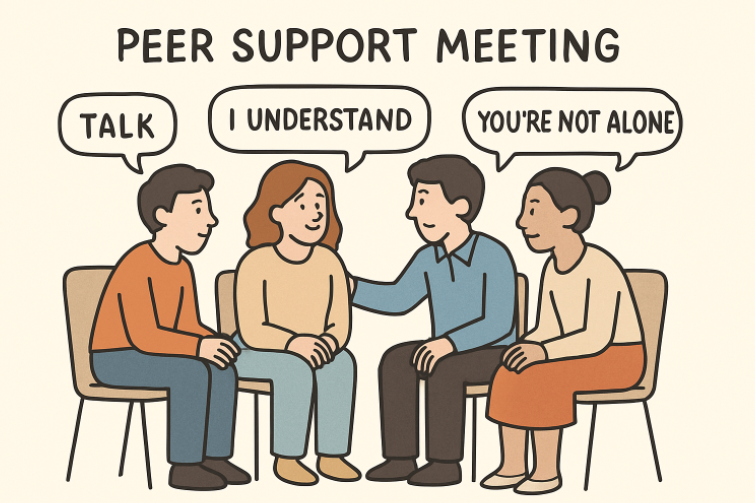
Embarking on the path to sobriety is a significant undertaking, often marked by highs and lows. While individual determination is vital, research and real-life experience consistently show that incorporating peer accountability into recovery can dramatically improve the chances of long-term success. In settings where individuals support and challenge each other, a culture of honesty and encouragement emerges, making the journey less isolating and more achievable. For many, engaging with recovery communities such as Foundations provides a crucial anchor of support and accountability.
Peer groups foster trust and empathy, providing a supportive environment for individuals in recovery. They encourage collective commitment to sobriety and reinforce personal resolve through shared responsibility. Regular interactions in these settings help cultivate a sense of belonging, resilience, and hope. Learning from others’ experiences in recovery enhances coping skills and self-awareness, while openness promotes honesty about struggles. Community involvement results in improved recovery outcomes, with structured peer support showing higher emotional stability and lower relapse rates, making it a recognized element of effective sobriety programs.
Understanding Peer Accountability
At its heart, peer accountability means that individuals in recovery hold one another responsible for their actions, commitments, and progress. Unlike top-down approaches, this system thrives on mutual respect and shared goals. When participants act not just for their own benefit but also for the welfare of others, a powerful network of encouragement helps reinforce daily intentions and long-term plans.
The ongoing process of checking in, sharing experiences, and providing feedback helps keep group members motivated and aware of their actions. Peer accountability does not eliminate individual responsibility; rather, it enhances it, making sobriety a collective as well as a personal victory. Supportive relationships often make it easier to navigate difficult moments and setbacks, acting as both safety nets and sources of inspiration.
Benefits of Peer Support in Recovery
Peer support brings a wide spectrum of benefits for individuals striving for sobriety:
- Emotional Support: Recovery can be an emotional rollercoaster. In a peer group, members find understanding and empathy from others who have endured similar struggles, which eases the fear of judgment and reduces loneliness.
- Increased Motivation: Success becomes contagious. Observing the progress of others, especially peers who have faced real setbacks, can spark new determination and boost energy levels when motivation flags.
- Enhanced Accountability: Regular group engagement increases the sense of obligation not to let others down, fostering a greater commitment to sticking to sobriety plans.
Peer support models that include relationships built on frequent check-ins, celebration of milestones, and collaborative problem-solving prove especially effective. According to research highlighted by the National Institute on Alcohol Abuse and Alcoholism (NIAAA), peer-led programs such as group therapy and self-help meetings can boost abstinence rates significantly compared to isolated attempts at recovery.
Implementing Peer Accountability in Sobriety Programs
To maximize the benefits of peer accountability, recovery programs use various proven strategies:
- Regular Meetings: Scheduled group sessions provide a structured environment for individuals to share both their successes and challenges, while also offering advice and support to one another.
- Accountability Partners: Pairing individuals ensures everyone has a direct source of support, allowing for closer monitoring and mutual encouragement throughout the recovery process.
- Structured Activities: Peer engagement extends beyond meetings. Activities that promote teamwork and common goals, such as volunteering or fitness challenges, reinforce a sense of unity and mutual investment in sobriety.
For example, sober living houses are designed with built-in accountability mechanisms—such as curfews, group responsibilities, and regular check-ins—to encourage positive behaviors and prevent relapse. These systems help cultivate essential skills such as resilience, empathy, and self-awareness, which are crucial for achieving sustainable recovery.
Real-Life Examples of Successful Peer Support
Peer accountability has transformed countless lives through organizations and community groups built on shared experience. One of the most recognized is Alcoholics Anonymous (AA), where a peer-led model underpins everything from regular meetings to the sponsor-sponsee relationship. Members draw strength from group solidarity, learning to replace self-isolating behaviors with openness and support. According to Stanford Medicine, consistent participation in AA doubles the chances of sustained sobriety versus attempting recovery alone.
Similar approaches are found in family-oriented or faith-based recovery groups, women’s and men’s sober networks, and online communities. In each setting, the core principle remains the same: collective accountability fosters individual growth and significantly increases the likelihood of lasting recovery.
Challenges and Solutions in Peer Accountability
No peer system is immune to hurdles. One challenge is the risk of individuals relapsing in close-knit groups; seeing a peer struggle can be demoralizing and increase anxiety about one’s own prospects. To address this, successful programs introduce clear group norms and boundaries, encourage early intervention, and ensure that professional support is readily available when setbacks occur.
Another challenge is managing group dynamics, including disagreements, personality clashes, or breaches of trust. Education in conflict resolution, fostering a non-judgmental culture, and having facilitator oversight where necessary, all contribute to maintaining a healthy and supportive peer environment.
Conclusion
Peer accountability stands as a foundation of effective sobriety. It brings emotional, practical, and motivational benefits by creating a community where individuals share responsibility for their recovery. Empowered by this network, people in recovery report higher confidence, lower relapse rates, and greater overall well-being. By integrating strong peer support systems, recovery programs set the stage for lifelong success and sobriety.
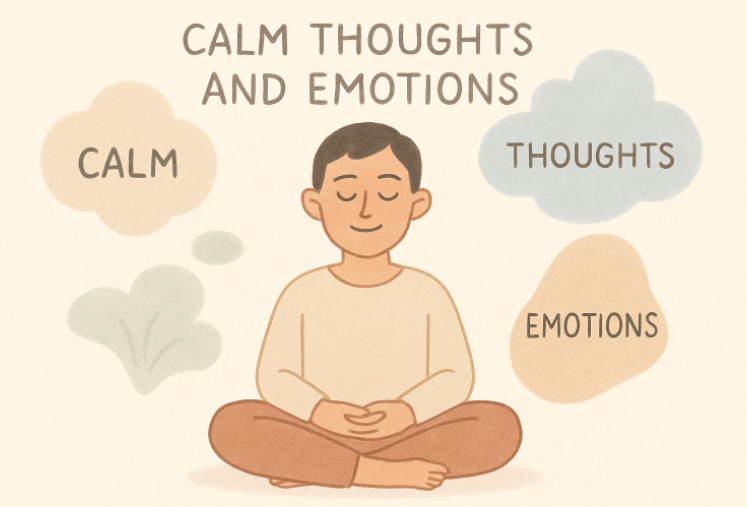
In today’s fast-paced world, stress and anxiety have become common companions. Mindfulness—a practice rooted in paying full attention to the present moment—has emerged as a powerful tool to build resilience against these challenges. By cultivating mindfulness, individuals can navigate life’s ups and downs with greater ease.
For those seeking professional guidance in integrating mindfulness into their lives, AMK Counseling Chicago Therapist offers compassionate and personalized therapy services. As a leading provider in Chicago, AMK Counseling specializes in helping individuals and families navigate mental health challenges, including anxiety and stress, through evidence-based approaches. Their team of experienced therapists is dedicated to supporting clients on their journey toward healing and growth.
The Science Behind Mindfulness
Research underscores the effectiveness of mindfulness in reducing stress and anxiety. A study by the McGovern Institute for Brain Research at MIT found that just 10 to 15 minutes of daily mindfulness practice led to significant reductions in anxiety and perceived stress among autistic adults. These benefits persisted even after participants discontinued the practice, highlighting its lasting impact.
Practical Mindfulness Techniques
Incorporating mindfulness into daily life doesn’t require extensive time or resources. Here are some simple techniques to get started:
- Breathing Exercises: Focus on your breath, inhaling and exhaling slowly to anchor yourself in the present moment.
- Body Scan Meditation: Pay attention to different parts of your body, noting sensations without judgment.
- Mindful Walking: Walk slowly, observing each step and the sensations in your feet and legs.
- Gratitude Journaling: Write down things you’re grateful for each day to shift focus from stressors to positives.
Integrating Mindfulness into Daily Routines
Building resilience through mindfulness involves consistent practice. Here are the steps to integrate mindfulness into your daily routine:
- Set Aside Time: Dedicate a specific time each day for mindfulness practice, even if it’s just 5-10 minutes.
- Create a Quiet Space: Find a comfortable, quiet place free from distractions.
- Use Guided Resources: Utilize apps or online resources to guide your practice.
- Be Patient: Understand that mindfulness is a skill that develops over time; be patient with yourself.
Mindfulness in Professional Settings
Organizations are increasingly recognizing the value of mindfulness in the workplace. Implementing mindfulness programs can lead to improved employee well-being, increased productivity, and reduced absenteeism. For instance, companies like Google and Intel have integrated mindfulness practices into their corporate culture, resulting in positive outcomes for both employees and the organization.
Mindfulness for Children and Adolescents
Introducing mindfulness to younger individuals can equip them with tools to manage stress and build resilience from an early age. Schools incorporating mindfulness programs report improvements in students’ focus, behavior, and emotional regulation. Parents can also practice mindfulness with their children through activities like mindful breathing or storytelling.
Overcoming Common Misconceptions
Despite its benefits, some misconceptions about mindfulness persist. It’s important to understand that mindfulness is not about emptying the mind or achieving a state of bliss. Instead, it’s about being present and accepting one’s experiences without judgment. Additionally, mindfulness is accessible to everyone and doesn’t require any special equipment or extensive time commitments.
Conclusion
Embracing mindfulness practices can significantly enhance resilience, enabling individuals to handle life’s challenges better. Whether through simple daily exercises or structured programs, mindfulness offers a pathway to improved mental well-being and a more balanced life.
-

 Blog7 months ago
hanime1: The Ultimate Destination for Anime Lovers
-

 Entertainment9 months ago
Sflix: How It’s Changing the Way We Watch Movies and TV Shows
-

 Entertainment8 months ago
Crackstreams 2.0: The Future of Free Sports Streaming?
-

 Bills10 months ago
Why Does My Instagram Reel Stop Getting Views After One Hour? How to Fix It?
-

 Technology10 months ago
Simpcitt: The Rise of a Unique Online Community
-

 Blog8 months ago
Imginn: The Ultimate Tool to View Instagram Content Anonymously
-

 80s10 months ago
Favorite 100 Songs of the 80s: (#1) Michael Jackson – Billie Jean
-

 Blog10 months ago
Simpcitu: The New Age Trend Shaping Online Interactions