
BLOG
Choosing Between Moissanite and Cubic Zirconia Rings: A Comprehensive Guide


Selecting an engagement ring or fine jewelry is an exciting investment. Many people are now considering alternatives to traditional diamonds, especially as they seek beauty, ethics, and affordability. Among the most popular alternatives are moissanite and cubic zirconia. To help clarify the difference between moissanite and cubic zirconia, this comprehensive guide walks you through their qualities, helping you make the best decision for your unique style and budget.
Both moissanite and cubic zirconia have gained attention for their dazzling appearance and more accessible pricing compared to natural diamonds. Each stone, though, offers different benefits and drawbacks. Understanding the properties of these gemstones ensures you choose a ring that suits your expectations, whether it is an everyday symbol of commitment or a sparkling accessory for special occasions.
Some shoppers prioritize durability for a ring meant to last a lifetime, while others may choose a stone simply for occasional wear. While cost is a crucial consideration, factors like brilliance and maintenance play a big role in long-term satisfaction. Educating yourself on these differences empowers you to find a ring that fits not only your budget but also your lifestyle.
It is not just about stunning sparkle. Your choice may reflect your priorities, from seeking a durable heirloom to selecting jewelry for ethical or environmental reasons. As you weigh your options, comparing key factors will help you invest in a ring you will love for years to come.
Composition and Origin
Moissanite is composed of silicon carbide, a mineral first found in 1893 in a meteorite crater. What makes moissanite special is that nearly all stones on the market are lab-created, making them an ethical and environmentally sustainable diamond alternative. By contrast, cubic zirconia (CZ) is engineered from zirconium dioxide and was introduced in the 1970s as an affordable diamond substitute. Like moissanite, CZ is a lab-grown stone, ensuring it is both conflict-free and readily available to jewelry makers worldwide.
The synthetic origins of these gemstones mean consumers can enjoy brilliant, diamond-like rings without the mining impacts or ethical complications associated with other gems. For those interested in sustainable jewelry, both stones offer peace of mind and beauty.
Hardness and Durability
Everyday jewelry requires a gemstone that resists scratches and chips. Moissanite stands out with a Mohs hardness rating of 9.25, making it almost as hard as diamond and ensuring long-lasting brilliance. Stones of this hardness rarely lose their luster, even when worn daily. Conversely, cubic zirconia is softer, with a Mohs hardness of 8-8.5. While this is still relatively hard, it is not as resistant to the wear and tear of everyday use. As a result, cubic zirconia rings may scratch, dull, or even chip over time, especially when set in rings meant for frequent wear.
Brilliance and Fire
Sparkle and shine draw people to these diamond alternatives. Moissanite excels in this area, offering a refractive index higher than that of diamond, which translates into remarkable brilliance and vibrant rainbow flashes known as “fire.” The stone’s ability to capture and reflect light creates a breathtaking display, often catching more attention than a typical diamond. Cubic zirconia also mimics the sparkle of a diamond but features a whiter, more uniform sparkle. However, this brilliance tends to fade as the CZ surface scratches and accumulates residue, resulting in a duller appearance over time.
Color and Clarity
Moissanite typically appears near-colorless, though in certain lighting, a subtle yellow or green hue can occasionally be detected. Modern production processes allow colorless versions that closely resemble top-grade diamonds. Cubic zirconia, on the other hand, is manufactured to be perfectly transparent and colorless. While this makes it initially appear similar to a flawless diamond, cubic zirconia can become cloudy or discolored after several months of exposure to air, sunlight, and even oils from your skin.
Cost and Value
Budget is often a central factor in choosing between these stones. Cubic zirconia is one of the most budget-friendly options available, with prices averaging $10 to $30 per carat. Moissanite is more expensive, priced at $300 to $800 per carat. The higher initial investment in moissanite reflects its superior durability and lasting beauty. Moissanite also holds some resale value, whereas cubic zirconia typically does not. This makes moissanite a more cost-effective option in the long run for those who want a ring that will look great for many years without frequent replacement.
Care and Maintenance
Another factor in your decision is the upkeep required to maintain your ring’s beauty. Moissanite’s superior hardness makes it virtually maintenance-free. Gentle cleaning with soap and water is generally all that is necessary to maintain its sparkle. It resists scratches, chips, and cloudiness even after years of use. By contrast, cubic zirconia requires greater attention. It scratches easily and can become cloudy, demanding frequent cleaning and gentle handling. Over time, replacing a cubic zirconia stone may be necessary to preserve its original appearance.
Making Your Choice
The right choice ultimately comes down to which attributes are most important to you. Moissanite is best for those who desire a durable, sparkling ring with long-lasting brilliance and who are willing to invest a bit more up front. Its longevity and beauty make it ideal for engagement rings and daily wear. Cubic zirconia is a good pick for shoppers who want an affordable, diamond-like look for rings that will not be subjected to constant wear. Understanding the options and evaluating them against your priorities will ensure you choose a ring that matches both your style and needs.
By considering durability, brilliance, cost, and maintenance, you can choose a gemstone that feels right for you and brings lasting joy, whether as a symbol of commitment or a brilliant statement for any occasion.

In analytics, the best investments are the ones that deliver measurable impact without creating ongoing complexity. Home upgrades work the same way. Some renovations look impressive but add maintenance and cost. Others deliver real lifestyle value and strengthen property appeal at the same time. Deck projects sit in that second category, which is why they continue to rank as one of the most popular outdoor upgrades.
A deck is not just a visual improvement. It changes behavior. It increases how often people use outdoor space, how easily they host, and how comfortable the home feels during warmer months. And because the upgrade is both functional and noticeable, it can also improve perceived property value. If you want a practical service reference for this type of project, working with a Columbus deck builder is often the starting point for homeowners who want an outdoor space built with proper planning and durability in mind.
The lifestyle metric: increased usage of your own space
A deck’s most immediate return is usage. Before a deck, many yards are “there” but not truly usable. Grass gets muddy. Uneven ground makes seating awkward. There is no stable surface for dining, lounging, or gathering. A deck turns outdoor space into an actual room, which changes how often it gets used.
From a behavioral perspective, the deck lowers the friction to going outside. You do not need a special event to use it. You can take coffee outside, eat dinner outside, or unwind for fifteen minutes after work. Those moments add up, and they are the reason homeowners describe a deck as one of the most satisfying upgrades.
The function metric: improved flow and hosting capacity
Decks perform well because they solve a common problem: indoor crowding during social time. When people host, everyone ends up in the kitchen or living room because those spaces have structure. A deck adds structure outdoors and creates a natural overflow area.
This can make hosting easier without changing the interior of the home. Instead of rearranging furniture or squeezing around a small table, the outdoor space becomes a flexible zone. In practical terms, decks increase capacity. They also improve flow between indoor and outdoor areas, which makes the home feel larger.
The design metric: layout beats materials
Many homeowners assume decking success is mostly about materials. In reality, layout does more work than most people expect. A deck can use premium boards and still feel awkward if the space is too narrow, if furniture blocks walkways, or if stairs are placed in the wrong spot.
High performing deck layouts usually include clear zones: a dining area, a lounge area, and a path that allows movement without interruption. Even small decks can feel premium if flow is planned around how people actually sit, walk, and gather.
If you think like an analyst, layout is the core variable that influences satisfaction. Materials matter, but layout drives daily usability.
The durability metric: quality construction reduces long term cost
The most expensive deck problems are rarely obvious on day one. They show up later as structural movement, moisture issues, or repeated repairs. Poor drainage, weak framing, incorrect fastening, and details that trap moisture can shorten a deck’s lifespan and create ongoing maintenance costs.
That is why build quality is the biggest long term value driver. A deck that feels solid, drains properly, and is integrated correctly with the home reduces the chance of expensive future fixes. It also maintains aesthetic value longer, which supports property perception.
Durability is the equivalent of lowering operating costs. It is not the flashy part of the project, but it is the part that protects the investment.
The experience metric: lighting and comfort extend usage
A deck’s value multiplies when it can be used beyond daylight hours. Lighting is one of the highest ROI add ons because it turns the deck into an evening space. Step lighting improves safety. Subtle rail lighting creates ambiance. Warm ambient fixtures make outdoor dinners and late conversations feel natural.
Shade and privacy are also key comfort features. If the deck is exposed or too hot at peak sun hours, usage drops. Simple additions like pergolas, screens, planters, or strategic zoning can make the deck feel like an outdoor living room instead of a platform.
Comfort features are not just aesthetic. They directly affect usage frequency, which is the main driver of satisfaction.
The property metric: perceived value and first impressions
Decks influence buyer perception because they signal lifestyle. A well built outdoor space helps buyers imagine gatherings, relaxation, and usable square footage. Even if a homeowner is not selling soon, that perception matters because it reflects how complete and well maintained the home feels.
From an analytics view, decks improve “curb appeal” and “livability” signals. Those signals influence the emotional response people have to a property, which is a major factor in perceived value.
A simple deck planning framework
If you want the project to perform well, apply a simple decision framework.
Define the primary use: dining, lounging, entertaining, or mixed
Plan size based on furniture needs and walkways, not guesses
Choose materials that match maintenance comfort level
Include lighting so the space works in the evening
Consider shade and privacy to increase usage
Prioritize quality construction to protect durability
This framework keeps decisions grounded in function, which is how you maximize long term satisfaction.
Final thought
From a pure analytics perspective, a deck is a strong upgrade because it scores well across the key dimensions: usage, comfort, durability, and perceived value. It improves daily life immediately and supports property appeal over time.
The best results come from treating the deck like a real living space, designed for flow, built for weather, and planned around how you actually want to live. When those factors align, the ROI is not just financial. It is time, comfort, and a home that feels bigger and more enjoyable every day.

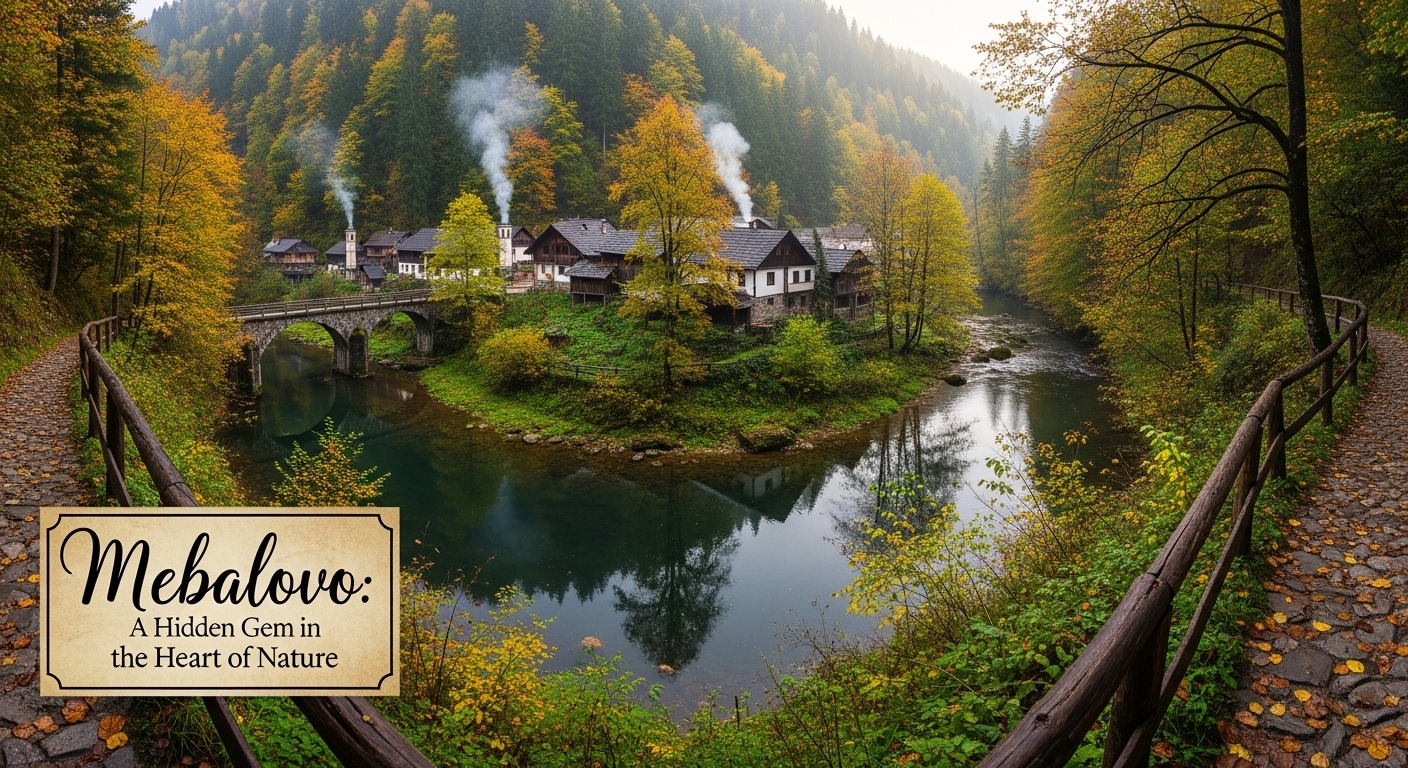
Nestled in the heart of nature lies Mebalovo, a serene village that promises an escape from the hustle and bustle of everyday life. With its lush landscapes and tranquil atmosphere, this hidden gem is perfect for travelers seeking a unique experience. Imagine waking up to the sounds of chirping birds, surrounded by dense forests and sparkling rivers. Mebalovo offers not just stunning scenery but also a rich tapestry of history and culture waiting to be explored.
Whether you’re an adventure seeker or someone looking to unwind, Mebalovo has something for everyone. From breathtaking natural wonders to delicious local cuisine, there’s no shortage of things to see and do here. Join us as we dive into what makes Mebalovo such an enchanting destination worthy of your next getaway.
History and Culture of Mebalovo
Mebalovo is steeped in rich history that dates back centuries. Nestled amidst stunning landscapes, this village reflects the essence of traditional Russian life.
The culture here is a tapestry woven from folklore and local customs. Residents celebrate vibrant festivals, showcasing their heritage through music, dance, and art. Each event brings together families and visitors alike.
Historical architecture dotting the area tells stories of its past. Old wooden houses stand as reminders of craftsmanship passed down through generations.
Local artisans continue to keep traditions alive by creating handmade crafts that embody Mebalovo’s spirit. Visitors can often witness these craftsmen at work, providing a glimpse into the skills honed over many years.
This blend of history and culture makes Mebalovo not just a place to visit but an experience to cherish deeply.
The Natural Wonders of Mebalovo
Mebalovo is a paradise for nature lovers. Its lush forests and rolling hills create a breathtaking landscape that feels untouched by time.
The nearby rivers offer crystal-clear waters perfect for cooling off in summer. Kayaking or fishing here can be a tranquil experience, surrounded by the sounds of chirping birds.
Wildlife enthusiasts will revel in spotting deer, foxes, and an array of colorful birds. The region’s biodiversity makes each visit unique and exciting.
In spring, vibrant wildflowers blanket the meadows, while autumn brings stunning foliage that transforms the scenery into an artist’s canvas. Every season showcases Mebalovo’s charm differently.
Hiking trails wind through this natural wonderland, inviting exploration at every turn. Each path offers hidden viewpoints that reveal panoramic vistas guaranteed to take your breath away.
Activities and Adventures in Mebalovo
Mebalovo is a playground for adventure seekers. The pristine landscapes offer countless opportunities for outdoor activities. Hiking trails wind through lush forests, revealing breathtaking views at every turn.
For those who crave water adventures, the local rivers are perfect for kayaking and fishing. You might even catch a glimpse of native wildlife while paddling along tranquil waters.
Cycling enthusiasts will find scenic routes that cater to all skill levels. Pedaling through charming villages and stunning countryside makes for an unforgettable experience.
In winter, Mebalovo transforms into a snowy wonderland. Skiing and snowboarding draw thrill-seekers to its slopes, while snowshoeing offers a quieter way to explore the beauty of the season.
No matter how you choose to spend your time here, Mebalovo promises exhilarating experiences in nature’s embrace.
Local Cuisine and Delicacies in Mebalovo
Mebalovo offers a delightful culinary experience that reflects its rich culture and traditions. Local markets brim with fresh produce, making it easy to discover regional specialties.
One must-try dish is the hearty mushroom soup, often made with wild mushrooms foraged from nearby forests. The flavors are earthy and comforting.
Another local favorite is “pirozhki,” which are small baked pastries filled with various ingredients like cabbage or meat. They make for perfect snacks during your adventures.
Don’t miss out on kvass, a traditional fermented beverage made from rye bread. It’s refreshing and slightly tangy—ideal after a day of exploring.
Finish your meal with some homemade berry compote, which captures the essence of Mebalovo’s natural bounty. Each bite tells a story of the land’s abundance and warmth.
Accommodations in Mebalovo
Mebalovo offers a variety of accommodations to suit every traveler’s taste. Whether you prefer quaint guesthouses or cozy cabins, this hidden gem has something for everyone.
Nestled amidst nature, many lodgings provide stunning views and easy access to hiking trails. Picture waking up to the sounds of birds chirping and fresh mountain air filling your lungs.
For those seeking a touch of luxury, boutique hotels with modern amenities are available too. Enjoy relaxing spa treatments after a day filled with adventure.
Budget-friendly options also thrive here. Hostels and budget inns welcome backpackers looking for comfort without breaking the bank.
No matter where you stay, warmth and hospitality abound in Mebalovo. The locals take pride in making visitors feel right at home, ensuring an unforgettable experience during your stay.
How to Get to Mebalovo
Reaching Mebalovo is a journey worth taking. Nestled in the heart of nature, this hidden gem is easily accessible from major cities.
If you’re traveling by car, the scenic drive offers beautiful landscapes. The roads are well-maintained and ideal for a leisurely trip. Just follow the signs leading to Tver Oblast; you’ll find yourself surrounded by lush greenery as you approach your destination.
Public transport is another option. Trains and buses frequently connect to nearby towns. From there, local taxis or shuttle services can whisk you straight to Mebalovo.
For those flying in, the nearest airport is located about an hour away. Renting a car at the airport provides additional flexibility for exploring nearby attractions.
Whichever way you choose to travel, be prepared for breathtaking views along the route that make every mile worthwhile.
Why You Should Visit Mebalovo
Mebalovo is a slice of paradise waiting to be discovered. Nestled amidst lush greenery, this quaint village offers an escape from the chaos of city life.
The serene atmosphere invites you to unwind and reconnect with nature. Picture yourself surrounded by towering trees and the gentle sounds of flowing water. It’s a perfect backdrop for relaxation or meditation.
Exploring Mebalovo means uncovering hidden trails that lead to breathtaking vistas. Each path tells its own story, beckoning adventurers to embark on unforgettable journeys.
Local culture thrives here, enriching your travel experience. Engage with friendly locals who are eager to share their traditions and tales.
And let’s not forget about the culinary delights! Savor authentic dishes made from locally sourced ingredients that tantalize your taste buds.
Visiting Mebalovo is not just a trip; it’s an opportunity for self-discovery in one of nature’s untouched havens.
Insider Tips for Exploring Mebalovo
To make the most of your visit to Mebalovo, start early. The mornings here are magical as nature awakens. Sunrise over the hills offers a breathtaking view.
Bring comfortable shoes for exploring trails. The terrain can be uneven, but each step leads to hidden treasures like scenic overlooks and unique rock formations.
Don’t forget your camera. Capture not just landscapes but also local wildlife that may cross your path unexpectedly.
Engage with locals during your stay. They have stories and recommendations that guidebooks often miss.
Try visiting during off-peak seasons if you prefer solitude while soaking in nature’s beauty. Autumn brings vivid colors, while spring showcases blooming wildflowers.
Pack light snacks and water for long hikes; some paths might lead you far from amenities. Keeping hydrated is essential!
Conclusion: Experience the Magic of Mebalovo
Mebalovo is a treasure waiting to be discovered. Its rich history, vibrant culture, and breathtaking natural beauty create an enchanting atmosphere that captivates every visitor. Whether you’re hiking through lush forests or savoring local delicacies, each moment spent in Mebalovo reveals something special.
Adventure enthusiasts will find plenty of activities to engage in, while those seeking tranquility can unwind amid serene landscapes. The welcoming community adds warmth to this hidden gem, making it feel like home away from home.
Travelers are encouraged to explore the diverse offerings of Mebalovo—from its stunning scenery to its delectable cuisine. With comfortable accommodations available for all types of travelers and easy access from nearby cities, there’s no reason not to embark on this journey.
So pack your bags and set out for a magical experience in Mebalovo—a place where nature meets culture in perfect harmony. Discover what makes this destination so unique and unforgettable; it’s time to make memories that will last a lifetime.

Are you on the hunt for an extensive library of Android apps? Look no further than GetAPKMarkets.com, your ultimate destination. This platform offers a treasure trove of applications that can enhance your mobile experience. Whether you’re looking for games, productivity tools, or unique utilities, GetAPKMarkets.com has it all.
Navigating the app landscape can be overwhelming with so many choices out there. That’s where this site shines, simplifying your search and providing safe access to a plethora of options. Curious about how it works and what sets it apart? Let’s dive deeper into GetAPKMarkets.com and explore its features together!
How Does GetAPKMarkets.com Work?
GetAPKMarkets.com operates as an alternative app marketplace for Android users. It provides a platform to download APK files directly, bypassing the traditional Google Play Store.
Users can browse through various categories like games, productivity tools, and entertainment apps. The site offers a search function that makes it easy to find specific applications quickly.
When you select an app, GetAPKMarkets.com presents detailed information about its features and user ratings. This transparency helps users make informed choices before downloading.
Downloading is straightforward; just click on the download button next to the desired app. The file is saved onto your device, ready for installation.
For security reasons, all apps are scanned for malware before being uploaded to the site. This extra layer of protection ensures a safer experience while exploring new software options.
Benefits of Using GetAPKMarkets.com
Using GetAPKMarkets.com opens the door to a vast library of Android applications. Users can explore countless apps that may not be available on traditional app stores.
One significant advantage is access to premium apps for free. Many users enjoy features and functionalities without spending a dime, making it an attractive option for budget-conscious individuals.
Moreover, GetAPKMarkets.com offers faster download speeds compared to many alternatives. This efficiency means less waiting time and more time enjoying your favorite apps.
The platform also prioritizes user experience with an intuitive interface. Navigating through categories or searching for specific titles is seamless and straightforward.
Security is another cornerstone of this site. Regular updates ensure that users receive safe versions of their desired applications, reducing the risk associated with third-party downloads.
Top Features of GetAPKMarkets.com
GetAPKMarkets.com stands out with its extensive library of Android apps. Users can easily find both popular and niche applications, ensuring there’s something for everyone.
The site boasts a user-friendly interface that simplifies the search process. Intuitive navigation allows users to browse categories effortlessly, making app discovery quick and enjoyable.
Another remarkable feature is the regular updates provided for each application. This ensures that users always have access to the latest versions and security patches.
Additionally, GetAPKMarkets.com offers detailed app descriptions along with user reviews. This transparency helps potential downloaders make informed choices before installation.
Downloading apps is straightforward without unnecessary steps or complicated processes. Users appreciate this seamless experience when acquiring their desired applications quickly.
How to Download Apps from GetAPKMarkets.com
Downloading apps from GetAPKMarkets.com is a straightforward process. Start by visiting the website on your Android device. The user-friendly interface allows for easy navigation.
Once you’re on the homepage, you can browse through categories or use the search bar to find specific apps. Each app listing provides essential information and download options.
After selecting an app, tap on the download button. A prompt may appear asking for permission to install applications from unknown sources. Ensure you allow this setting in your device’s security settings.
The app will begin downloading immediately. Once completed, locate it in your downloads folder and tap to install directly onto your device. Follow any additional prompts during installation for a smooth experience.
Enjoy exploring various apps tailored to enhance your Android usage!
User Reviews and Ratings
User reviews and ratings play a crucial role in shaping the reputation of GetAPKMarkets.com. Users share their experiences, providing insights into app quality and safety.
Many praise the vast selection available on the platform. From popular games to niche utilities, users appreciate having access to both well-known titles and hidden gems.
The interface receives favorable mentions too. Navigating through categories is simple, making it easy for users to find what they need quickly.
However, some concerns arise about occasional outdated apps or compatibility issues with specific devices. These reviews serve as warnings for potential downloaders.
User feedback highlights both strengths and areas for improvement at GetAPKMarkets.com. This input not only helps new visitors but also guides developers toward enhancing their offerings on the site.
Alternatives to GetAPKMarkets.com
If you’re exploring options beyond GetAPKMarkets.com, there are several alternatives worth considering.
One popular choice is APKPure. This platform offers a wide variety of apps and games, often featuring the latest versions before they hit Google Play. Its user-friendly interface makes navigation easy.
Another option is Aptoide. It allows developers to upload their own apps, giving users access to unique and niche applications that might not be available elsewhere. Plus, it has a robust community for sharing reviews.
F-Droid stands out as well for those who prioritize open-source software. All apps on this platform are free and trustworthy since they undergo thorough vetting processes.
SlideME can be appealing if you’re looking for an alternative market with competitive app offerings and frequent updates. Each of these platforms provides diverse experiences tailored to different user needs.
Conclusion
GetAPKMarkets.com stands out as a reliable destination for Android app enthusiasts. With its user-friendly interface and extensive library of applications, it caters to a diverse audience looking for both popular titles and hidden gems. The straightforward download process ensures that users can swiftly access their desired apps without unnecessary delays.
The platform’s commitment to safety and regular updates is commendable, ensuring users have the latest features while minimizing risks associated with third-party downloads. User reviews reflect satisfaction with the service, further validating its reputation in the digital marketplace.
While alternatives exist, few match GetAPKMarkets.com’s blend of convenience and security. Whether you’re searching for games or productivity tools, this site offers a comprehensive solution tailored to meet your Android needs.
Exploring GetAPKMarkets.com might just enhance your mobile experience by unlocking a world of possibilities right at your fingertips.
-

 BLOG8 months ago
hanime1: The Ultimate Destination for Anime Lovers
-

 ENTERTAINMENT10 months ago
Sflix: How It’s Changing the Way We Watch Movies and TV Shows
-

 ENTERTAINMENT9 months ago
Crackstreams 2.0: The Future of Free Sports Streaming?
-

 BILLS10 months ago
Why Does My Instagram Reel Stop Getting Views After One Hour? How to Fix It?
-

 BLOG9 months ago
Imginn: The Ultimate Tool to View Instagram Content Anonymously
-

 Technology11 months ago
Simpcitt: The Rise of a Unique Online Community
-

 80s11 months ago
Favorite 100 Songs of the 80s: (#1) Michael Jackson – Billie Jean
-

 BLOG10 months ago
NHentai.nef: Understanding the Popular Hentai Archive